
Some dogs itch for reasons that are not fleas at all. Allergies, yeast, and even skin folds can spark red bumps, hot spots, and rashes.
Knowing the real cause helps your pup feel better faster and saves you time and money. Here are breeds that often face hidden skin issues and what you can do.
French Bulldog

That squishy face wins hearts fast, but it also hides trouble. Skin folds trap heat and moisture, so redness and a sour smell can appear even when no fleas are around.
Many Frenchies also react to pollen or certain foods.
Switch to a vet-recommended hypoallergenic diet, wipe folds daily with a gentle cloth, and dry carefully. If itch continues, ask your vet about cytology to check yeast and bacteria, plus allergy testing or medicated wipes.
Golden Retriever

Wet fur plus a sunny day can spark hot spots overnight. Owners often blame fleas, yet Goldens commonly battle atopic dermatitis and a flaky condition called ichthyosis.
Chewing, hair loss, and oozing patches are common clues.
Clip and clean the area, then keep a cone on to stop licking. Ask your vet about omega-3s, weekly antiseptic baths, and allergy control.
A fan and thorough drying after swims or rain walks can prevent repeat flare-ups.
German Shepherd
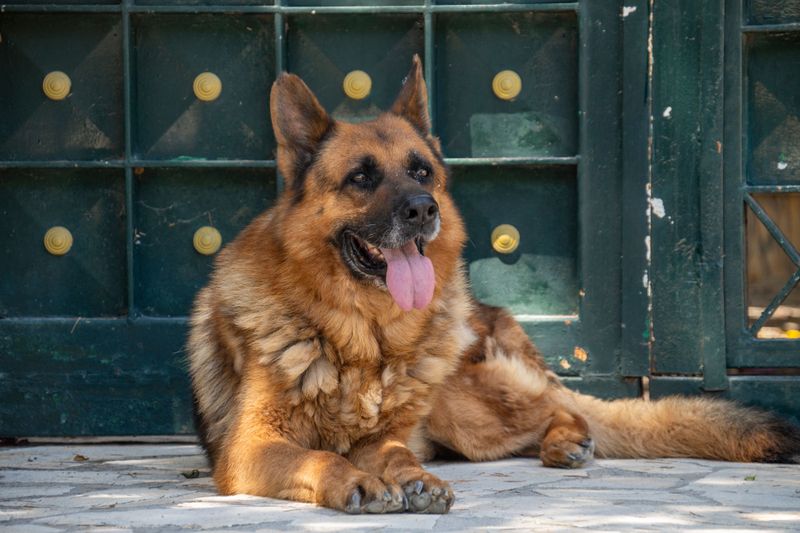
Always on duty, Shepherds often hide discomfort until skin infections run deep. What looks like simple flea itch may be secondary to allergies or oily seborrhea.
You might notice a strong odor, blackheads, and a dull coat.
Schedule a skin scrape and culture to rule out mange and resistant bacteria. Balanced diets with added zinc help some dogs.
Gentle, frequent brushing plus medicated shampoos can lift excess oil and reduce flares while you treat the root cause.
Labrador Retriever

Water-loving Labs often return from the lake happy, then start nibbling later. Moisture trapped under a thick coat can fuel bacteria and yeast, not fleas.
Ear scratching and a musty smell go hand in hand.
Dry thoroughly with a towel and a cool setting on a blow dryer. Talk with your vet about allergy control, routine ear cleaners, and short-term anti-itch medicine.
Keeping nails trimmed and using a recovery shirt can reduce scratching damage during flare-ups.
Boxer

Full of bounce, Boxers can develop patchy hair loss that owners confuse with flea bites. Juvenile demodectic mange and seasonal flank alopecia show up in this breed.
Red bumps and gray, thin areas often follow stress or heat.
Your vet may suggest skin scraping, lime sulfur dips, or isoxazoline medications. Reduce triggers with steady routines, sun exposure limits, and quality sleep.
Keep a photo diary of spots so progress is clear between checkups and treatment adjustments.
English Bulldog

Comical wrinkles can hide painful rashes. Tail pockets and facial folds are perfect homes for yeast and bacteria, even when no fleas are present.
You may notice scooting, a sour odor, or brown tear staining.
Clean creases daily, then pat dry so skin does not stay damp. Ask your vet about chlorhexidine wipes, tail pocket care, and ear solutions.
Weight control, using a harness, and short, cool walks help prevent heat and moisture from fueling future flare-ups.
West Highland White Terrier

Small body, big itch. Many Westies have strong reactions to dust mites and grasses, so owners assume fleas when scratching explodes each spring.
Saliva stains and red feet reveal constant licking.
Work with your vet on an allergy plan that may include antihistamines, immunotherapy, or newer anti-itch medicines. Regular paw soaks with diluted antiseptic, weekly baths, and cotton bedding can calm skin.
Rotating protein sources carefully helps if food sensitivities are part of the picture.
Cocker Spaniel

Silky ears look beautiful, yet they trap warmth and humidity. Cockers often battle oily skin and stubborn ear infections that owners misread as flea trouble.
Head shaking, scabs along the back, and a waxy coat are common signs.
Plan for regular ear exams and cytology, plus medicated shampoo routines. A snug snood during meals keeps ears clean.
Ask about hormone or thyroid testing if infections repeat. Shortened ear feathering and careful drying after baths can change everything.
Shar-Pei
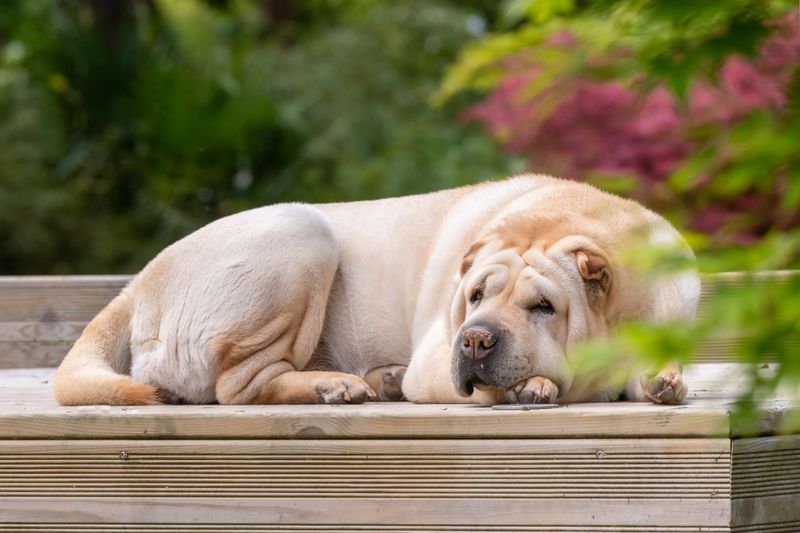
All those adorable folds come with a catch. Shar-Pei skin makes extra mucin, which can lead to swelling and infection that owners confuse with flea bites.
Fevers, painful hocks, and musty-smelling folds raise red flags.
See your vet quickly for bloodwork and skin tests. Anti-inflammatories, targeted antibiotics, and consistent fold care often help.
Consider a cool home environment, stainless bowls, and limited high-salt treats to reduce puffiness. Gentle daily wipe-downs, then drying with a fan, keep trouble from brewing.
Staffordshire Bull Terrier
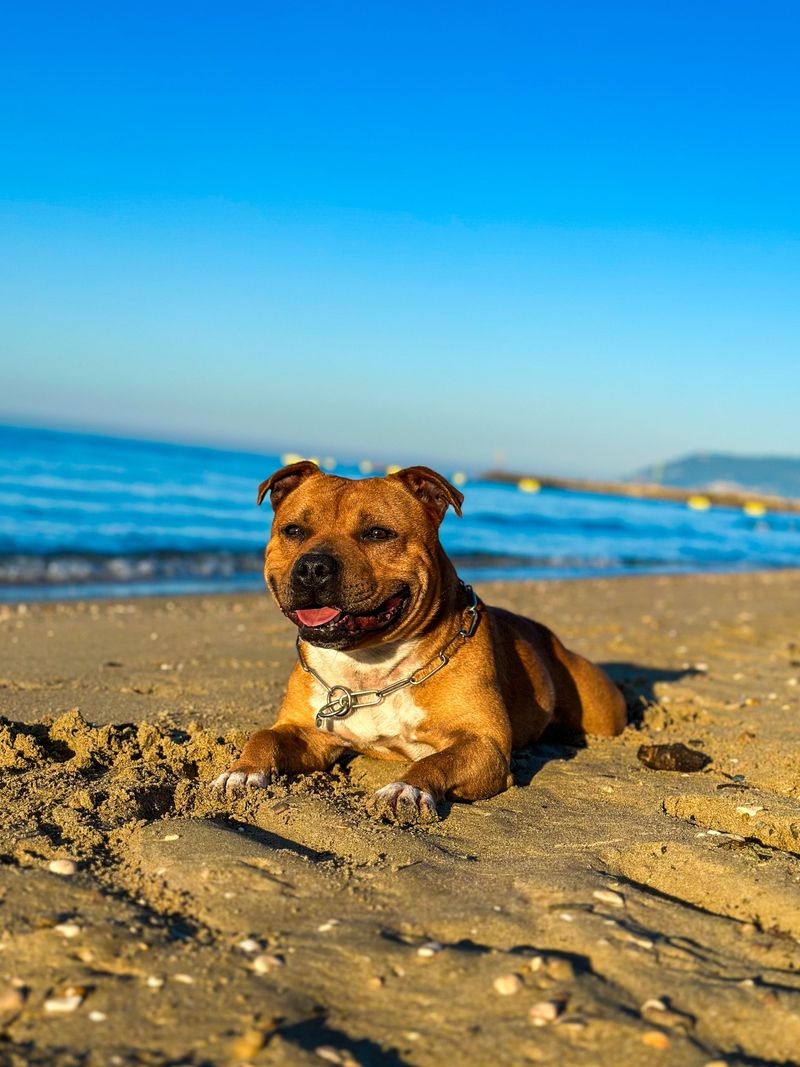
Happy, stocky Staffies love a good cuddle, but many have sensitive skin. Pollen, cleaning products, and certain fabrics can spark rashes that resemble flea bites.
Paw chewing, armpit redness, and thin fur on the belly are common clues.
Patch-test new shampoos on a small spot, switch to fragrance-free detergents, and choose breathable beds. Your vet might recommend flea preventives that also target mites, plus anti-itch plans.
Sun shirts and paw balms protect skin during long, playful afternoons.
Shih Tzu

A royal look hides a sensitive side. Shih Tzus can have oily seborrhea and yeast overgrowth that owners mistake for fleas.
Flaking along the back, red groin skin, and hair mats under the collar often show up together.
Ask for a grooming schedule that includes line brushing, sanitary trims, and regular baths with a vet-approved shampoo. Keep the topknot loose to protect delicate skin.
Probiotics, diet trials, and gentle ear care can support lasting comfort.
Dalmatian

Spotty coats grab attention, yet rashes can hide beneath. Many Dalmatians develop atopic dermatitis or contact reactions that look like flea bites at first.
You might see pink bumps, chin acne, or licking at the tail base.
Choose mild, dye-free cleaners for floors and bedding, and rinse shampoo thoroughly. Discuss omega-3s, topical antibiotics for acne spots, and itch control with your vet.
Cooling mats, shaded walks, and steady hydration help skin stay calm through warm months.