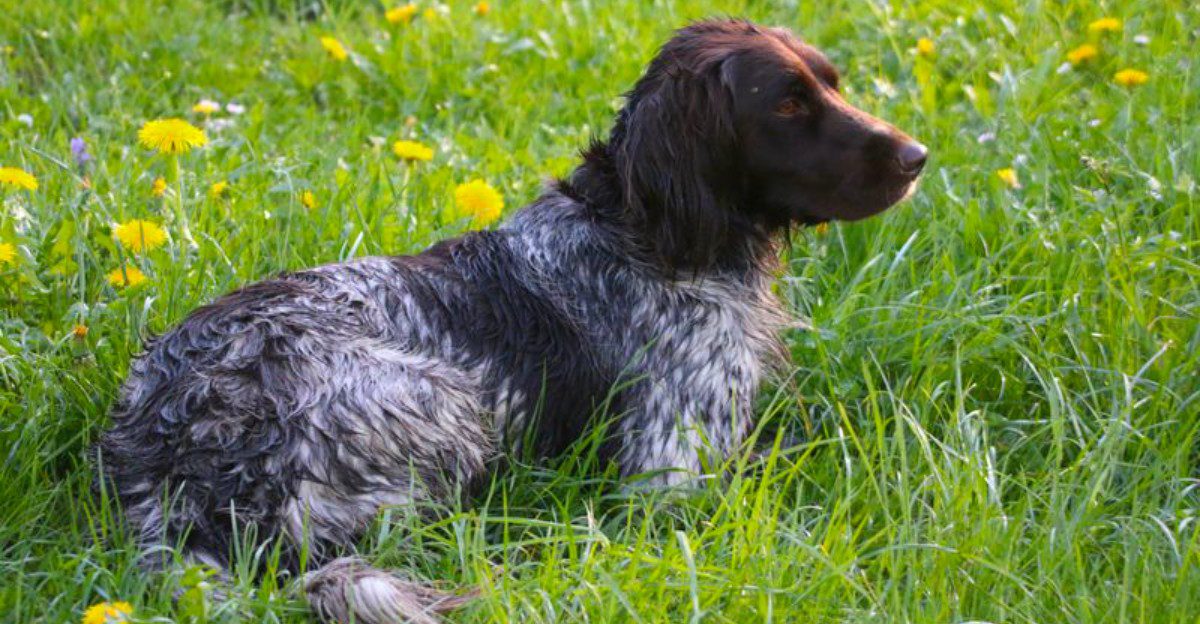
Bringing home a rare dog can feel exciting, but some pups come wired for work. They were bred to herd, guard, hunt, or rescue, and they still love to stay busy today.
If you meet their needs, you get a happy partner, not a restless chewer. Learn what kind of jobs keep these smart dogs balanced and content.
Belgian Malinois
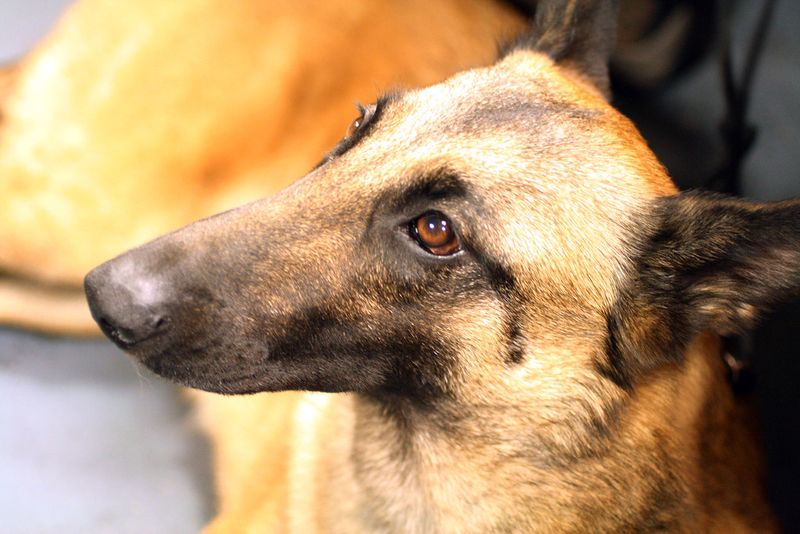
Blink and they are already on the next task. Belgian Malinois crave purpose, puzzles, and miles.
Give them scent games, agility course runs, and daily obedience refreshers. A bored Malinois invents work, like herding kids or patrolling windows.
Keep sessions short, fast, and upbeat.
Rotate jobs across the week: tracking on Monday, tug and retrieves midweek, hiking on weekends. Clear rules help them relax at home.
Mental workouts matter as much as physical sprints.
Australian Cattle Dog
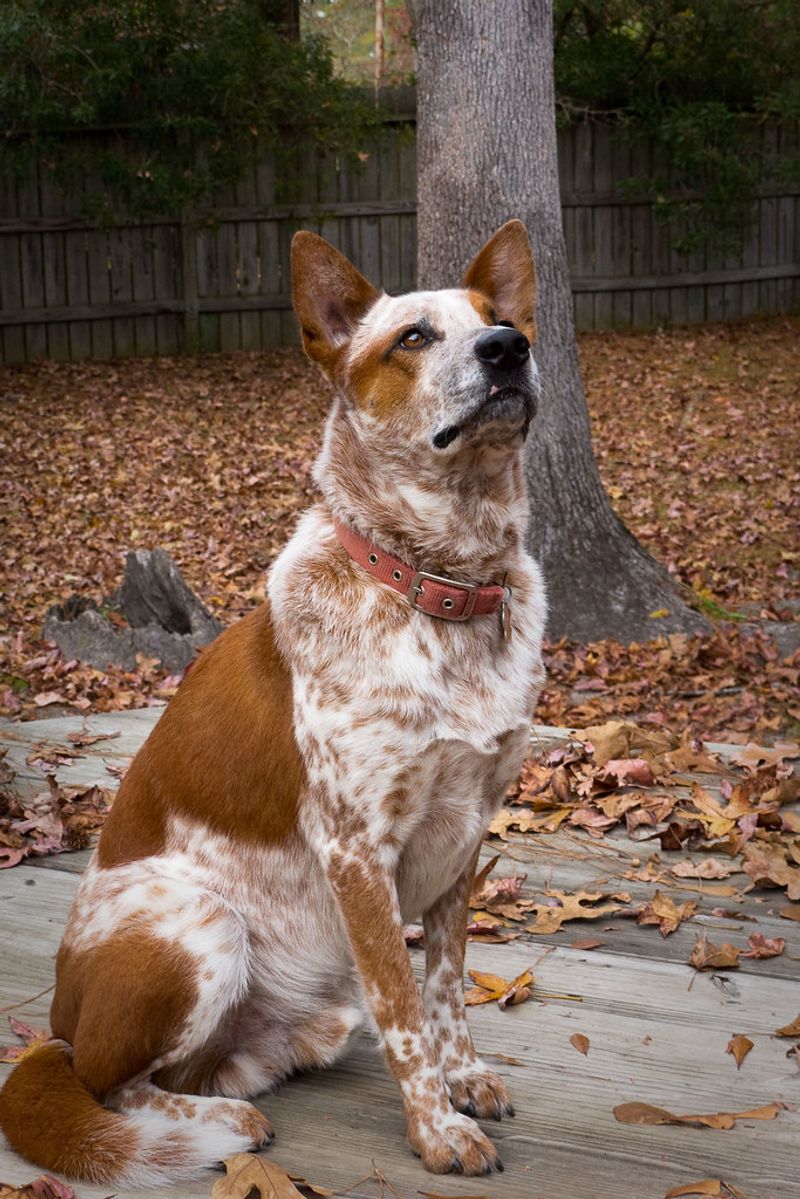
Born to move cattle, this spark plug loves a challenge. Australian Cattle Dogs thrive on structured jobs like bikejoring, herding lessons, and rally obedience.
Daily fetch with rules keeps minds sharp. Teach impulse control through “sit to earn” for meals and doorways.
That thinking time matters.
Try urban herding games with cones to simulate livestock. Short, frequent training beats long marathons.
A sturdy chew and puzzle feeder help them unwind after action-packed adventures.
Giant Schnauzer
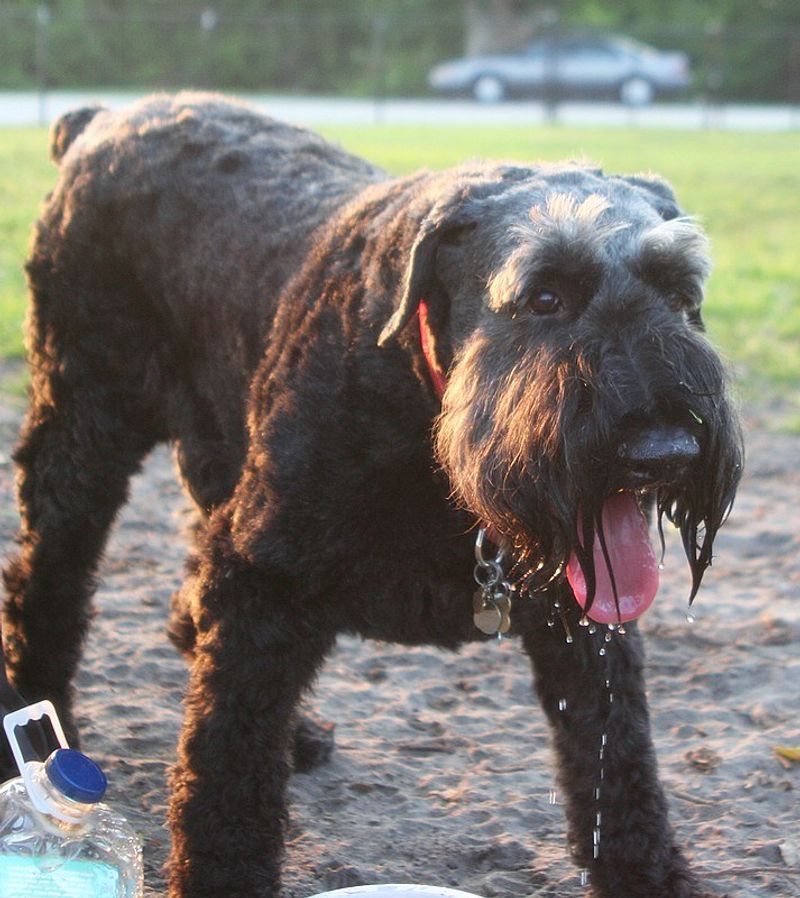
Big brain, bigger engine. Giant Schnauzers were bred to drive cattle and guard property, so they enjoy serious jobs.
Try scent work, carting, or advanced obedience. Clear boundaries make them shine.
Practice calm holds, place training, and polite greetings to balance their intensity.
Provide heavy-duty toys and problem-solving tasks. Ten minutes of nose games often beats a long jog.
Keep training fair and consistent, and you will see loyal, steady teamwork at home and outdoors.
Great Pyrenees
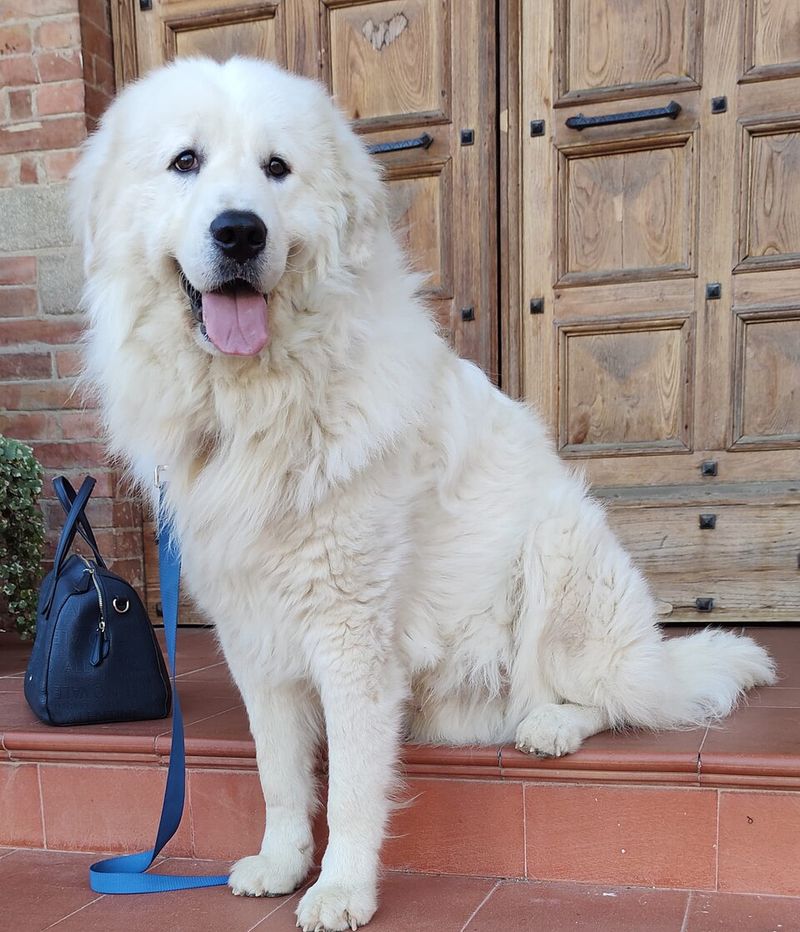
Quiet nights are their favorite shift. Great Pyrenees are natural guardians, bred to watch over flocks without much direction.
They excel when given a yard to patrol and a routine to follow. Gentle introductions to guests and clear fences help them feel secure and responsible.
Light training, steady walks, and confidence-building games suit their style. Reward calm choices.
Give them meaningful lookout spots and predictable schedules, and they return that trust with calm vigilance.
Belgian Tervuren
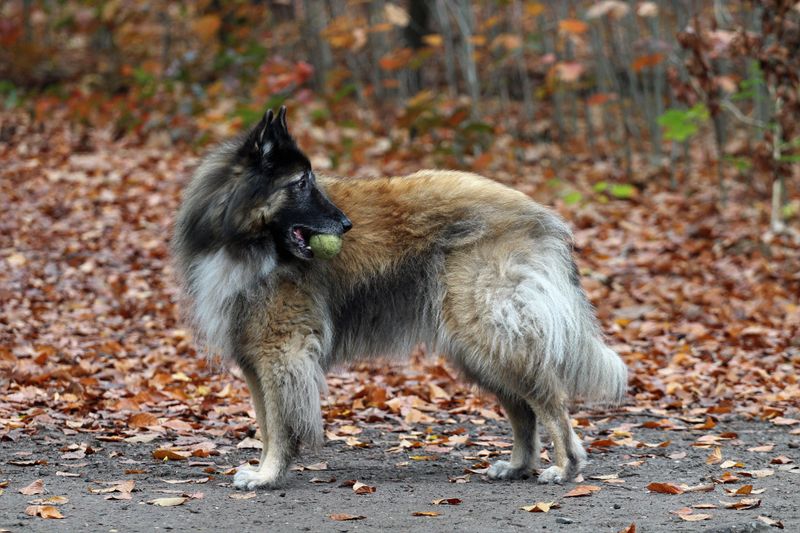
Think of a dancer with a to-do list. Belgian Tervurens love precision and flow, making agility, rally, and obedience feel like play.
Use hand signals, fast rewards, and varied courses to keep their minds engaged. Too much sameness can dull their spark.
Plan weekly themes, such as footwork drills, scent searches, or trick chains. Short training bursts sprinkled through the day work wonders.
A balanced schedule prevents overarousal and builds brilliant teamwork.
Anatolian Shepherd Dog
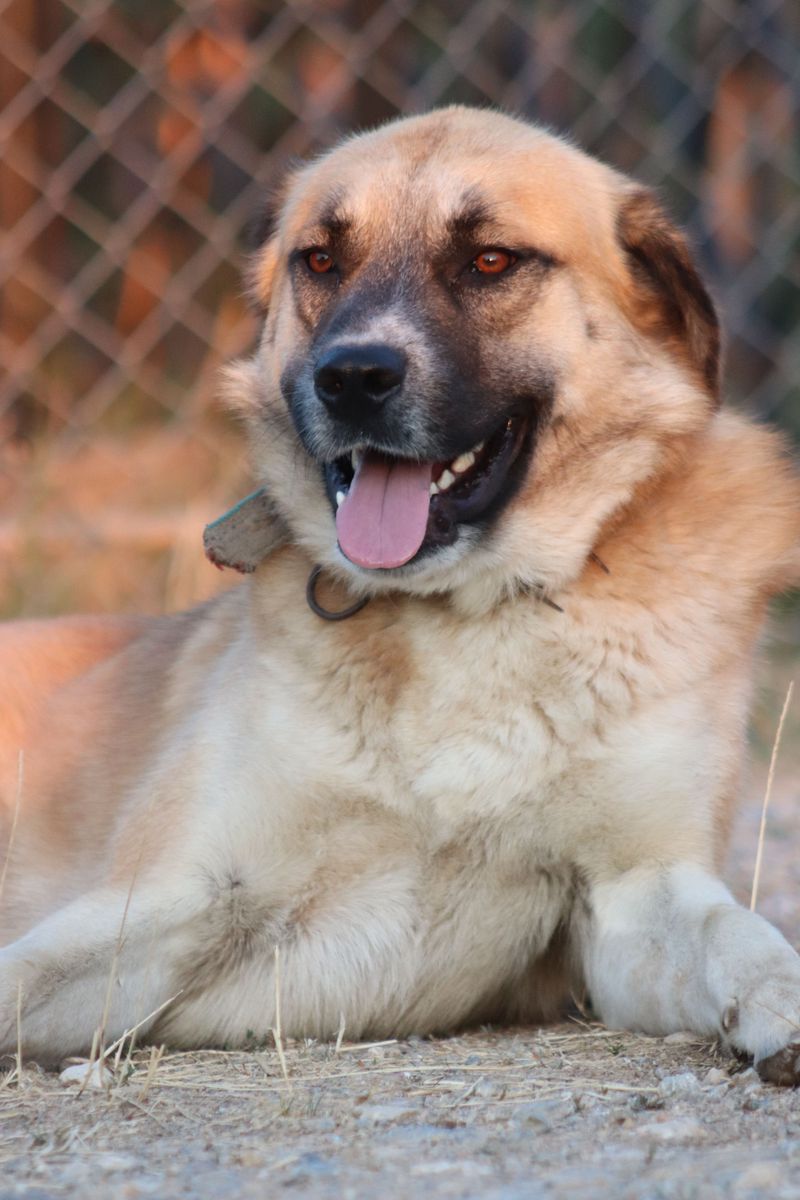
Stoic and thoughtful, they prefer meaningful work over busywork. Anatolian Shepherd Dogs were bred to make independent choices while guarding herds.
Offer structured territory, sturdy fencing, and calm leadership. Teach reliable recalls and boundary skills with long lines and high-value rewards.
Provide watch posts and quiet time during the day. Their exercise can be steady walks and purposeful patrols, not endless fetch.
Respect their judgment, and they repay you with steady, protective presence and confidence.
Australian Kelpie
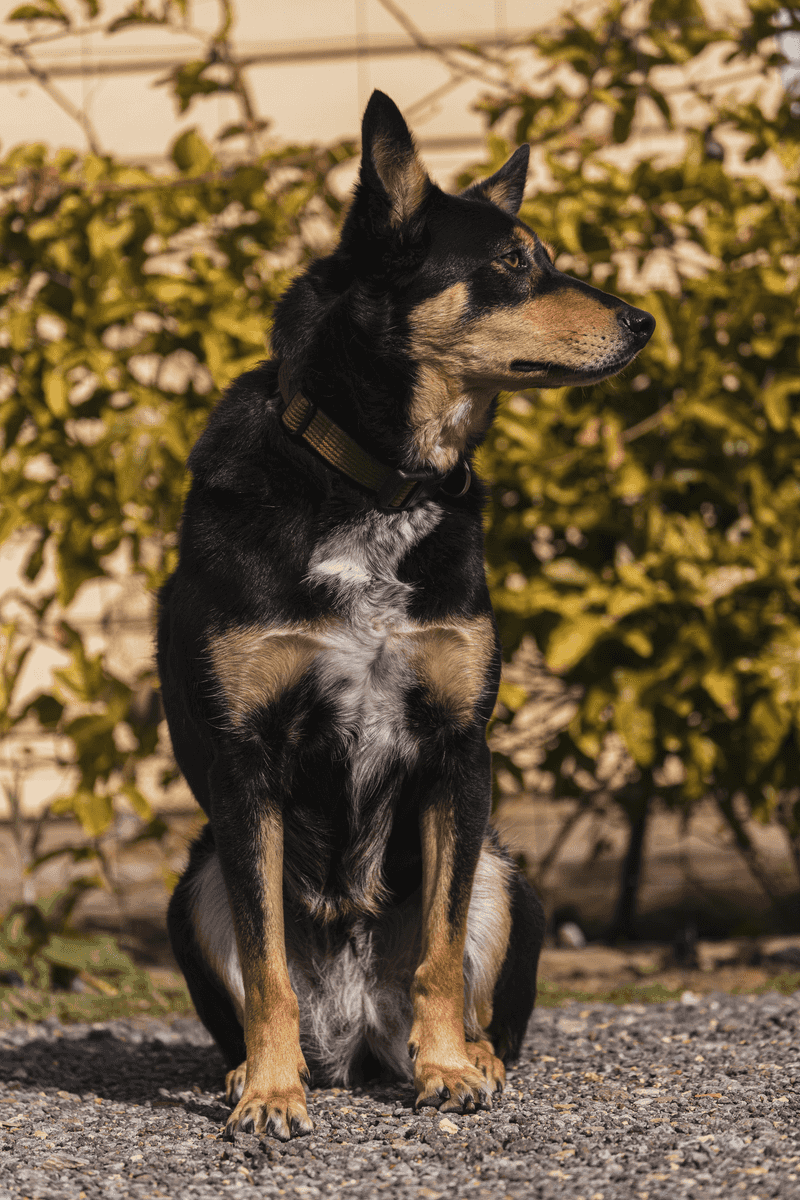
Energy meets clever problem-solver. Australian Kelpies adore jobs that mix speed and thinking, like frisbee tricks, treibball, and herding clinics.
Build a daily circuit: warm-up heelwork, fast retrieves, and a puzzle bowl cool-down. Variety keeps their spark bright.
Teach off-switch cues such as “settle” on a mat with chews. Rotate toys so novelty stays high.
With fair rules and regular challenges, their quick minds channel into joyful teamwork instead of mischief.
Beauceron
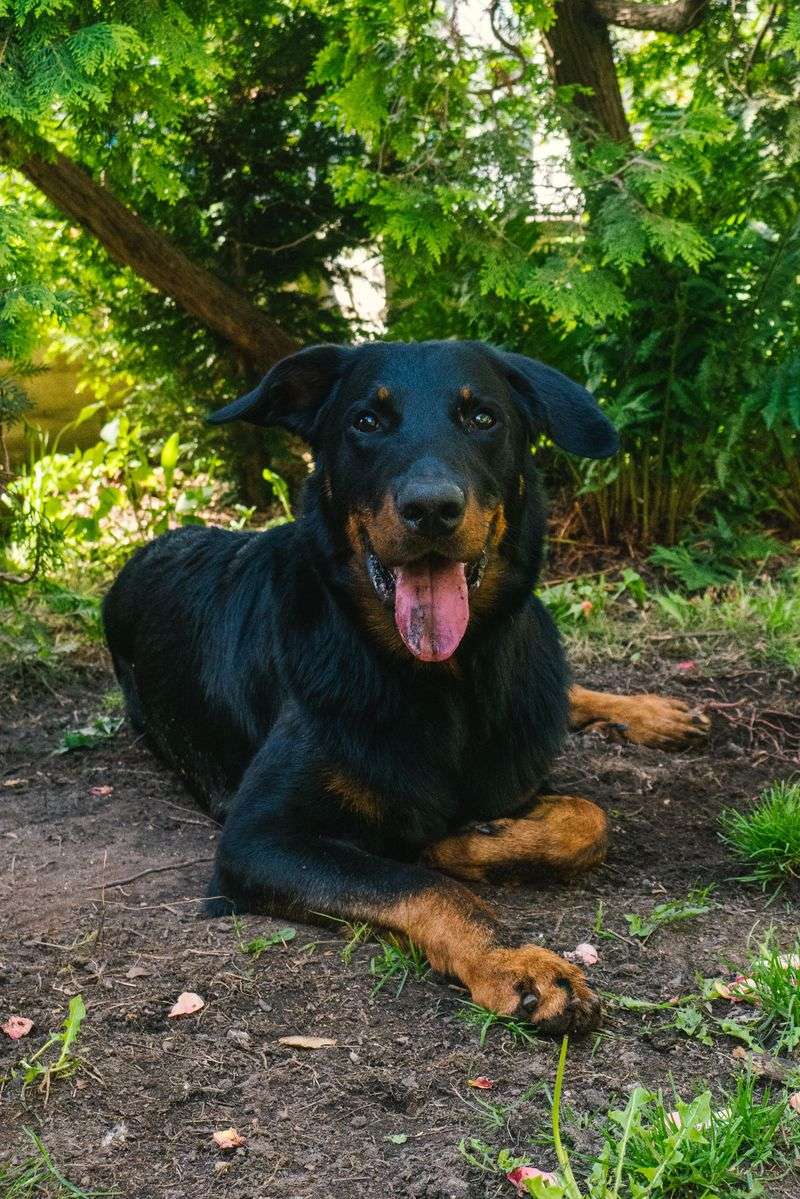
Composed, athletic, and quietly intense, the Beauceron carries an old-world herder’s mindset. They appreciate purposeful miles, clear jobs, and consistent manners.
Try tracking lines, advanced heeling patterns, and backpack hikes. Build confidence around new sights with calm exposure and rewards.
A weekly schedule might include scent articles Tuesday, long-line hikes Thursday, and problem-solving games Saturday. Keep communication crisp and fair.
When given steady leadership, they grow into dependable, thoughtful partners.
Chesapeake Bay Retriever
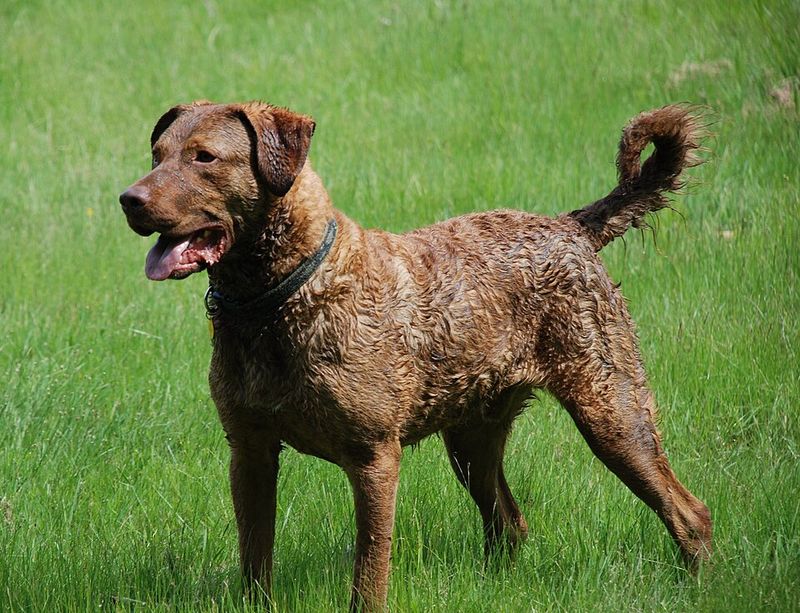
Water is their office. Chesapeake Bay Retrievers shine with retrieves in cold, choppy conditions, so they crave swim time and purposeful fetch.
Practice blind retrieves, directional casts, and steadiness on a mat. Use durable bumpers and vary distances to keep focus sharp.
Off the water, add nose games and core-strength exercises. A drying routine and coat care matter after every swim.
Give them a mission, and their grit turns into calm pride at home.
German Wirehaired Pointer
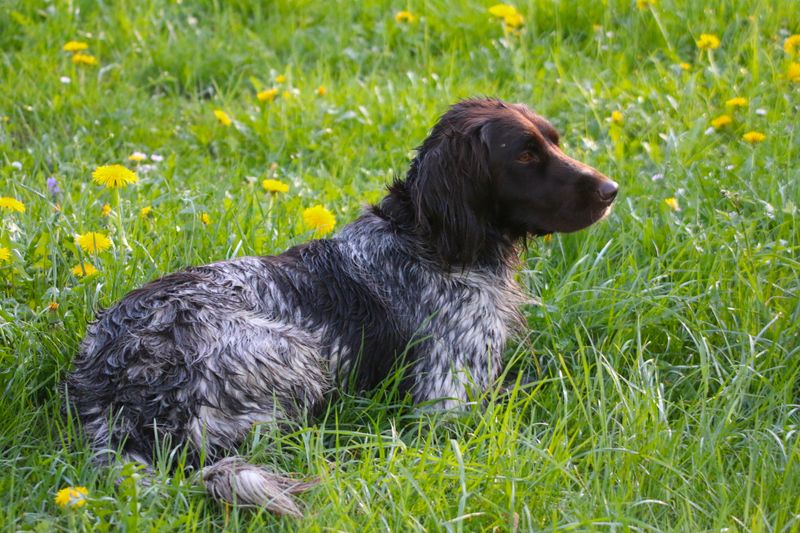
Nose first, everything else second. German Wirehaired Pointers are versatile hunters that also excel at canicross and tracking.
Build steadiness with place training and impulse control before birds or balls. Mix long sniffy walks with structured recalls and retrieves.
Field days should end with quiet crate time and gentle stretching. Rotate training: one day pointing drills, another day blood tracking games.
Give their nose work to do, and manners improve naturally.
Norwegian Elkhound
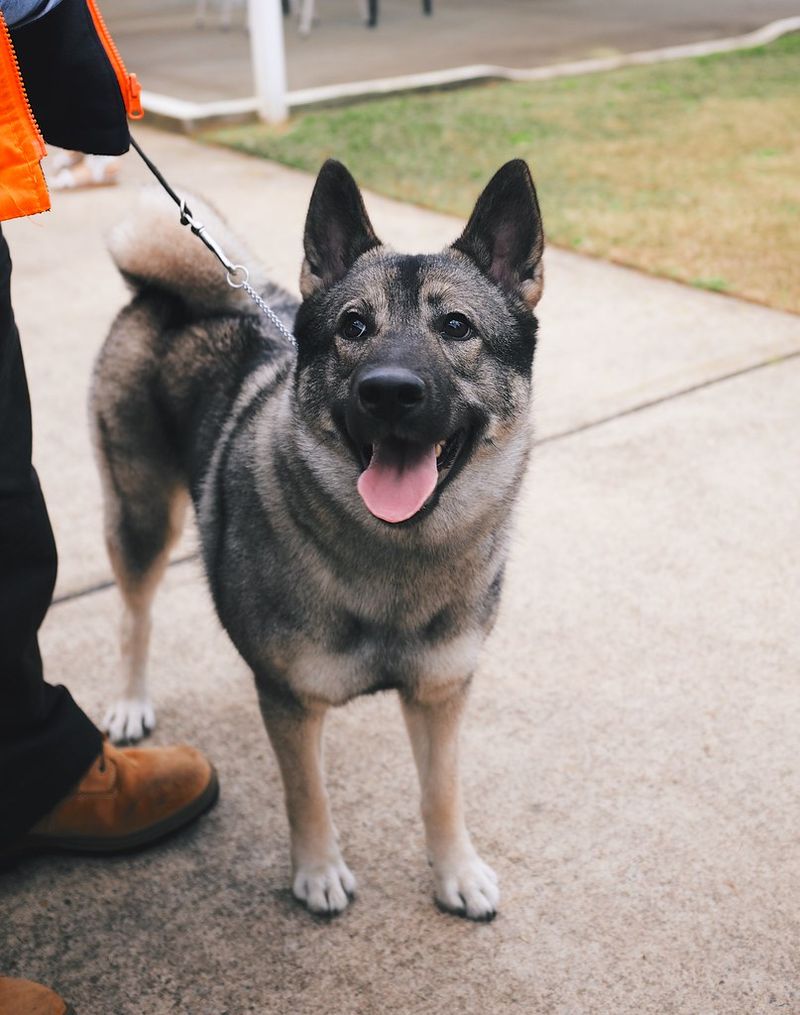
Ancient hunting roots run deep here. Norwegian Elkhounds enjoy sturdy hikes, tracking games, and weather that would send others inside.
Teach reliable trail manners and give them scent puzzles along the route. Their independence benefits from clear check-ins and tasty rewards.
At home, interactive feeders and hide-and-seek toys satisfy their curiosity. Plan weekly adventures to new parks or forest loops.
When their explorer side stays busy, they settle with calm satisfaction afterward.
Black Russian Terrier
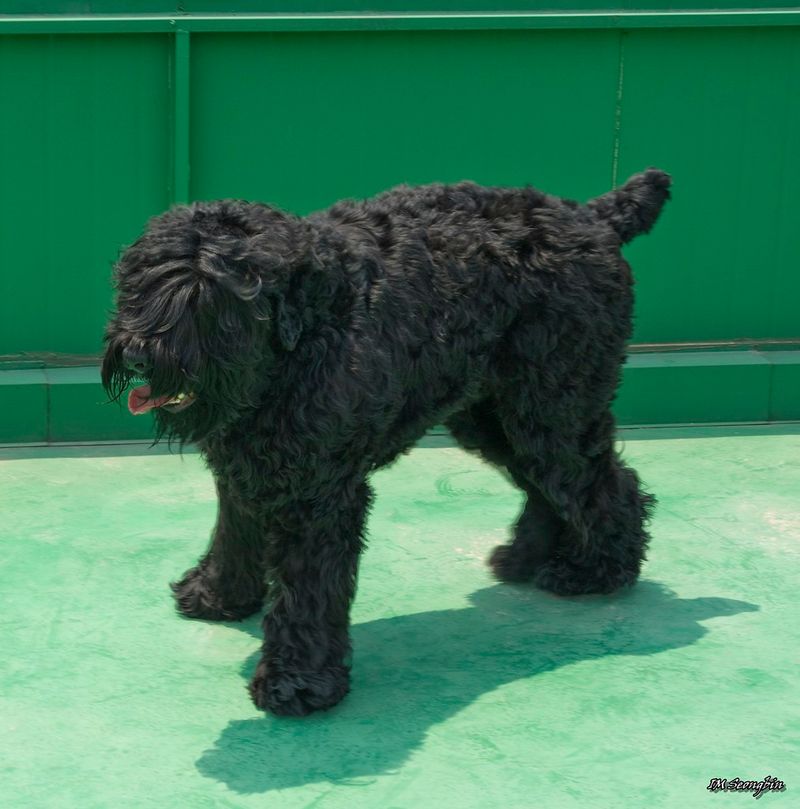
Built like a bodyguard with brains, the Black Russian Terrier thrives on clear tasks. Think advanced obedience, protection sport foundations, and purposeful patrol walks.
Focus on calm neutrality around strangers, then reward attention to you. Structured socialization pays off for this serious worker.
Mix strength work, like controlled tugs and hill walks, with brain teasers such as scent boxes. End sessions with relaxing mat time.
Consistent leadership turns drive into reliable confidence.