
Silence at home can feel peaceful to us. For many dogs, though, quiet can be confusing or even stressful.
Without enough company, exercise, and brain work, some pups get barky, clingy, or restless. Knowing what your breed needs helps your home stay calm and happy.
Labrador Retriever
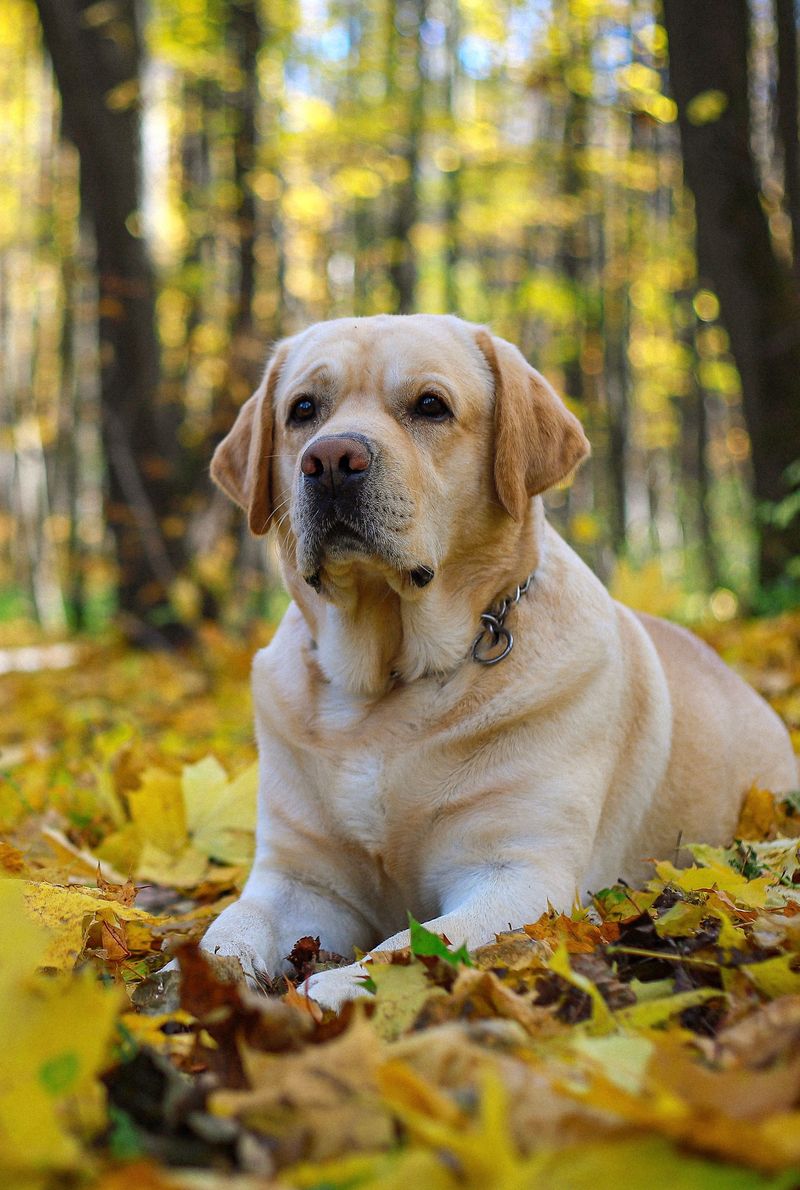
Big hearts get lonely fast when the house falls silent. Labradors crave company, purpose, and steady activity.
Without people noise or a job, many start pacing or carrying toys from room to room.
Plan brain work, like scent games, frozen chew puzzles, and short training bursts. Add two brisk walks and a quick fetch session to burn extra fizz.
Background music or an audio book can ease solo time for this social, tail-thumping canine friend.
Cavalier King Charles Spaniel

Silence feels like a missing hug to many Cavaliers. These gentle lap lovers bond tightly and can fret when left without footsteps around.
Ears perk at tiny sounds, then they search for you, sometimes whining or shadowing doors.
Create comfort rituals, like soft beds near your desk and calm chew breaks. Short sniff walks, gentle fetch indoors, and relaxed grooming settle busy hearts.
A slow radio station and a worn T-shirt with your scent help reassure sensitive companions.
Boxer
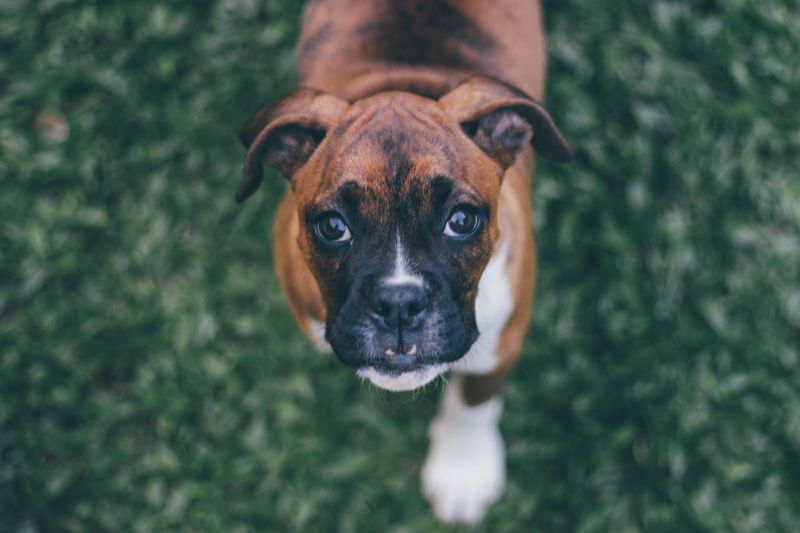
Quiet rooms can feel like a red light to a Boxer that loves action. With playful energy and clown vibes, they may start mouthing toys or bouncing for attention.
Schedule structured outlets, like interval walks, tug with rules, and short agility drills. Teach a relax cue on a mat, then reward stillness with chews.
A food-stuffed rubber toy plus light background TV keeps the mood upbeat during alone times.
Dachshund
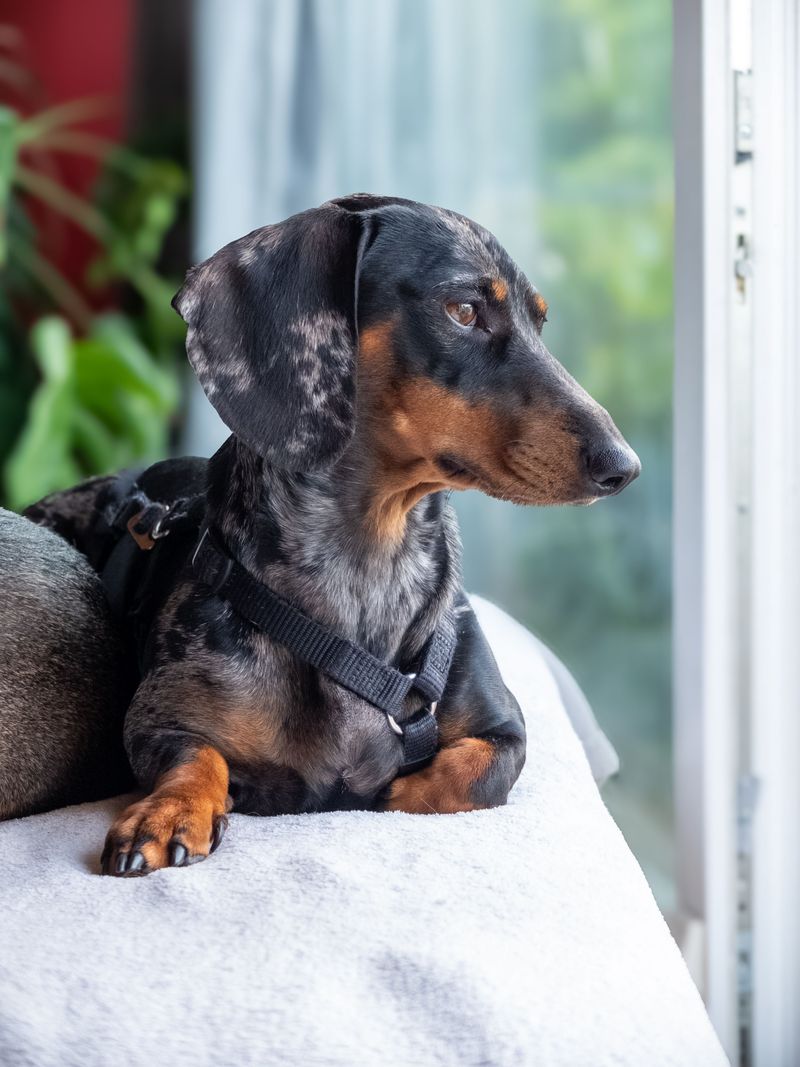
Small body, big opinions fits the Dachshund perfectly. In a quiet house, they often switch to watchdog mode, barking at subtle creaks or birds.
Hunting roots make them alert and stubborn about it.
Prevent hallway concerts with daily sniffaris, digging boxes, and nose-work games that wear out brains. Practice quiet cues using treats before triggers show up, and reward calm looking.
A snug vest or wrap can soothe nervous pups during nap hours.
Australian Shepherd
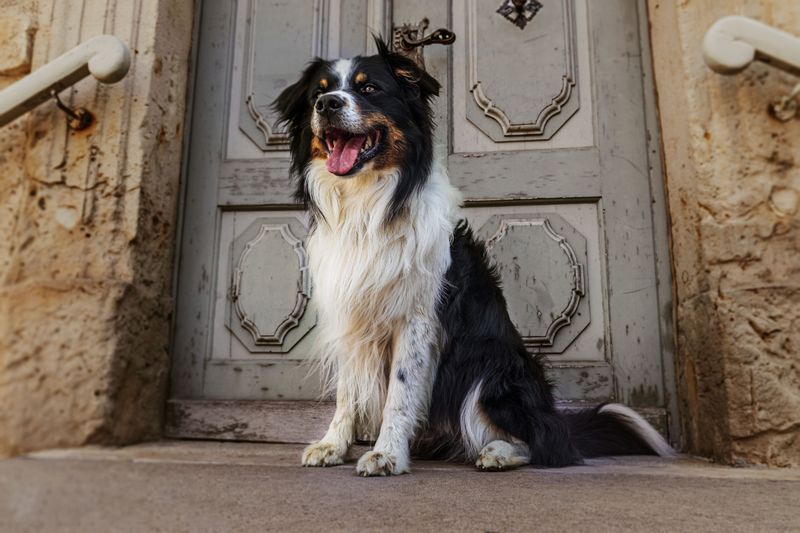
Smart as a science kid, the Aussie notices every little change. In still rooms, that sharp brain hunts for jobs and can invent naughty ones.
Channel drive with daily herding-like games, obedience patterns, and puzzle feeders that reset focus. Scatter feeding in the yard, plus trick training, gives healthy outlets.
Teach a solid settle on cue, and rotate tasks so calm feels truly rewarding every day.
Cocker Spaniel

Those soulful eyes say, Where is everyone, when the house goes quiet. Bred to work beside people, Cockers thrive on gentle chatter and frequent check-ins.
Too much silence can lead to fussing or over-grooming.
Keep routines predictable, with short play bursts, sniff walks, and brushing that doubles as bonding. Leave a safe chew and soft music when you step out.
Kind training for alone time, using tiny departures, builds confidence without drama.
Bichon Frise
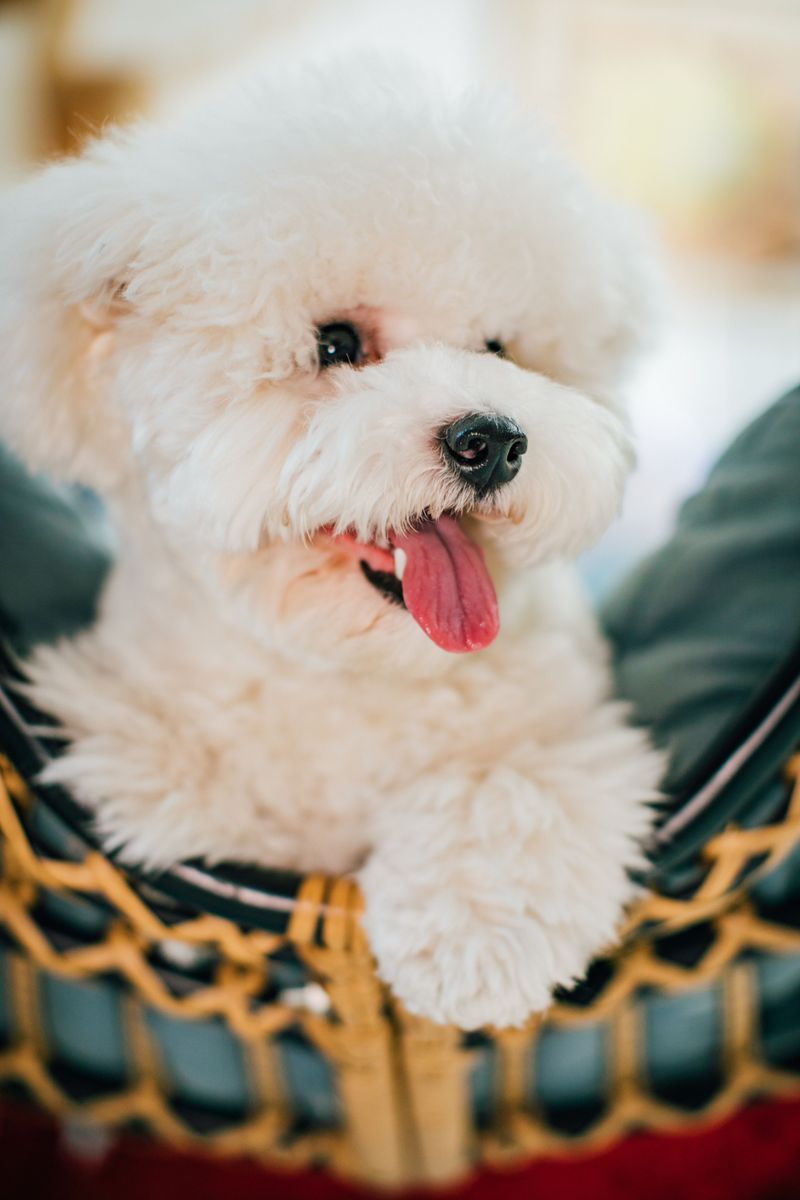
A sunshine personality does not love empty rooms. Bichons were bred as cheerful companions, so they shine with company and structured play.
Silence can make them bark at tiny noises or nibble on boredom.
Plan silly fun, like hide-and-seek, bubble chasing, and short grooming sessions. Rotate lightweight puzzle toys to keep curiosity happy.
A cozy crate, soft playlist, and a worn towel with your scent make quiet hours friendlier.
Maltese
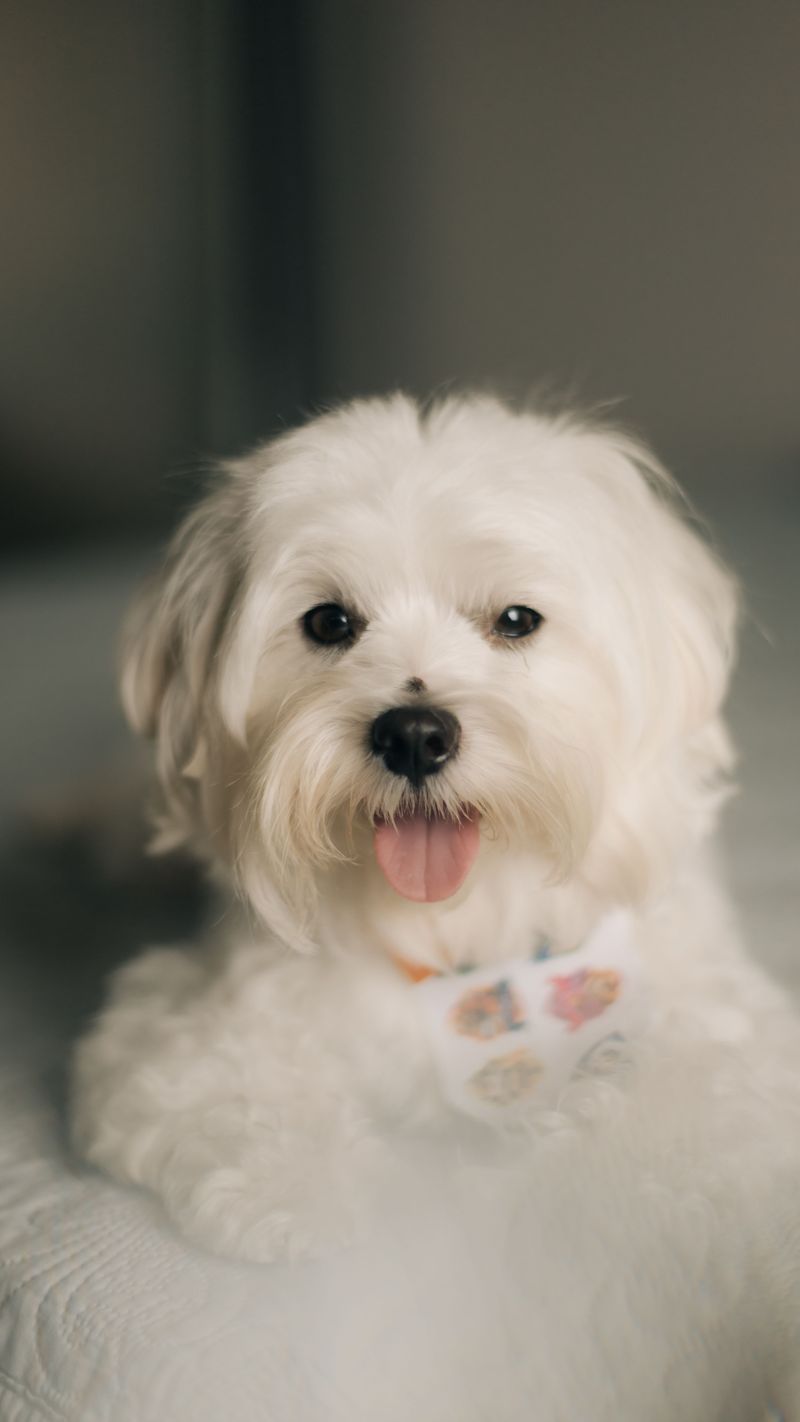
White fluff, royal roots, and a big need for closeness define the Maltese spirit. When rooms fall silent, some become little shadows or vocal critics of hallway echoes.
Build comfort with lap time, gentle training games, and predictable nap spots near you. Keep coats tangle free to avoid stress, and carry tiny treats for quick rewards.
A calm talk show or audiobook helps their day feel safely occupied.
Staffordshire Bull Terrier
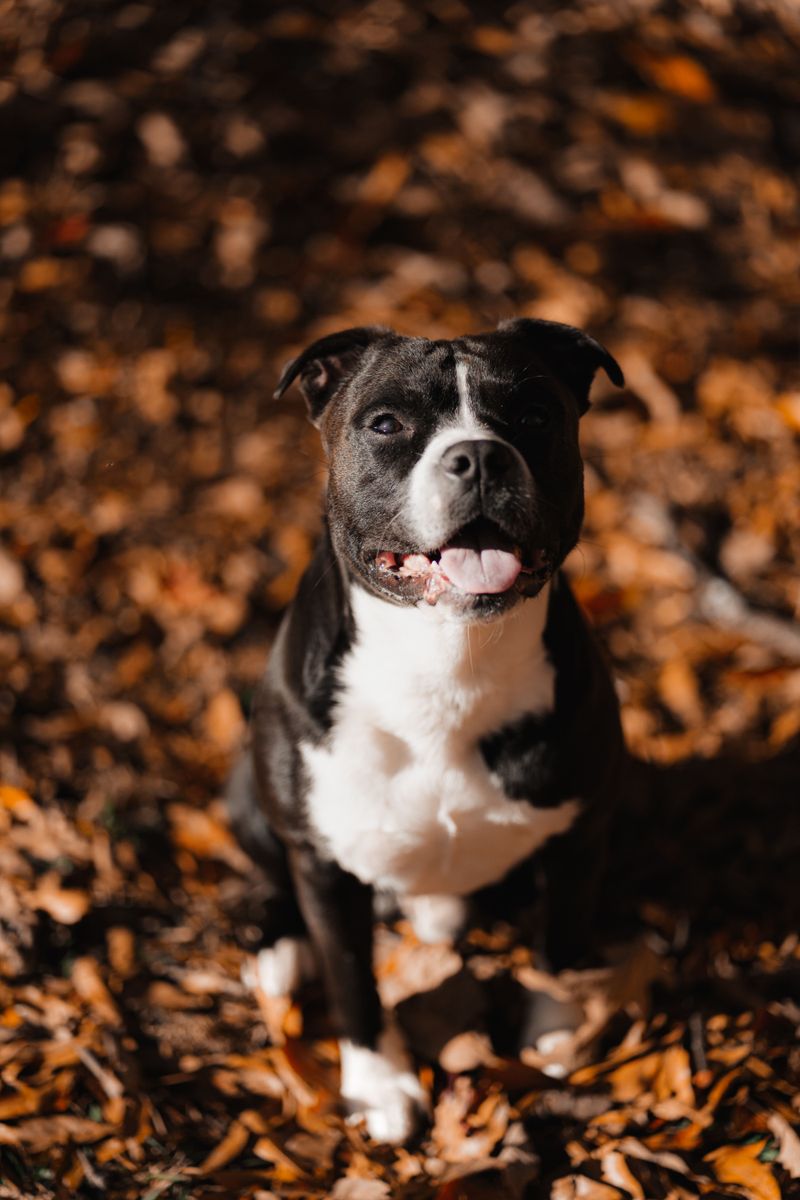
Muscles with a marshmallow center, Staffies adore human voices and clear plans. Too much quiet can wind them up, leading to door watching or restless zooms.
Balance power with structured tug, flirt pole fun, and mellow decompression walks. Teach place training with comfy beds so they practice relaxing on cue.
Friendly podcasts and a sturdy chew toy can bridge quiet spells kindly during the day.
Weimaraner
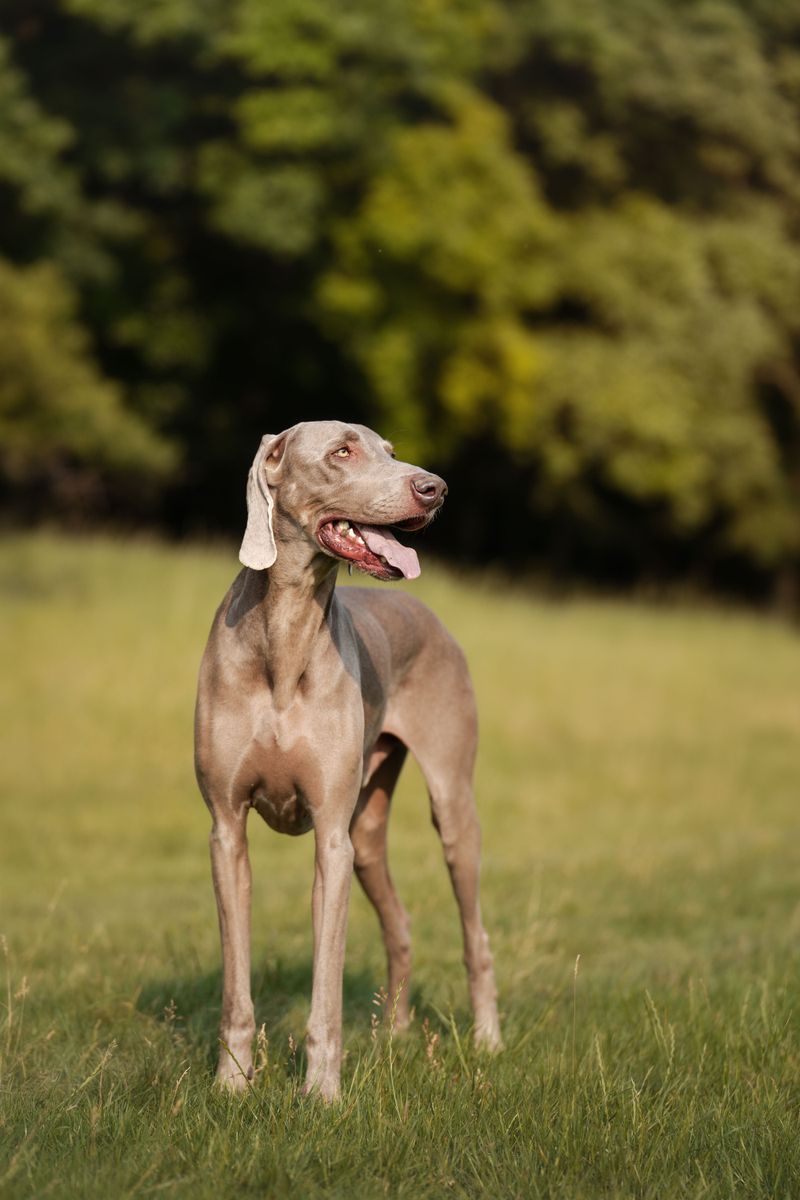
Silver shadows hardly begin to describe a Weimaraner that truly hates silence. Bred for endurance and partnership, they can develop clingy habits if left without structure.
Commit to long regular exercise, off-road hikes, and scent games that leave noses satisfied. Practice calm crate time with chews after workouts, not before.
Background nature sounds and a frozen lick mat can transform quiet rooms into rest zones.
Havanese

City clown by day, cuddle buddy by night, the Havanese runs on connection. Quiet spaces sometimes spark alert barking or pacing if routines slip.
Make social time part of the schedule, with trick shows for the family and gentle fetch. Rotate window perches, snuffle mats, and short training bursts to keep minds bright.
A calm playlist and a soft carrier or crate help naps feel safe at home.