Some dogs get scattered when life gets noisy. Others do the opposite and buckle down.
This article highlights breeds that often sharpen their focus when things around them go wild. You will find simple tips to guide that talent at home or in training.
German Shepherd
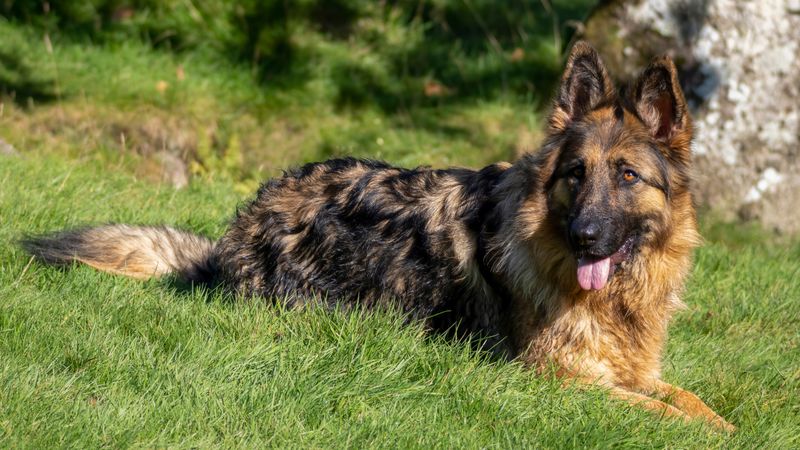
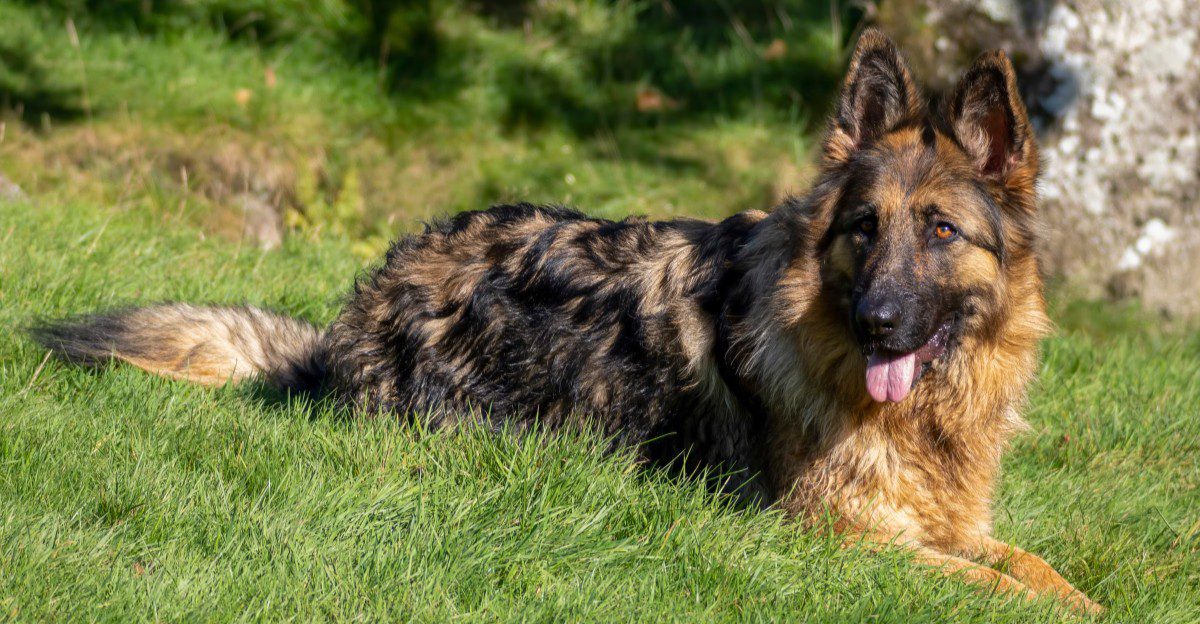
Sirens blare, feet rush, and a German Shepherd locks onto the job like a seasoned pro. Years of service work shaped their mindset, so chaos becomes background noise while they read your cues and the environment.
Train with short, purposeful drills and clear hand signals to sharpen that laser attention. Mental puzzles, scent games, and steady heelwork keep their brain engaged.
Provide a calm handler tone, steady routines, and fair boundaries to turn pressure into productivity.
Border Collie
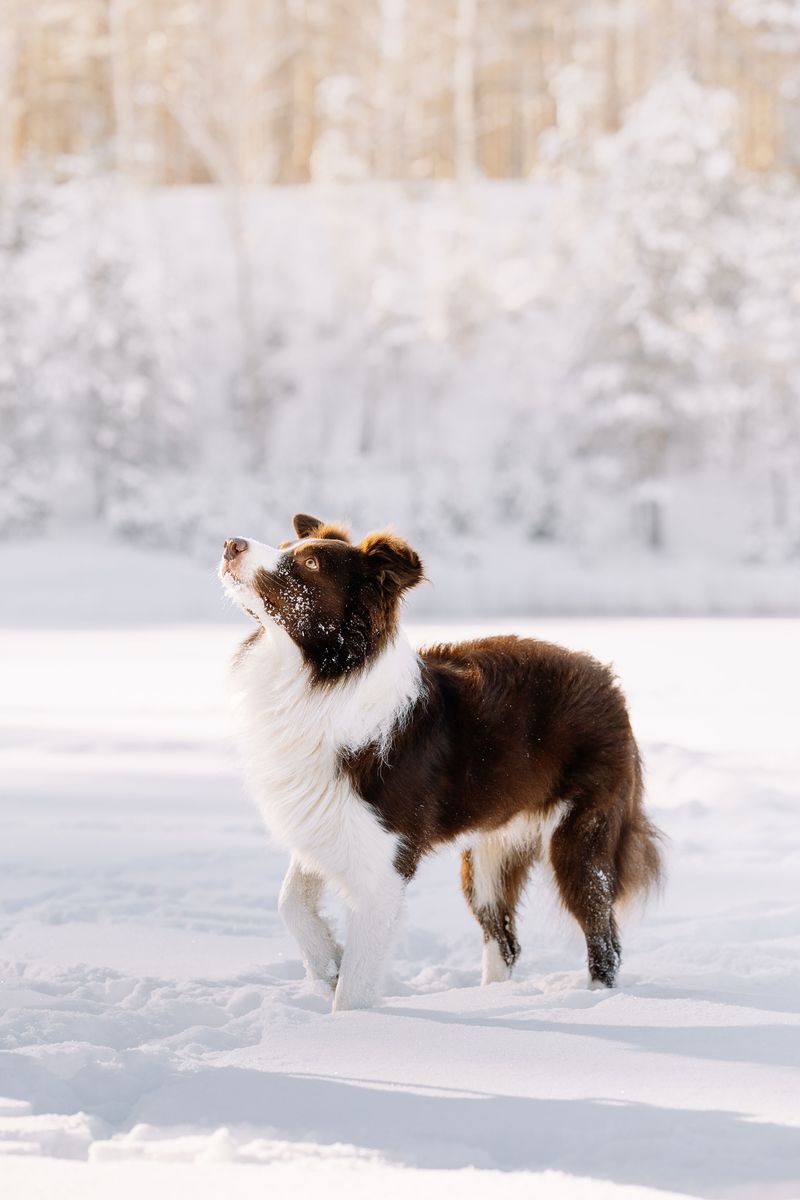
Ever watched a storm roll in while a Border Collie keeps eyes glued to a task? That intense stare is not just looks.
It is strategy built from herding roots that demand quick choices and crisp timing.
Channel it with target sticks, impulse-control games, and brief agility sequences. Rotate jobs to prevent overthinking.
Give clear start and stop cues, then reward quiet holds. A gentle voice and predictable patterns help filter out noise so smart brains stay constructive.
Belgian Malinois
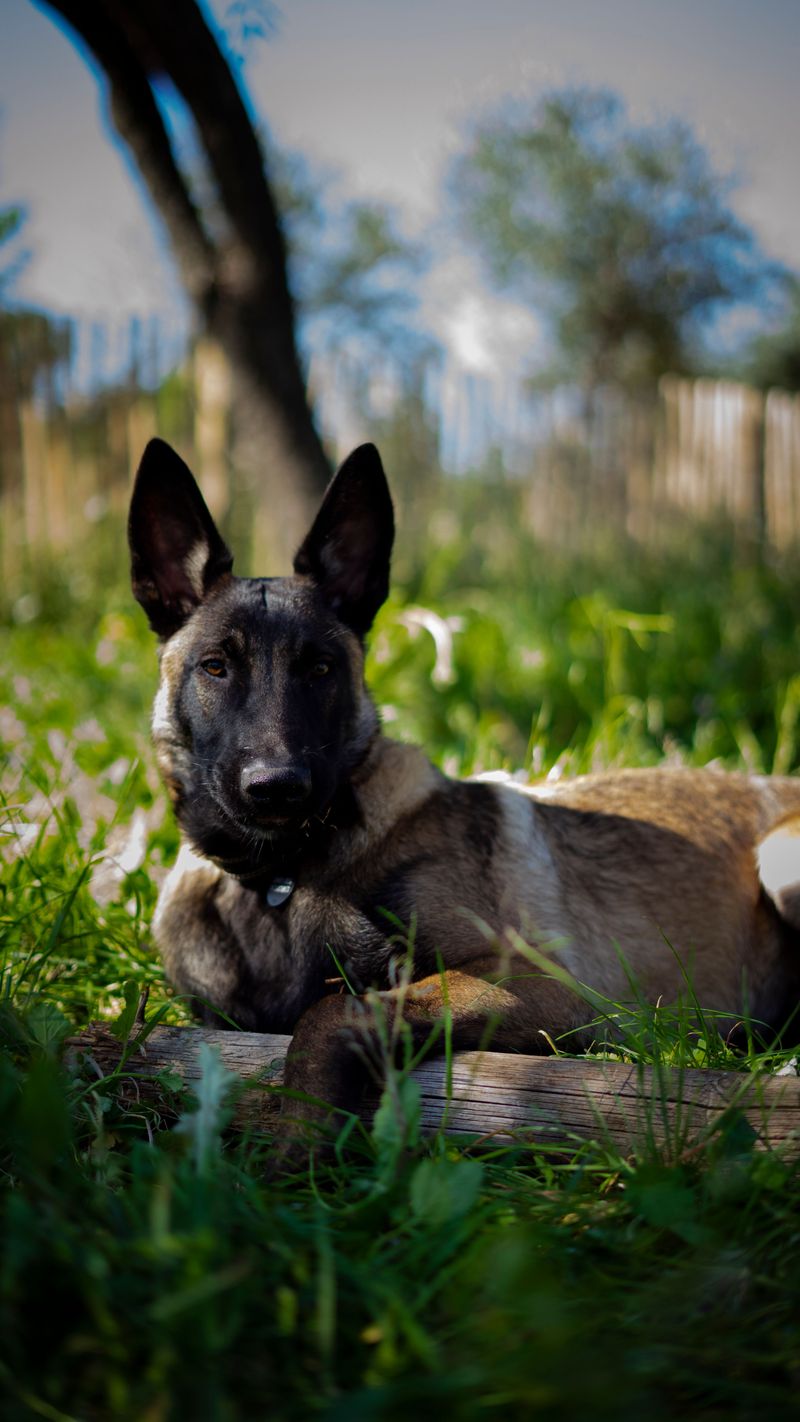
When alarms beep and doors slam, a Belgian Malinois often brightens, as if pressure flips a clarity switch. Bred for demanding roles, they turn scattered scenes into checklists, scanning angles and waiting for direction.
Keep sessions brisk, varied, and precise. Use tug as a paycheck, pair it with obedience chains, and end on a win.
Teach neutral holds around distractions, then build duration. Plenty of cardio, structured play, and place training transform restless energy into crisp responses.
Doberman Pinscher
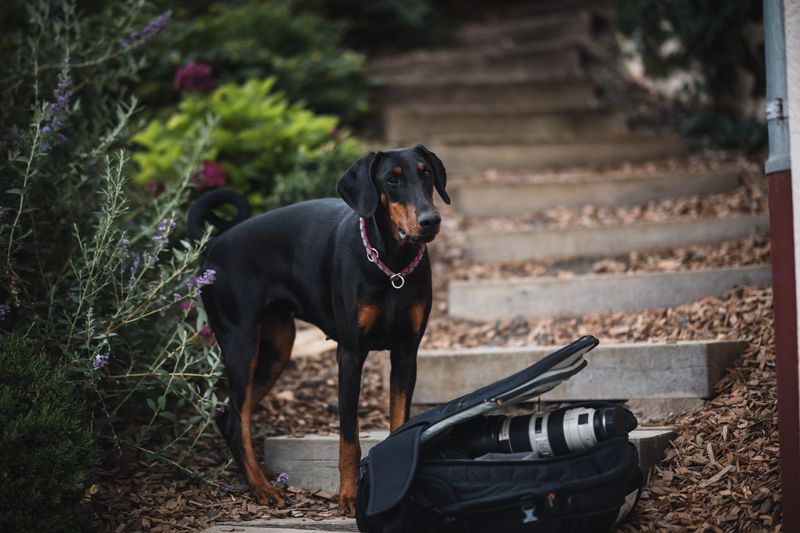
Neighbors may panic during a loud scene, yet a Doberman Pinscher tracks your face like a loyal bodyguard. Elegant posture is not just style.
It reflects a tuned radar for emotional changes and quick cues.
Short marker-training bursts work best. Practice down-stays near commotion, gradually closing distance.
Add nosework boxes to anchor focus and confidence. Keep handling fair and consistent, offer firm boundaries, and mix obedience with fetch or flirt-pole sprints so sharp minds and athletic bodies leave chaos feeling handled.
Rottweiler
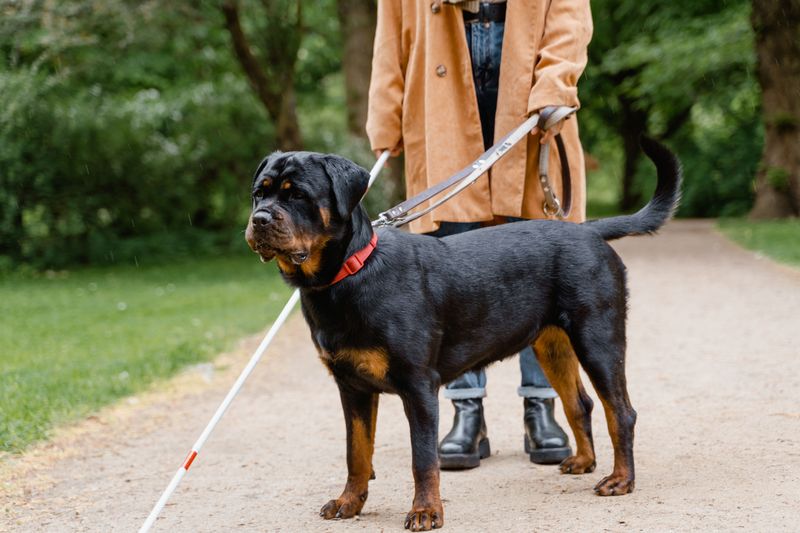
Calm eyes and a steady chest tell the story of a Rottweiler taking charge without fuss. Historically a drover and guardian, the breed learned to sort movement from mayhem and decide what truly matters.
Build trust with clear routines and quiet leadership. Practice loose-leash walking past distractions and reinforce patient sits before doors.
Sprinkle in cart pulls or weight drags for purposeful work. Controlled greetings, boundary games, and chew breaks keep nerves even, so bustling scenes feel manageable.
Australian Cattle Dog
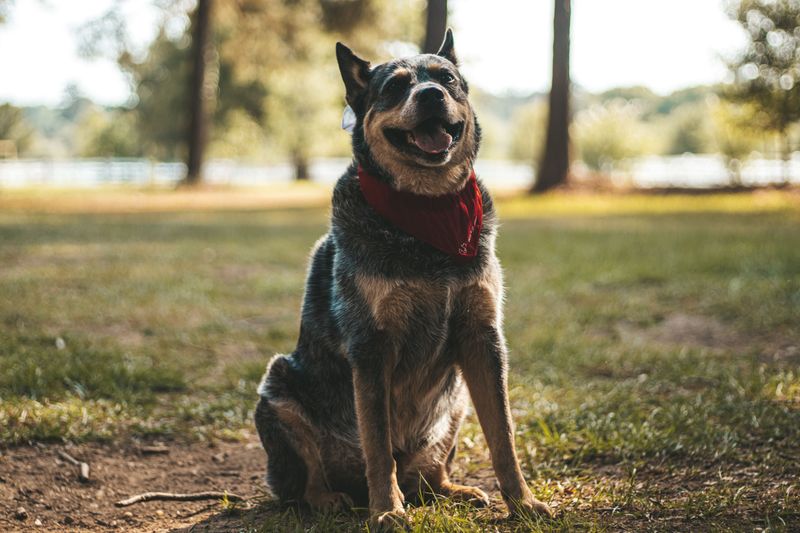
Ask a tough worker to clock in during a noisy day, and the Australian Cattle Dog says yes with a focused grin. Early jobs in harsh conditions tuned them to problem solving under pressure.
Use moving puzzles like herding balls, figure-eight heeling, and whistle cues. Keep instructions brief and specific.
Offer durable tug rewards and give a clear release word. Regular sprint intervals, off-switch training on a mat, and trick chains help convert busy energy into calm accuracy.
Standard Poodle
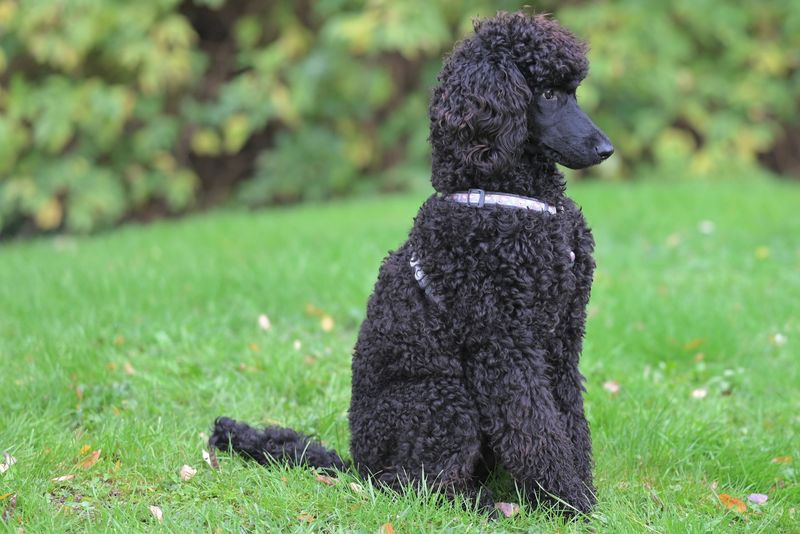
Fancy haircut aside, the Standard Poodle treats a hectic space like a puzzle waiting to be sorted. Bright memory and quick feet help them tune out clutter and stick to the plan you set.
Teach pattern games such as 1-2-3 walking and platform targeting. Rotate scent discrimination with retrieves to balance brain and body.
Keep rewards playful, not frantic. Grooming sessions can double as impulse practice.
With calm repetition and humor, they learn to turn confusion into tidy action.
Australian Shepherd
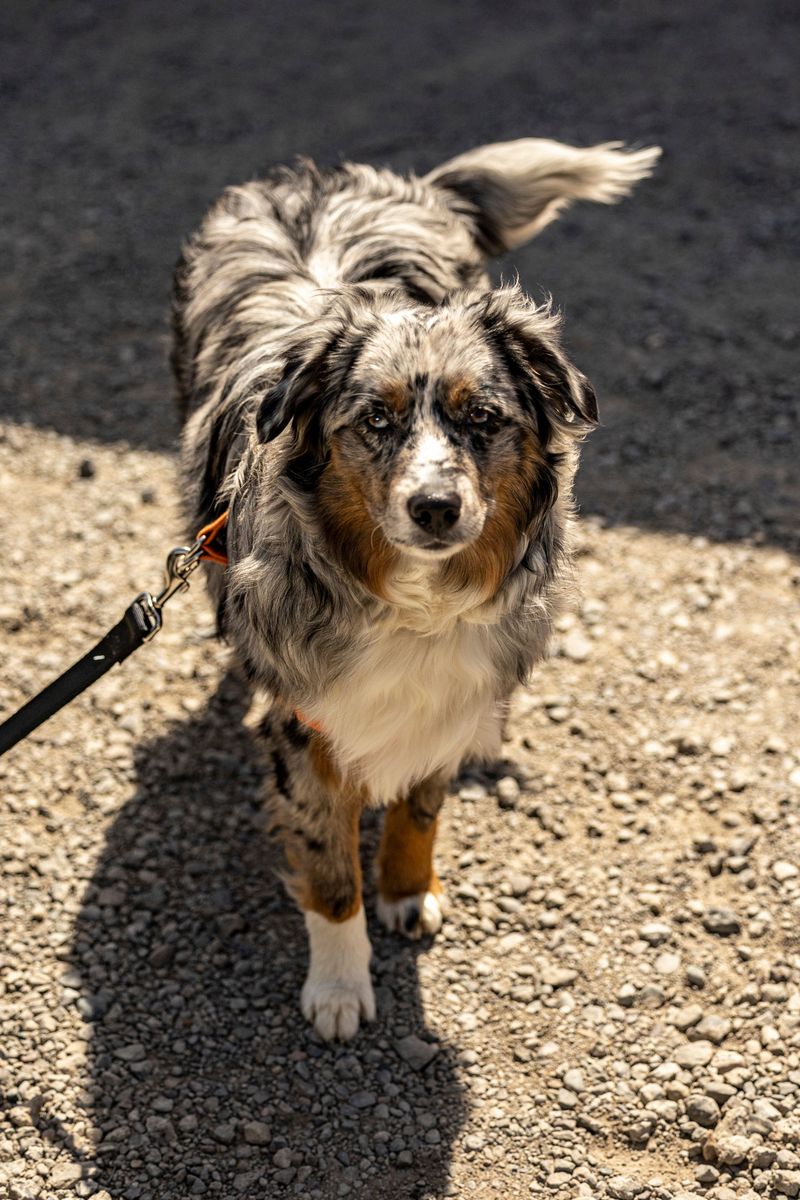
Spinning lights, shouting, and bustle often trigger focus for an Australian Shepherd, not panic. That eager brain loves a job, and jobs make the noise fade into the background.
Design mini-missions: line up toys by name, circle cones, and hold a solid wait. Keep eye contact brief to avoid fixation.
Use movement rewards like a quick frisbee toss. Trail hikes with recall checkpoints, plus body-awareness work on balance discs, channel curiosity into organized, reliable behavior.
Giant Schnauzer
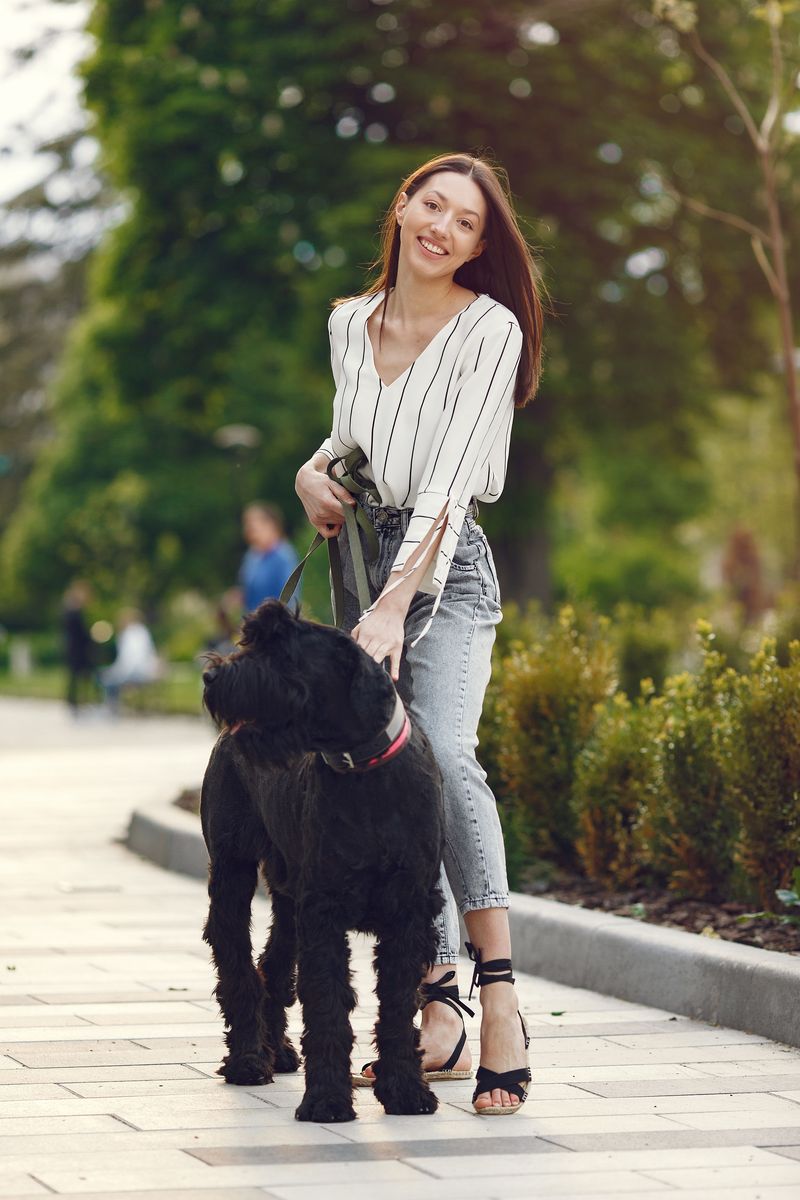
Picture a busy farmer’s market where a Giant Schnauzer watches calmly, choosing tasks over temptations. That deliberate stare hints at a thoughtful worker built for real jobs, not just show.
Focus grows with clear posts: place, heel, guard the door, relax. Use food to teach, then pay with play to build intensity without frenzy.
Regular grooming becomes handling practice. Add urban agility over benches and curbs.
Structured challenges satisfy the brain so crowds stop feeling overwhelming.
English Springer Spaniel
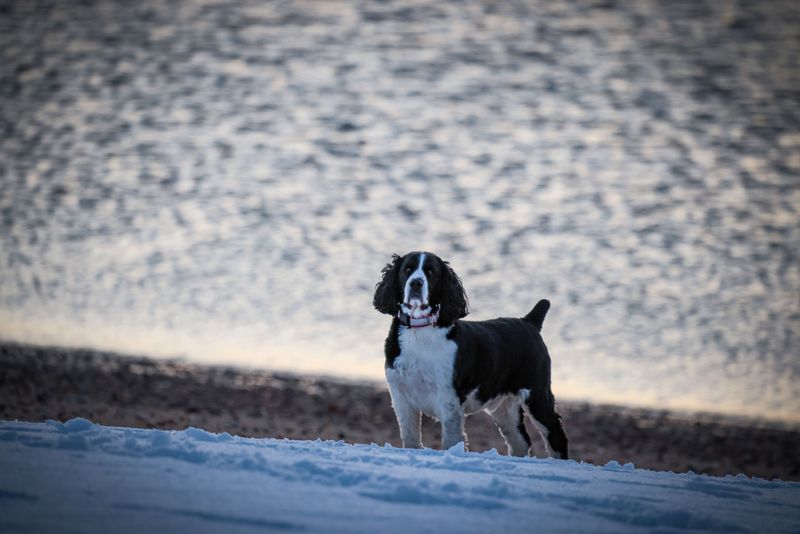
Birds exploding from brush would rattle many dogs, yet an English Springer Spaniel often steadies and waits for guidance. Field work molded a cheerful mind into a practical, task-first partner.
Blend obedience with scenting drills. Practice steady-to-wing using a tug or dummy, and reward patient sits before release.
Keep sessions upbeat and short. Add water retrieves for variety.
Family play can mimic field chaos, teaching the dog to hold a sit, glance up, and then act.
Boxer
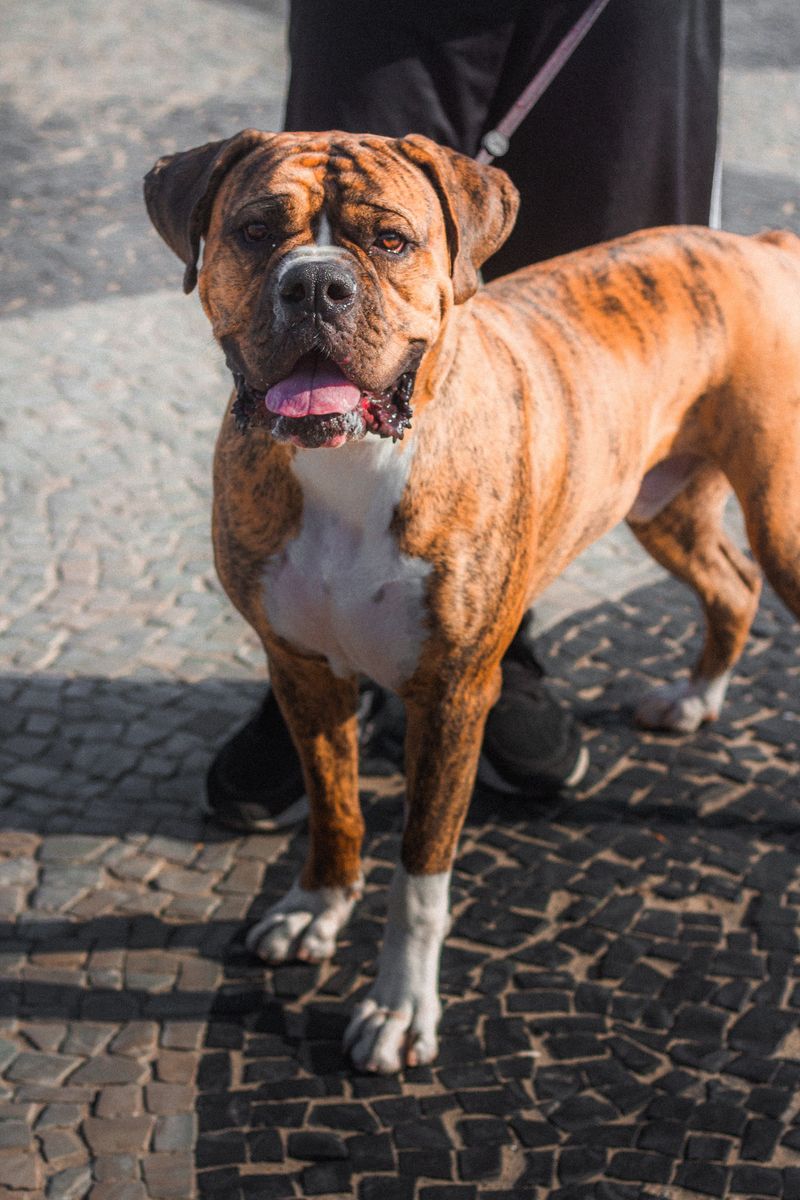
Goofy at home, a Boxer can flip to focused when action starts, like a coach switching from jokes to game time. Athletic build and quick reactions help them track instructions in a hurry.
Use playful structure. Alternate heeling with short bursts of tug, then ask for a calm sit to earn another round.
Teach hand targets for redirection during crowds. Plenty of cardio, bounce control with sit-to-stand drills, and toy rotation turn noisy moments into fun, purposeful work.
Labrador Retriever
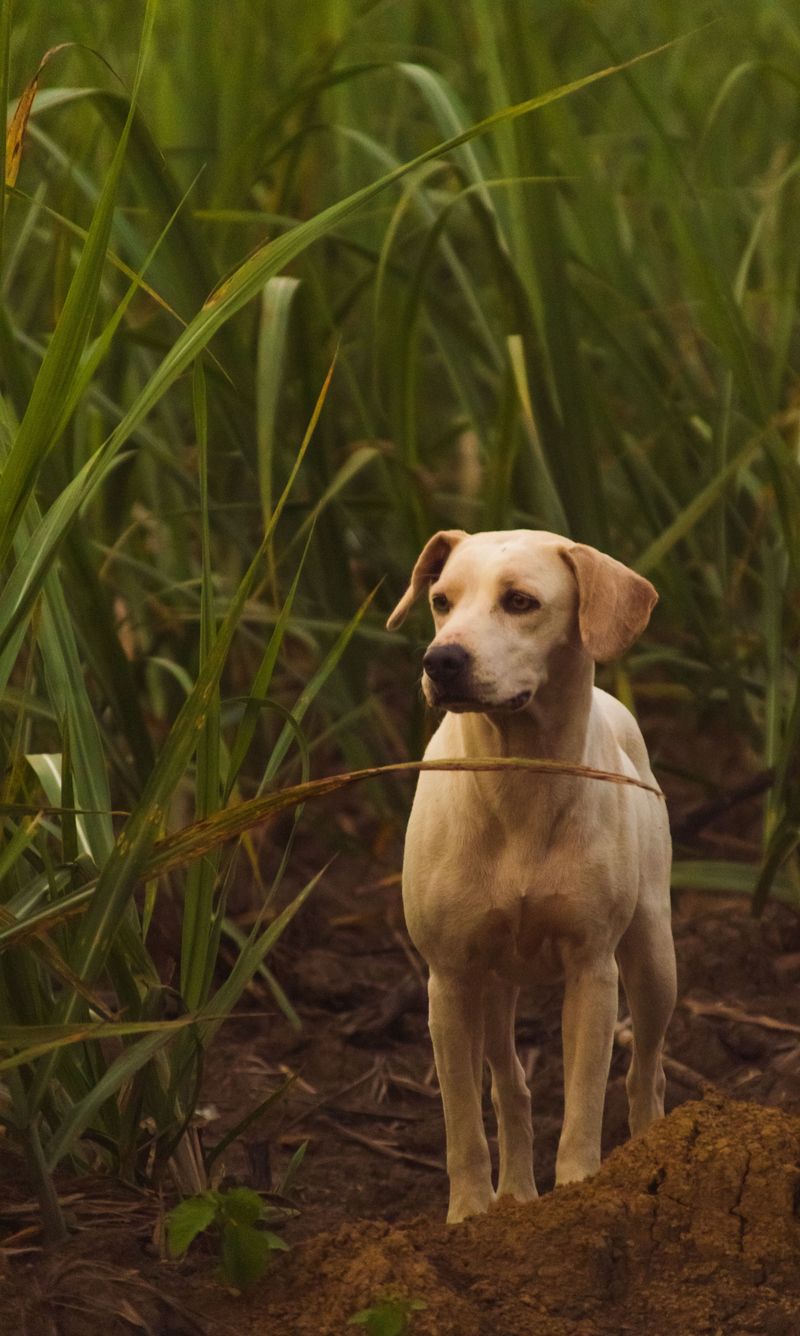
Chaos often looks like opportunity to a Labrador Retriever, who scans for the next helpful thing to do. Friendly confidence and a love of carrying objects make order feel achievable.
Fetch becomes a focusing tool. Ask for a sit, send for the bumper, and require a calm hold before the next throw.
Blend that routine with platform stays near distractions. Water play, search games for hidden keys, and gentle heelwork teach Labs to turn excitement into steady service.