
Some dogs don’t wait for an invite. They see water and jump right in.
Knowing which breeds love to swim can help you plan safe, fun adventures. With the right gear and simple training, you can enjoy splashy days together.
Labrador Retriever
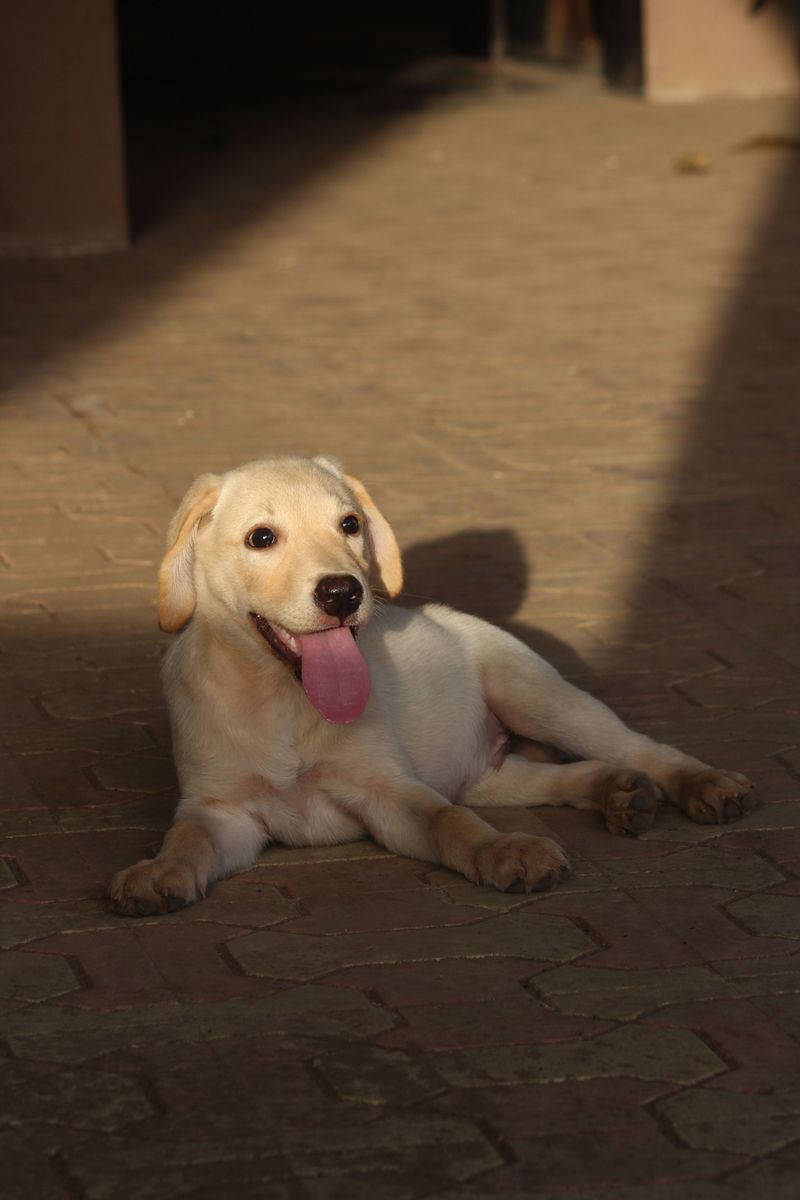
First to splash, last to leave, many Labs treat water like their favorite playground. Strong tails act like rudders, and their double coat helps keep them warm.
Bring a floating bumper and a long leash for safety during open-water fetch.
Training is a breeze when you turn swimming into rewards. Start in shallow, calm water, mark confident strokes, then gradually widen the challenge.
Rinse after chlorinated pools or salty bays to protect skin and coat.
Golden Retriever
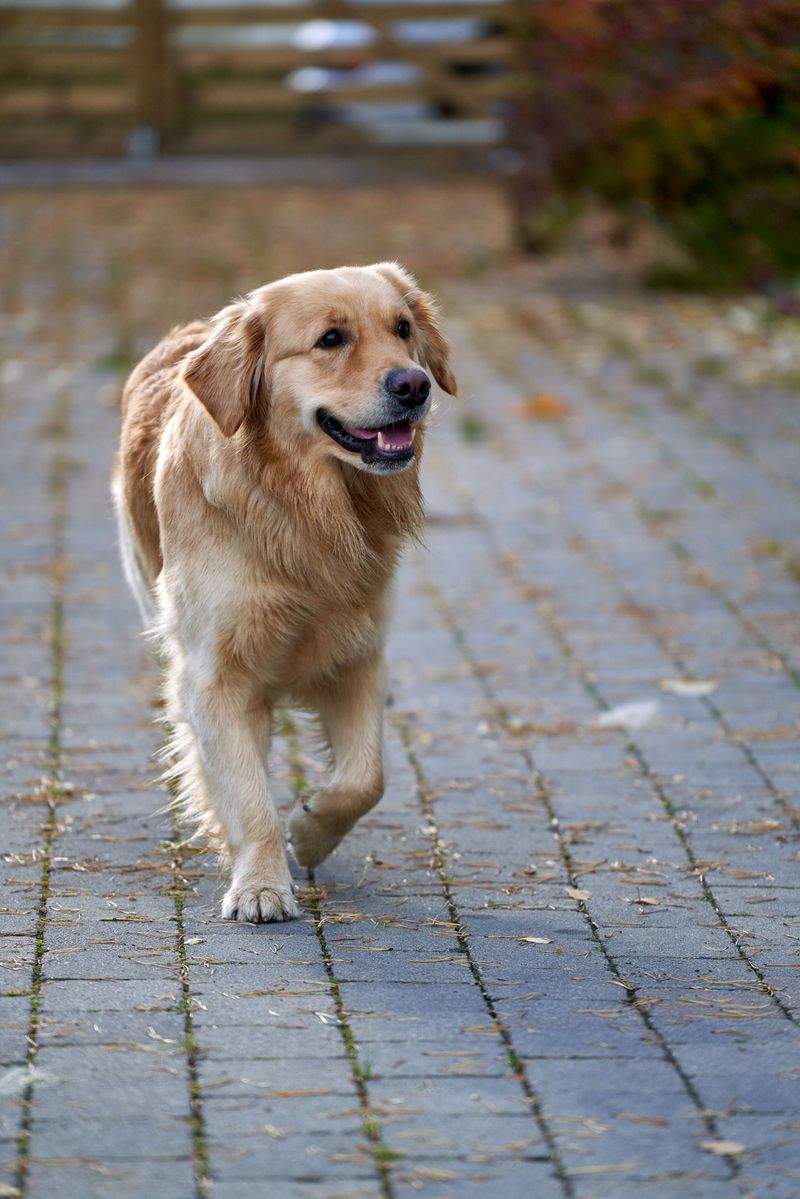
Sunny-hearted and eager, Goldens often race you to the shoreline. Their webbed feet and balanced build make smooth, steady strokes feel natural.
Toss a soft disc or floating stick to keep sessions playful and focused.
Gentle introductions win the day for nervous beginners. Pair short swims with calm praise, then practice exits using wide steps or ramps.
Dry ears well to reduce moisture problems after lakes or pools. Bring fresh water to prevent gulping outdoors.
Newfoundland
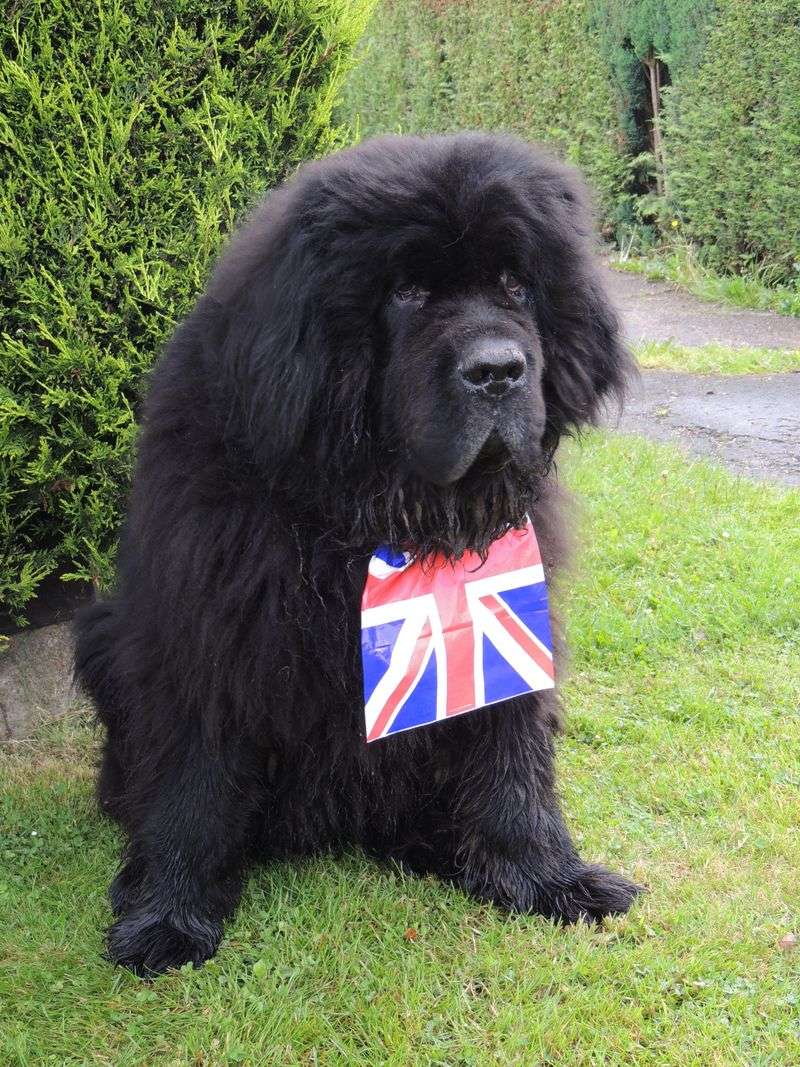
With a heart as big as its paws, the Newfoundland treats water like home. Massive muscles, a thick coat, and webbed feet power calm, deliberate rescues.
Use a sturdy life vest sized for giants and choose gentle entries.
Training should respect their steady style. Practice towing games with floating ropes, reinforcing slow, reliable pulls toward shore.
Rinse and dry thoroughly to protect skin under that dense coat. Cooling breaks and shade prevent heat related stress.
Standard Poodle
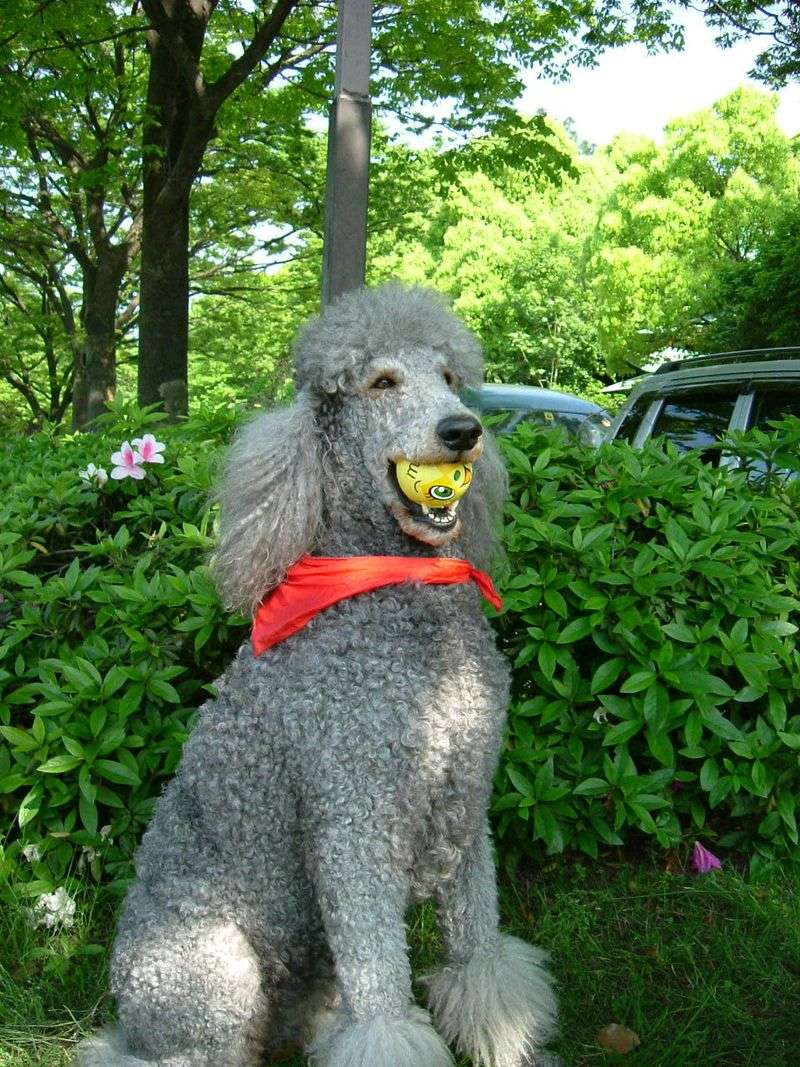
Don’t let the fancy trim fool you, Poodles are sleek swimmers with stamina. Their narrow chest and strong legs slice water neatly, and curls insulate.
Pack floating toys and a brush, since curls can trap weeds.
Smart minds love jobs. Teach retrieves, zigzag recalls, and platform targets so swims feel like missions.
Finish with a rinse, ear check, and quick detangle for comfort. Short sessions in cool water protect joints and maintain excitement for learners.
Chesapeake Bay Retriever
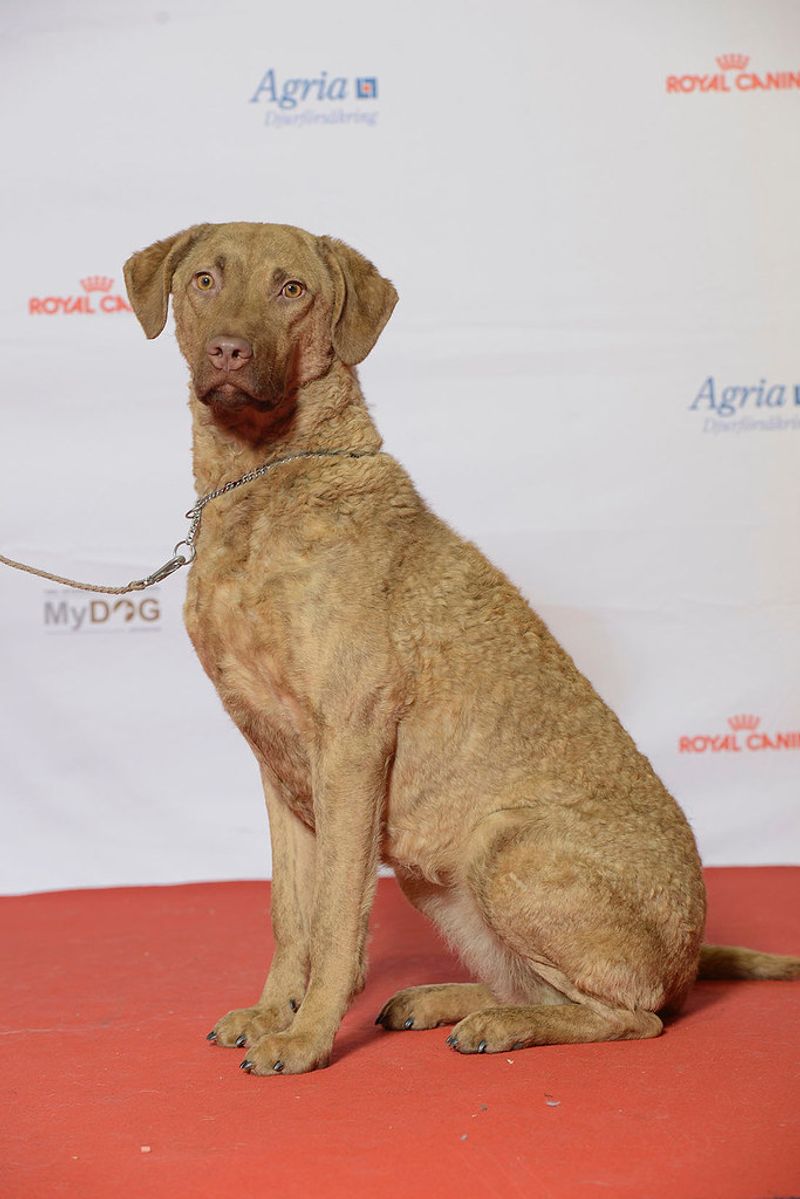
Built for rough chop, the Chessie thrives where waves, wind, and birds test skill. A waxy, tight coat sheds water fast, keeping muscles warm and ready.
Floating dummies, visibility vests, and reflective collars help during early light.
Confidence matters in messy conditions. Drill straight-line retrieves from blinds, then practice steady sits while boats pass.
Rinse salt, check paws for cuts, and offer warm towels afterward. High-protein snacks aid recovery after long, chilly sessions out there.
English Springer Spaniel
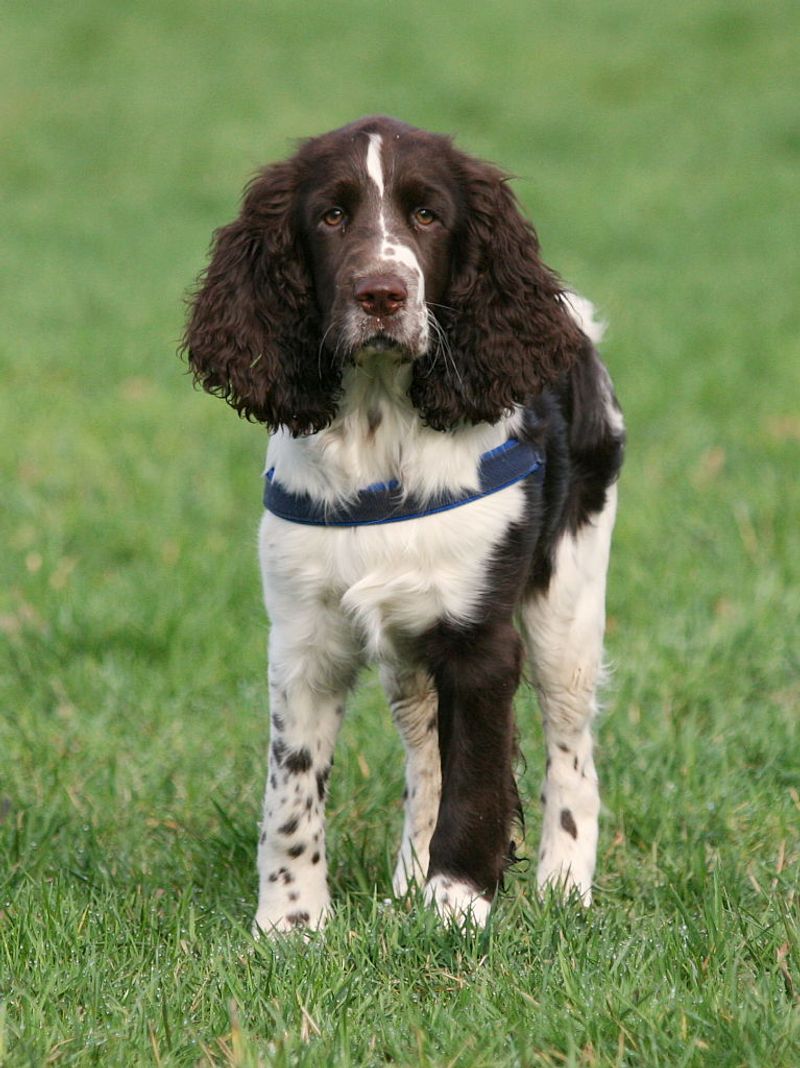
Ears flying and tail wagging, Springers burst from shore like bottled fireworks. Compact frames, strong hearts, and swimmer’s instincts make quick work of ponds.
Bring a whistle and floating ball to channel that poppy energy.
Games keep focus sharp. Alternate short retrieves with stay-and-wait drills, then practice calm exits beside you.
Dry under the ears and armpits to prevent hot spots. A lightweight vest improves visibility, while snacks reward patience between splashes during sunny afternoons.
Irish Setter
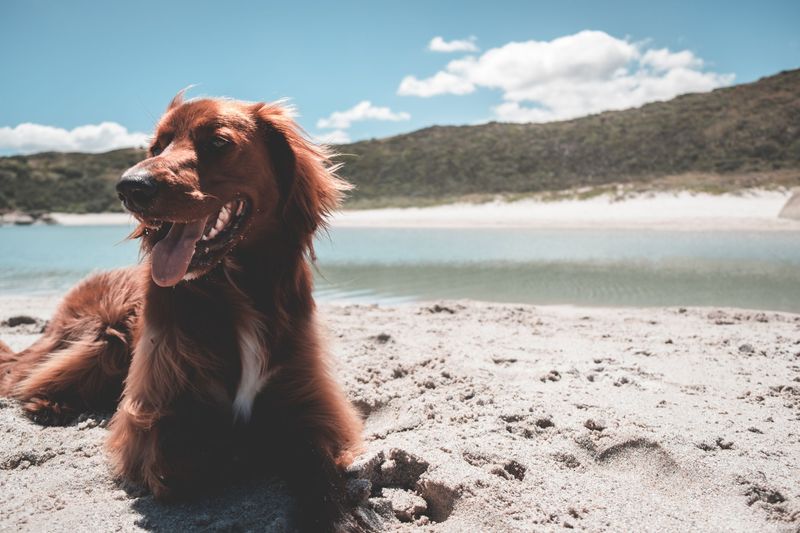
All aflame in red, the Irish Setter skims across water with joyful stride. Long legs, a deep chest, and stamina suit long swims and lively games.
Use bright bumpers that stand out against ripples.
Structure tames excitement. Start with rhythmic fetch, add recall whistles, then cool down with relaxed paddling.
Comb feathering after swims to prevent tangles and pick out burrs. Shade breaks, water bowls, and sunscreen for pink noses keep adventures safe all day.
Cocker Spaniel
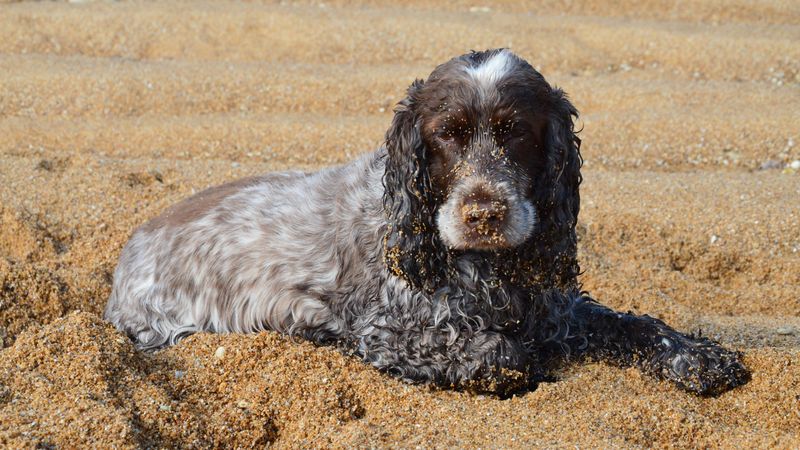
Small body, big courage, Cockers splash with happy determination. Compact chests and lively spirits make quick fetches across creeks or pools feel doable.
Pack a snug life vest and a soft, floating toy sized for smaller mouths.
Short lessons work best. Practice easy entries from ramps, then reward quiet waiting before each throw.
Blot ears dry and brush feathering to keep skin comfortable. Gentle waves and friends nearby build confidence without tiring tiny swimmers fast.
German Shorthaired Pointer
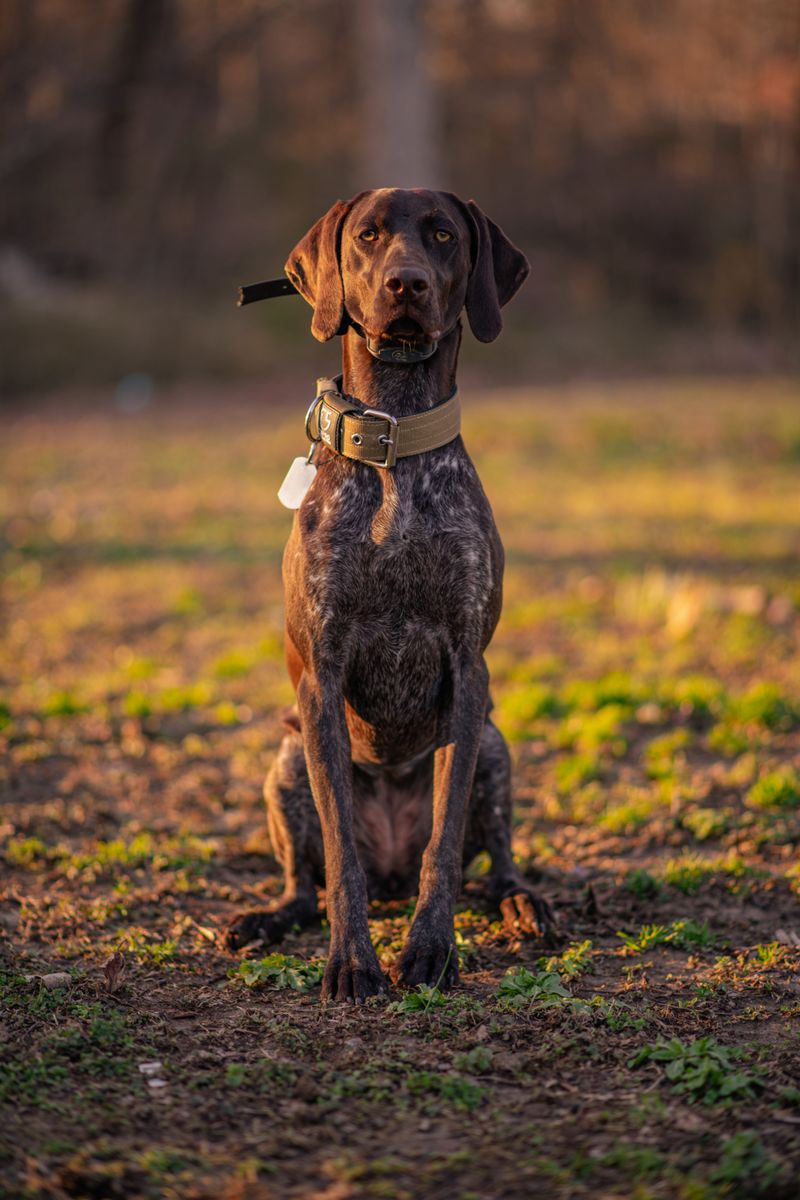
Always on a mission, the GSP turns water time into athletic practice. Lean bodies, strong noses, and endless drive suit long retrieves and steady tracking.
Use bright bumpers and a GPS collar near wide marshes.
Structure fuels success. Drill hand signals from shore, then add blind retrieves with calm, firm cues.
Cool water breaks, paw checks, and a post-swim rinse keep athletes healthy. High-visibility vests and buddies improve safety during dawn training runs out there.
Brittany
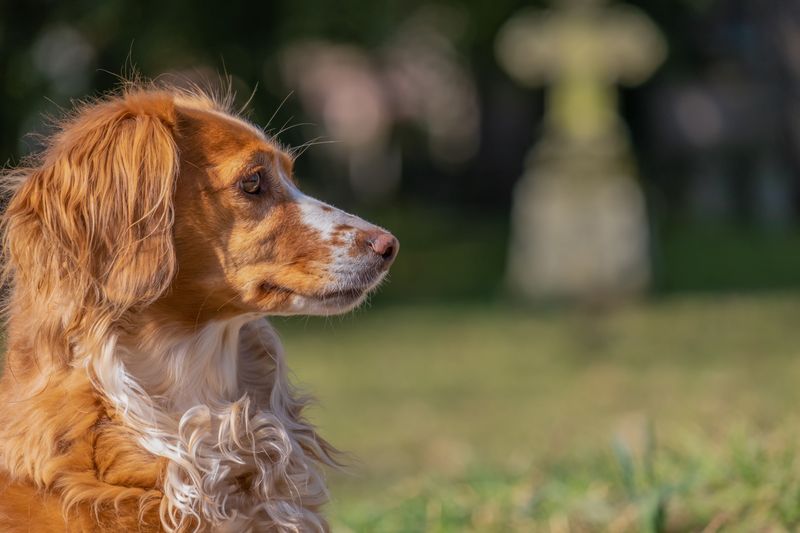
Quick as a skipping stone, the Brittany zips through ponds with cheerful purpose. Light frames and nimble feet make turns easy, even when chasing floating toys.
Carry a small vest, whistle, and floating line for controlled fun.
Short, zesty drills keep focus. Alternate retrieves with place-and-wait games, then give a relaxed cooldown paddle.
Rinse off mud, comb feathering, and offer water to reduce post-swim gulping. Bright bumpers help visibility in ripples and shady coves alike.