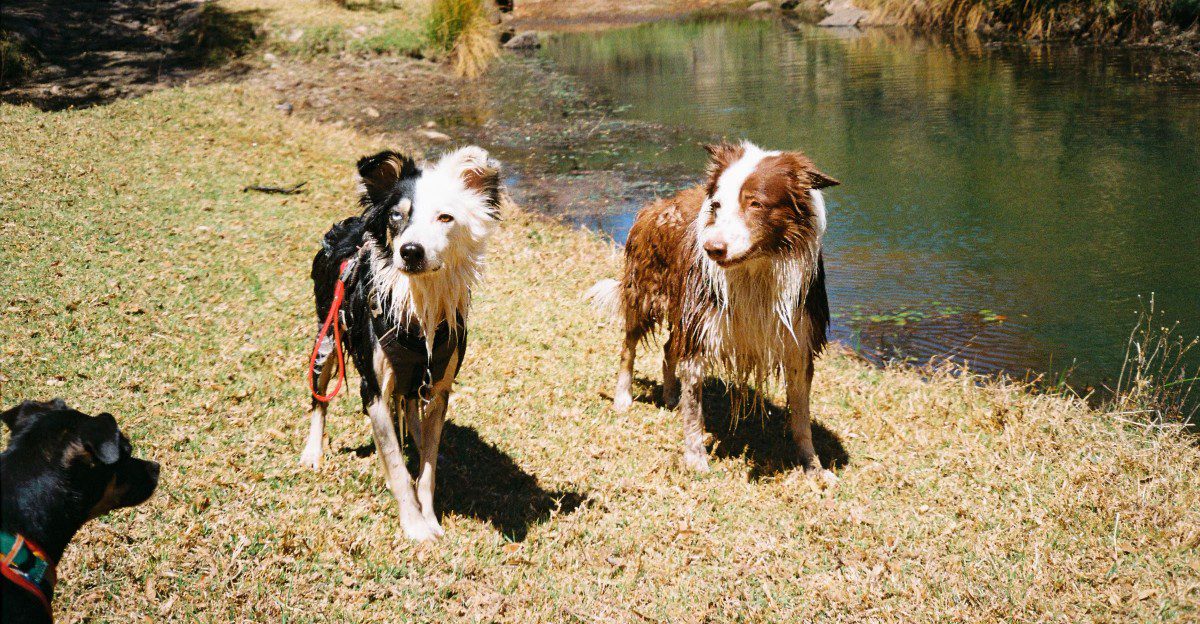
Sometimes you smile, but your body tells a different story. Dogs can notice tiny changes in how you move, breathe, and smell when you are stressed.
Their sharp senses and loyal hearts make them quick to respond when something feels off. Learning how certain breeds pick up on hidden clues can help you feel understood and supported.
Border Collie
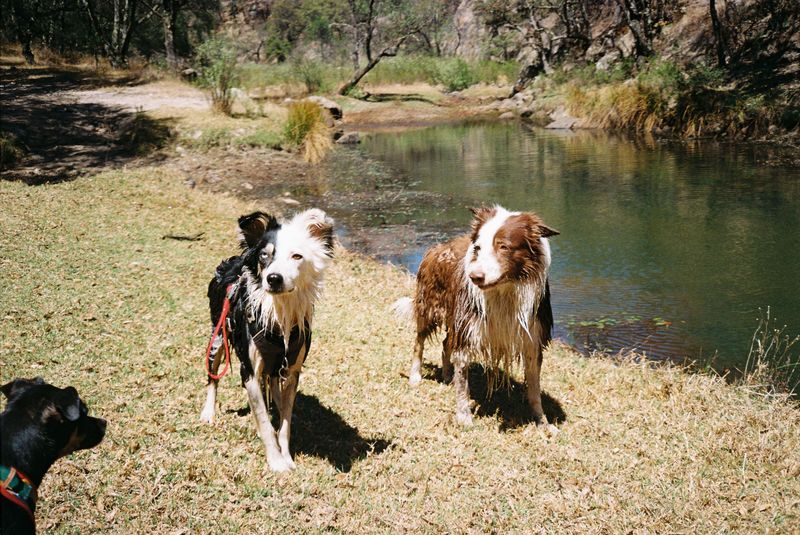
Like a coach who watches every play, the Border Collie spots tiny shifts in your routine. A different walking pace, a softer voice, or restless hands can cue concern.
You might see gentle herding moves, a nudge toward the couch, or insistent eye contact inviting a break.
Give clear jobs during tense moments, like fetching a toy or guiding you to another room. Mental games and short training sessions help channel their focus and calm your mind.
Poodle
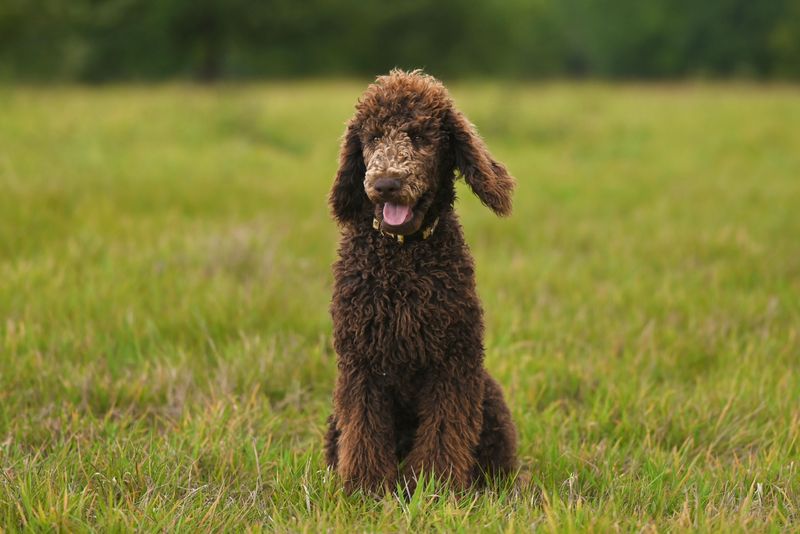
Elegance meets intuition with the Poodle, who often reads your mood like a quiet friend. Subtle scent changes from stress can draw them close.
They may rest a chin on your knee or press a paw to your hand, offering a steadying touch without fuss.
Keep a simple comfort routine. A calm brushing session, slow indoor fetch, or sniffing game can smooth out rough feelings.
Their quick learning makes gentle cue training extra soothing.
Rough Collie
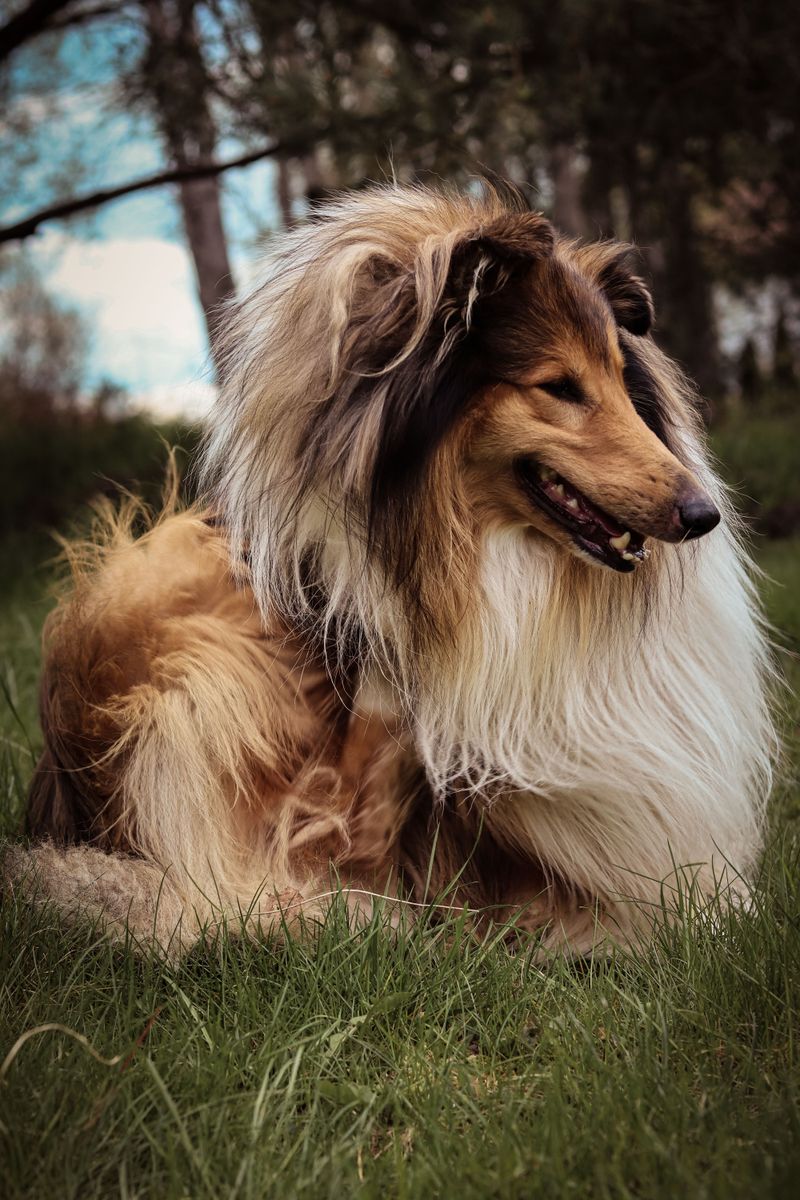
Storybook looks hide a keen observer. The Rough Collie notices when your laugh sounds thin or when you linger near the door as if unsure.
Many will station themselves nearby, guiding you to a quieter spot with calm presence.
Create gentle rituals, like evening walks at a relaxed pace or practicing slow recall games. Soft words and predictable patterns help both of you unwind.
Their patient nature thrives on steady, reassuring routines.
Shetland Sheepdog
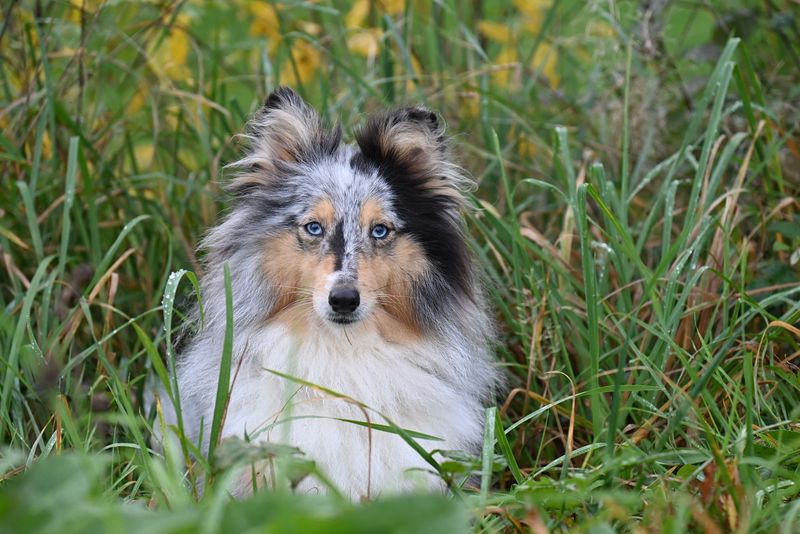
Big heart in a smaller frame, the Sheltie keeps careful tabs on your day. A skipped snack, a late bedtime, or foot-tapping might set their radar buzzing.
Expect shadowing behavior, soft whines, or delicate paw pats to check on you.
Offer puzzle feeders and trick training to redirect worry into thinking work. Short, frequent play breaks build confidence.
Praise calm choices, and your Sheltie will mirror that steady energy back to you.
English Springer Spaniel
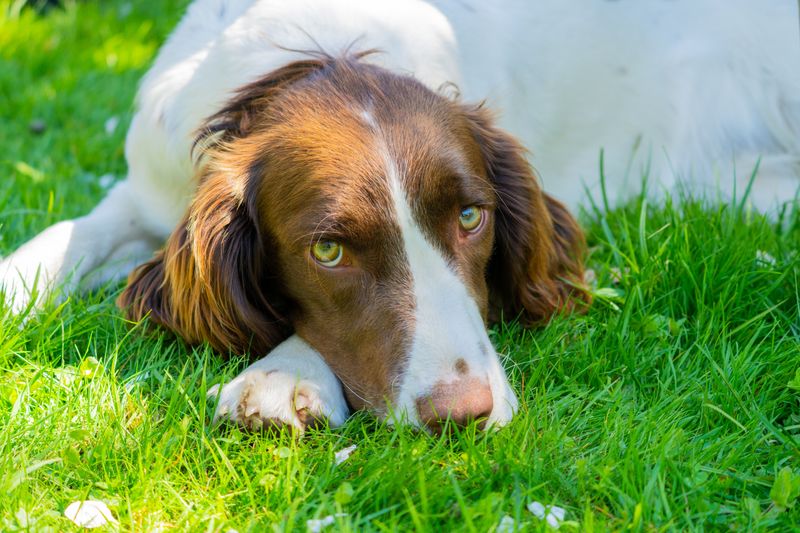
Field-born enthusiasm pairs with tender awareness. An English Springer Spaniel recognizes when your steps lose bounce or your greeting feels flat.
They may lean into your legs, bring a favorite toy, or curl tight against your side to anchor you.
Channel their pep into steady, rhythmic activities. Nose work in the yard, calm retrieves, or structured hikes help regulate mood for both of you.
Consistent exercise plus cuddles makes their caring nature shine.
Cocker Spaniel
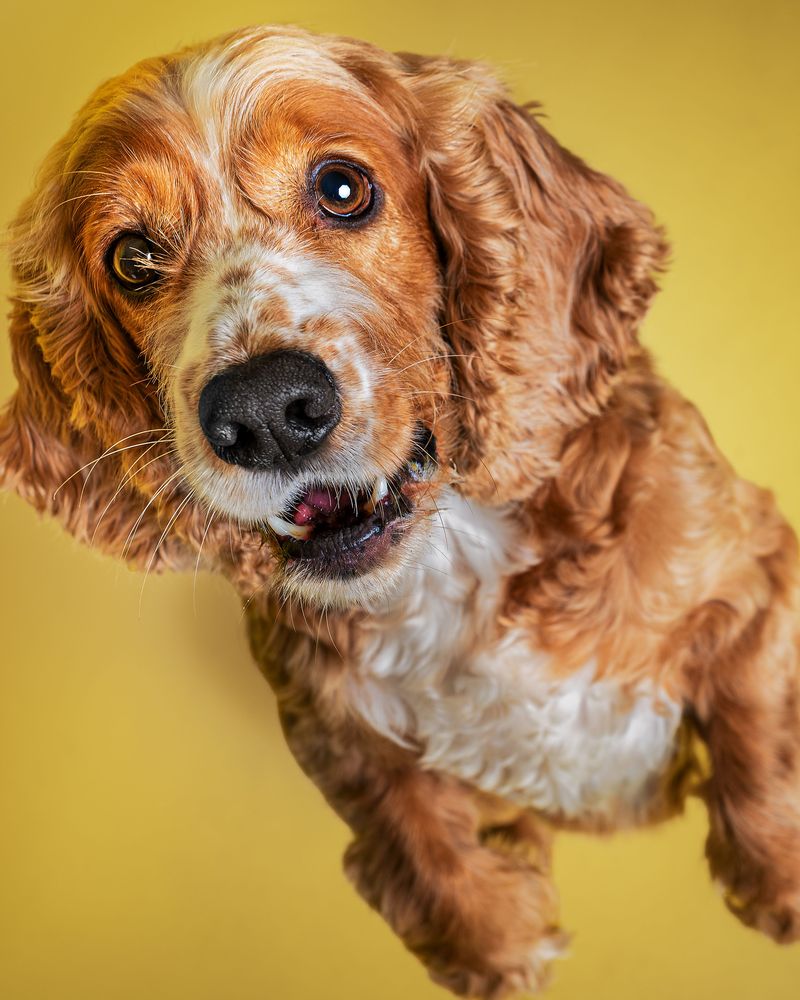
Those expressive eyes often spot what others miss. A Cocker Spaniel can sense tight shoulders, shallow breaths, or a shaky laugh and respond with gentle closeness.
You might notice soft grumbles of concern or a warm body pressed under your arm.
Build a comfort toolkit: slow petting, a calm cue word, and a soft blanket spot. Short sniff walks and easy fetch can lift spirits.
Balanced affection prevents clinginess while keeping support strong.
Papillon
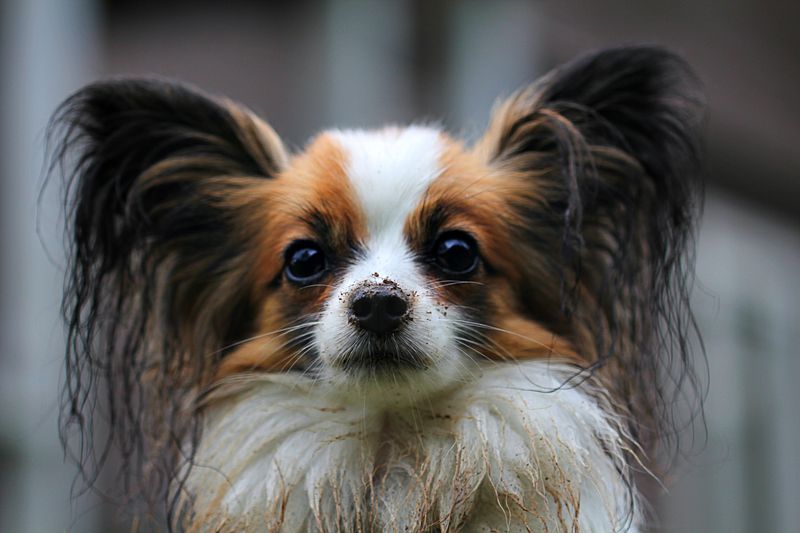
Tiny frame, big antennae. The Papillon catches micro-changes in your tone and posture like a radio tuning in.
If your cheer sounds forced, they may tap a paw, tilt their head, or bring a small toy to nudge you into play.
Use quick brain games and treat trails to reset tense moments. Teach a settle-on-mat cue for quiet support.
Their spark, when guided, becomes a bright little mood light.
Doberman Pinscher
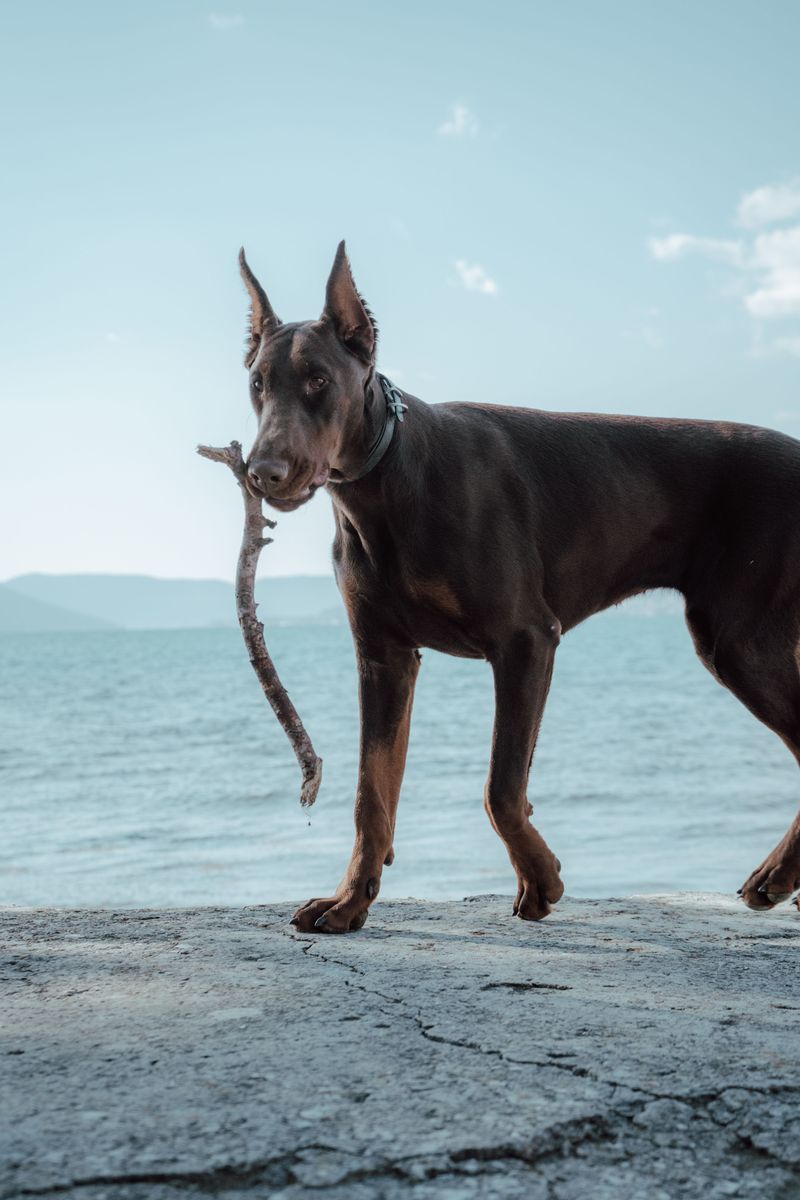
Confidence with a guardian’s heart, the Doberman reads your space and energy fast. A stiff back, rushed speech, or scanning eyes can trigger a protective side.
Expect a close heel, quiet blocking near strangers, or a steady gaze checking your cues.
Teach clear on-and-off duties, like heel, watch, then relax. Strength training paired with scent games burns steam while keeping focus.
Respectful leadership plus affection builds a powerful calm partner.
Australian Cattle Dog
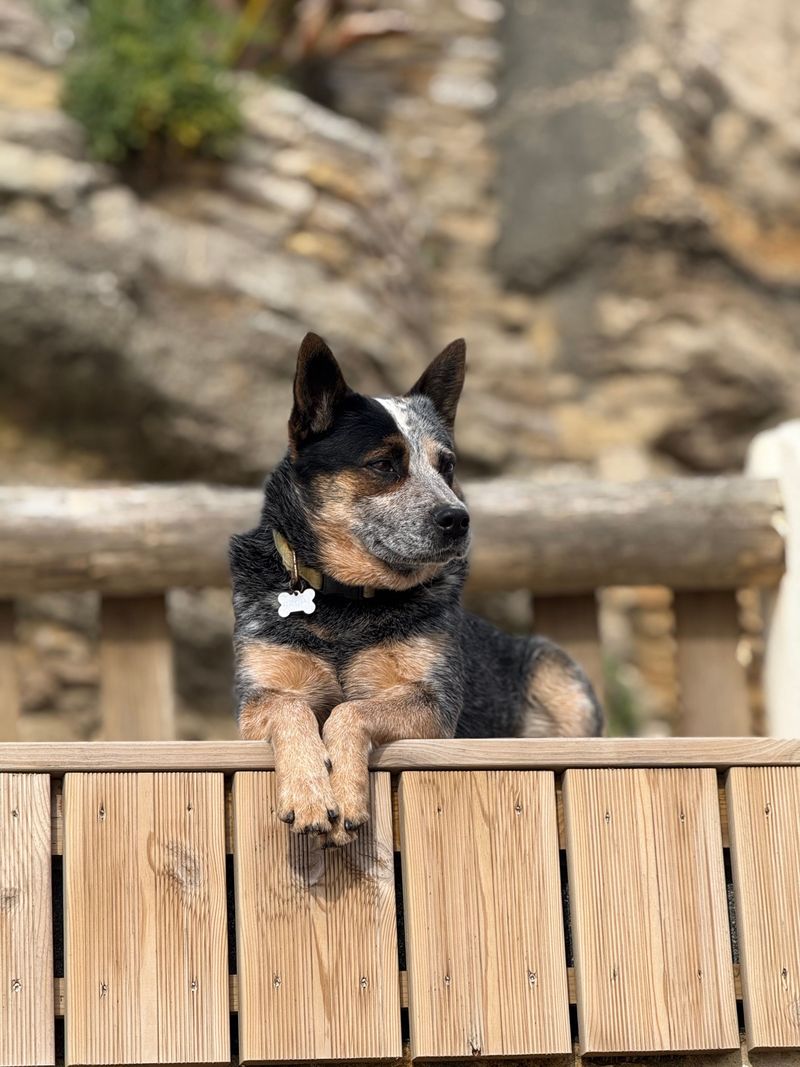
Work ethic meets sharp perception. The Australian Cattle Dog notices when you stall on tasks or sigh a little too often.
Their response might be purposeful nudging, circling to get you moving, or parking at the door to suggest fresh air.
Provide jobs that steady the mind: short agility drills, hide-and-seek with keys, or boundary games. Consistent outlets reduce restlessness and help you reset, side by side, step by step.
Cavalier King Charles Spaniel
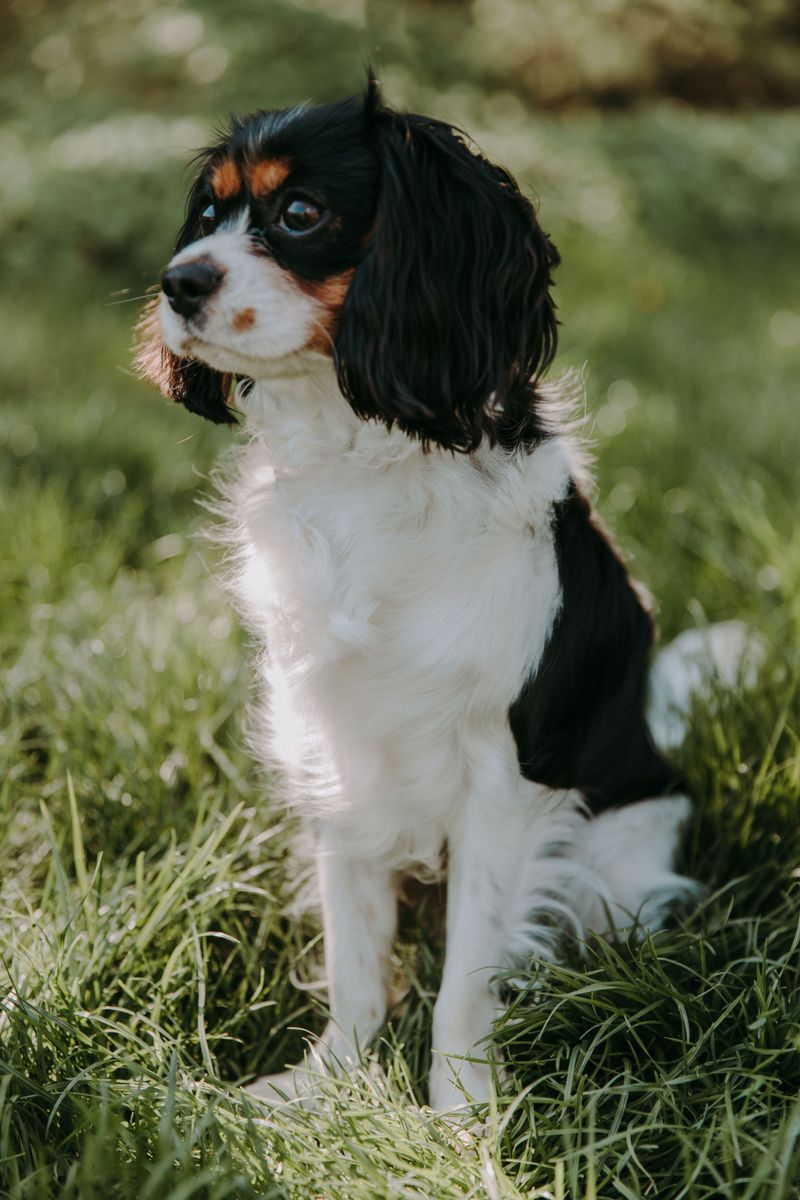
Velvety ears and a calm gaze often melt tense edges. Cavaliers notice trembling hands or quiet tears and respond with soothing closeness.
Many will gently climb into your lap, match your breathing, and stay until your shoulders lower.
Set up a relaxation corner with a plush bed and soft music. Slow petting in long strokes helps both of you breathe easier.
Short neighborhood strolls add gentle rhythm to the day.
Brittany
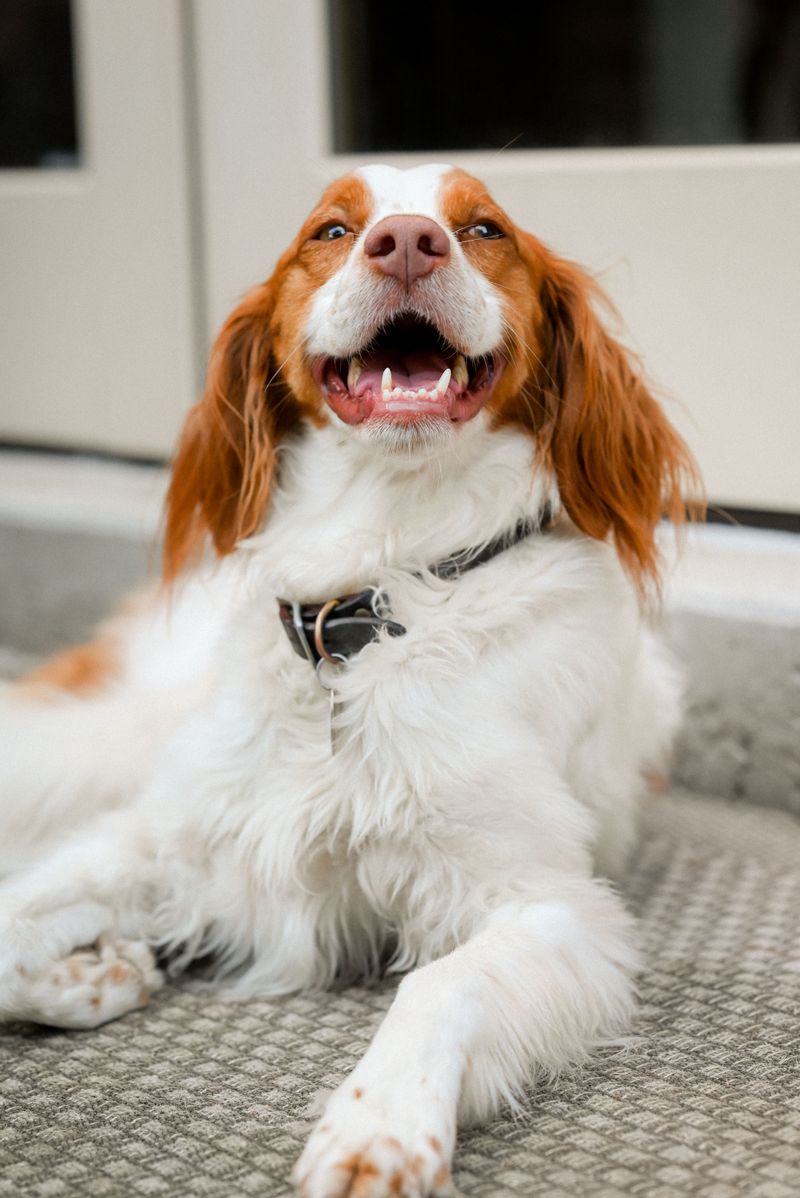
Built for motion, the Brittany senses when you feel stuck. If you hover at the door or pace the room, they often answer with bounce and invitation.
A quick nose nudge, a dropped ball, or pointing toward the leash can spark momentum.
Pair their zest with mindful routines. Short sprints, scent lines, or easy retrieve drills turn worry into rhythm.
Afterward, quiet cuddle time seals in the calm.
Miniature Schnauzer
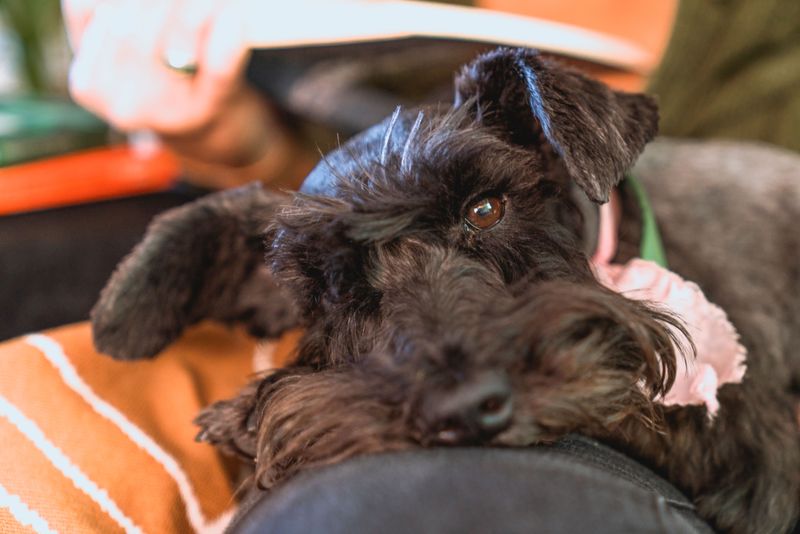
Those iconic brows are not just for style. The Miniature Schnauzer tracks your daily pattern and flags odd changes.
If lunch is skipped or calls run late, you might hear a soft alert bark, see persistent eye contact, or feel a nose bump.
Create check-in cues like touch, treat, and breathe. Short obedience bursts and scent games satisfy their busy mind.
A tidy schedule helps this smart watchdog relax and help you do the same.