Some dogs look sleepy and chill, but they notice everything. They can nap on the couch, then quickly pay attention when something feels off.
That balance makes them great family guardians and steady friends. Learn how certain breeds stay peaceful yet ready to protect when needed.
Bullmastiff
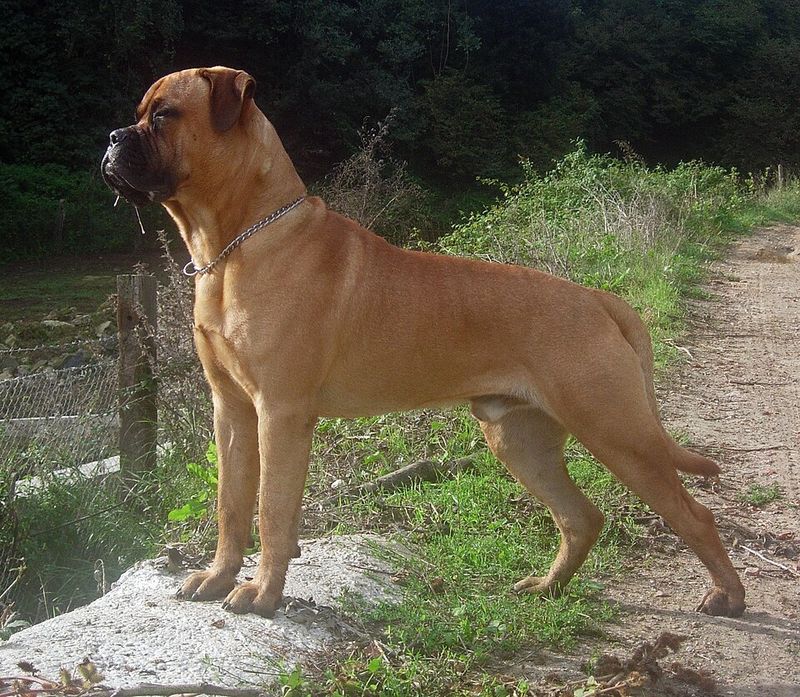
With the poise of a seasoned guard, the Bullmastiff rests like a statue until footsteps sound at the gate. Bred as a silent gamekeeper’s ally, it prefers calm rooms, steady routines, and confident guidance.
Teach firm boundaries and short obedience drills, then reward with gentle play. A quick head lift or low chuff is often all it needs to signal concern.
Give clear rules and daily walks, and you get quiet loyalty.
Rottweiler

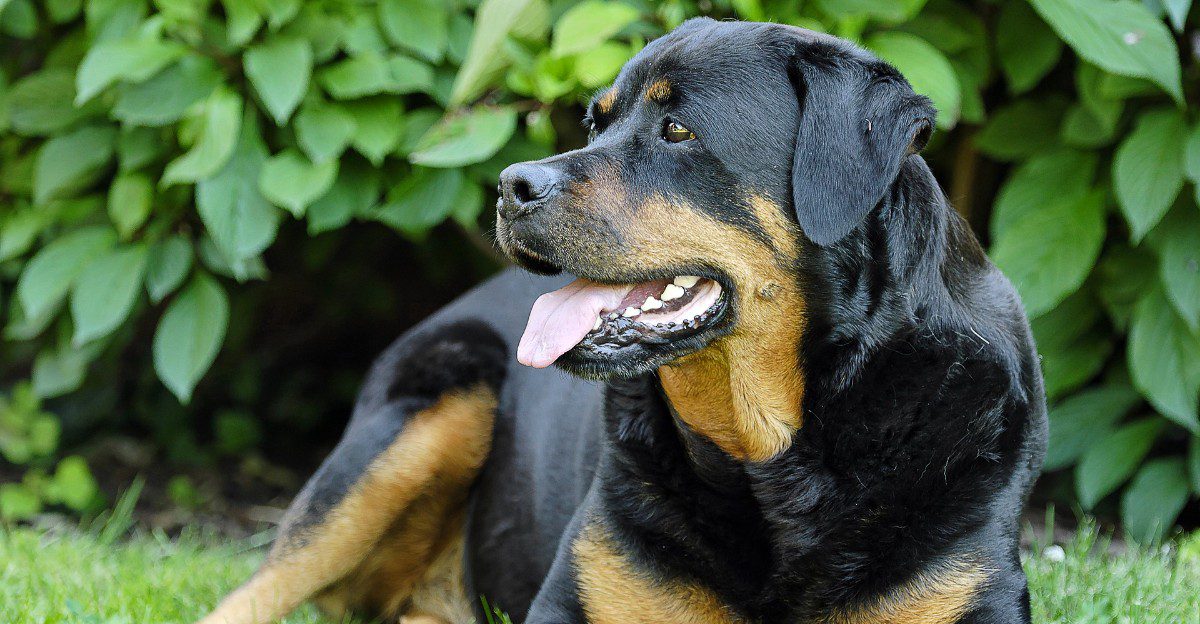
Neighbors might see a chill sunbather, but the Rottweiler tracks every move with sharp eyes. Its history as a drover and protector shows in how it switches from lounging to alert in a heartbeat.
Start socialization early with friendly faces and calm places. Short, focused training sessions build trust and quick response.
A sturdy chew, puzzle toys, and clear routines help channel energy. When something changes, it checks first, then decides wisely.
Great Pyrenees
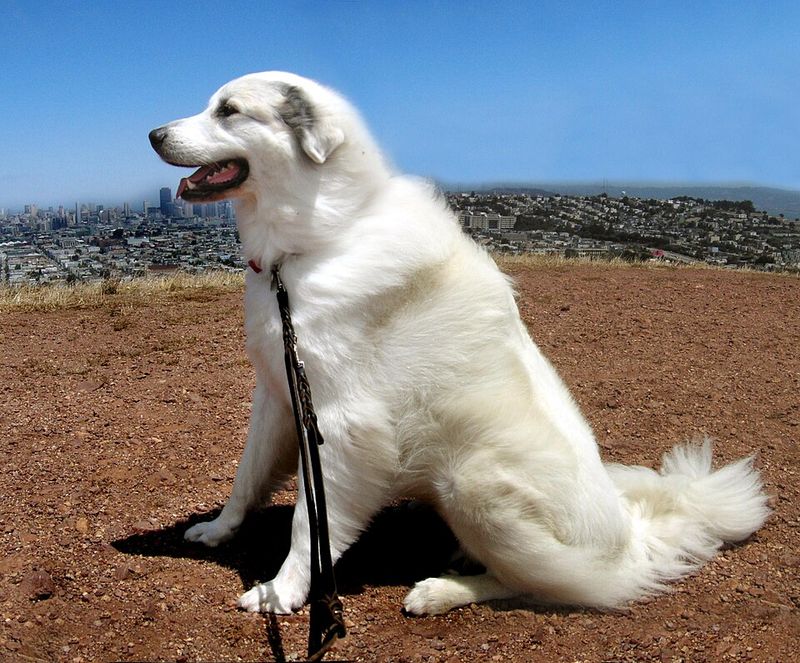
On quiet nights, the Great Pyrenees seems like a cloud on the porch, barely moving. Yet a faint rustle in the dark pulls it to its feet, steady and sure, like a seasoned night watch.
Gentle guidance works best, since this breed likes to think for itself. Long, calm walks and a secure yard suit it well.
Expect soft warnings before action. It often chooses presence over noise.
Rhodesian Ridgeback
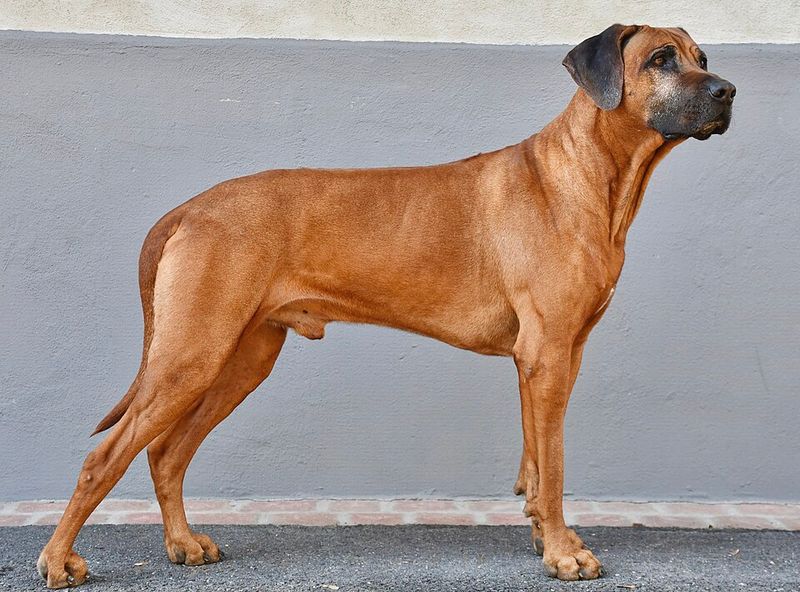
Sun on its back, the Rhodesian Ridgeback looks like a lazy afternoon buddy. Then a stranger at the gate snaps its focus tight, all muscle and intention, steady without panic.
Keep training upbeat and brief, mixing recall games with scent work. This thinker thrives on respectful leadership, not harshness.
A daily run and a comfy bed balance spirit and rest. Expect quiet confidence, not constant barking, when things feel off.
Akita
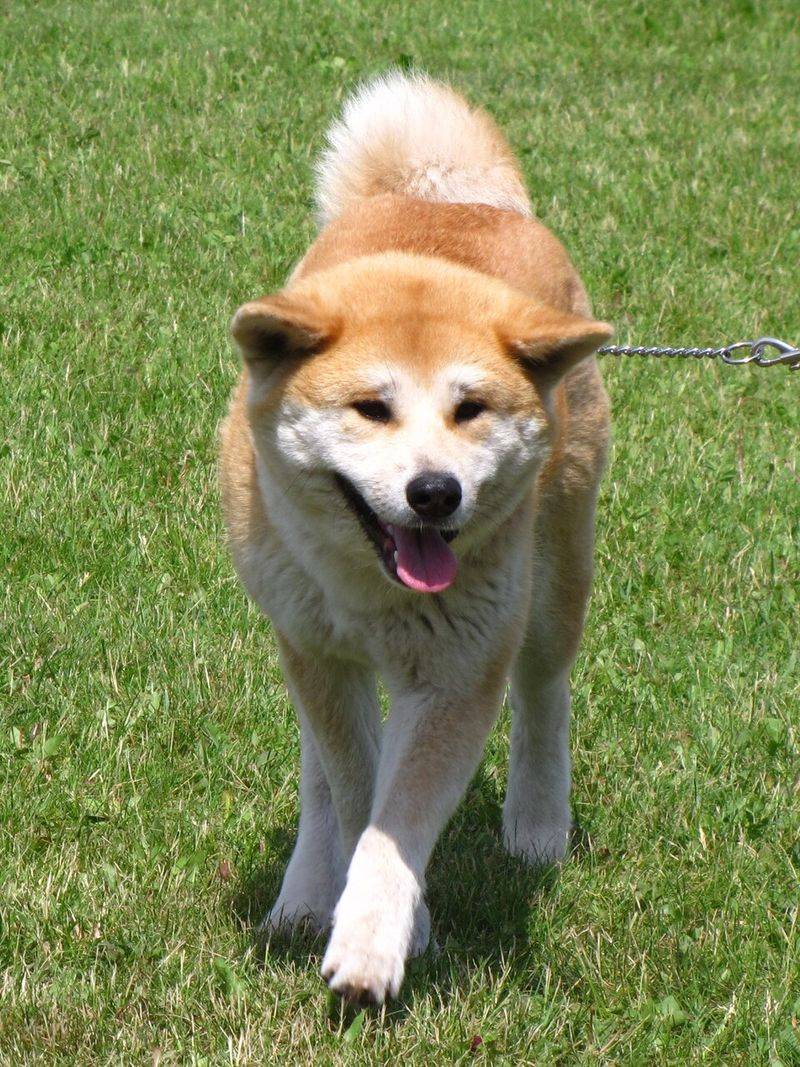
Still as a snow statue, the Akita lets the world come to it. A flick of the ears is the only clue before it steps forward, measured and sure, to assess a change.
Respectful handling and calm routines build trust. Early social practice with friendly people and neutral dogs keeps its cool head.
Teach a strong “leave it” and solid recall. When it senses a shift, it prefers to observe first, act second.
German Shepherd
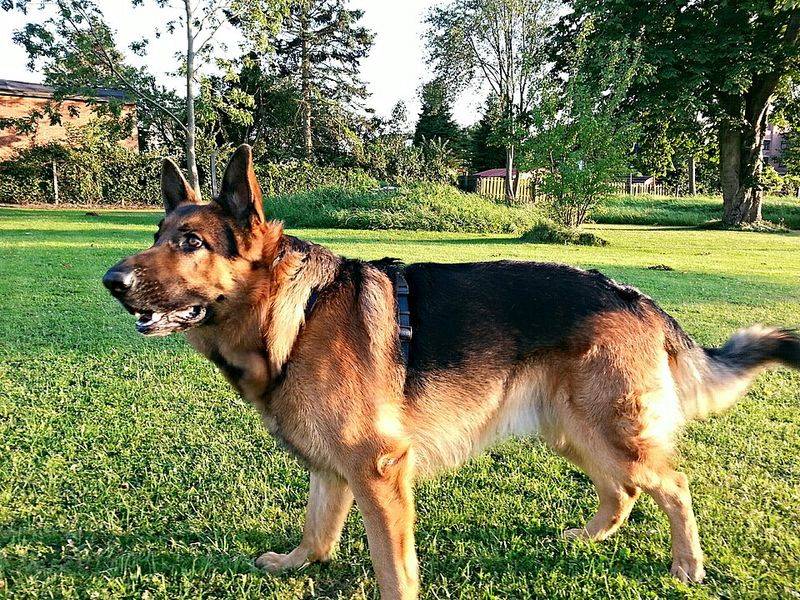
Off duty, the German Shepherd curls at your feet like a loyal shadow. But the doorbell turns it into a professional, standing tall and reading the room in a second.
Channel its brains with obedience games, nose work, and place training. Clear tasks reduce guesswork and stress.
Friendly visitors, calm greetings, and reward timing help shape choices. It escorts peace through the day, then monitors changes with a thoughtful eye.
Cane Corso

Like a stone guardian come alive, the Cane Corso lounges until a new sound tests the boundary. One step forward, a steady look, and the message is clear without drama.
Confidence grows with patient training, fair rules, and early social practice. Short place drills and controlled leash walks create calm habits.
Offer chew breaks and restful spots after work. When a situation changes, it prefers clarity from you and responds with calm strength.
Doberman Pinscher
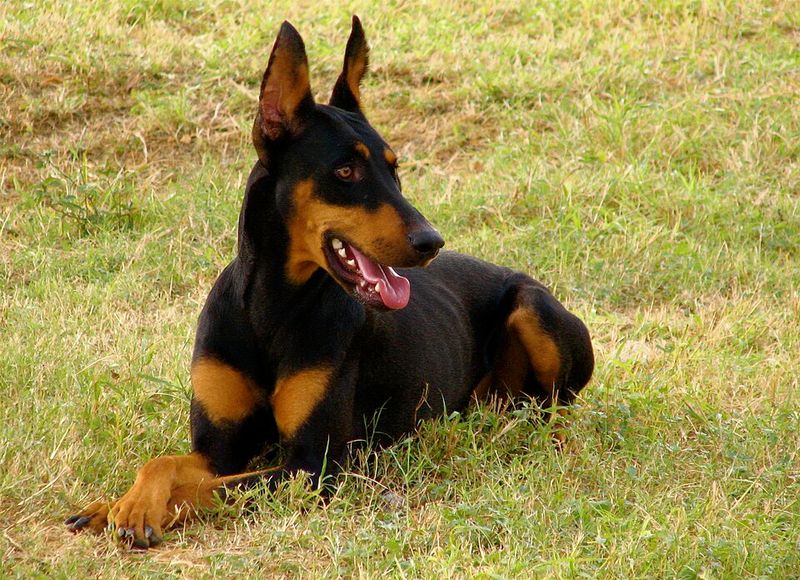
Even while stretched like an athlete at rest, the Doberman hears tiny shifts in the home’s rhythm. A soft step, a new scent, and its posture tightens with graceful control.
Build skills with marker training, recall games, and impulse control at doors. Social time with calm friends keeps reactions balanced.
Give brain work through puzzles and short tracking exercises. When the vibe changes, it checks in with you, then chooses a smooth, confident response.
Boxer
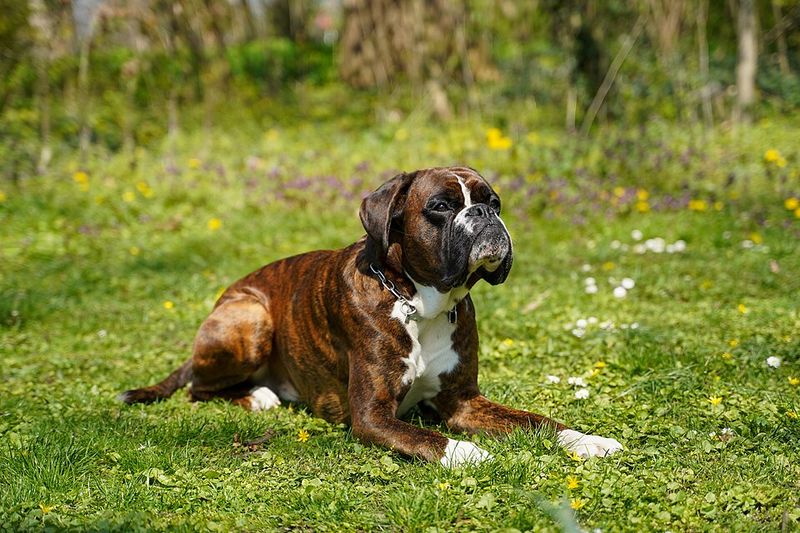
Goofy naps and wiggly greetings make the Boxer seem carefree. Yet when something unfamiliar pops up, it squares up fast, all focus, ready to read the scene without fuss.
Short bursts of training mixed with play work best. Practice calm greetings and settle cues after excitement.
Give daily exercise and puzzle feeders to keep the mind happy. When the mood shifts, it balances curiosity with caution, then returns to fun once things feel safe.
Mastiff
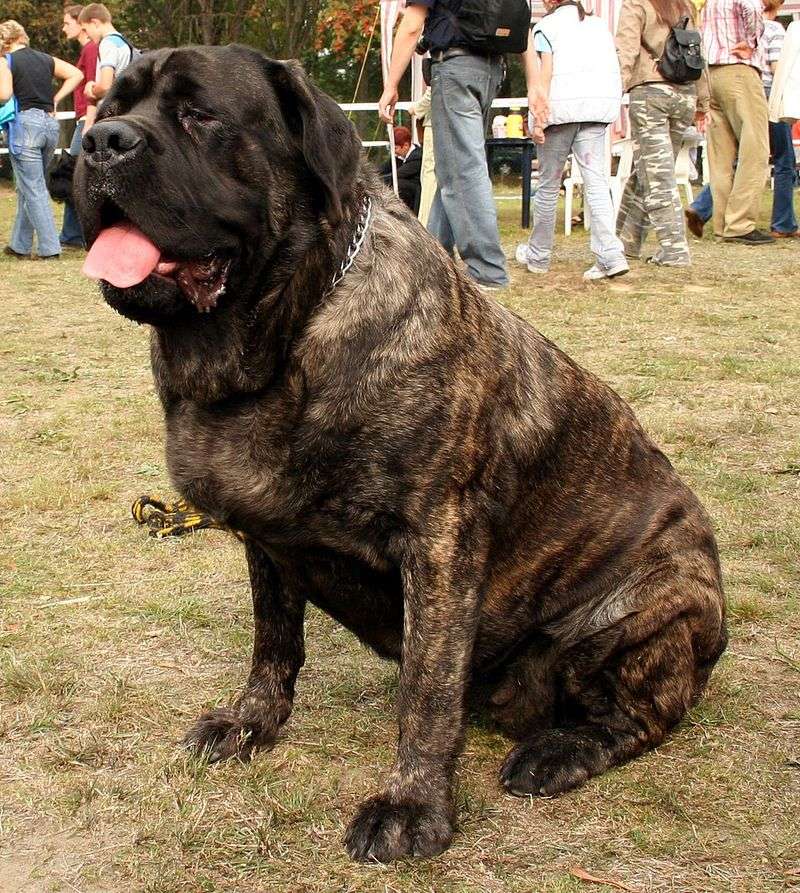
The Mastiff is like a gentle mountain in your living room, barely moving for hours. A single knock and it rises, slow but sure, standing between family and uncertainty.
Keep routines simple, training clear, and pressure low. Early social outings in calm places build steady reactions.
Short leash work and place training help this giant conserve energy wisely. When situations change, it chooses presence and posture over noise, then settles once you give the all clear.