Cute faces and wagging tails can hide a lot of work. Some breeds need more time, training, and exercise than most families expect.
Knowing what daily life looks like helps you choose wisely and care for your dog well. Here are real challenges and smart tips for high-energy favorites that often surprise new owners.
Siberian Husky
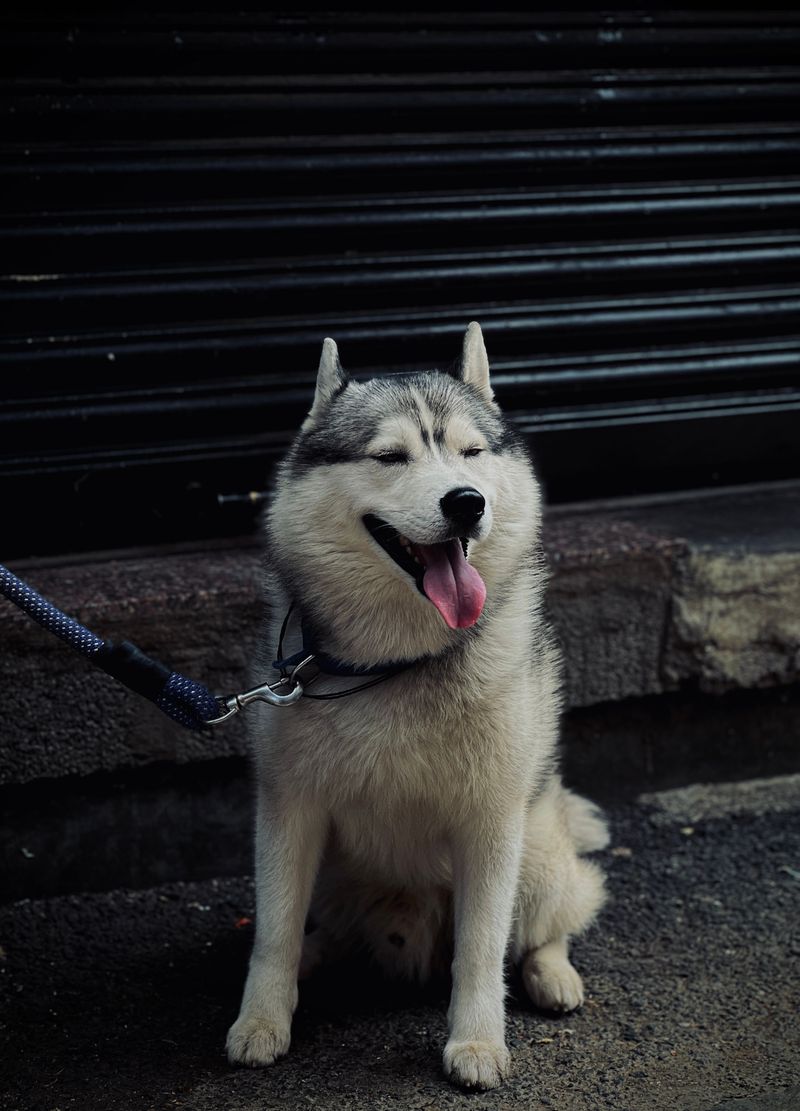
Blue eyes and a fluffy coat lure many first-time owners. Yet a Husky is a nonstop athlete that craves cold weather and miles of running.
Plan on secure fencing, winter-grade gear, early recall training, and daily mental games like hide-the-treat. Without structure, many learn to escape, sing at sirens, or shred the couch from boredom.
A jogging partner helps, but consistency matters more than speed, plus budget for shedding tools and sturdy leashes all year long.
Border Collie
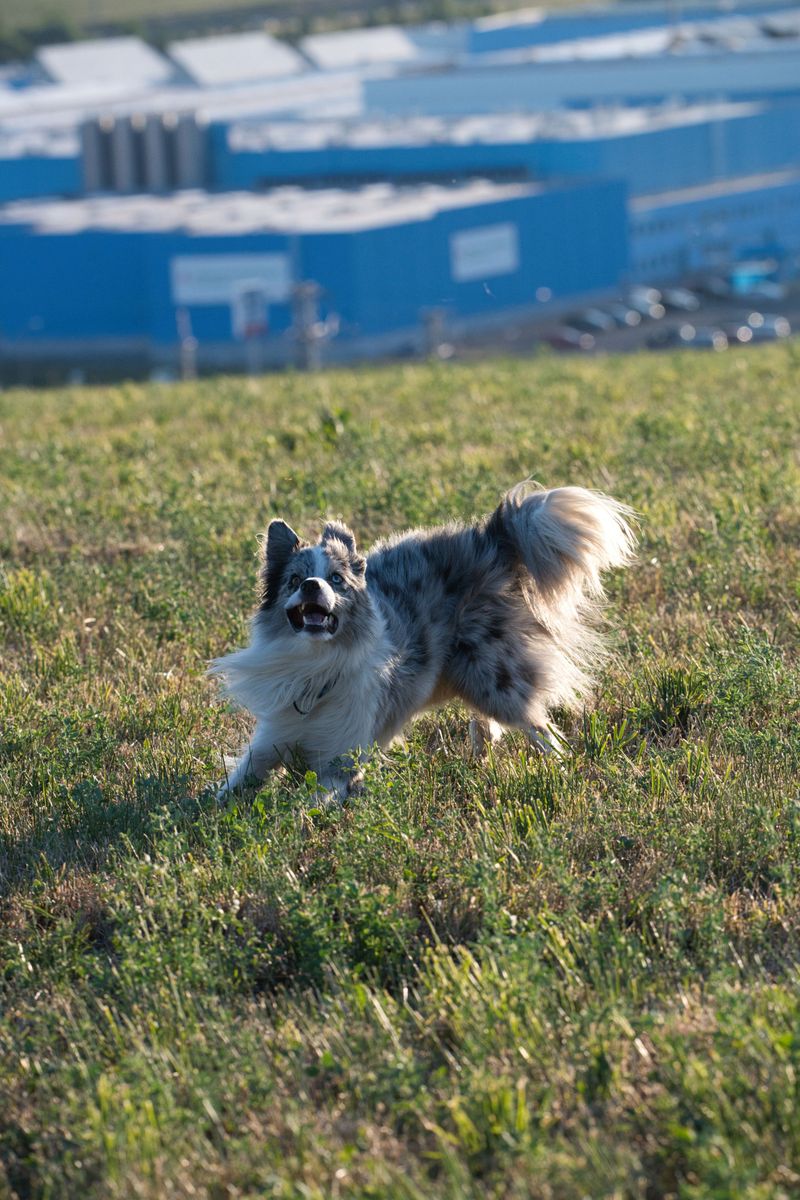
People say genius is a gift, but with Border Collies it is also a job. Their brains need puzzles like herding balls, agility drills, and scent games every day.
Skip the mental work and you might see nipping, circling kids, or nonstop barking. Build short training bursts morning and evening, mix in trick training, and use food puzzles at meals.
A weekly class gives healthy outlets, while calm crate time teaches an off switch your Collie truly needs.
Australian Shepherd
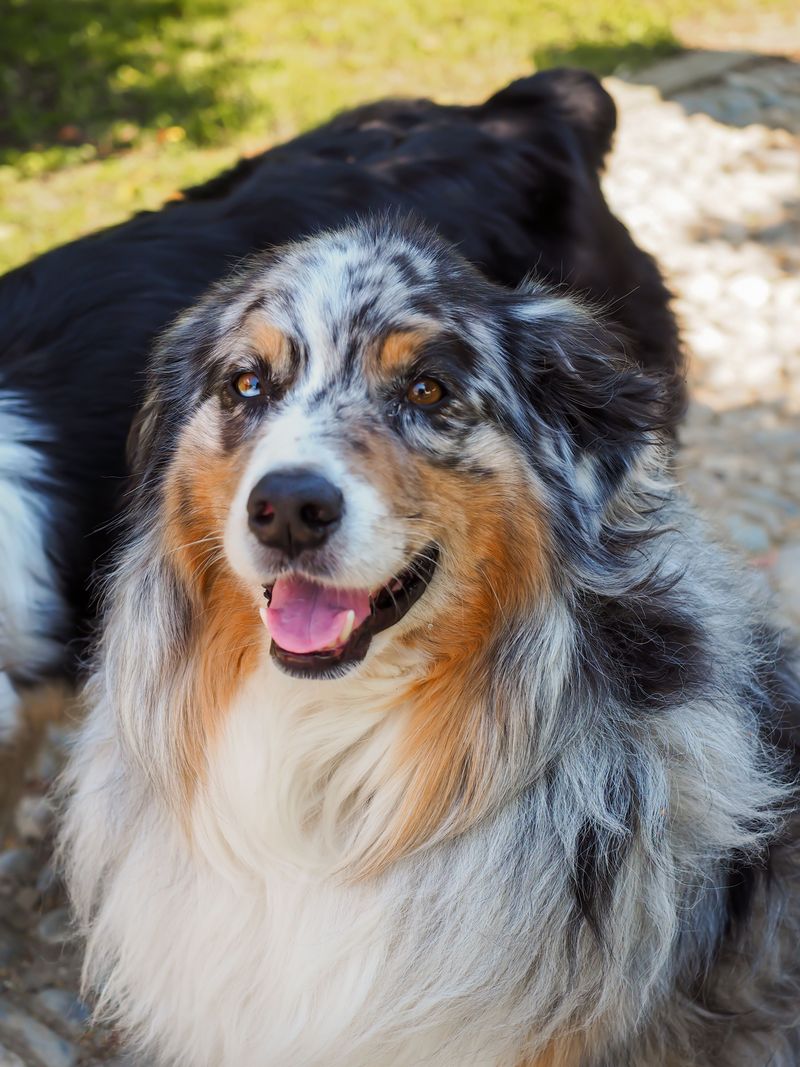
Those marbled eyes look magical, yet the engine inside runs hot. Australian Shepherds thrive on jobs, from trail hikes with a pack to obedience routines that challenge both body and mind.
Without tasks, some herd ankles or guard the yard too seriously. Make a weekly plan that includes off-leash fetch in safe spaces, structured walks, and impulse control games like sit-to-greet.
Rotate toys, teach reliable recall, and schedule grooming, because that gorgeous coat mats fast if you skip it.
Belgian Malinois
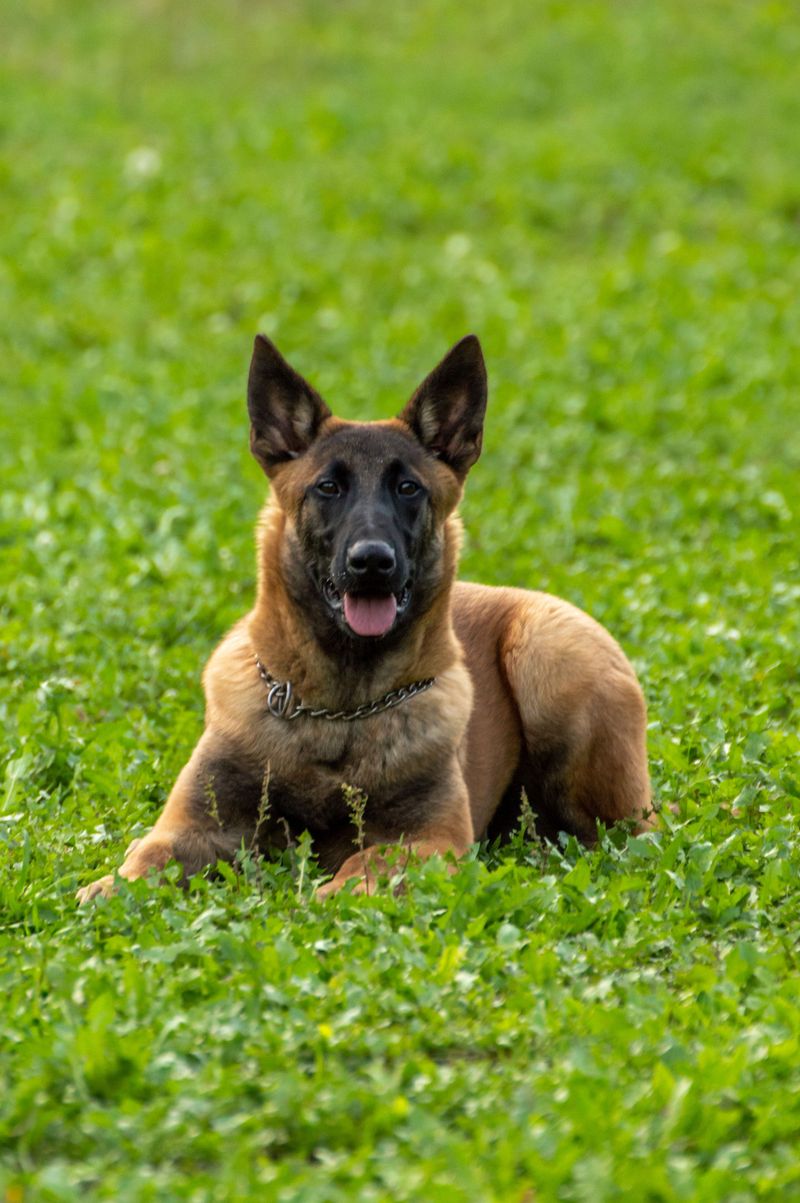
Think action movie star, then double the intensity. Belgian Malinois crave purposeful training like advanced obedience, protection sports, or detection-style scent work under skilled guidance.
Casual fetch will not cut it. Beginners often feel overwhelmed by the drive, vocal energy, and need for perfect structure.
If you choose this breed, partner with a reputable trainer, create daily training blocks, and use clear rules for engagement. Mental fatigue is your friend.
So are safe outlets like treadmill sessions and spring-pole play.
Samoyed
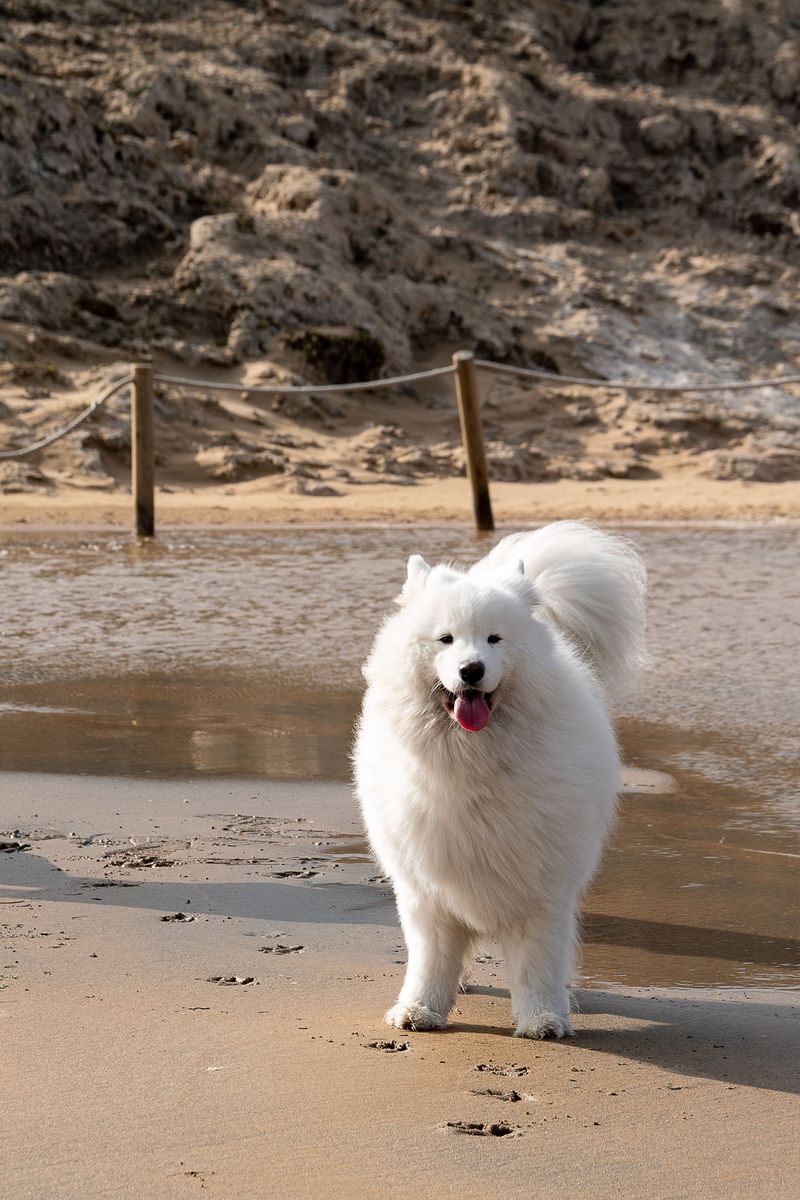
That famous smile hides a snow dog with opinions. Samoyeds shed in clouds, talk to you with soft woo sounds, and need cool-weather exercise to stay content.
Grooming time is real time, often several sessions a week during shedding season. Stock up on brushes, a powerful vacuum, and patience.
Keep training upbeat, because they are clever and sometimes stubborn. Long walks at sunrise help beat the heat, and nose work keeps their brain busy when the weather says stay indoors.
German Shepherd
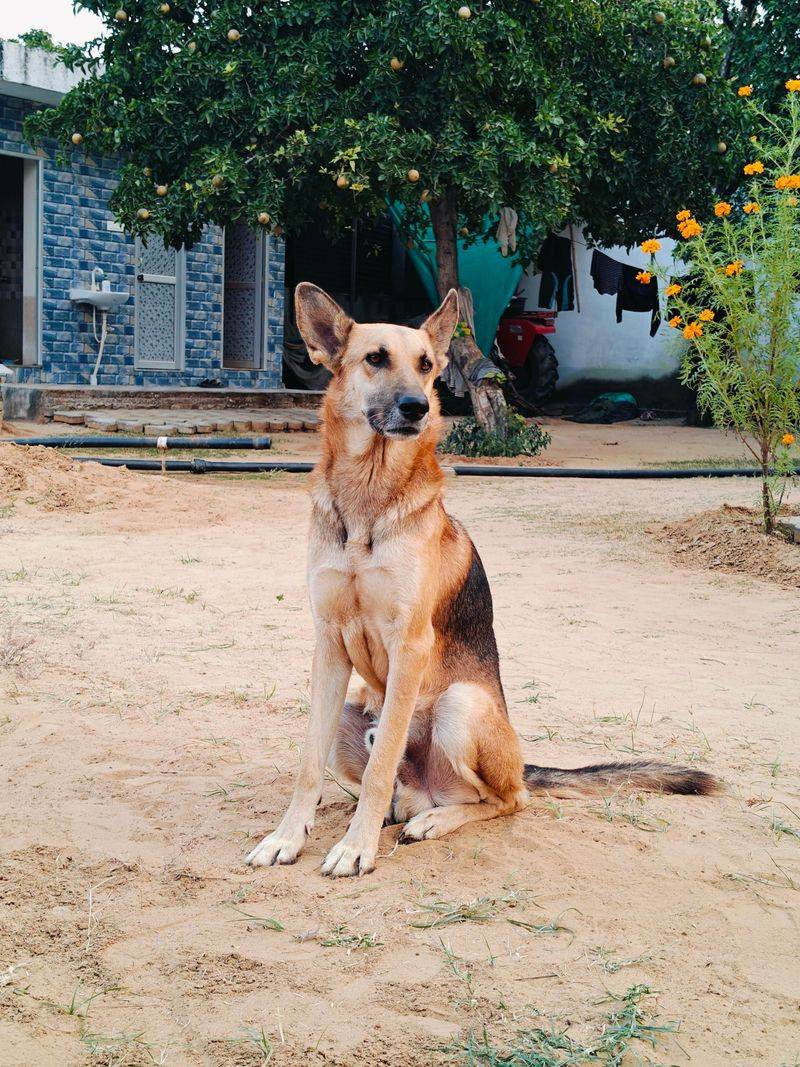
Loyal hearts meet big responsibility. German Shepherds are powerful learners that flourish with clear rules, steady socialization, and purposeful work like tracking or utility obedience.
Skip structure and they may overprotect, pull on leash, or chew from stress. Plan daily heeling practice, place training during family meals, and controlled meet-and-greets.
Hip and elbow care means proper weight and low-impact conditioning. Rotate enrichment toys, and end each day with a calm settle routine so all that brain and body power can finally rest.
Weimaraner
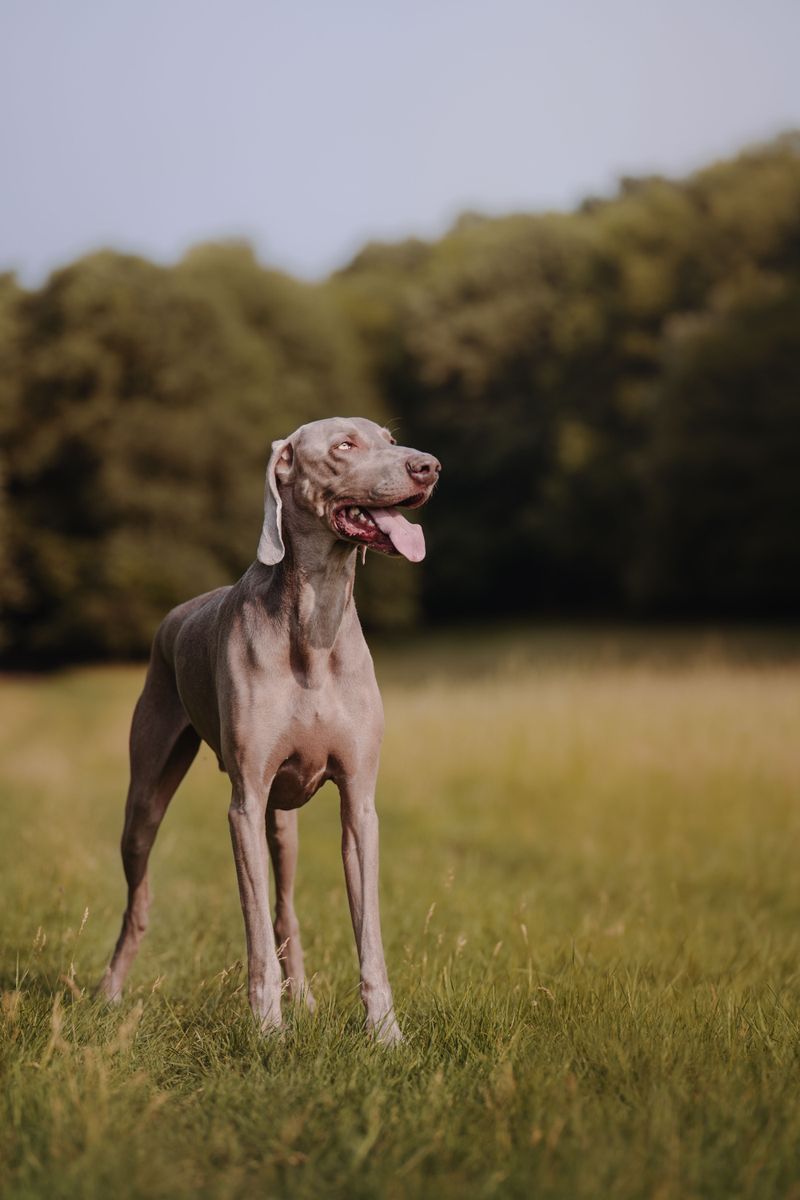
Silver elegance meets serious stamina. Weimaraners bond deeply and often struggle with alone time, which can turn into counter surfing or door scratching if exercise is skipped.
Early crate training helps teach calm independence. Plan morning cardio like trail runs or fast fetch, then add afternoon brain work with scent games or shaping sessions.
Keep valuables put away, practice place stays, and provide safe chews. Consistency, not just intensity, keeps the Weimaraner balanced and happy in a modern home.
Old English Sheepdog
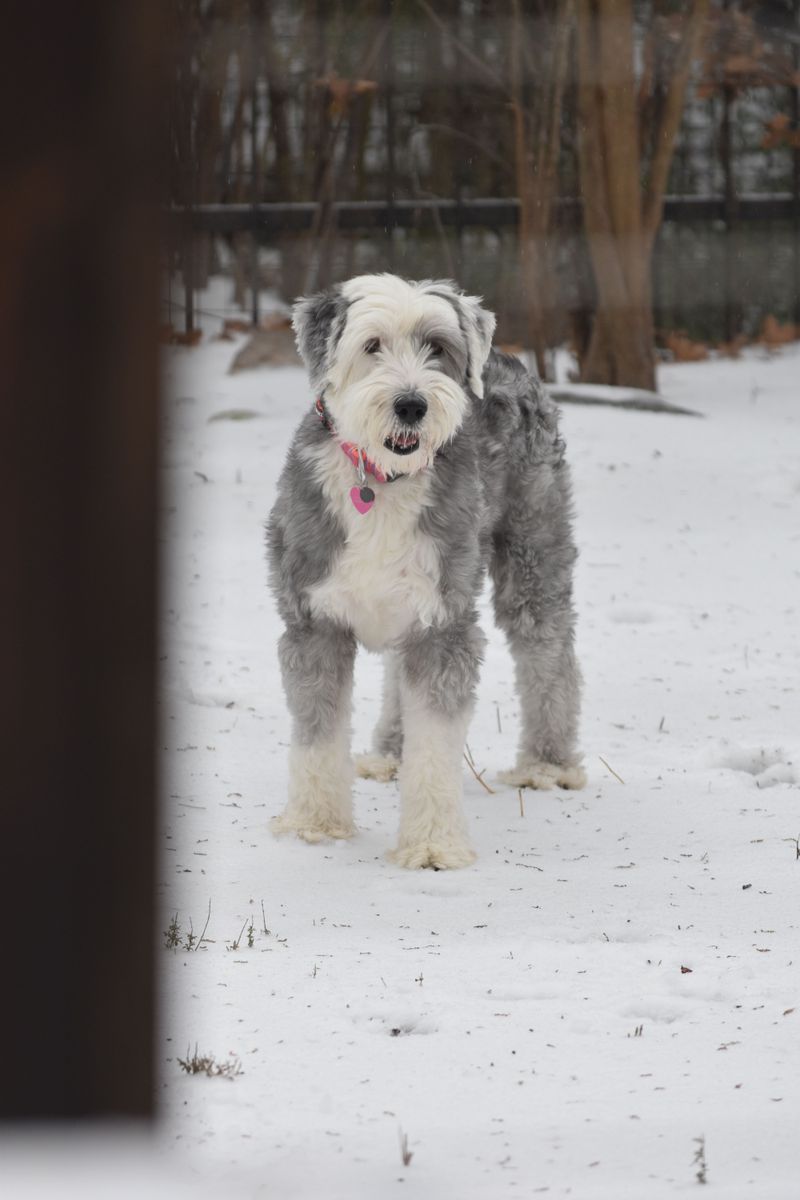
That teddy bear look takes effort. Old English Sheepdogs have dense coats that trap debris, hide skin issues, and mat quickly if you miss brushing days.
Schedule regular professional grooming and learn at-home maintenance, including line brushing and careful drying after baths. Add steady exercise because they were bred to work, not lounge.
Polite manners matter too, since a bouncing shaggy body can knock things over. Teach settle cues, gentle leash skills, and predictable routines to keep the household peaceful.
Jack Russell Terrier
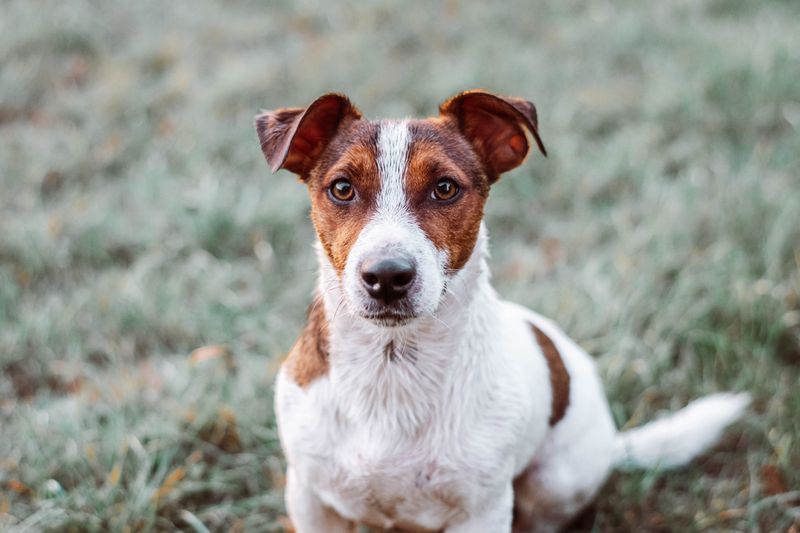
Tiny frame, turbo engine. Jack Russell Terriers were built for digging and chasing, so their curiosity often outruns house rules if energy is not channeled.
Make jobs out of everything. Hide treats in cardboard, set up mini agility, and practice calm door greetings to prevent bolt-outs.
Short, frequent sessions beat marathons. A flirt pole helps burn steam, and puzzle feeders slow mealtime chaos.
Expect training to be zippy, funny, and firm, and you will love the clever spark they bring.
Standard Poodle
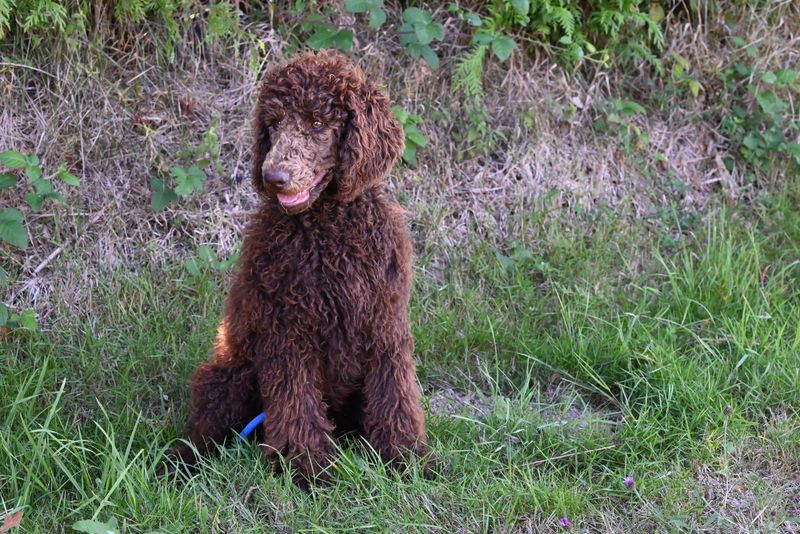
Brains plus bounce equals a busy calendar. Standard Poodles shine in obedience, rally, and retrieving games that keep their minds humming and bodies fit.
Grooming is nonnegotiable, whether a simple sport trim or a fancy cut. Plan biweekly maintenance, ear care, and nail trims.
Mix formal training with silly tricks to keep motivation high. Many thrive on swimming sessions for joint-friendly cardio.
End each practice with a calm mat settle, which teaches a valuable off switch for home life.
German Shorthaired Pointer
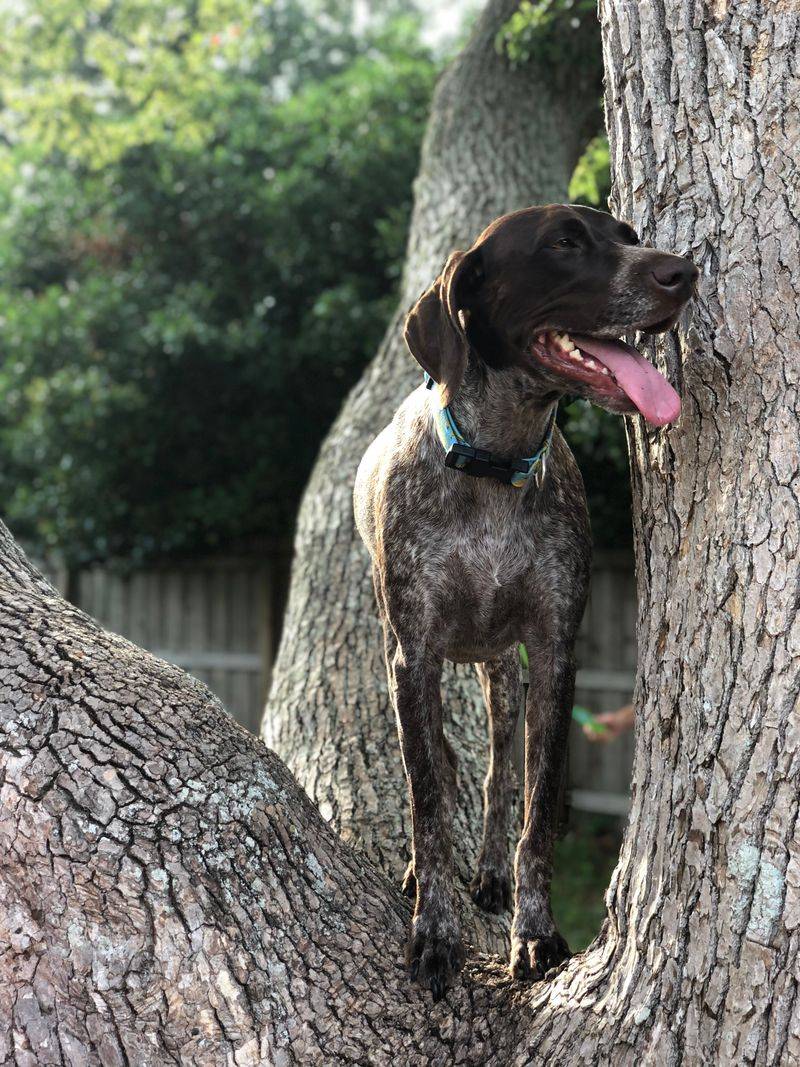
Built to roam and point, the GSP has a radar for motion. Without big outlets, they pace, whine, or invent backyard excavation projects.
Channel instincts with tracking, field games, or long-line hikes. Practice rock-solid recall, build impulse control around wildlife, and rotate high-value chews after workouts.
A running routine helps, but mental tasks like place-to-place retrieves tire them faster. Keep training upbeat and brief to match their spark, then offer a warm crate nap to recharge the batteries.
Dalmatian
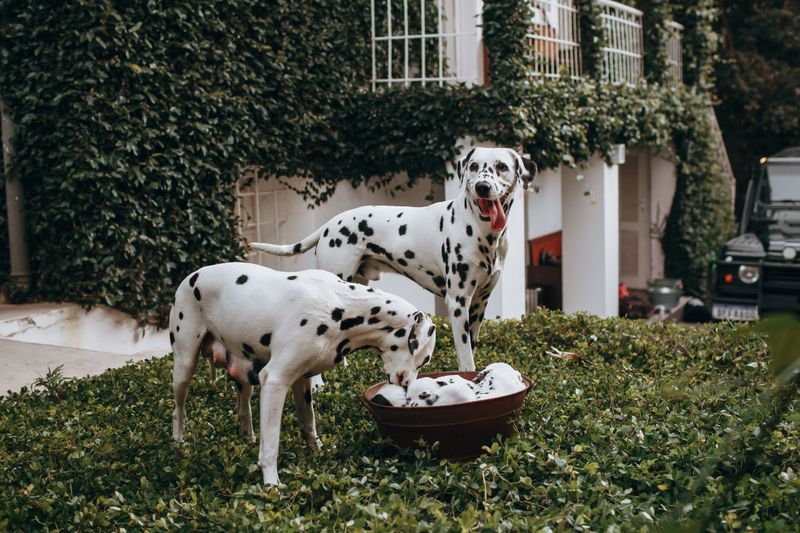
Firehouse legend aside, Dalmatians are endurance buddies. They need structured mileage, patient training, and a thoughtful diet because some are sensitive to certain proteins and purines.
Start with long walks, bike runs when trained, and rally-style obedience for focus. Socialize early to prevent reactivity, and keep enrichment steady with scent work or trick chains.
Track water intake and bathroom breaks to support urinary health. With routine and patience, that cheerful trotter becomes a steady partner you can genuinely keep up with.