
Some puppies act like clowns for a long time, but others look thoughtful right away. Certain breeds seem focused, calm, and even a little grown up while still young.
Knowing which ones mature fast helps you train better and keep life peaceful at home. Here are breeds that often show a serious side early, plus tips to guide them well.
German Shepherd
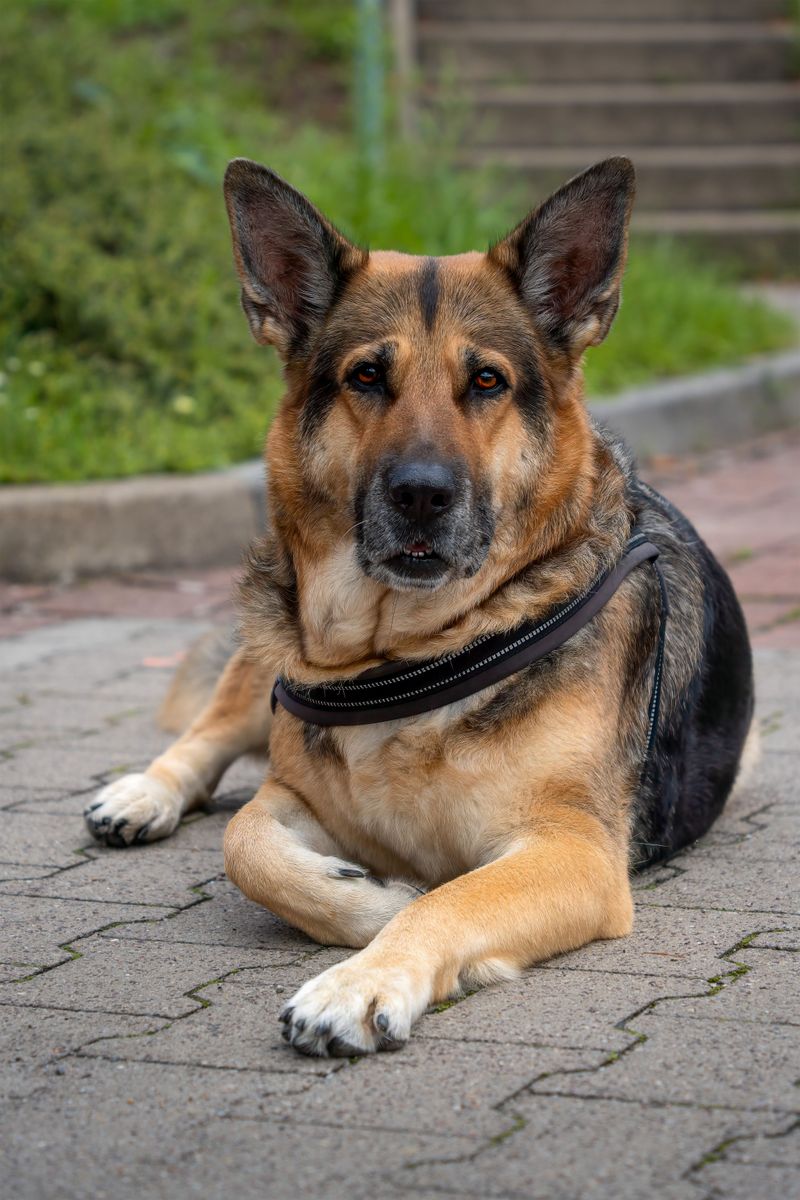
Watch a young German Shepherd lock onto a task like a pro. Many pups chase tails, yet this breed often studies the room, reads your face, and waits for direction.
Daily jobs help that mature mind shine. Try nose-work games, structured walks, and short training bursts with clear rewards.
Early social time with calm dogs builds confidence, while a steady routine prevents restlessness.
Mental puzzles before meals curb energy and encourage patience and build habits.
Rottweiler
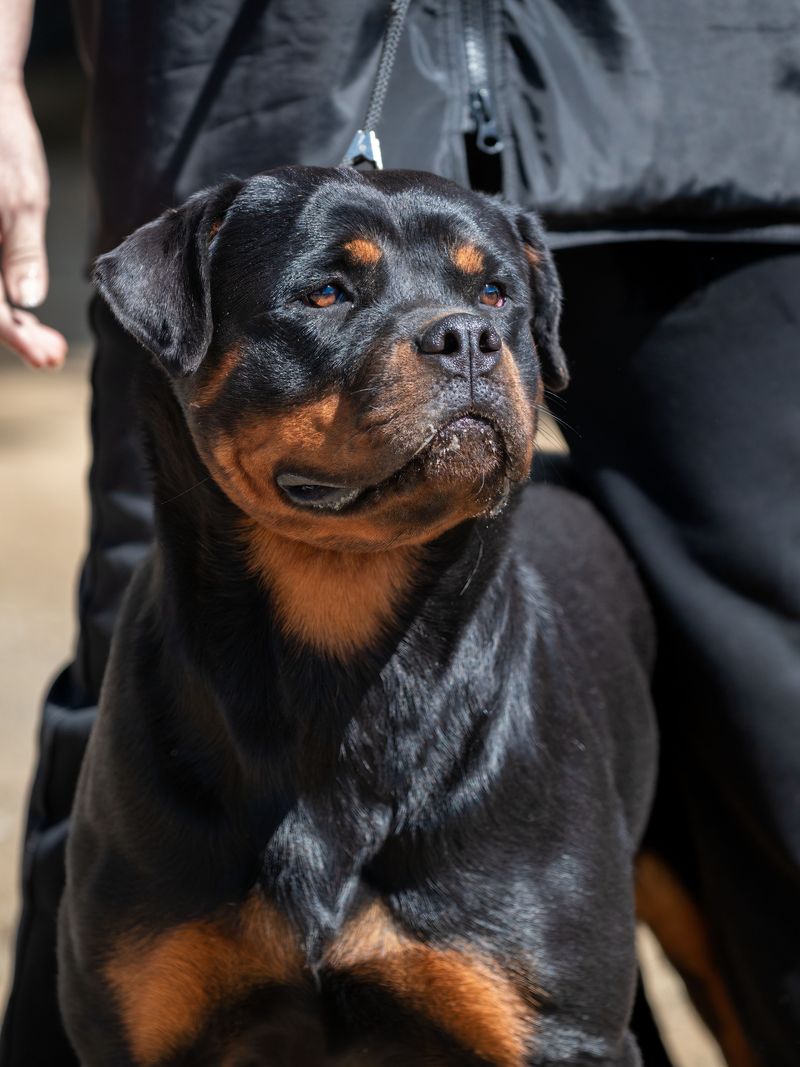
Quiet eyes and a steady stance give Rottweilers a grown-up vibe early. Even as adolescents, many choose to watch first, then move with purpose.
Channel that poise with cart-pulling basics, leash manners, and place training. Short obedience sessions after play keep focus sharp without stress.
Meet friendly strangers in controlled settings to polish neutrality and prevent pushiness.
Chew toys that last, plus slow, thoughtful games, satisfy their powerful minds. End sessions on calm success always.
Doberman Pinscher
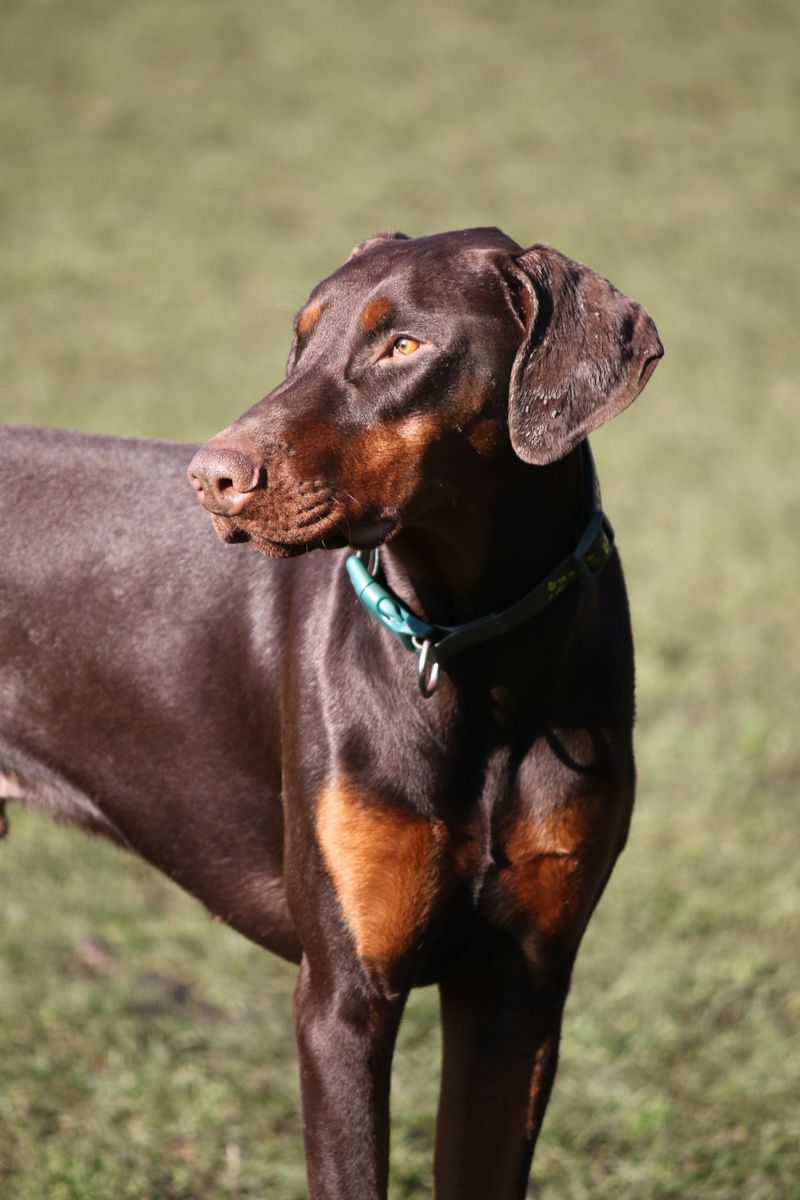
Like a student in the front row, many Dobermans focus early. They scan you for clues and love clear rules.
Keep lessons brisk with patterns they can master, then surprise them with a playful jackpot. Agility tunnels, perch work, and pivot games build body control.
Gentle exposure to noises and surfaces helps prevent worry.
Use a soft voice, steady timing, and breathable gear to support that ready-to-work mindset. End on play to celebrate small wins.
Akita
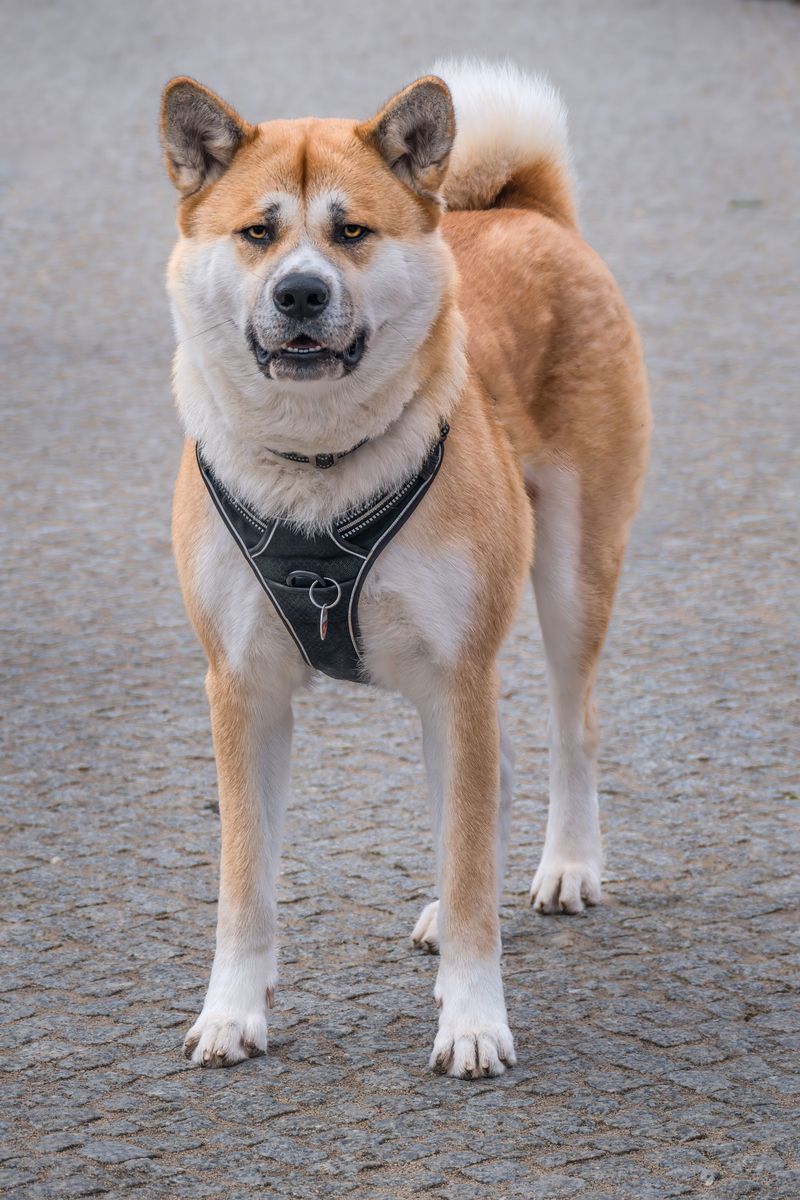
One look says wise old soul. Young Akitas can appear reserved, choosing to observe before they act.
Respect that independence with clear boundaries and low-key routines. Hand-feed part of meals to strengthen trust, and practice calm handling.
Short, quiet walks in new places teach polite choices without pressure.
Games that involve scent and problem solving keep their brains busy, while limited repetition prevents boredom. End sessions early, while interest stays bright for future success tomorrow.
Cane Corso
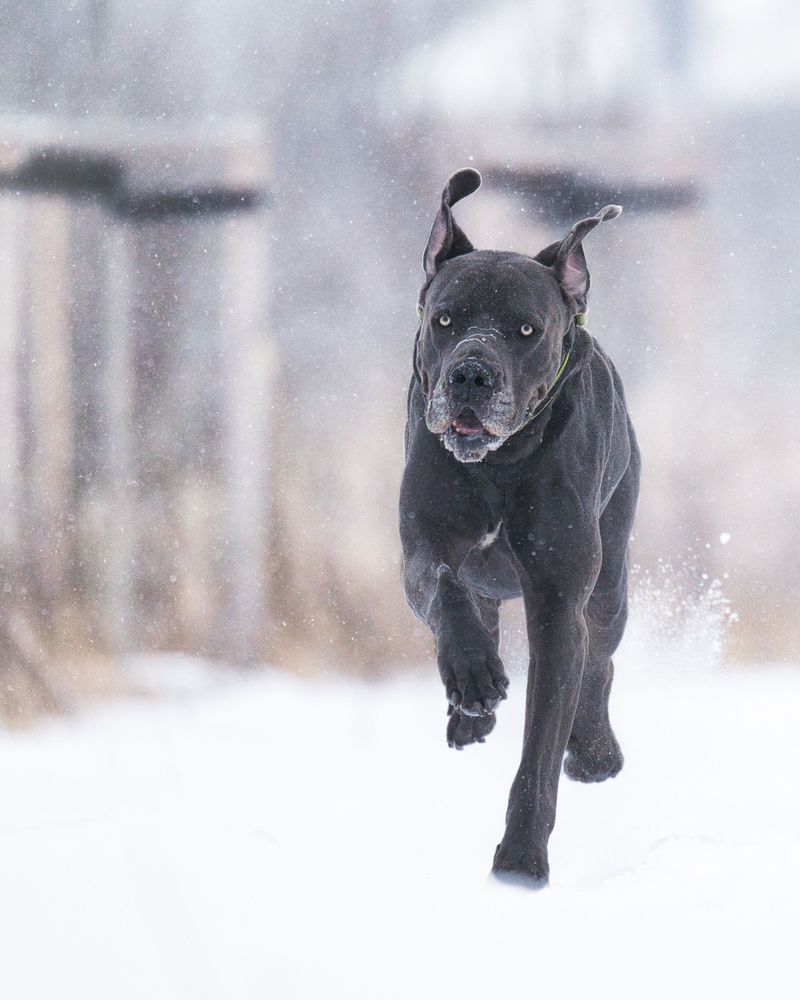
Big head, careful eyes, and a patient pause give Cane Corsos an adult air. Even young ones often prefer steady choices over silliness.
Teach impulse control with door manners, food waits, and relaxed greetings. Keep sessions short and purposeful.
Neighborhood observation sits let them watch life while you reward calm breathing and loose muscles.
Provide sturdy chew projects and simple tracking games to balance power with thoughtful work. End quietly to reinforce steadiness each day.
Great Pyrenees
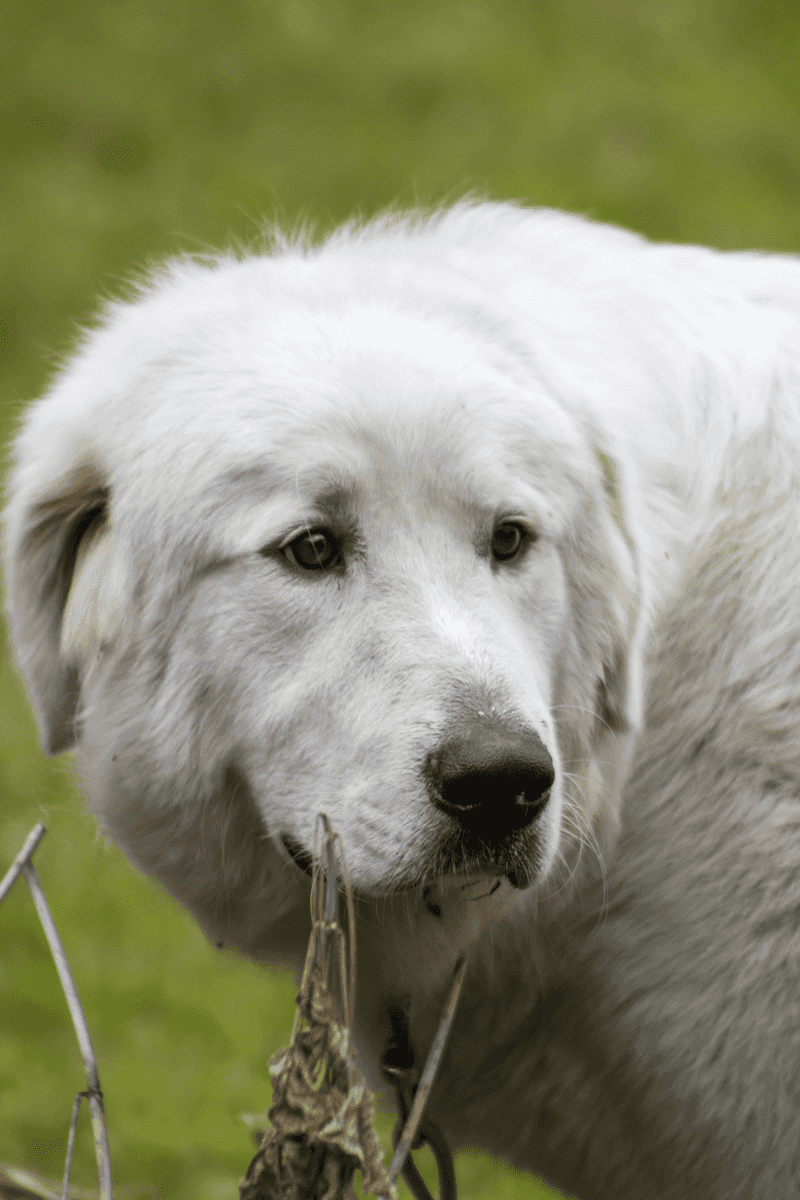
Snowy coat aside, their calm watch makes them seem older than their age. Great Pyrenees pups often settle and scan before reacting.
Support that guardian mindset with boundary walks along fences and quiet place time. Practice recall with high-value rewards, since independent brains need strong reasons.
Nighttime potty trips double as short patrols, which satisfy instincts.
Brush while they relax, then treat gently to pair care with peace. Quiet praise keeps their choices thoughtful too.
Rhodesian Ridgeback
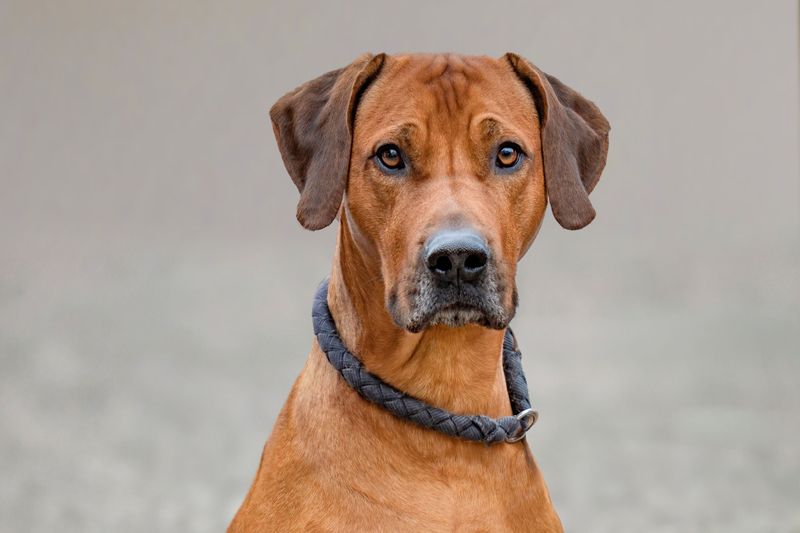
Built like an athlete, the Ridgeback often carries a serious face early. The brain behind it weighs options before acting.
Tap that focus with lure-coursing style games, then practice stillness between sprints. Teach a solid leave-it and boundary recall.
Hikes with structured stops let curiosity work while manners stay intact.
Light meals before big efforts aid comfort, and gentle cool-down walks protect growing joints. End training when attention dips to preserve quality for next time.
Bullmastiff
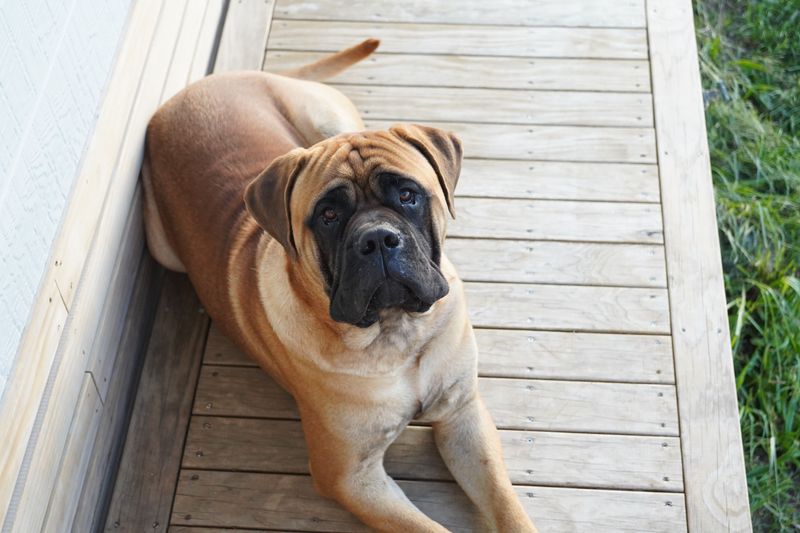
Despite the clowny puppy phase, many Bullmastiffs settle into careful calm early. They read rooms and save energy.
Build confidence with cooperative handling, pressure-and-release leash work, and mat games after play. Keep jumps low to protect joints.
Friendly meet-and-greets should be brief, with rewards for soft eyes and loose lips.
Frozen stuffed toys, sniffy walks, and short tracking lines satisfy both mouth and mind. End on quiet resting to teach recovery after big effort days.
Standard Schnauzer
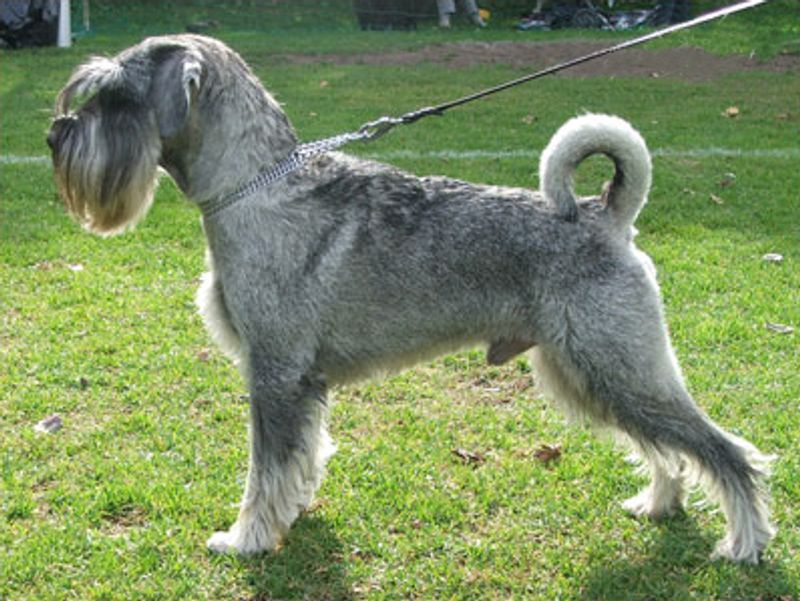
Whiskers and wit arrive early with the Standard Schnauzer. Many act like hall monitors by six months.
Turn that spark into teamwork using trick chains, hide-and-seek toys, and tidy heeling. Rotate jobs so boredom never wins.
Regular grooming on the mat becomes a mini class that teaches patience and touch tolerance.
Add silly play breaks, then click for quick settles, blending humor with responsibility. Finish with a jaunty trot home to show off new manners.
Chow Chow
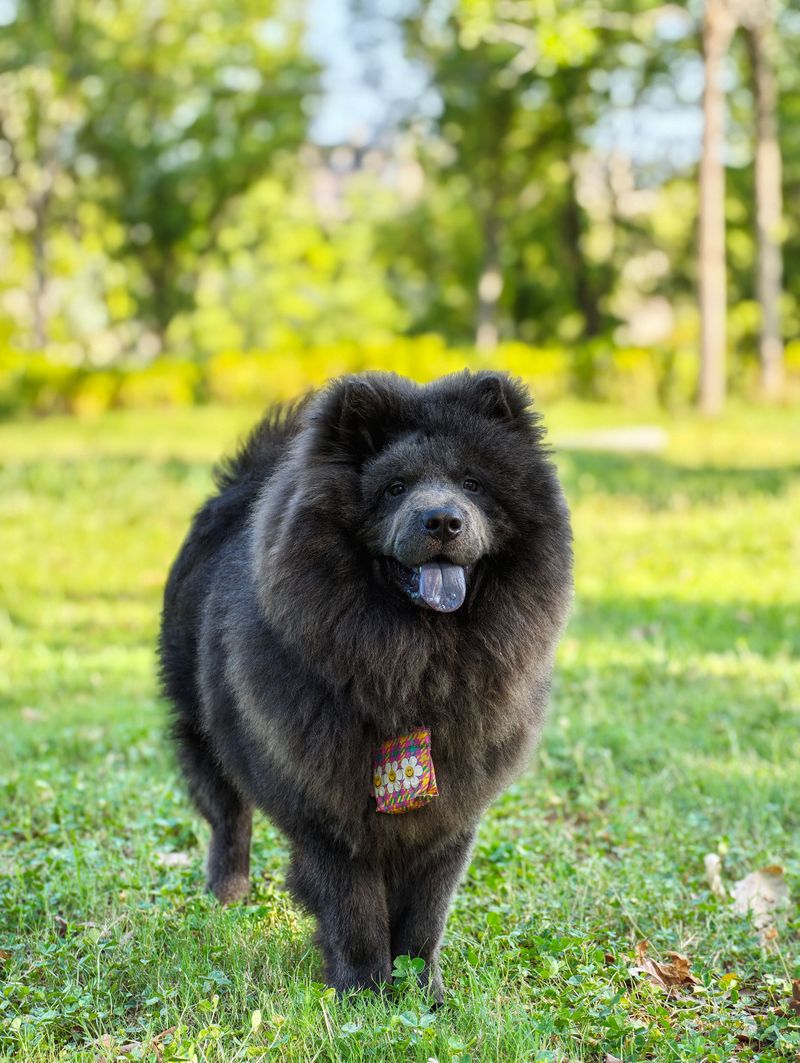
The dignified expression is not a bluff. Even young Chow Chows often choose quiet space over goofy games.
Honor their style with predictable routines, polite greetings, and slow introductions. Use curved approaches, not head-on, and reward eye-softening.
Short shaping sessions with high-value treats build trust without pressure.
Groom with patience, cooling the room, and pair every touch with a snack. Finish early while calm remains, then enjoy a peaceful walk together before quiet evening rest.
Scottish Terrier
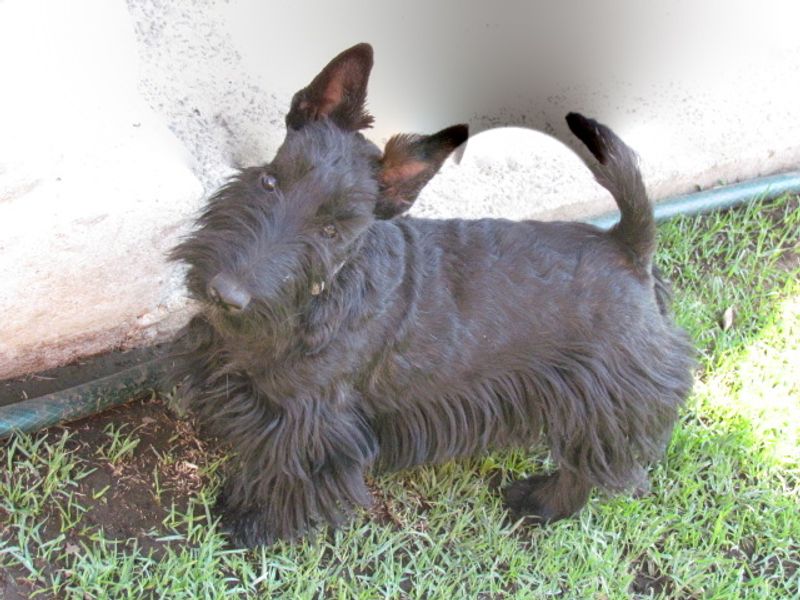
Small frame, big attitude, and a serious little brow make Scotties seem seasoned fast. Many prefer purposeful sniffing to puppy chaos.
Teach tidy leash skills, platform stands, and precise sits. Scatter feeding in grass turns noses on while nerves stay low.
Introduce kids and guests through gates to keep choices thoughtful.
End with a brisk trot, then a warm nap near family to balance grit with tenderness. Practice patience before doorway exits daily for politeness.