Some dogs are happy to let the cat be the boss. If your cat already runs the show, you may want a calm, respectful dog.
The breeds below tend to keep the peace and avoid drama. They bring soft steps, patient eyes, and a chill vibe that fits a cat-led home.
Labrador Retriever
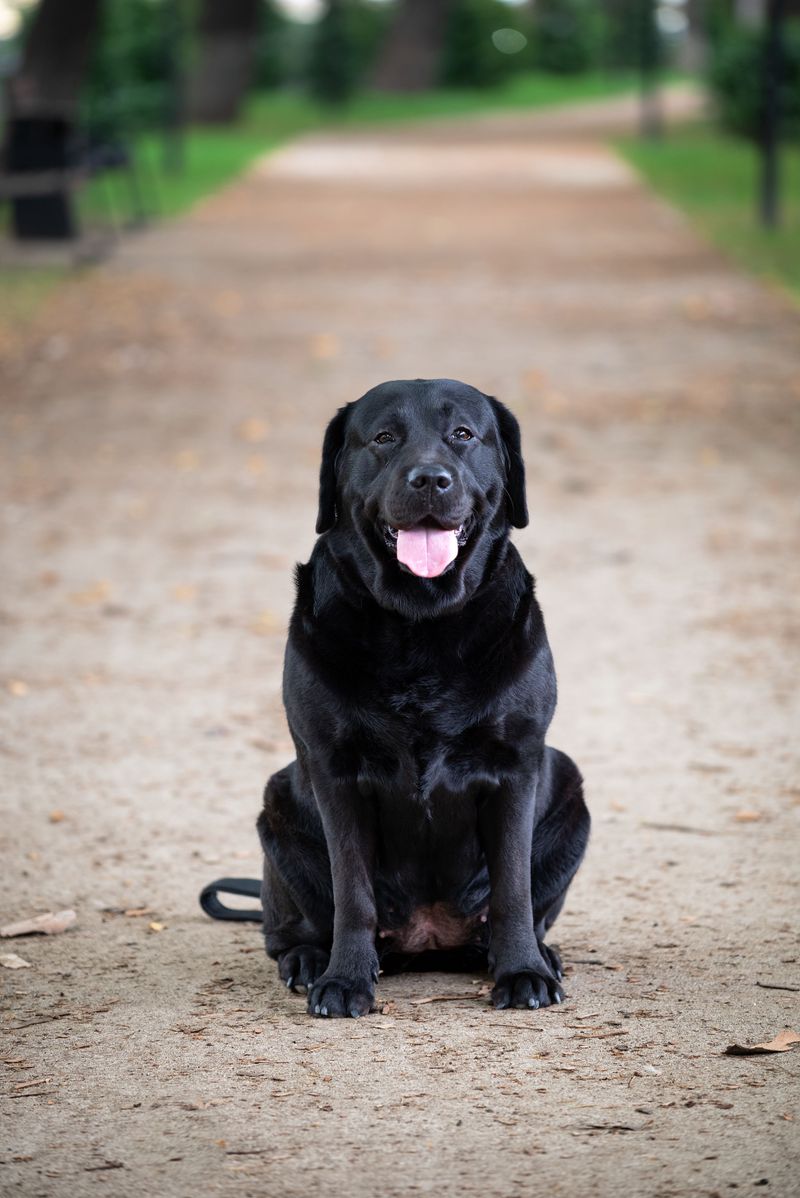
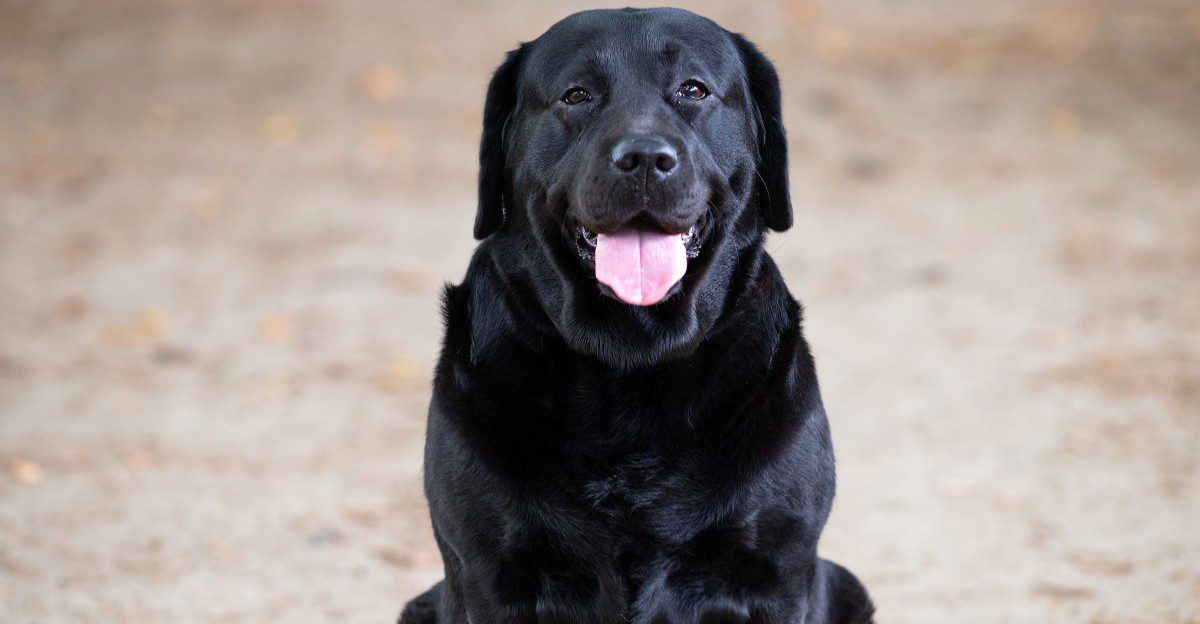
Big smile, bigger heart, the Labrador often shrugs off drama. Many Labs prefer a sunny nap over chasing a feisty cat, especially after a long walk.
Give clear routines, puzzle toys, and steady exercise. With energy managed, a Lab usually respects the resident cat’s rules, waits patiently at doorways, and keeps the peace.
Teach a calm sit before greetings to prevent bouncy moments.
Short introductions work best with cats. Let the cat choose distance while the Lab trots on leash.
Reward glances and soft language.
Cavalier King Charles Spaniel
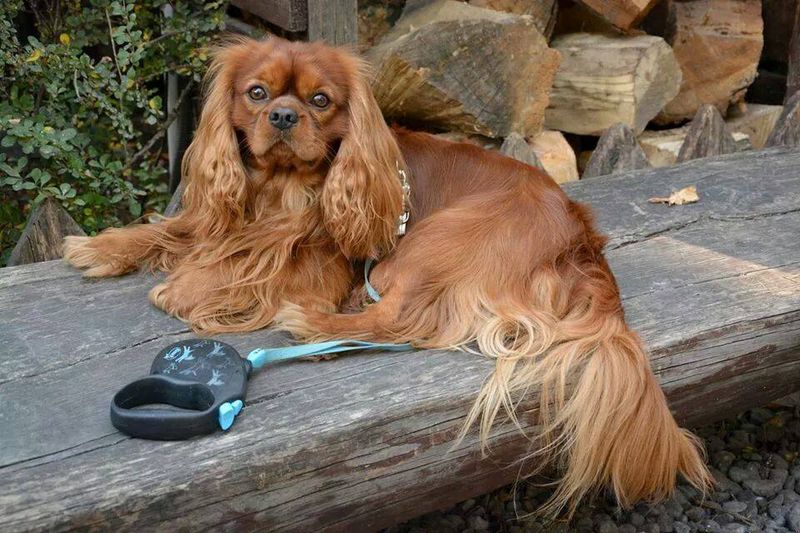
Velvet ears, quiet eyes, and a couch-loving spirit make many Cavaliers wonderfully chill around cats. They often follow people more than they chase anything, including whiskered roommates.
Keep grooming gentle and sessions short so sounds and tools do not spook the cat. Provide a comfy bed near you, not beside the litter box.
Slow, cheerful introductions work well.
Fun fact: Royals adored them as lap dogs. That lap-first mindset usually leaves feline politics alone.
Bichon Frise
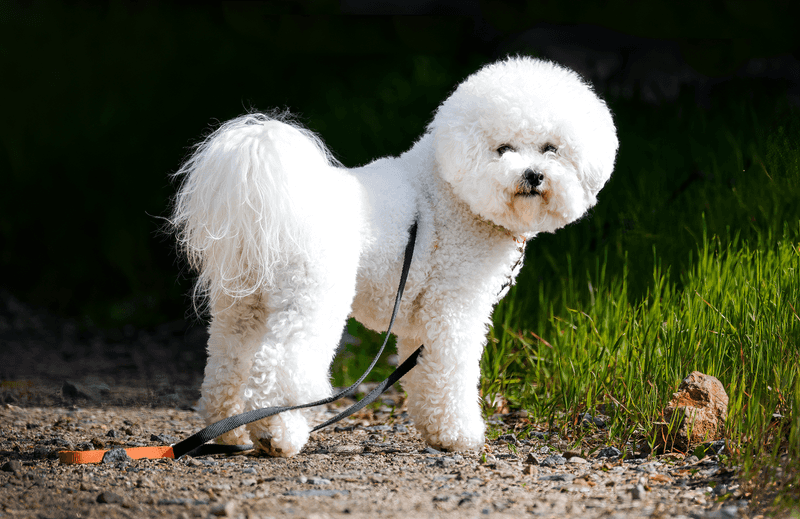
Like a little cloud with manners, the Bichon often chooses people time over pestering a cat. Many enjoy learning tricks, which keeps minds busy and paws out of trouble.
Use tiny treats to reward calm behavior near the cat. Keep play zones separate from cat nap spots, and add gates for easy boundaries.
Regular brushing reduces dander drama.
Because they thrive on routine, predictable schedules help everyone relax and avoid turf scuffles.
Pug
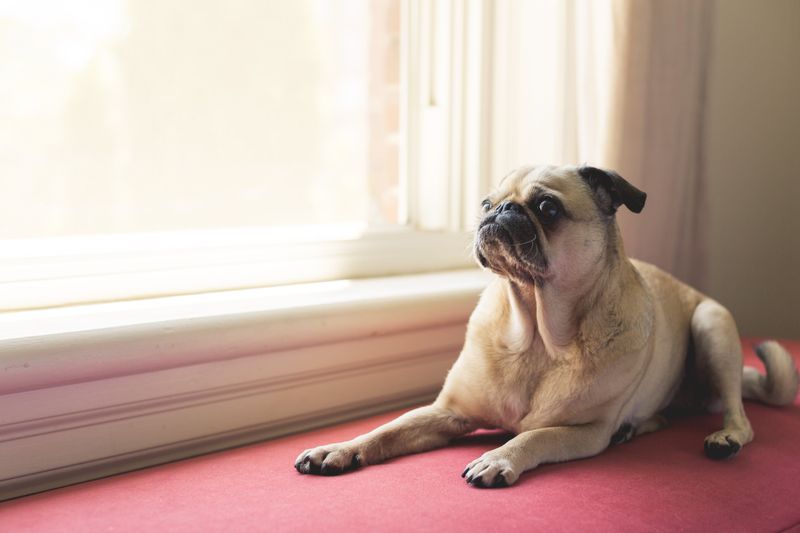
Snorts, snores, and big round eyes tell the story: many Pugs would rather nap than chase. After a short stroll, they often park themselves and simply watch the world go by.
Teach a quiet settle on a mat while the cat roams. Use baby steps for greetings, and keep toys separate to prevent mix-ups.
Short bursts of play, then rest, suit them.
Their clownish charm softens tension, making kitty diplomacy easier.
Maltese
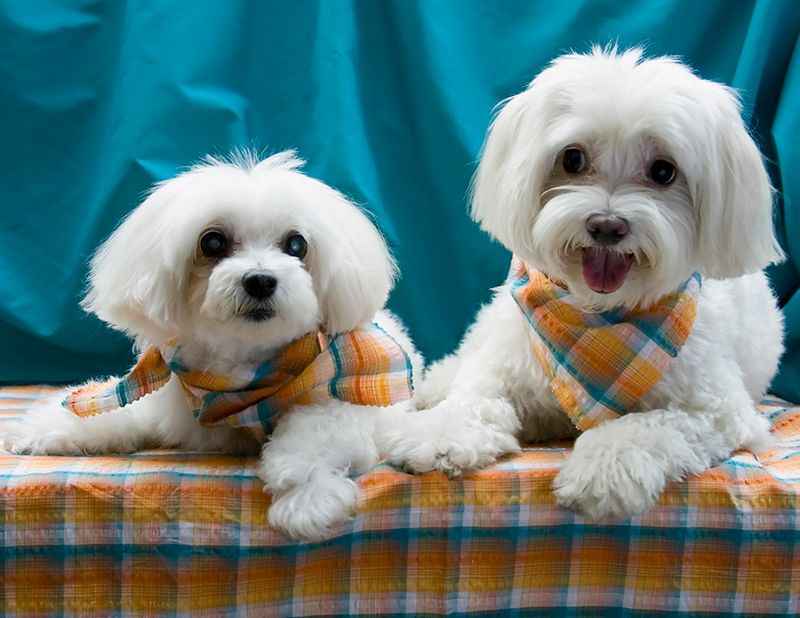
Silky, small, and people-focused, the Maltese often ignores feline drama if cuddles are available. Many prefer sitting with their favorite human instead of starting chase games.
Build trust with short, sweet training sessions near the cat. Reward stillness, quiet looks, and gentle movement.
Keep grooming tools put away when the cat eats or naps to reduce stress.
A designated dog basket and a high cat perch create clear spaces so everyone can relax without argument.
Boston Terrier
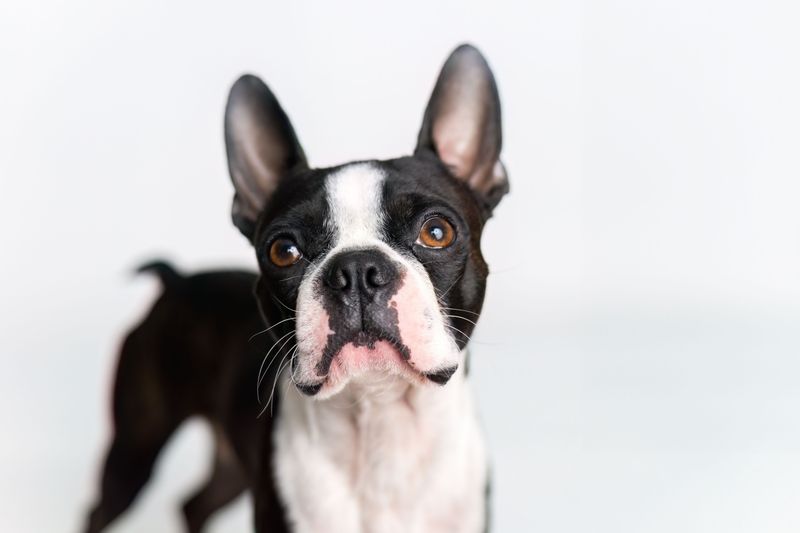
Big personality, small body, the Boston Terrier often channels energy into people play, not cat chases. Many are curious, yet they learn quickly when calm brings rewards.
Start with leash-on introductions and tasty treats for ignoring the cat. Teach a reliable stay and a go-to-bed cue.
Keep squeaky toys for separate dog time so cat nerves stay cool.
Short bursts of training satisfy their bright minds and keep household harmony intact.
Rough Collie
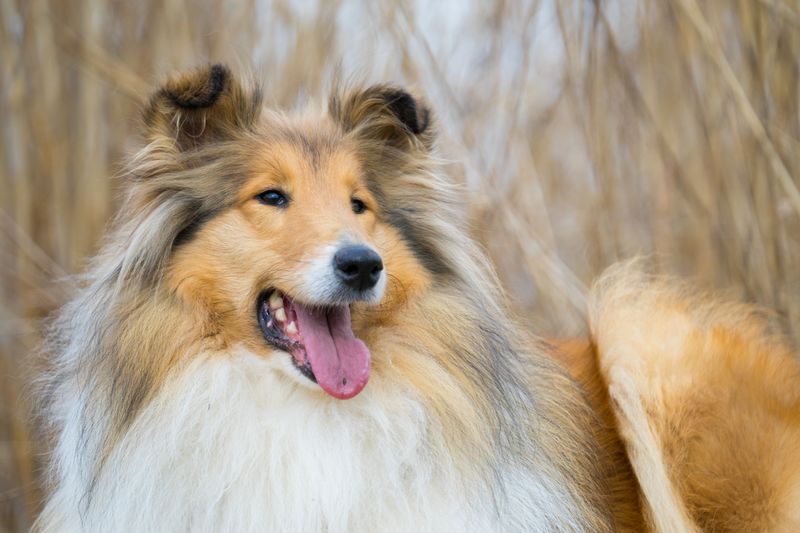
That storybook look hides a thoughtful, observant herder who often prefers order over chaos. Many Rough Collies quietly monitor the room and steer clear of arguments with the cat.
Give clear jobs like place training and gentle fetch to satisfy their mind. Teach a leave-it for swishing tails, and provide a calm retreat area.
Daily brushing becomes bonding time.
With structure and praise, they act like polite hall monitors, letting the cat maintain top rank.
Newfoundland
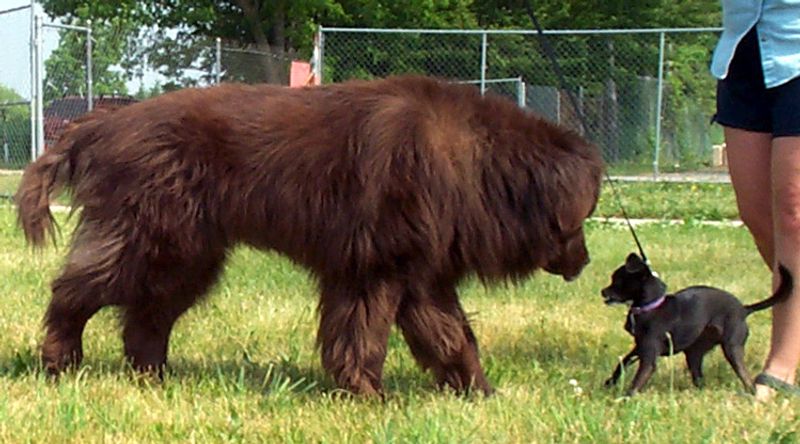
With a heart as big as its paws, the Newfoundland often moves slowly and chooses peace. Many simply lie down when the cat passes, showing good manners without fuss.
Provide sturdy mats and cool spots so the big body stays comfy. Use low, calm voices and big, gentle treats.
Teach a steady heel for hallway meetings.
History note: They were famed water helpers. That steady nature translates nicely to calm cat coexistence.
Papillon
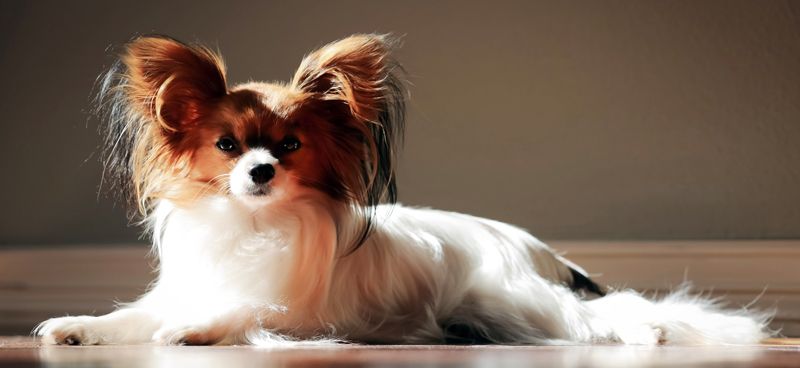
Feathered ears, quick feet, and a sharp brain do not have to mean cat chaos. Many Papillons choose tricks, agility games, or people time instead of pestering whiskers.
Offer brain puzzles and tiny rewards for calm passes by the cat. Keep play sessions short and exciting, then move to a quiet settle spot.
High perches for the cat help everyone feel secure.
Light body, light steps, and a polite pause often keep peace intact.
Shih Tzu
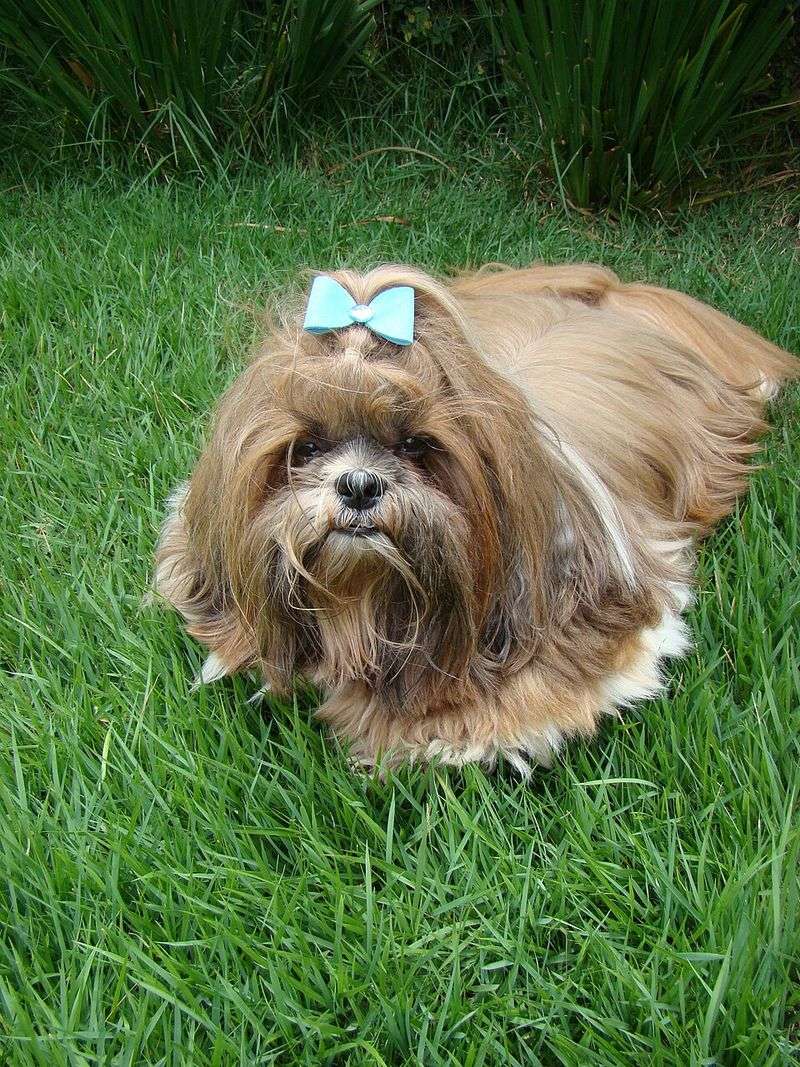
Born for indoor life, many Shih Tzus are more into pillows than pursuits. A steady routine of grooming, short walks, and couch time leaves little interest in feline drama.
Teach a gentle wait cue at thresholds so the cat passes first. Use treats for quiet eye contact around kitty spaces.
Separate food stations reduce nosey visits.
Their calm presence and patient pace help timid cats feel secure while keeping the household mellow.
Havanese
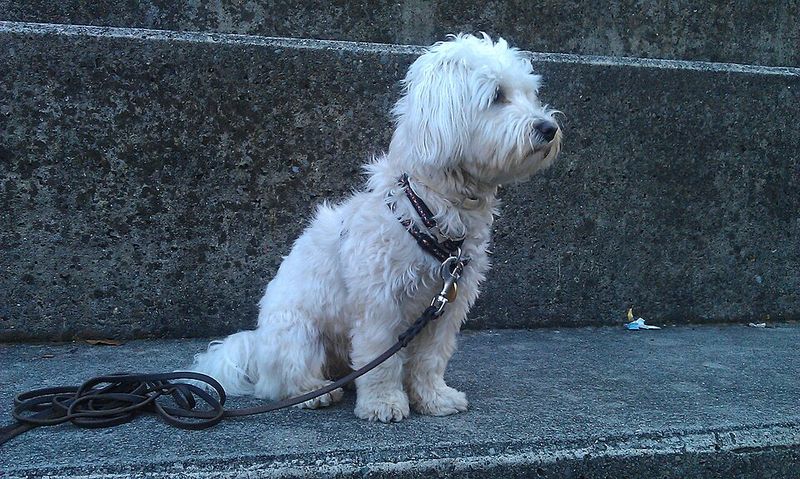
Sunny attitude, small frame, and people focus often keep the Havanese out of cat trouble. They enjoy learning simple tricks and hanging near their family more than chasing tails.
Create a play-and-park rhythm: short games, then a mat settle. Reward calm while the cat explores.
Rotate toys to keep excitement pointed away from the feline.
Because they read human moods well, relaxed owners usually see smoother introductions and lasting household peace.