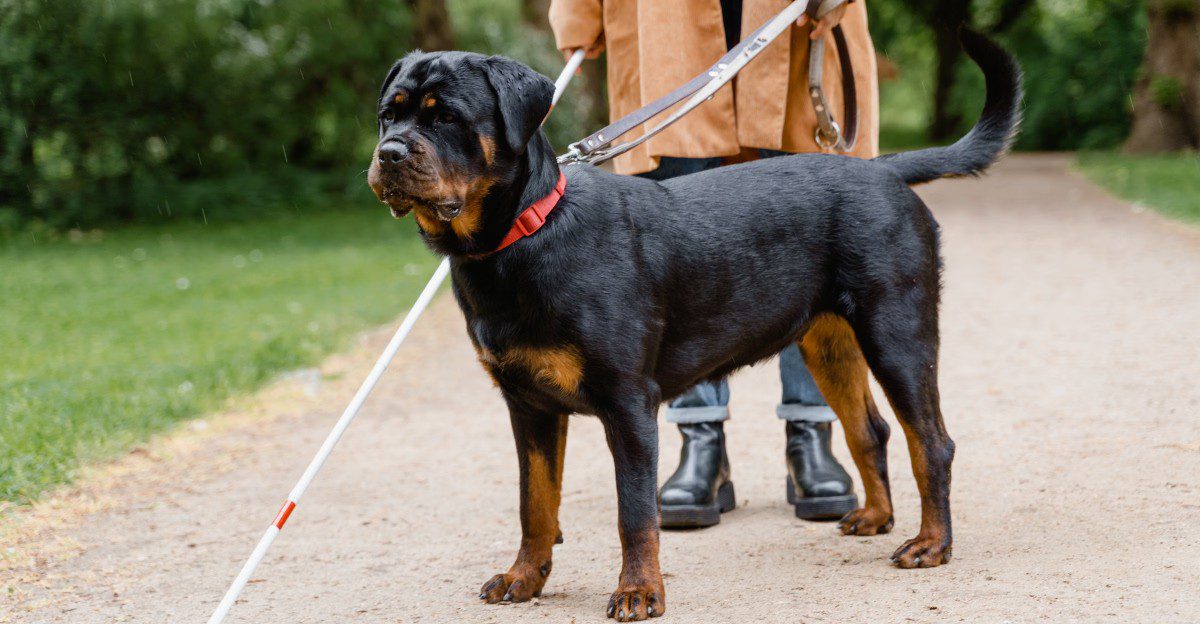
Some dogs do more than love you. They also watch over your home, your kids, and your space, using sharp senses and brave hearts.
When guided with kind training and clear rules, their natural guard side becomes calm and helpful. Meet breeds that bond deeply and protect wisely, making family life feel safer and closer.
Rottweiler
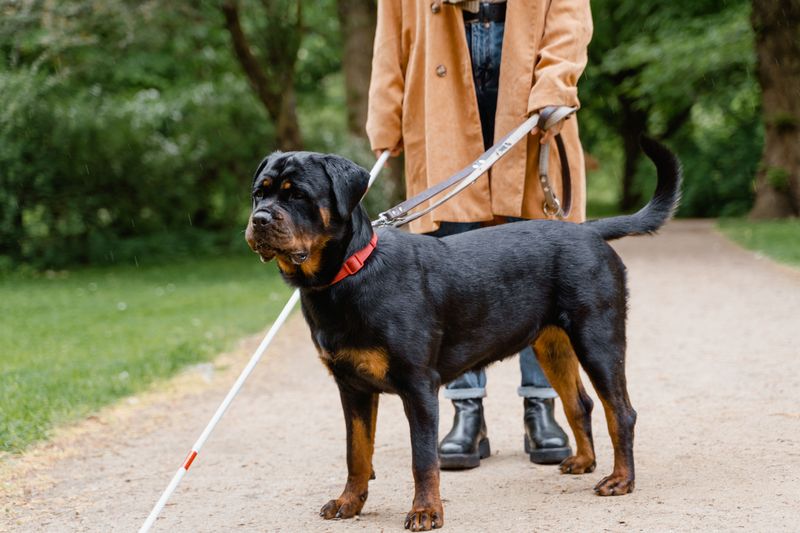
With a steady gaze and calm stride, the Rottweiler reads the room before you do. Many families trust that quiet confidence, because it mixes warmth with watchfulness.
When friends visit, patient greetings come after you give the okay.
Daily structure keeps that power focused. Short obedience drills, brisk walks, and supervised play teach boundaries and build trust.
Start early socialization, introduce new places kindly, and reward relaxed choices. You will notice a protective buffer form around kids and home, yet manners stay intact.
Doberman Pinscher
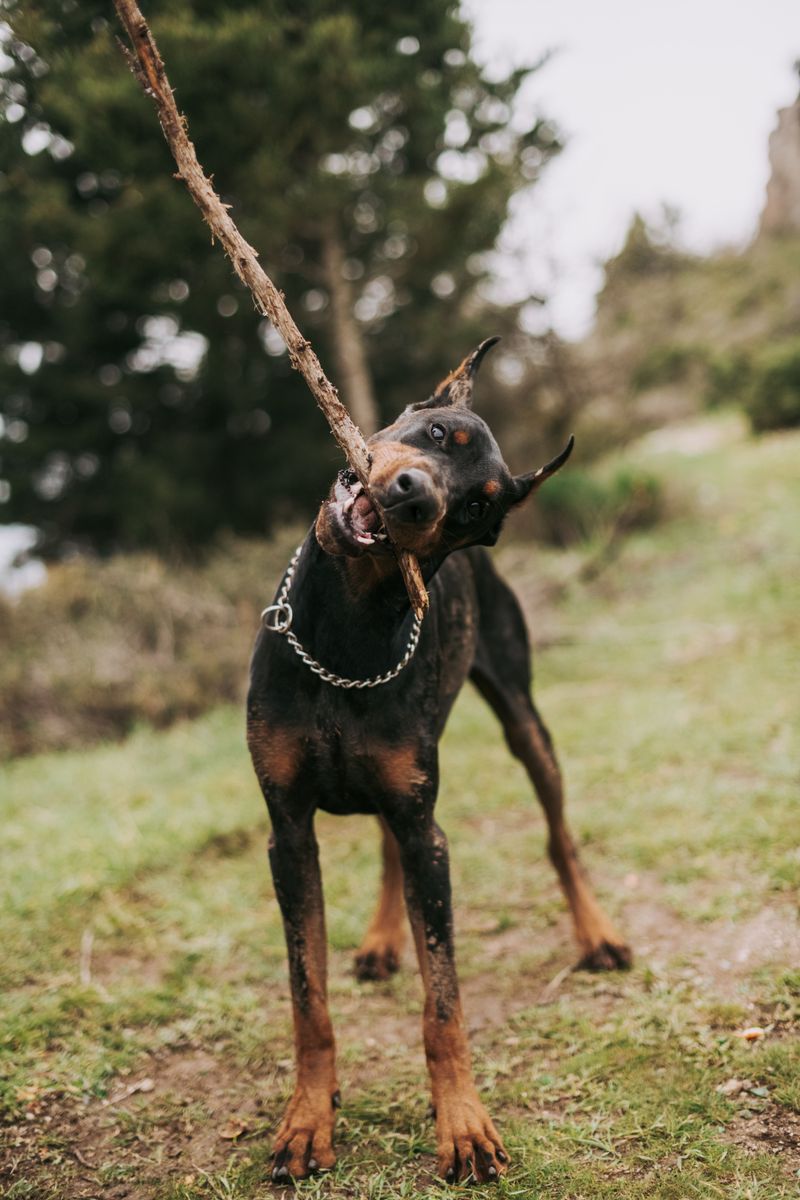
Sleek lines hint at sprint speed, but the Doberman’s heart stays parked beside you. Many owners describe a shadow that checks windows, then curls at their feet.
Known for alert ears and quick turns, this partner notices small changes fast.
Balanced training shapes that energy. Try heel games, impulse-control puzzles, and calm door routines.
Friends arrive smoothly when you cue a place mat. Regular vet checks and sweaters in winter help too, since bodies lose heat quickly, and comfort supports clear thinking during guard moments.
German Shepherd
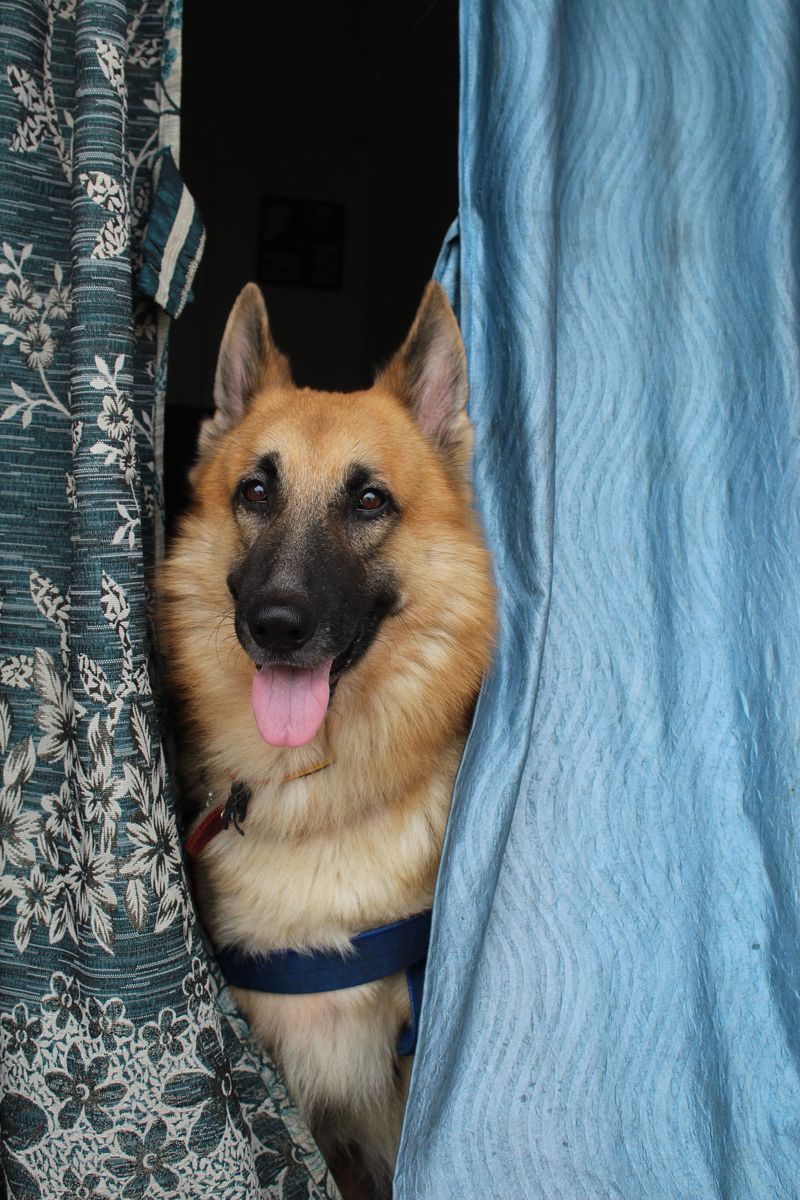
First to notice a knock, the German Shepherd blends curiosity with courage. Families appreciate how those bright eyes track movement yet soften for playtime.
Many roles suit them, from search work to guiding.
Success starts with daily mental workouts. Scatter-feed kibble in the yard, run scent games, and choose clear rules for doors and guests.
Gentle exposure to varied sounds builds confidence. With fair, consistent leadership, that protective drive turns into safe choices around neighbors, kids, and visiting dogs.
Cane Corso
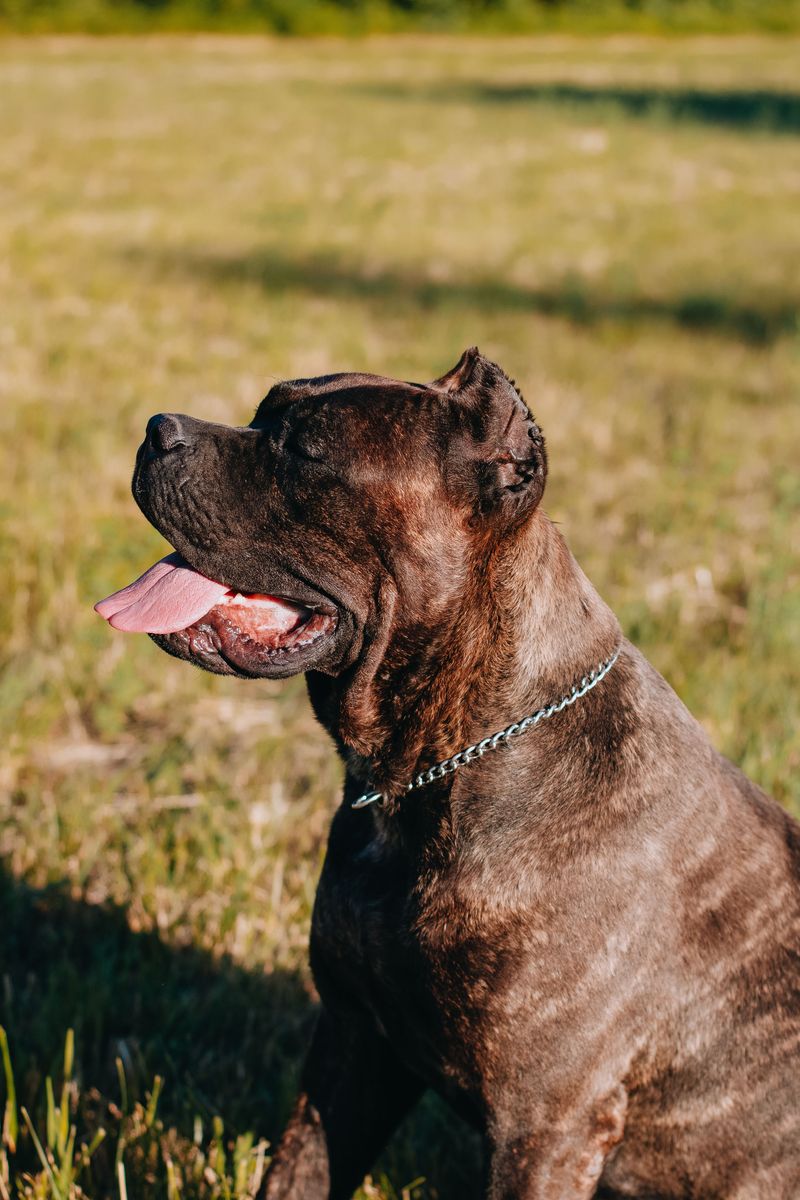
Farmyards once relied on the Cane Corso to guard gates and guide livestock. That history still lives in the way they stand between your family and trouble.
Big heads and thoughtful eyes tell you they are scanning quietly, not just flexing muscle.
Keep routines steady. Confident handling, kind rules, and short training sessions work best.
Invite friends in with greetings, then send your dog to a bed for reward. Proper introductions, regular exercise, and a sturdy chew plan keep that protective nature relaxed during life.
Boxer
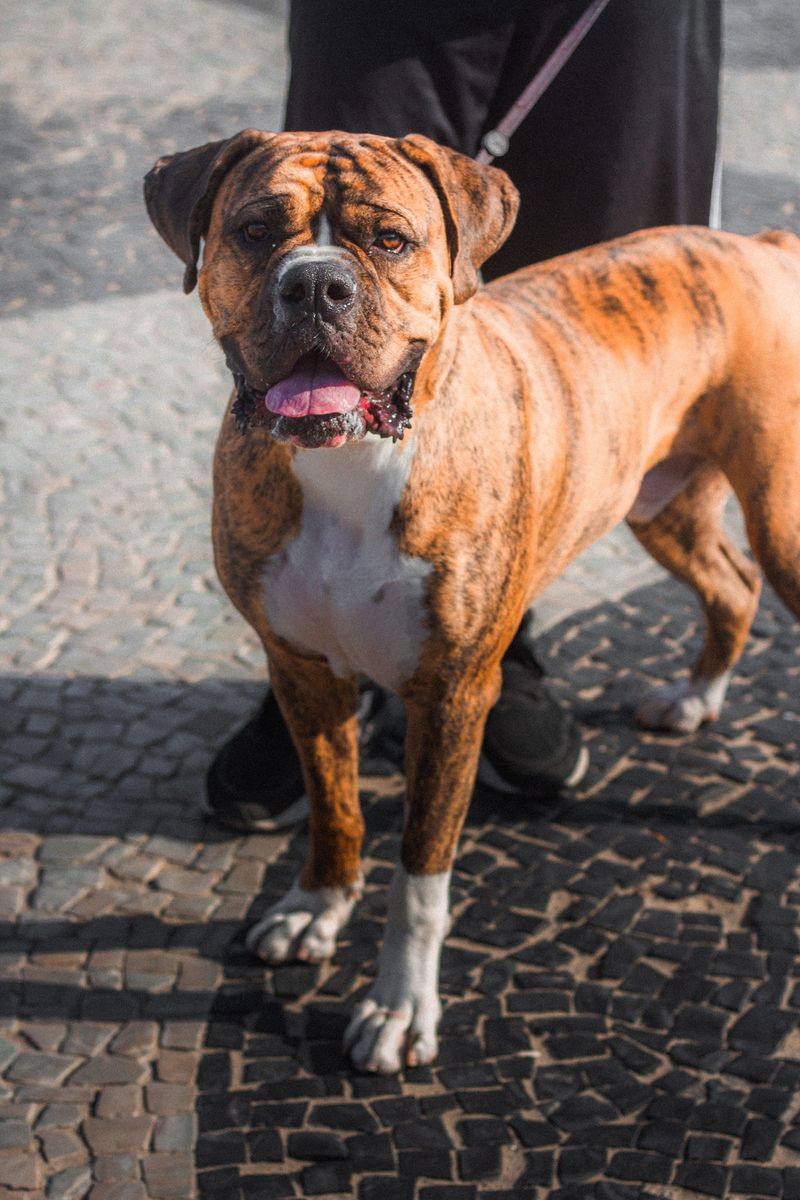
Clownish wiggles meet a serious watch in the Boxer. Neighbors often get a bounce and a sniff, yet family members receive a soft nudge and steady eye contact.
That playful spirit hides a loyal sentinel who listens for your tone.
Channel the goofiness into helpful habits. Teach a quick sit before doors open, add fetch for cardio, and reinforce a quiet cue.
Give chew breaks after visitors arrive. With clear rules and steady exercise, the Boxer shifts from starter to guardian when you need calm.
Akita
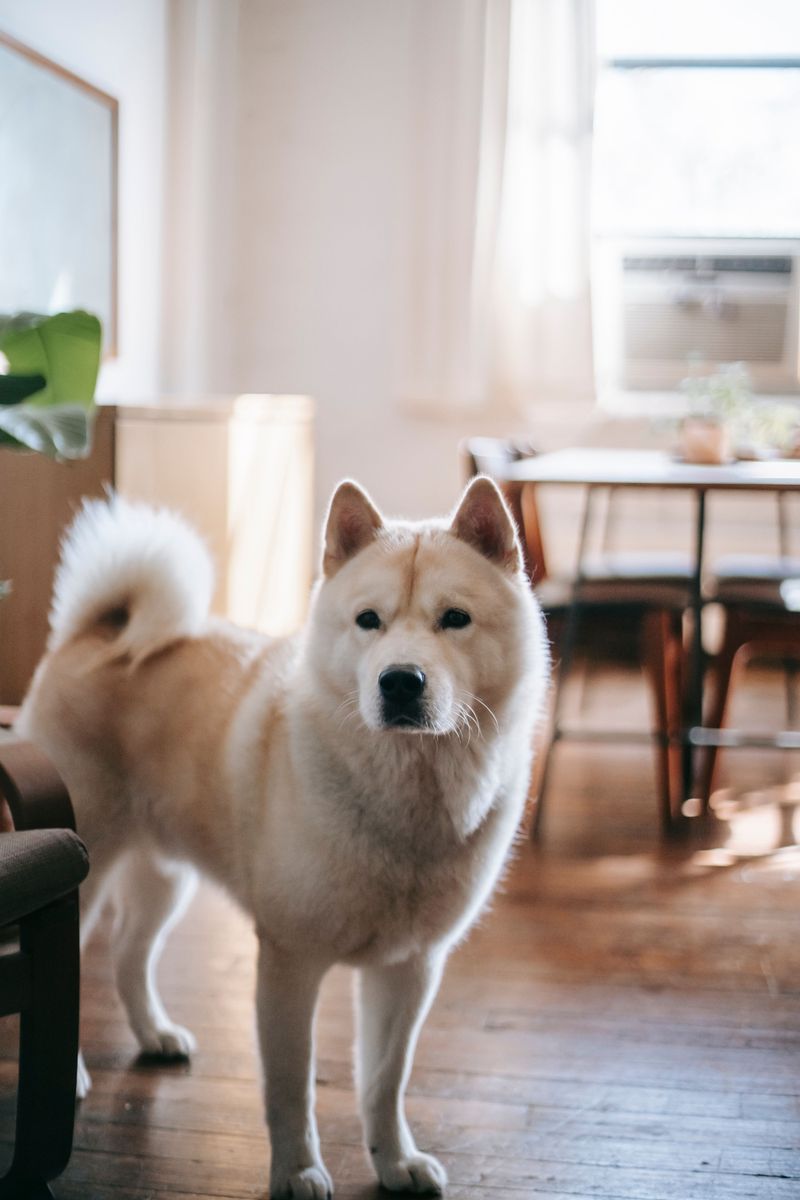
Stories of devotion follow the Akita, and so does a calm, serious stare. They prefer a close circle, often forming a deep bond with one person.
Visitors get careful study, not instant friendship, which makes guidance from you essential.
Respect their independence while teaching manners. Short lessons beat drills, and walks with sniffing breaks ease tension.
Keep greetings low key, then reward eye contact and relaxed language. With steady routines and room to rest, that protective instinct settles into confidence at home and on walks.
Bullmastiff
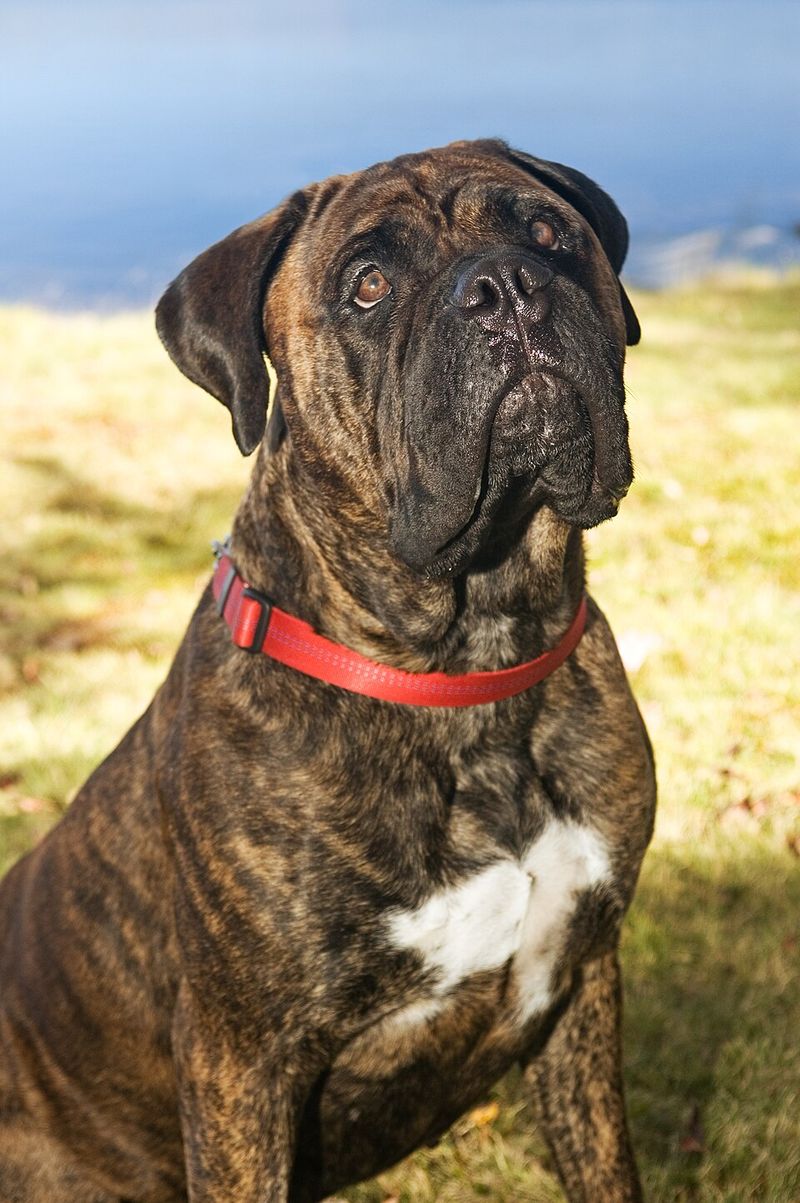
Late-night footsteps on the sidewalk will not slip past a Bullmastiff. Bred to stop poachers without biting, they excel at blocking and holding space.
Inside the house, that big frame often leans on your leg like a living blanket.
Keep exercise moderate to protect joints. Choose sturdy mats for place training, practice slow door manners, and teach a reliable leave-it.
Guests should enter calmly while you guide position. Clear routines help dog guard by presence, not volume, so your home feels safe, peaceful, and welcoming.
Giant Schnauzer
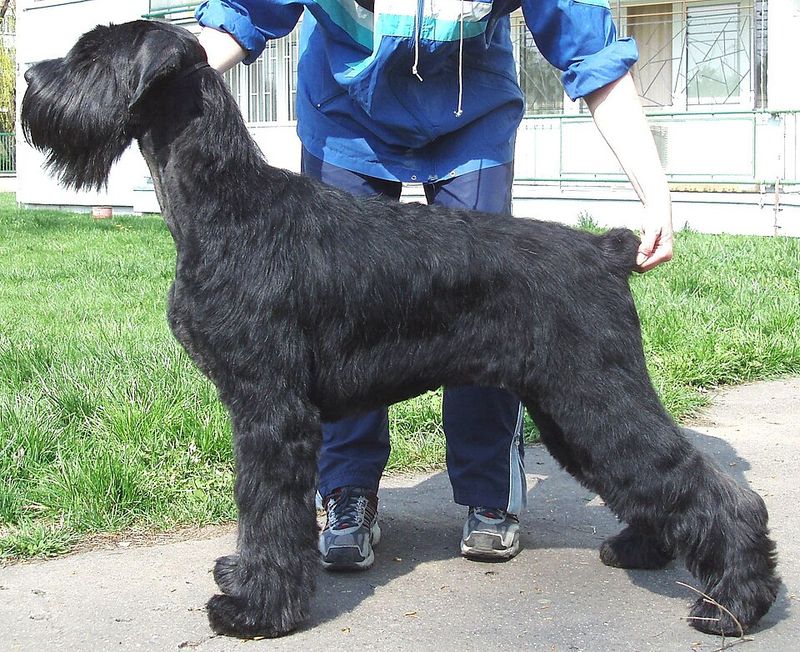
A shaggy eyebrow lift is your early warning system with the Giant Schnauzer. They love working beside people, pushing through tasks with grit and humor.
Farmers and couriers once counted on them for drive and clear judgment.
Mental challenges keep that big brain happy. Teach nose-targets, back-up moves, and park manners as everyday jobs.
Rotate toys, practice settles, and celebrate check-ins when distractions pop up. With time and fair leadership, the protective edge shows up as smart choices and steady presence rather than barking matches.
Great Pyrenees
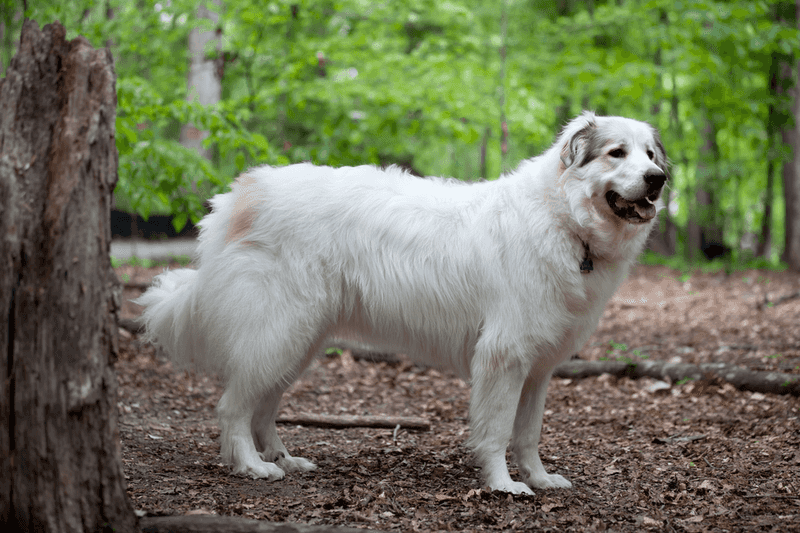
Snow-white coats once shone on mountain nights as Great Pyrenees watched over flocks. That slow, steady patrol style still appears in backyards, where they choose vantage points and listen to the wind.
Affectionate at home, they remain cautious with unknown animals.
Expect independence during training. Use simple cues, good treats, and patient repetition.
Secure fencing matters for wander-prone minds that follow sounds. Evening walks, sessions, and introductions help them relax, so the protective bubble stays kind and size-aware even when barking at coyotes or trucks.
Rhodesian Ridgeback
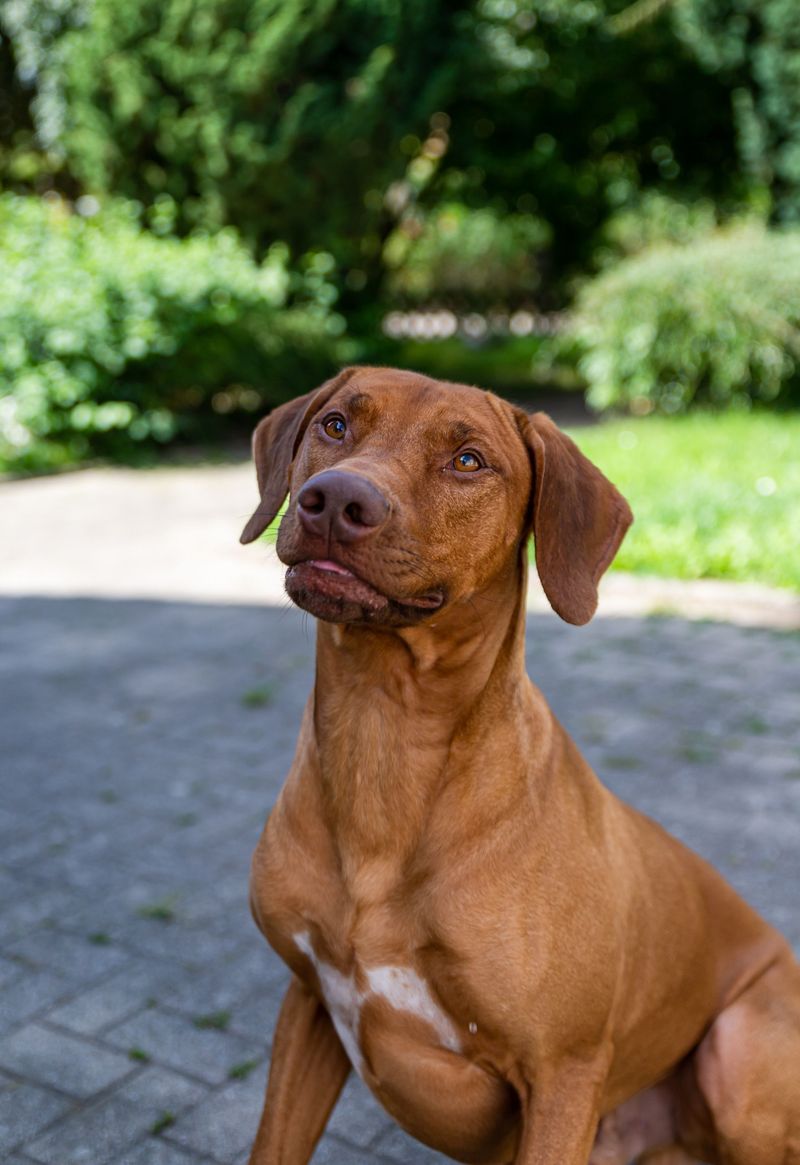
Sun-loving and athletic, the Rhodesian Ridgeback carries a calm dignity during daily life. Originally used to track lions, they developed brave hearts and measured responses.
At home, many choose a quiet corner near the front door to monitor gently.
Exercise must match their stamina. Long walks, recall games, and sprints satisfy the body while rules guide the mind.
Teach a chill spot when guests arrive, then reward settled breathing. With fair boundaries and outlets, that protective instinct shows up as choices instead of pushy greetings.
Belgian Malinois
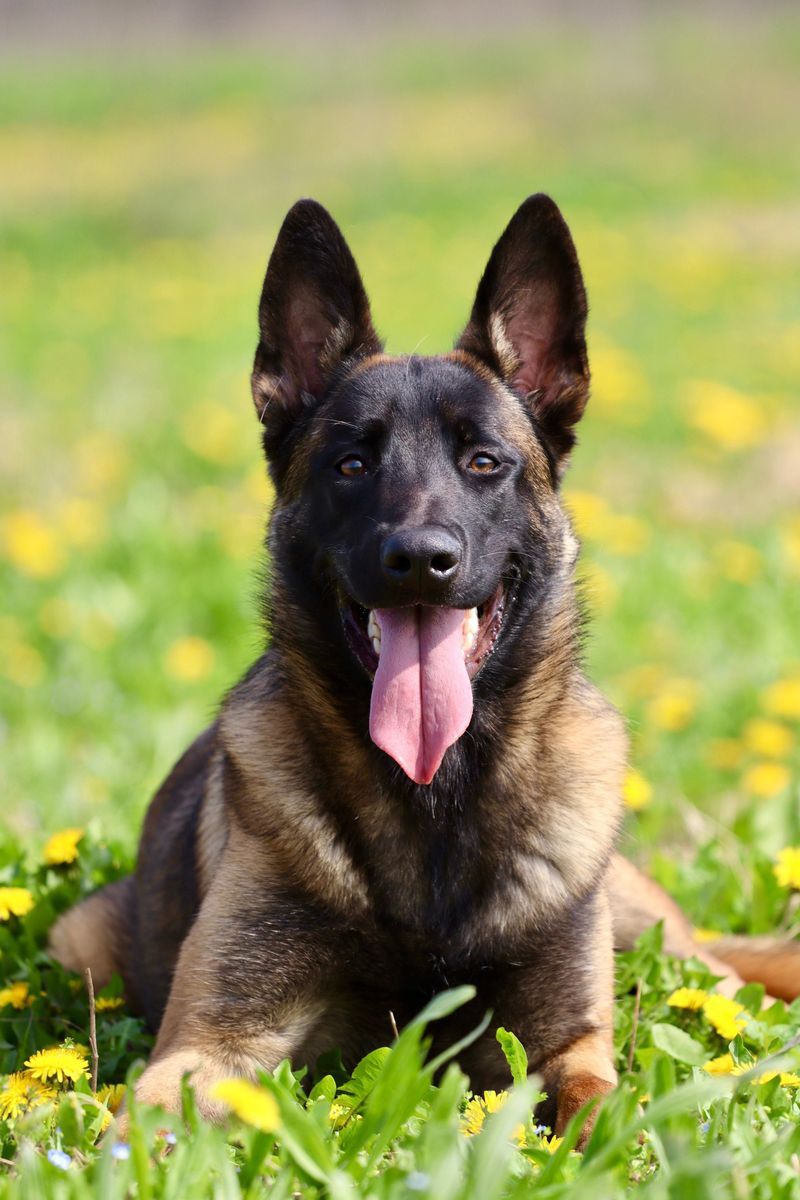
Blink and the Belgian Malinois has already solved the puzzle in your yard. High drive pairs with high sensitivity, which means they read your mood and environment quickly.
That sharp mind loves having a purpose beside trusted people.
Structure is your best friend. Build routines with short training bursts, tug with rules, and place breaks.
Teach off-switch games after exercise to prevent overstimulation. With clear communication and steady outlets, the Malinois channels protective instincts into useful tasks, obedience, and calm watchdog behavior that supports life.