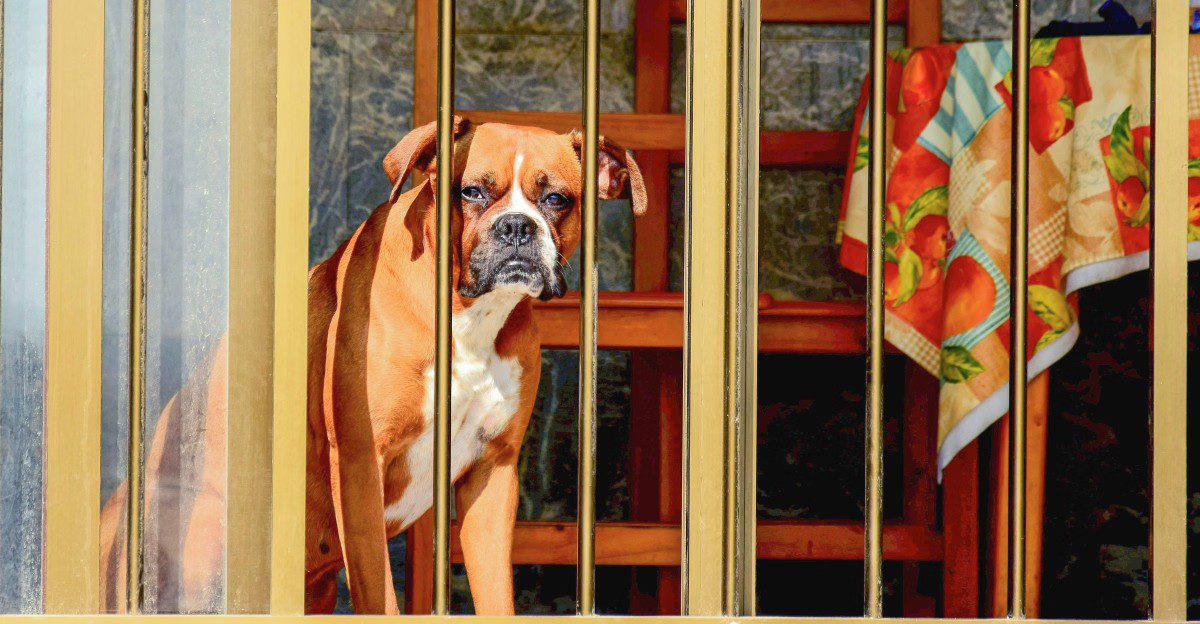
Dogs face surprises just like people do. Loud noises, sudden changes, or new places can shake their courage.
The good news is some breeds bounce back with heart and humor. Knowing which ones recover quickly can help families support their pups with the right games, routines, and patience.
Boxer – the spirited comeback athlete
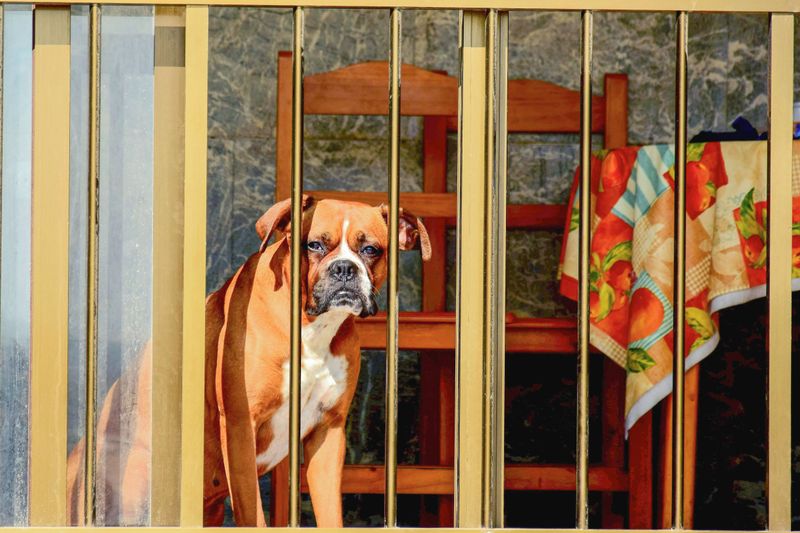
With springy legs and a goofy grin, the Boxer rebounds from scary moments like a rubber ball. Give clear routines, brisk walks, and playful training to rebuild trust.
Short, fun drills like nose work or fetch keep minds busy and bodies calm. Pair successes with happy praise, gentle hands, and a soft place to rest.
Many Boxers bounce back faster when they have a job, such as carrying a toy on walks. A quirky fact, they were once prized as nimble messenger dogs.
Beagle – the curious courage finder
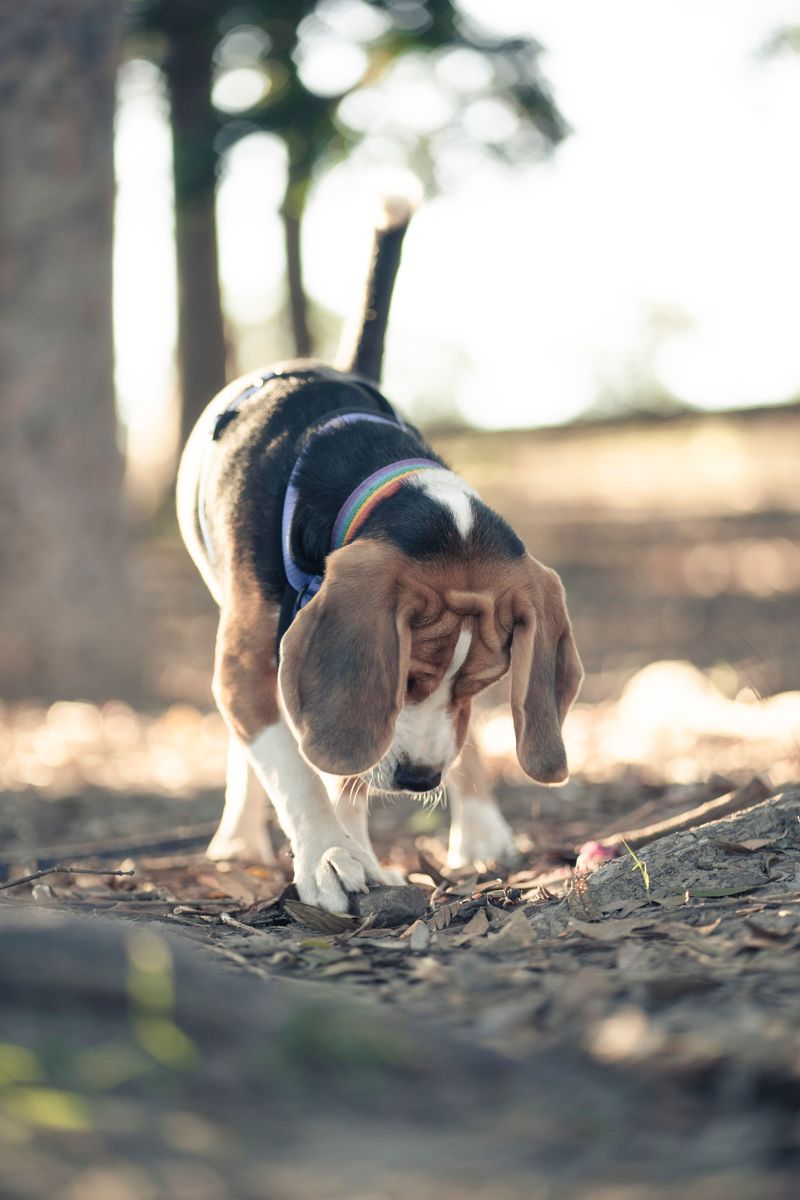
Nose first, worries second. The Beagle’s strong curiosity often outpaces fear, which helps rebuild courage after surprises.
Let that nose lead safe adventures.
Set up easy scent trails at home using hidden treats or kibble. Each successful find earns calm praise and a wagging tail, which boosts confidence.
Daily strolls in new-but-mellow places keep momentum steady. Fun fact, Beagles once hunted in packs, so friendly dog buddies can also soothe nerves and model bravery.
English Springer Spaniel – the upbeat regrouping partner
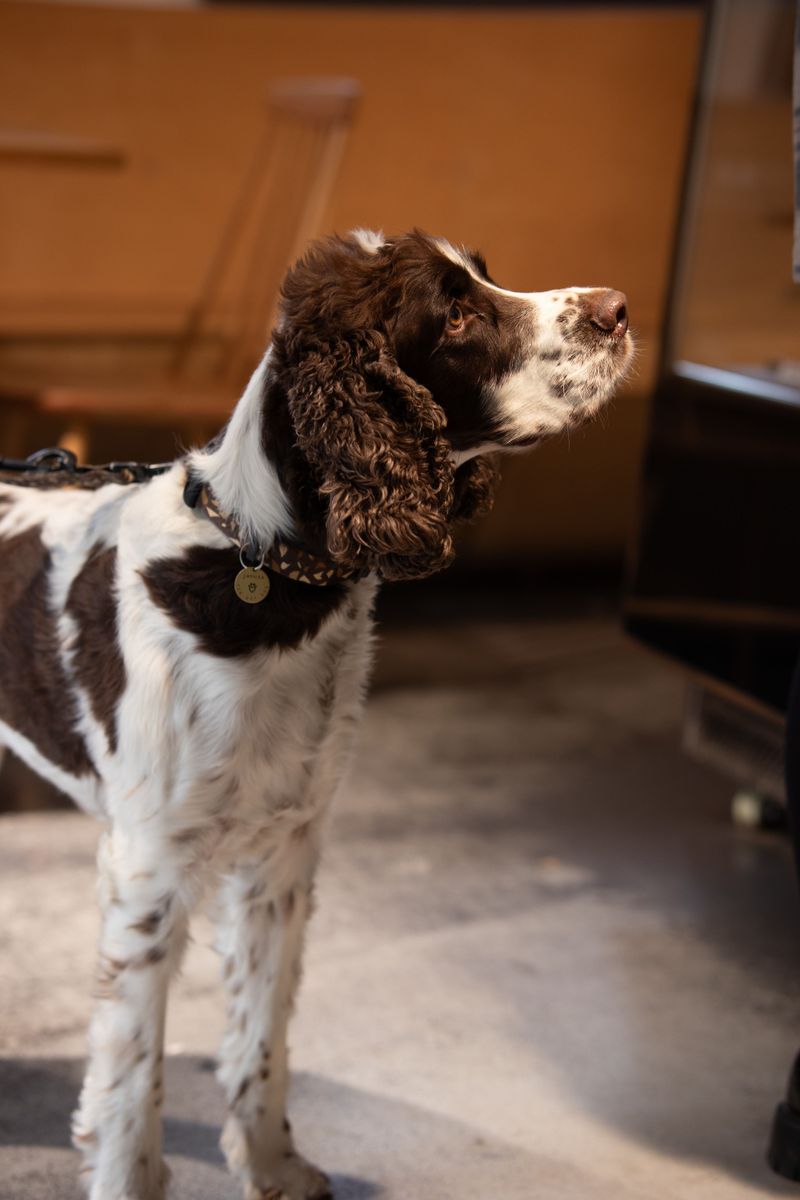
Energy meets optimism in this field-ready friend. After a scare, structured play like retrieves or low jumps channels jitters into joyful focus.
Keep sessions brief and positive.
Springers shine with jobs that reward teamwork. Use clear cues, predictable schedules, and lighthearted games to guide emotional resets.
Grooming time can double as bonding therapy. Gentle brushing and ear care, followed by a treat, turns handling into comfort.
History note, their name comes from flushing game to “spring.”
Brittany – the cheerful reset button
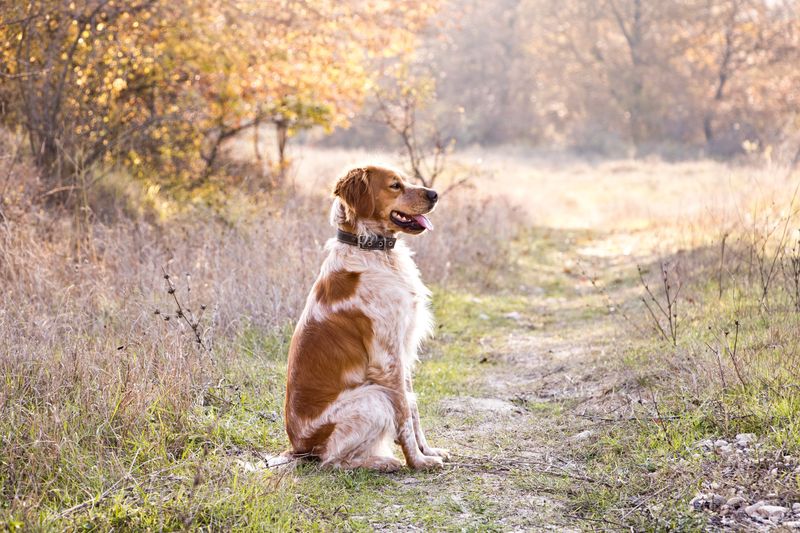
Quick feet, quicker spirits. A Brittany often trades worry for movement, so thoughtful exercise becomes the reset button.
Choose wide, open spaces and easy recall games.
Celebrate little wins, like responding to a name near distractions. Keep voices upbeat and body language relaxed, which tells a sensitive dog the world is safe.
Mental puzzles, such as muffin-tin treat finds, help channel bright minds. Fun tidbit, Brittanys were once called Brittany Spaniels, though the “Spaniel” was officially dropped.
Standard Poodle – the thoughtful problem solver
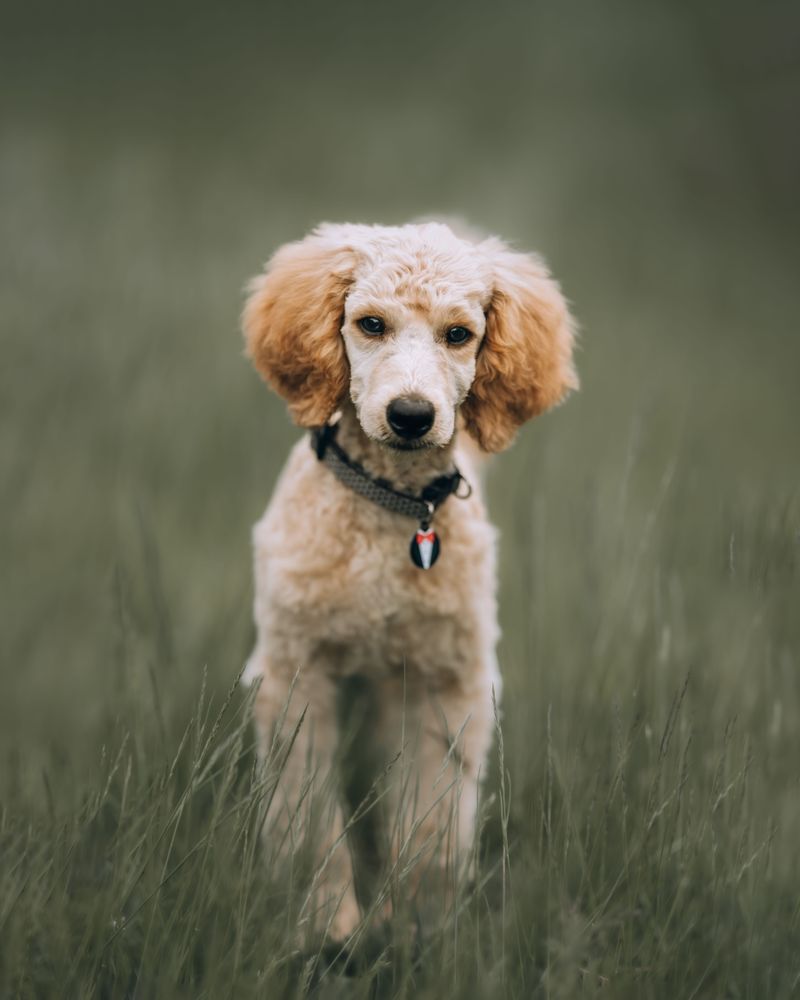
Brains help calm nerves. The Standard Poodle often analyzes situations, which you can harness with gentle puzzles and step-by-step challenges.
Keep goals clear and reachable.
Use clicker training to mark tiny successes, like approaching a noisy object at a comfortable distance. Curiosity grows as confidence returns.
Daily grooming can be meditative when done slowly with steady breathing. A cool note, Poodles began as water retrievers, so controlled swim sessions can be soothing and empowering.
Boston Terrier – the plucky mood lifter
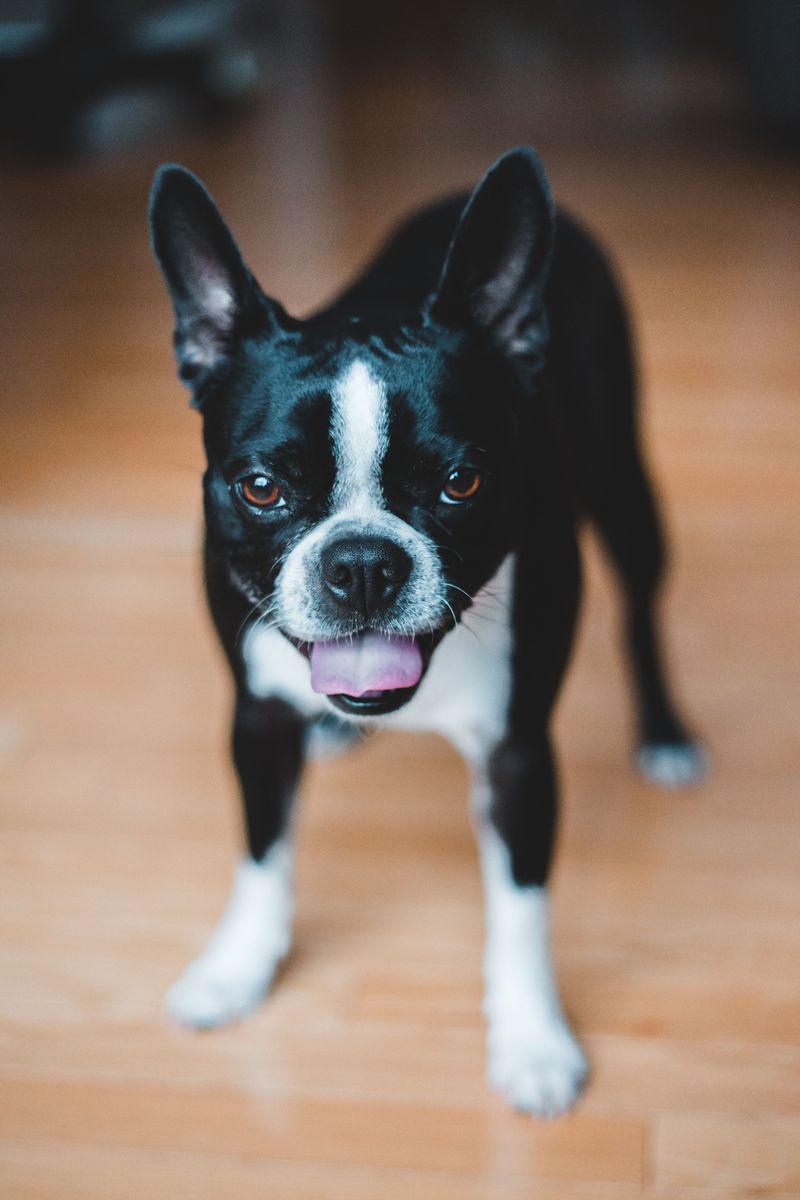
Small body, big spirit. Many Bostons shake off surprises with humor, especially when owners turn tense moments into silly games.
Keep interactions light and encouraging.
Short bursts of training work well, like targeting a hand or stepping on a mat. Each success shrinks worry and grows pride.
Mind the snout and breathing by pacing activity. Indoor snuffle mats and gentle tug can be perfect.
Origin fact, early Bostons were known as “Round Heads” in Boston clubs.
Miniature Schnauzer – the brisk little strategist
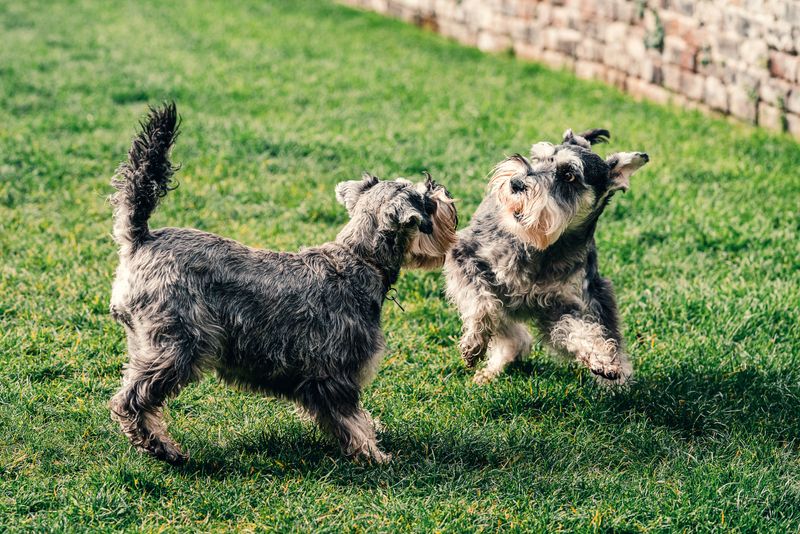
Alert and clever, the Mini Schnauzer likes a plan. After a startle, a simple routine of walk, sniff, train, and rest brings control back quickly.
Teach easy pattern games, like circle around a cone, then sit, then treat. Predictable steps turn unknowns into solvable puzzles.
Trim sessions can double as calm practice. Touch paws, look in ears, reward, and pause.
Historical note, they guarded farms from rats, so controlled chasing games scratch that ancient itch safely.
Staffordshire Bull Terrier – the brave-hearted snuggler
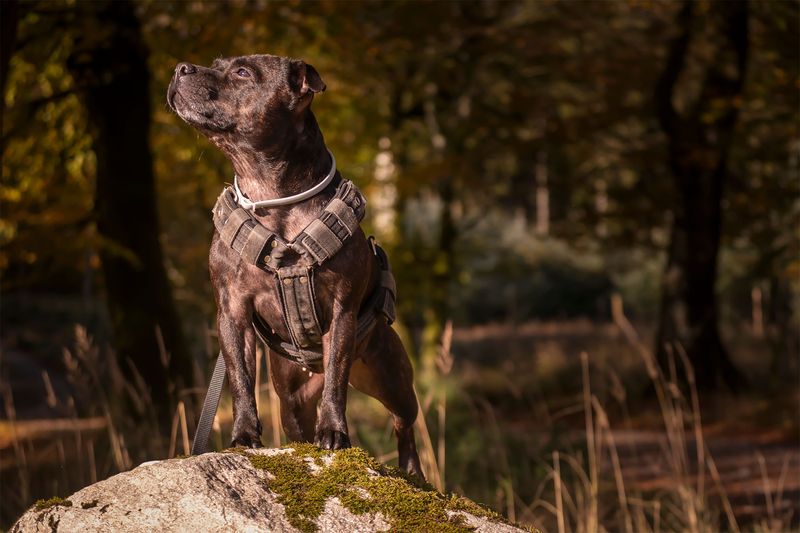
Love-fueled and sturdy, the Staffy often regains courage through connection. Quiet cuddle sessions after short training wins help reset emotions.
Focus on calm leash walks and simple obedience with generous rewards. Confidence grows when humans stay steady and kind, especially during new sounds or crowds.
Provide chew toys and slow-feed puzzles to release tension. History note, despite tough looks, they are famously people-oriented.
That bond, when respected and guided, becomes their strongest shield against fear.
Pembroke Welsh Corgi – the short hero with grit
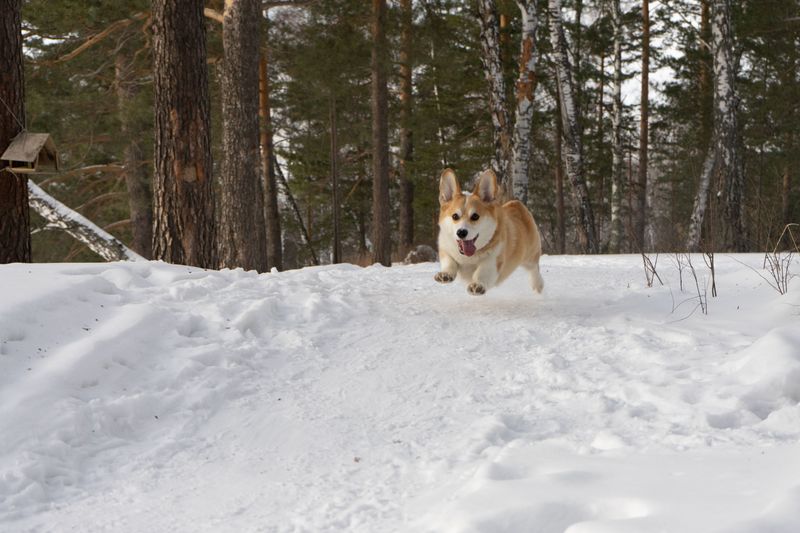
Low to the ground, high on courage. Corgis appreciate jobs, so assign small tasks like herding a rolling ball from room to room to rebuild swagger.
Teach confident postures with tricks like paws on a balance cushion. Short legs, big victory dances follow.
Mind tendency to overthink by offering clear choices, not endless commands. Fun history, Pembrokes partnered with farmers in Wales.
That practical past fuels modern-day problem solving after scary surprises.
Cocker Spaniel – the gentle rhythm restorer
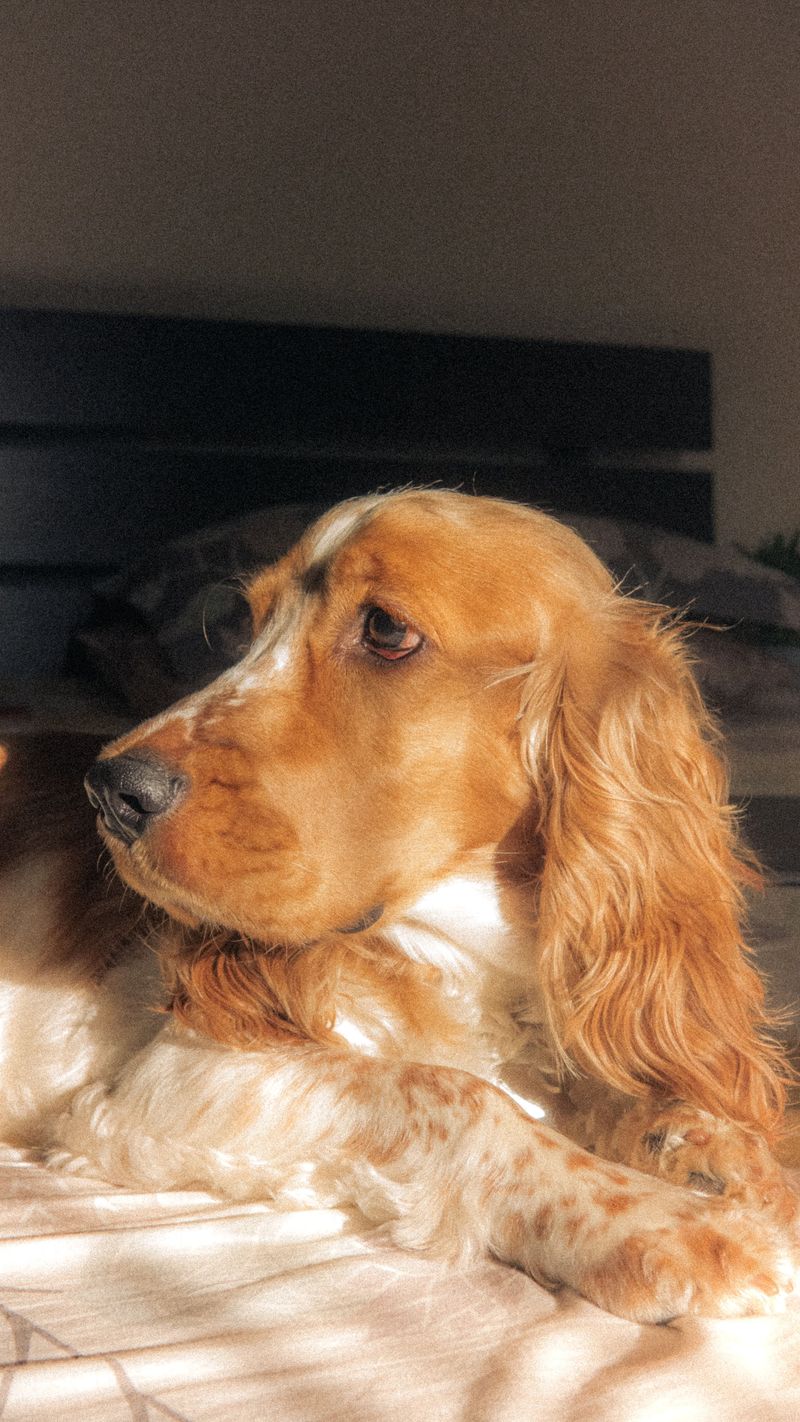
Soft eyes and steady steps bring the Cocker back to center. Daily rhythms, like walk, groom, nap, and play, create safety after sudden frights.
Use mellow games such as scatter feeding and slow fetch across carpet. Pair with warm praise and patient pauses.
Ear care can become a soothing ritual that signals all is well. Trivia, Cockers rose to fame in mid-century America, often winning shows for poise and charm under pressure.