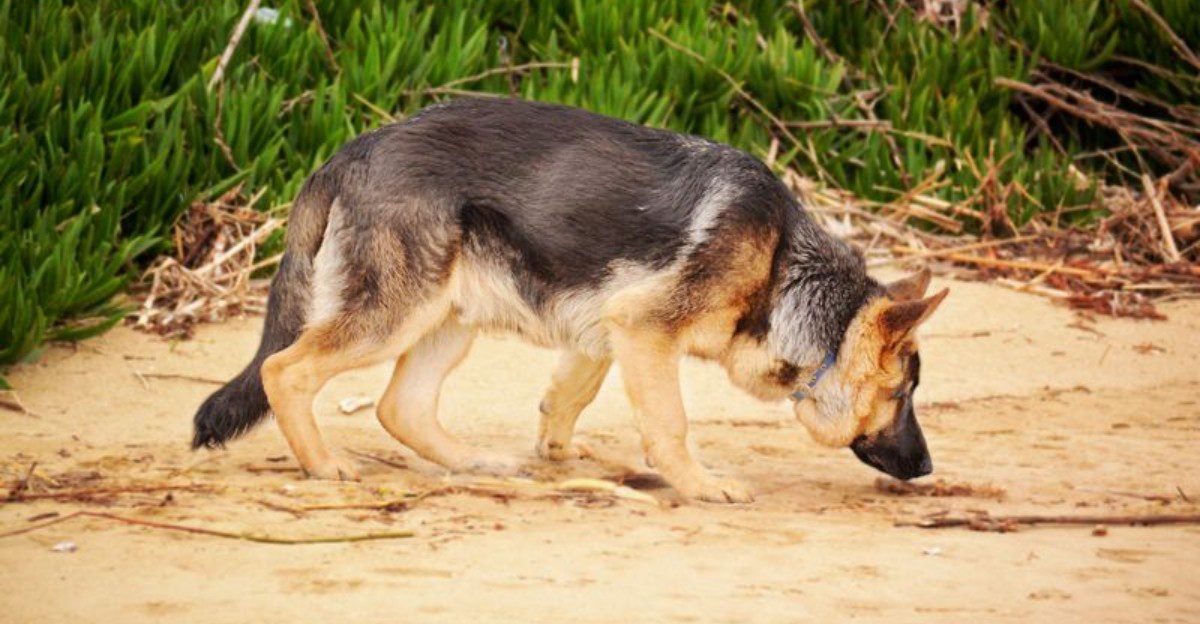
Many dogs get bored with the same toys. Their minds need puzzles and jobs, not just squeaks.
When you challenge your dog’s brain, you burn energy in a smart, safe way. Try these ideas before buying another toy that ends up under the couch.
Nosework treasure hunt
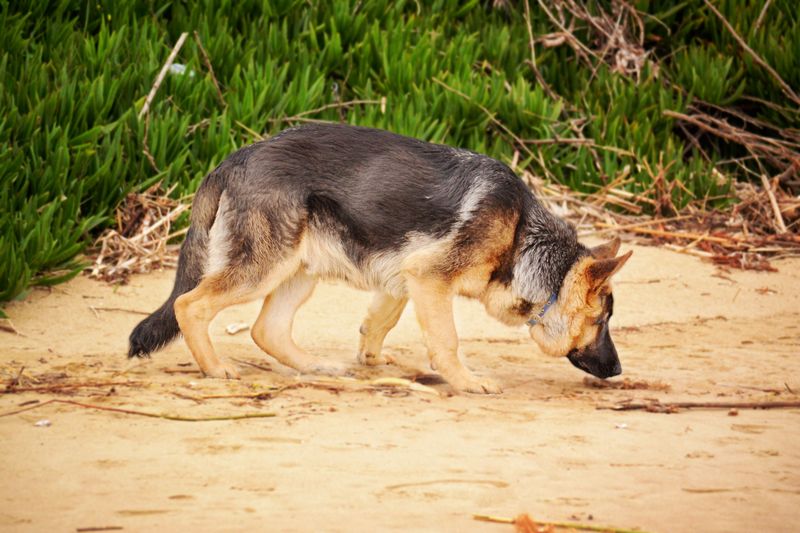
With one sniff, a bored pup lights up. Scatter treats in boxes, under cups, or in a towel roll, then invite your dog to hunt using its nose.
Start easy so success comes fast, then spread the search to new rooms or the yard.
Nosework burns energy without wild running and suits brains like the Border Collie and German Shepherd. Papillon and Miniature Schnauzer also shine.
Say “find it,” celebrate wins, and keep rounds short.
Puzzle meals with strategy
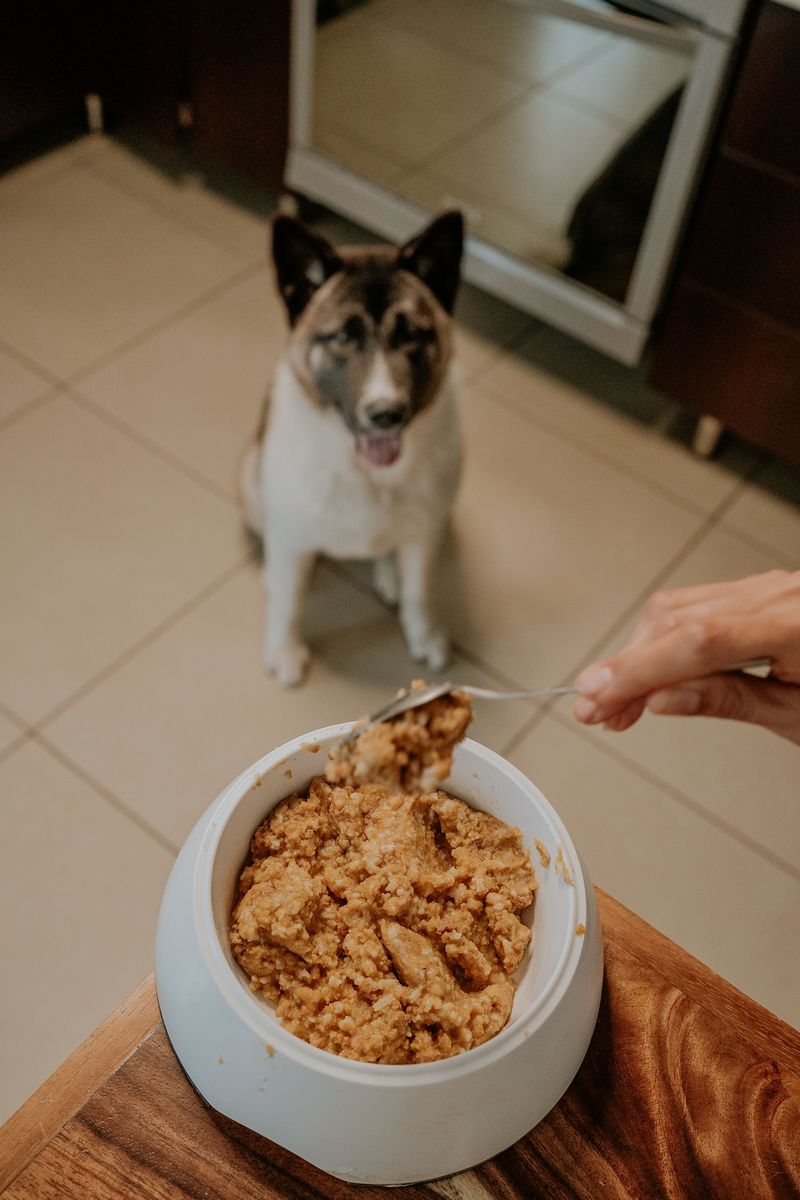
Dinner can be school time. Swap the bowl for a puzzle feeder or a muffin tin covered with tennis balls.
Vary the challenge by mixing kibble with a few high-value bits, then rotate puzzles so patterns do not get stale.
Poodle minds love clever work, and Shetland Sheepdog pups focus hard when meals become games. Jack Russell Terrier energy settles when brains chew first.
Keep sessions calm, measure portions, and end while your dog still wants more.
The toy name game
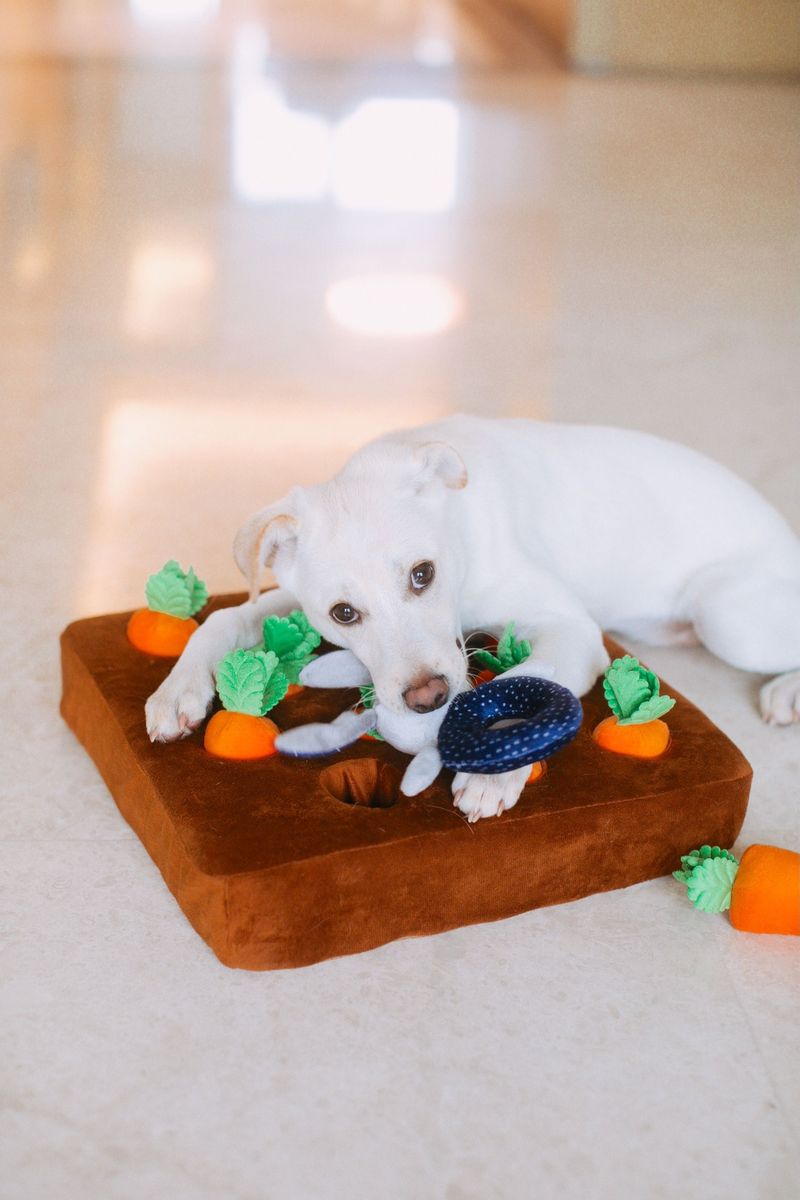
Funny how fast they learn names when rewards follow. Start with one favorite toy, say its name, then toss it.
After several wins, place two toys down, ask for the named one, and trade for treats when correct.
Australian Shepherds and Doberman Pinschers often excel at object labels. Border Collies may sort a pile like tiny librarians.
Keep sessions short, avoid repeating the cue, and make wrong choices no big deal by gently resetting.
Urban parkour walks
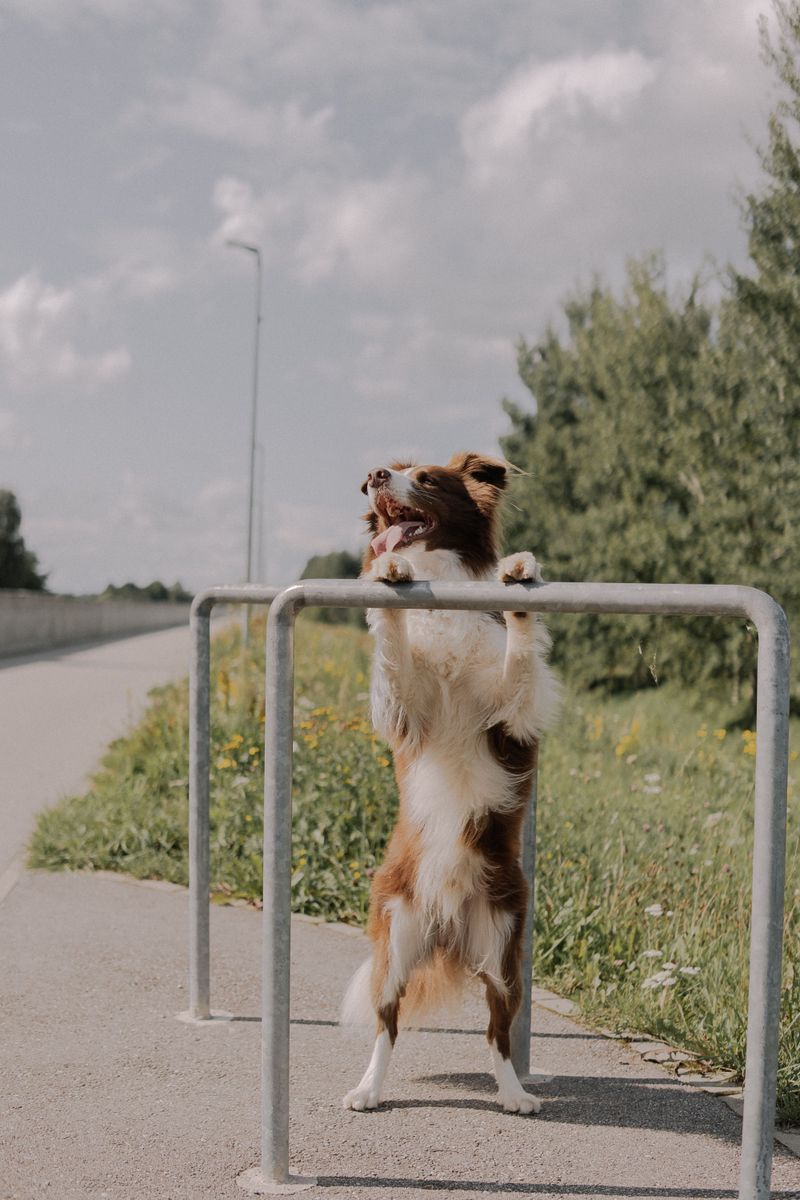
City blocks can feel like a playground. Ask for easy tasks on safe surfaces: two paws on a low step, a pause on a mat, a slow weave around bike racks.
Reward balance, foot placement, and attention at each feature.
German Shepherds and Giant Schnauzers enjoy purposeful challenges. Miniature Schnauzers bring spunky focus.
Keep criteria tiny, praise often, and skip anything slippery or too high.
Classic shell game with cups
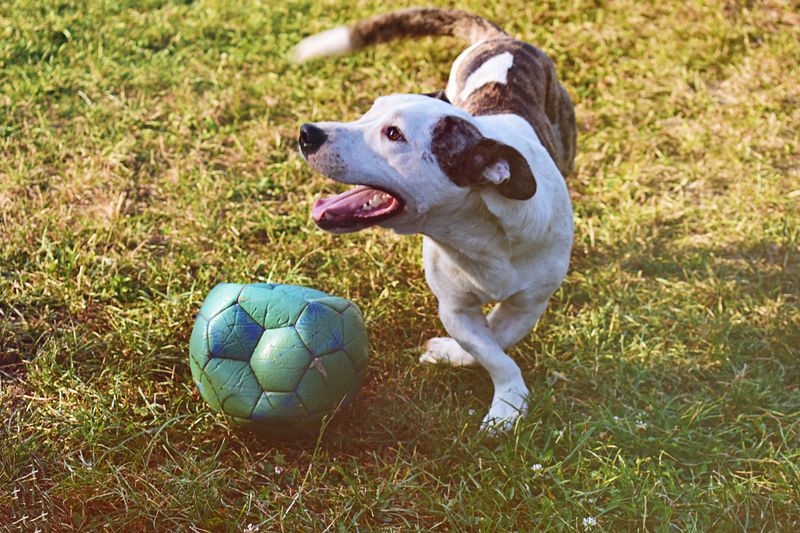
A simple party trick becomes a brain workout. Hide a treat under one of three cups, slide them around slowly, then let your dog choose.
Use clear plastic at first so the answer is visible, then switch to opaque when confidence grows.
Papillon fans love the focus, while Australian Cattle Dogs relish the puzzle. Keep the pace fair, mark correct choices, and lift the wrong cup to show the miss without scolding.
End with an easy win.
Trick chains and mini routines
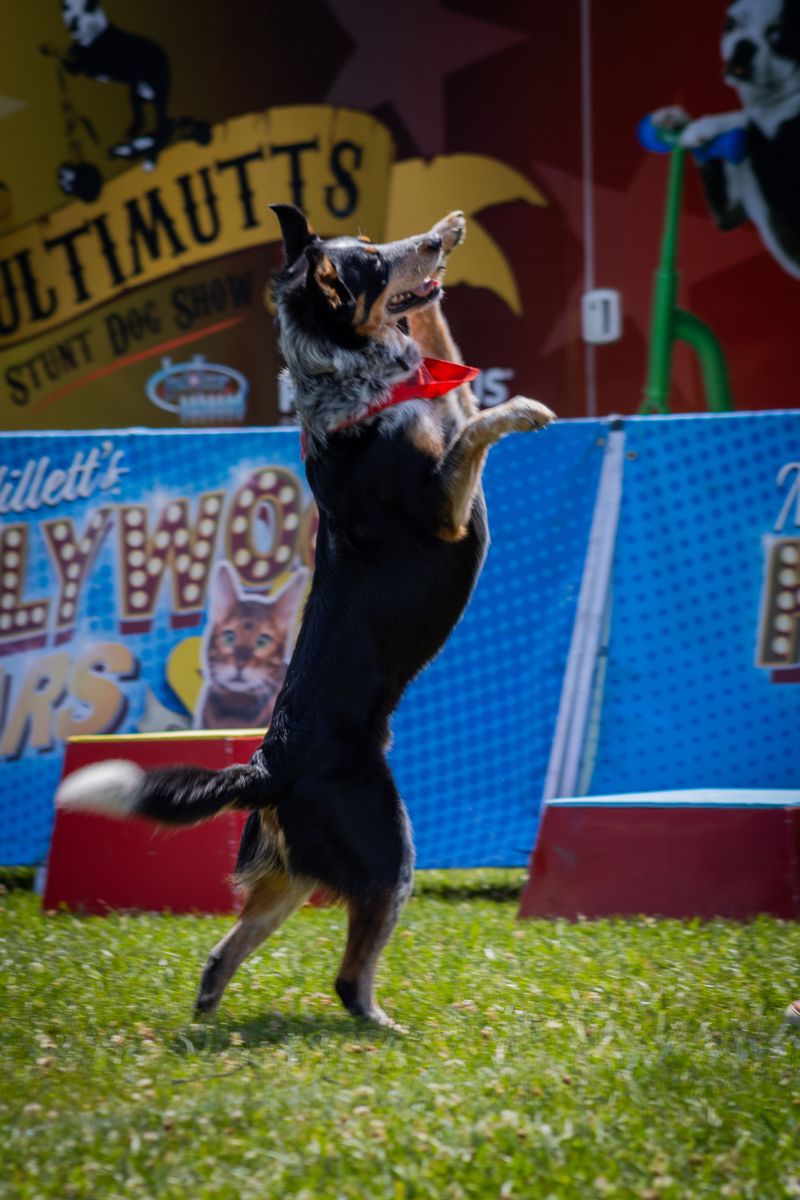
Like a dance, one move cues the next. Teach simple tricks first, such as spin, bow, and paw.
Then link them into a short routine, adding a pause between steps so thinking stays sharp.
Australian Shepherds shine with rhythm, and Doberman Pinschers love clear structure. Shetland Sheepdogs often anticipate, so mix the order weekly.
Record sessions, reward calm focus, and keep routines under a minute to avoid mental burnout.
Scent discrimination lineups
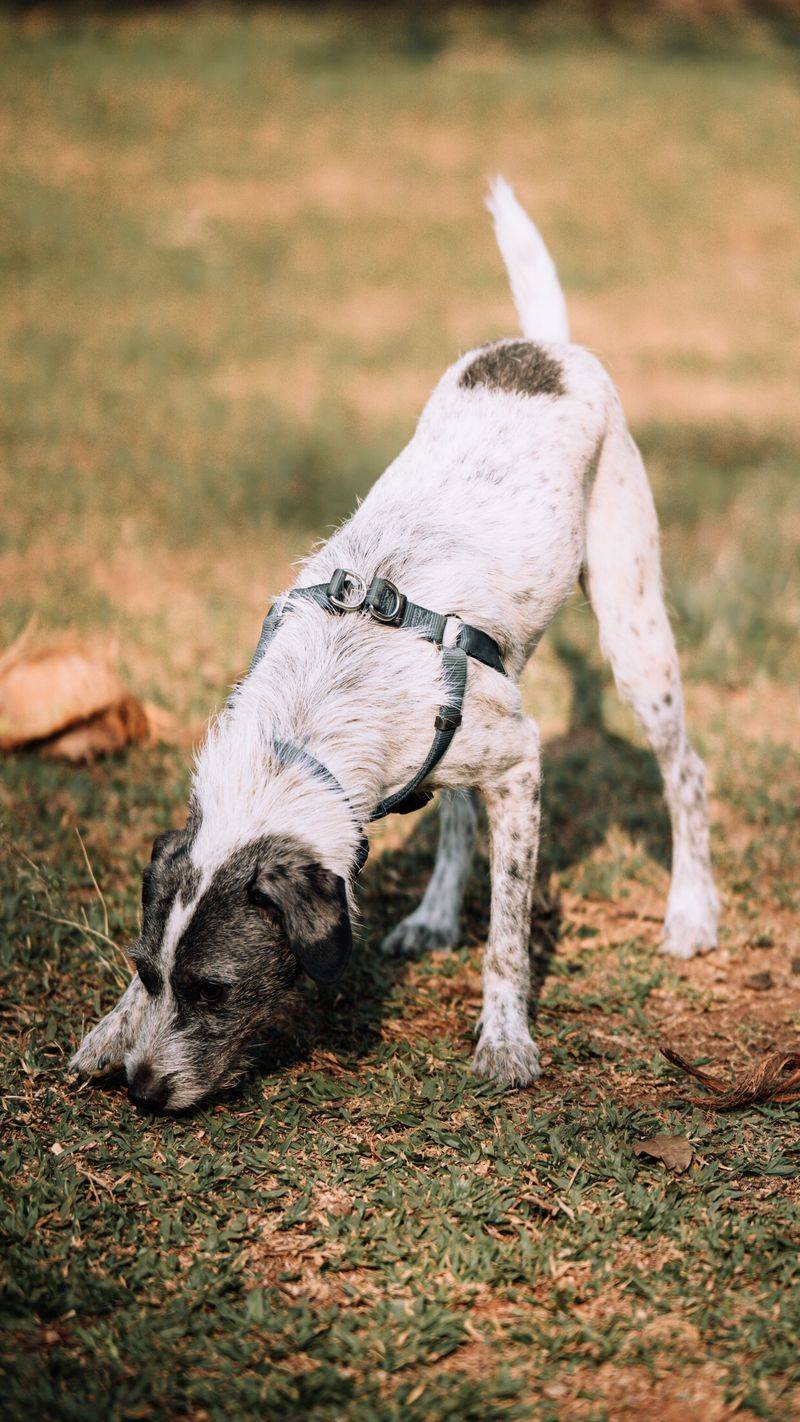
Detective work feels heroic. Place three identical tins with holes, only one holding a cotton swab scented with clove or your skin.
Let your dog sniff, freeze, then indicate by sitting or pawing, and pay big when correct.
Border Collies crave precision, and Poodles relish careful thinking. Start with open containers, add distractions later, and always secure safe scents.
Keep notes so you can raise difficulty in steady steps.
Hide-and-seek with people
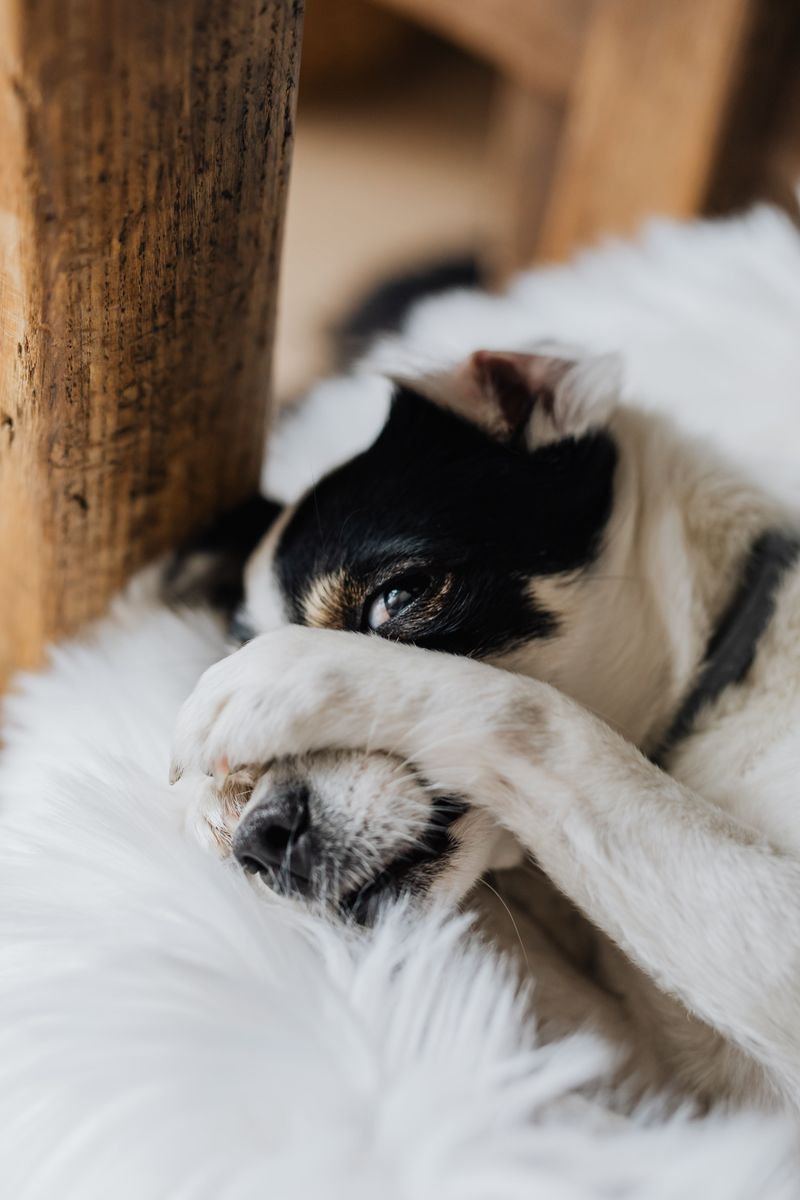
A giggle from the closet can spark a sprint. Have a family member hold your dog while you hide nearby, then call once.
When they find you, reward with a party and a second round slightly harder.
German Shepherds beam when searching for their person, and Jack Russell Terriers turn it into a zippy game. Keep rooms safe, change levels, and end before anyone gets tired.
Try outdoors with a long line for extra challenge.
Problem-solving jobs at home
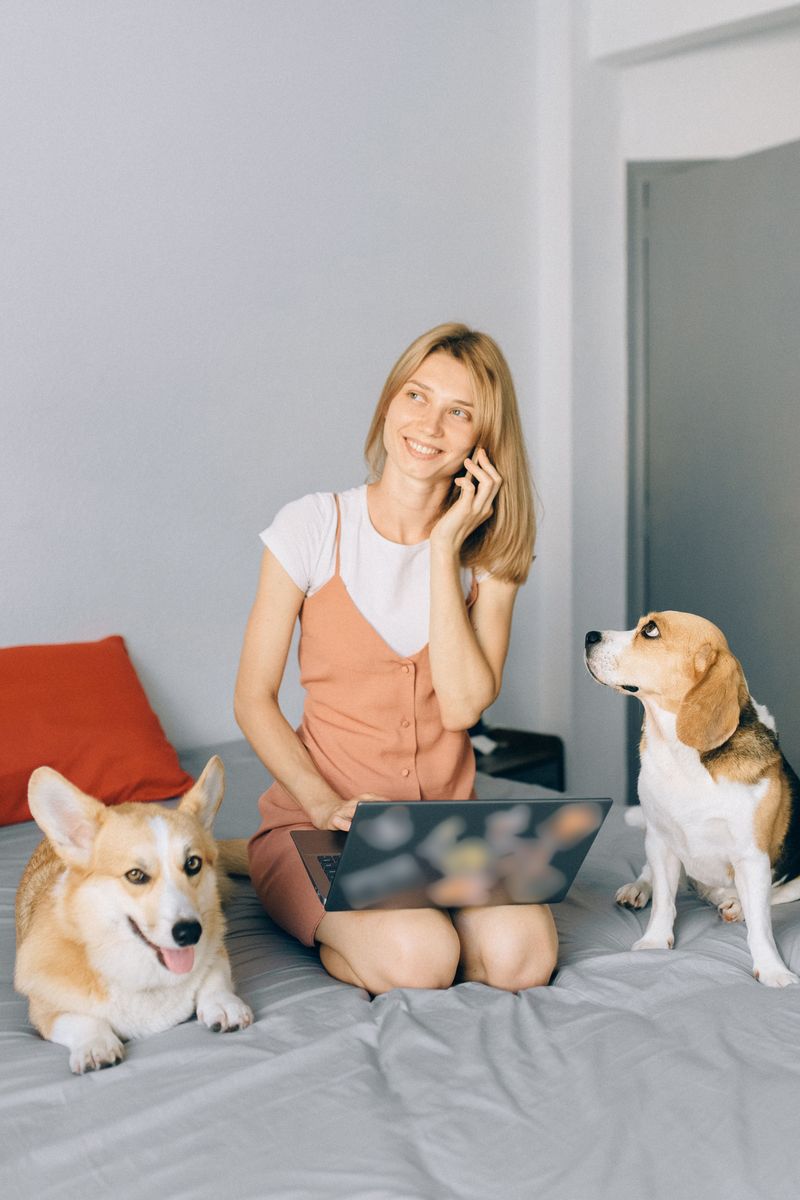
A helpful dog feels proud. Teach carries with socks to the laundry basket, nose-targeting light switches with covers, or tug-open cabinet ropes for toy storage.
Break tasks into tiny steps, reward progress, and end with a playful jackpot to boost confidence.
Australian Cattle Dogs thrive with purpose, and Giant Schnauzers enjoy solid, real work. Supervise closely, use safe props, and stop if frustration rises.
Celebrate small wins and keep jobs short.
Calmness stations and impulse control
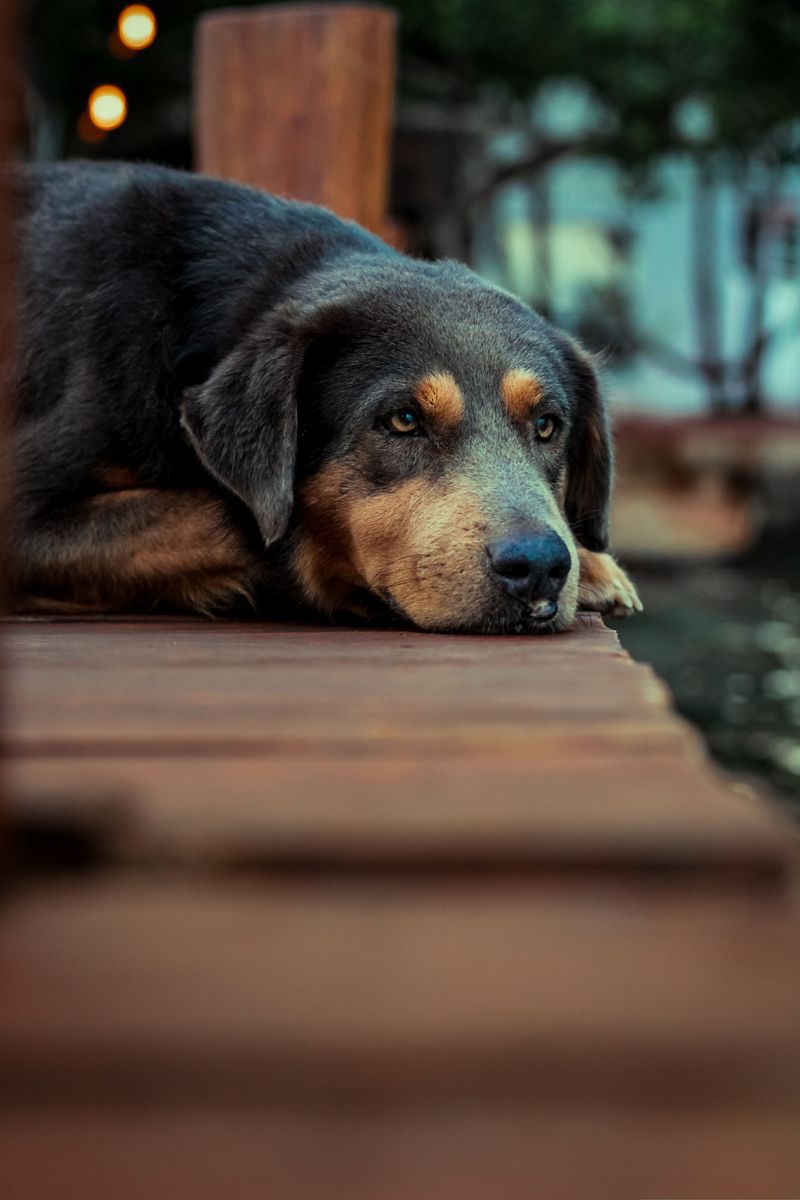
Peace is a skill, not luck. Set up a settle mat near daily life, practice relaxing on cue, and sprinkle easy choices like look, sit, or chin rest before opening doors or tossing a toy.
Pay with quiet treats and soft praise.
Doberman Pinschers and Poodles often blossom with structure, while Shetland Sheepdogs exhale once rules feel clear. Keep sessions under five minutes, breathe slowly, and release to play as the reward.
Calm brains learn fastest.