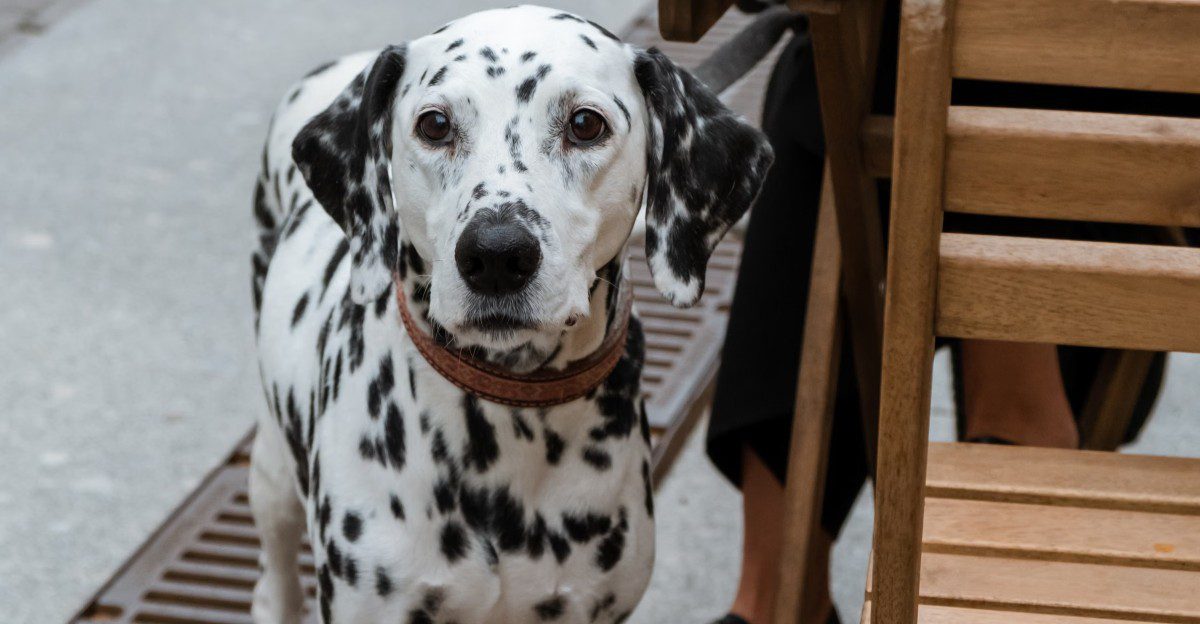
Dogs are as different as people. A single feeding style may not fit every pup, because size, energy, and health all play a role.
Learning what your dog needs helps them stay happy, active, and at a healthy weight. Small changes in food type, portion size, and routine can make a big difference.
Labrador Retriever – Portion control pro
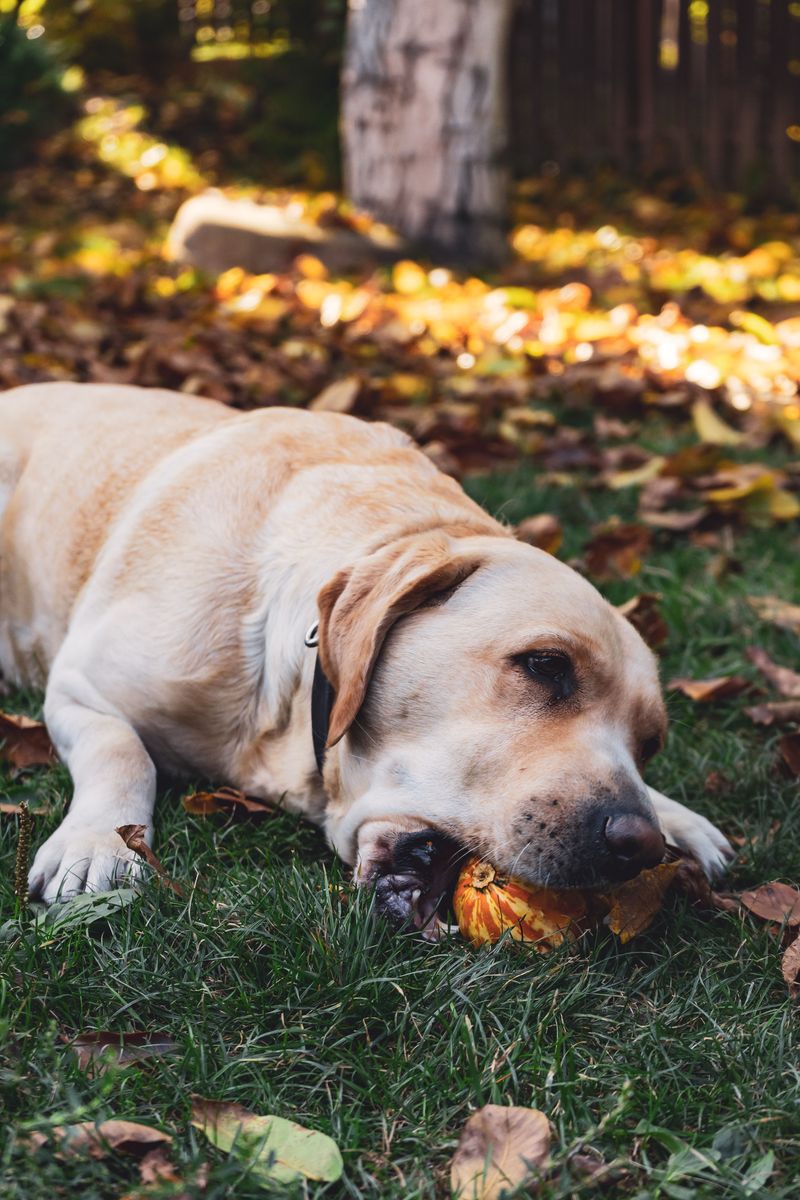
Always hungry and ready to please, many Labradors overeat without meaning to. Use a measuring cup, not your eyes, and try a slow-feeder bowl to stretch mealtime.
Pick a balanced food with joint support and moderate fat, especially for adults who love couch time after fetch.
Extra credit comes from adding green beans or pumpkin for volume without many calories. Daily walks and swimming pair nicely with smart portions.
Fun fact: Labs were fishing companions in Newfoundland.
German Shepherd – Muscle-first fuel
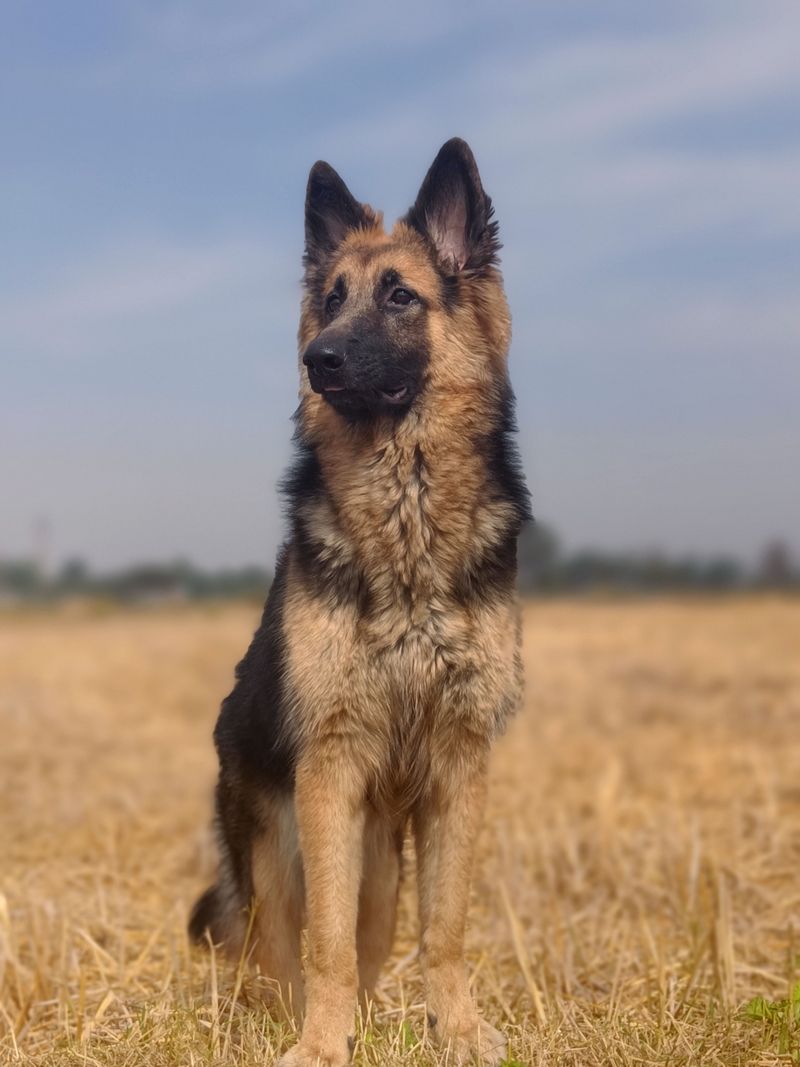
Strong backs and busy brains need quality protein. Choose a formula with named meat sources and controlled carbs to support muscle and focus.
Split meals into two feedings to reduce gulping, and consider joint-friendly nutrients like glucosamine as activity increases.
Training days burn more calories, so adjust portions slightly when sessions run long. Sensitive stomachs are common, so switch foods slowly over a week.
Shepherds thrive when food matches their working spirit.
Great Dane – Giant needs, gentle pacing
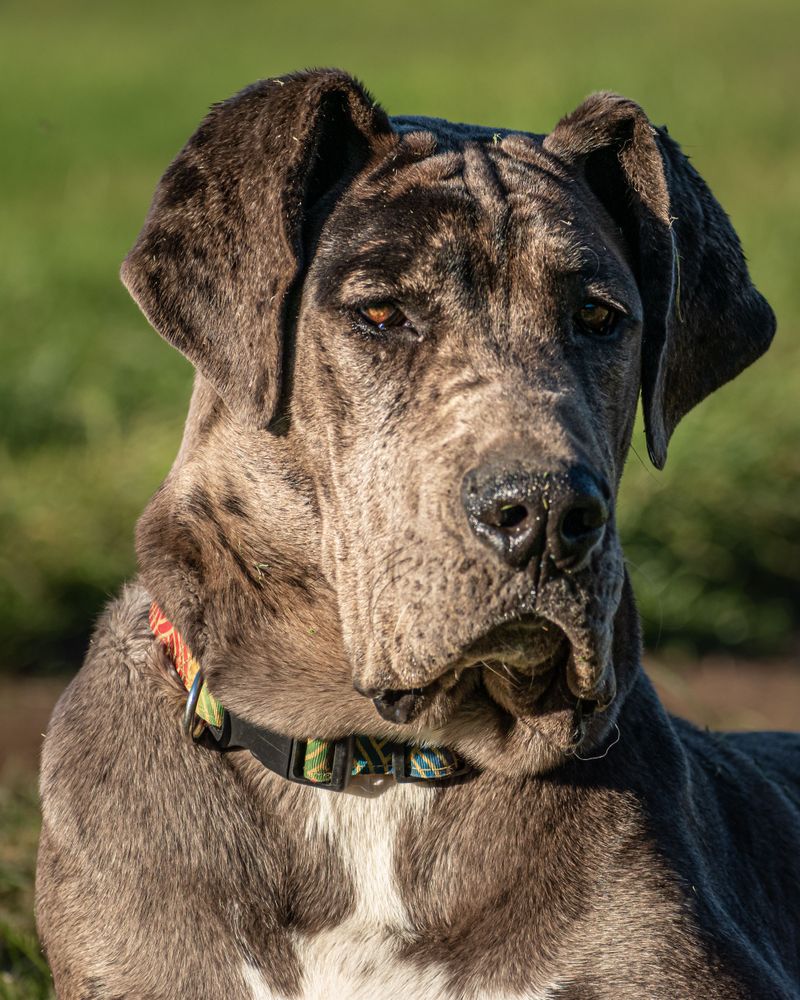
Big frames grow slowly, so choose large-breed puppy formulas that limit calcium and keep growth steady. For adults, feed two to three smaller meals instead of one big serving.
That routine helps reduce gulping and may lower bloat risk when paired with calm time before and after eating.
Keep food slightly lower in fat with balanced protein. Avoid heavy exercise around meals.
Giants often do best with predictable schedules and careful portion checks.
Dachshund – Back-friendly bites
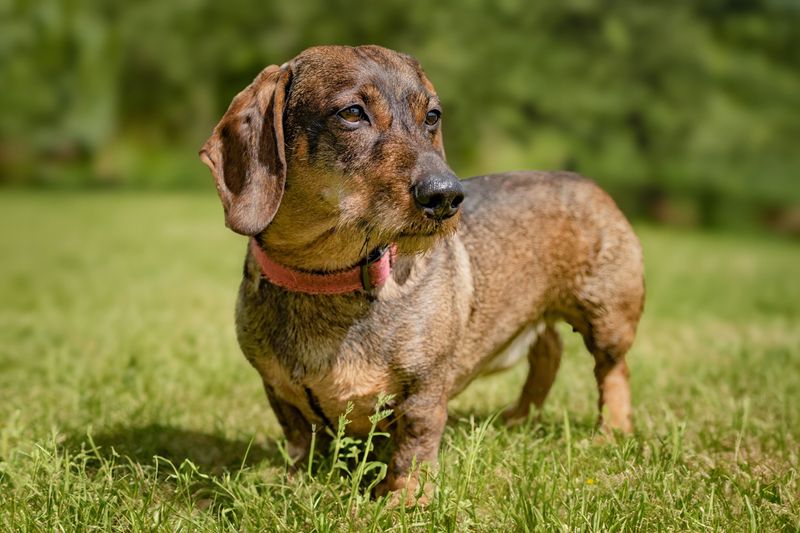
Long backs carry extra risk when weight creeps up. Keep meals small, choose small-bite kibble, and track treats carefully.
Reward with tiny pieces or crunchy veggies to protect the waistline. Regular, gentle walks beat high-impact games that strain the spine.
Because they love to beg, set clear mealtime rules and stick to a routine. If joints seem stiff, ask about omega-3s.
A steady plan keeps those little legs moving comfortably.
Miniature Schnauzer – Trim fats, tame snacks
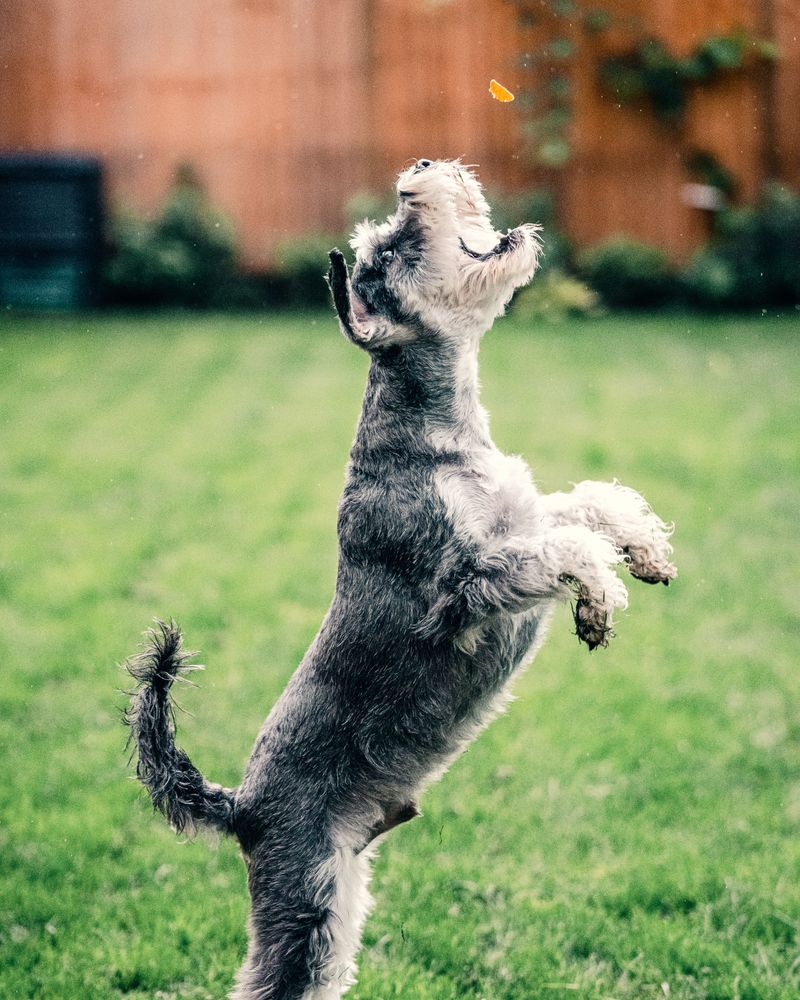
Prone to higher blood fats, Schnauzers often benefit from lower-fat foods. Choose lean formulas and watch table scraps, especially greasy leftovers.
Use crunchy, low-calorie treats or freeze-dried lean meats for training. Regular meals help balance energy and attitude.
If your pup itches or has tummy flips, consider a gentle, single-protein option. Schedule vet checks for lipids when recommended.
A mindful pantry keeps this sharp, spirited companion feeling light and lively.
Boxer – Heart-smart and playful
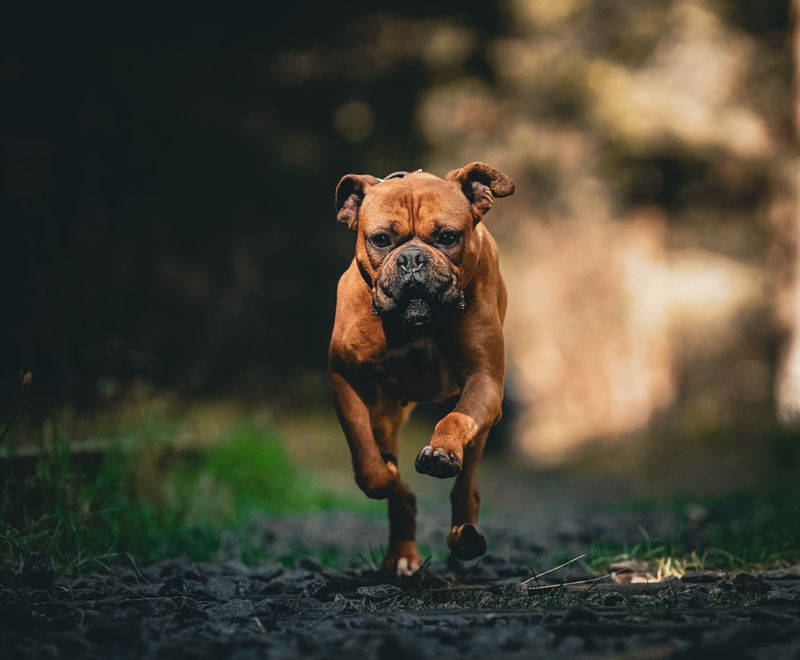
Bouncy energy burns calories fast, so quality protein and steady portions are key. Look for foods with taurine and L-carnitine to support heart health, and split meals to match activity.
Some Boxers have sensitive skin, so omega-3s can soothe itchy moments.
Because gas can be a thing, try slower eating and avoid sudden diet switches. Keep training rewards lean.
A thoughtful plan fuels play without upsetting the belly.
French Bulldog – Airway-aware portions
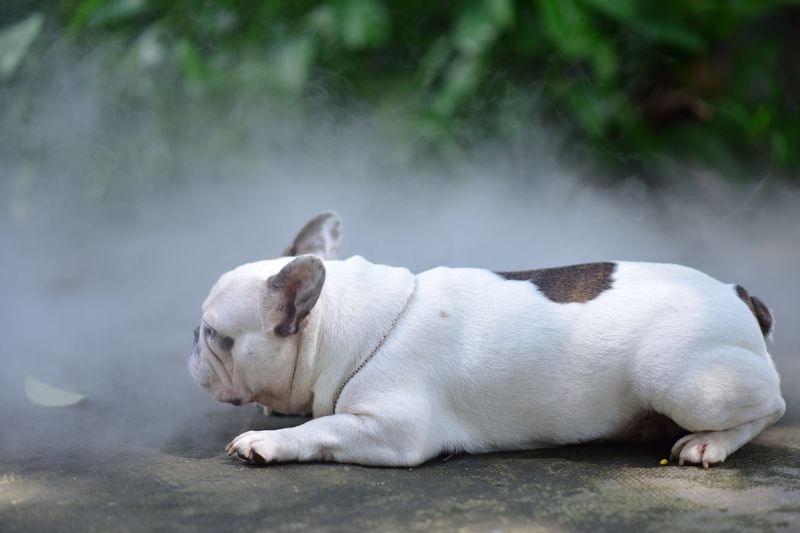
Short noses can make breathing and cooling tougher, so lighter, smaller meals often feel best. Aim for a lean body shape using a food scale and a shallow bowl to reduce gulping.
If skin folds get irritated, consider a limited-ingredient recipe and add omega-3s.
Hot days call for cool rooms and calm feeding times. Treats should be tiny, soft, and counted.
Comfort is the goal with every bite.
Golden Retriever – Shine from the inside
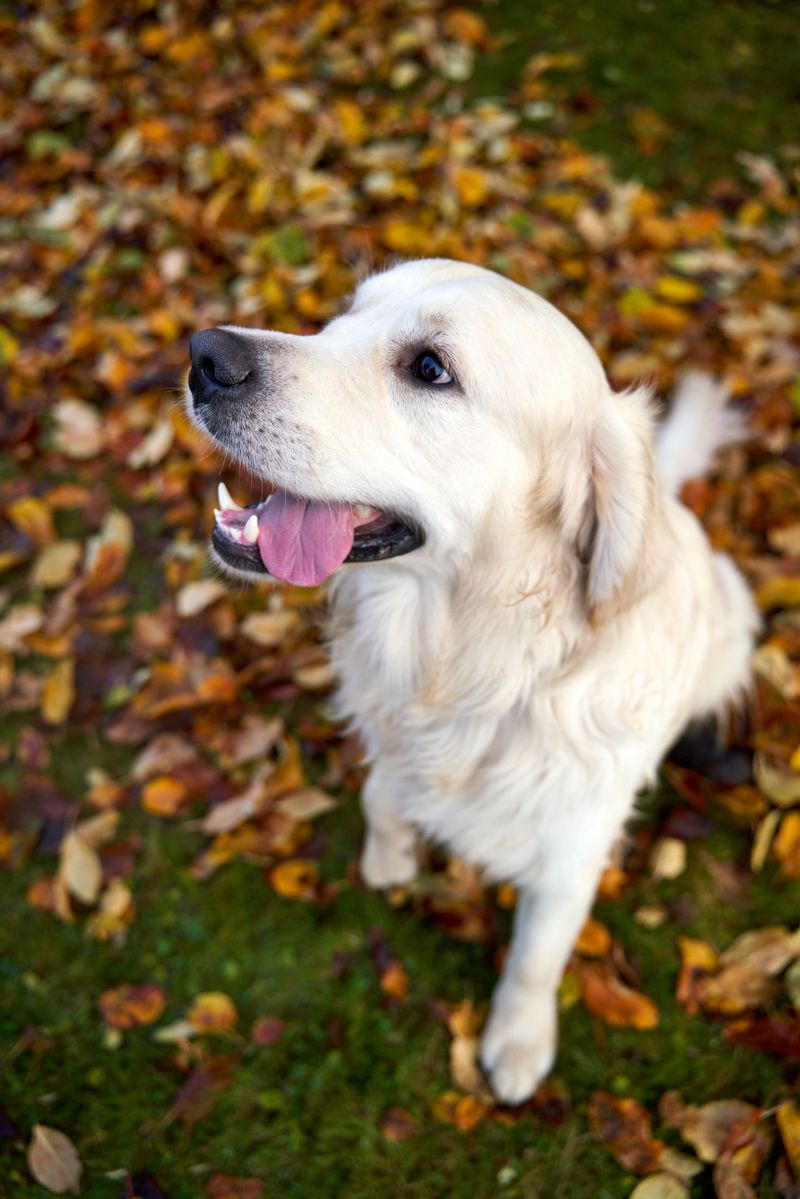
Friendly and active, Goldens often do well on balanced diets with fish oil to support a glowing coat. Watch portions, because snack-loving eyes can add pounds.
Pick foods with joint nutrients for those joyful zooms and swims.
Prone to mild tummy sensitivity, many Goldens like steady formulas with gentle fibers. Measure meals, track treats, and rotate training rewards for variety.
Consistency helps keep that trademark wag going strong.
Siberian Husky – Efficient eater strategy

Born to run, Huskies often eat less than you expect due to efficient metabolisms. Choose a nutrient-dense food with quality protein and healthy fats, then let body condition guide portions.
Too much filler can dull that spark.
On heavy training days, add a small extra meal, not a giant one. Keep hydration steady, especially in cold air.
A light hand with treats preserves stamina and that bright, focused look.
Yorkshire Terrier – Tiny bites, big care
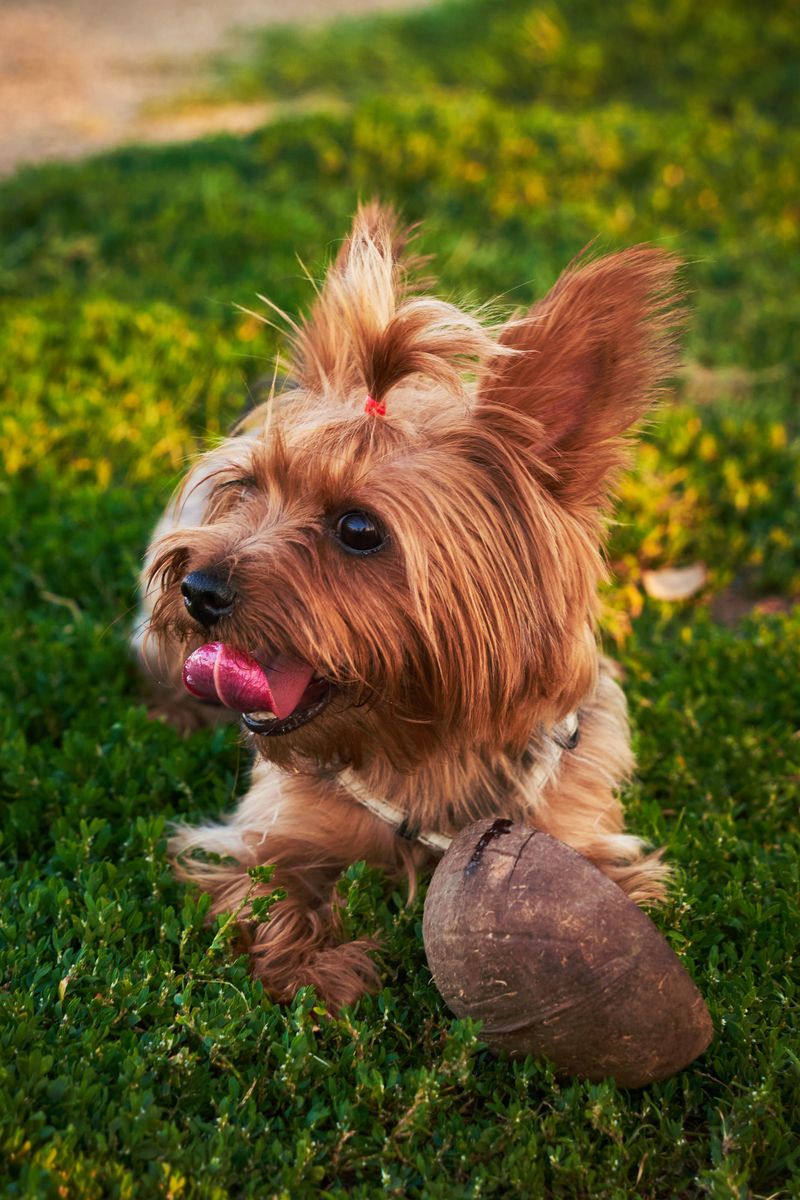
Little tummies need small, frequent meals, especially for young Yorkies. Toy-breed kibble helps with chewing and reduces choking risk.
Keep treats petite and count them toward the daily total. Dental-friendly chews can support those delicate teeth.
If your Yorkie gets picky, warm the food slightly or add a spoon of plain, unsalted broth. Gentle routines create confidence at mealtime.
Small adjustments keep energy steady without overfeeding.
Dalmatian – Purine-wise planning
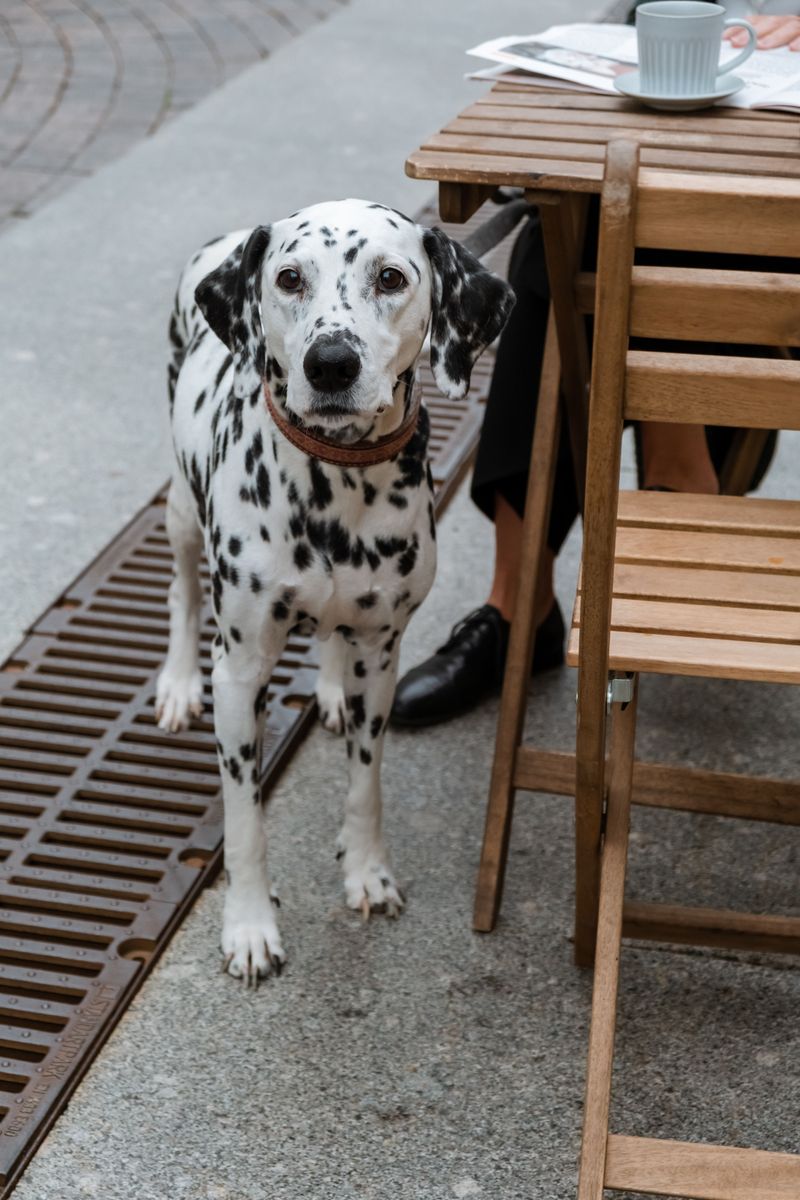
Unique urine chemistry means some Dalmatians benefit from lower-purine choices. Lean poultry, eggs, and certain low-purine kibbles can help, while organ meats are often avoided.
Fresh water at all times supports kidney health, and regular potty breaks matter.
Before changing diets, talk with your vet about testing and targets. Keep treats simple and low purine too.
Smart planning lets those bright spots sprint without worry.