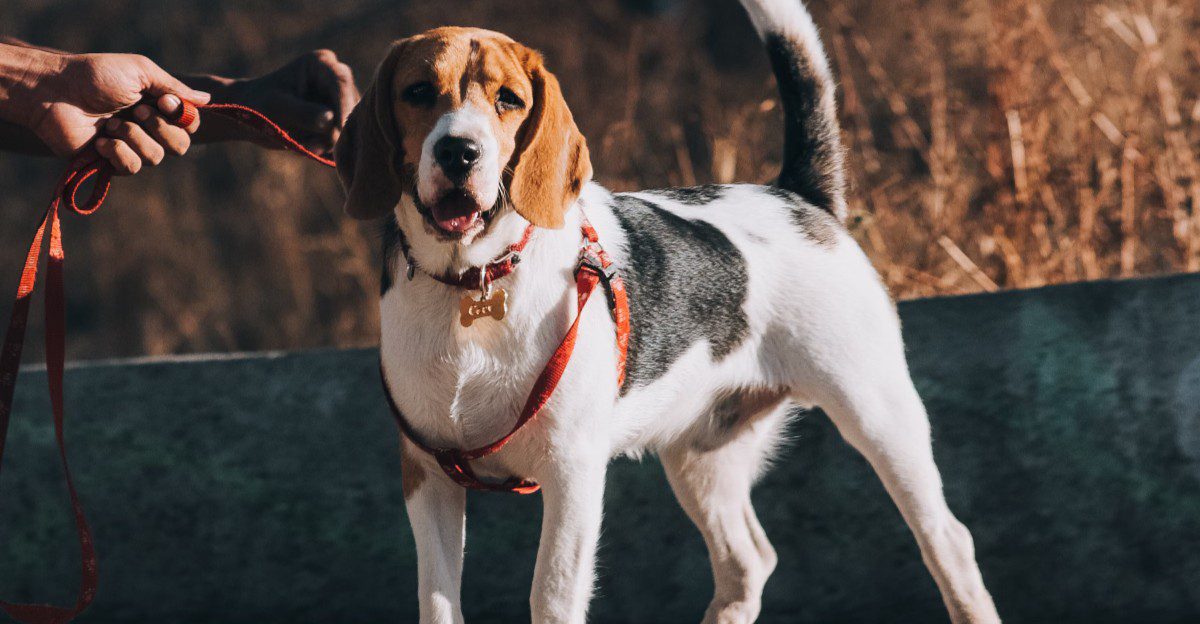
Social media often shows the same kind of dog over and over. Big eyes, fluffy coats, and perfect photos fill our feeds.
But many younger owners are choosing breeds for real life, not just likes. Here are popular choices and why they fit everyday needs, budgets, and busy schedules.
Labrador Retriever
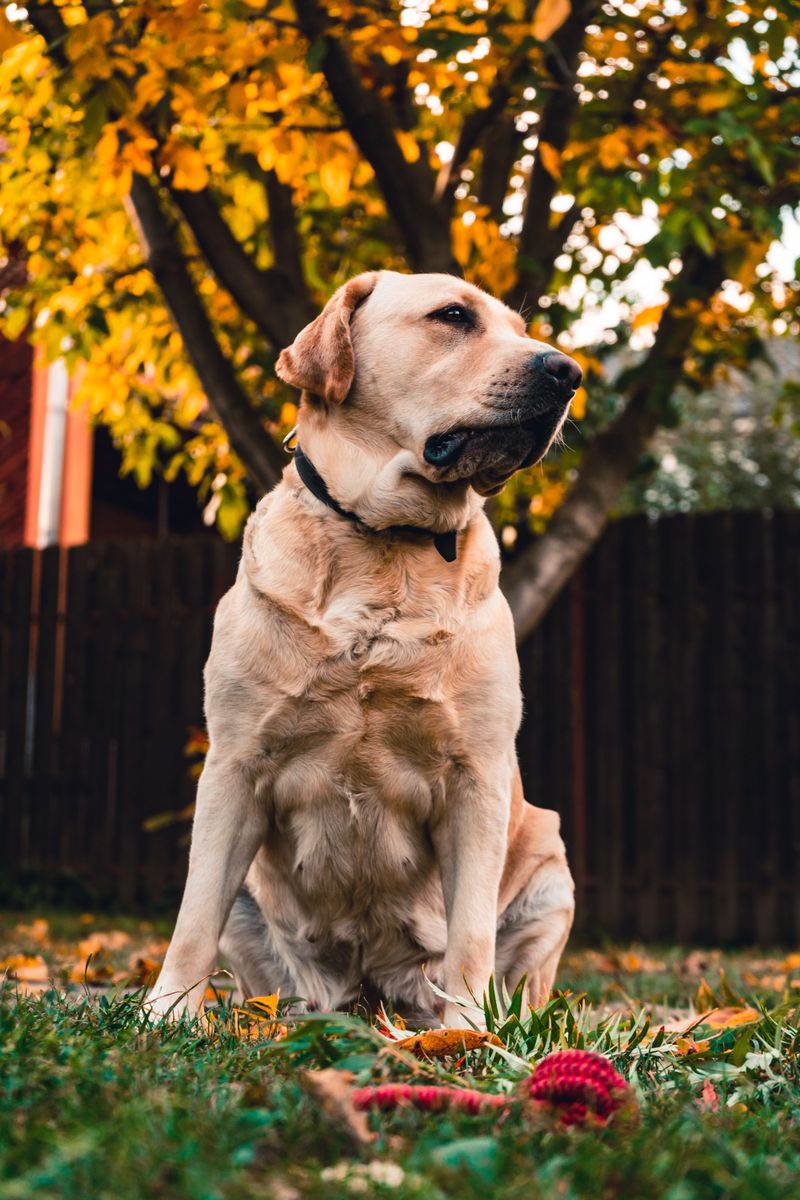
With a grin that looks like sunshine, the Labrador brings energy without drama. Younger owners appreciate a dog that learns fast, plays hard, and forgives mistakes.
Labs shine in apartments with daily walks or in houses with yards. Budgeting matters too.
Their gear is easy to find and often affordable.
Training games like fetch and nose work keep minds busy. Add swimming for joint-friendly exercise.
Fun fact: despite the name, Labs trace roots to Newfoundland.
German Shepherd
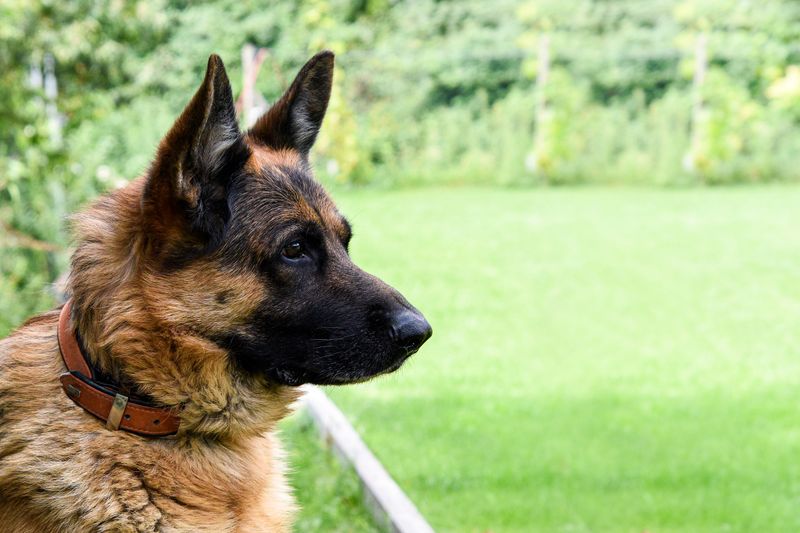
Right away, the Shepherd’s focus feels like a superpower. Many new owners want brains plus loyalty, not just cute photos.
With consistent training and clear rules, this breed becomes a steady partner. Apartment life can work with structured routines and mental puzzles.
Good nutrition and daily brushing keep coats and joints healthy.
Consider beginner obedience classes to build teamwork. Short scent games inside on rainy days help too.
History note: they rose to fame for smart police work.
Dachshund
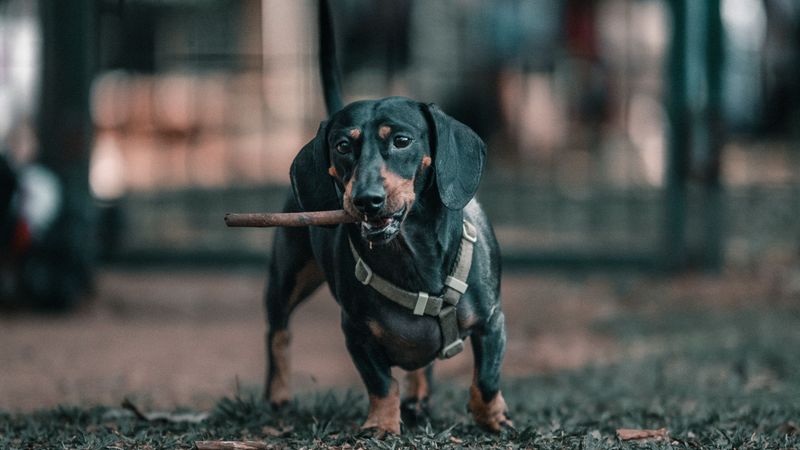
Small legs, big personality. Many young renters love how a Dachshund fits tiny spaces yet still brings laughs.
Walks stay short, but playtime is lively. Stairs can be tricky for long backs, so ramps help.
Snug sweaters and supportive beds protect spines and keep them comfy.
Puzzle feeders turn mealtime into a mission. Keep socialization gentle to prevent bossy barking.
Fun fact: their shape was built to follow badgers underground, which explains today’s fearless attitude.
Beagle
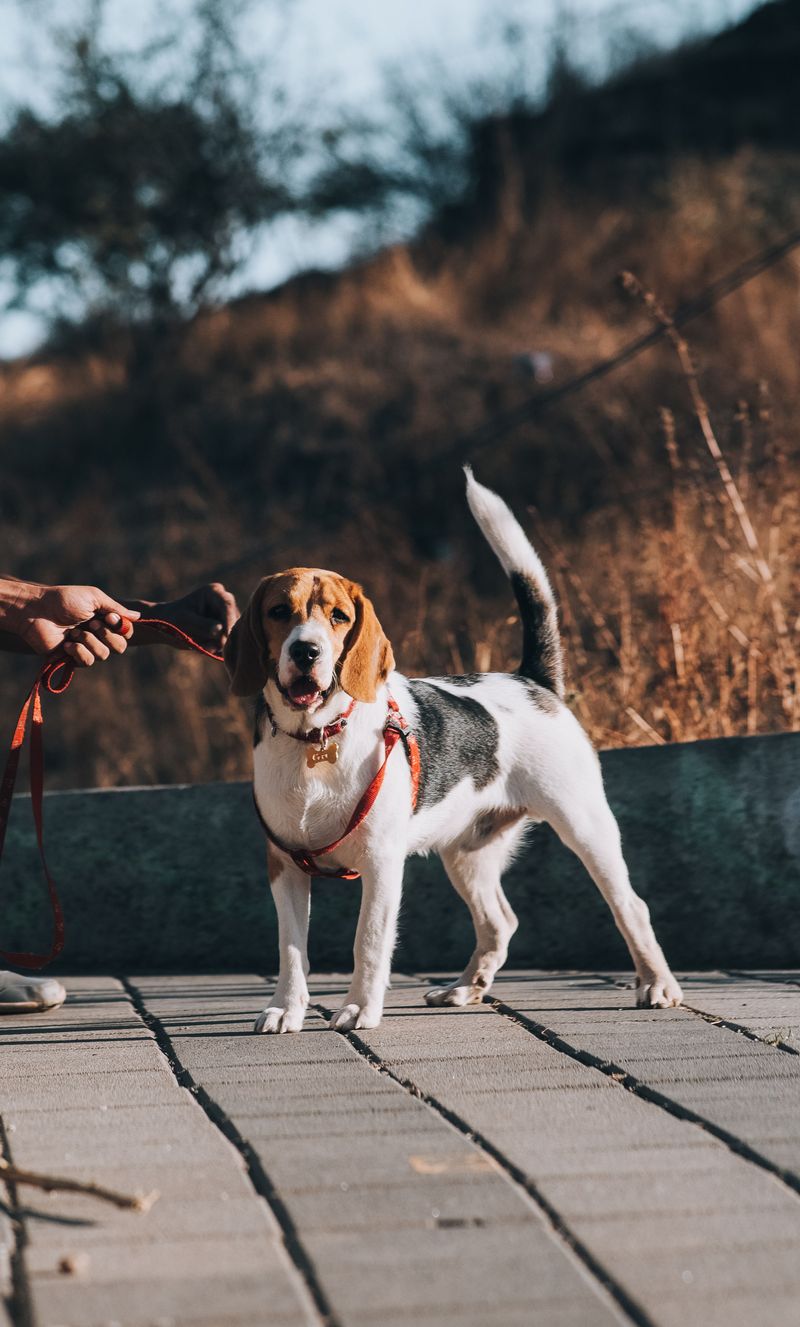
A nose that never clocks out makes the Beagle a curious buddy. Younger owners enjoy that cheerful vibe and easy size.
Daily sniff walks tire the brain and body on a budget. A secure leash and good recall practice are musts, since scents can steal the show.
Grooming stays simple.
Set up scent boxes at home using tea bags or safe herbs. Short group classes help channel energy.
Trivia: Beagles starred in early airport scent programs.
Boxer
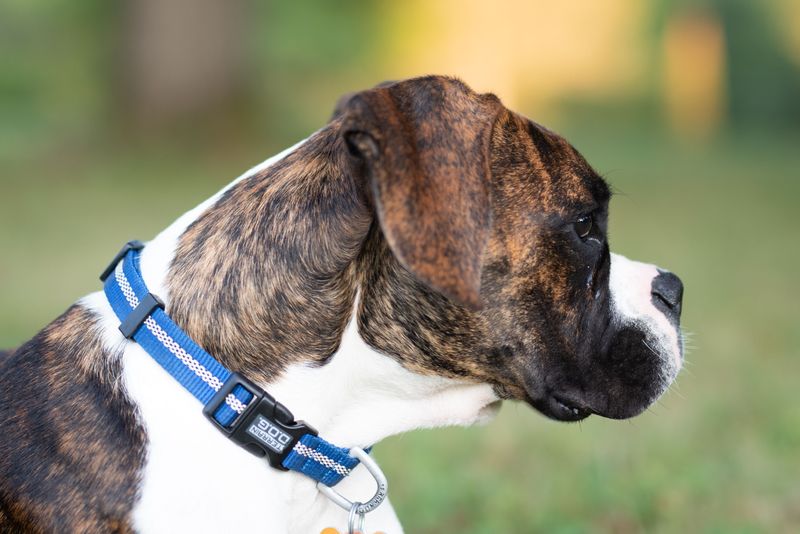
Goofy, athletic, and ready to clown around, the Boxer turns ordinary days into games. Many young adults pick them for upbeat workouts and loyal cuddles.
Regular exercise and basic manners keep that bouncy spirit focused. Short coats make grooming quick, which fits tight schedules.
Watch summer heat due to shorter muzzles.
Build a routine of brisk walks and short training bursts. Tug toys with rules teach impulse control.
Small fact: Boxers once helped soldiers as messenger dogs.
Australian Shepherd
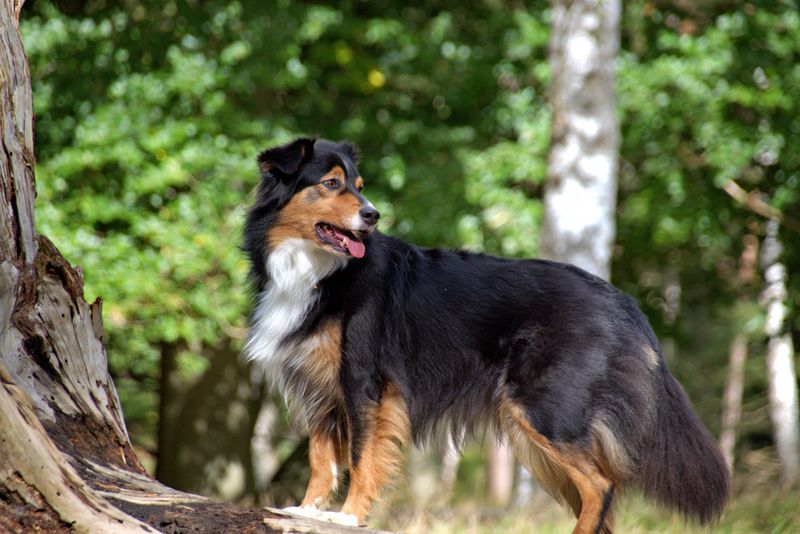
Brains on overdrive describe the Aussie perfectly. Younger owners who love weekend hikes or frisbee find a partner that thrives on projects.
Without tasks, they invent their own, so structure matters. A rotating schedule of agility, tricks, and long walks keeps peace indoors.
Moderate grooming and regular brushing manage fluff.
Teach new cues monthly to feed that sharp mind. Use treat pouches and clickers for clear feedback.
Fact: many Aussies actually developed in the American West.
Rottweiler
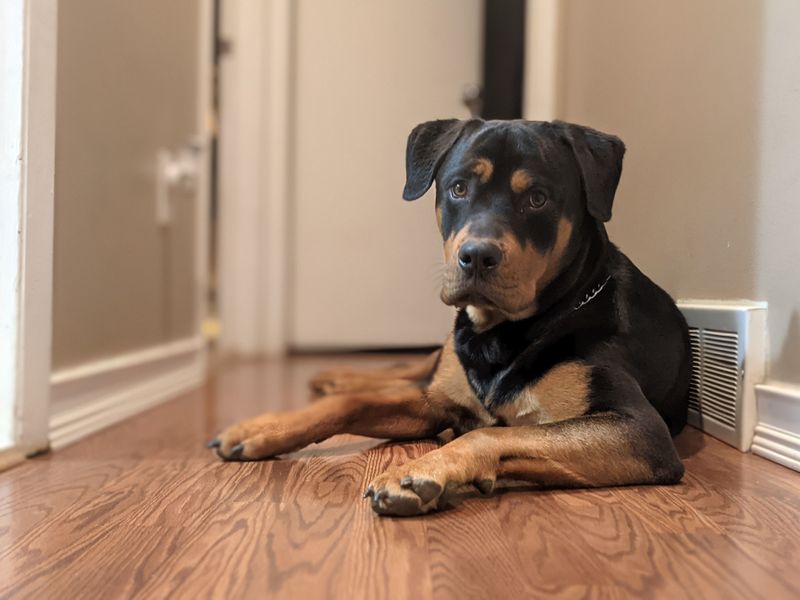
Confidence with a soft side wins many new fans. Younger owners who value security and calm routines often select a Rottweiler for steady companionship.
Early socialization, kind structure, and clear boundaries build a trustworthy adult. Short grooming sessions and quality food support overall health.
Daily decompression walks reduce stress.
Enroll in manners class to polish leash skills. Use sturdy toys to satisfy chewing needs.
History tidbit: they once drove cattle and guarded money carts in Europe.
Cane Corso
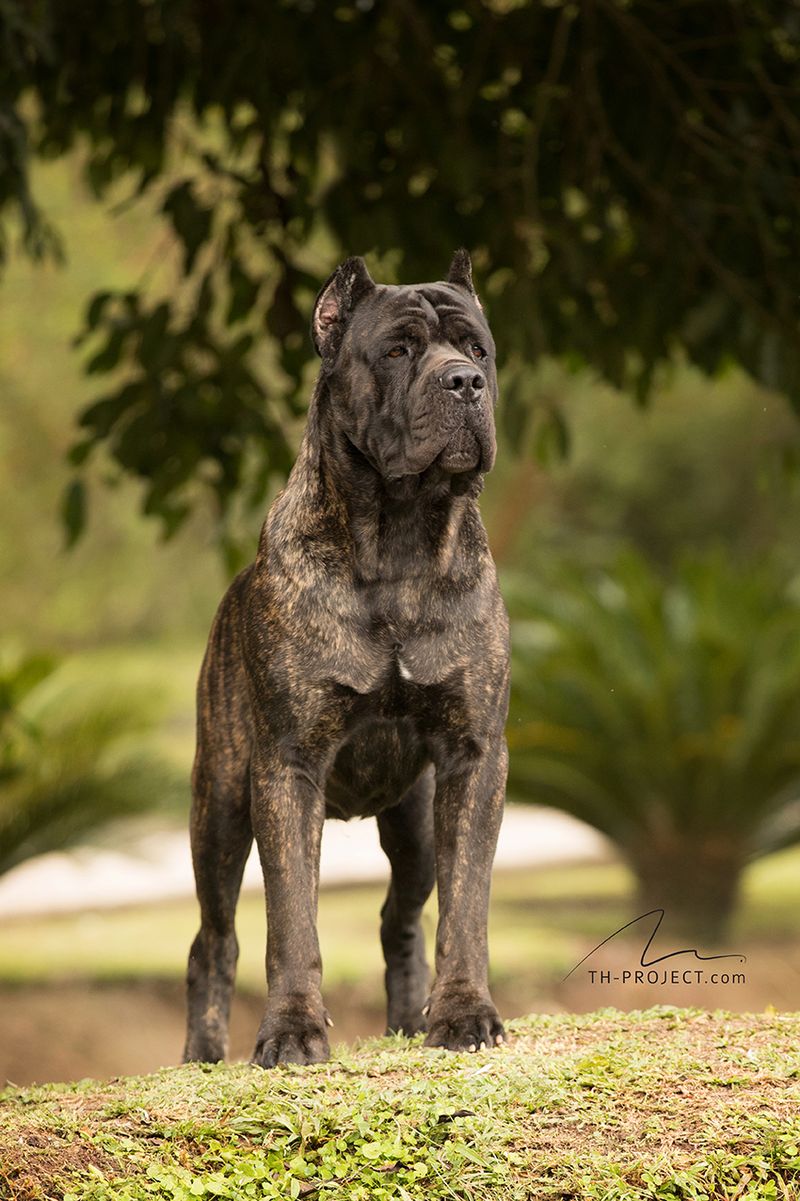
Serious presence, steady heart. Some younger owners choose the Cane Corso for a responsible challenge and quiet loyalty.
Clear leadership, positive reinforcement, and daily mental work are essential. Space helps, but a calm apartment can work with strict routines.
Expect moderate drool and strong chewing needs. Consistency wins here.
Practice structured walks with planned check-ins. Add obedience clubs for teamwork.
Fun fact: Roman roots hint at a long history as a guardian of farms and property.
German Shorthaired Pointer
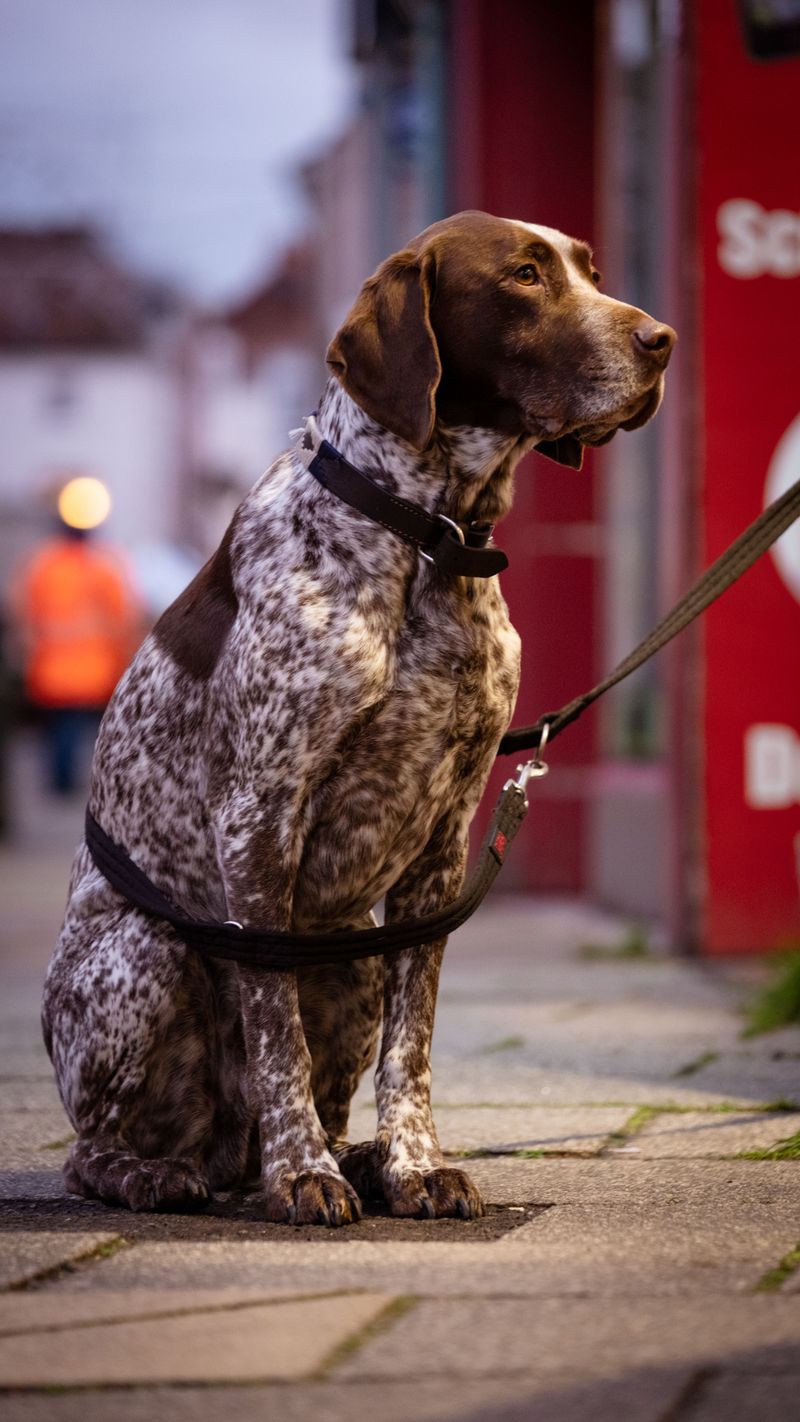
Like a rocket with manners, the GSP suits young owners who crave motion. Long walks, runs, or bike-joring pair well with this athlete.
Indoors, they settle faster after nose games or retrieves. Minimal grooming reduces chores, but nails need regular trims.
A cozy crate gives a calm resting place.
Introduce recall training early in safe areas. Rotate fetch toys to prevent boredom.
Historical note: bred for hunting many tasks, not just one bird.
Cocker Spaniel

Soft eyes and a musical tail win hearts fast. Younger owners often like the Cocker’s friendly vibe and moderate size.
Regular brushing and professional trims keep coats neat. Daily sniffy walks, plus a few trick sessions, help prevent anxious habits.
Ear care is key to avoid infections.
Turn grooming into bonding with tasty rewards. Hide treats around rooms for gentle treasure hunts.
Fun fact: Cockers were famous bird dogs long before show rings.
Miniature Schnauzer
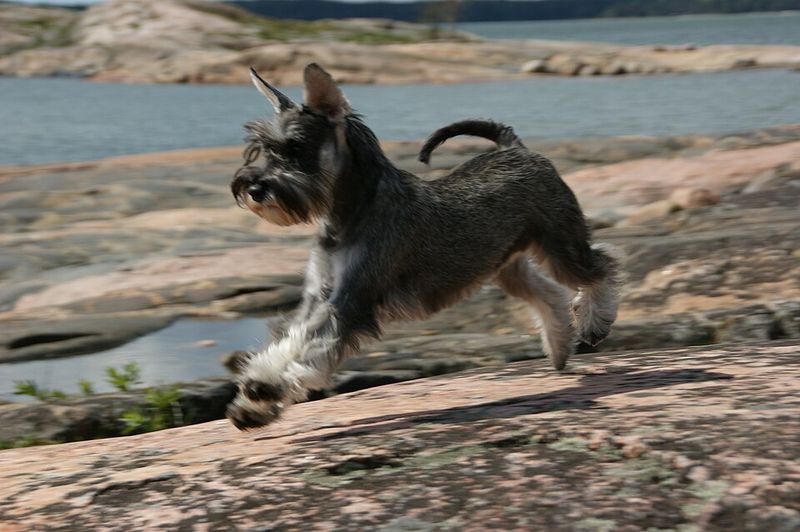
Big attitude in a neat package gives the Mini Schnauzer urban charm. Younger owners appreciate low shedding and bright wit.
Regular hand-stripping or clipper trims keep that iconic beard tidy. Short, brisk walks and games like hide-and-seek fit busy days.
Barking can spike without mental work, so plan daily puzzles.
Teach fun cues like spin and paw to focus energy. Small fact: bred to catch barn rats, which explains the keen stare.