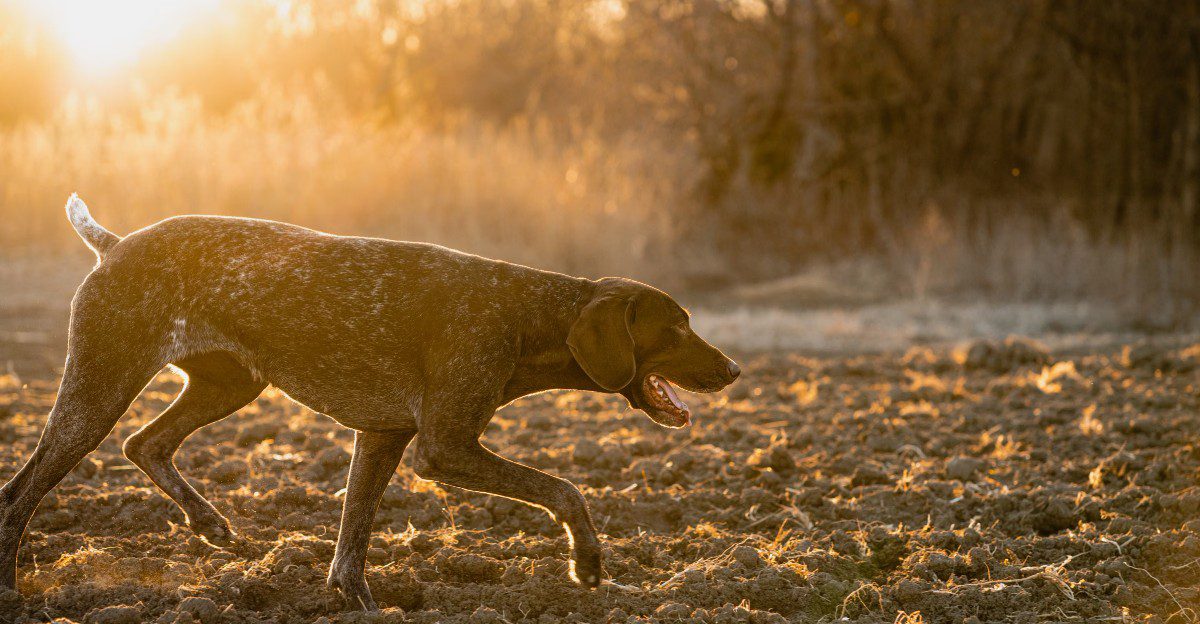
Have you ever felt like your dog is walking you instead of the other way around? There is a good reason for all that sniffing.
A dog’s nose can read tiny clues left by people, animals, and the wind, like chapters in a hidden book. Understanding how different breeds follow scent can make walks calmer, safer, and a lot more fun for both of you.
Beagle – Pocket-sized storyteller
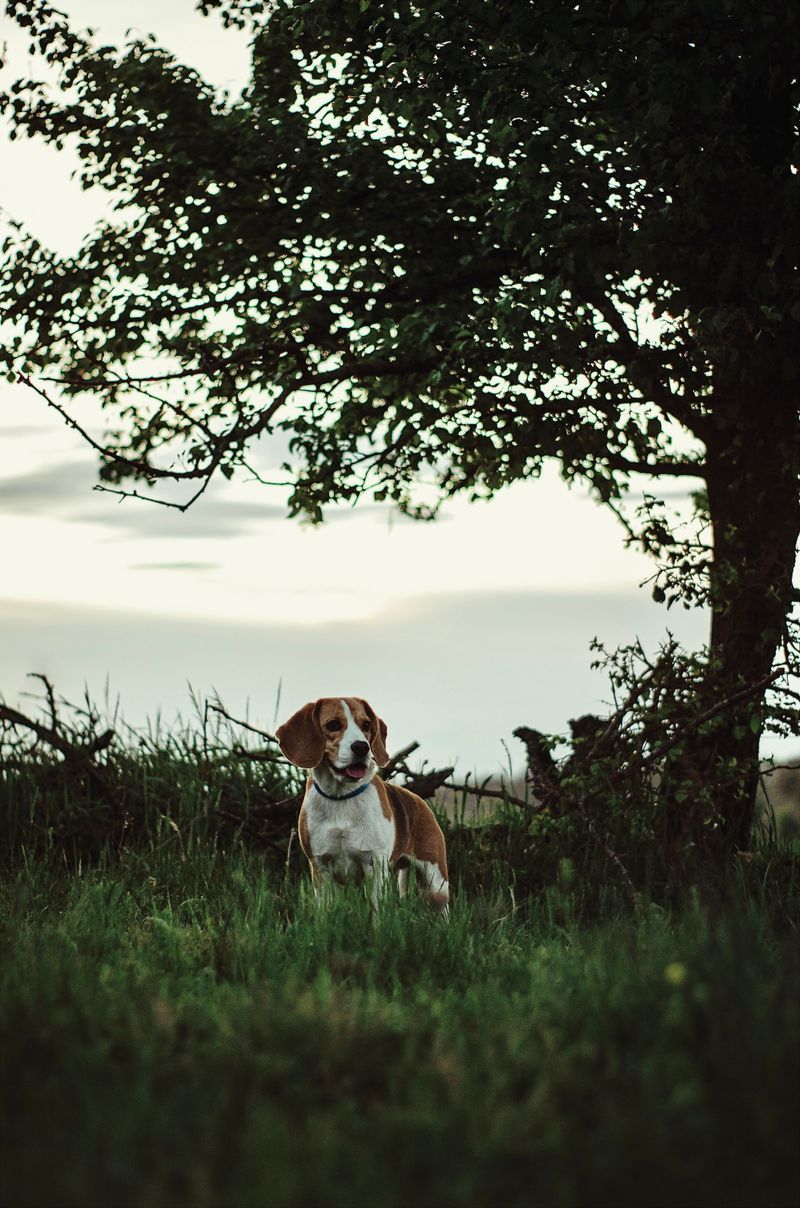
Small frame, huge curiosity. Beagles catch whisper-thin scent trails and turn them into lively adventures.
Your Beagle may pause where you see nothing, because a drifting smell just added a new chapter. Give them a “sniff break” cue, then a “let’s go” cue, to balance nose time and forward motion.
Use a longer leash, high-value treats, and a scent-friendly route. Short training bursts keep focus.
Tired nose, happy Beagle, smoother walk.
Bloodhound – The epic novelist of smells
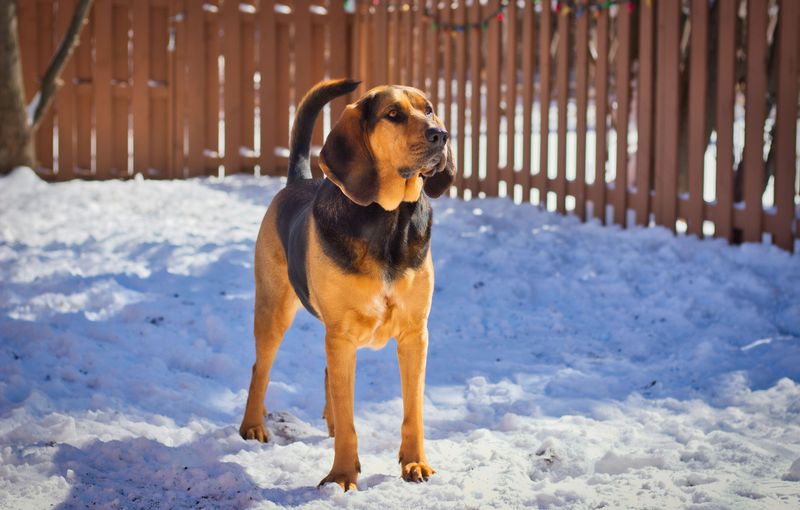
Legend says a Bloodhound can read days-old trails like yesterday’s news. Those long ears sweep scent toward the nose, and the droopy lips trap particles, so a simple walk becomes a full investigation.
Let yours work a zigzag pattern for a few minutes, then cue a gentle heel to reset.
Structured sniffing builds cooperation. Use markers, like trees or mailboxes, as “search zones.” Praise quiet focus.
Their joy grows when you respect the mission.
Basset Hound – Low rider, high drama
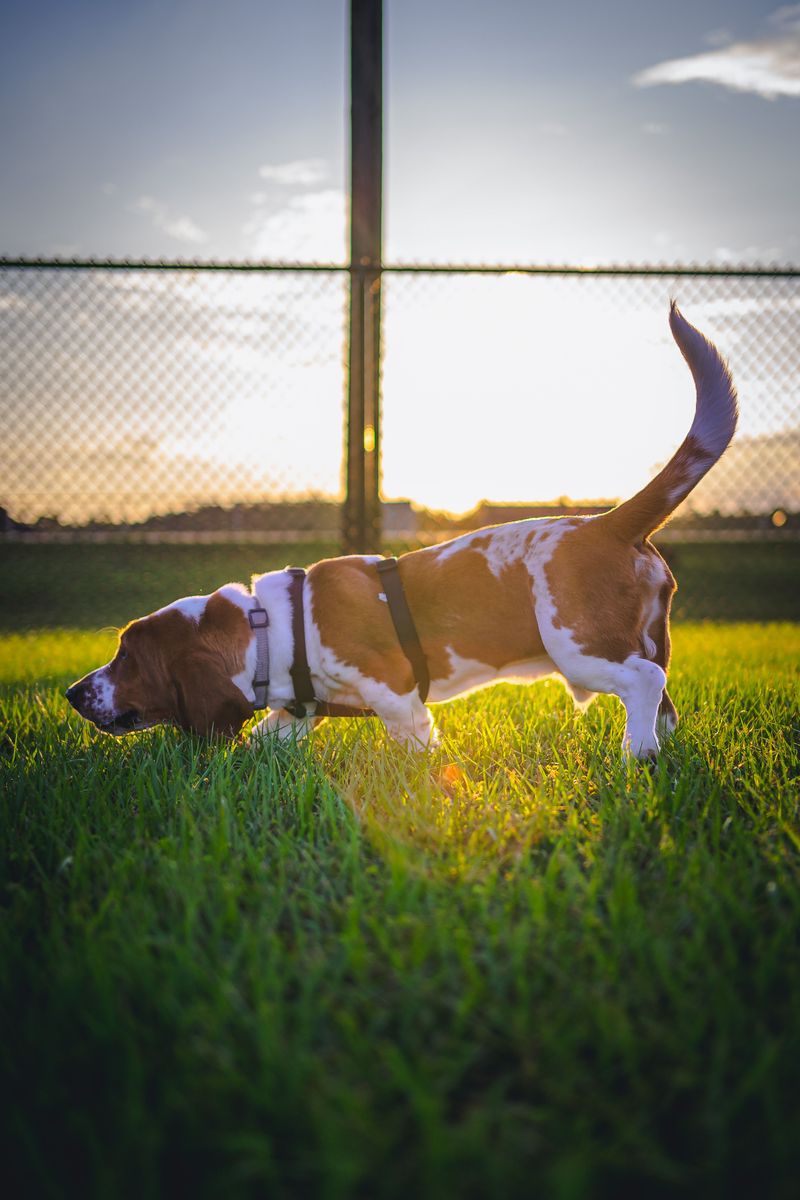
Close to the earth, a Basset Hound gathers ground-level details like gossip at a picnic. Slow steps do not mean boredom.
They are savoring every clue. Plan extra time and let that nose work on safe patches.
A few “find it” games with treats in grass make the walk a treasure hunt.
Keep sessions short and upbeat. A comfy harness, steady pace, and kind patience turn stubborn pauses into shared discoveries.
Dachshund – Tiny detective with big drive
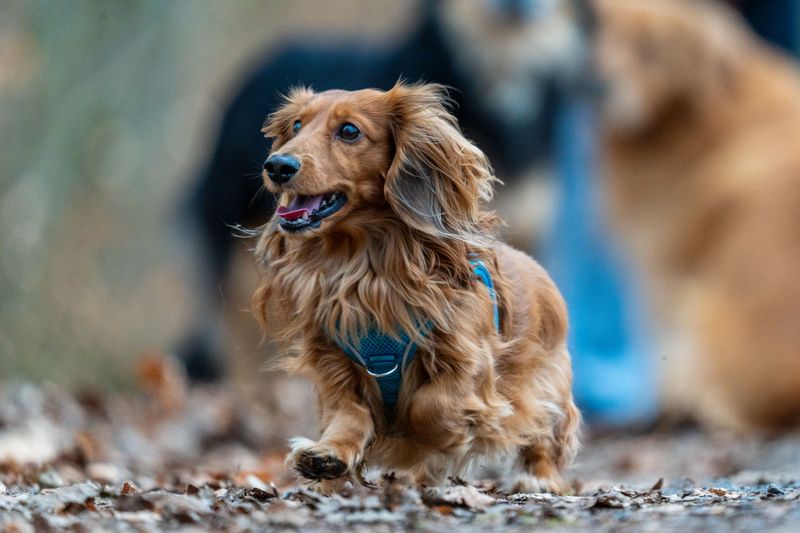
Built for burrows, Dachshunds adore following hidden trails under hedges and along planter edges. What looks like dawdling is focused work.
Try a pattern: 30 seconds of sniffing, then 30 seconds of brisk walking. Repeat a few rounds to keep momentum without denying their curiosity.
Use a Y-harness to protect the neck, and reward check-ins with a soft “good nose.” Little legs, mighty story finder. Confidence grows when you celebrate small wins.
German Shorthaired Pointer – Airborne plot-twists
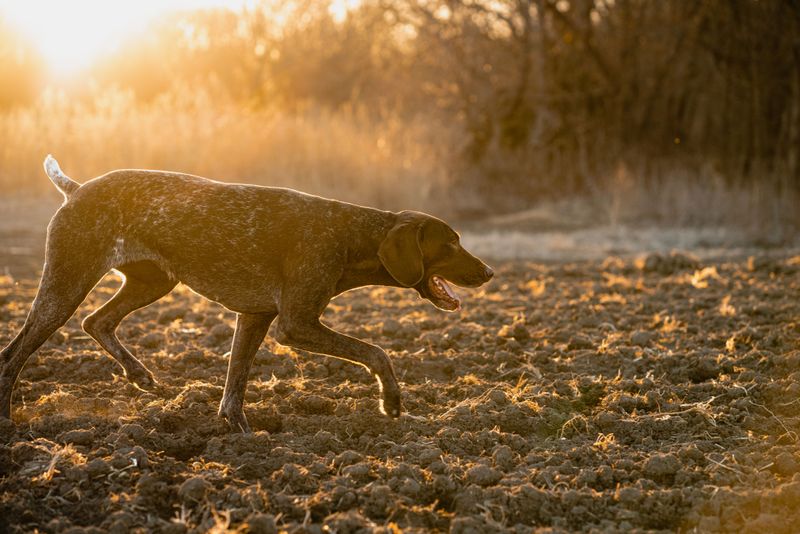
Head up, nose to the breeze, GSPs catch scent floating above the ground. That sudden freeze is not stubbornness.
It is a point. Build a routine: give a brief “hunt time” across the lawn, then cue a heel for sidewalks.
Variety satisfies their brain and body.
Add impulse-control games like “look at that” with birds or squirrels at a distance. Reward calm choices.
A thoughtful plan turns bursts of drive into harmony.
English Springer Spaniel – Joyful brush-sweeper
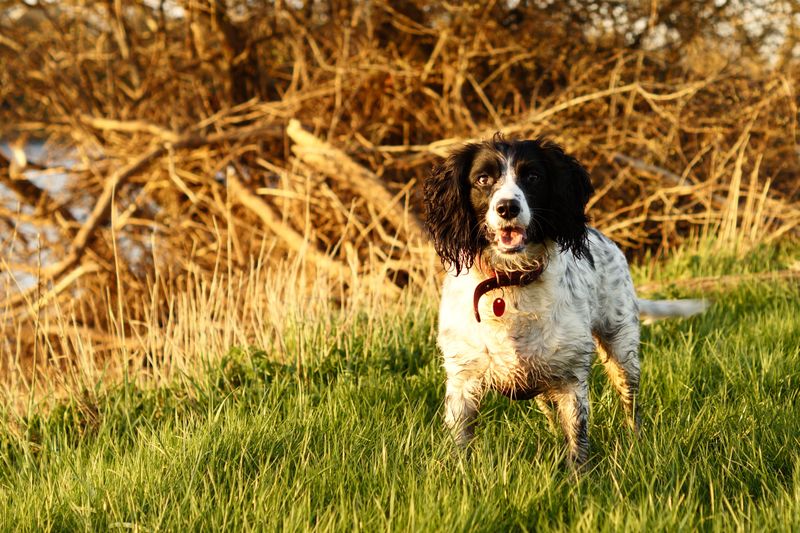
Springers sweep edges and brush like happy artists, painting with their noses. Expect playful weaving and quick checks into reeds or hedges.
Channel it with a cue like “edge,” allowing short bursts along borders. Then offer a treat for returning to path.
Bring a toy for quick resets. Practice recall in safe, fenced areas so field instincts stay responsive.
With balance, every wander becomes a shared game, not a tug-of-war.
Cocker Spaniel – Soft ears, sharp nose
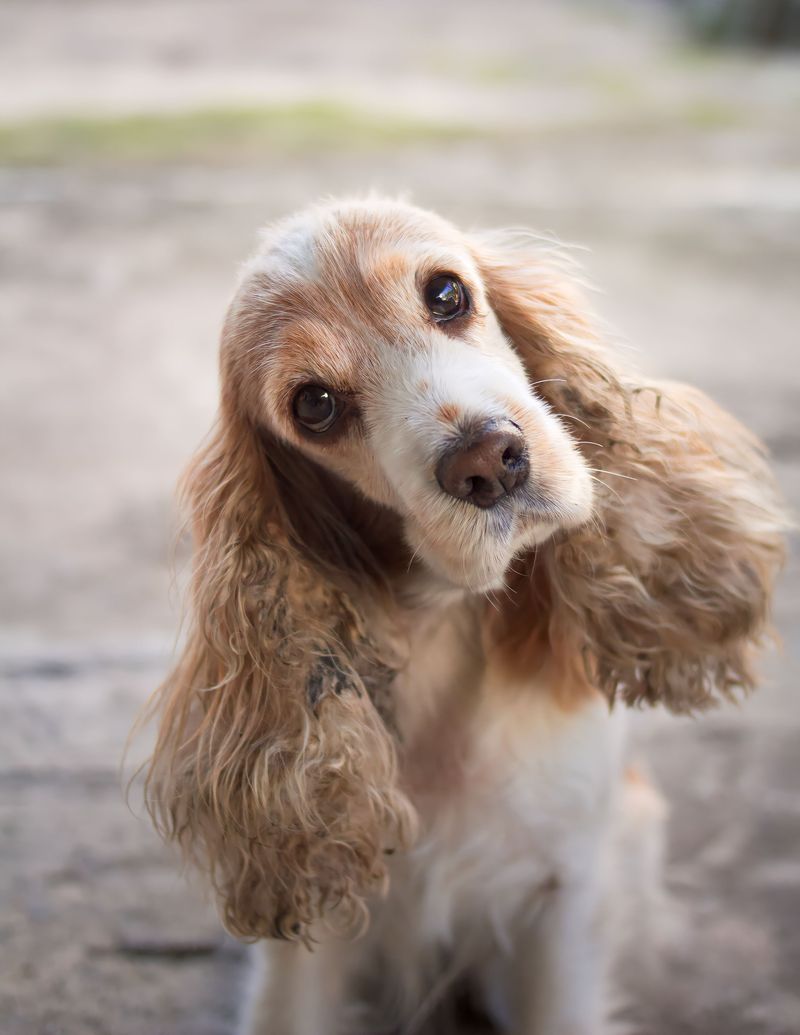
Sweet looks can hide a serious nose. Cockers love checking flower beds, mulch, and low shrubs for clues.
Rotate routes to offer new scents. Try a “sniff mat” warm-up at home so the nose is satisfied before the leash clicks.
On walks, use calm praise and tiny treats for returning attention. Avoid yanking away from interesting spots.
Instead, trade with a cue and reward. Cooperation keeps curiosity and manners in balance.
Labrador Retriever – Friendly reader of the breeze
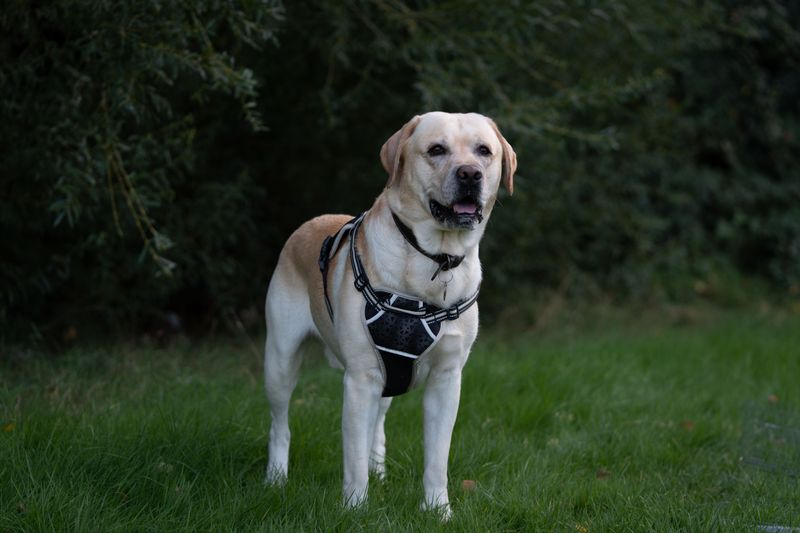
Labs mix people-watching with scent-sampling like pros. A faint whiff over the water can pull them sideways.
Set up “smell checkpoints” where you invite sniffing, then move on together. Structure builds trust and reduces random lunges.
Carry a tug toy or chewy for redirection near high-distraction zones. Practice loose-leash walking between checkpoints.
When your Lab gets a fair chance to read the air, polite walking becomes much easier to keep.
German Shepherd – Focused analyst, not a drifter
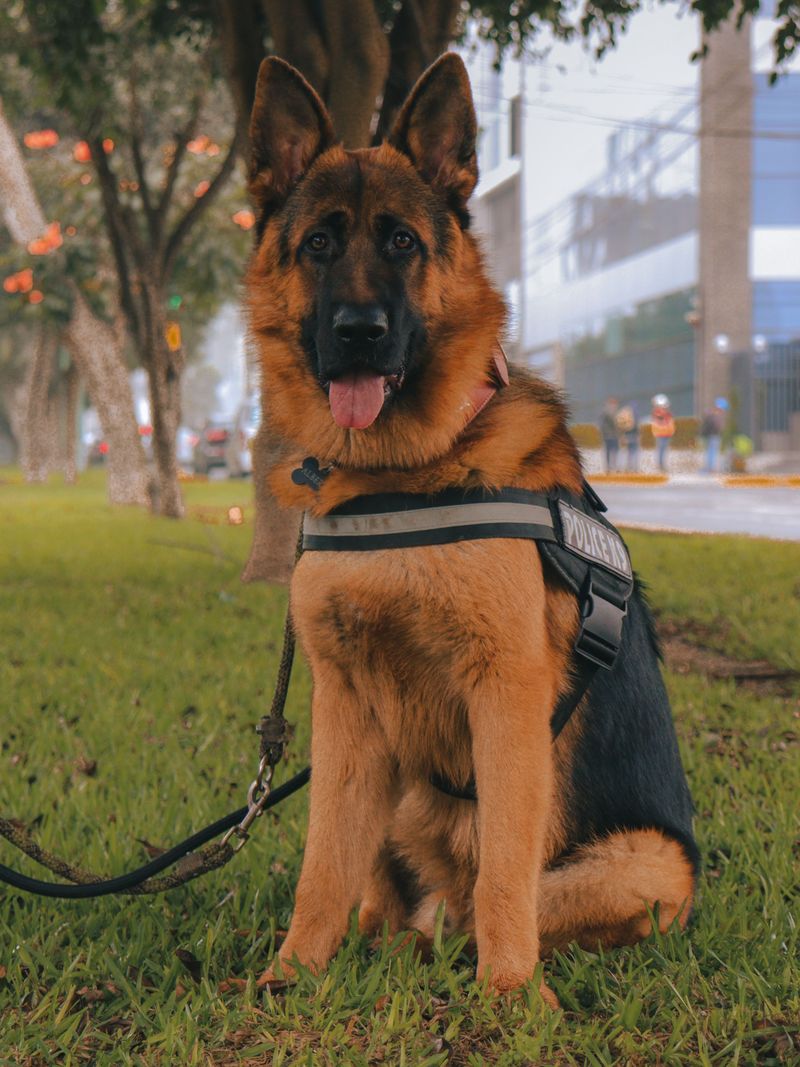
Brains and nose together make a powerful partner. German Shepherds can lock onto a trail, then look back to you for direction.
Use that teamwork. Add scent games where you hide a sock in the yard, then cue a search.
On walks, alternate five sniffing spots with five focused paces.
Clear expectations reduce frustration. Reinforce quiet attention with food or a ball.
Shared rules help channel that sharp mind kindly.
Weimaraner – Silver arrow, curious soul
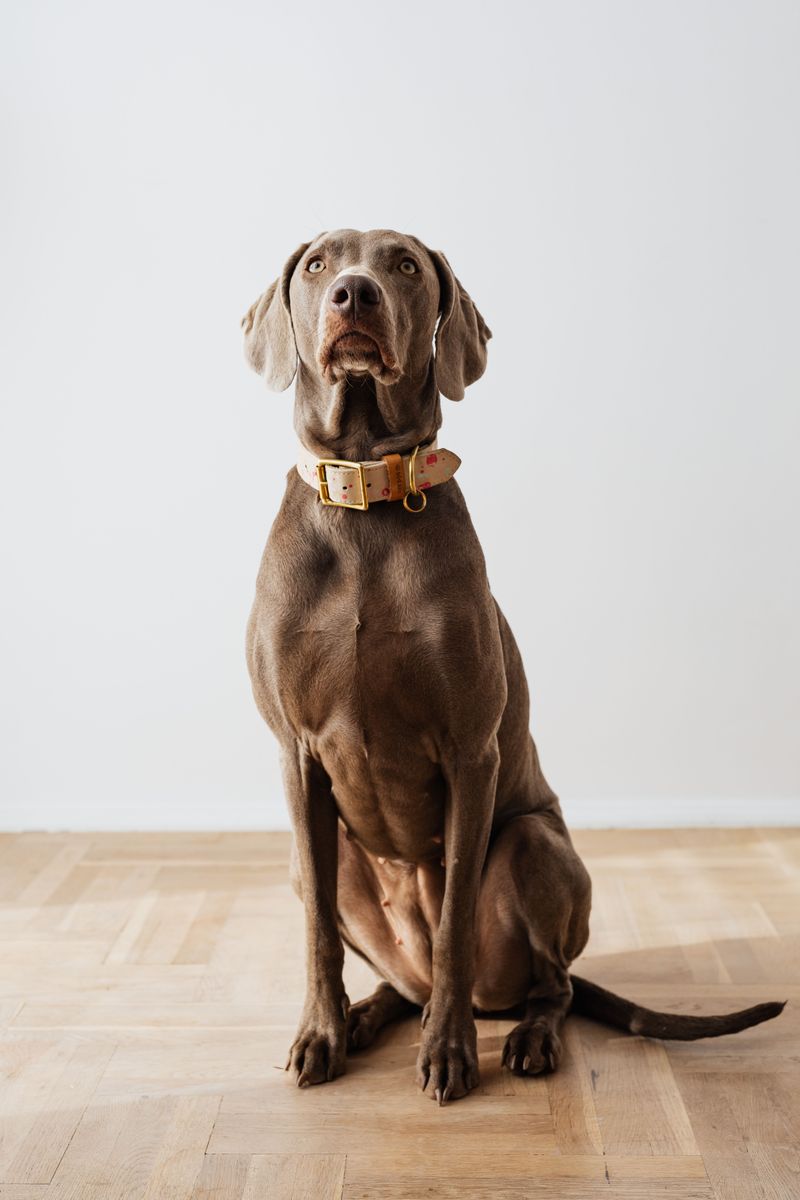
Speed meets scent with the Weimaraner. Quick strides, quick sniffs, then a sudden pause when something intriguing rides the wind.
Add intervals: jog for one minute, then slow for a planned sniff zone. Intervals tire the body while feeding the nose.
Practice a cheerful recall before releasing to explore. Use calm, steady cues and avoid jerky corrections.
When energy and scenting both get time, the silver arrow runs smooth, not wild.
Brittany – Feather-tailed plot finder
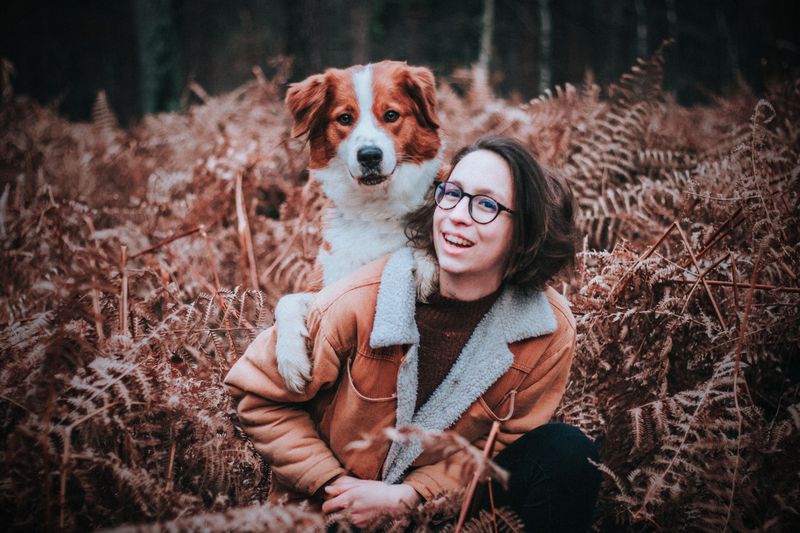
Light on the feet and bright in the eyes, a Brittany reads fields like poetry. Short, purposeful casts left and right help them gather the whole story.
Mark a boundary with a visual line, like a fence or path edge, then release to sniff within it.
Click and treat for quick check-ins. A light long line adds safety in open spaces.
With guidance, curiosity turns into a beautiful rhythm.