Dogs learn and grow in different ways. A plan that helps one pup may frustrate another.
When routines match a breed’s instincts, training feels easier and life gets smoother. Here are breeds that benefit a lot from planning their days just for them.
Border Collie
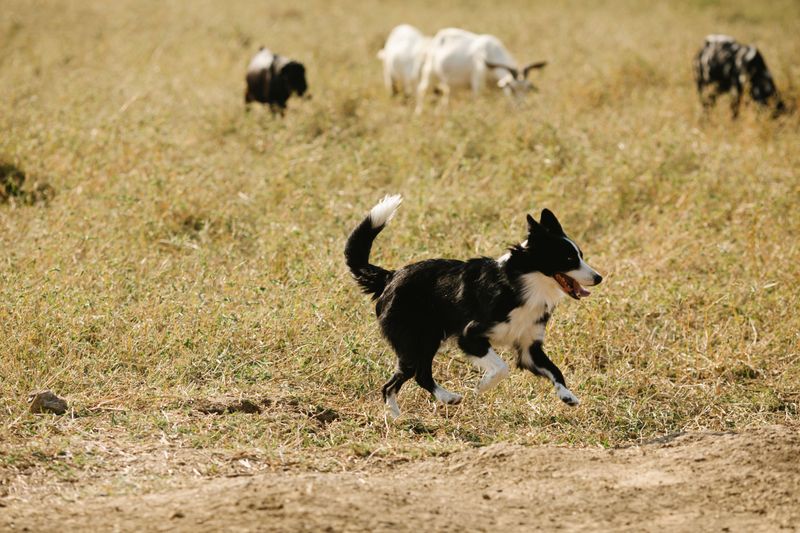
Lightning-fast minds crave puzzles and purpose. A Border Collie is happiest when work and play blend, not when repeating the same walk.
Try short training bursts, trick chains, and directional fetch to keep thinking sharp. Mix trail runs, balance work on low platforms, and calm decompression after excitement.
Two structured sessions and one easy sniffy stroll can smooth energy peaks.
Rotate toys weekly and end sessions before focus fades. Quiet chew time helps reset well.
Australian Shepherd
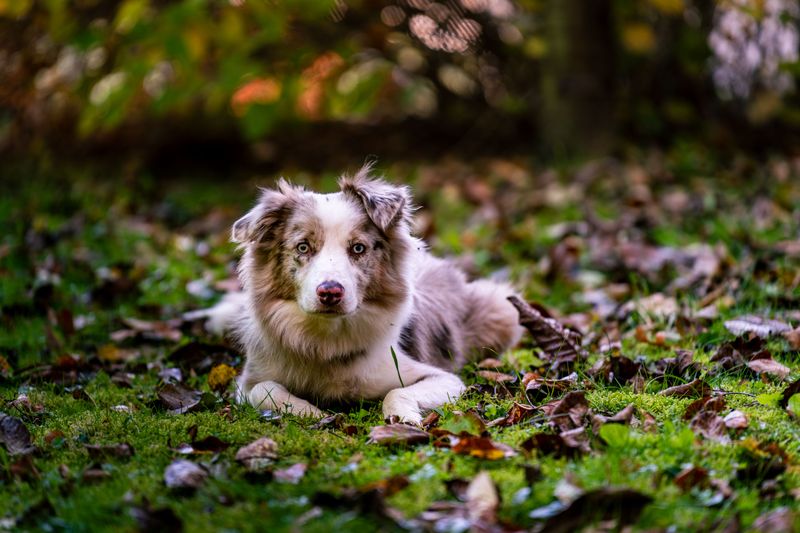
Born to organize chaos, the Aussie loves a job. Routine gets better when tasks change across the week, not when every day looks cloned.
Create color-coded days for agility, nosework, and hiking. Sprinkle in impulse-control games like sit-to-greet and boundary stays before doors.
Keep sessions brisk, then cue a chill mat for off-switch practice.
Did you know many Aussies invent chores, like gathering toys? Give that urge direction with tidy-up tricks and controlled fetch daily.
German Shepherd
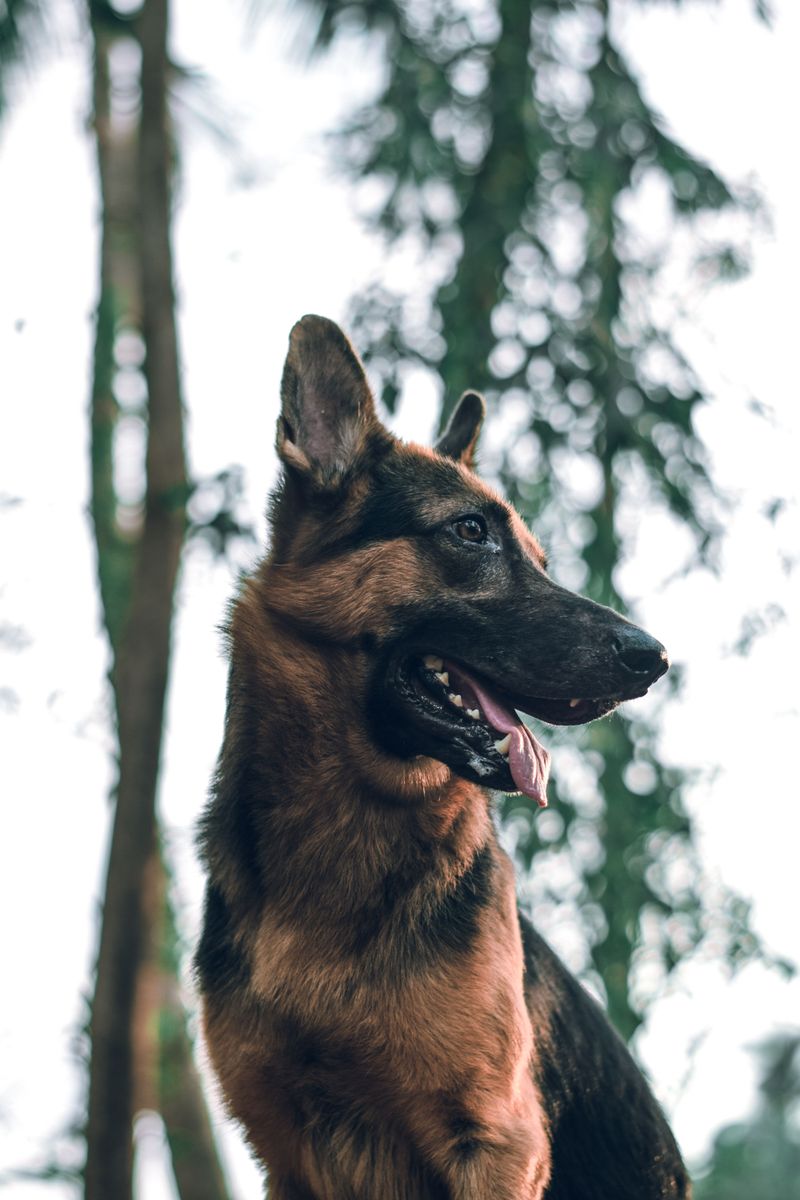
Guardian brains need clear plans. A German Shepherd thrives on purposeful routines that teach calm first, action second.
Start with scent searches or tracking lines to satisfy focus. Alternate obedience, controlled tug, and obstacle work on different days.
End with loose-leash decompression walks to lower arousal.
New people and places should pair with predictable cues and rewards. Confidence grows when the dog knows the next step.
Practice settles quicker with calm, steady handler breathing patterns.
Jack Russell Terrier
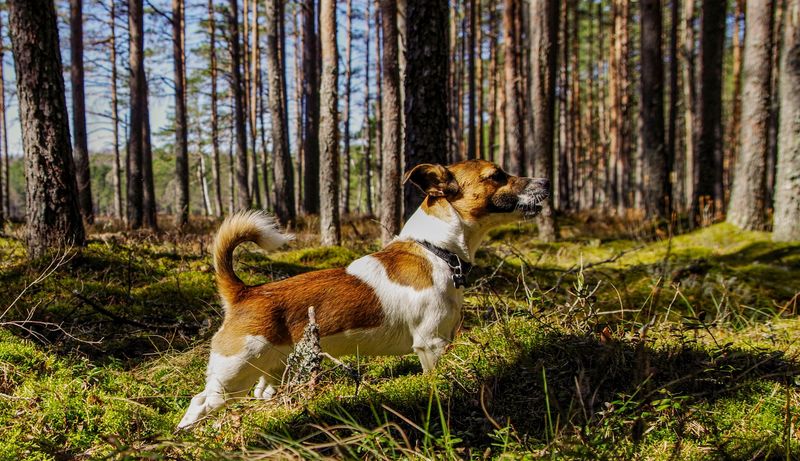
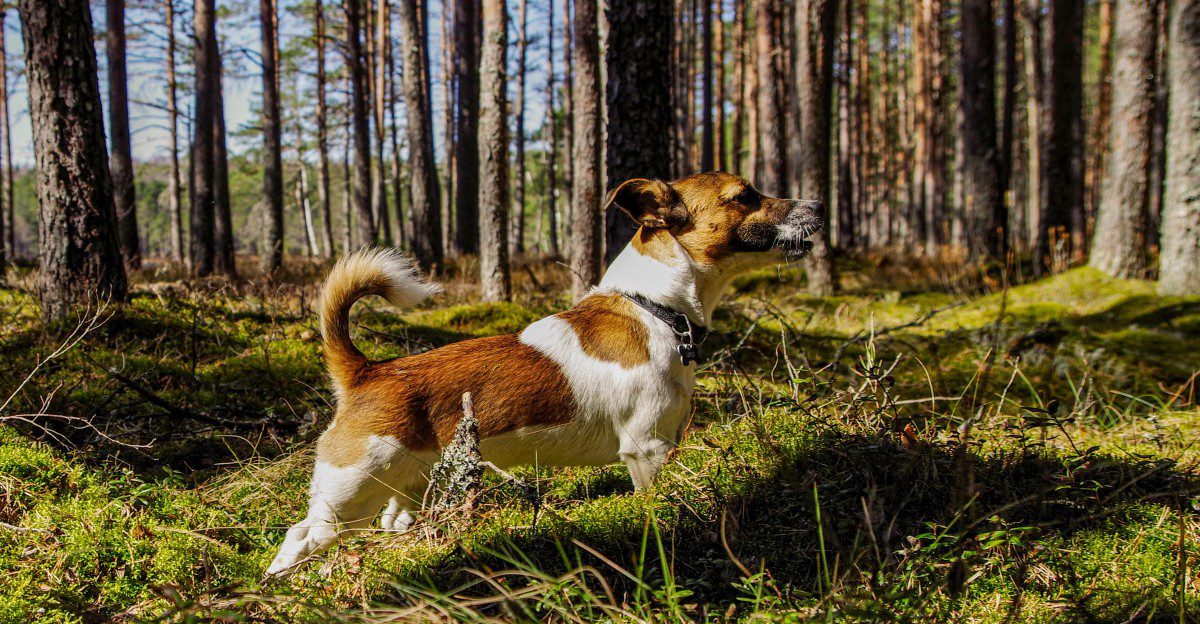
Small body, rocket engine energy. Jack Russells shine when routine channels curiosity and chase into safe games.
Plan daily dig zones with buried toys, plus flirt-pole sessions with rules. Add puzzle feeders and mini parkour using benches and curbs.
Keep reps short so intensity stays fun.
Noise breaks and sniffy walks help prevent over-threshold moments. A quiet crate with a stuffed chew gives batteries time to recharge.
Teach settle on mat between lively activities daily.
Siberian Husky
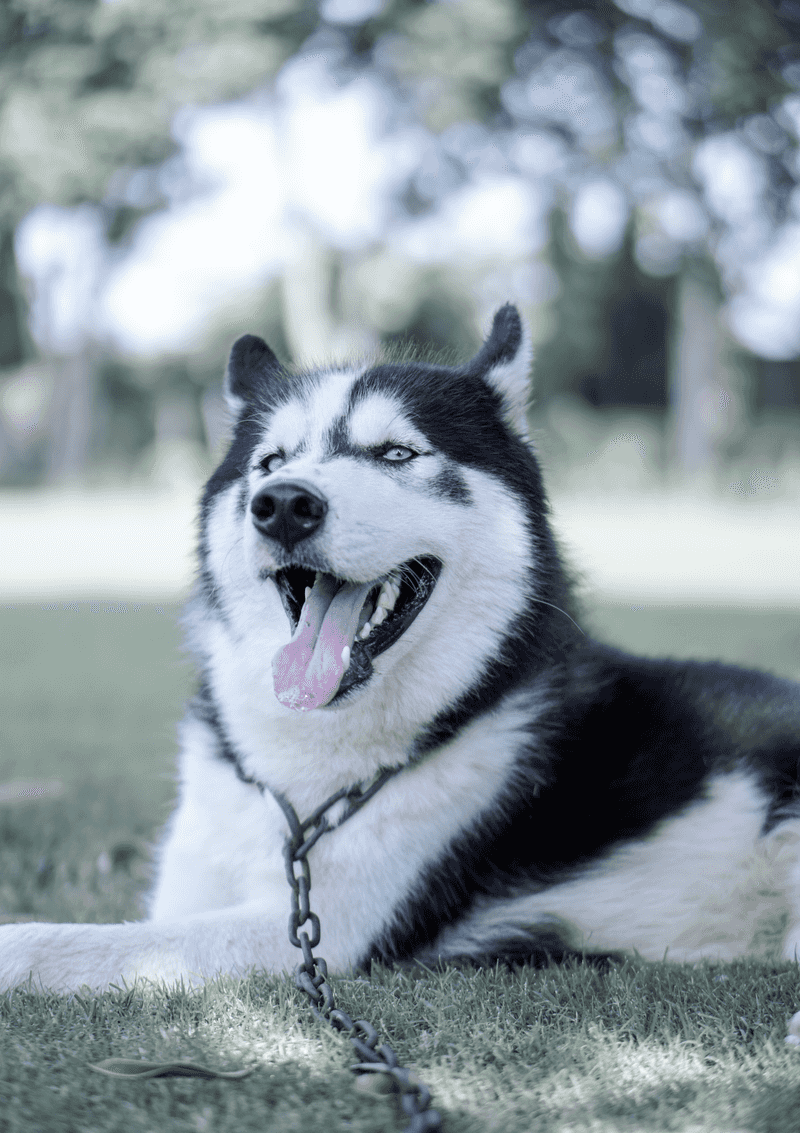
Born to pull, they celebrate motion. A Husky routine needs variety, cold-friendly options, and strong recall habits.
Consider canicross, bikejoring with safety gear, or drag-weight training under guidance. On warm days, swap to dawn hikes, water play, and shaded sniff trails.
Teach a reliable check-in cue using high-value rewards.
Howl time is normal communication, so add quiet games at night. Cooling mats and ice broths help recovery after exercise.
Rotate routes to keep their curiosity.
Beagle
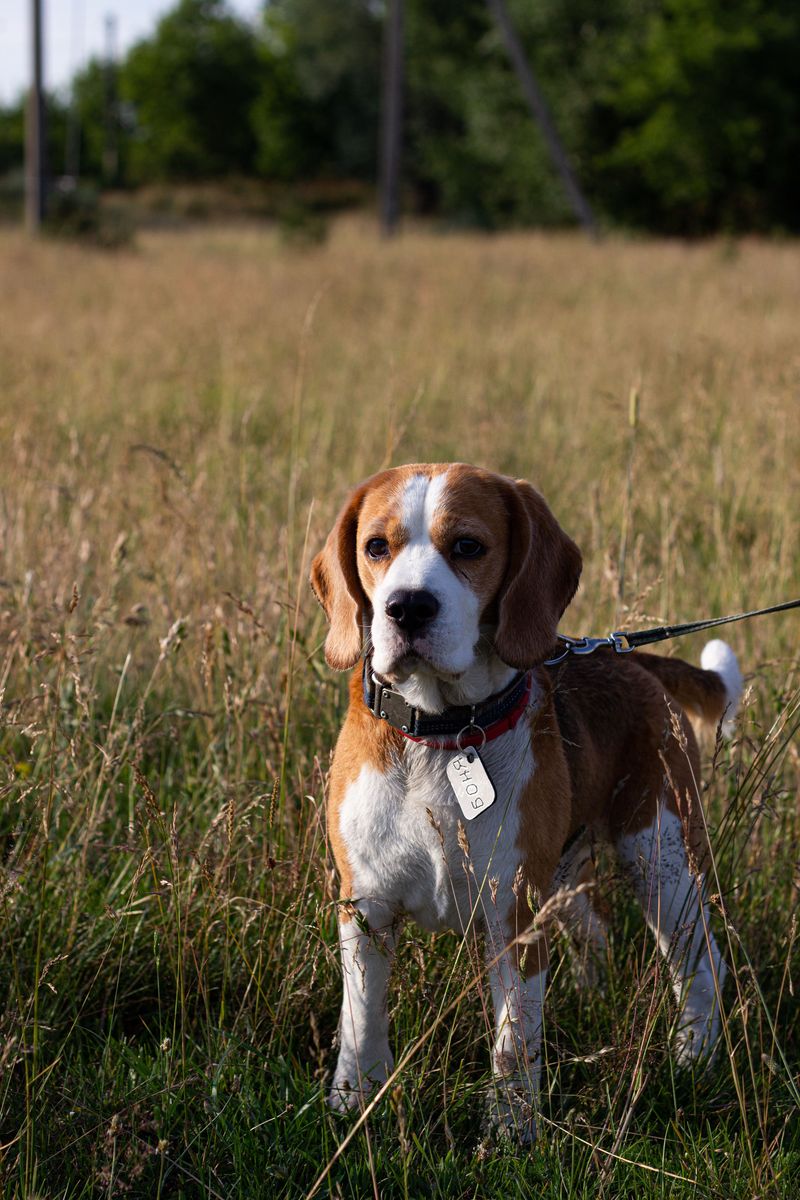
Noses lead the way here. Beagles need routines that honor scenting while shaping good manners in busy places.
Create daily sniff missions using scent jars, hidden treats, and tracking lines. Practice calm waiting before doors and cars, then reward with a hunt.
Add recall games like ping-pong calls between family members.
If baying gets loud, schedule voice time on cue, then close with quiet chews. Long lines keep noses busy but safe.
Helpful on daily outings.
Dachshund
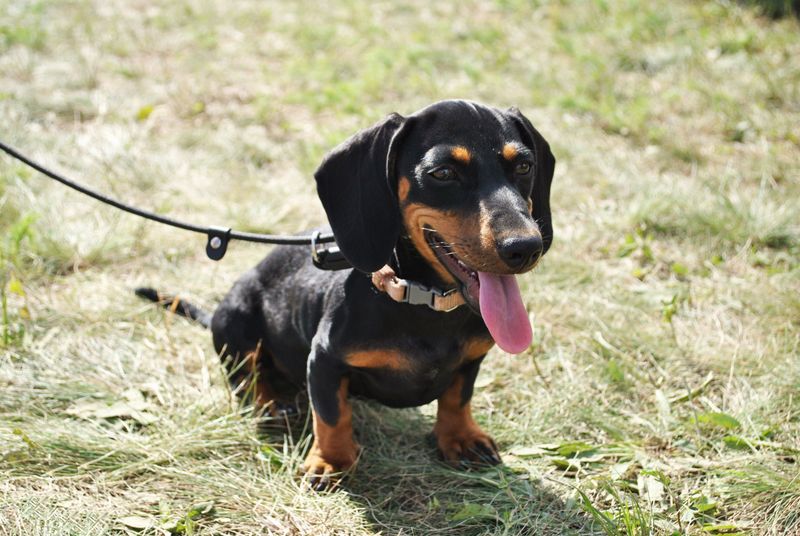
Big spirit in a low body. Back-friendly routines matter most for these bold explorers.
Choose sniffy walks on soft ground, short hill climbs, and careful stairs with support. Core-strength games like cookie stretches, wobble cushions, and slow stands protect spines.
Keep jumping and high couches limited.
Burrow time under blankets is more than cute, it soothes. Rotate small tracking games to satisfy hunting roots without rough play.
Lift with support when entering cars at home.
Australian Cattle Dog
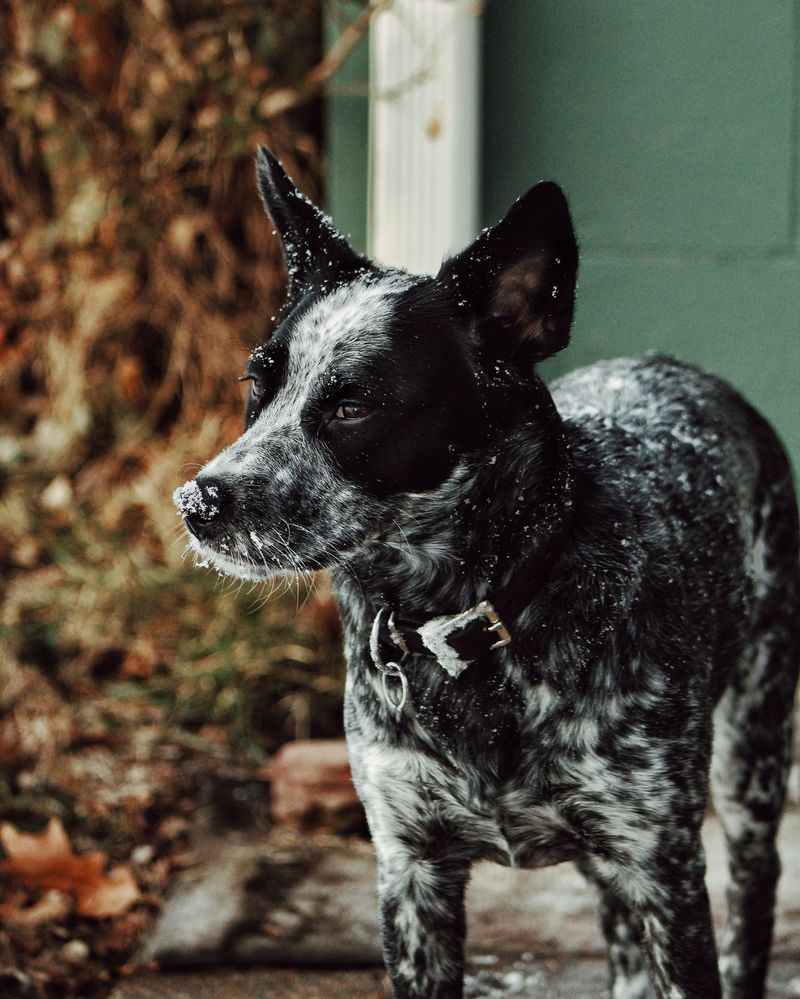
Relentless grit meets sharp problem-solving. Cattle Dogs excel when routines balance tough jobs with thoughtful rest.
Plan farm chores or urban substitutes, like controlled bike trots and object carries. Add precision drills, perch work for hind-end awareness, and moving downs.
Keep a predictable cool-down to prevent edgy behavior.
Many are noise-sensitive, so rehearse neutral reactions to clatter using treats. A stuffed Kong in a crate teaches the off switch.
Schedule rest days after heavy work.
Weimaraner
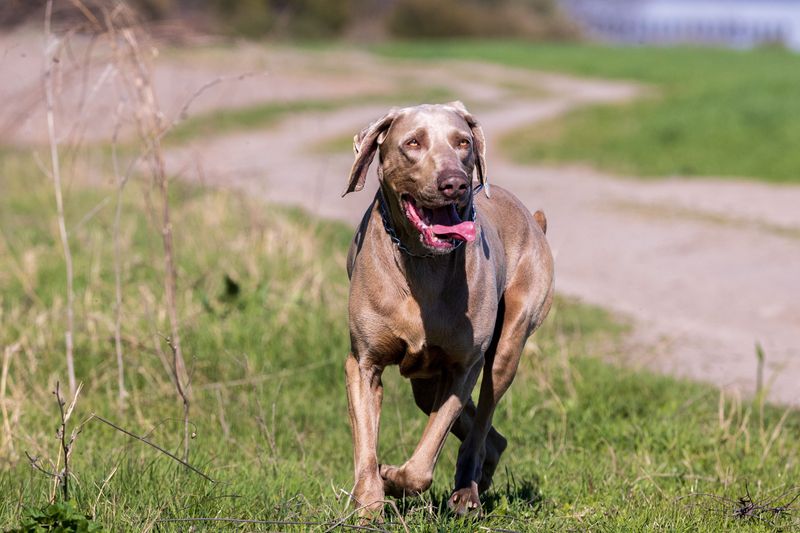
Velcro hearts with turbo legs. Weimaraners do best with routine that pairs closeness with outlets for speed.
Think long line sprints, field retrieves, and swimming on alternating days. Teach independent settle on a mat while you cook or read.
Smart sniff work after exercise helps their brain exhale.
History note, they started as versatile hunting companions. Without plans, many invent mischief, so schedule structure in the morning and evening.
Calm cuddles finish the day beautifully.
Standard Poodle
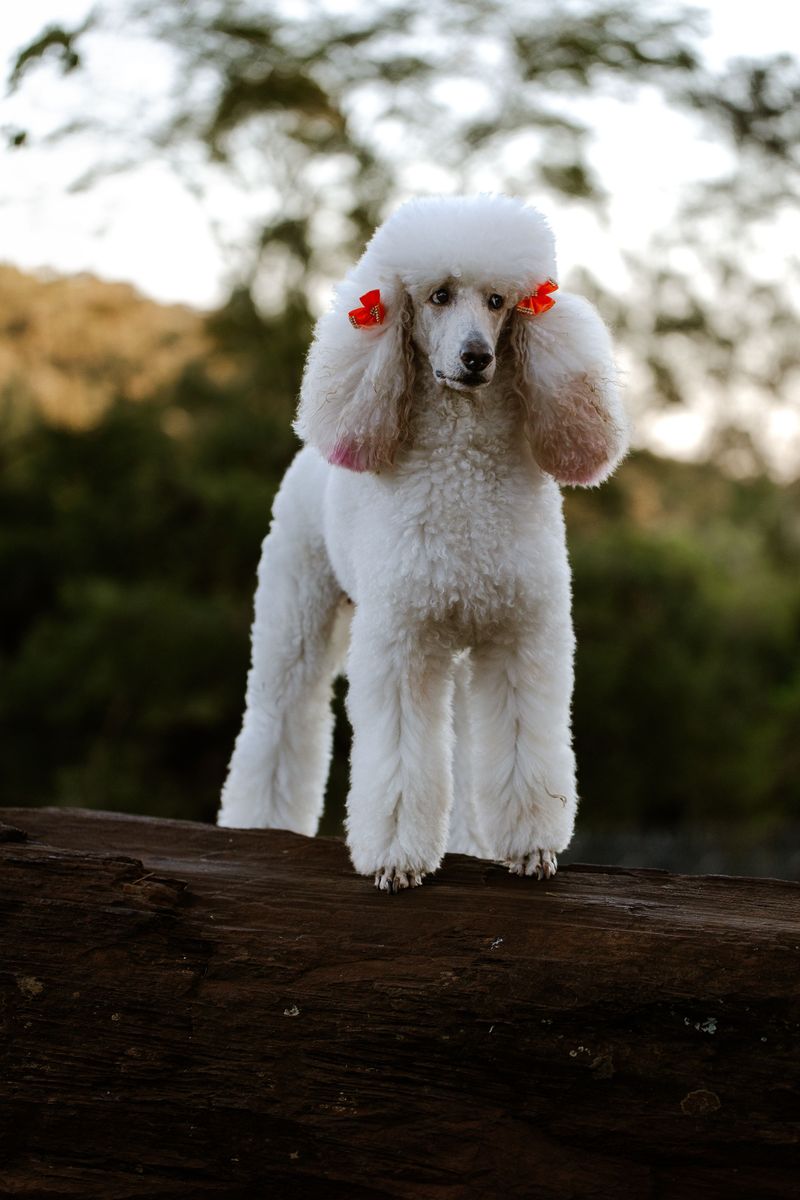
Elegant outside, clownish inside, and very bright. Standard Poodles flourish when routine blends novelty with calm confidence.
Rotate rally obedience, dock diving, and retrieve games to keep minds sparkling. Include gentle body-handling practice for grooming days.
Finish sessions with set place time to teach relaxation on cue.
Trick training is their comedy hour, so celebrate goofy tries. A weekly brainy challenge, like learning object names, satisfies curiosity.
Social walks keep manners soft and friendly outdoors.
Boxer
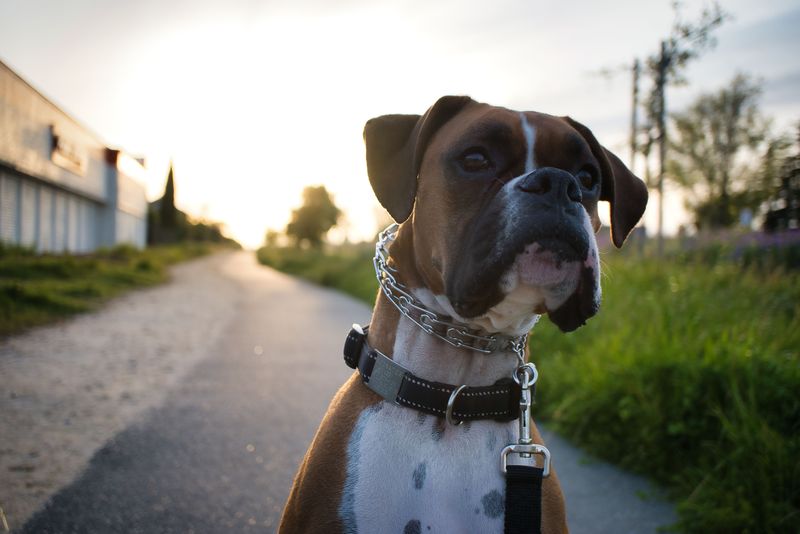
Wiggles first, thinking second, and hearts of gold. Boxers thrive with upbeat structure that burns fuel then teaches calm.
Start with play-to-train, using tug, hand targets, and fast sits. Alternate cardio days, like jogging or flirt pole, with strength days using hills and stairs.
Short obedience bursts fit best between play.
Many are sensitive to heat, so schedule morning workouts. After exercise, practice down-stays on a mat while life moves around.
Gentle massage aids recovery.
German Shorthaired Pointer
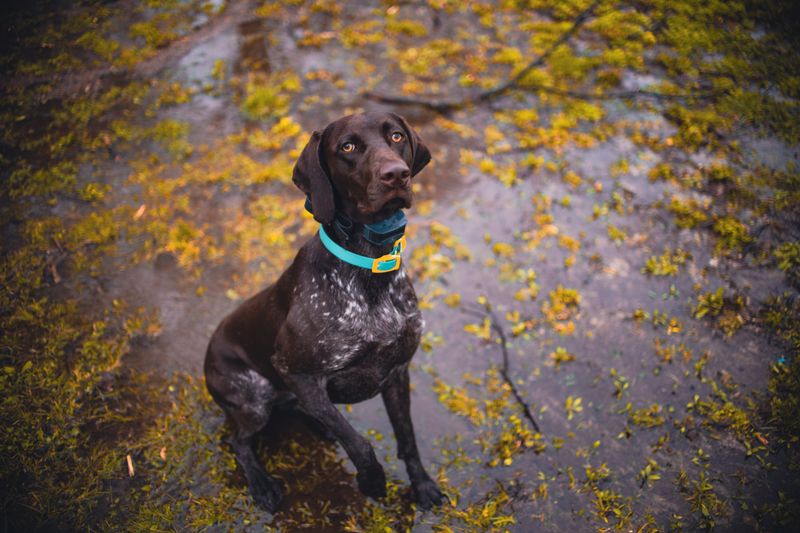
Bird-dog passion runs deep and joyful. GSPs need personalized routines that satisfy sprinting legs and busy noses.
Plan field searches, bumper retrieves, and swimming across the week. Use check cords to build recalls around wildlife scent.
Pair every high-arousal activity with calm place work and structured crate naps.
Fun fact, many can track a ball through tall grass with ease. Mental drills like discrimination games keep them thoughtful, not frantic.
Evenings should focus on settling.