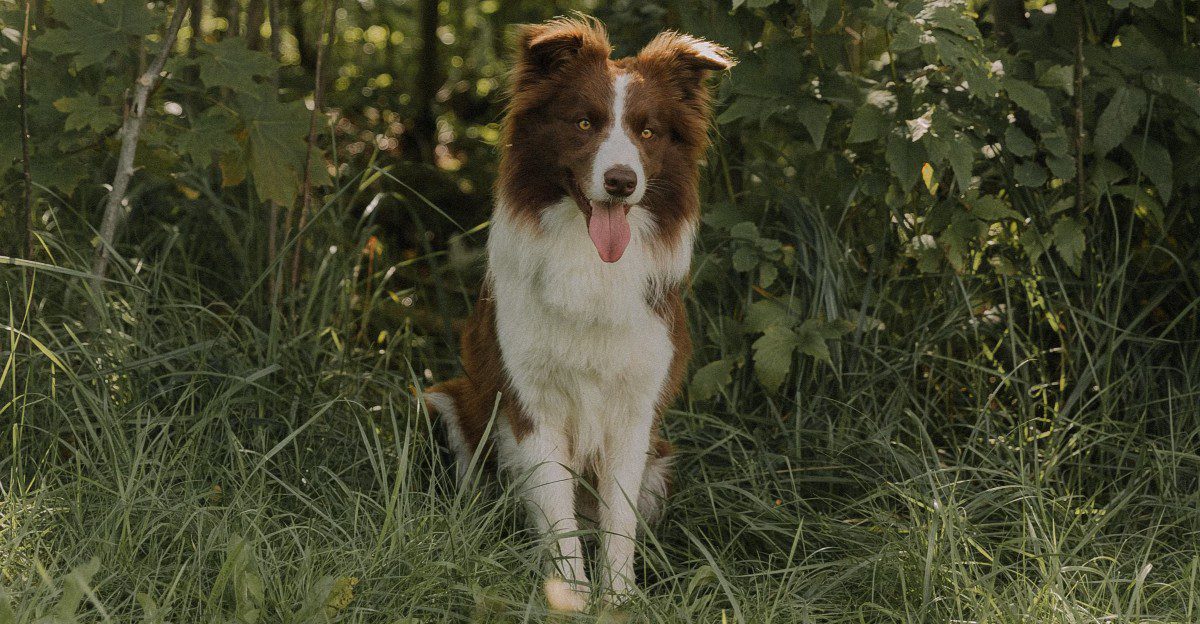
Food and exercise help most dogs, but some breeds need much more. Their smart minds and big energy can lead to trouble if they get bored.
With the right jobs, training, and routines, these dogs shine at home and outdoors. Learn what each breed needs beyond dinner and distance.
Border Collie – puzzle-loving genius
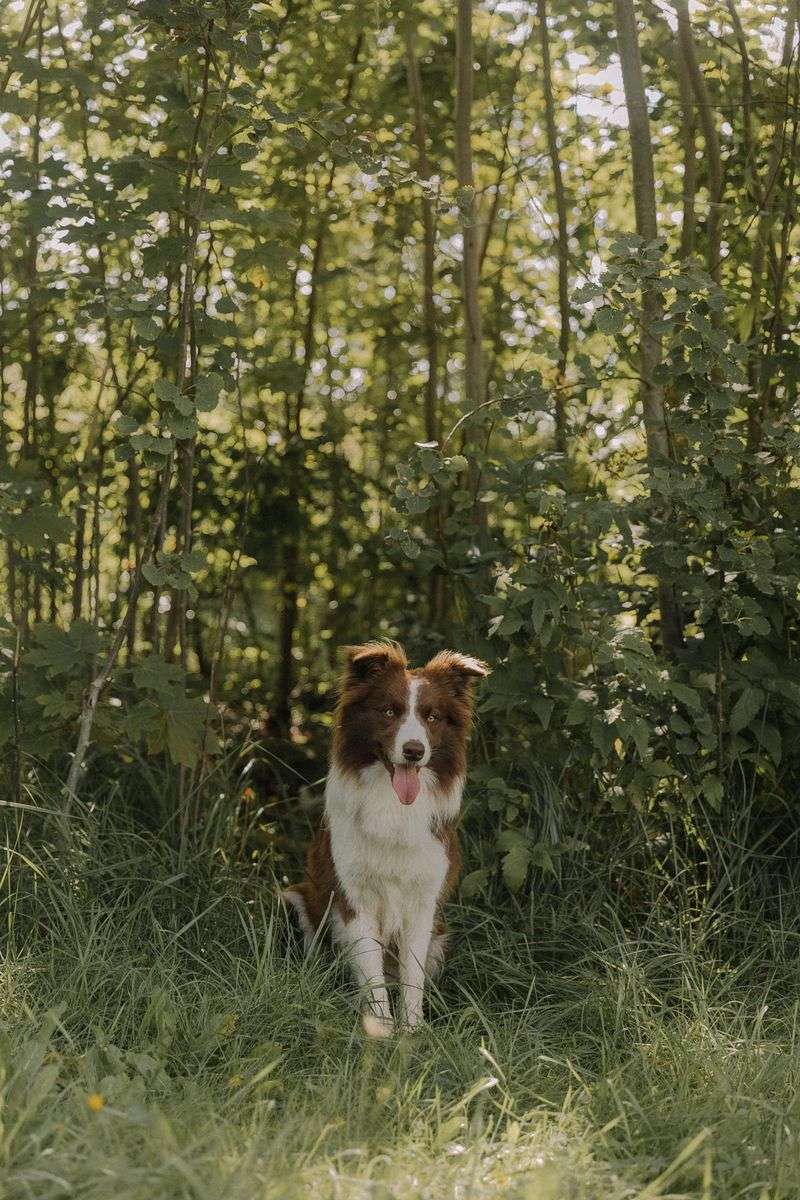
Ever watched a Border Collie solve a problem like a puzzle? That sharp mind craves more than miles.
Plan daily brain games, such as scent searches, trick training, or shaping new behaviors with a clicker. Short, focused sessions prevent boredom.
Farm-bred heritage means strong herding instincts, so give fair outlets with controlled fetch or herding balls. Rotating jobs helps too: carry a small backpack, learn names of toys, and practice calm settles.
Clear cues and structure build confidence and curb nipping.
Belgian Malinois – purpose over miles
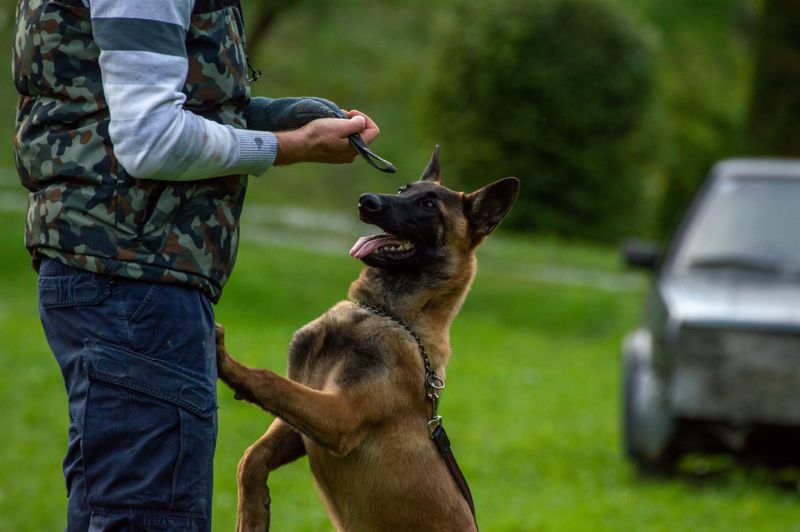
Like a sprinter waiting for the gun, the Malinois vibrates with purpose. Food and walks help, yet a job seals the deal.
Try bite-sport foundations with a qualified club, or switch to controlled tug, obedience patterns, and scent work for balance.
Safety matters most. Teach reliable out cues, strong recalls, and quiet place training to prevent reactivity.
Mental drills before big exercise reduce arousal spikes. Add body conditioning, like perch work and core stands, to protect joints while channeling that unstoppable drive.
Australian Shepherd – sensitive strategist
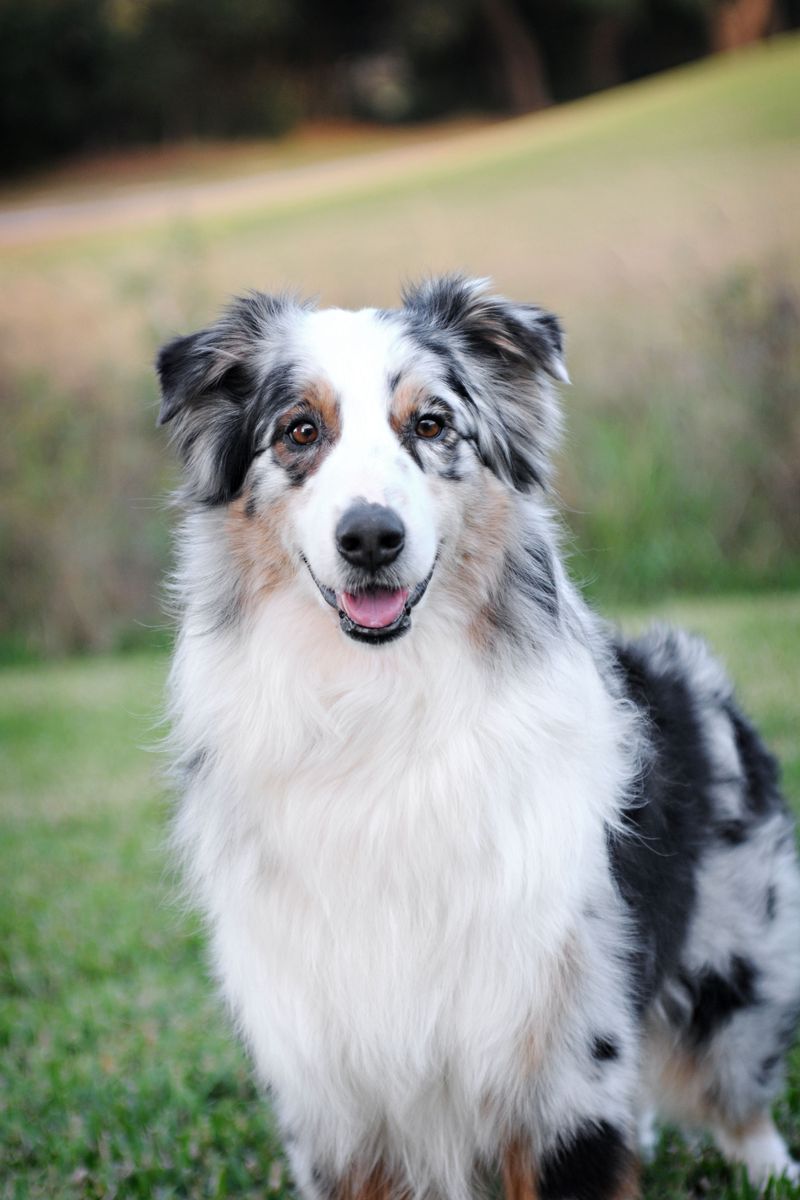
Aussies read your face like subtitles. That sensitivity needs guidance, not just distance on a trail.
Build impulse control with start-stop games, patterned heeling, and mat work. Sprinkle in trick chains that reward thinking under excitement, such as spin, sit pretty, and bow.
Noise or motion can flip their switch. Socialize kindly, pair new sights with treats, and practice settle in busy places.
Herding balls, agility foundations, and varied hikes keep bodies fit. Rotate rest days so an over-eager heart learns recovery without feeling lost.
German Shepherd – structure builds confidence
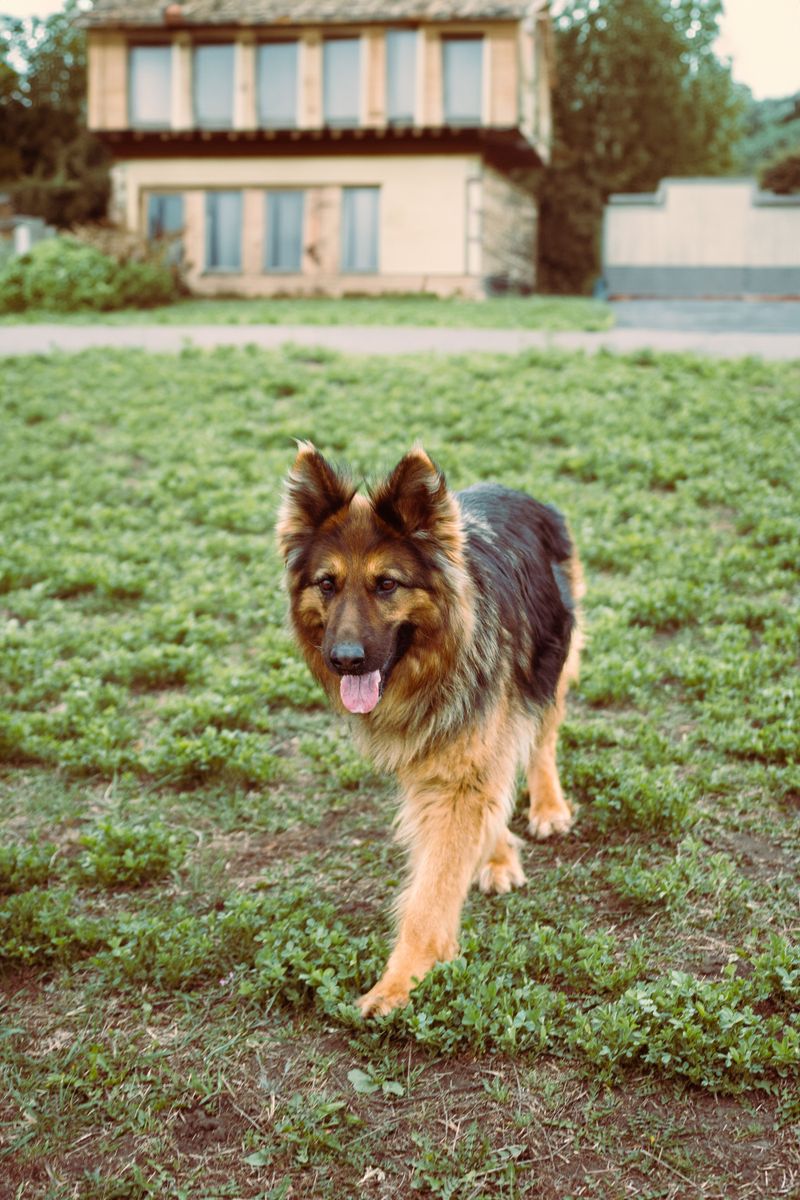
Big brain, bigger heart, the German Shepherd loves purpose. Meals and miles start the engine, but training steers it.
Teach clear marker words, then practice tracking, urban searches, or formal obedience patterns. Predictable routines reduce anxiety and help young dogs focus through growth.
Hips and elbows benefit from thoughtful conditioning. Warm up with figure eights, side steps, and hill work.
After activity, cool down and stretch. Confidence grows when handlers set boundaries kindly, reward curiosity, and give a safe spot to rest near the bustle.
Australian Cattle Dog – gritty worker
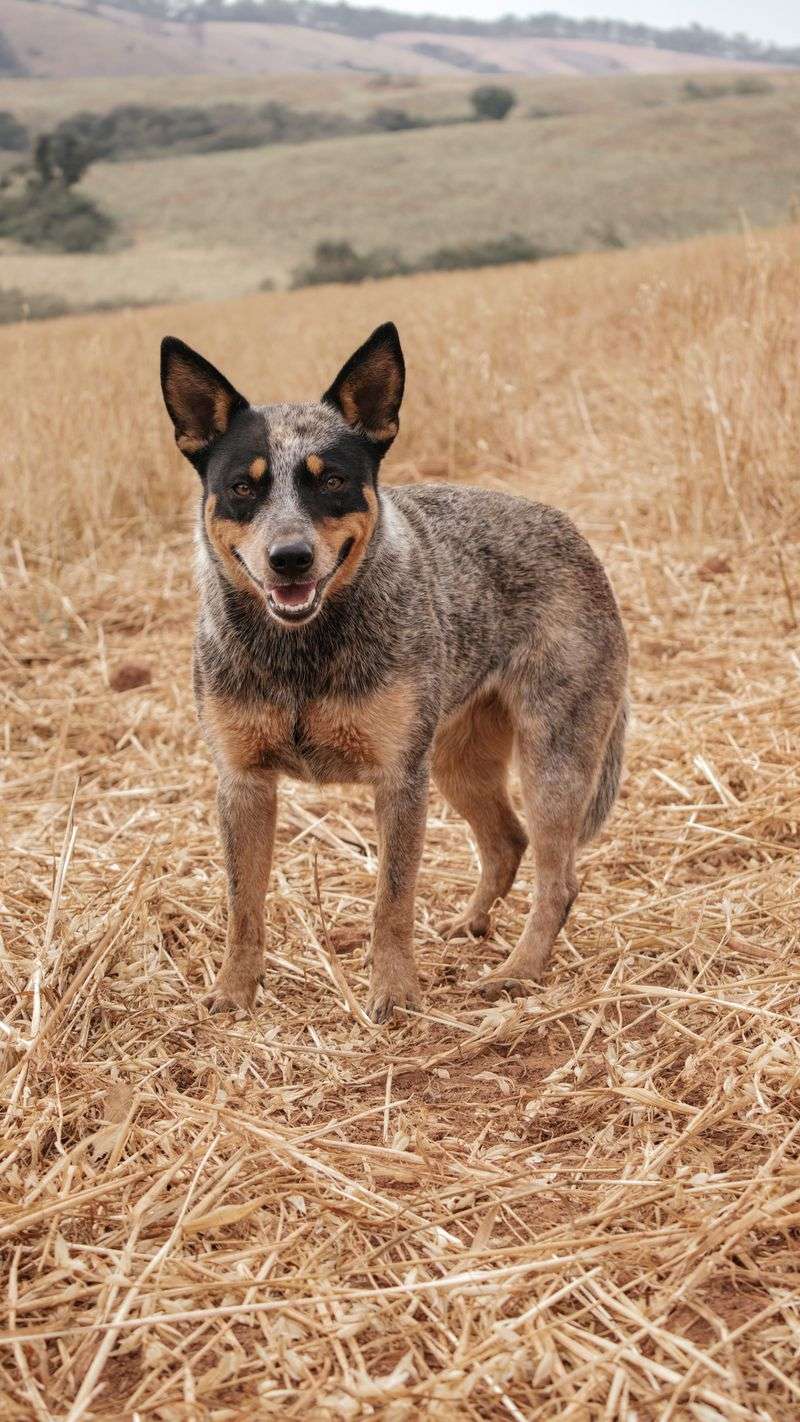
Tough as old boots and twice as stubborn, the Cattle Dog thrives on responsibility. Food fills the tank, walks clear the head, yet routine chores deliver magic.
Teach go-to-place at gates, controlled heel past livestock statues, and nosework boxes that mimic paddock searches.
Short tempers flare without outlets. Offer tug with rules, puzzle feeders, and long downs while you garden.
Reward calm around wheels, skateboards, and kids. Weekly rest prevents overwork, and a chew schedule protects furniture when that iron will meets a rainy afternoon.
Standard Poodle – athlete in a tux
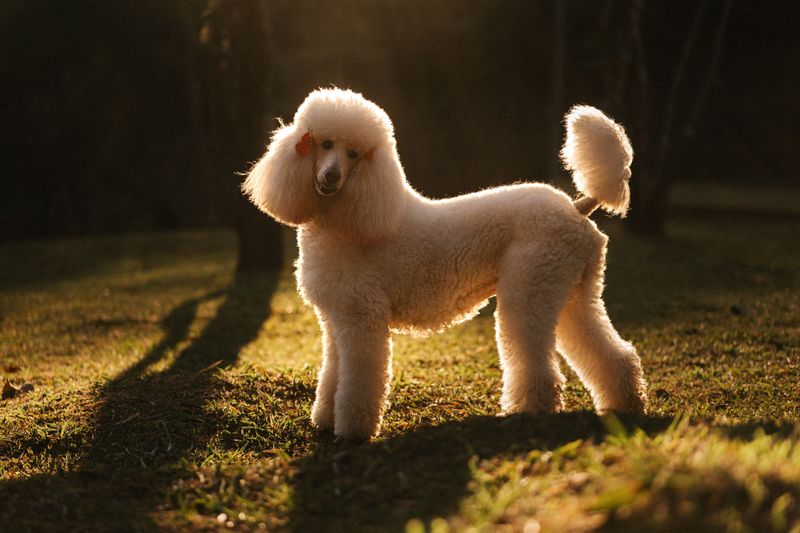
Under the fancy curls lives an athlete with wit. Standard Poodles shine when learning new jobs.
Try rally patterns, dock diving basics, or retrieve games in water. Use textures and surfaces to build confidence, such as wobble boards, gravel paths, and streams.
Social butterflies by nature, they still need manners. Practice polite greetings, settle by your chair, and calm grooming routines.
Teeth and ears require regular care, so pair handling with treats. A schedule lowers stress and lets that clever brain enjoy play without worry.
Doberman Pinscher – focused and feeling
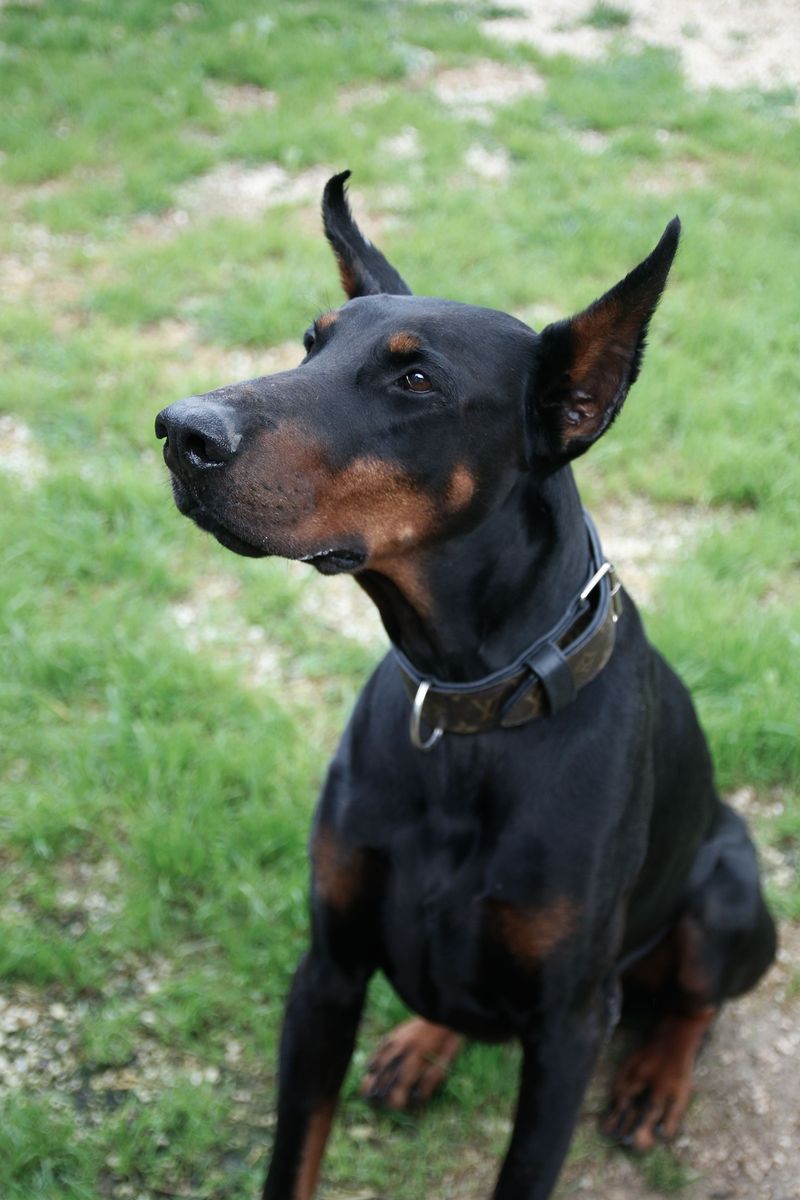
Sleek lines, big feelings, the Doberman bonds hard. Beyond meals and mileage, they seek leadership.
Teach boundary games at doors, neutral passing of strangers, and confident stands for exams. Reward check-ins on walks, favor loose leashes, so focus stays with you when excitement appears.
A history as a protector explains their watchdog edge. Channel that with nosework targets and place time near a window.
Gentle exposure to guests while you guide behavior reduces worry. Training with controlled sits, downs, and step-ups supports joints and posture.
Jack Russell Terrier – pocket rocket
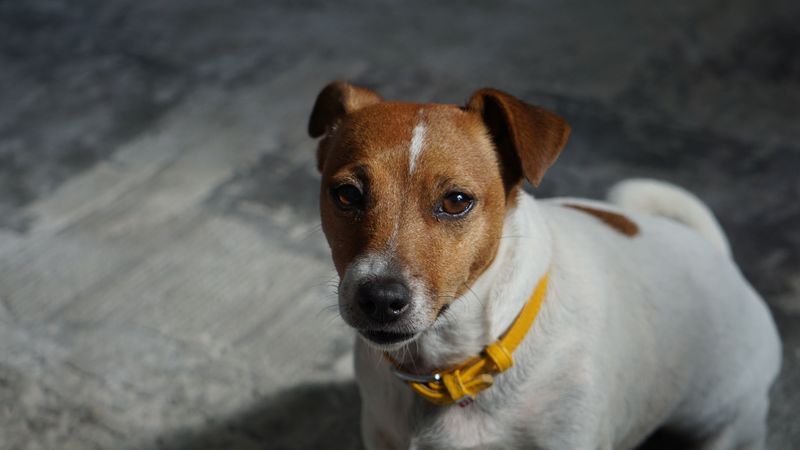
Small body, rocket engine. Jack Russells hunt with their heads first, then feet.
Satisfy that drive using dig boxes, scatter feeding in grass, and rapid-fire fetch with rules. Trick ladders, like sit, paw, back up, add direction so energy becomes cooperation instead of chaos.
Noise and motion can wind them up fast. Practice crate games, hand-targeting before greetings, and leash walking with sniff breaks.
Safety first around rodents and holes. A flirt pole session, followed by chewing and nap time, takes the edge off kindly.
Giant Schnauzer – muscle with manners
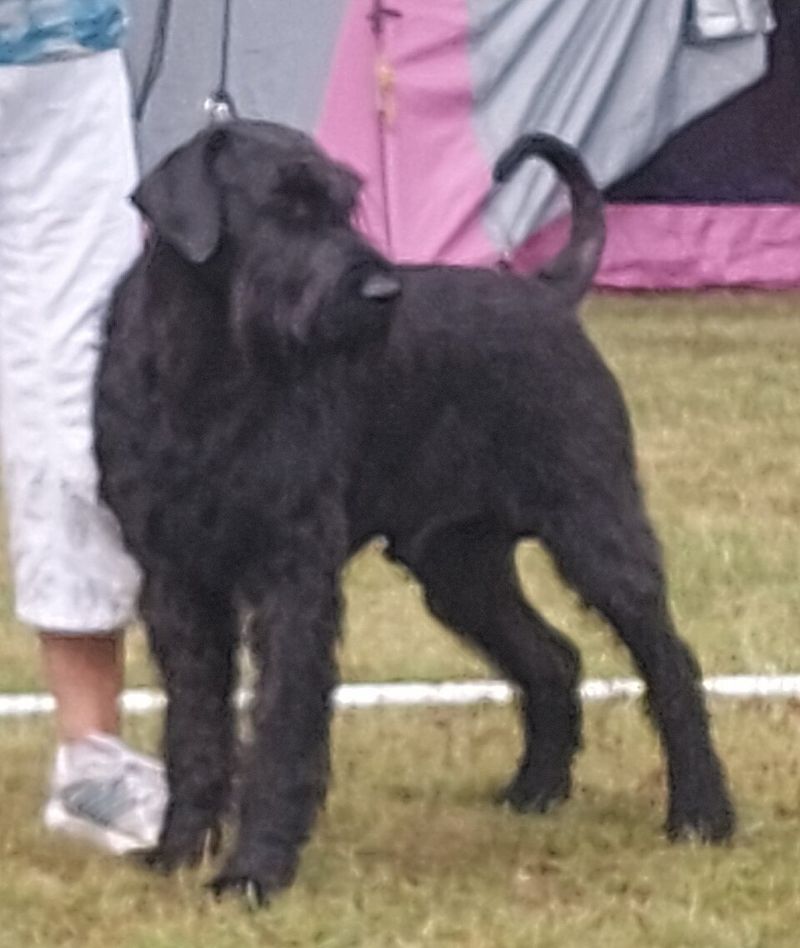
Imagine a bouncer who loves homework. The Giant Schnauzer mixes muscle with brains, so chores matter.
Teach go-around posts, carry a soft dumbbell, and park politely while you chat. Clear rules for greetings prevent pushiness and keep that spirited personality friendly in tight spaces.
Work capacity is huge. Balance heavy days with skill puzzles, place training, and loose-leash walks.
Grooming time doubles as bonding, so practice chin rests and stillness. Core work, like cookie stretches and cavaletti, builds control that protects joints during those sprints.
Shetland Sheepdog – bright and tender
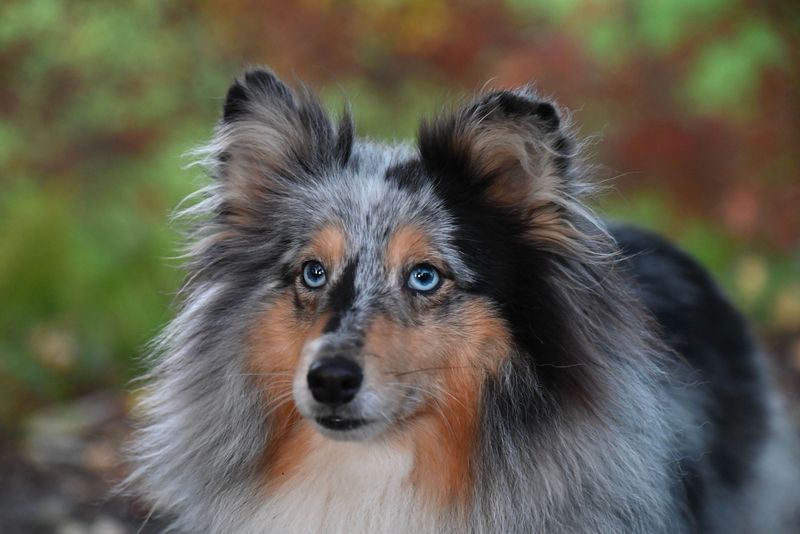
Like a tiny professor, the Sheltie studies everything. Sensitive souls appreciate kind structure.
Use reinforcement for brave choices, pattern games around distractions, and nosework to build grit. Add trick routines that showcase agility and grace, turning worry into pride one success at a time.
Yappy moments mean stress. Teach middle position between legs, settle on a mat, and recalls.
Short herding-style games with a ball satisfy instincts without chaos. Keep coats tangle-free with brushing, and pair grooming sessions with treats to make touch feel safe.
German Shorthaired Pointer – scent first, speed second
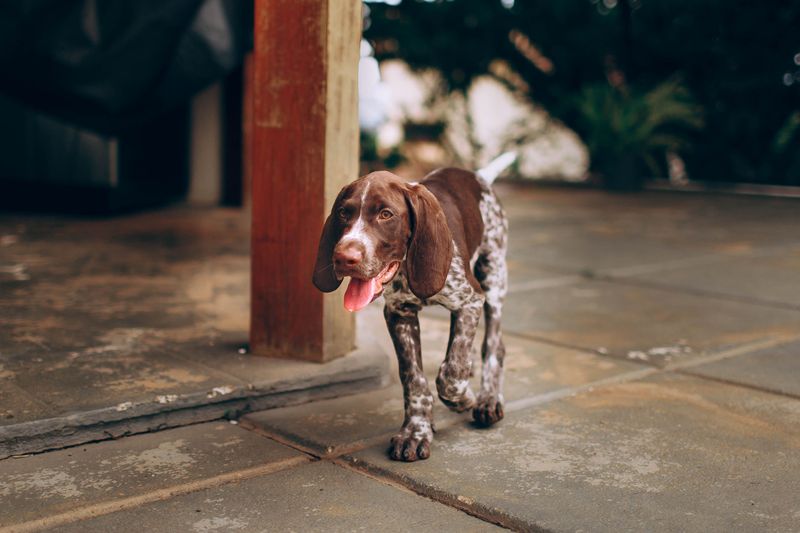
Bird dog by name and nature, the GSP wakes ready. Beyond food and long trots, they need scent-centered tasks.
Hide wings or scented cotton balls in fields, then practice steady sits before releases. Add retrieving to hand and place training to settle that athletic body.
Heat and joints deserve respect. Schedule water breaks, rests, and walks.
Teach cues indoors, like mat time after play. Variety keeps minds fresh, so mix trails, field drills, and walks that include cafe settles while birds flutter out of reach.
Siberian Husky – team player at heart
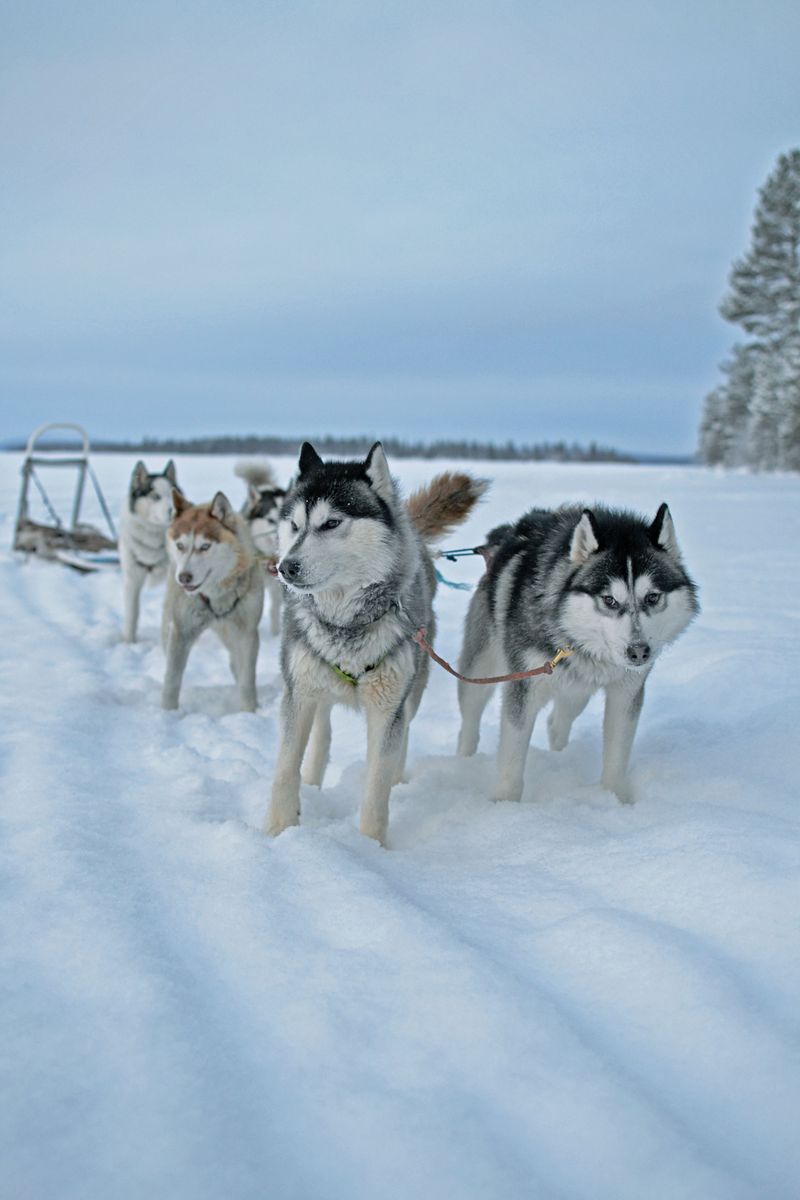
Born to pull, the Husky sings when the wind hints at winter. Food and distance help, yet outlets need structure.
Try canicross, bikejoring, or skijoring with safe equipment and lessons. Teach solid cues for stop, go, and easy so teamwork, not speed, becomes the daily win.
Great escape artists, they study fences. Build high, yards, add dig guards, and latches.
Mental work matters too, like scent games and place training while kids zoom around. Weather exercise, hydration, and coat care keep them comfortable when adventure.