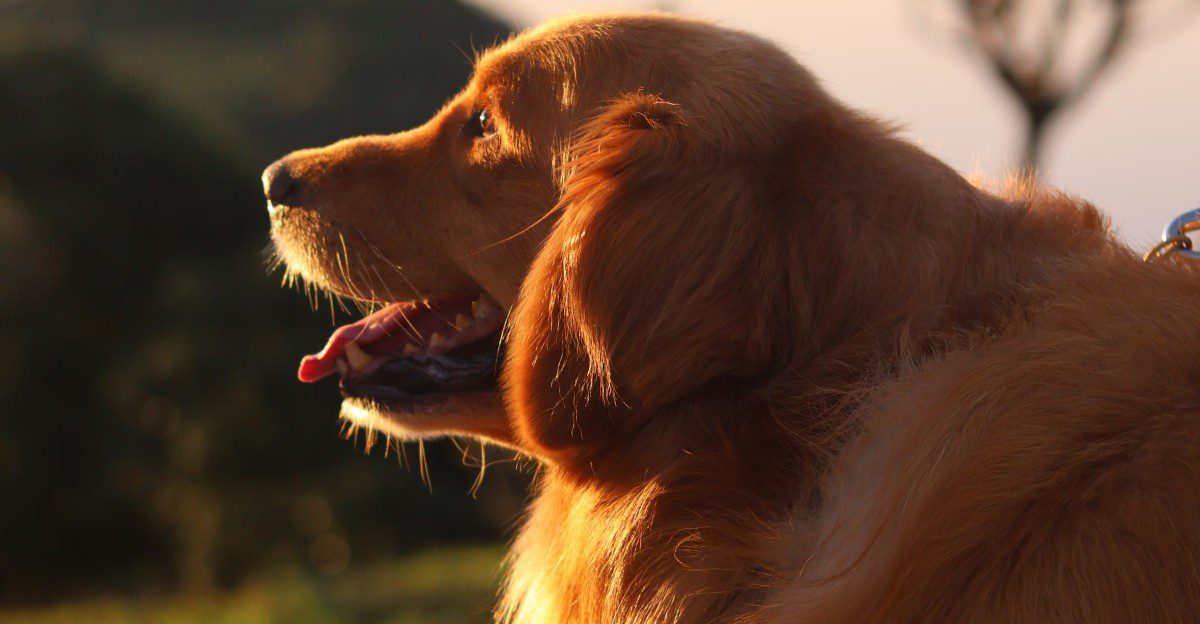
Some dogs could play fetch for hours, while others walk away after a few tosses. If you love an active game, picking the right breed makes playtime easier and more fun.
Many working and sporting breeds have the drive to chase, return, and ask for more. Here are dogs that usually keep the energy high and the ball moving.
Labrador Retriever
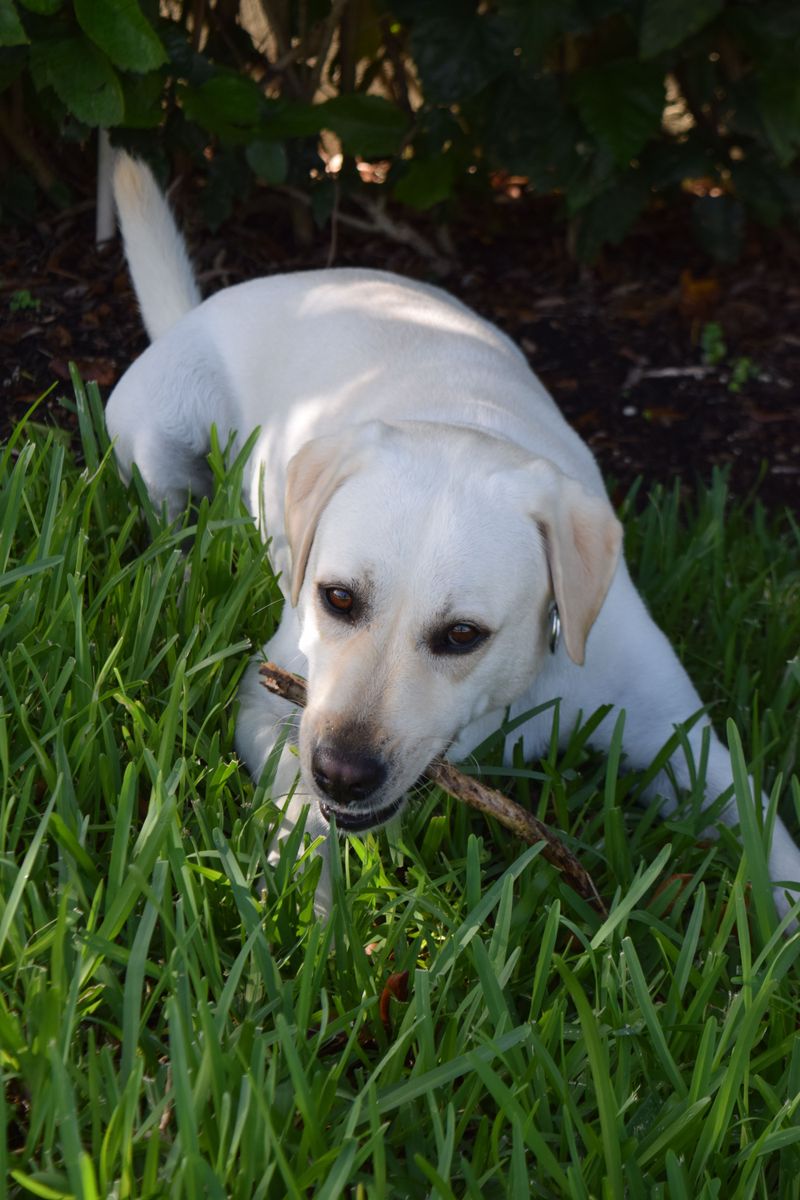
Tennis balls might as well come with a Labrador logo. Bred to retrieve waterfowl, they are wired to bring things back, then beg for one more throw.
Many Labs stay focused even when distractions pop up, thanks to that steady, eager spirit.
Keep sessions short at first, then build stamina with water play or gentle hills. Daily cardio plus brain games like hide the toy help channel energy.
A floating bumper becomes their favorite prize.
Golden Retriever
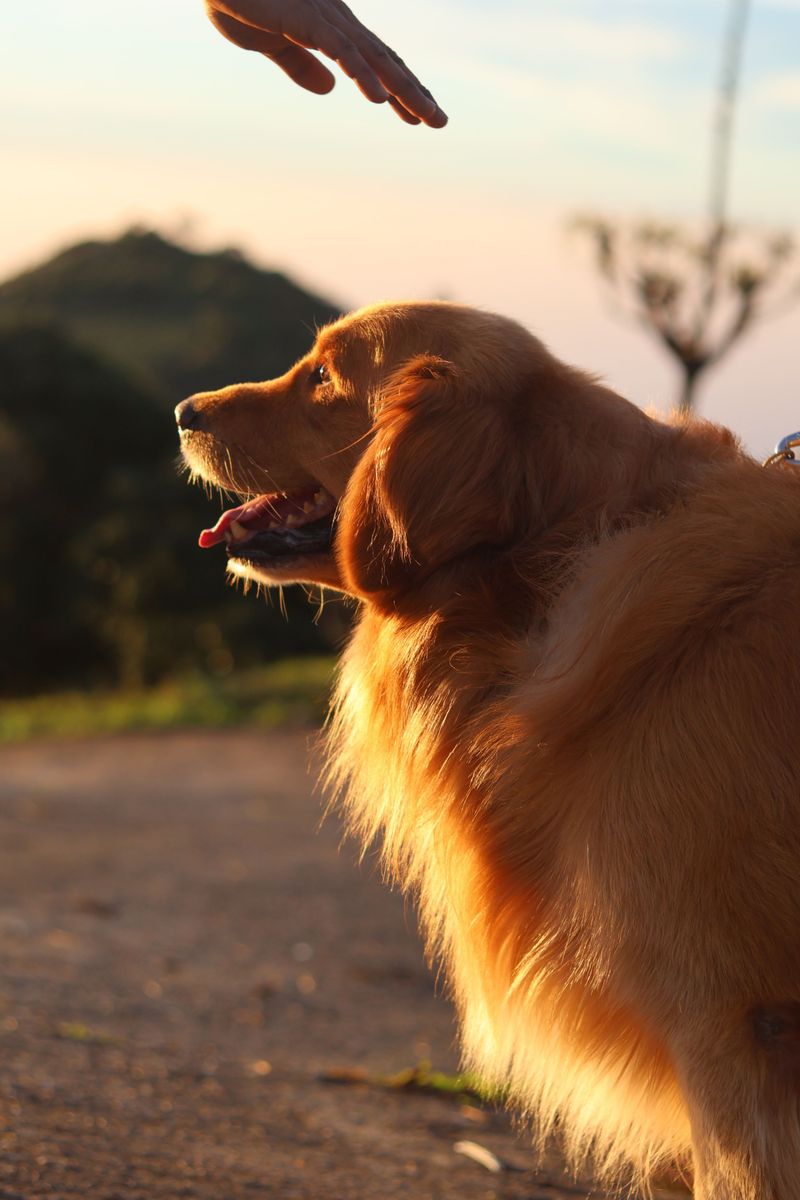
A Golden’s happy grin says throw it again. Kind yet tireless, they were developed to gather birds over tough terrain, which explains their endurance during fetch.
Many love water retrieves, trotting back with a proud, prancing gait.
Warm up with a few easy tosses, then add distance or light swims for variety. Rotate toys to keep motivation sharp.
A soft-mouthed hold means less damaged gear, so canvas bumpers and plush discs usually last longer.
Border Collie
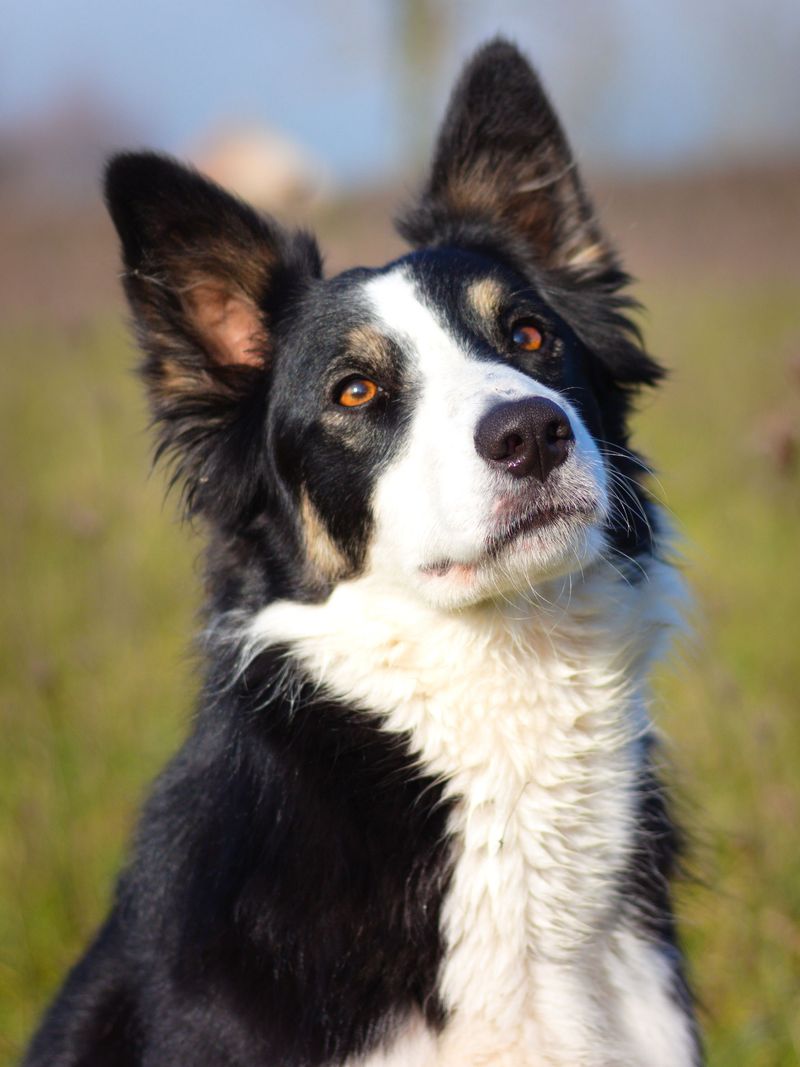
Laser focus defines the Border Collie. While known for herding, that same drive locks onto balls and discs, turning fetch into a high-speed job.
Quick learning means they master rules like wait, go, and drop fast.
Mix straight throws with sharp angles to challenge agility and brainpower. Keep an eye on overexcitement and build in rest cues.
Trick training between tosses, like spins or bows, keeps sessions fresh and mentally balanced.
Australian Shepherd
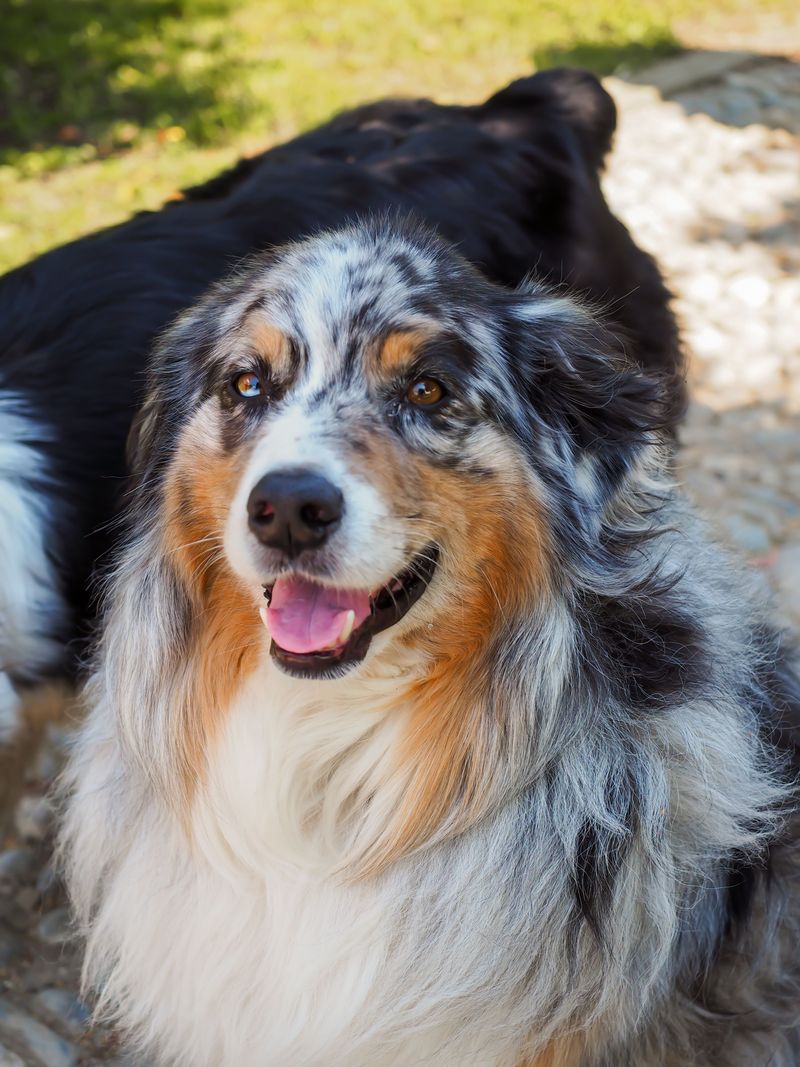
Work first, nap later could be the Aussie motto. Herding instincts translate into quick turns, speedy sprints, and nonstop readiness for another throw.
Their sharp minds crave patterns, so fetch feels like a puzzle plus a race.
Try a routine of short bursts with planned breaks. Add hurdles or weave poles for variety and safe excitement.
Puzzle feeders after play cool their engines while rewarding patience. A disc with soft edges protects teeth during big catches.
English Springer Spaniel
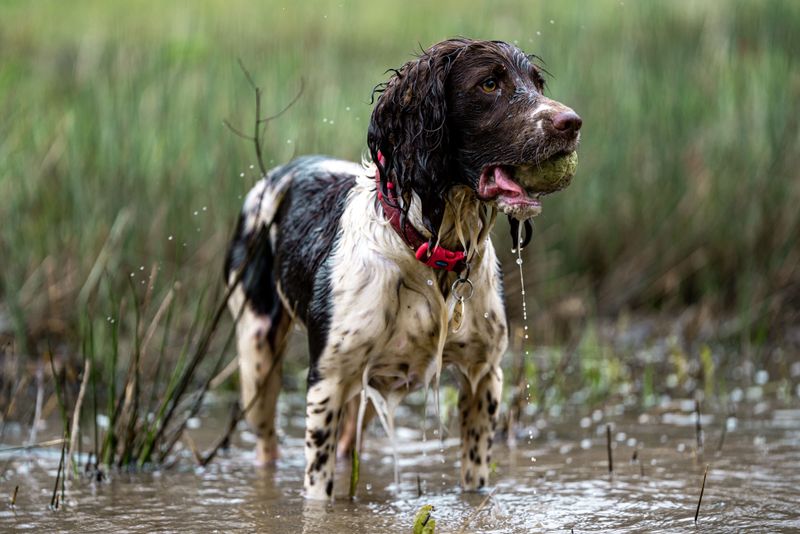
Birdy by nature, Springers thrive on quests and returns. Their springy legs and cheerful spirit make each toss a new mission.
Many maintain attention longer when the toy lands in brushy spots that require a quick sniff and search.
Practice gentle steadiness by asking for a sit before release. Alternate easy and hidden retrieves to build confidence.
Keep a towel handy because puddles are irresistible. A whistle cue can sharpen focus and bring speedy returns.
German Shorthaired Pointer
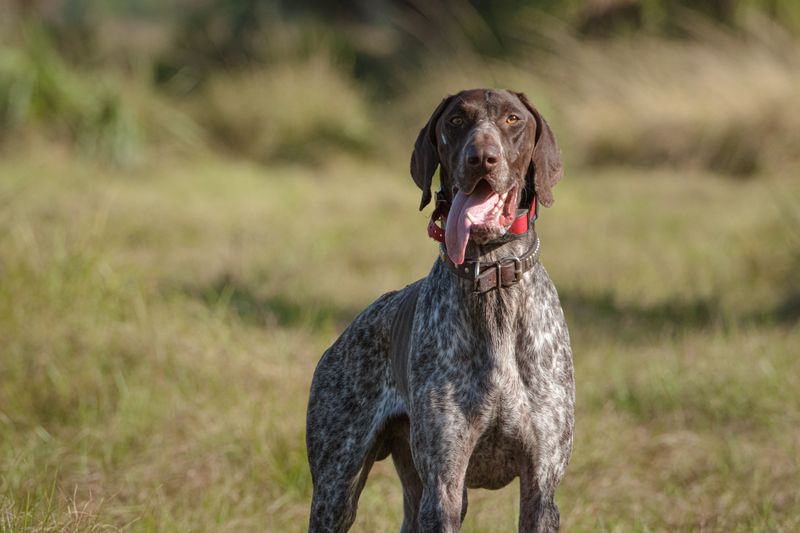
All systems go describes many GSPs. Bred for field work, they switch from pointing to retrieving with thrilling speed.
That mix of stamina and curiosity keeps them begging for one more throw, especially near water or open spaces.
Channel drive with structured fetch, then cool down using nose games. A long line helps early training while recalls solidify.
Choose durable rubber toys, since enthusiasm can be intense. End on a successful return to build consistent habits.
Brittany
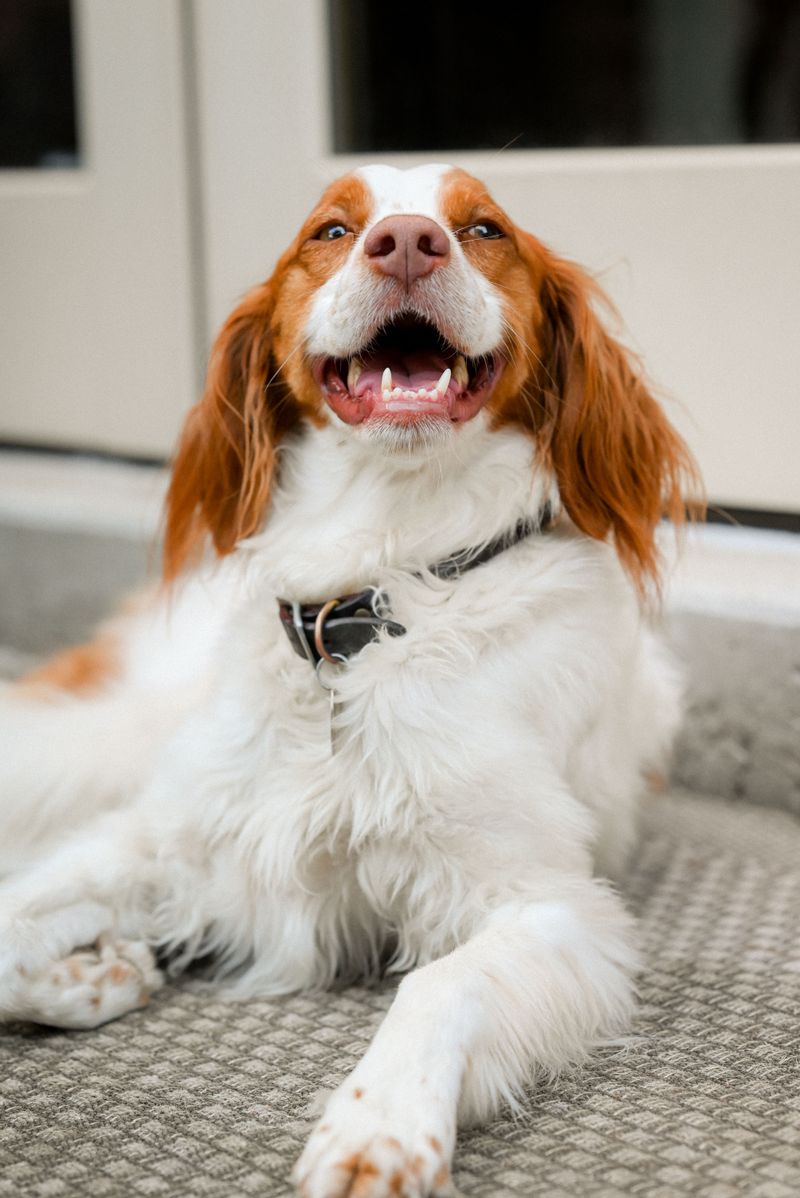
Small body, big engine fits the Brittany. They are lively bird dogs that adore assignments, so fetch hits the sweet spot of motion and purpose.
Many excel when the toy arcs high, letting them track and pounce with style.
Keep sessions upbeat and short to avoid overarousal. Mix in obedience cues for structure.
Soft dummies protect tender mouths and keep confidence high. A brisk walk before play helps focus and prevents first-throw frenzy.
Standard Poodle
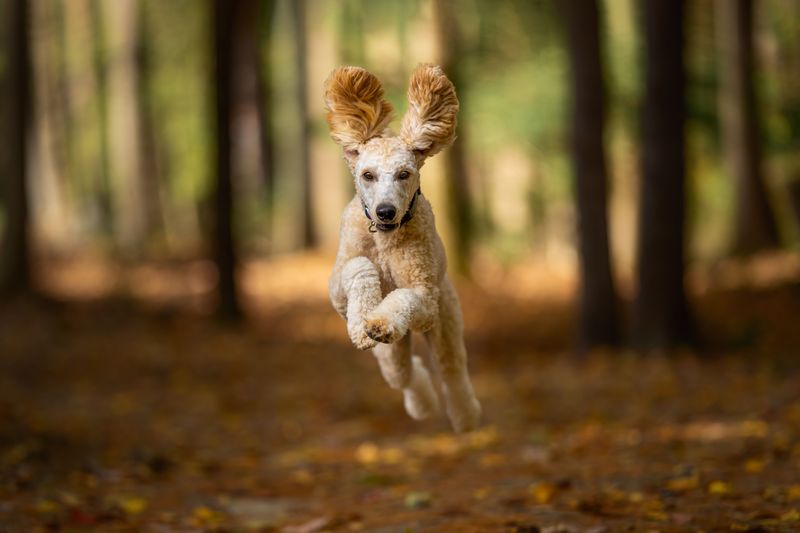
Under the curls lives an athlete. Standard Poodles were water retrievers, so they combine brains with bounce, making fetch both strategic and stylish.
Many enjoy varying textures, switching between floating bumpers, rubber balls, and soft discs.
Teach a crisp drop to keep rhythm smooth. Add short swim sets for low-impact conditioning.
Brainy games like name-the-toy boost vocabulary and attention. Rotate locations, such as beach, park, and yard, to prevent boredom and keep enthusiasm sky-high.
Australian Cattle Dog
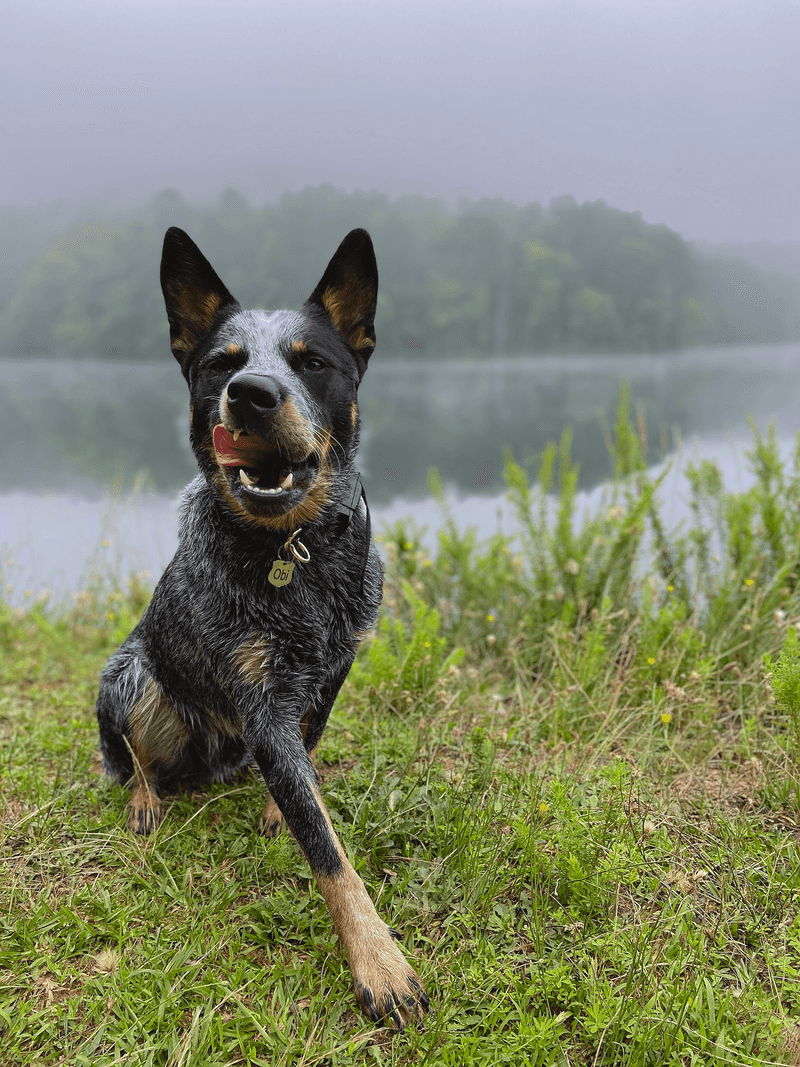
Tough and tactical, the Cattle Dog brings grit to every chase. Herding heritage fuels quick direction changes and endless try.
Many prefer purposeful play, so fetch feels best with rules and clear boundaries.
Use a release word and defined finish spot like a mat to shape focus. Keep throws short but frequent, then add sprints between cones.
Durable balls withstand strong jaws. A cool-down walk prevents overheat in hot weather and settles the mind.
Belgian Malinois
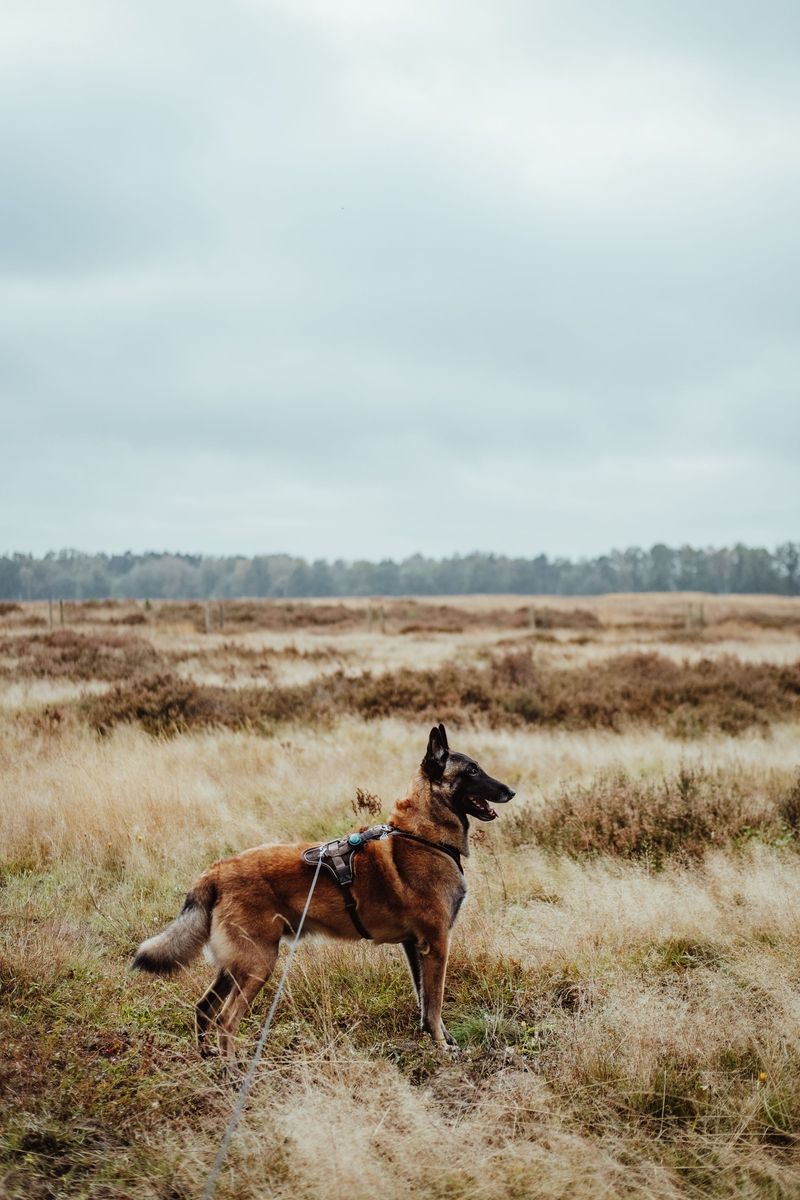
Intensity is the Malinois signature. Many treat fetch like a professional assignment, exploding on release and returning with precise control.
Their athleticism makes vertical catches and rapid pivots look effortless.
Structure is everything. Warm up with obedience, then blend short, technical throws and tug rewards.
End while the dog still wants more to maintain drive tomorrow. Protective teeth care matters, so choose tough toys and limit high-impact catches on hard surfaces.
Jack Russell Terrier
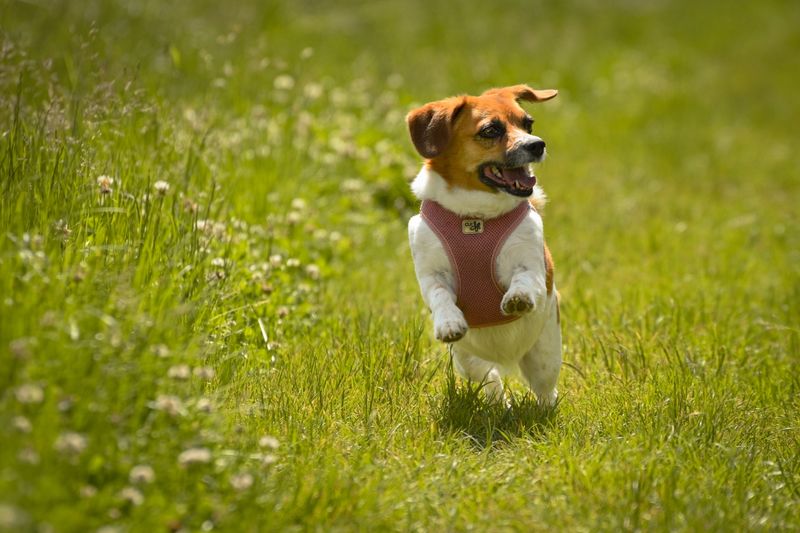
Rocket fuel in a compact package, the Jack Russell treats fetch like a sprint championship. Despite size, their determination keeps the game going far longer than expected.
Quick returns and cheeky spins are common.
Use small, lightweight balls for safe carries. Short intervals with brief rests preserve joints and excitement.
Teach a solid drop cue to prevent keep-away. Digging breaks can reset their brain, so set a sandbox area where they can channel terrier instincts.
Cocker Spaniel
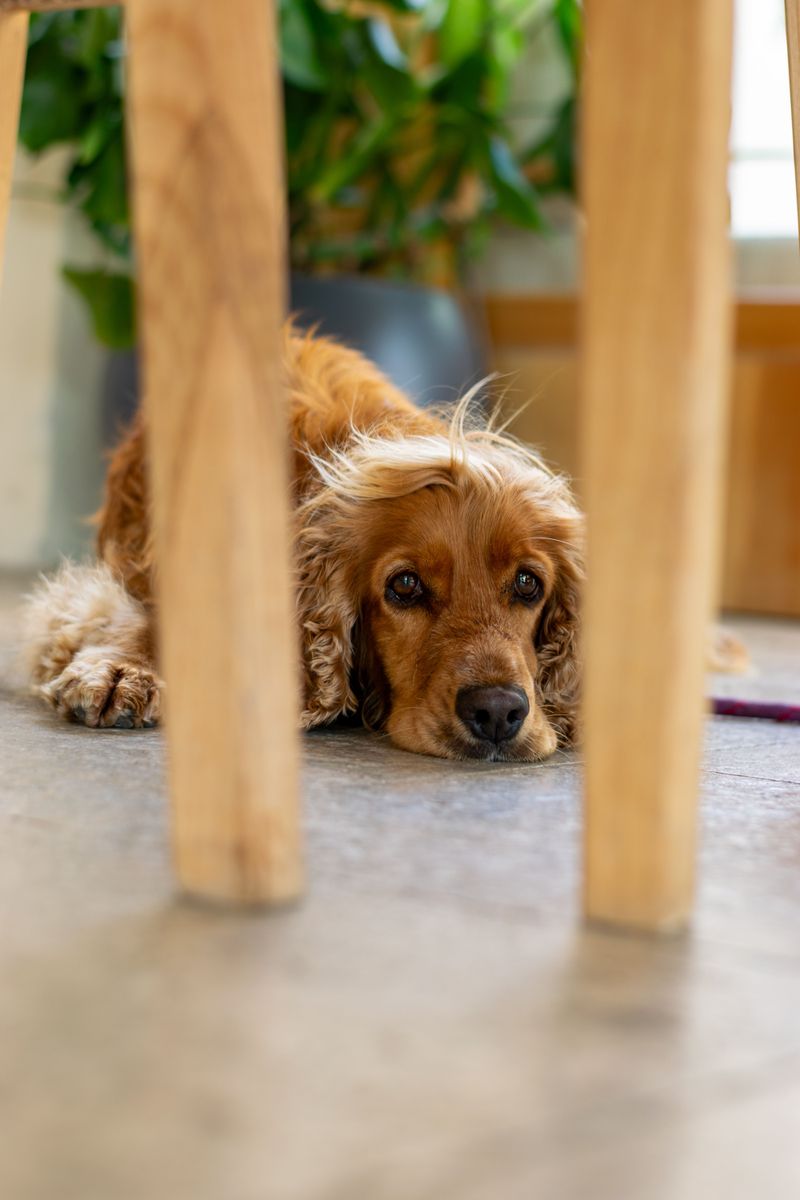
Big-hearted and bouncy, Cockers often carry toys everywhere, which suits a lively game of fetch. Their soft mouth and eager trot make gentle retrieves feel natural, especially with plush or fabric toys.
Keep distance moderate to protect long backs and ears. Mix nosework into the game by hiding the toy under leaves or behind a tree.
Calm praise works better than loud cheers for sensitive dogs. End with a cuddle to reinforce their social side.