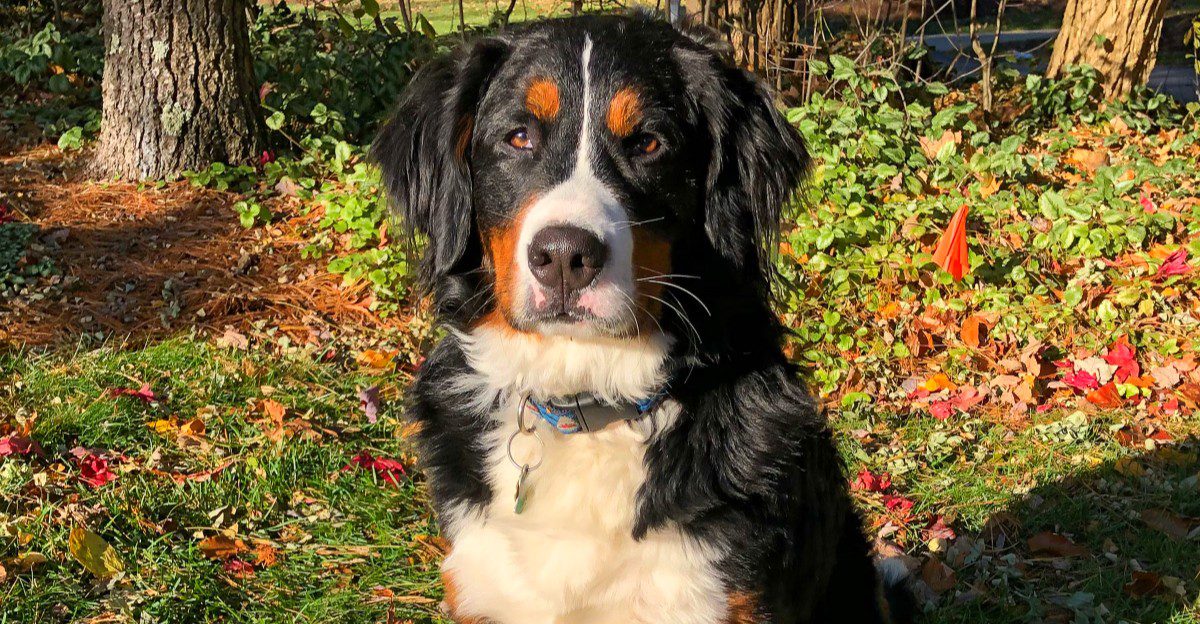
Puppies can be wild, mouthy, and full of zoomies, but that stage will not last. With time, training, and patience, many breeds mature into calm, polite adults.
Knowing which breeds tend to mellow can help families plan for the future. Here are friendly dogs that often grow from bouncy pups into steady, kind-hearted companions.
Newfoundland
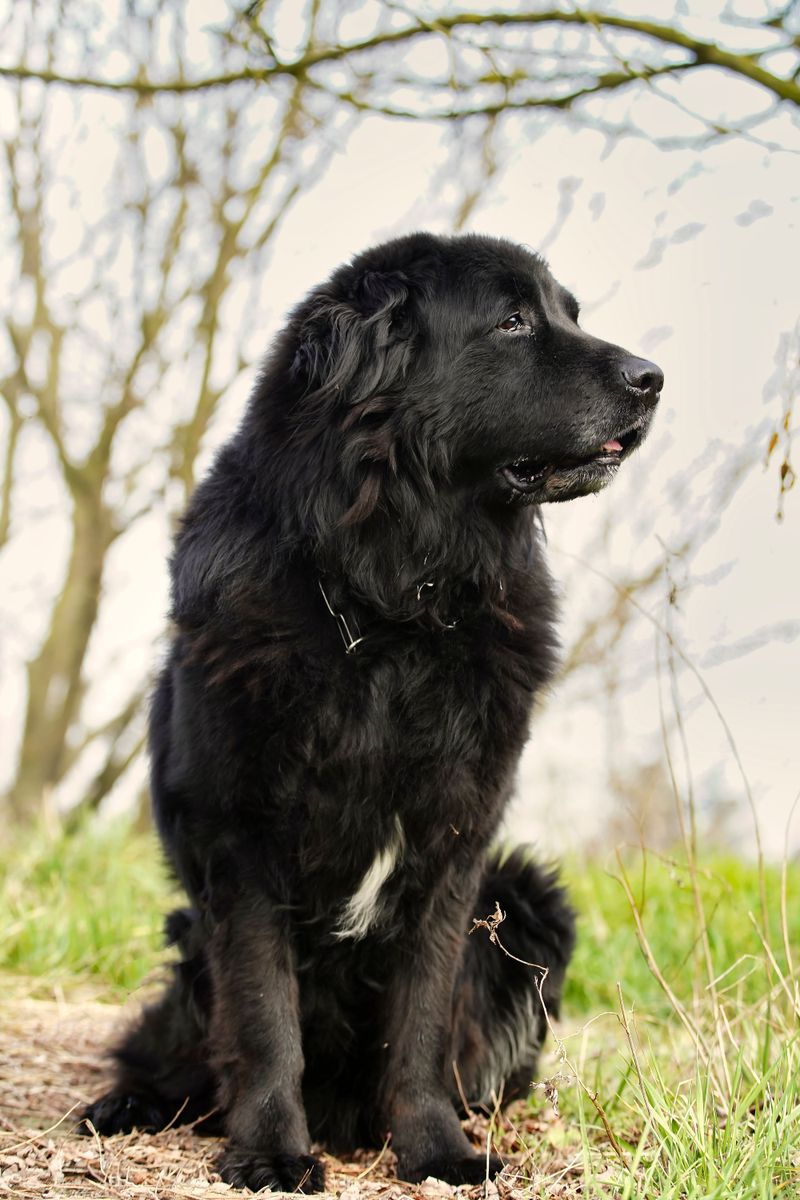
With a heart as big as its paws, the Newfoundland often shifts from clumsy pup to peaceful guardian. Many learn early to read the room, choosing quiet company over chaos.
Consistent leash practice and calm greetings help shape that steady attitude.
Water play burns energy while keeping joints safe. Brush the dense coat weekly and watch summer heat.
Did you know? Newfoundlands were once known for lifesaving water rescues, which explains their confident, unruffled vibe around families.
Great Dane

Big as a pony and twice as goofy, a young Dane can feel like a whirlwind. Give clear routines, short training sessions, and soft beds for those fast-growing joints.
Soon, the bouncy teen becomes a couch-loving buddy who prefers naps to nonsense.
Slow, steady walks suit their style. Teach polite greetings early, since size magnifies manners.
A fun fact, they were once boar hunters, yet many adults act like calm house guests.
Golden Retriever
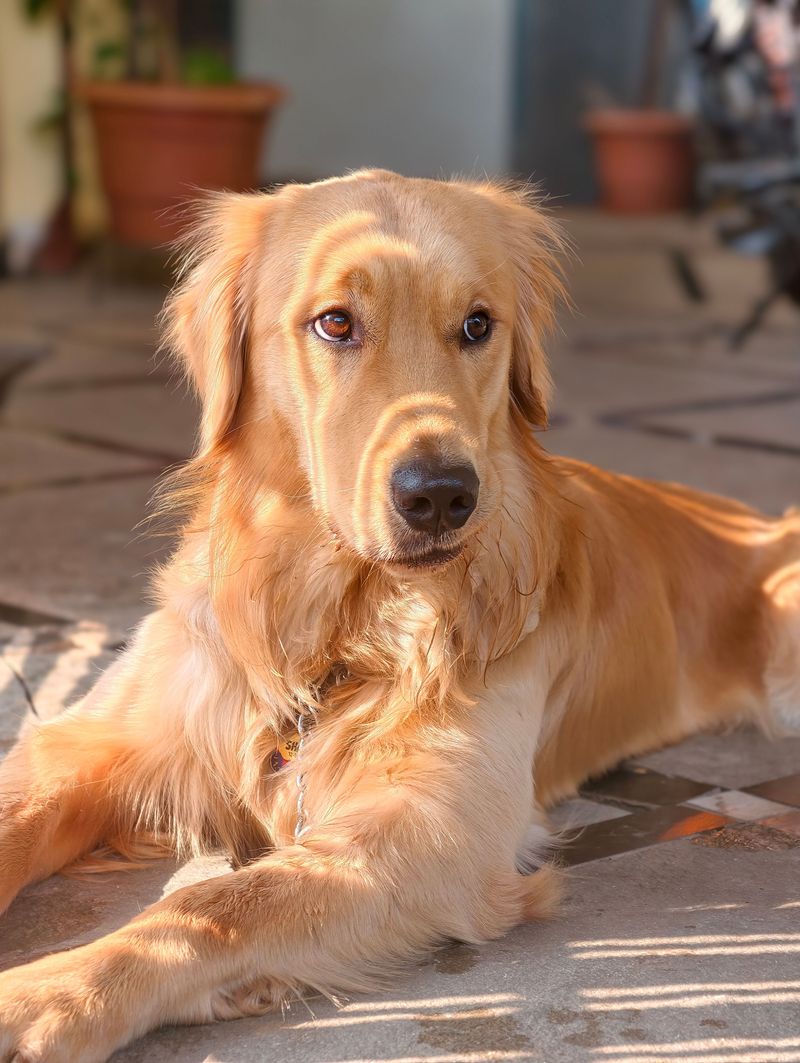
First come the wiggles, then arrives the wisdom. Goldens thrive on jobs, so channel puppy pep into fetch, scent games, or easy obedience tricks.
As they age, that eager energy settles into patient, people-focused grace.
Daily exercise and a steady routine keep minds happy. Practice calm door manners and gentle retrieves.
Fun trivia, the breed’s Scottish roots involved helping hunters, which explains their careful mouths and balanced temperament once the puppy phase fades.
Rough Collie
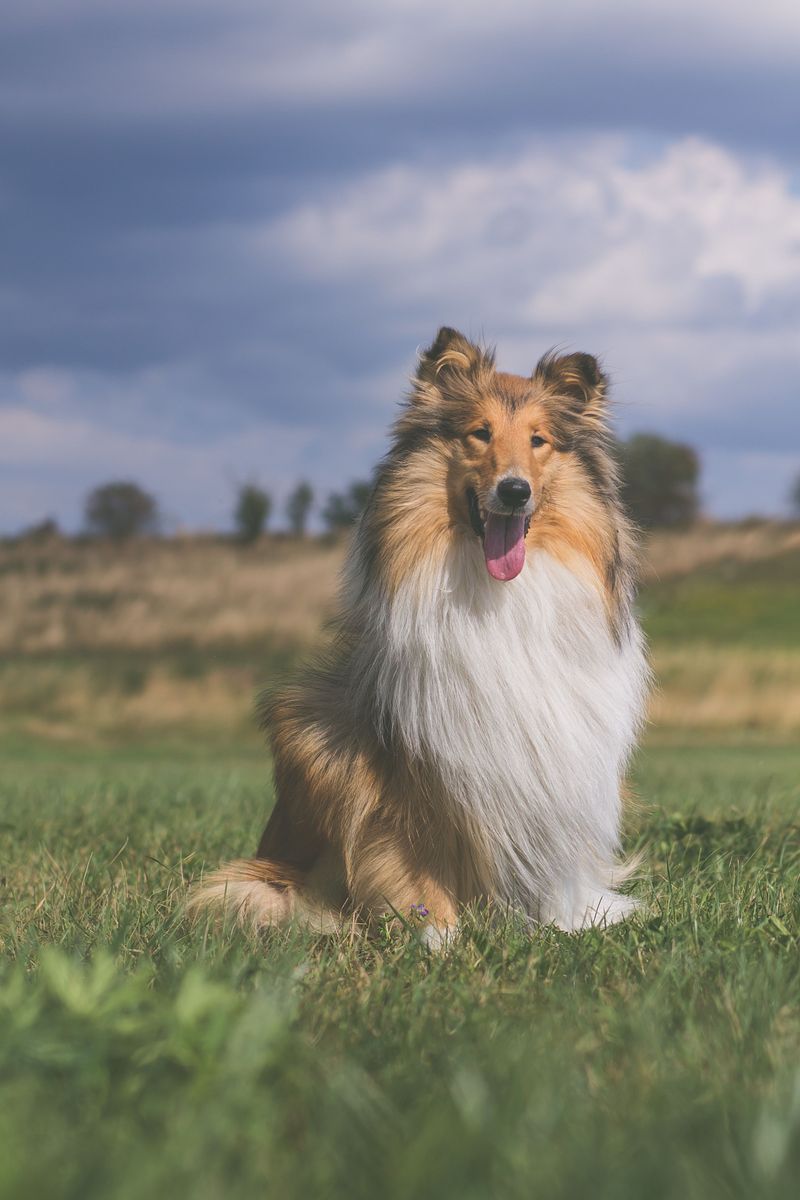
A watchful youngster can mature into a serene, thoughtful partner. Rough Collies love patterns, so teach polite routines like waiting at gates and settling on a mat.
Once expectations feel familiar, many choose quiet cooperation.
Regular brushing keeps the coat comfortable and reduces tangles that can cause stress. Gentle herding games, like following a rolling ball, satisfy instincts without chaos.
Storybook fame from Lassie mirrors reality, since grown Collies often blend sensitivity with steadiness.
Bernese Mountain Dog
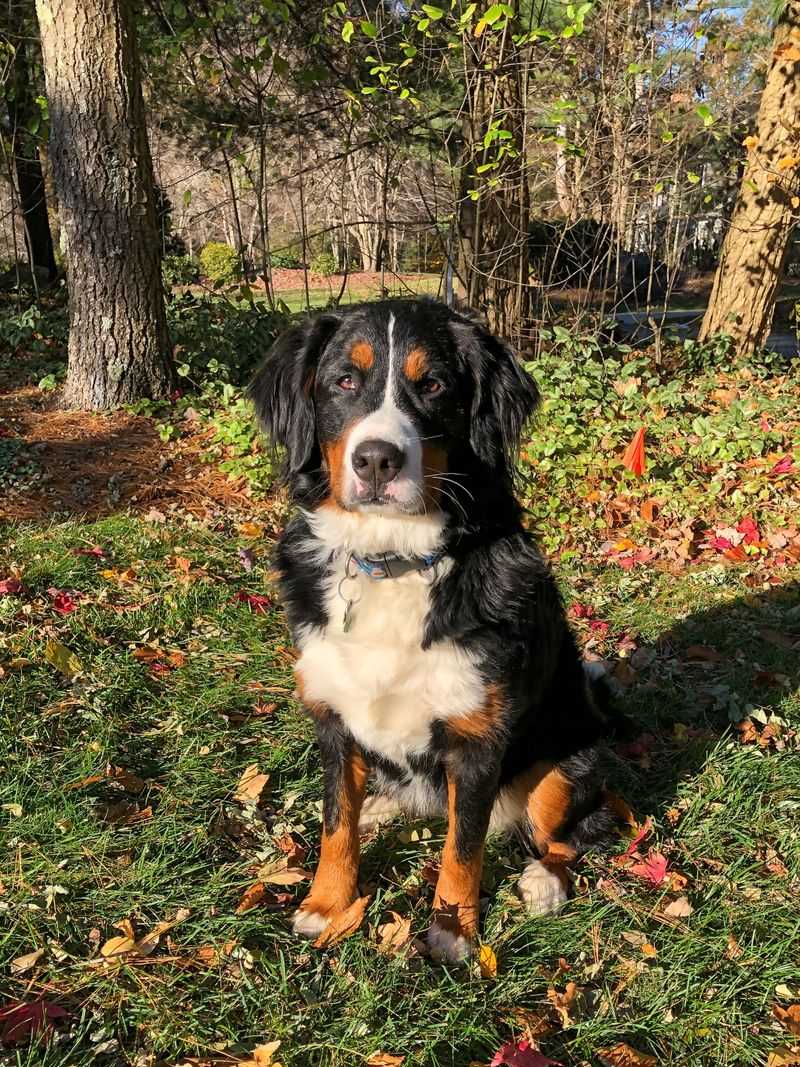
Start with a fluffy, clumsy snowball, end with a gentle, thoughtful friend. Berners appreciate slow introductions and kind handling, especially during the teenage months.
Short hikes and cart-pulling style exercises build confidence without overexertion.
Teach a solid settle cue for family gatherings. Regular grooming and joint-friendly surfaces help them relax.
Originating from Swiss farms, these dogs learned to pace themselves during long days, which shows in the calm center many adults develop.
Irish Setter
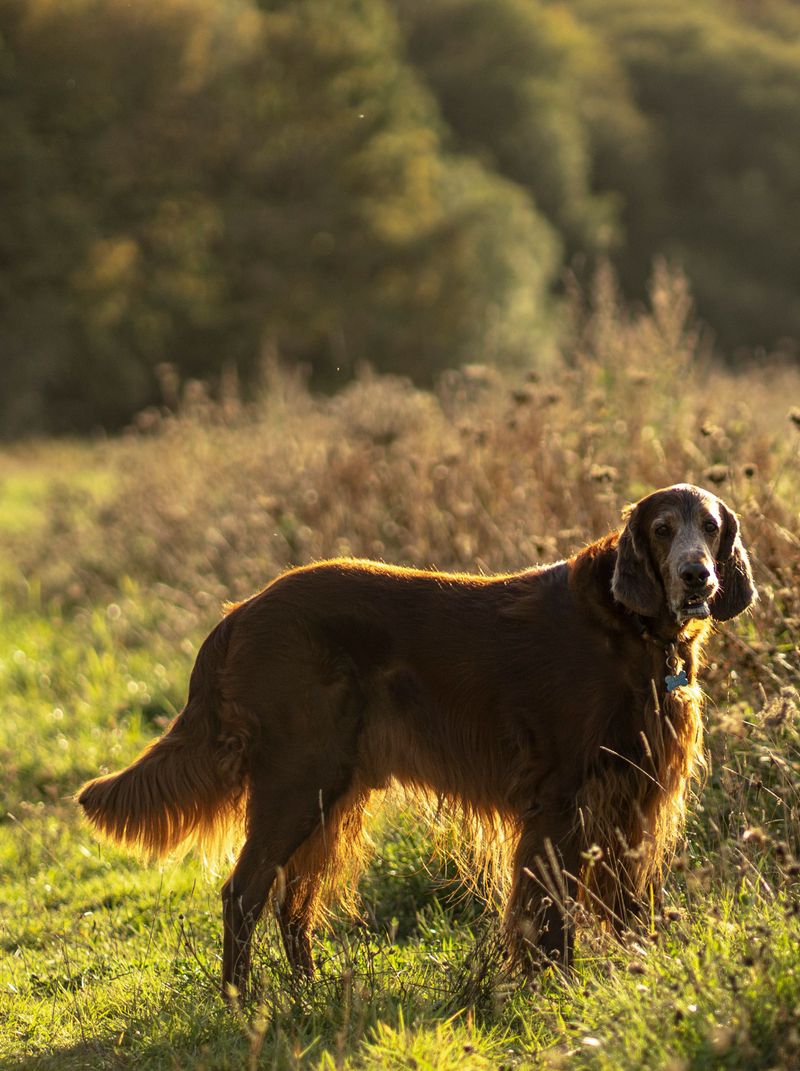
Firecracker puppies, yes, but grown Irish Setters often become smooth, attentive partners. Give that spark a job, like jogging beside a bike at a slow pace or practicing recall between trees.
Focused exercise transforms fizz into flow.
Grooming time can be bonding time, with gentle combing and a relaxed voice. Teach check-ins on walks to encourage teamwork.
Once matured, many show an easy rhythm that fits active families without constant chaos.
Boxer
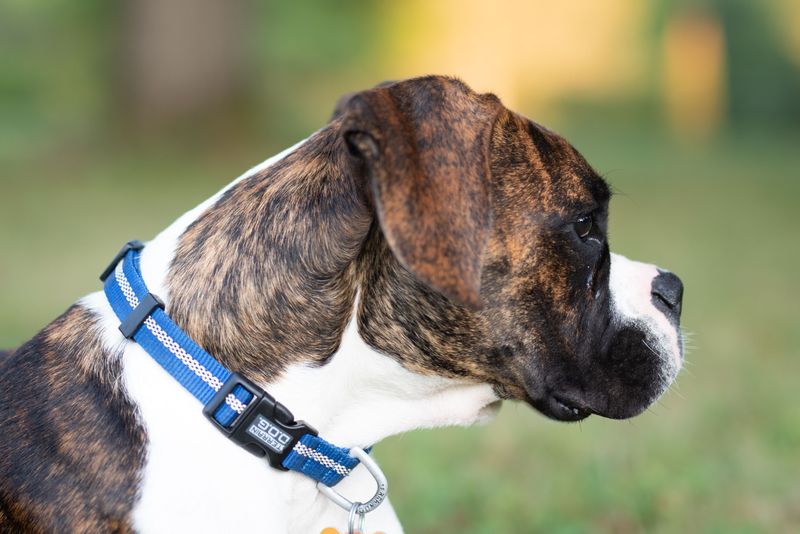
Clownish as pups, Boxers often grow into steady, people-savvy athletes. Structure helps a lot.
Rotate tug, fetch, and sniff walks to build impulse control while keeping things fun. A tired mind, not just a tired body, brings calm.
Teach polite waiting before play starts. Gentle socialization smooths their natural enthusiasm.
Historically used as working dogs in Germany, their loyalty and self-control blossom with maturity, shaping a dog that can switch from play mode to polite company.
Labrador Retriever
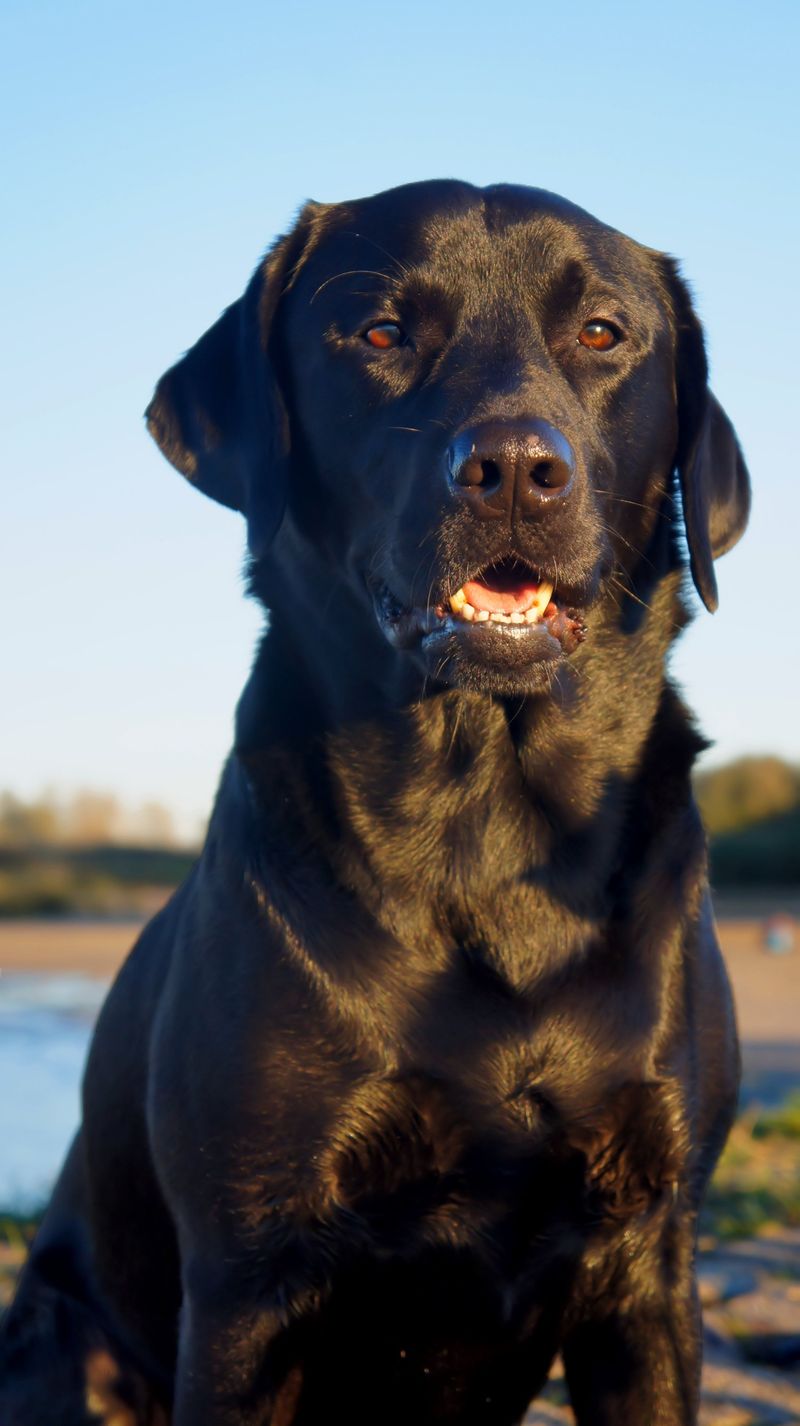
Yes, the zoomies are real, but grown Labs often become patient teammates. Give clear jobs like fetching to hand, carrying a soft dummy, or practicing sit-stays before water entries.
Purpose turns energy into focus.
Balanced meals and regular swims protect joints while meeting exercise needs. Keep greetings low-key to prevent jumping.
Fun fact, despite the name, Labradors trace back to Newfoundland fishermen, which explains their water confidence and cooperative spirit as adults.
English Setter
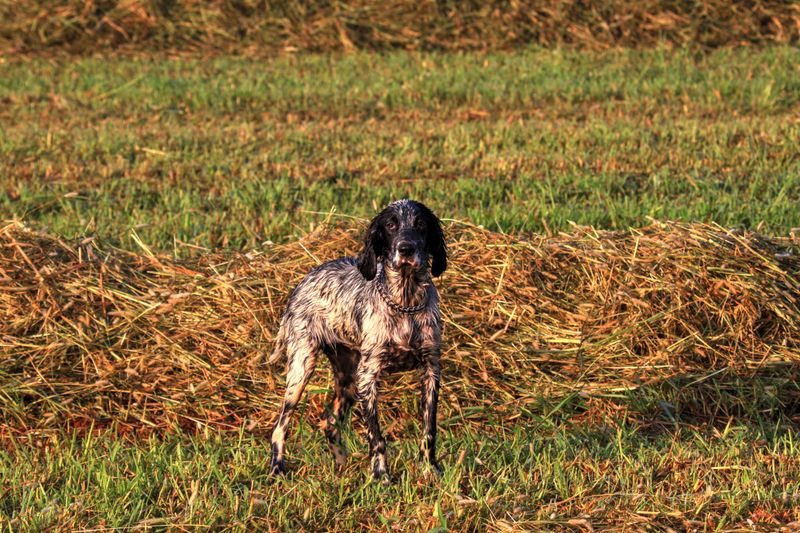
Speckled as a painting and lively as a kite, young English Setters mellow into graceful companions with guided outlets. Try field-style recalls, nosework puzzles, and relaxed heeling on country trails.
With practice, they learn to match your pace.
Feathered coats need gentle brushing to prevent snags. Quiet time after exercise encourages restful habits.
Bred to “set” game birds, they value cooperation, which often appears as polite, attentive behavior once adulthood arrives.
Standard Poodle
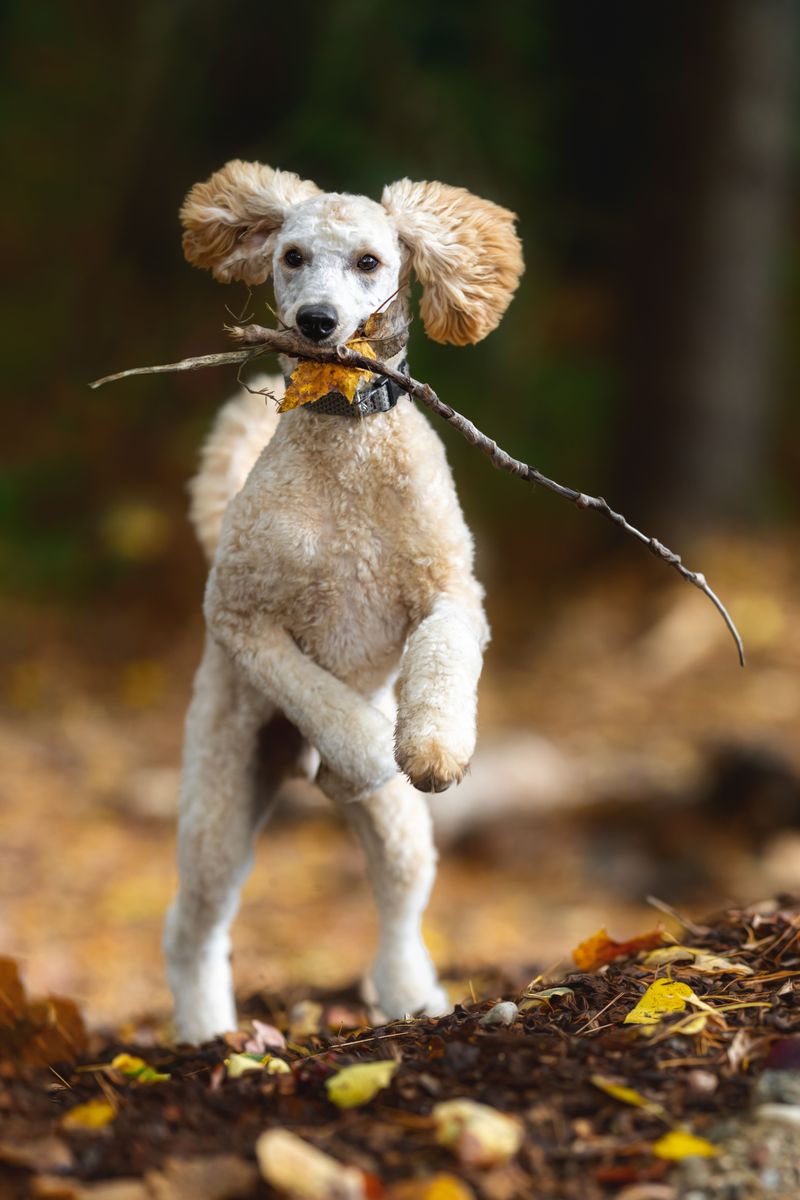
Brains and bounce describe the puppy years, but grown Standard Poodles often choose poise. Train puzzles, scent games, and retrieve chains give their minds satisfying work.
Once mentally exercised, they settle beautifully at home.
Regular grooming prevents matting and supports comfort. Rotate city walks with off-leash play in safe areas for variety.
Historically water retrievers, their confidence and clarity shine through adult manners, creating a composed partner who still enjoys clever fun.
Bullmastiff
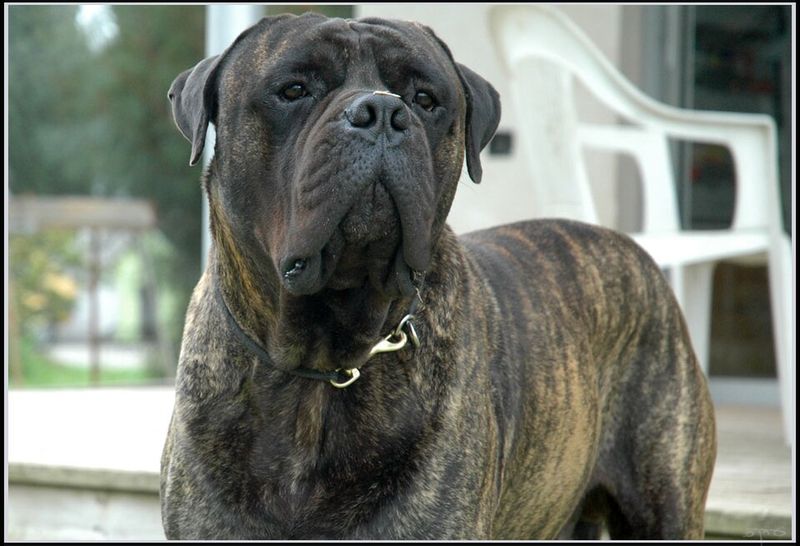
Quiet strength defines the mature Bullmastiff. Puppies can be pushy, so early boundaries and short training bursts build respect without harshness.
As confidence grows, many adults prefer watching over romping.
Leash skills and polite doorway manners are musts, given their size. Gentle socialization prevents suspicion and encourages relaxed behavior.
Originating as estate guardians in Britain, they learned to hold steady under pressure, a trait that becomes clear once puppy energy fades.
Cavalier King Charles Spaniel
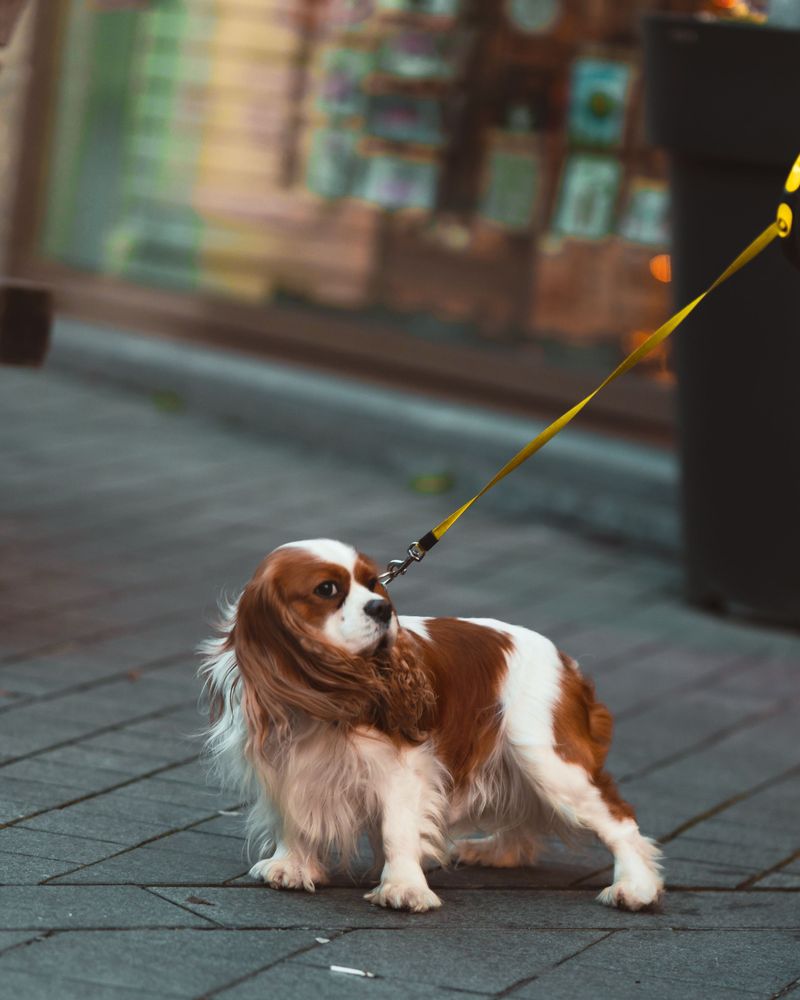
Velcro as pups and cuddly as adults, Cavaliers usually blossom into polite, people-oriented companions. Keep early training gentle and consistent, with settle cues and short walks that encourage sniffing.
When needs are met, they relax into easy company.
Daily brushing and regular vet checks support health, especially hearts and eyes. Puzzle feeders keep mouths busy without chaos.
Once mature, many prefer laps and quiet play, offering calm comfort in nearly any home.