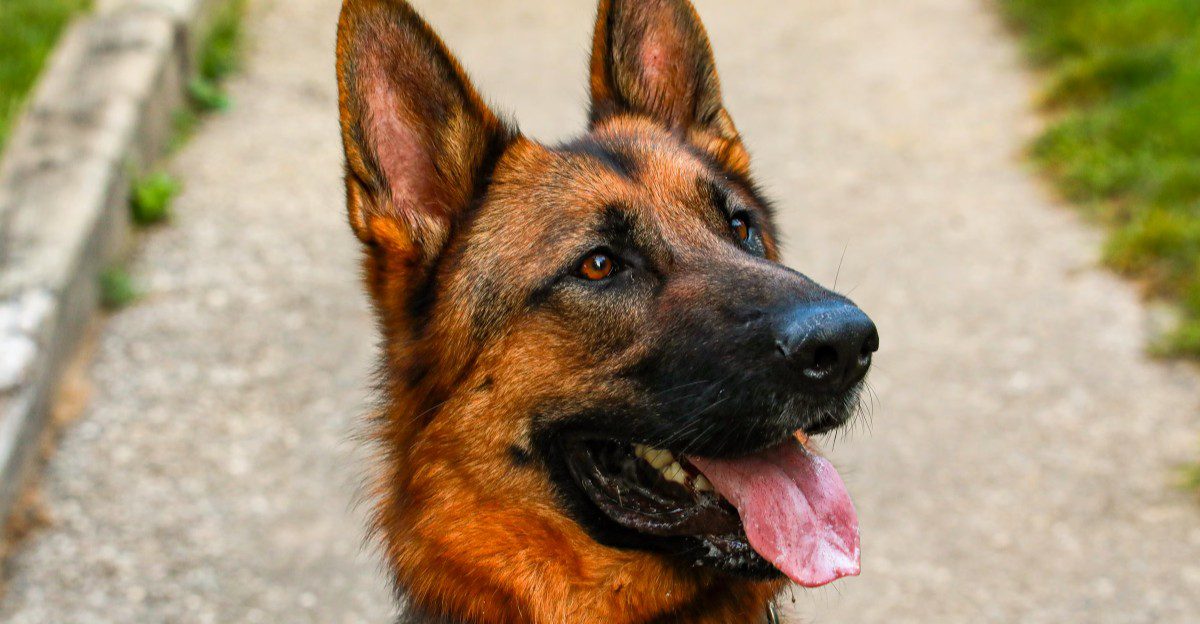
Dogs experience the world through smell, and some breeds are masters at it. Their noses can find paths humans would never notice.
Learning about these trackers helps us train them better and keep them happy. It also makes walks and playtime more fun for everyone.
Beagle
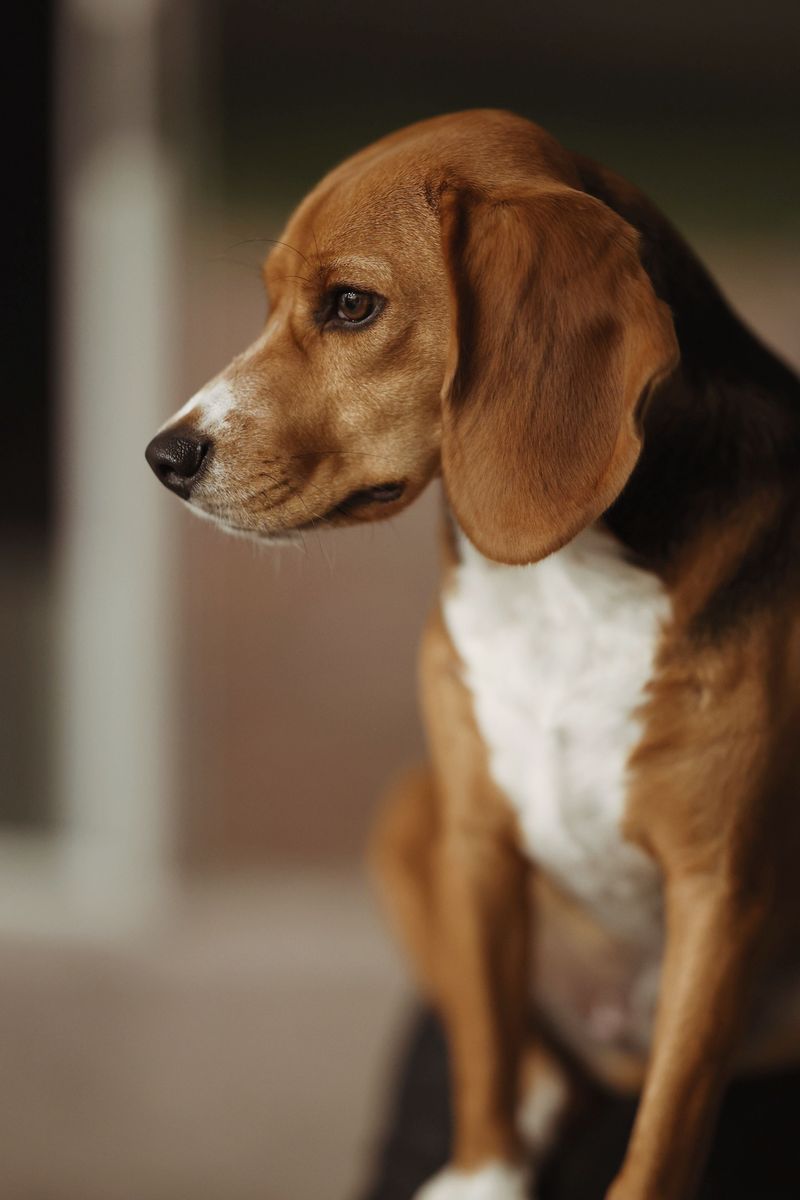
Nose to the ground, a Beagle can read yesterday’s park like a storybook. Farmers once relied on this compact hound to track rabbits across tangled hedges.
At home, hide a treat and watch the careful zigzags begin. Short legs help it keep scent close, while long ears sweep odors toward the nostrils.
Keep walks engaging with scent games, slow sniffing time, and puzzle feeders that use smell. A sturdy harness prevents neck strain during determined pulls.
Basset Hound
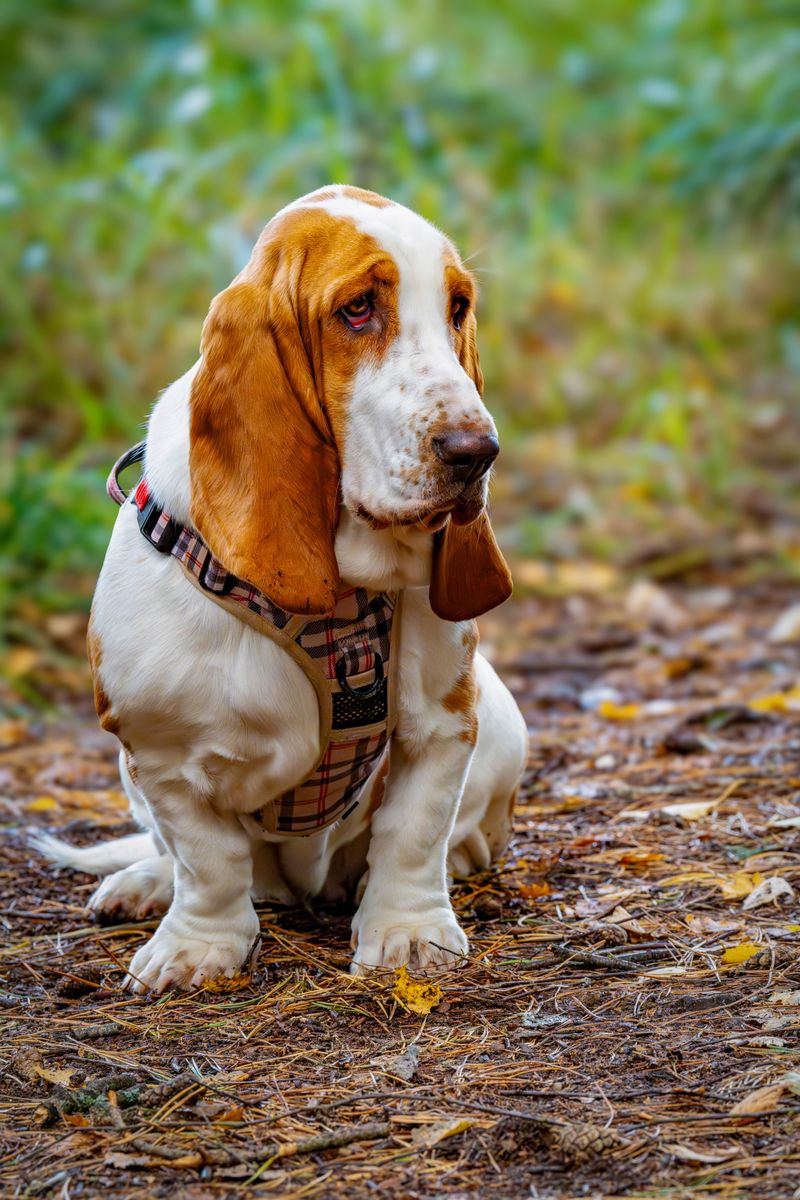
Those extra-long ears flutter like little fans, guiding scent right where it matters. Hunters prized the Basset Hound for moving slowly enough for people to follow on foot.
Give this dog time to sniff, not just miles to walk. Moist ground after light rain makes scents bloom, so plan strolls then.
Keep nails short to protect those heavy feet, and use short training bursts. Food-scent trails with tiny kibble pieces build focus without overfeeding.
German Shepherd
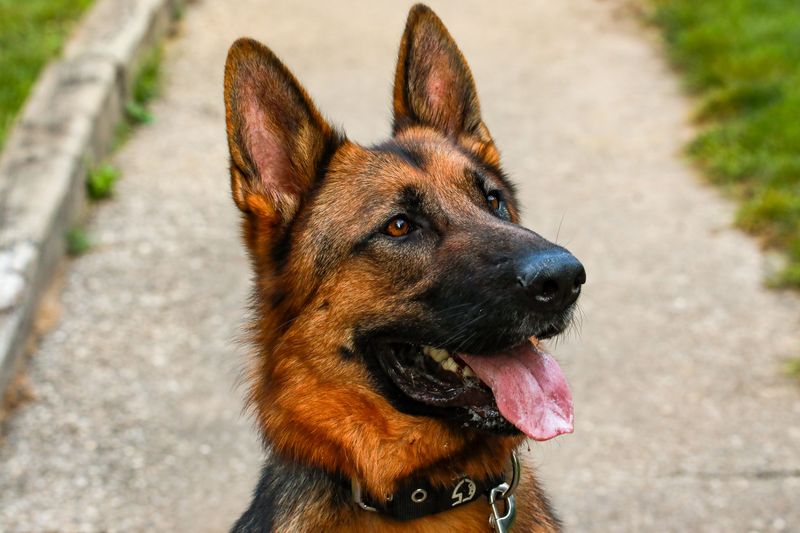
Police handlers trust this breed to find missing people and follow aged tracks. Power, brains, and a keen nose make the German Shepherd a standout problem-solver.
Channel that drive with urban scent games. Lay a glove trail across sidewalks and alleys, then reward at the finish.
Clear cues like “search” and “finished” keep expectations simple. Rotate targets, such as keys or a wallet, to prevent guessing.
Calm praise matters more than loud cheering during focused work.
Labrador Retriever
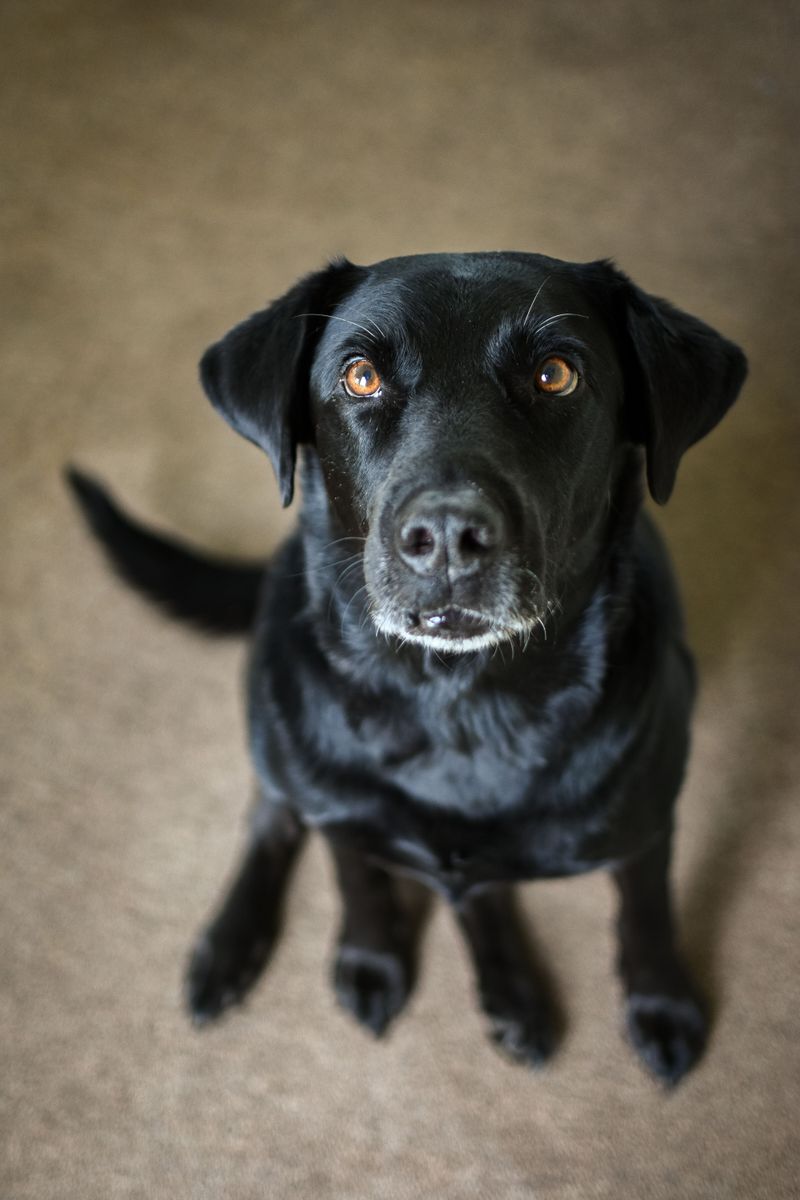
Food lover first, nose second, the Lab often works detection lines at airports. Friendly energy pairs with real scent talent, especially around water and wind.
Try a shoreline search for a favorite toy. Toss it into tall grass, walk away, then send the Lab to find.
Short sessions prevent burnout and keep enthusiasm high. Use soft treats sparingly and praise generously.
A lightweight vest can signal work time and helps the dog switch into focus mode.
Dachshund
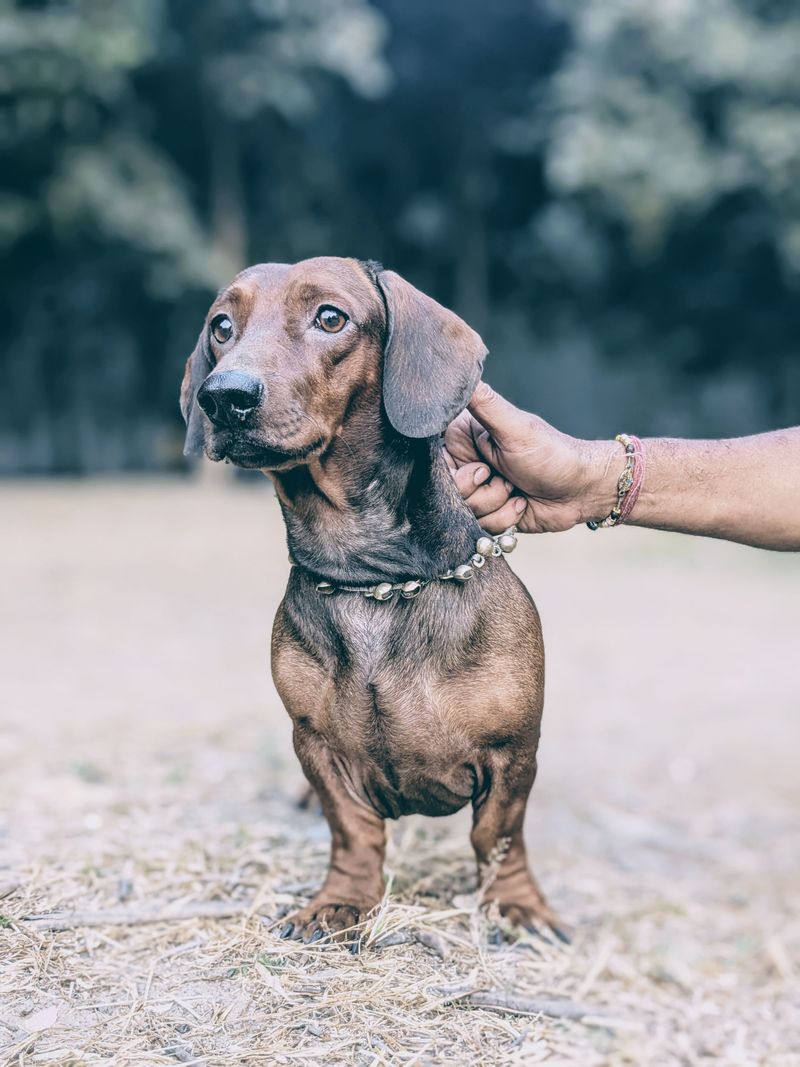
Tiny legs, giant courage. Bred to track badgers underground, the Dachshund carries that bold nose and big attitude into every backyard mystery.
Build fun by dragging a scent-dabbed rag across the yard and hiding it beneath a flowerpot. Give the cue, then cheer quietly when the pot tips.
Keep obstacles low to protect the long back. For mental workouts inside, line up boxes with only one containing a scented cotton ball.
Let the dog choose and celebrate success.
English Springer Spaniel
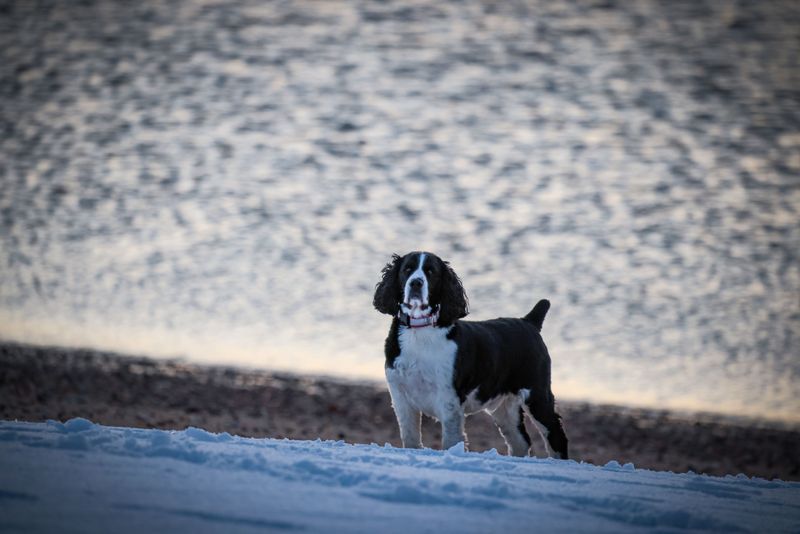
Bird fields come alive when a Springer starts working. That joyful tail keeps time while the nose sweeps the wind for hidden game birds.
Practice quartering patterns by tossing treats side to side as you walk forward. Whisper cues to keep excitement balanced with control.
Use a long line in open areas for safety and freedom. Add rest breaks because enthusiasm can outrun stamina.
A fetch reward at the end seals the lesson with something the Springer truly loves.
German Shorthaired Pointer
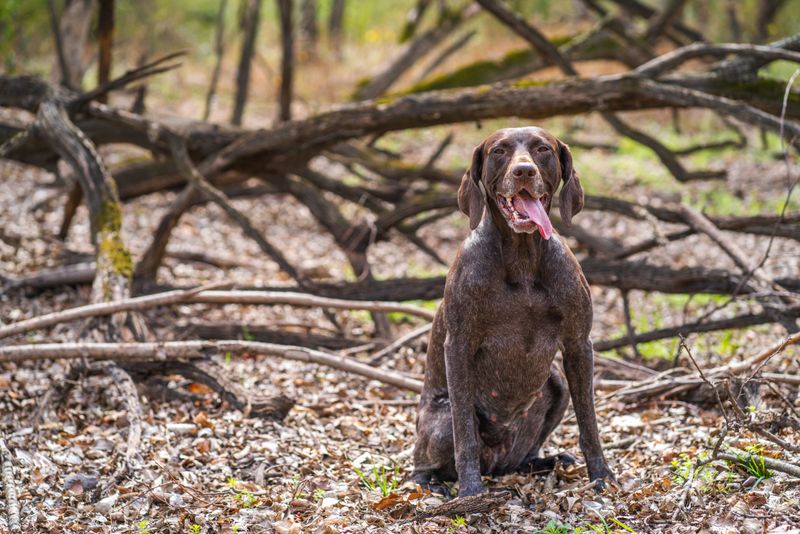
Like a compass needle, the GSP locks onto scent with striking focus. Hunters value its blend of stamina, speed, and a nose that paints invisible trails.
Set up practice by placing scent tins in brushy spots. Approach from downwind so the dog learns to catch air currents.
Reward steady pointing with calm praise and a quick game. Off days matter too, so include sniffy decompression walks.
Rotate locations to keep the dog from patterning predictable routes.
Cocker Spaniel
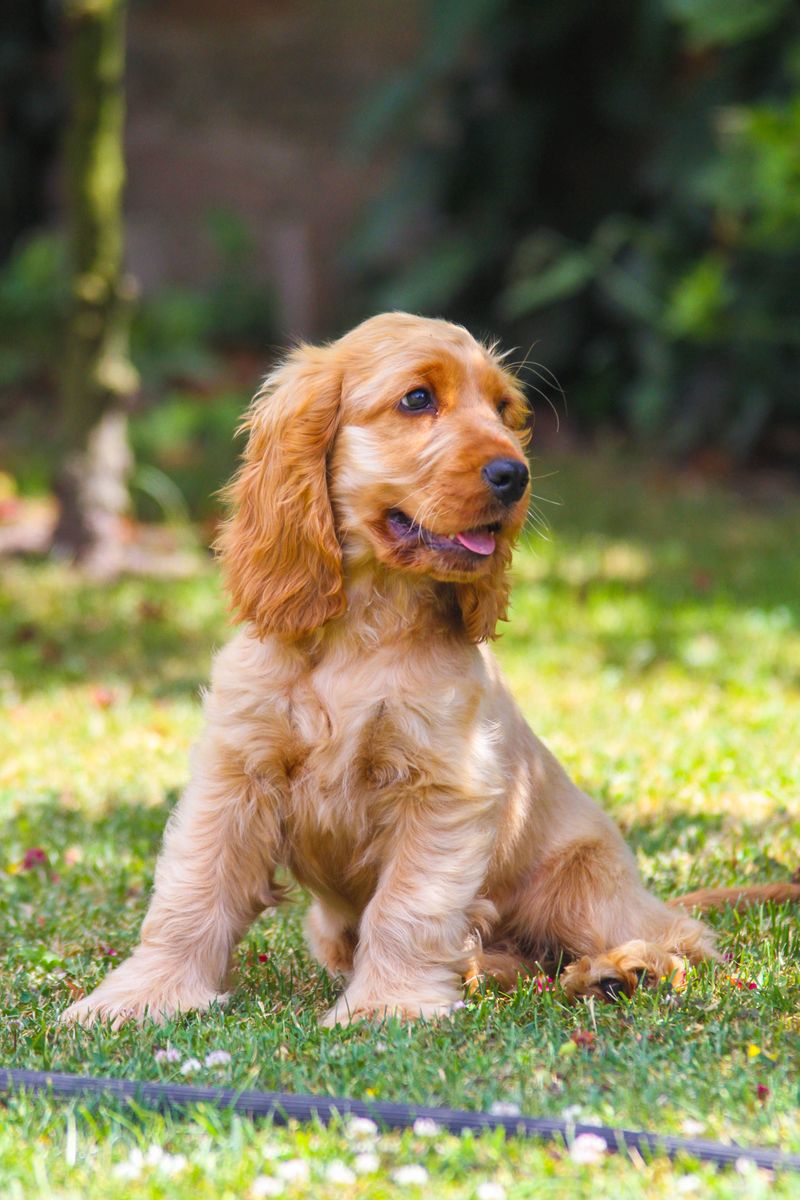
Big eyes, bigger curiosity. Cockers were bred to flush woodcock, and that heritage shows whenever a fresh breeze carries a hint of adventure.
Herb gardens are perfect classrooms. Hide a cotton swab scented with vanilla under a small clay pot and let the dog search politely.
Gentle reinforcement helps sensitive temperaments. Keep grooming tidy so feathering does not snag during field play.
Finish with a calm sit to teach switching from busy worker to relaxed companion.
Weimaraner
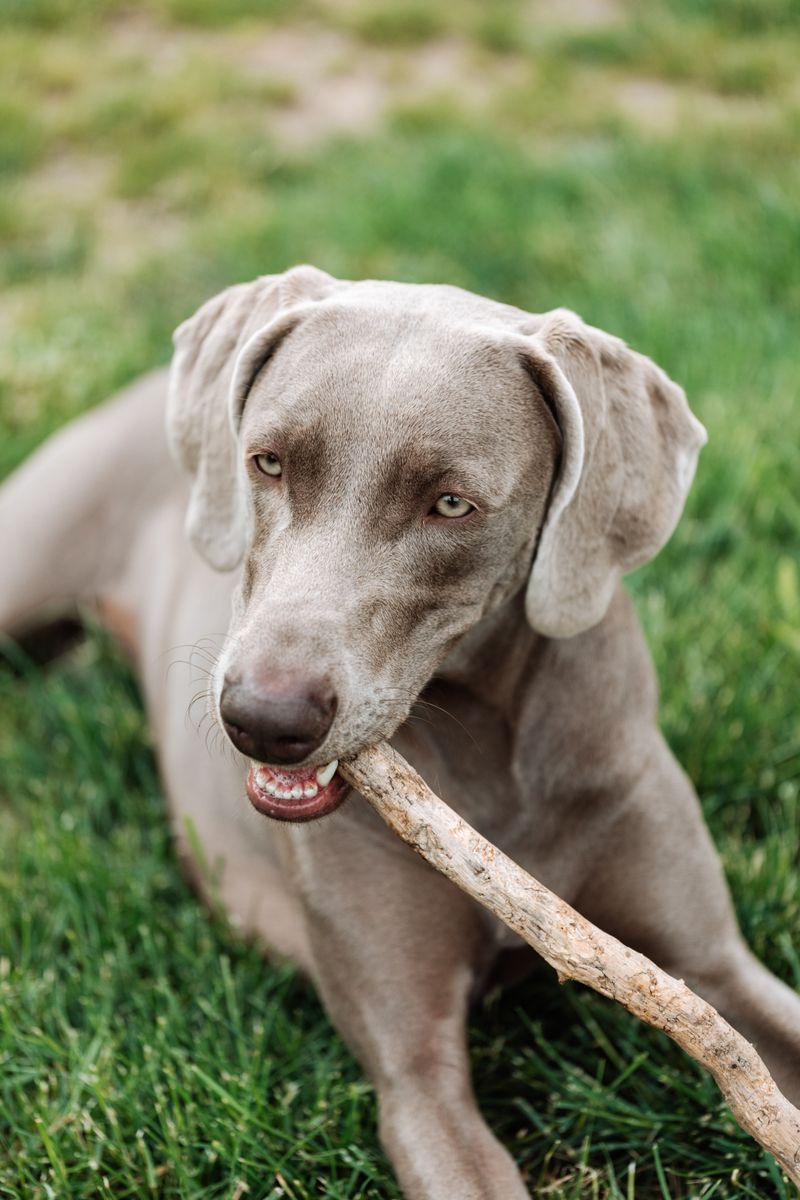
Nicknamed the Gray Ghost, the Weimaraner glides through woods with silent purpose. Athletic build and sharp senses help it track game across mixed terrain.
Because energy runs high, begin with a brisk warm-up, then switch to careful scent work. Use scented cloths placed at different heights, like stump level and ground level, to teach air versus ground scenting.
Keep cues short and calm. A long cool-down walk helps the dog settle after intense concentration.
Brittany
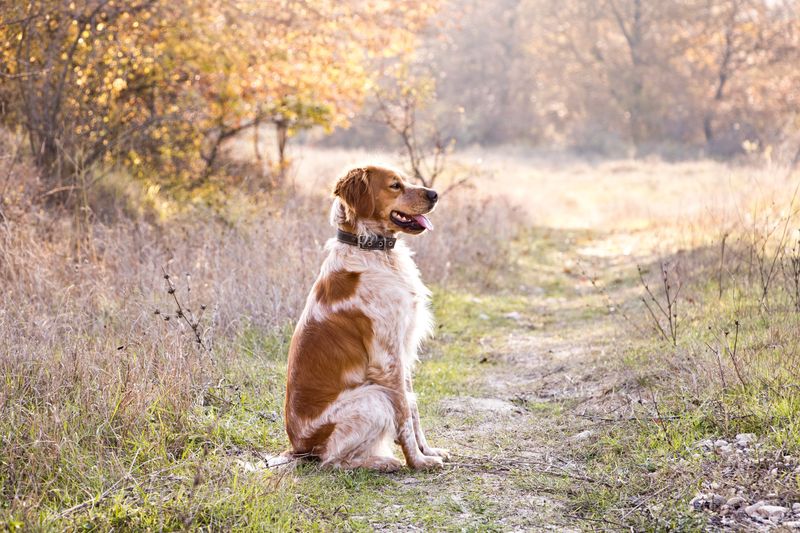
Quick feet meet a quick mind. The Brittany often works off wind scent, locating birds without charging straight in.
Practice by walking crosswind and dropping a scented dummy when the dog looks away. Loop back so the breeze carries odor toward the path.
Mark success with a soft toss of a second dummy. Keep sessions short to match this breed’s spark.
Add variety, like stubble fields one day and light woods the next, to build adaptable scent skills.
Jack Russell Terrier
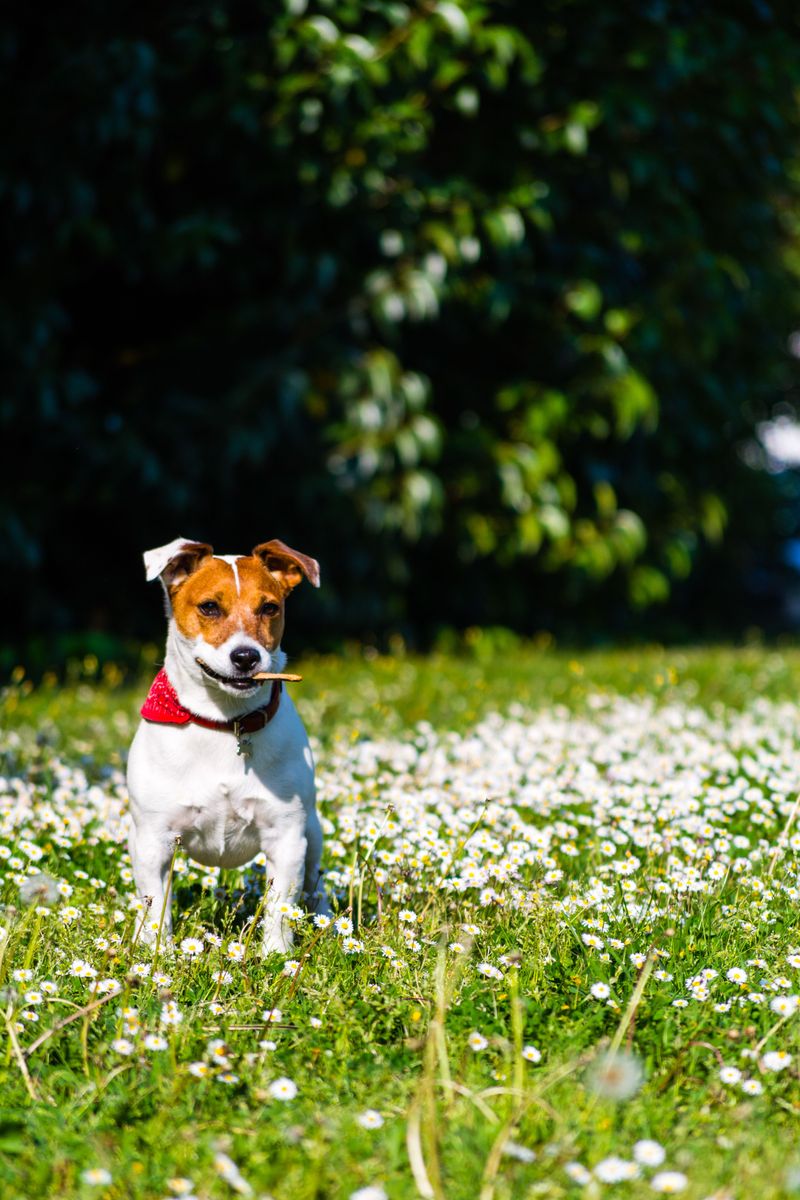
All go, no quit, this terrier chases scent puzzles like a riddle it must solve. Bred for fox work, it relishes tight spaces and quick turns.
Construct a box search with three decoys and one scented target. Shuffle placements often to prevent guessing.
Reinforce finds with a tug toy instead of food if the dog prefers action. Secure fences are vital because hot trails can trigger bold escapes.
Mental workouts curb that famous buzz of energy.