
Some dogs are the life of the dog park. Others feel happiest working closely with their person.
This article highlights breeds that enjoy calm, focused time instead of wild group play. Learn simple ways to keep them engaged and content.
Doberman Pinscher
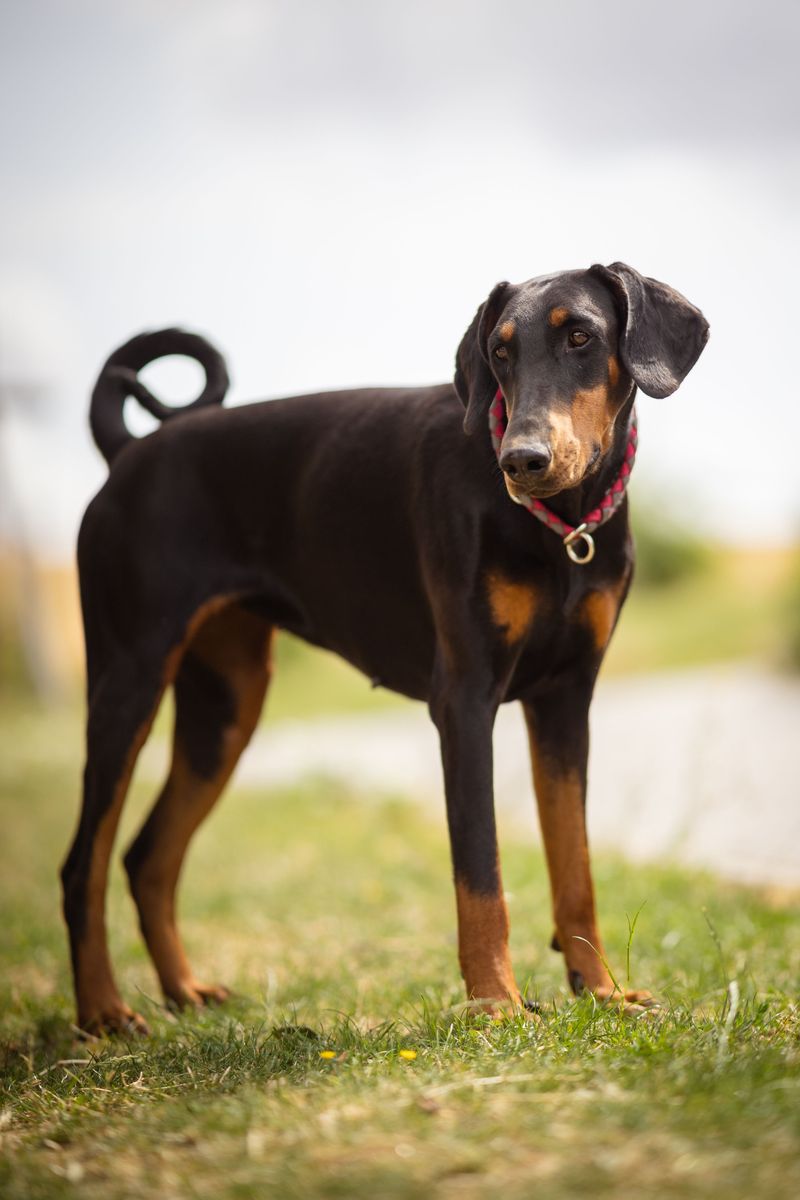
Known for sharp focus, the Doberman bonds closely with one person. A busy dog park can feel messy to them, but a calm training session lights them up.
Try scent games, heelwork, or platform training to build trust and burn energy.
Short daily workouts matter more than random mingling. Rotate tug, fetch with rules, and impulse control drills.
Keep sessions upbeat, brief, and clear. With structure and praise, their confidence grows, and you become their favorite project.
Vizsla
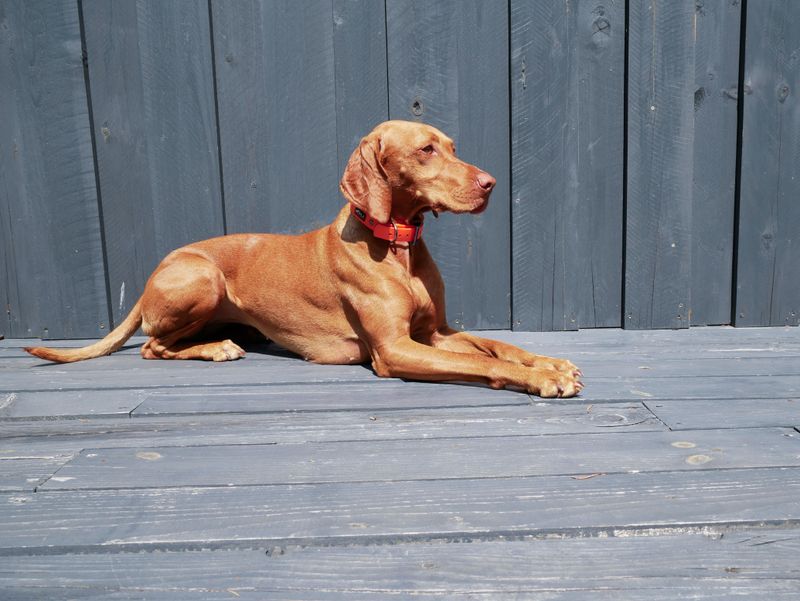
Ask a Vizsla to choose, and they pick your side every time. Nicknamed a velcro dog, they thrive on shared tasks.
Quiet hikes, bird-dog drills, or jogging at your pace satisfy their mind and body far better than chaotic romps.
Plan gentle focus games like hand targets, retrieves to hand, and place training. Use soft voices and plenty of touch.
Consistent routines reduce stress. When you lead with patience, their bright eyes and silky tail tell you everything.
Dachshund
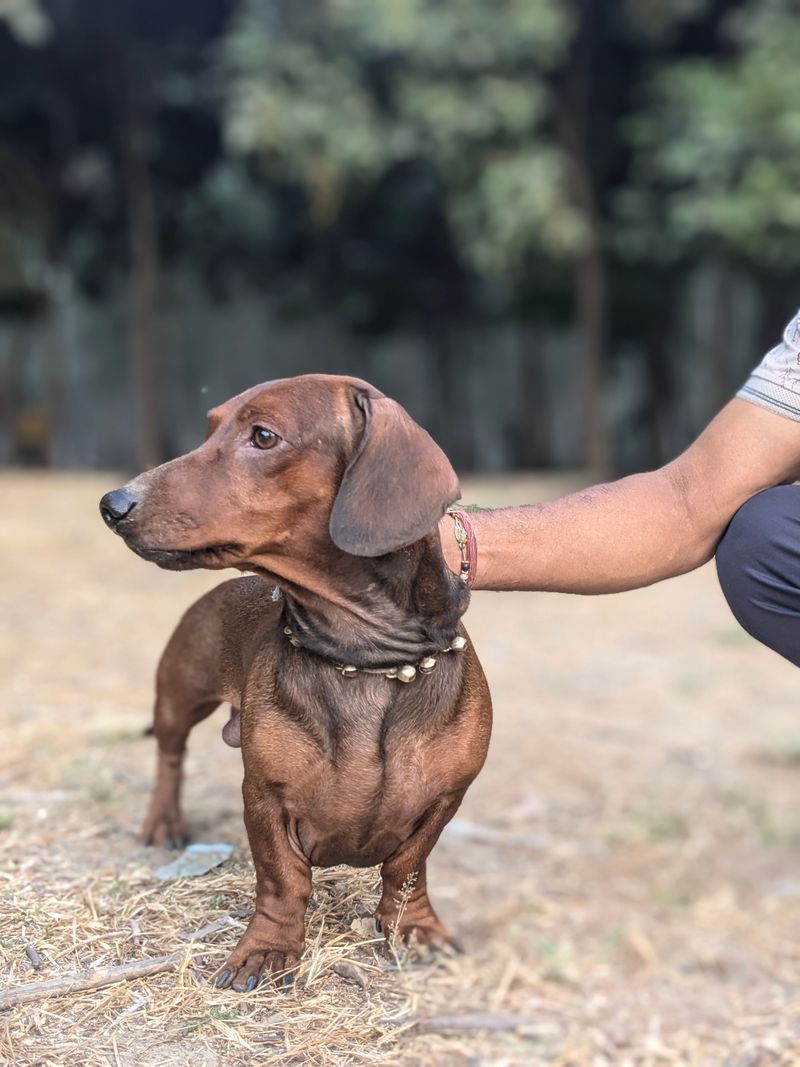
A long body hides a bold spirit. Many Dachshunds prefer problem solving with their person over wrestling with strangers.
Nosework, dig boxes, and short tracking lines channel that ancient hunting drive in a safe, thoughtful way.
Keep sessions fun and cozy. Try rewards they adore, like warm blankets, tiny treats, and cheerful praise.
Avoid rough crowds that bump their backs. With respectful handling and small challenges, they shine, showing courage, wit, and surprising patience during focused time.
Chihuahua
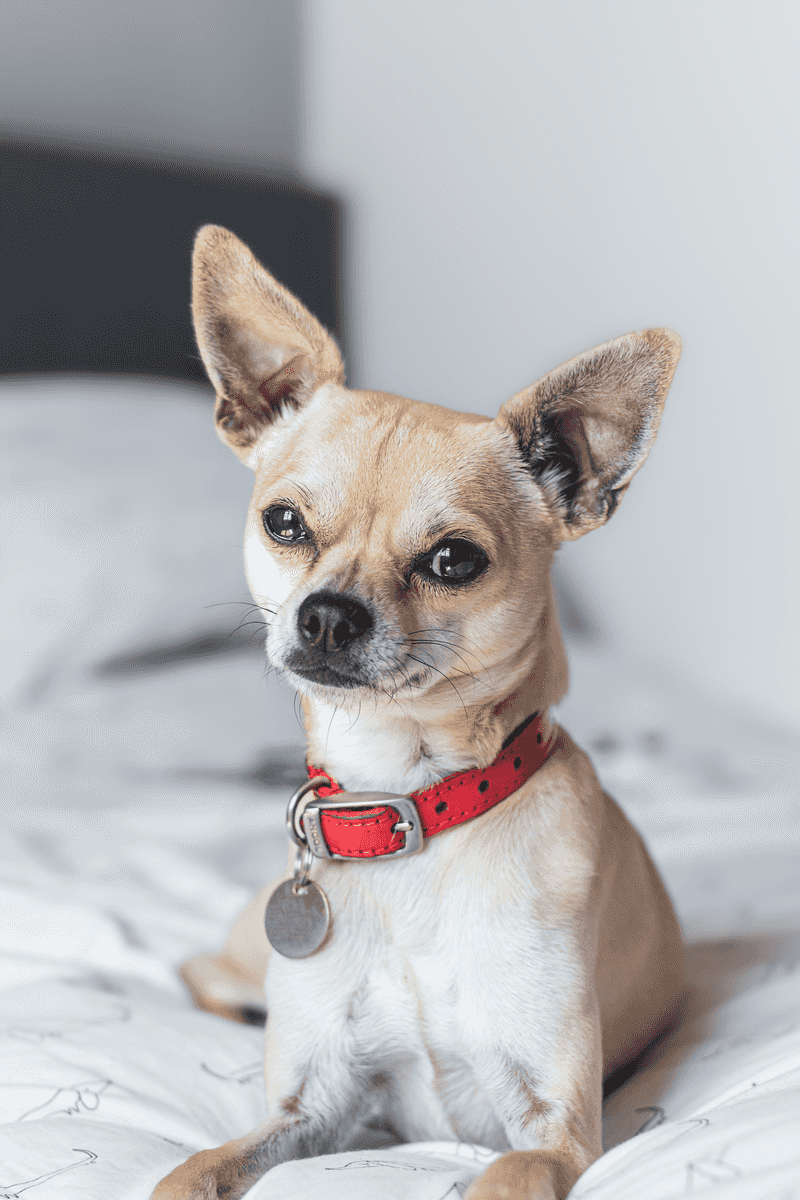
Tiny size, huge loyalty. Many Chihuahuas feel safest reading one face, not a crowd of dogs.
A quiet lap, clicker tricks, and short walks with sniff breaks can be plenty for their busy mind.
Offer warm places and fair boundaries. Teach simple cues like touch, spin, and settle on a mat.
Protect them from rough play and sudden grabs. When they trust your routine, their sass turns into sparkle, and training becomes a sweet conversation.
German Shepherd
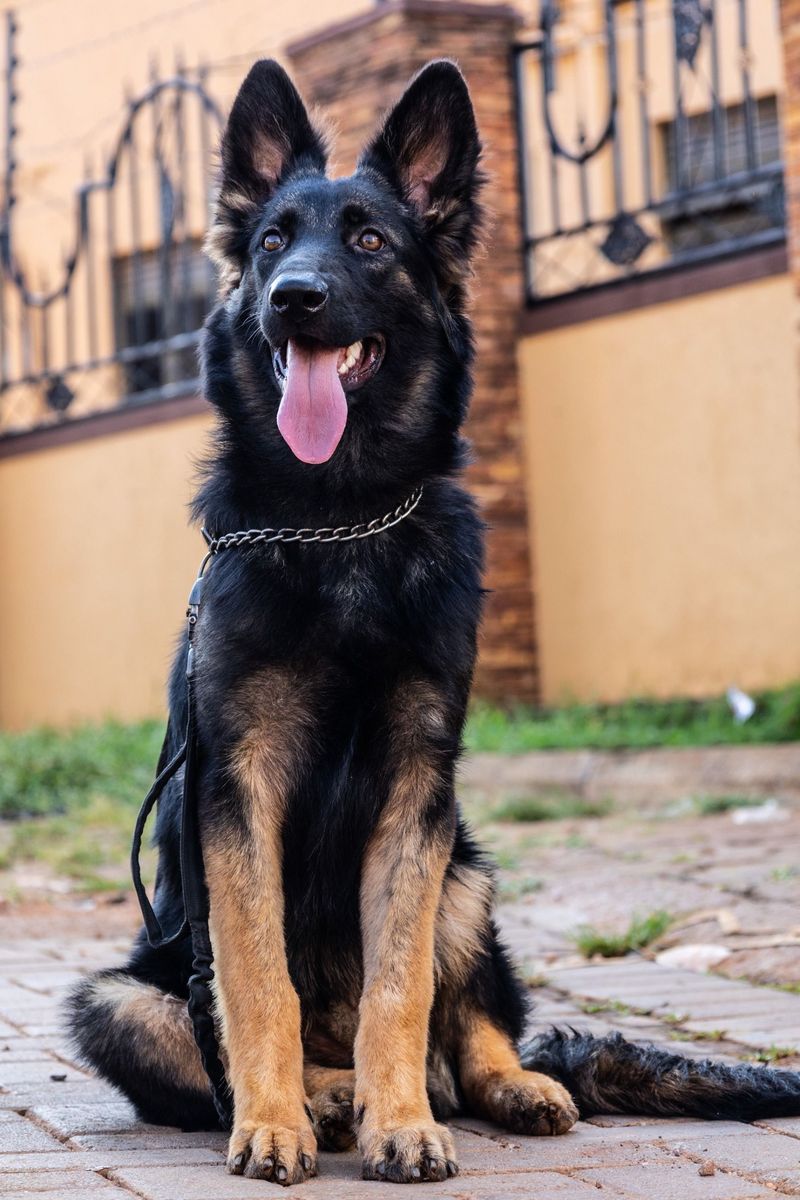
Give a German Shepherd a job, and watch them light up. Group chaos can feel pointless to them, while clear tasks make perfect sense.
Tracking, obedience patterns, and agility foundations satisfy their brain and body.
Use calm leadership and fair rules. Break work into short sets, reward accuracy, and end on success.
Rotate puzzles on rest days. With steady guidance and rich feedback, they learn quickly, stay confident, and prefer your focused partnership over noisy playground dramas.
Akita
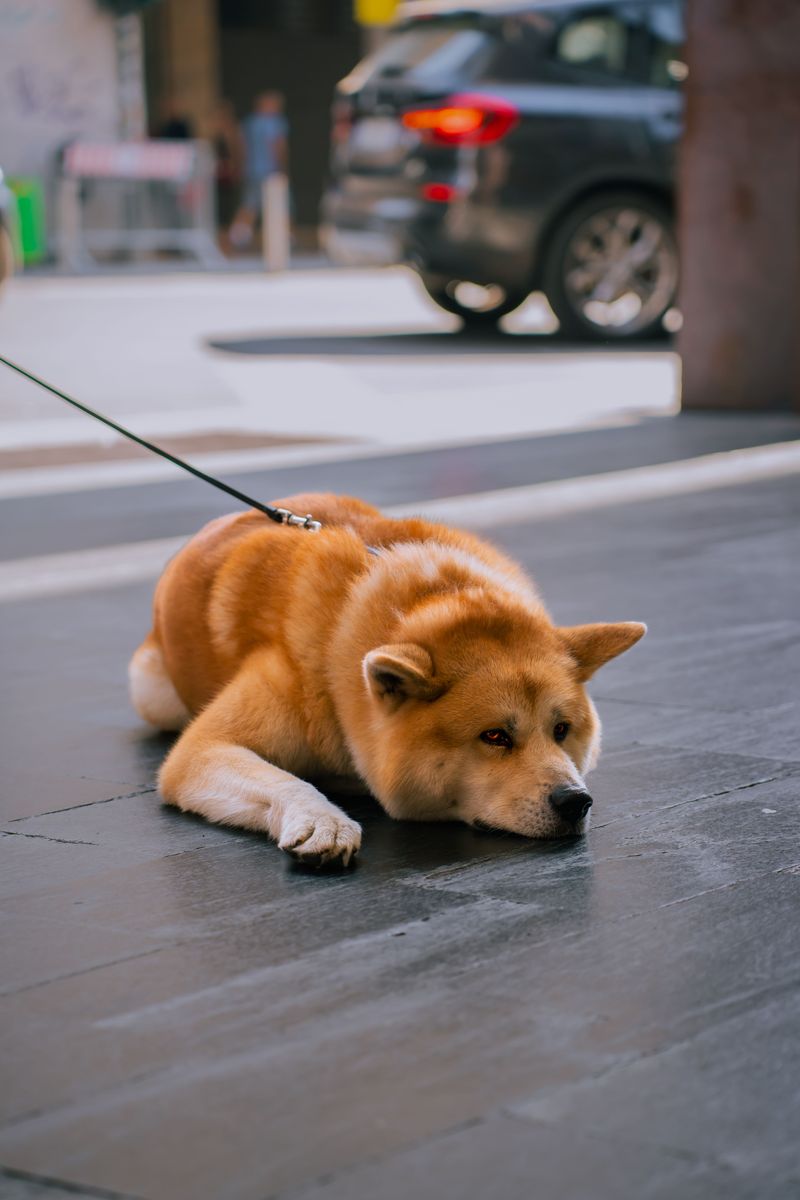
Quiet strength defines the Akita. Many are polite with other dogs yet prefer a private world with their person.
Slow walks, careful manners, and calm training help them feel understood.
Keep interactions simple and respectful. Teach solid recalls, loose-leash skills, and thoughtful greetings.
Use food rewards, not force. Space matters, so choose wide trails and less-crowded times.
When treated like a trusted teammate, an Akita shows deep loyalty, steady courage, and a peaceful heart that blossoms during one-on-one time.
Weimaraner
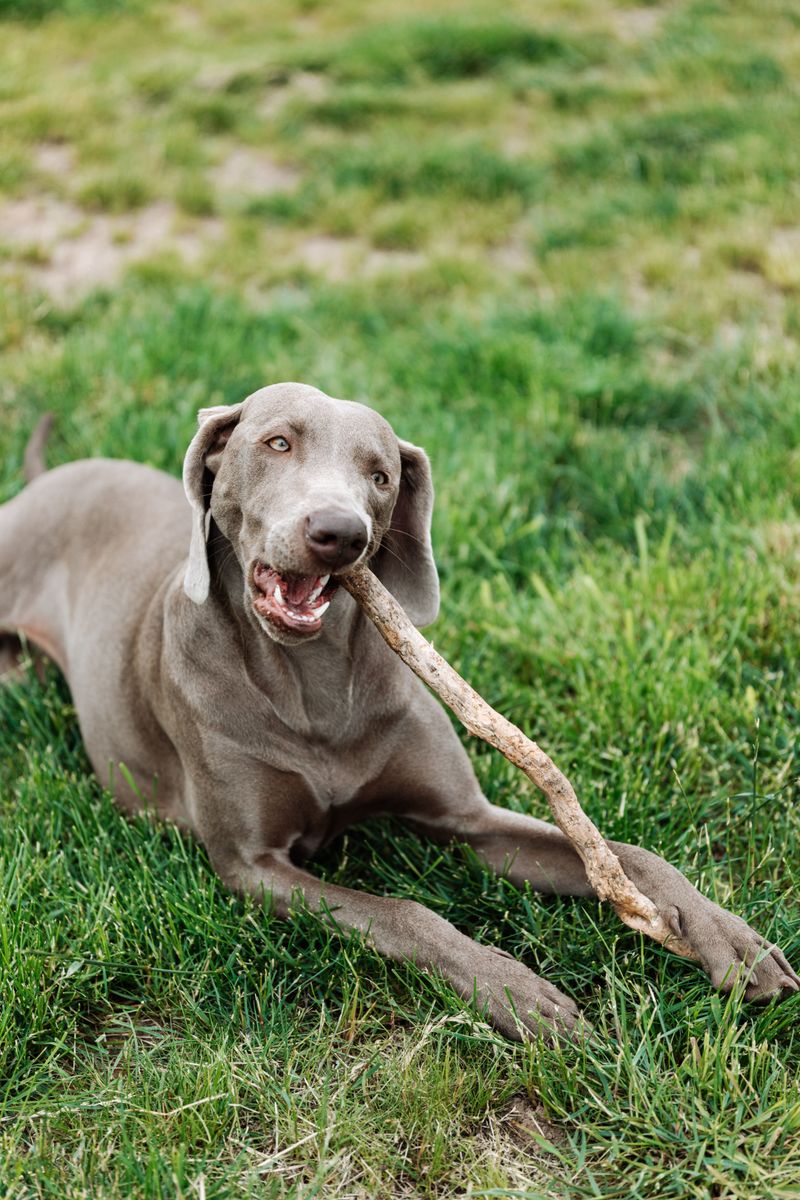
A Weimaraner is a shadow with legs. They crave purpose and can get overstimulated in rowdy dog groups.
Long-line recalls, field searches for hidden toys, and structured runs keep their busy brain satisfied.
Consistent cues and athletic outlets are key. Build calm at home with settle games and crate naps.
Teach patience before play or meals. When you pair endurance work with clear expectations, that silver ghost relaxes, listens well, and chooses your side over noisy commotion.
Miniature Pinscher
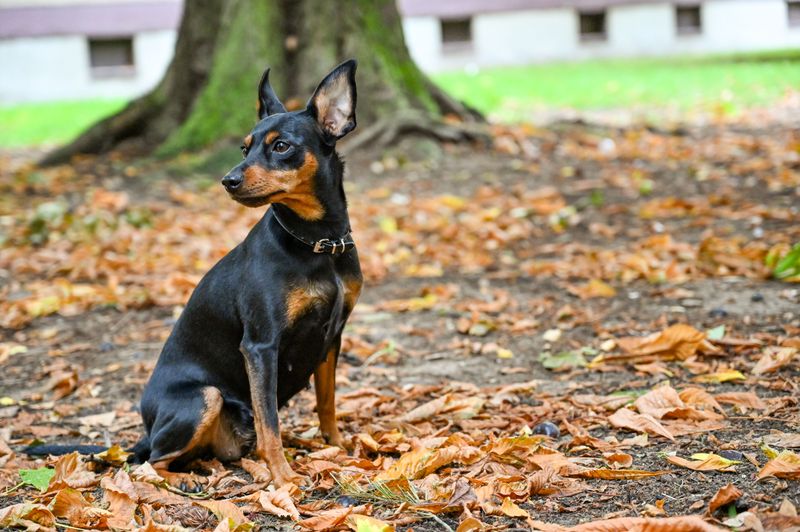
Small frame, big boss energy. The Miniature Pinscher loves directing their own movie and would rather rehearse with you than party with strangers.
Target games, perch pivots, and tiny agility setups give them a smart outlet.
Keep lessons quick and spicy. Use rapid rewards, playful movement, and clear finish cues.
Give warm jackets in cold weather and safe spots to rest. When you provide structure and sparkle, their swagger turns into skill, and training time becomes the best show.
Scottish Terrier
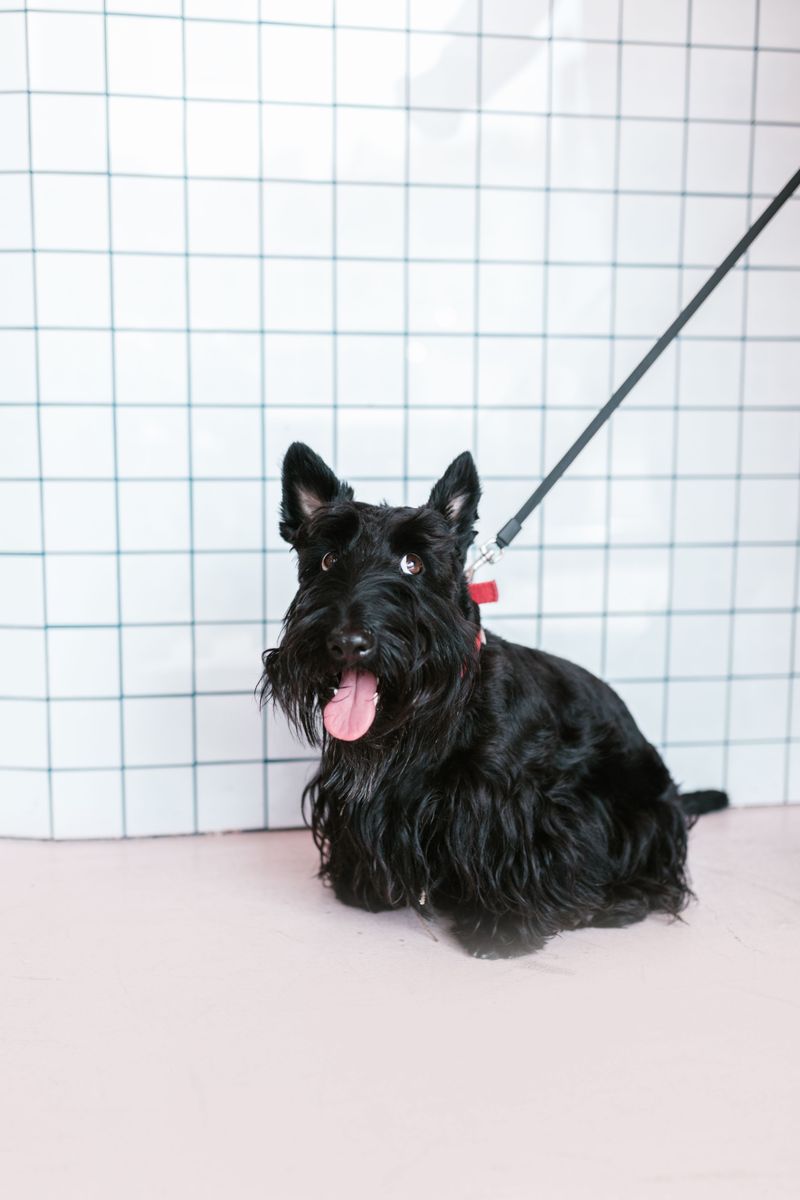
Under the eyebrows lives a thinker. Scottish Terriers often prefer dignified work to rowdy meetups.
Short tracking games, careful grooming routines, and polite neighborhood walks fit their style.
Honor their independence with clear choices. Offer yes-no cues, reward check-ins, and keep sessions brief.
Practice patience at doorways and curbs. With steady rituals and gentle humor, they reveal quirky charm, surprising bravery, and a steady eagerness to engage when the world feels calm and predictable.
Shiba Inu
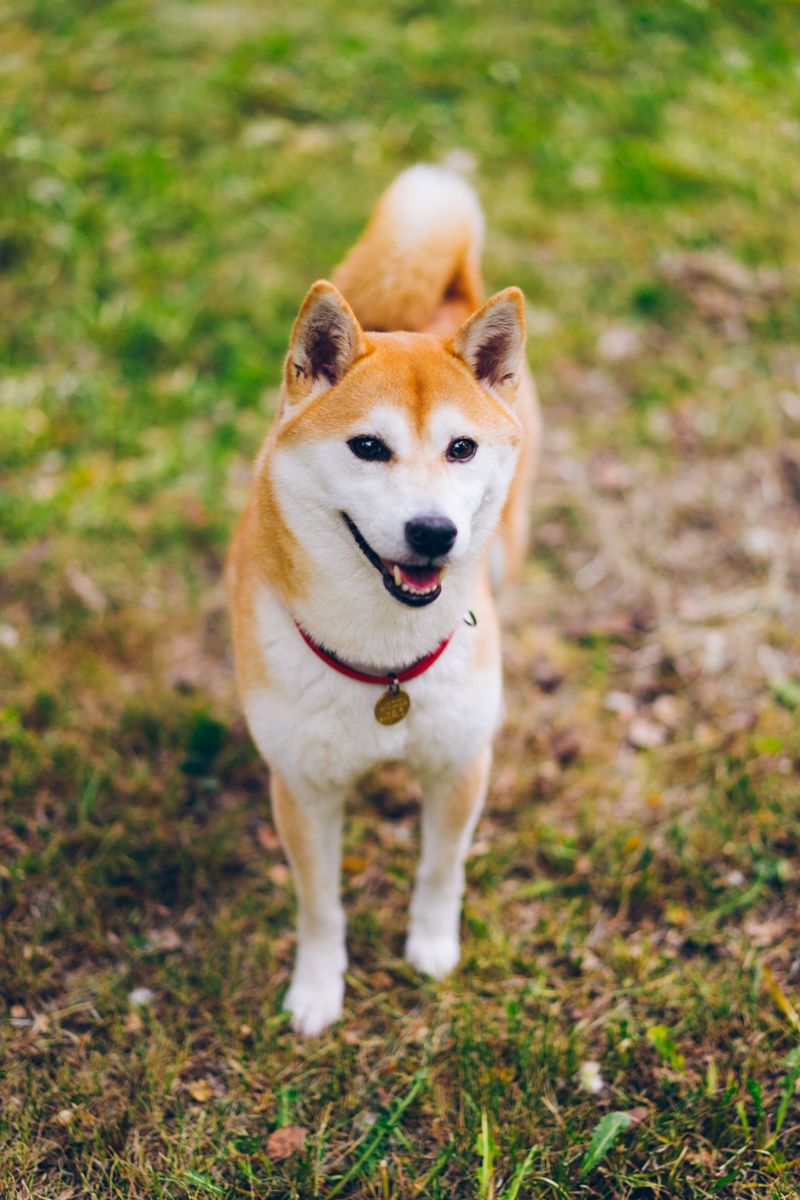
Ask a Shiba Inu how they feel, and you will get an honest look. Many are selective about dog friends yet enjoy quiet adventures with their favorite human.
Exploration walks, trick sessions, and camera-friendly poses make great use of their clever mind.
Respect autonomy while guiding kindly. Teach consent cues for handling, strong recalls, and relaxed harnessing.
Choose uncrowded parks and steady routines. When you celebrate their wit without pressure, the foxlike grin appears, and partnership becomes smooth, stylish, and deeply rewarding.