Some dogs are happy to let the family cat call the shots. If your kitty loves the sunny windowsill and a quiet home, you may want a dog who keeps things calm.
The breeds below usually enjoy company, not conflict, and often respect feline boundaries. Pick wisely, and you can build a peaceful team that naps, plays, and snacks in harmony.
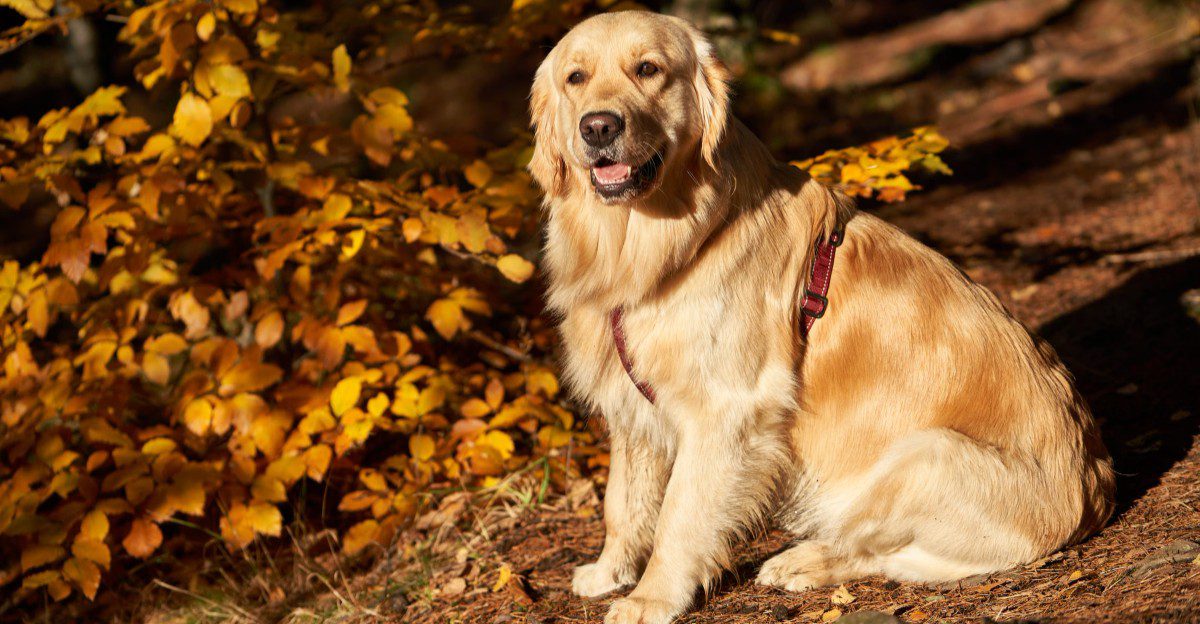
Golden Retriever
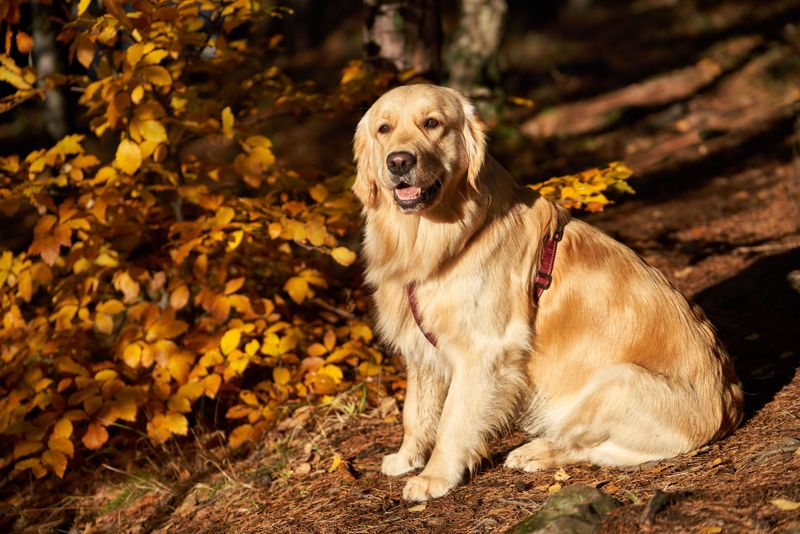
Sunny smiles meet calm manners right at the doorway. Many Goldens are happy to share space, and a confident cat often sets the schedule for naps and hall patrols.
Their people-pleasing streak usually bends toward peace, not power.
Give your dog steady exercise, puzzle toys, and clear routines so energy fades before turf arguments start. Slow, supervised greetings help, plus separate feeding spots and cozy retreats.
A soft brush session with both nearby can build trust and a sweet truce.
Cavalier King Charles Spaniel
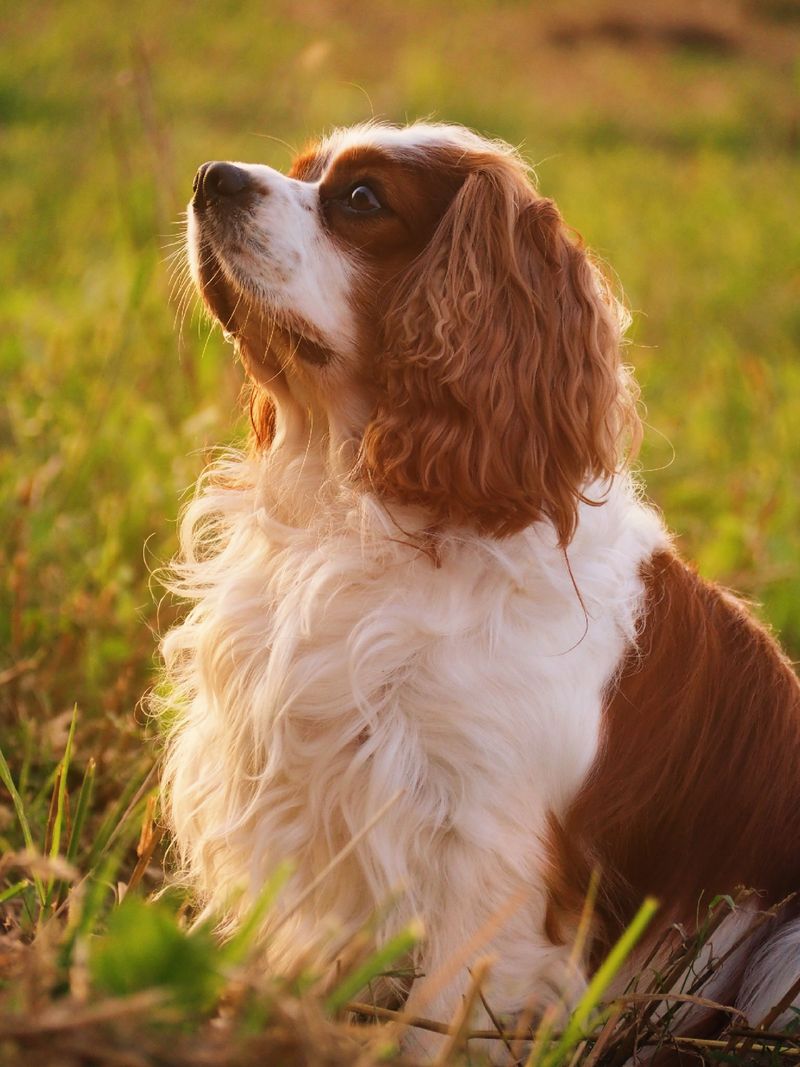
With a lap-loving spirit, the Cavalier often votes for cuddles over control. These dogs follow people more than they chase, which can lower a cat’s stress.
Their soft expression matches a soft approach to house rules.
Create safety by letting the cat claim high perches and quiet rooms. Short, cheerful walks and chew breaks keep the Cavalier balanced.
Reward calm sniffing near the cat, and step in early if excitement builds, turning it into a quick training game.
Bichon Frise
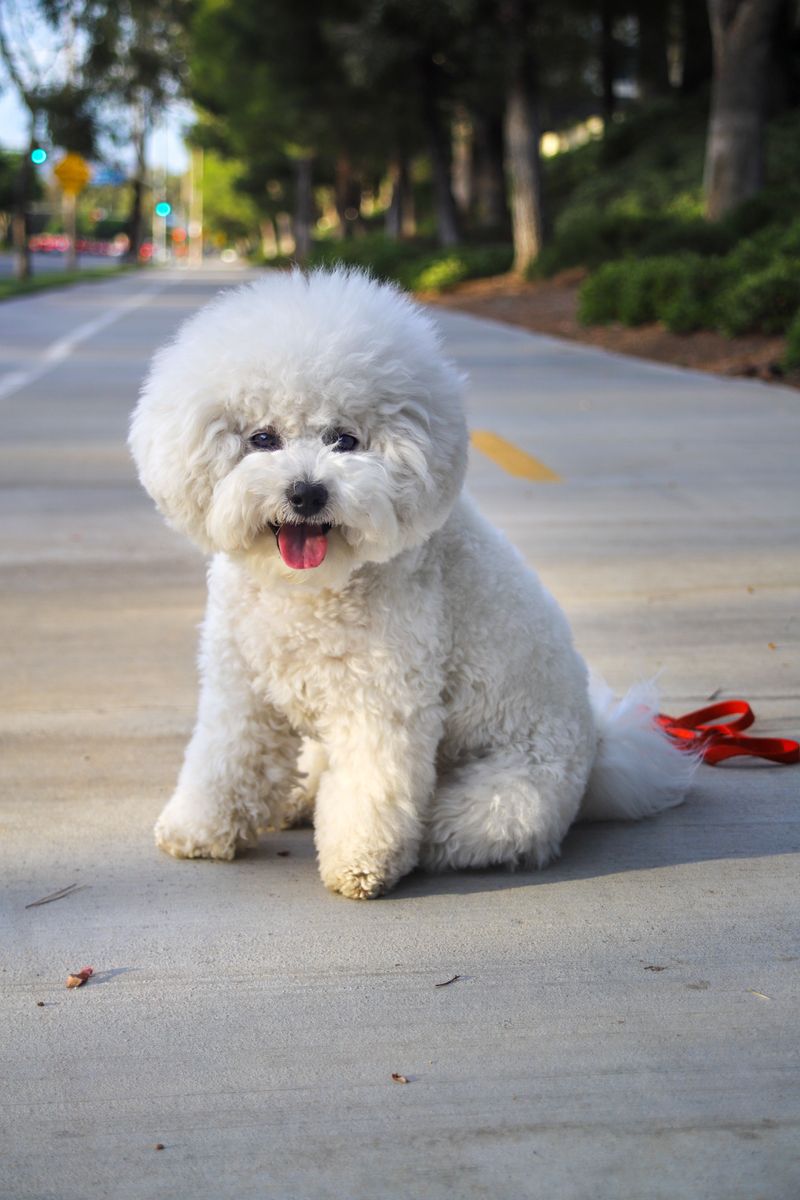
Picture a cheerful cloud that prefers playdates to power plays. Bichons are social butterflies and often read a cat’s body language fast.
A slow blink from the cat usually earns a polite pause from the pup.
Keep grooming calm and quick so the blower noise does not worry the cat. Plan short fetch sessions, then quiet time with a snuffle mat.
Teach a happy “go to bed” cue so the dog can retreat when your cat needs the room.
Pug
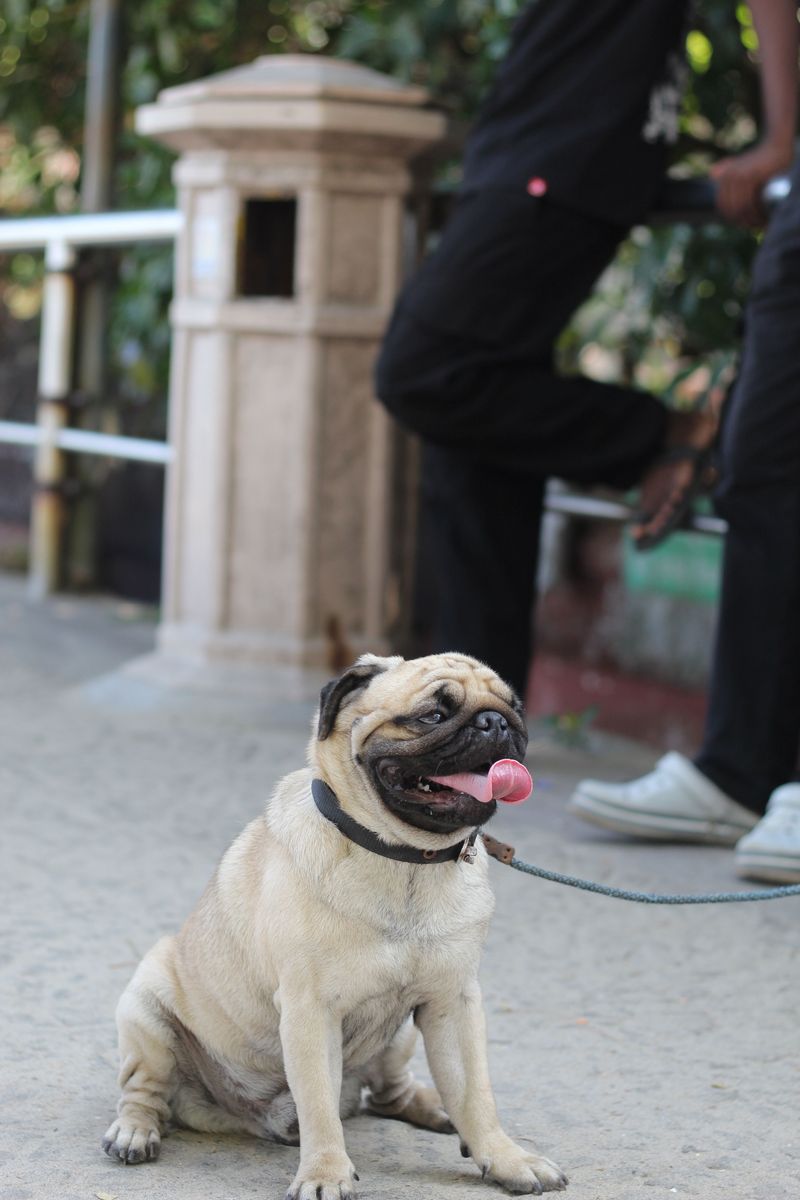
Big personality, tiny ambition to rule. Pugs often care more about snacks and naps than chasing a whiskered neighbor.
Their steady pace and goofy charm can put a cautious cat at ease.
Keep walks moderate and the home cool, then offer stuffed Kongs to reduce boredom. Feed in separate corners to prevent side-eye over bowls.
If the cat swats, guide the Pug to a comfy bed and reward chill behavior, showing that relaxation earns treats and praise.
Maltese
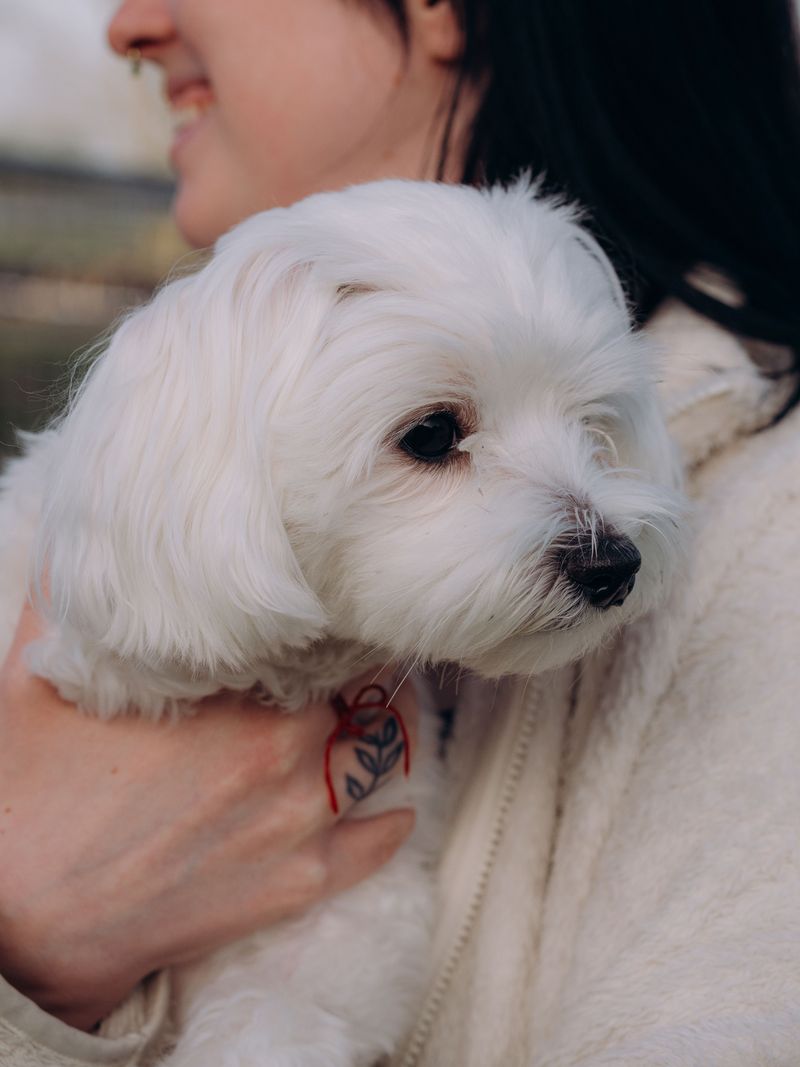
Small and people-focused, the Maltese tends to trail humans, not cats. Many are content to watch from the couch while the feline sets the parade route.
A quiet bark, then back to cuddles.
Keep training gentle and upbeat, using tiny treats. Offer window loungers for the cat and floor-level nests for the dog, so everyone has a favorite spot.
Schedule play in short bursts, then cue a calm settle, teaching the dog that stillness is part of the routine.
Rough Collie
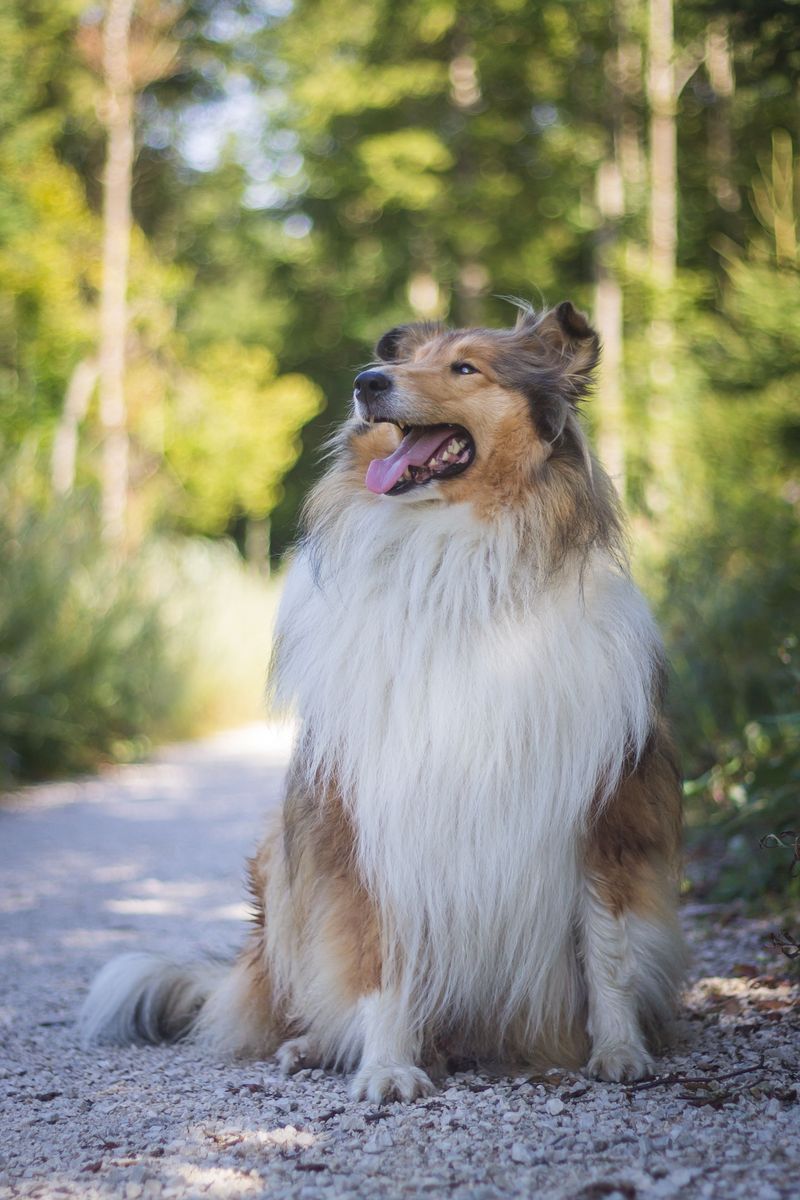
Storybook looks meet a thoughtful mind. Rough Collies often watch first and act second, which suits a cat that likes to supervise.
Their herding instincts can show, yet many prefer guiding gently rather than chasing.
Channel brains with nosework games and calm leash walks. Teach a solid “leave it” and reward ignoring the cat’s zooms.
Provide tall cat trees and clear pathways so no one feels cornered. Quiet structure helps this sensitive breed relax around feline royalty.
Boston Terrier
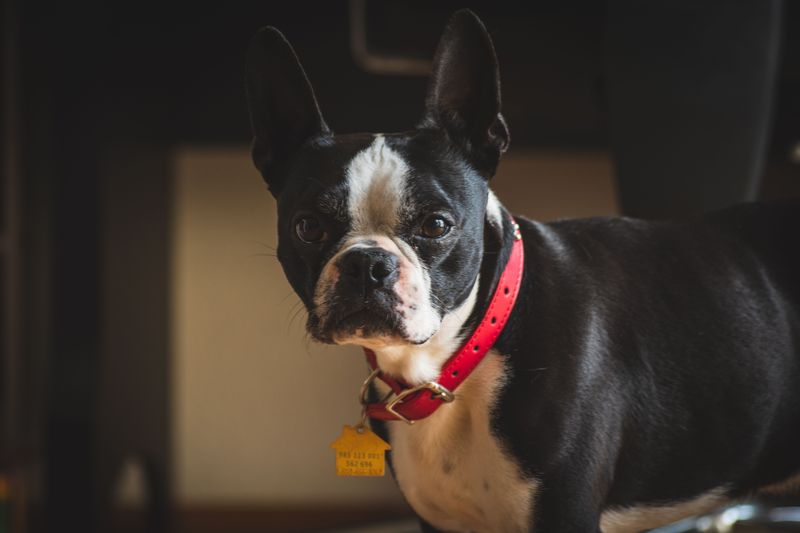
Comedy first, takeover last. Bostons often chase laughs, not crowns, and many prefer toys over turf.
Their friendly spark can win over a bold cat that enjoys calling the plays.
Keep zoomies brief with quick fetch and then practice impulse control games. Use baby gates to manage space and reduce face-to-face pressure.
Reward calm sits when the cat passes by. A short snort and a wink, and the Boston is back to chill mode beside the couch.
Havanese
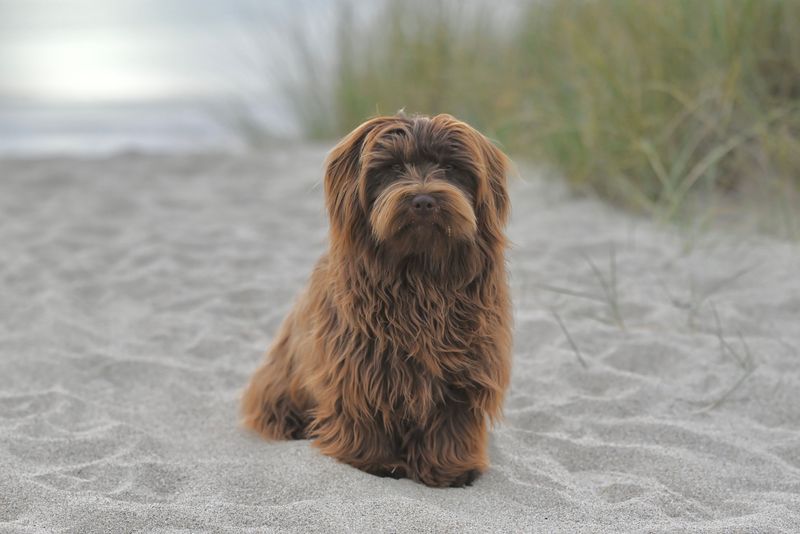
Born for companionship, the Havanese loves harmony. Many choose people-time and gentle games over chasing tails that are not theirs.
A cat with confidence usually gets a friendly nod and plenty of space.
Make calm a habit with short training bursts and cozy crate breaks. Rotate soft toys to prevent boredom.
Give the cat escape routes, and reward the dog for glancing away from feline drama. Gentle routines keep everyone relaxed and the living room peaceful.
Shih Tzu
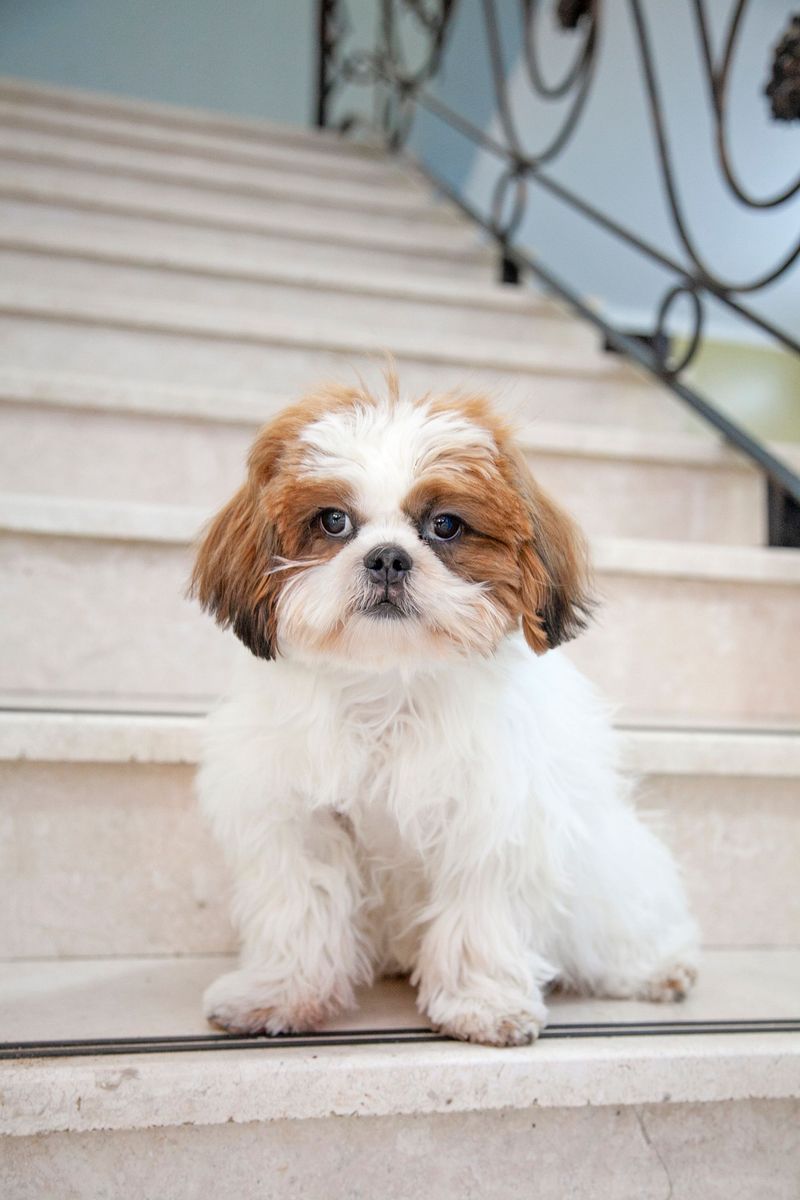
Palace vibes, humble heart. Shih Tzus were bred as companions and often enjoy a slow stroll to the water bowl while the cat rules from above.
Drama is rare when naps rank higher than negotiations.
Keep hair out of eyes to reduce startle moments. Offer gentle enrichment like licky mats and short grooming sessions paired with treats.
Reward peaceful side-by-side resting. Separate high-value chews so nobody argues, and your royal court will run smooth without power struggles.
Papillon
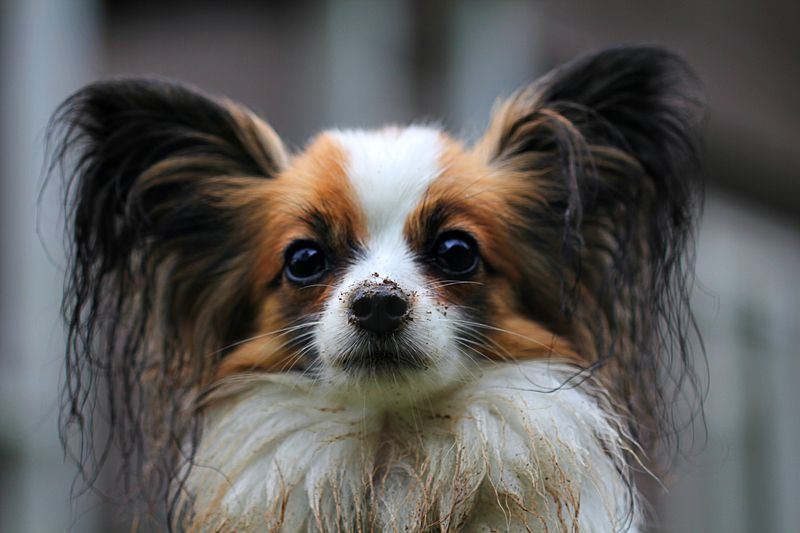
Those big ears catch every whisper, including a cat’s quiet warning. Papillons are sharp thinkers who often prefer brain games to boss fights.
Respectful curiosity usually replaces chaotic chasing.
Teach a rock-solid recall and mark calm glances toward the cat with treats. Try trick training to drain mental energy.
Keep the cat’s shelves and bridges off-limits to the dog, using clear boundaries. With smart routines, the Papillon settles into the rhythm your whiskered foreman already set.
Cocker Spaniel
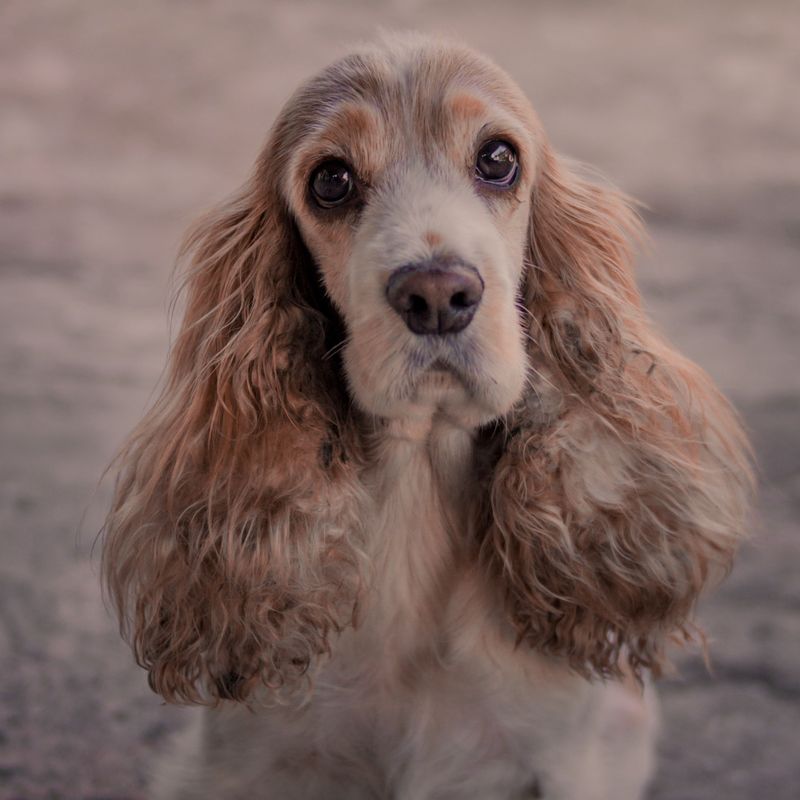
Sweet eyes, softer approach. Many Cockers enjoy people-focused tasks and are happy to share rooms with a self-assured cat.
A steady walk and a sniff of the garden usually beat any living room rivalry.
Groom gently to prevent matting that could cause irritability. Practice calm sits before greetings and reward ignoring cat toys.
Use food puzzles to lower energy spikes. With patient introductions and predictable schedules, your cat can keep the clipboard while the Cocker handles smiles.
Newfoundland
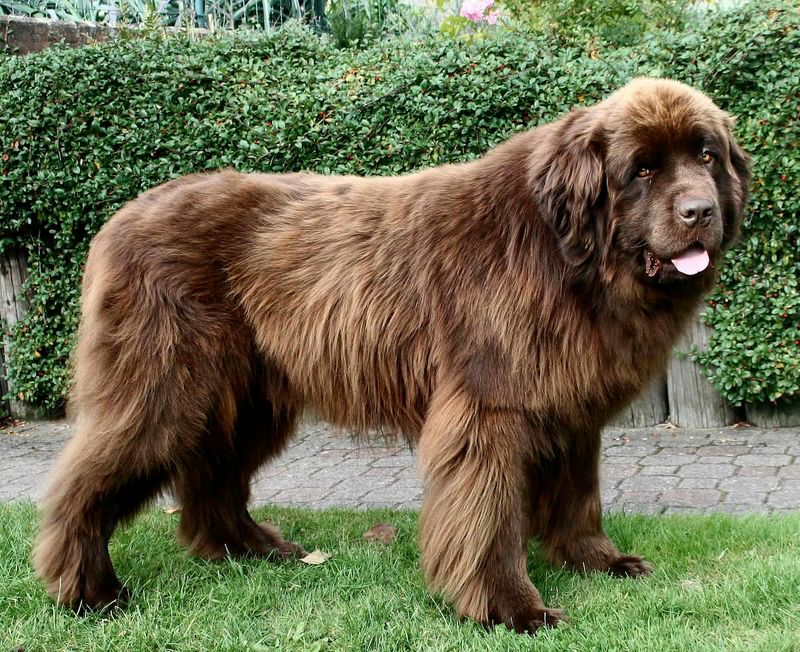
With a heart as big as its paws, the Newfoundland often chooses kindness over control. Many are unflappable, letting a bossy cat stroll by without a fuss.
Slow movements and patient eyes help everyone feel safe.
Meet their needs with steady swims or gentle hikes, then offer a big mat for deep naps. Keep water bowls fresh and separate food areas.
Reward calm when the cat inspects those giant toes. Peace thrives when the giant stays relaxed and respectful.