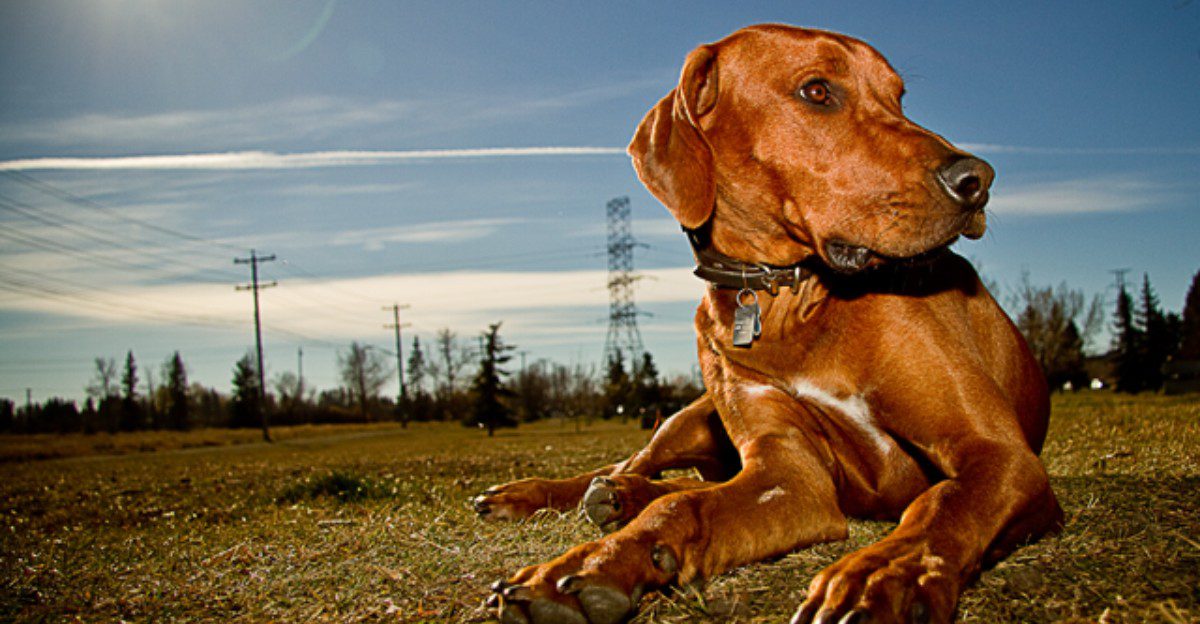
Plenty of people want a dog that feels calm and fine on its own. That can be great, but too much distance can bring new challenges.
Some breeds are proud, stubborn, or happiest making their own choices. Knowing what independence really looks like will help you pick a dog that fits your life without surprises.
Shiba Inu
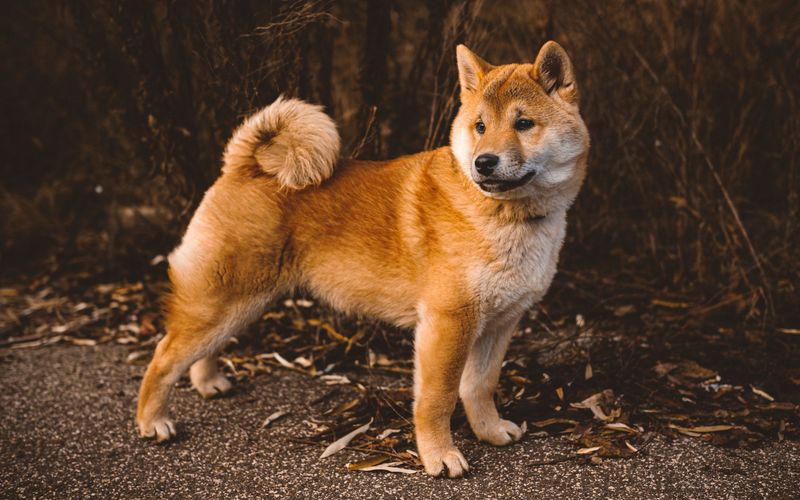
Fox-like and self-assured, the Shiba often acts like a tiny landlord who rents you the couch. They value personal space and may ignore constant cuddles.
Many are quiet at home, then switch to chase mode outdoors.
Plan short, upbeat training with tasty rewards. Secure fences, practice calm handling, and add puzzle feeders to protect your shoes.
If you want independence without a headache, respect their limits and celebrate small wins.
Akita
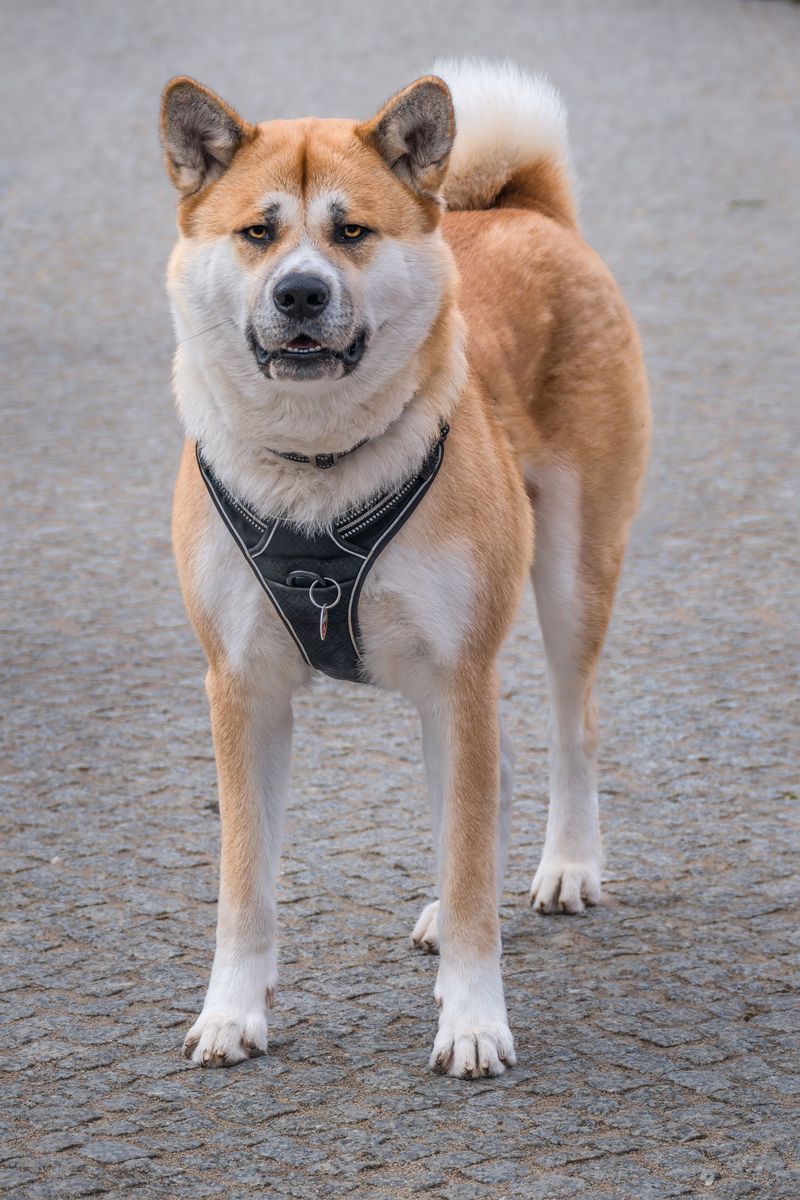
Big presence, quiet voice. The Akita guards with watchful calm and does not need your nonstop attention.
Strangers get a cool stare, and roughhousing is not their style. Loyalty runs deep, but so does a serious streak.
Early social practice, steady rules, and skilled handling matter. Keep training fair and brief, with clear boundaries.
Give mental work like scent games, and supervise dog-to-dog meetings. An Akita thrives when respect goes both ways.
Chow Chow
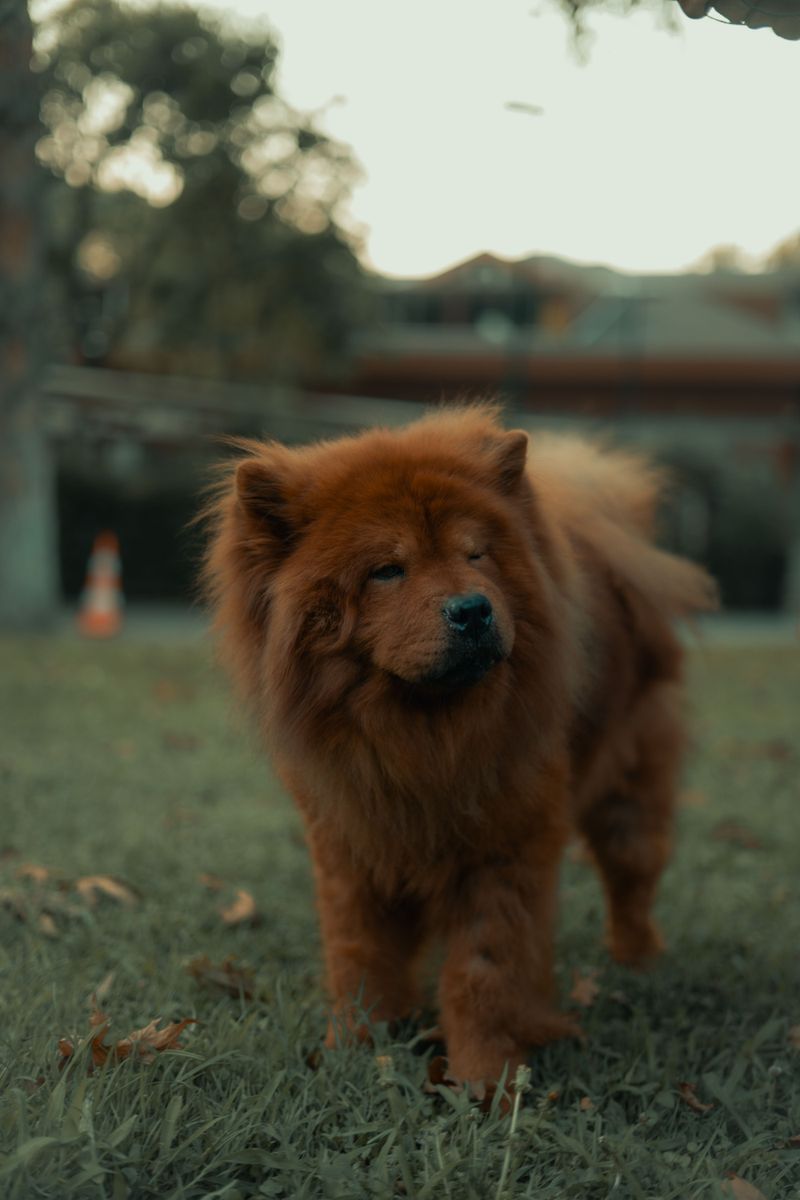
Velvet fur, cat-like manners. The Chow Chow enjoys choosing when to interact and prefers calm over chaos.
They can be aloof and may not enjoy being hugged. Still, they bond closely with their people.
Focus on gentle handling from puppy days. Keep grooming sessions short and rewarding so brushing becomes a spa moment, not a battle.
Quiet walks, polite guests, and stable routines bring out their best behavior and steady confidence.
Basenji
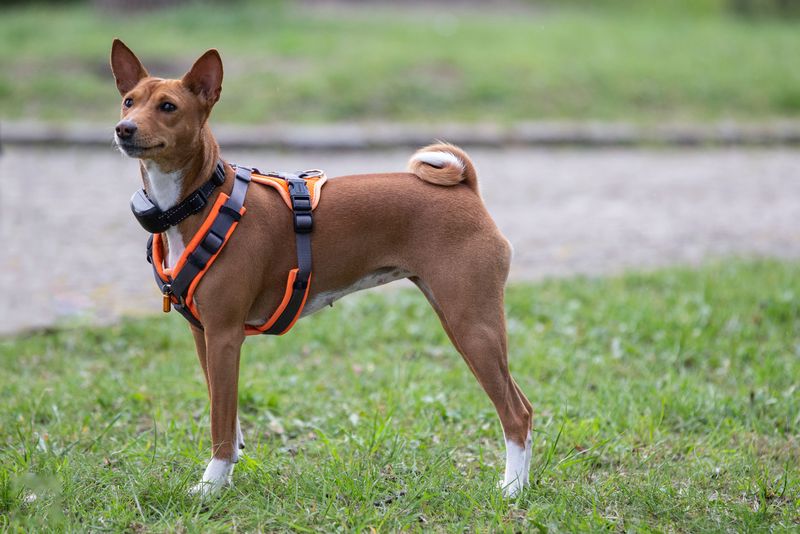
Nicknamed the barkless dog, the Basenji communicates with yodels and side-eye. Clever and quick, they solve problems you did not know you had, like opening cabinets.
Affection arrives on their schedule, not yours.
Rotate brain games, add scent hunts, and try agility for focused outlets. Keep sessions brisk and upbeat to outsmart boredom.
Secure yards matter, since chase drives kick in fast. Independence shines when curiosity has a safe, fun job.
Scottish Terrier
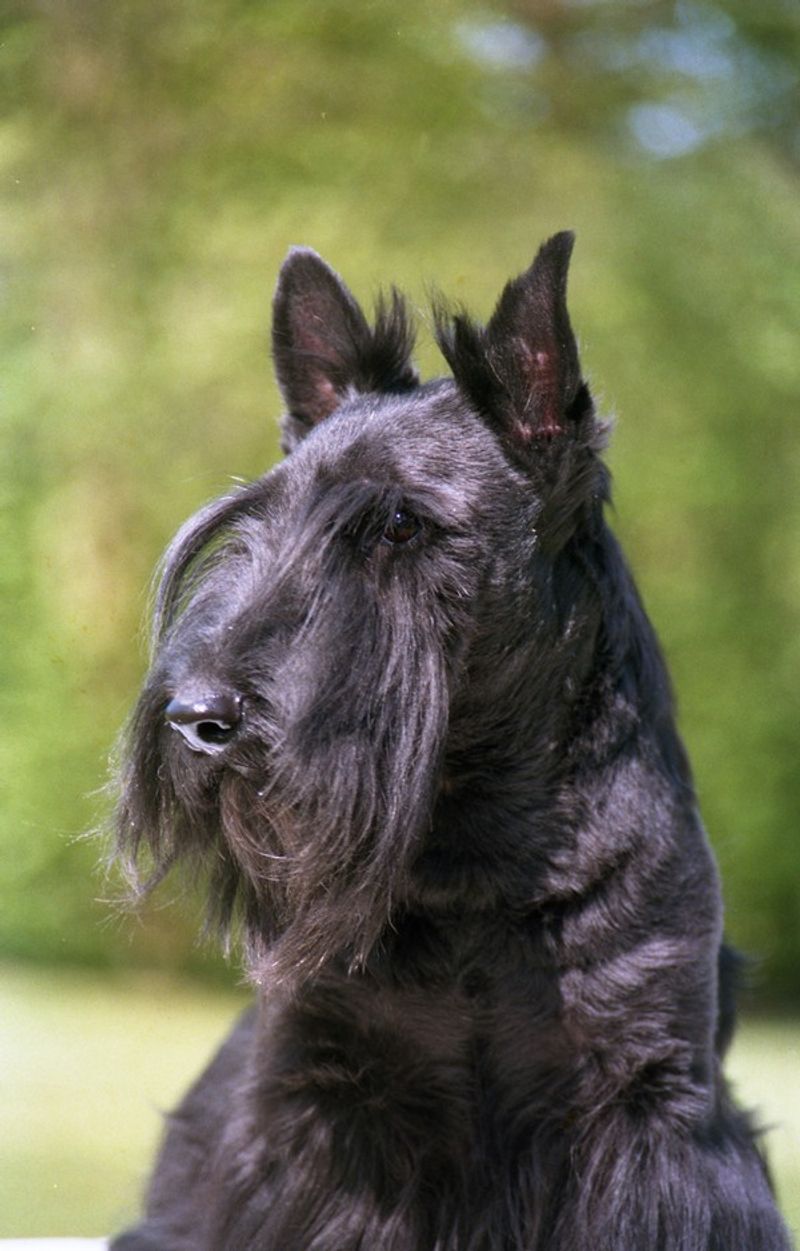
Small body, colossal backbone. The Scottie carries itself like a mayor on patrol.
They adore their family yet insist on keeping some privacy. Digging, sniffing, and brisk walks fit their style.
Use firm, fair guidance without nagging. Offer digging boxes, nosework, and short training bursts with high-value treats.
Let them think they discovered the answer. Proper outlets turn stubborn energy into confident charm, and alone time becomes peaceful, not pouty.
Great Pyrenees
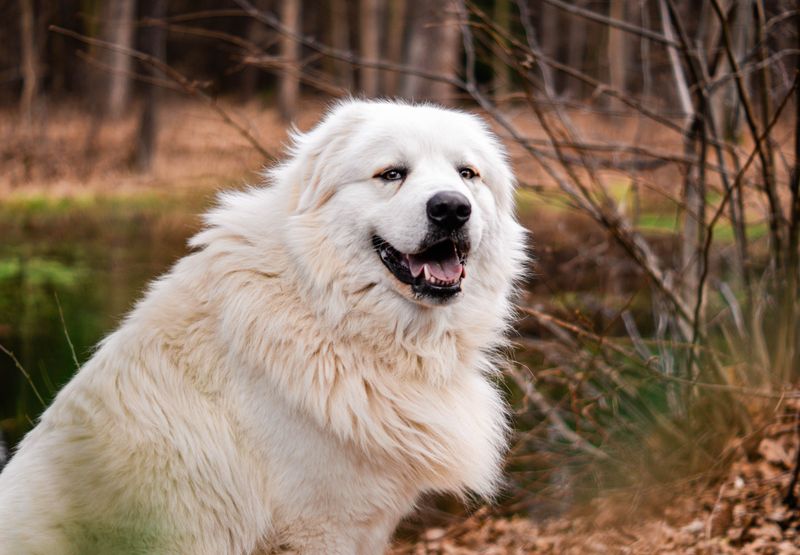
Night shift supervisor, at your service. The Great Pyrenees was bred to watch flocks and make decisions without help.
That history shows in their calm, independent style at home and on property lines.
Provide a secure yard and a job, even if it is porch patrol or boundary walks. Teach reliable recall with patience, then reinforce it often.
Minimal drilling, lots of trust, and steady routines bring out their composed, protective spirit.
Afghan Hound
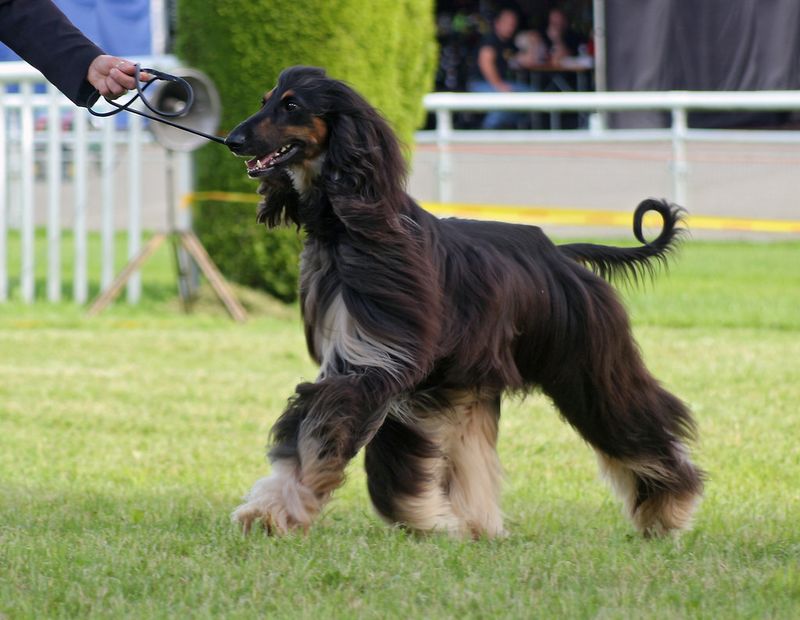
Like a runway model with a secret sprint button, the Afghan Hound glides through life with grace. They can be affectionate, yet prefer low-pressure attention.
Chasing movement is built in, and hearing their own ideas is common.
Keep grooming gentle and scheduled. Use long-line recall practice in open spaces, and swap in sprint sessions for sanity.
Rotate lure toys and short training lessons. Confidence grows when you blend freedom with smart structure.
Shar-Pei
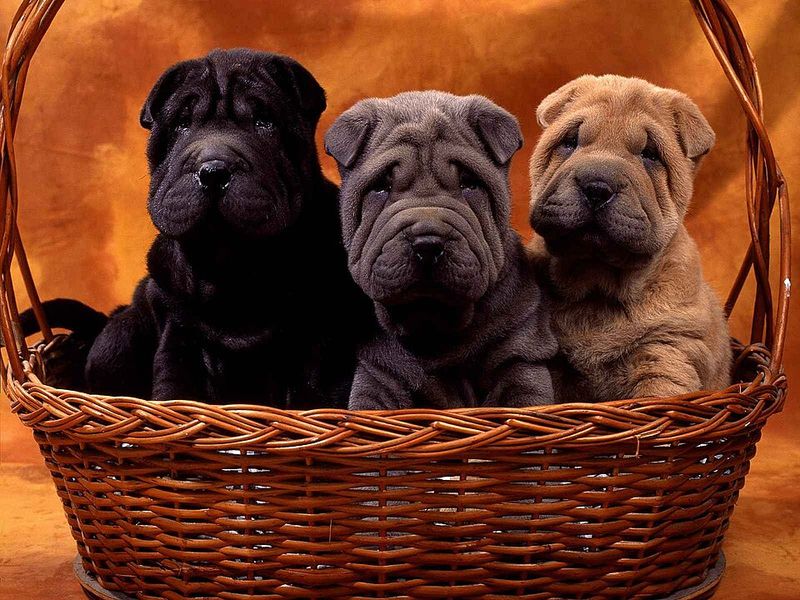
Stoic face, thoughtful eyes. The Shar-Pei keeps emotions tucked in, often preferring a quiet corner to a loud party.
They are loyal yet selective about new friends, both human and canine.
Teach polite greetings and keep social experiences calm and brief. Skin care and ear checks need steady maintenance.
Reward relaxed choices, add chew sessions, and give predictable schedules. With trust and clarity, their cool independence becomes steady companionship, not distance.
Siberian Husky
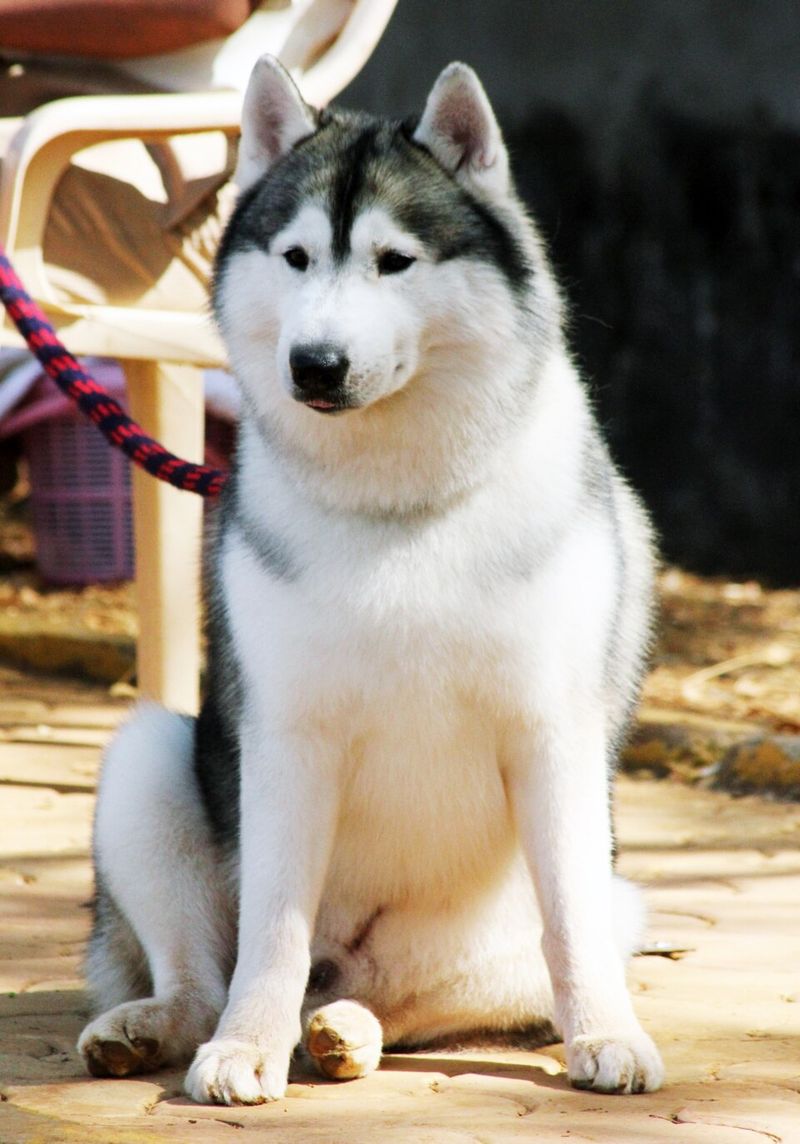
If wanderlust had fur, it might look like a Husky. Friendly but not clingy, they thrive with purpose and motion.
Bored Huskies become escape artists, songwriters, and home decorators using fluff from your pillows.
Channel energy into running, skijoring, or structured hikes. Double up on secure fencing and ID tags.
Keep training game-like, and rotate frozen stuffed toys. When exercise and puzzles stack up, independence feels joyful instead of chaotic.
Alaskan Malamute
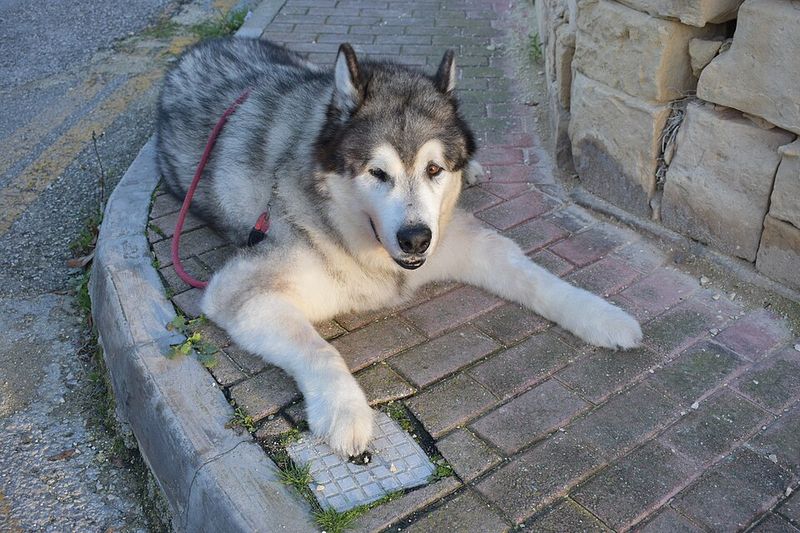
Old-school worker, big heart. The Malamute is sturdy, social, and proud, but they do not live to please.
Teamwork matters more than obedience drills. Left idle, they invent jobs that involve digging craters.
Give weight-pull practice, backpacking, or carting sessions. Use clear rules and cheerful rewards, not pressure.
Rotate chew projects and scent games on rest days. With a plan and patience, their independence turns into reliable teamwork and happy tiredness.
Lhasa Apso
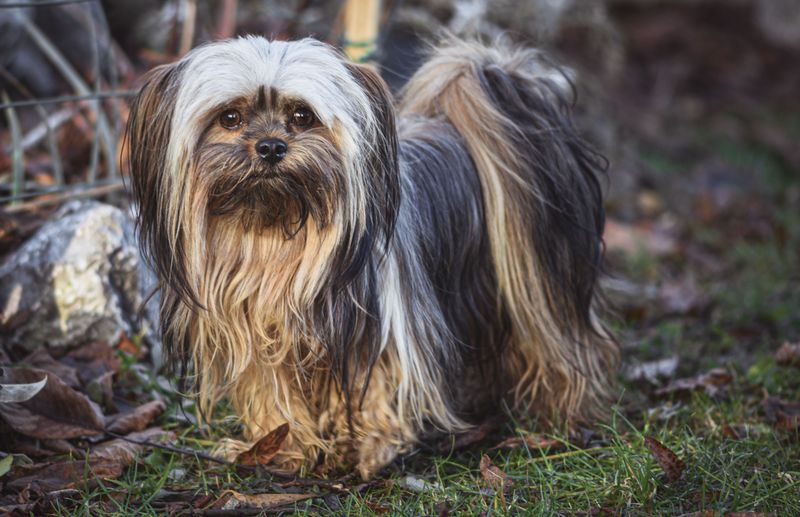
Palace guard in a compact package, the Lhasa notices everything and decides who earns cuddles. They are bright, sometimes stubborn, and enjoy calm routines.
Too much fuss can push them away.
Teach gentle handling, cooperative grooming, and confident leash skills. Sprinkle in short trick sessions with tiny treats.
Provide a safe lookout spot to satisfy that watchful streak. Independence softens when you give choices and keep communication kind and consistent.
Rhodesian Ridgeback
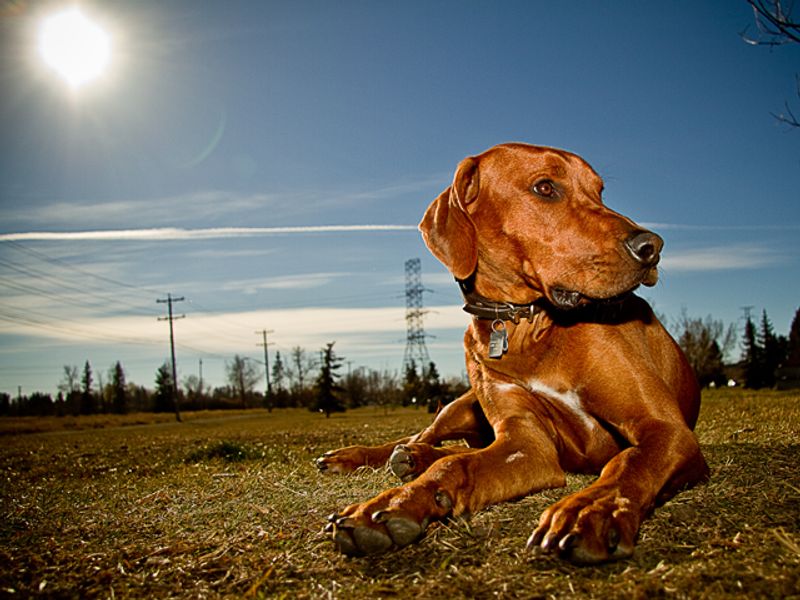
Bred to track and hold big game, the Ridgeback brings quiet confidence and a thinker’s mindset. Affectionate at home, serious outside, they choose independence when excitement rises.
Sprinting after wildlife can happen fast.
Strengthen recall with jackpot rewards and use long-line practice in open areas. Add canicross, lure coursing, or fast fetch for outlet.
Keep training simple and upbeat. With fair structure, their cool self-reliance becomes dependable partnership on trail and couch.