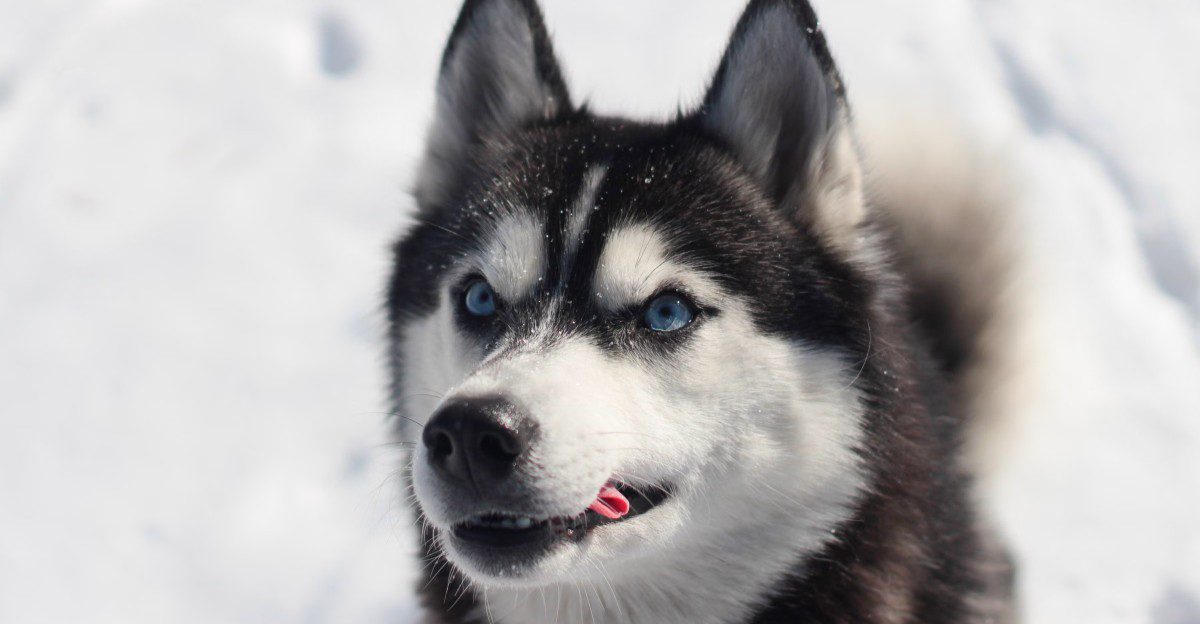
A chilly walk can feel very different to a dog wearing a thick, natural coat. Some breeds were developed to work in snowy places, so cool air may give them extra energy.
Still, even snow-loving dogs need safe walks and careful owners. Meet the breeds that might hurry toward the door when you reach for your warmest jacket.
Siberian Husky
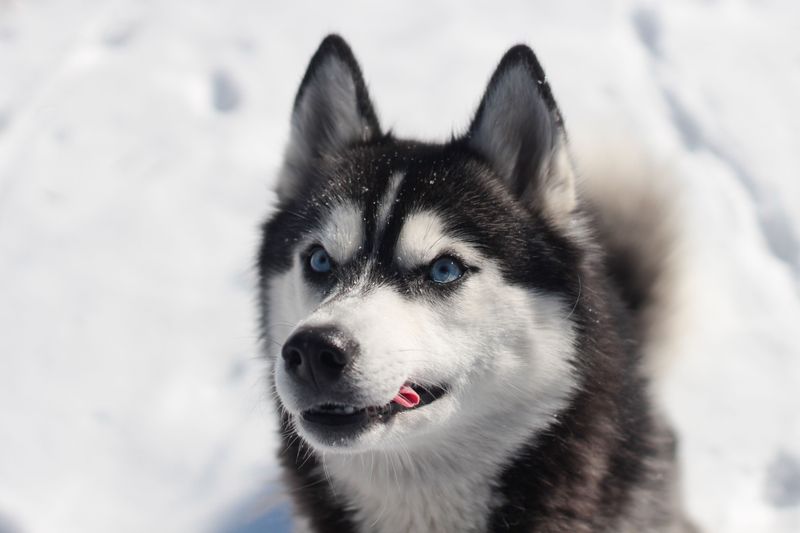
The first snowflake might send a Siberian Husky straight to the door. Bred to pull sleds across cold ground, this lively dog often welcomes a brisk winter walk.
Its thick double coat helps hold warmth, but its energy still needs a safe outlet.
Use a secure leash because Huskies may chase small animals or wander. Check the trail for ice, and offer water afterward.
Cold weather does not replace supervision, exercise, or a warm place to rest.
Alaskan Malamute
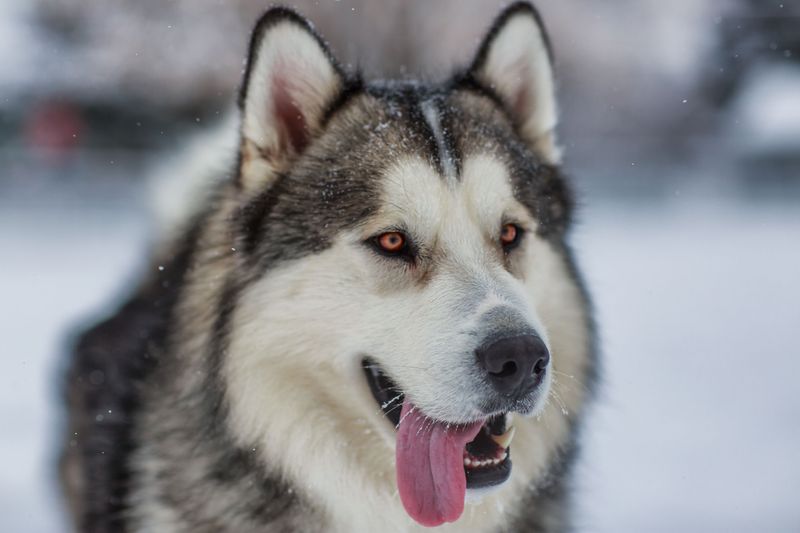
An Alaskan Malamute can make a snowy sidewalk look like an adventure route. This sturdy breed once hauled heavy loads in Arctic conditions.
Its dense coat suits cold air, while its strong body makes a steady walking routine especially useful.
Start leash training early, since a determined Malamute can pull hard. Choose firm footing instead of slick ice, and pause if the dog seems tired.
Even a winter-loving giant needs fresh water and a comfortable spot indoors.
Samoyed
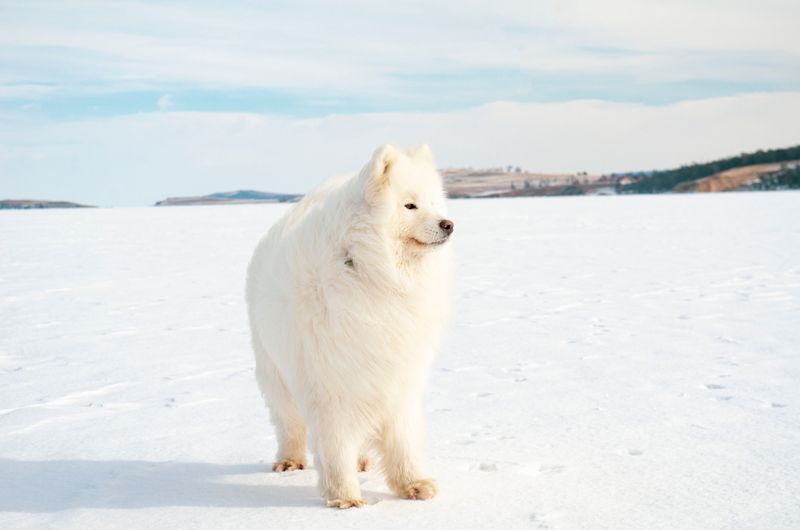
That famous Samoyed smile looks right at home in falling snow. Behind the cheerful face is a working breed with a thick coat built for harsh northern weather.
Many Samoyeds enjoy walks that let them sniff, move, and spend time with their people.
Snow can hide between their furry toes, so check paws when you get home. Brush the coat regularly rather than shaving it.
Watch for overheating if the weather turns mild during a longer outing.
Newfoundland
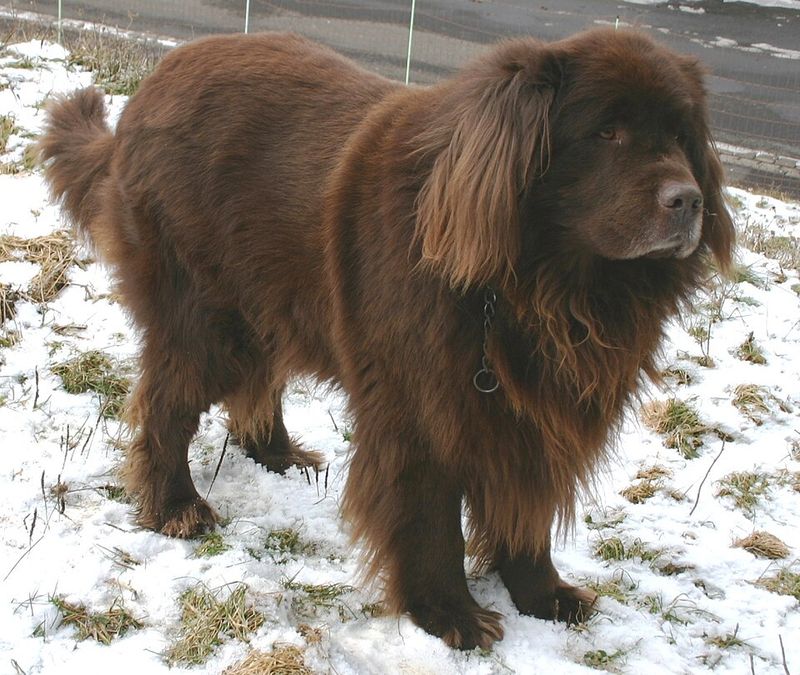
Picture a huge, shaggy dog taking its time beside a snowy lake. The Newfoundland was developed for demanding work around cold water, and its heavy coat helps protect it from chilly conditions.
A quiet winter stroll may suit this breed better than a fast run.
Keep walks comfortable for the dog’s age and fitness, especially if its joints are stiff. Dry the thick coat after wet outings.
On icy paths, slow down so both of you stay upright.
Bernese Mountain Dog
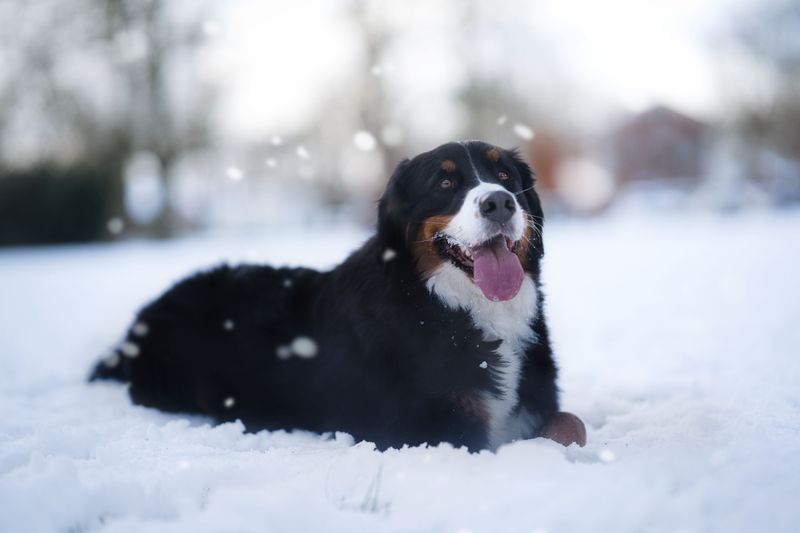
A Bernese Mountain Dog may seem especially pleased when the yard turns white. Bred for farm work in the Swiss Alps, this large dog wears a long, thick coat and often enjoys cool walks.
A snowy route offers interesting smells without the heat that can make exercise harder.
Keep outings moderate, particularly for growing puppies and older dogs. Clear packed snow from the paws, and avoid salted patches when possible.
A towel by the door saves muddy floors.
Great Pyrenees
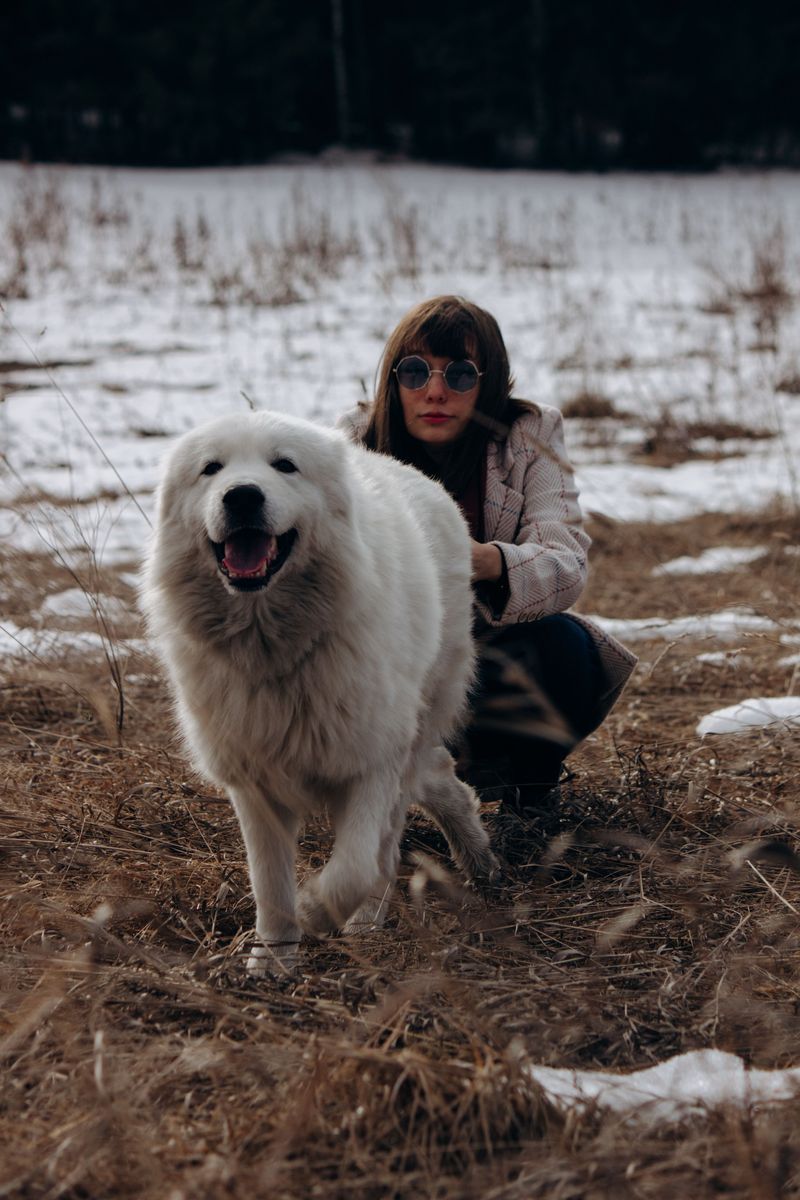
A Great Pyrenees might pause on a snowy hill as if checking its whole kingdom. This breed guarded flocks in mountain weather, and its thick coat can make cold walks appealing.
Its calm pace gives you time to enjoy the view, too.
Do not mistake a relaxed stride for a lack of strength. Use a reliable leash, since these dogs may decide to patrol farther than planned.
Check paws for ice, and provide shade if sunshine warms the day.
Akita
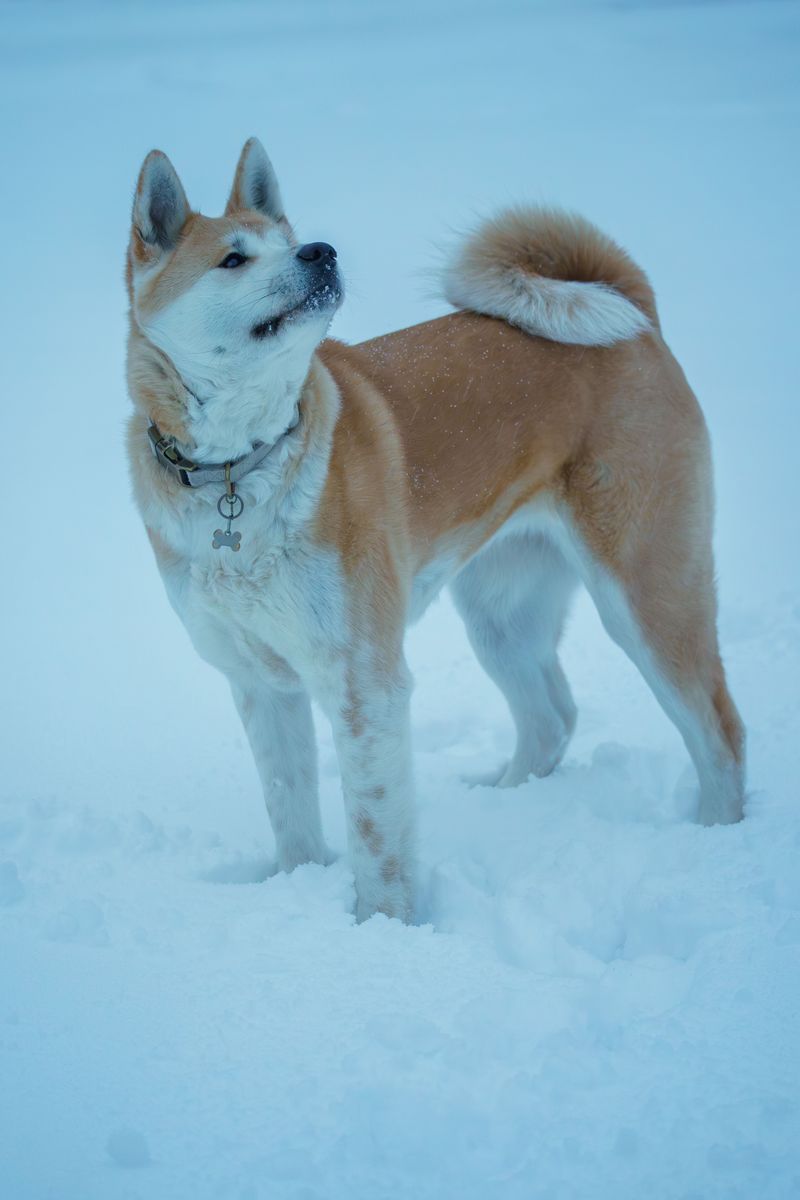
Snow seems to bring out the Akita’s proud, watchful side. Developed in Japan, this powerful dog has a thick double coat that helps in cold weather.
A peaceful walk with its trusted person can be more rewarding than a crowded dog park.
Give an Akita space around unfamiliar dogs, and practice calm leash manners. Clear away ice stuck to the paws after each outing.
Remember that coat thickness does not make any dog safe in extreme cold forever.
Saint Bernard
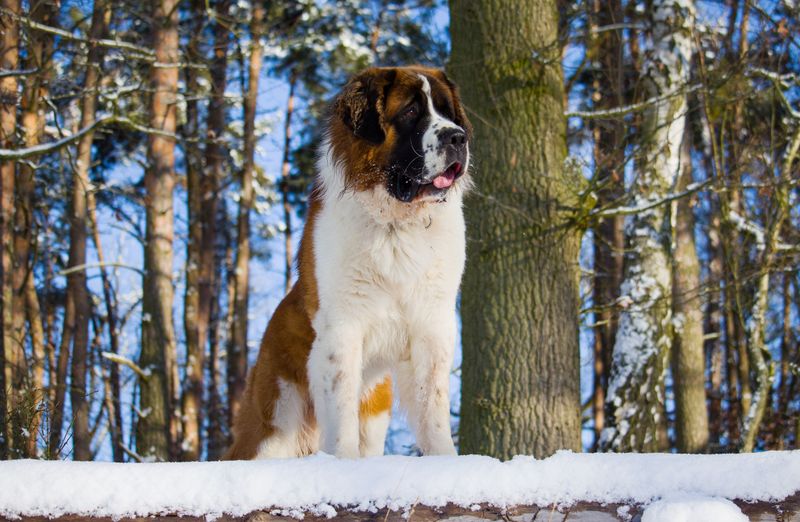
Few sights fit a snow-covered path like a Saint Bernard ambling along it. The breed’s history is tied to mountain rescue work in the Swiss Alps, where cold weather was part of the job.
Today, a gentle walk may be plenty for this enormous dog.
Pick a level route when possible to protect its joints. Bring water even if the air feels freezing.
If snow leaves the coat wet, dry it well before your dog settles down indoors.
Chow Chow
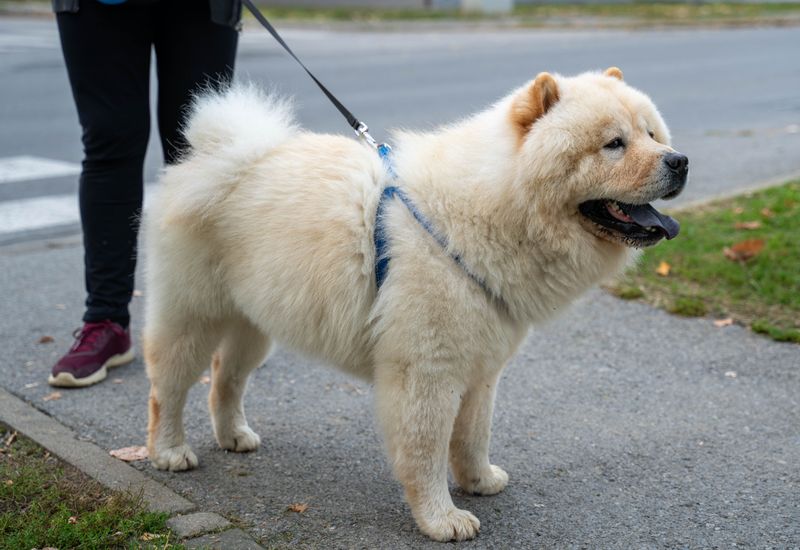
With its lion-like mane, a Chow Chow looks dressed for a winter parade. Its thick coat can help on cold walks, though this independent breed may prefer a calm route to a noisy crowd.
Let the dog explore at a comfortable pace.
Keep the coat brushed so tangles do not trap moisture against the skin. Wipe paws after crossing salted sidewalks.
On warmer days, shorten the outing if your Chow Chow starts panting heavily.
Keeshond
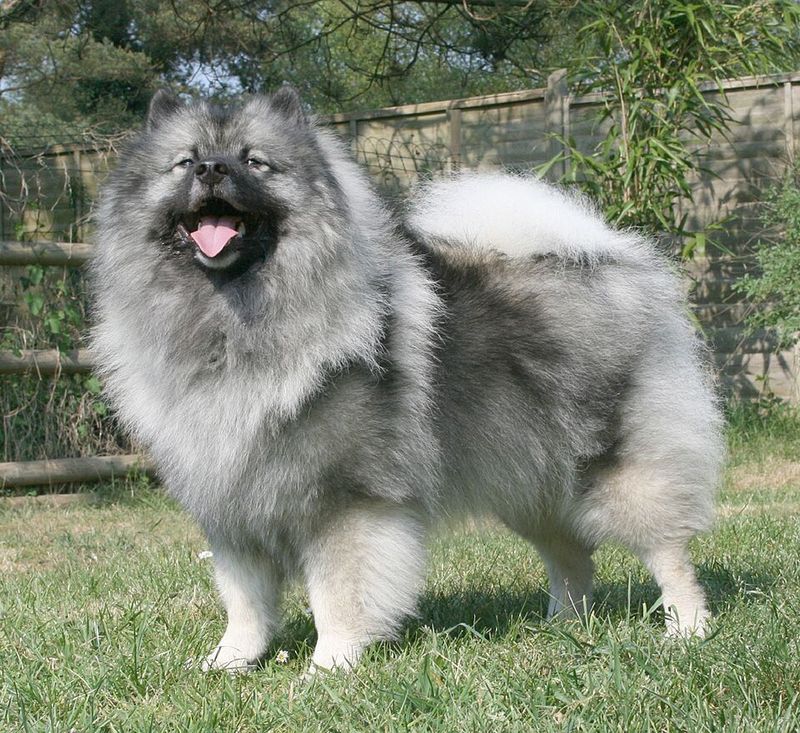
A Keeshond can turn an ordinary snowy block into a cheerful outing. This fluffy dog has a dense coat and often likes staying close to its family.
Its smaller size makes it easier to manage than some larger winter breeds, but it still needs daily activity.
Try a neighborhood walk with plenty of sniffing breaks. Snow and grit can gather in the fur around the feet, so inspect those spots afterward.
Reward calm behavior near traffic and slippery corners.
Norwegian Elkhound
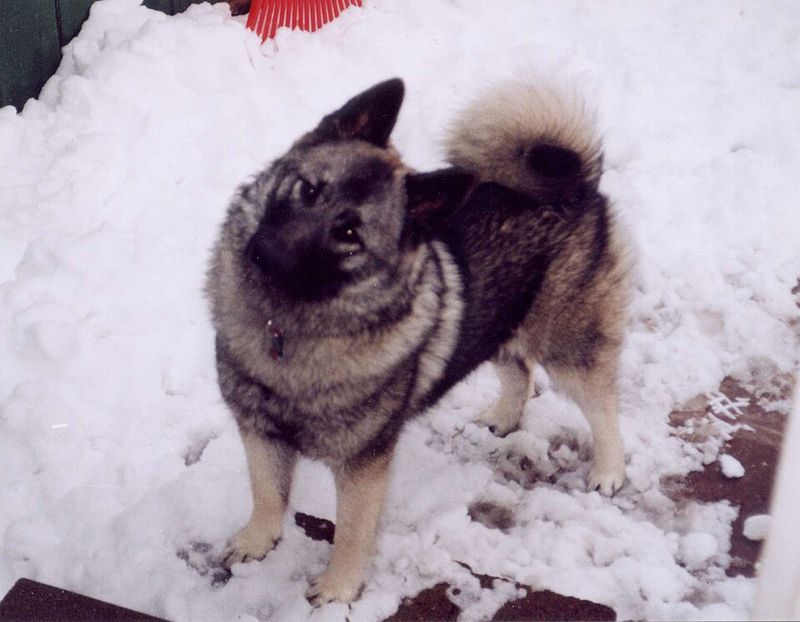
Something rustles in the snowy woods, and a Norwegian Elkhound is all ears. This alert breed helped hunters in Norway and has a weather-ready coat.
A winter walk gives its busy nose and active body something to do.
Use a leash on trails because an exciting scent may lead it away. Add short training games during the walk to keep its attention.
Look between the toes for packed snow, especially after crossing deep drifts.
Finnish Lapphund
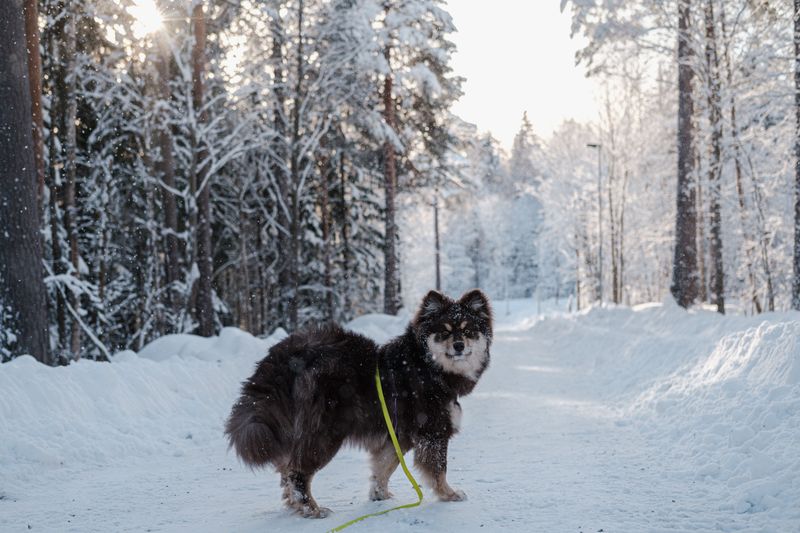
Fresh snow can feel like a playground to a Finnish Lapphund. Bred to help herd reindeer in northern Finland, this friendly dog carries a thick coat suited to chilly days.
Its lively step makes a winter walk feel less like a chore.
Offer chances to sniff and practice simple cues along the route. Keep the dog leashed near wildlife, even if it usually listens well.
Afterward, check for icy clumps in its fur and dry damp spots.