
A sunny walk or backyard game may seem harmless, but heat affects dogs in different ways. Some breeds have trouble cooling down, while others carry thick coats built for cold weather.
Even your usual walk time might need to change when temperatures rise. Knowing what your dog needs can help you plan safer, more comfortable summer days.
French Bulldog: Keep the Zoomies Brief
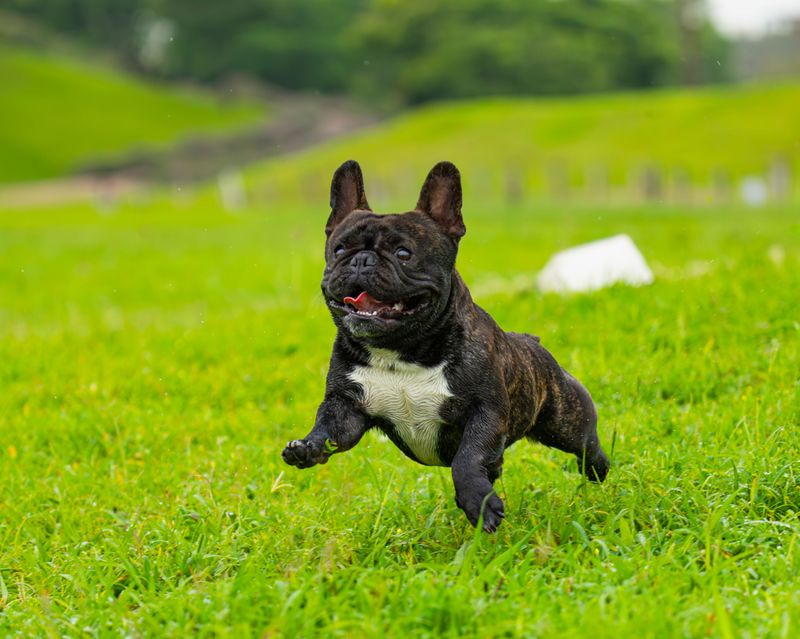
A French Bulldog may be ready to play long after its body needs a break. Its short snout makes cooling through panting less effective, so heat can become dangerous quickly.
Save walks for cool mornings, and keep games short, especially when the air feels sticky.
Offer fresh water and a cool indoor spot after every outing. Never leave your Frenchie in a parked car.
Noisy breathing, weakness, or trouble walking means it needs veterinary help right away.
English Bulldog: Trade Long Walks for Cool Rest
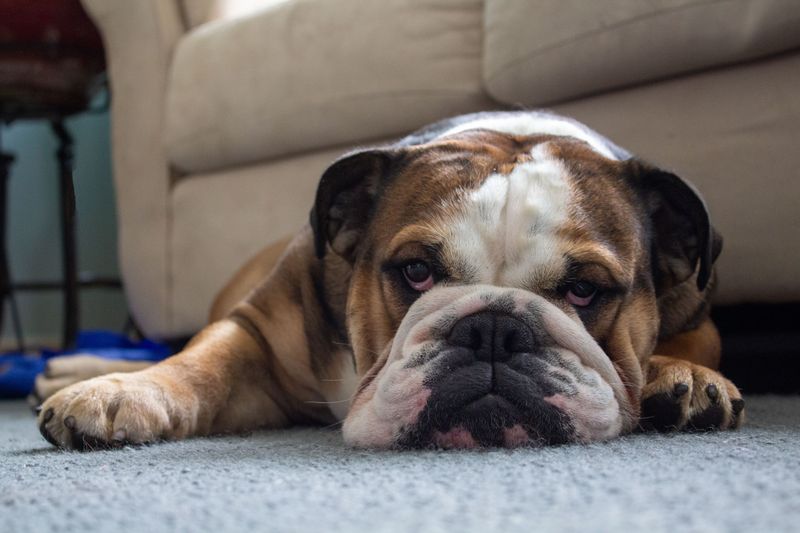
That slow, determined stroll can fool you: an English Bulldog may struggle with heat before it looks tired. Its short muzzle and heavy build make hard exercise on hot days a poor choice.
Take brief walks when the pavement is cool, and choose indoor play at midday.
Keep water close and let your dog rest in an air conditioned room. Check skin folds after humid outings and dry them gently.
If breathing seems strained, call a veterinarian promptly.
Pug: Make Shade Part of the Plan
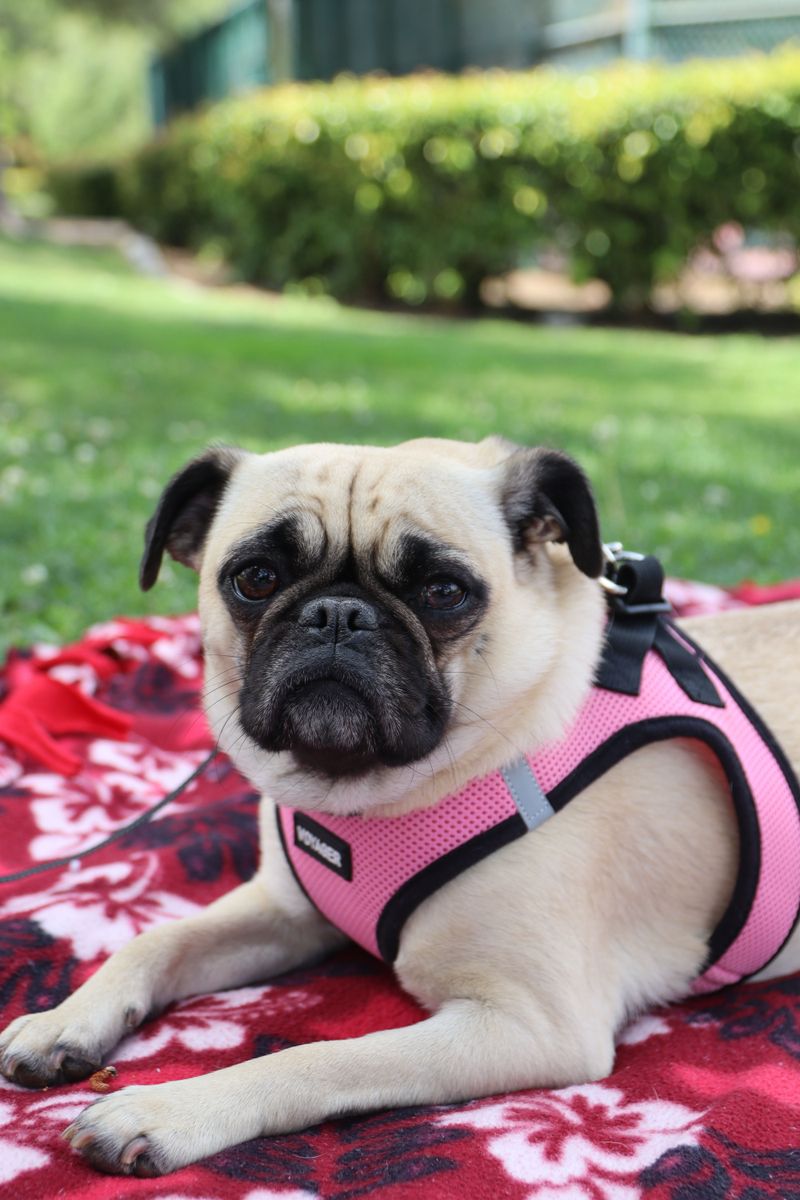
A Pug will often follow its favorite person anywhere, including straight into the afternoon sun. That loyalty calls for a little planning.
Because its short face limits how well it cools itself, a quick errand outside may be enough exercise on a hot day.
Carry water, find shade, and turn back before your Pug slows down. Skip games that encourage nonstop running.
Heavy panting, unusual drooling, or a wobbly walk calls for immediate cooling and veterinary advice.
Boxer: Put a Pause on Playtime
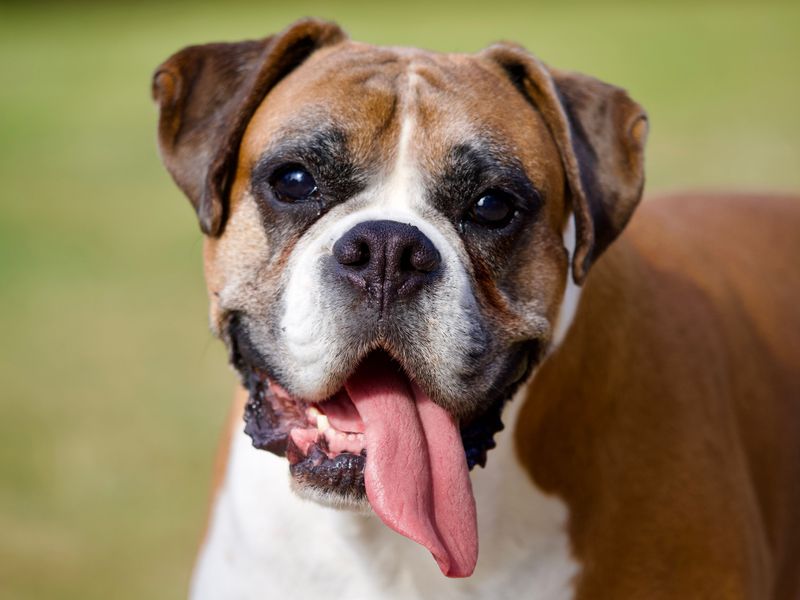
Few dogs make a game of fetch look as exciting as a Boxer does. The trouble is that enthusiasm can hide early signs of overheating.
Boxers have short muzzles and may keep chasing a ball when they should rest, so move active games to the coolest part of the day.
Build in frequent water breaks and offer shade between turns. Watch for hard panting, stumbling, or sudden tiredness.
Stop play immediately if something seems wrong, and contact your veterinarian.
Boston Terrier: Rethink the Sidewalk
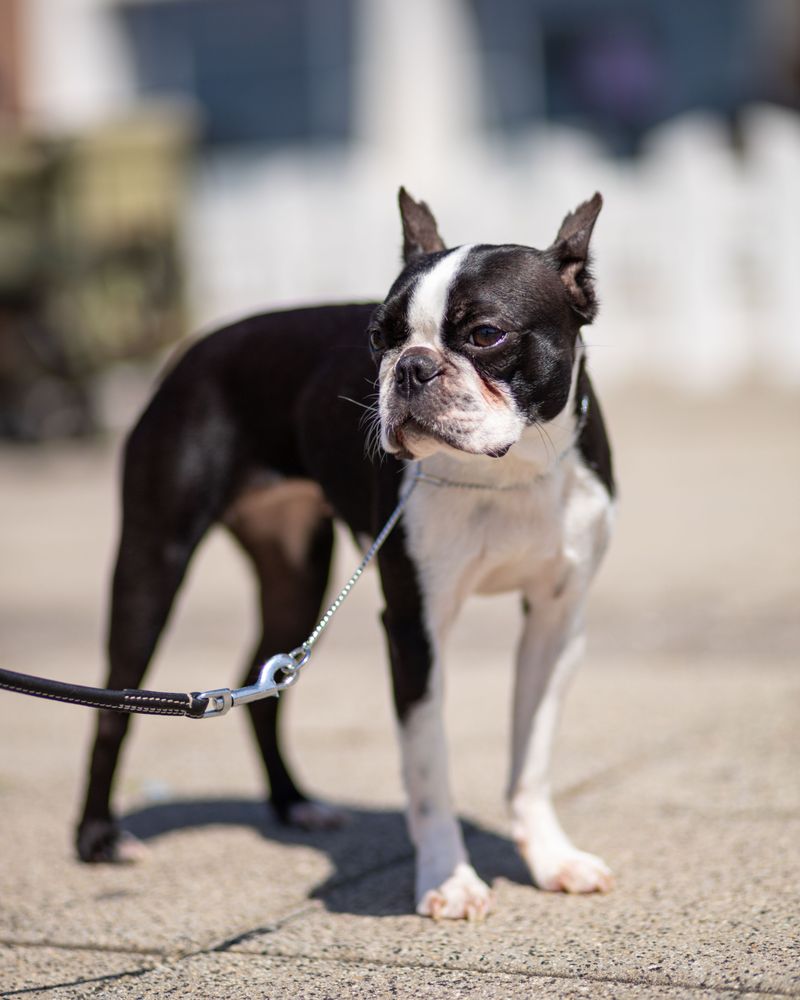
Small and speedy, a Boston Terrier might treat a sidewalk walk like a race. In summer, that pavement can burn paws, while warm air makes cooling harder for a short faced dog.
Press your hand against the ground for several seconds; if it feels too hot, choose grass or wait until later.
Keep outings easy and bring water. A cool room is safer than a sunny patio for resting.
If your dog struggles to breathe, seek veterinary care without delay.
Chow Chow: Respect That Fluffy Coat
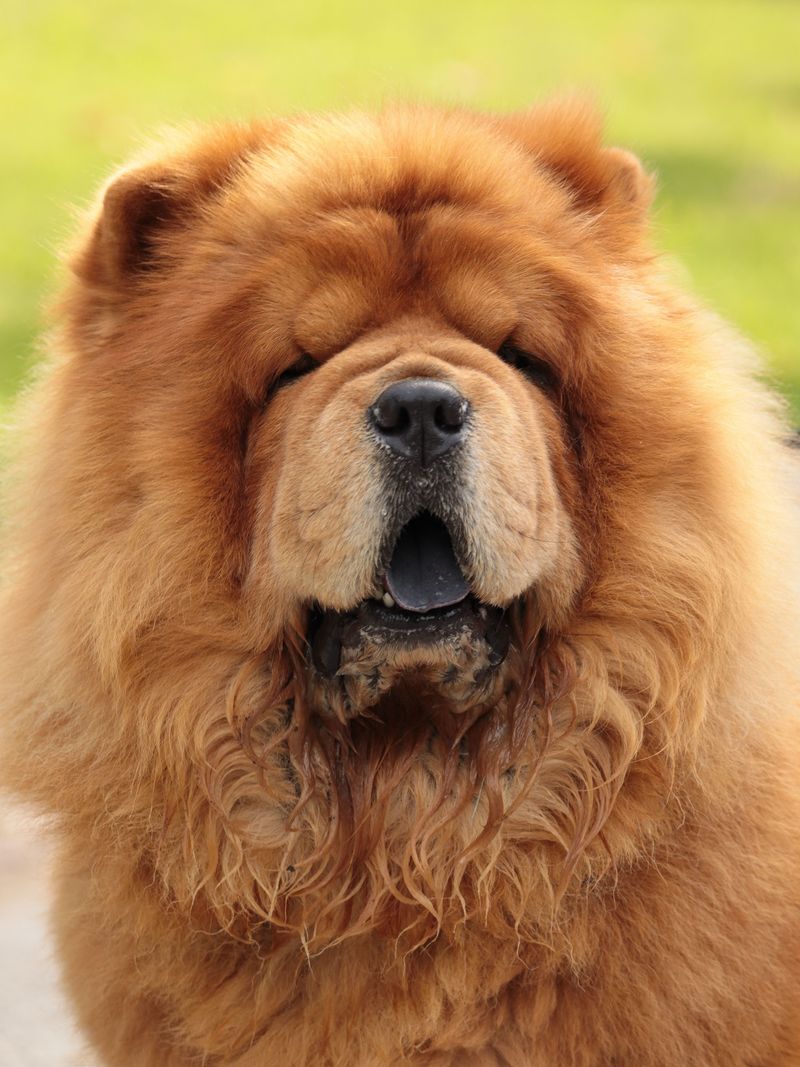
Under that lionlike mane, a Chow Chow wears a dense coat that needs thoughtful summer care. Shade and airflow matter, even during a quiet afternoon outdoors.
Brush regularly to remove loose fur, but ask a groomer before cutting or shaving the coat, which can affect how it protects the skin.
Plan gentle walks for cooler hours and keep fresh water available. Watch your dog rather than the clock: slowing down, heavy panting, or acting confused means it needs immediate help.
Siberian Husky: Let the Forecast Lead
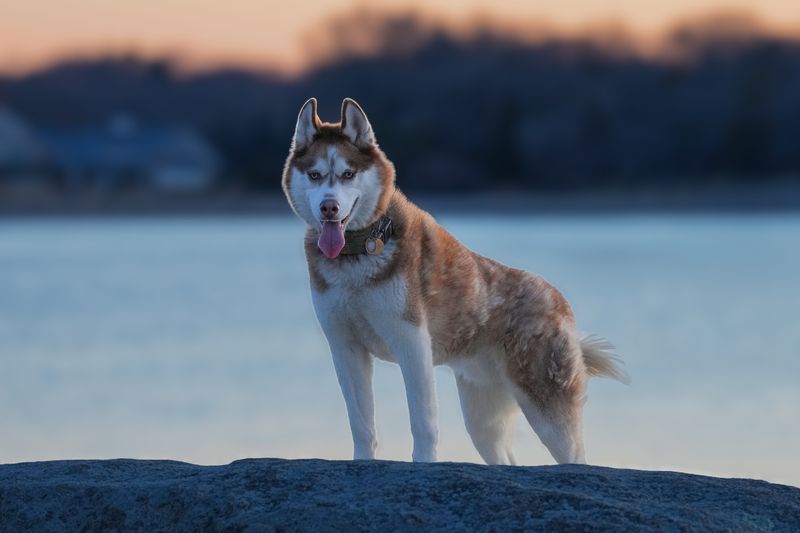
A Siberian Husky may seem ready to run at sunrise and still be restless by lunch. Bred for cold conditions, this energetic dog needs a summer schedule that balances exercise with safety.
Try an early walk, then offer indoor puzzle games when the temperature climbs.
Brush out loose undercoat instead of shaving it, and provide plenty of water and a cool place to rest. Even a fit Husky can overheat.
Cut an outing short if panting becomes intense.
Alaskan Malamute: Swap Miles for Mental Games
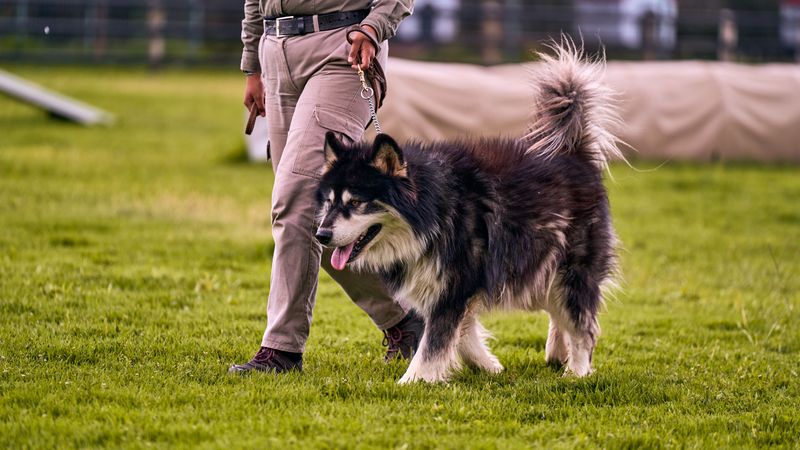
Built to pull heavy loads in freezing weather, an Alaskan Malamute needs a different kind of challenge when summer arrives. A long midday hike can be risky, no matter how eager this powerful dog looks.
Walk before the day warms up, and use scent games or training sessions indoors afterward.
Give your Malamute a cool resting place and brush away loose coat. Carry water on every walk.
If it becomes weak or unsteady, move to a cooler area and seek veterinary help.
Newfoundland: Make Room for a Cool Retreat
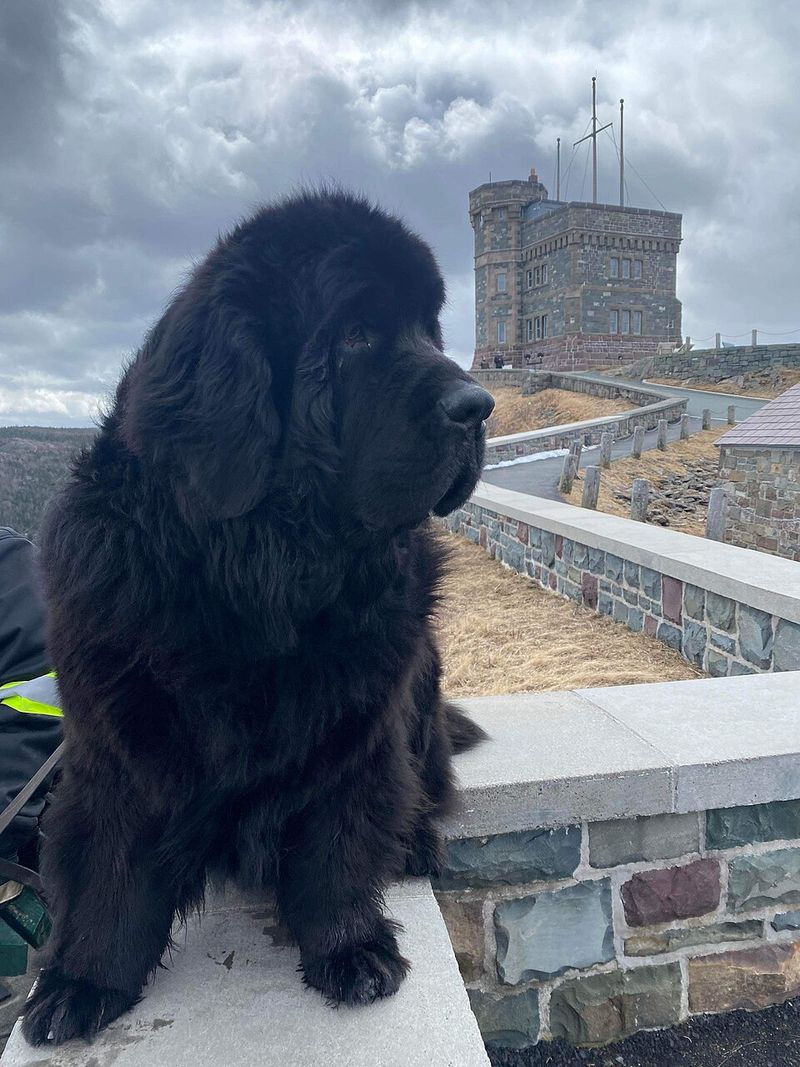
A Newfoundland might happily splash in water, but a swim does not make hot weather harmless. Its huge body and thick coat can make it difficult to shed heat, particularly on humid days.
Offer a cool indoor retreat, and keep outdoor time short when the sun is strong.
After swimming, provide fresh drinking water and dry damp skin where irritation might develop. Avoid assuming a wet coat means your dog is comfortable.
Watch for unusual panting or weakness, and call a veterinarian if concerned.
Bernese Mountain Dog: Choose the Coolest Hours
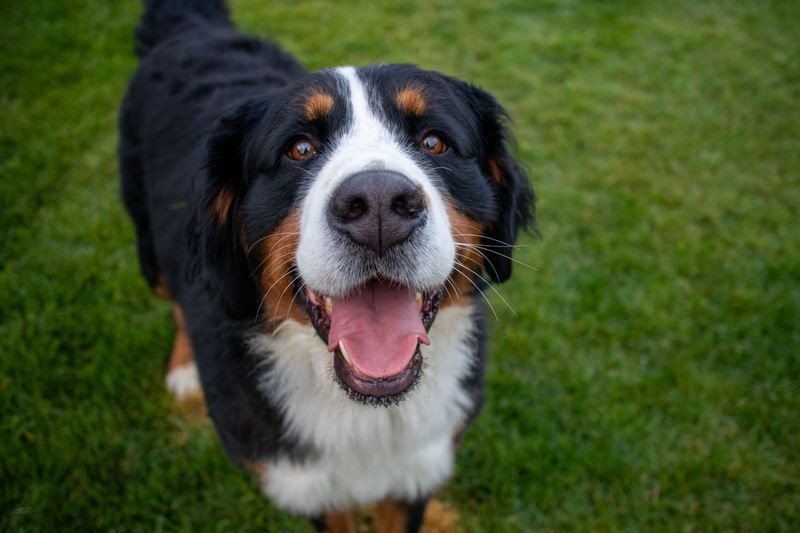
Mountain roots do not prepare a Bernese Mountain Dog for a blazing neighborhood sidewalk. With a large frame and thick coat, this breed may find even familiar walks tiring in summer.
Head out near dawn or after sunset, and choose shaded paths over open pavement.
Bring water and allow plenty of pauses. At home, set up a cool place where your dog can stretch out.
If it lags behind or pants much harder than usual, end the walk and cool down.
Saint Bernard: Keep Adventures Close to Home
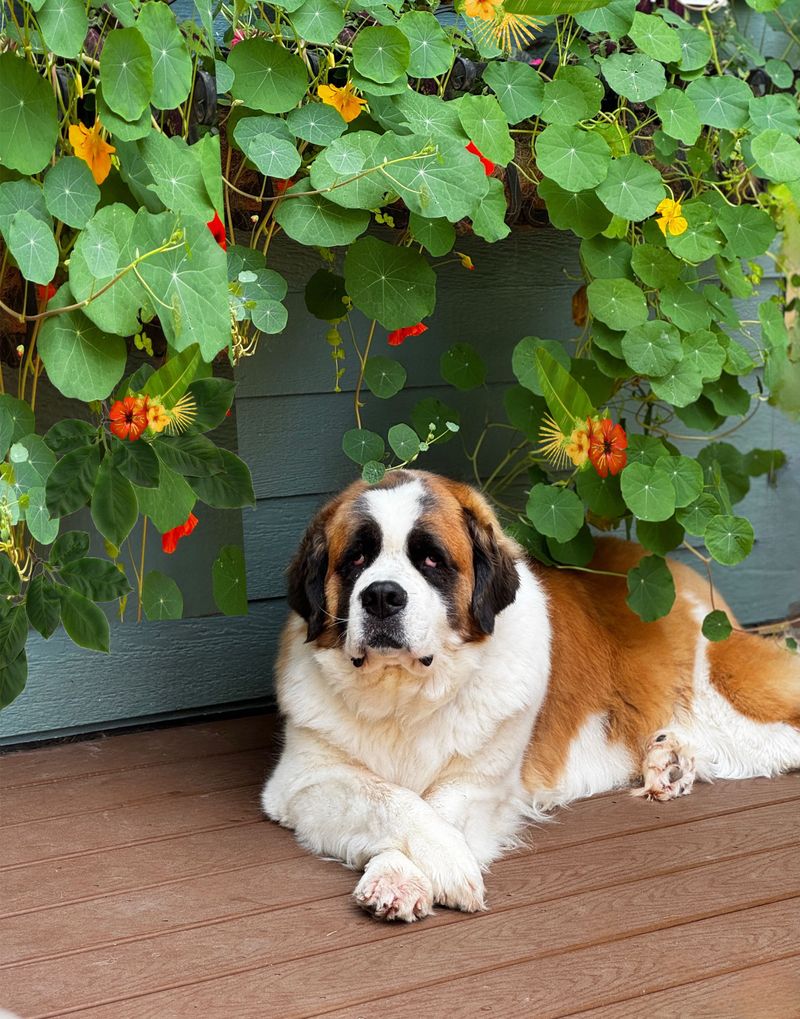
A Saint Bernard can turn a short outing into a neighborhood event, but summer is not the time for a grand tour. This giant, thick coated dog can struggle in heat, so keep walks brief and close to home.
A cool room may be the best spot for afternoon lounging.
Check that water is always within reach, and avoid leaving your dog outside without shade and supervision. Rapid panting, drooling, or weakness needs prompt attention.
Contact a veterinarian if you suspect overheating.