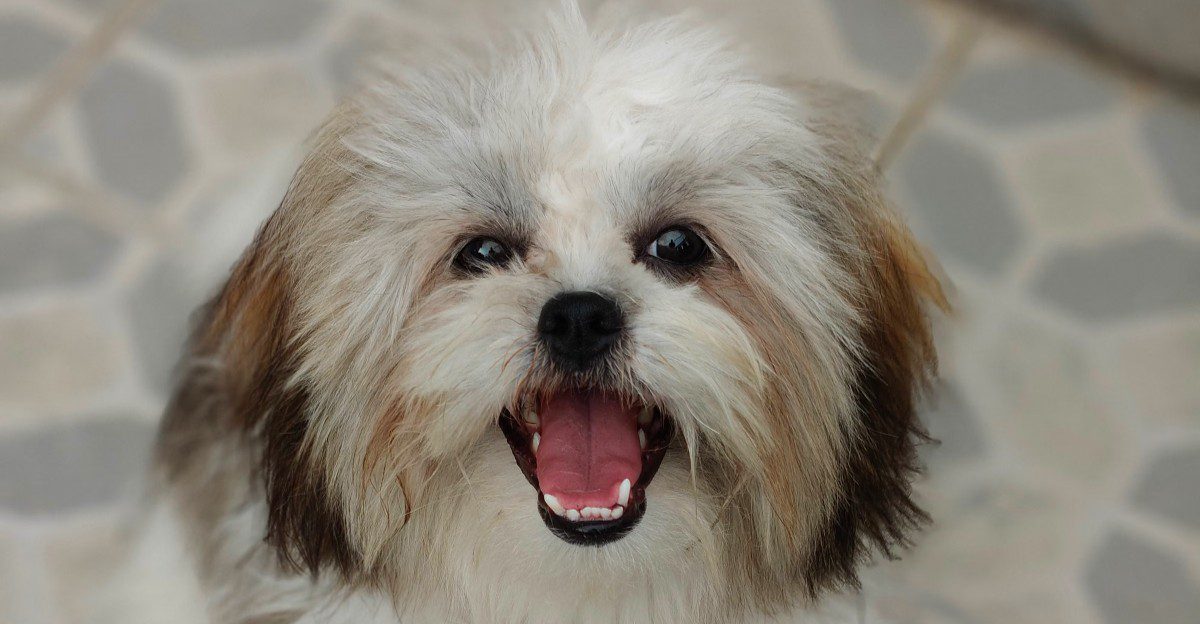
A dog that barks at every passing car can make home feel noisy. Some breeds are often more relaxed about everyday sights and sounds, though every dog is different.
The right match depends on your space, schedule, and patience for training. Here are breeds worth getting to know if you would rather have a quiet neighbor-watcher than a full-time alarm.
Greyhound: The Surprisingly Sleepy Sprinter
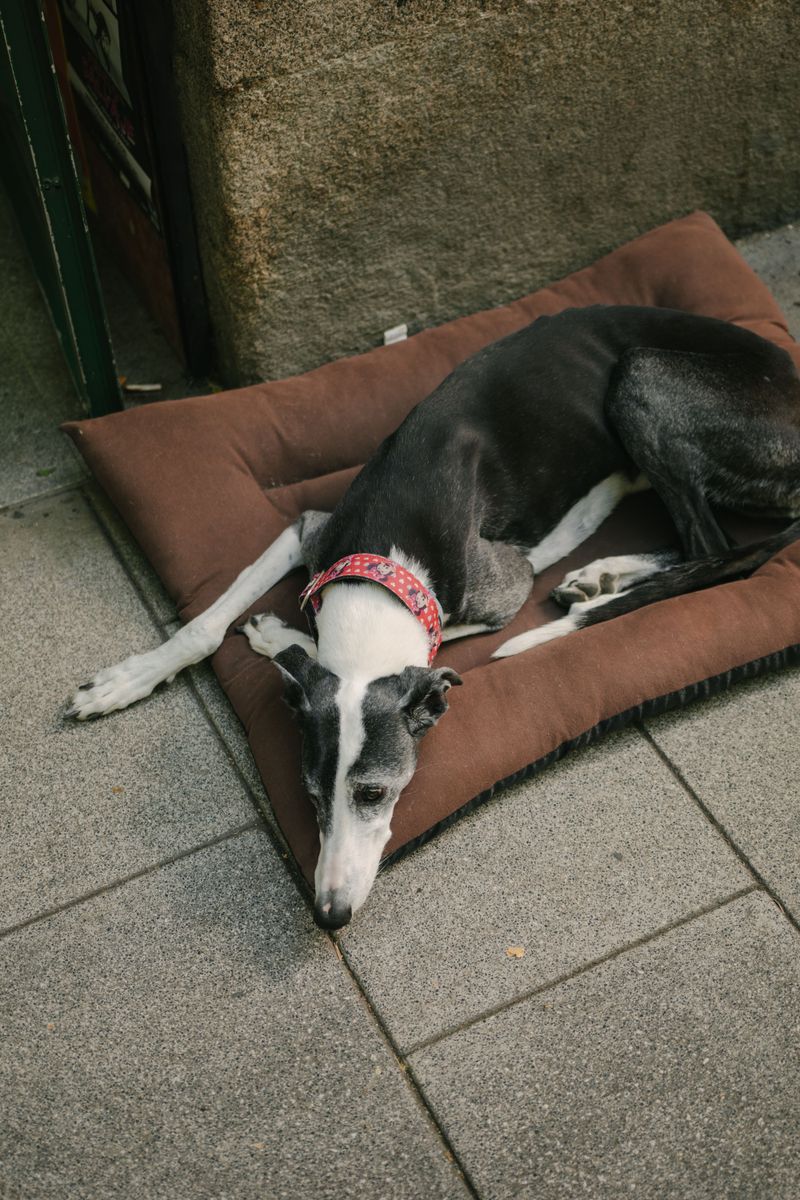
After one good run, a Greyhound may claim the sofa for the afternoon. Despite their racing image, many enjoy long stretches of quiet at home and rarely feel the need to report every passerby.
They still need safe exercise and a secure leash outdoors, since moving animals can catch their eye. Give a Greyhound a soft bed away from busy windows, and reward calm watching.
Ask a rescue about the individual dog’s habits before adopting.
Whippet: A Quiet Little Speedster
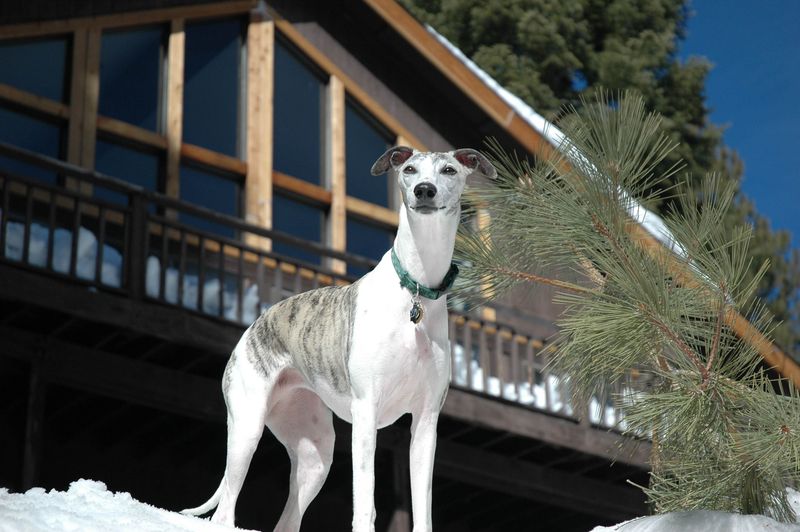
A Whippet can zoom across a yard, then curl up under a blanket as if nothing happened. Many are fairly quiet indoors, which can make passing traffic less of a daily drama.
Short, regular play sessions help them settle, but keep outdoor runs inside a fenced area. Whippets have thin coats and often appreciate a warm spot away from drafts.
If window movement excites yours, practice calling them back for a treat before barking starts.
Great Dane: The Big, Laid-Back Housemate
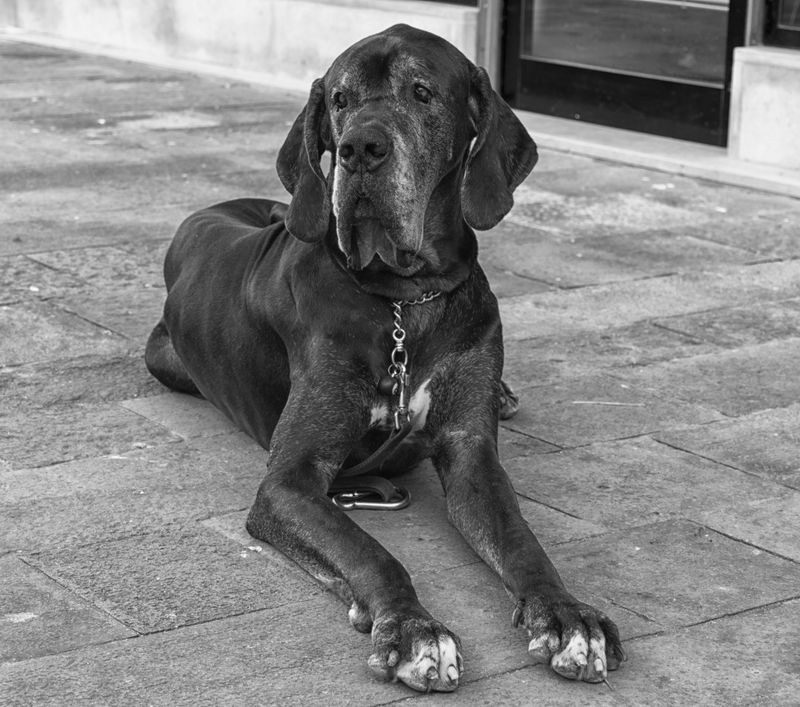
A Great Dane might see over the windowsill without even trying, yet many prefer lounging to sounding an alarm. Their size can look imposing, so visitors may be surprised by a calm greeting.
Room to stretch, steady training, and daily walks matter more than a huge yard. Teach polite door manners early, because a friendly giant can still knock someone over.
Before choosing one, budget for large beds, food, and veterinary care.
Cavalier King Charles Spaniel: The Cozy Sidekick
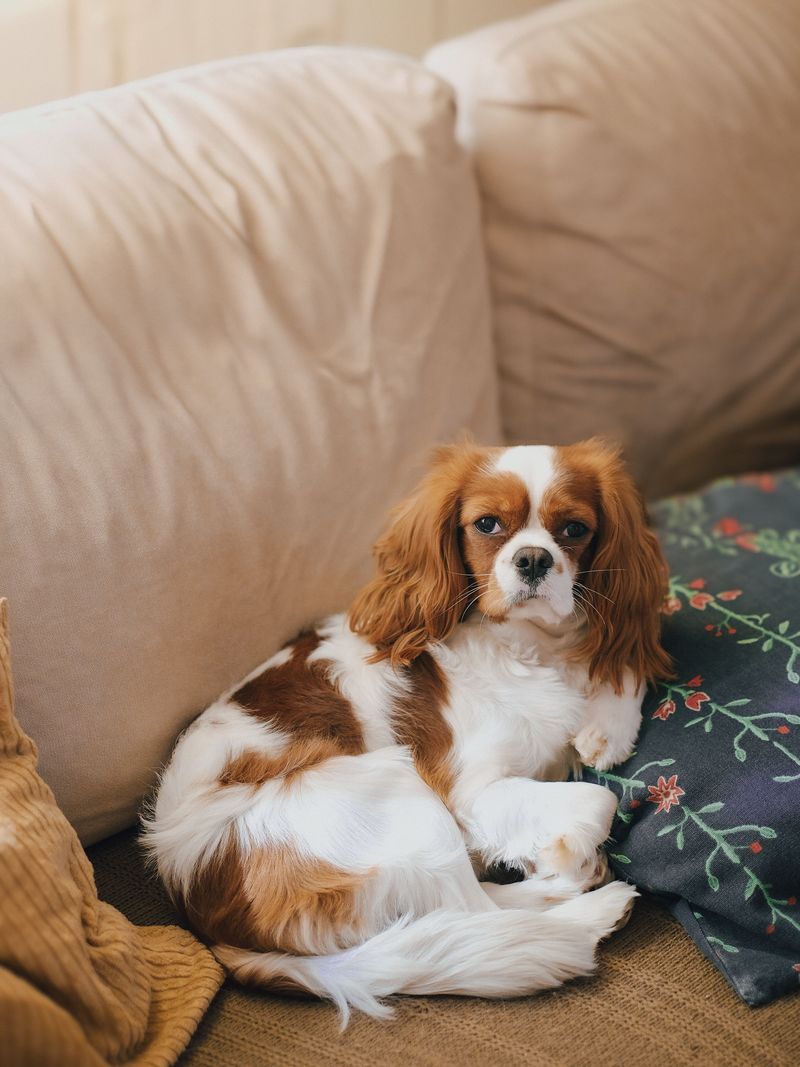
Picture a small dog whose favorite lookout spot is beside you, not on patrol. Cavalier King Charles Spaniels often enjoy people more than guarding the street, though an excited individual may still bark.
Give yours company, gentle walks, and short games to prevent boredom. Reward quiet behavior when people pass the window instead of waiting for a barking habit to grow.
Ask a responsible breeder or rescue about health history, especially heart concerns.
Shih Tzu: The Cheerful Indoor Pal
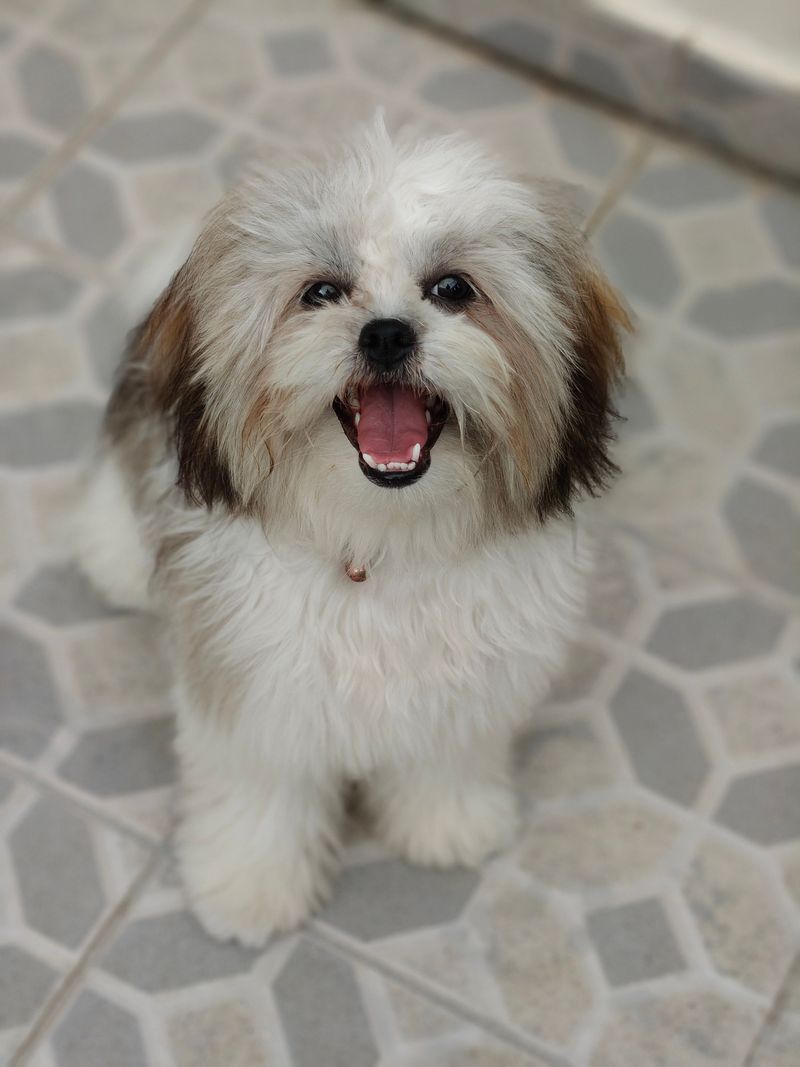
For a Shih Tzu, the best seat in the house may be your lap. Bred for companionship, many are content indoors and need less vigorous exercise than larger dogs.
That does not mean every Shih Tzu ignores the mail carrier. Offer daily walks, play, and rewards for staying quiet when someone passes.
Regular brushing or professional grooming keeps their coat comfortable. Watch them in hot weather, since their short faces can make breathing harder.
Basset Hound: The Slow-Moving Scent Detective
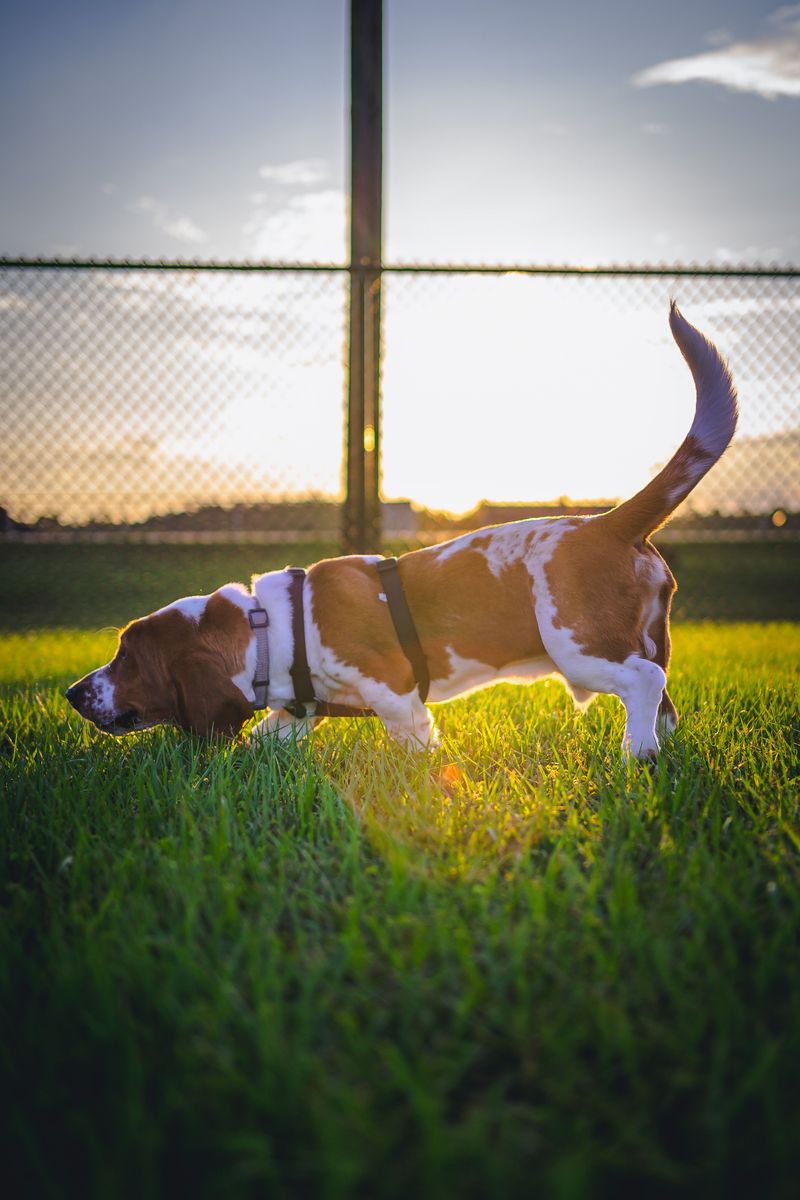
A Basset Hound may notice a scent long before it cares about a stranger across the street. Its unhurried style suits people who enjoy slow, sniff-filled walks.
Do not mistake that laid-back look for silence: Bassets can bay loudly, especially when lonely or bored. Practice a cheerful recall from the window and reward breaks between sounds.
Keep food portions sensible, since extra weight strains their backs and joints. A secure yard helps prevent wandering.
Newfoundland: The Gentle Giant Next Door
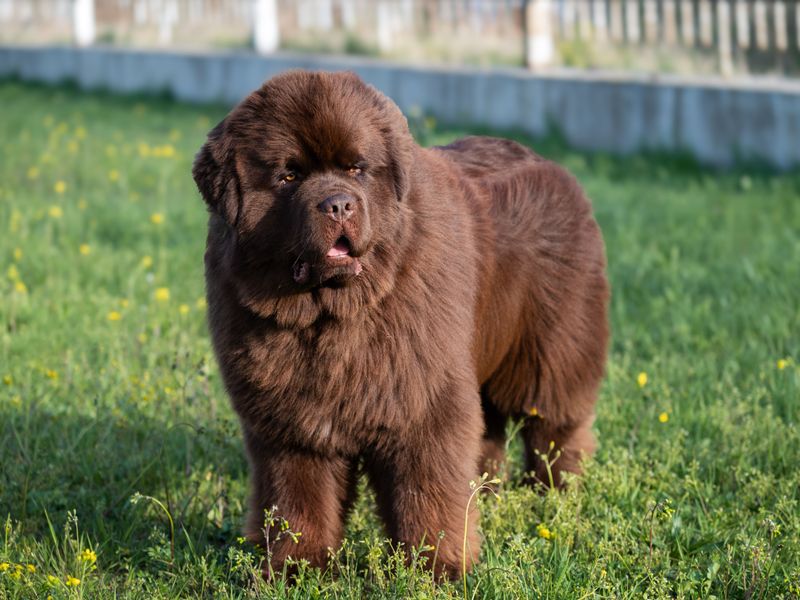
With paws like snowshoes, a Newfoundland can fill a room without filling it with noise. Many are patient, steady dogs that would rather stay close to family than fuss over every shadow outside.
They need room, daily activity, and plenty of grooming for their thick coats. Keep a cool resting place available, especially in warm weather.
Because they grow so large, teach calm greetings while they are young. Expect drool and a serious food budget.
English Bulldog: The Easygoing Lounger
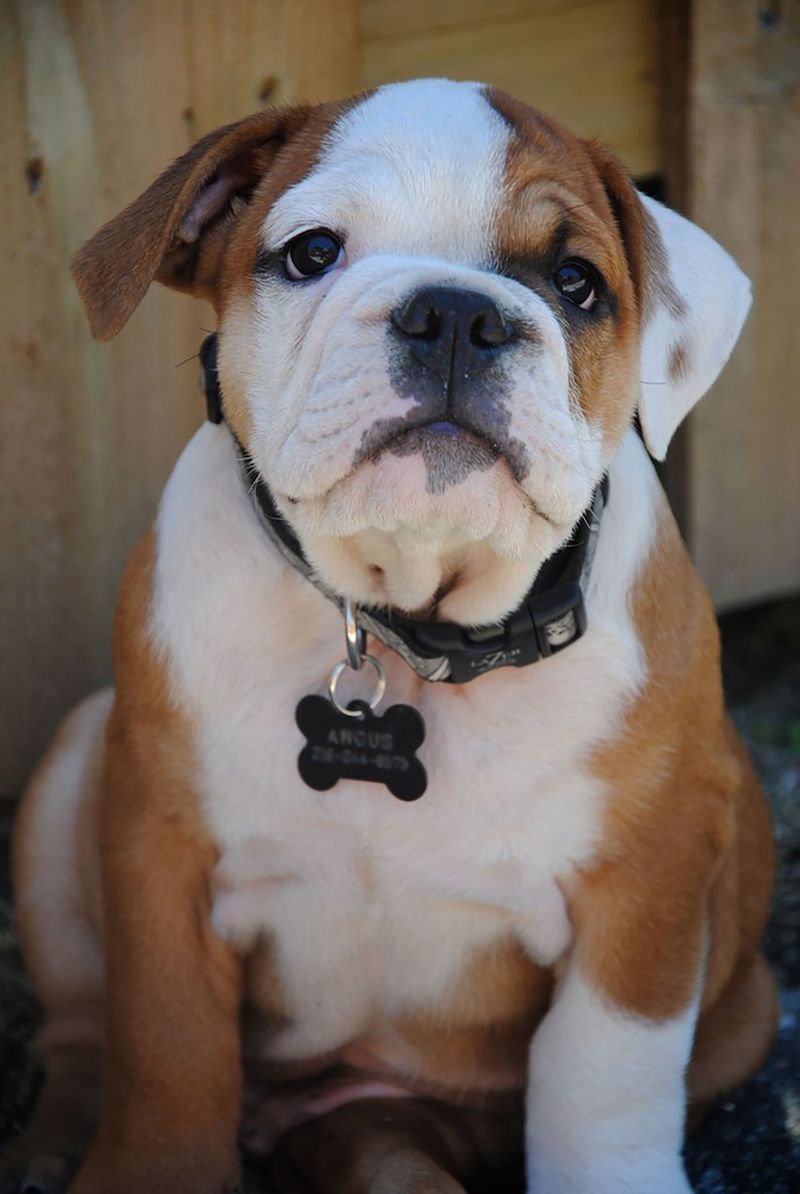
An English Bulldog often has a simple plan: find a comfortable spot and stay there. Many are relaxed indoors, so a person walking past the window may earn little more than a glance.
Short walks and indoor games offer activity without overdoing it. Their flat faces make heat and hard exercise risky, so provide shade and cool water.
Clean skin folds as your vet advises, and research health costs carefully before bringing one home.
Japanese Chin: The Perch-Loving Observer

Like a tiny guest at a cafe, a Japanese Chin may sit somewhere soft and watch the world go by. Many have a quiet, watchful style rather than a booming response to every visitor.
Give this small dog gentle play, short walks, and a safe place to rest. Praise calm looks out the window, then invite them away with a toy.
Their flat faces can struggle in heat, so keep summer outings brief.
Bullmastiff: The Watchful but Reserved Guardian
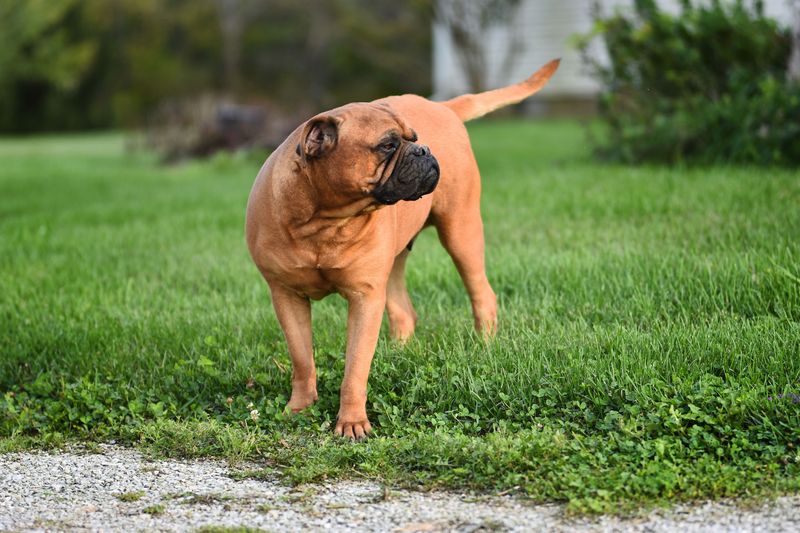
A Bullmastiff may keep an eye on the front walk without announcing every leaf that moves. This breed was developed to guard, but many adults are reserved rather than constantly noisy.
Calm does not mean low responsibility. Start socialization and reward-based training early, especially around guests and unfamiliar sights.
Provide daily walks and clear household rules for this powerful dog. Choose a breeder or rescue that can describe the dog’s behavior, not just its appearance.