
A huge dog can stop people in their tracks, but size is only part of the story. Many large breeds are happiest sharing a quiet afternoon with their people.
Their calm habits can make daily life feel surprisingly peaceful. Still, every big dog needs training, exercise, and enough room to move comfortably.
Great Dane: A Towering Couch Friend
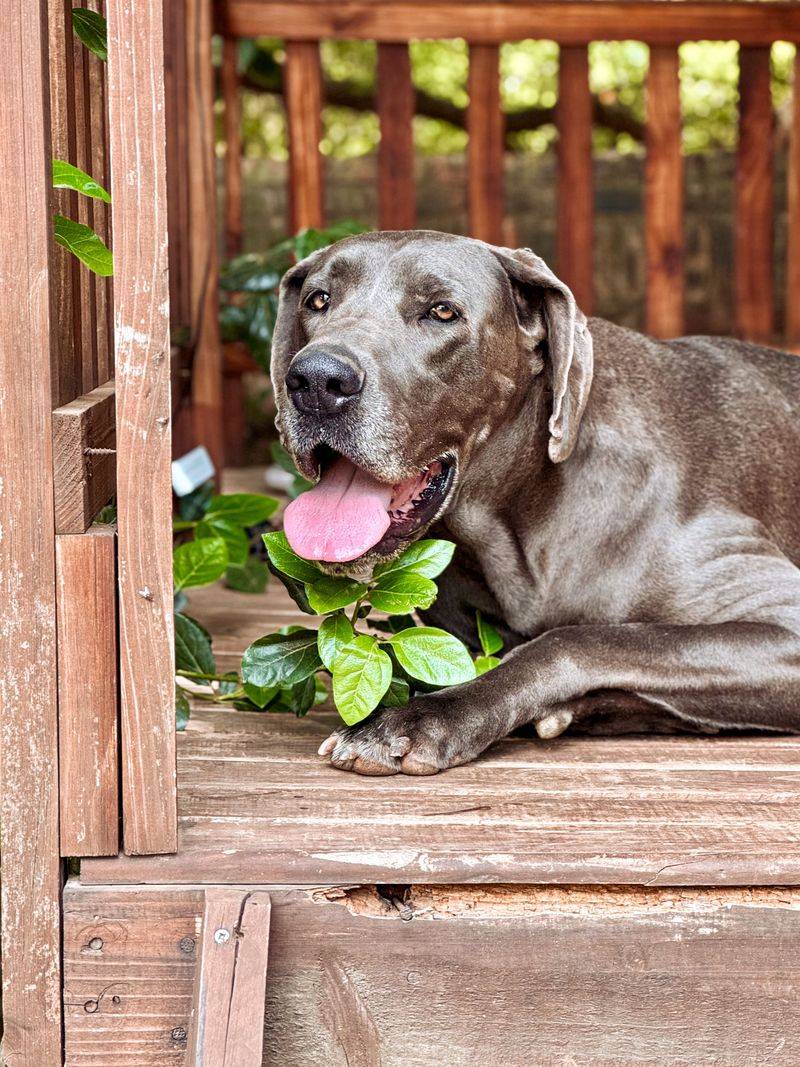
A Great Dane may look tall enough to reach the kitchen counter, yet many would rather stretch out beside you. Its calm indoor habits can surprise visitors who expect nonstop energy.
A comfortable floor bed gives those long legs room to rest.
Daily walks and short play sessions still matter, especially for a young Dane. Teach polite greetings early so its size never turns a friendly hello into an accidental bump.
Keep breakable objects away from that wagging tail.
Newfoundland: The Patient Water Lover
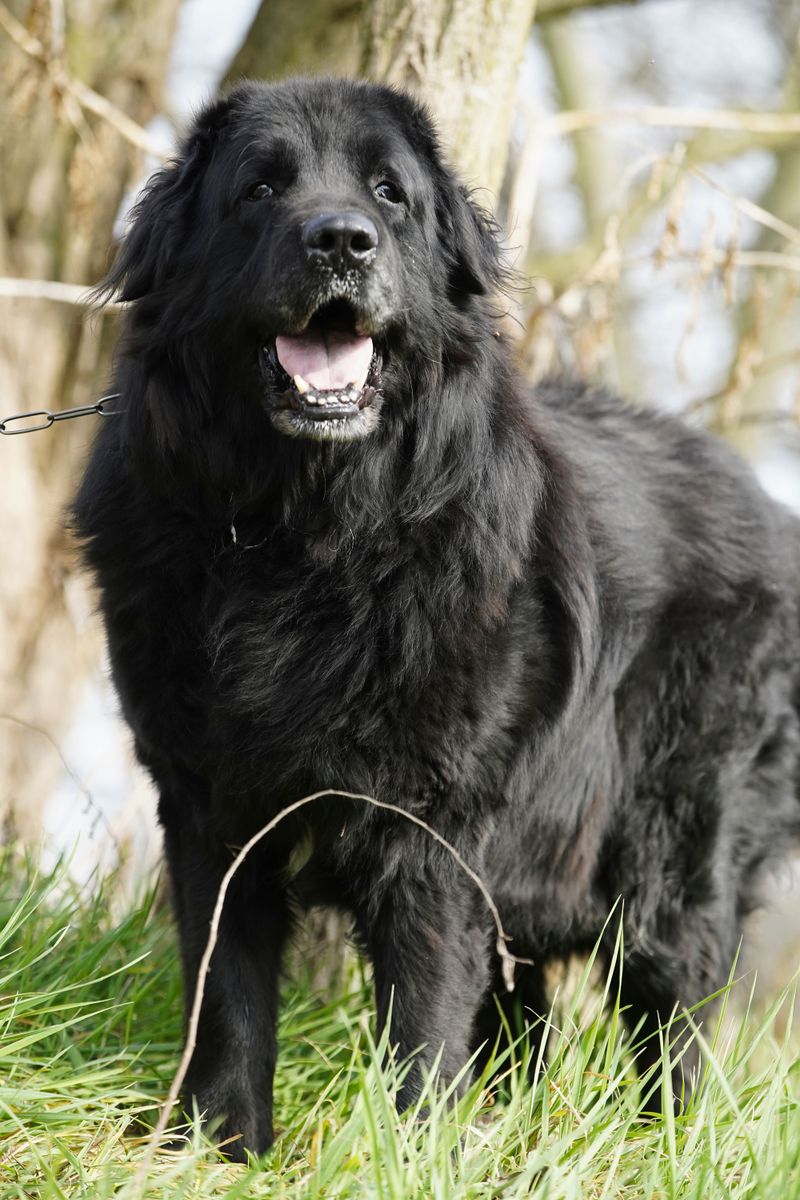
Picture a shaggy bear settling beside the family picnic, and you have the Newfoundland’s appeal. Bred to work around water, this powerful dog often shows a patient, steady manner at home.
Its thick coat also means plenty of brushing.
Keep fresh water handy, especially on warm days, because heavy coats trap heat. Swimming can be enjoyable exercise when the area is safe.
Teach children to give the dog space while it eats, rests, or dries off after a swim.
Saint Bernard: Slow Steps, Warm Company
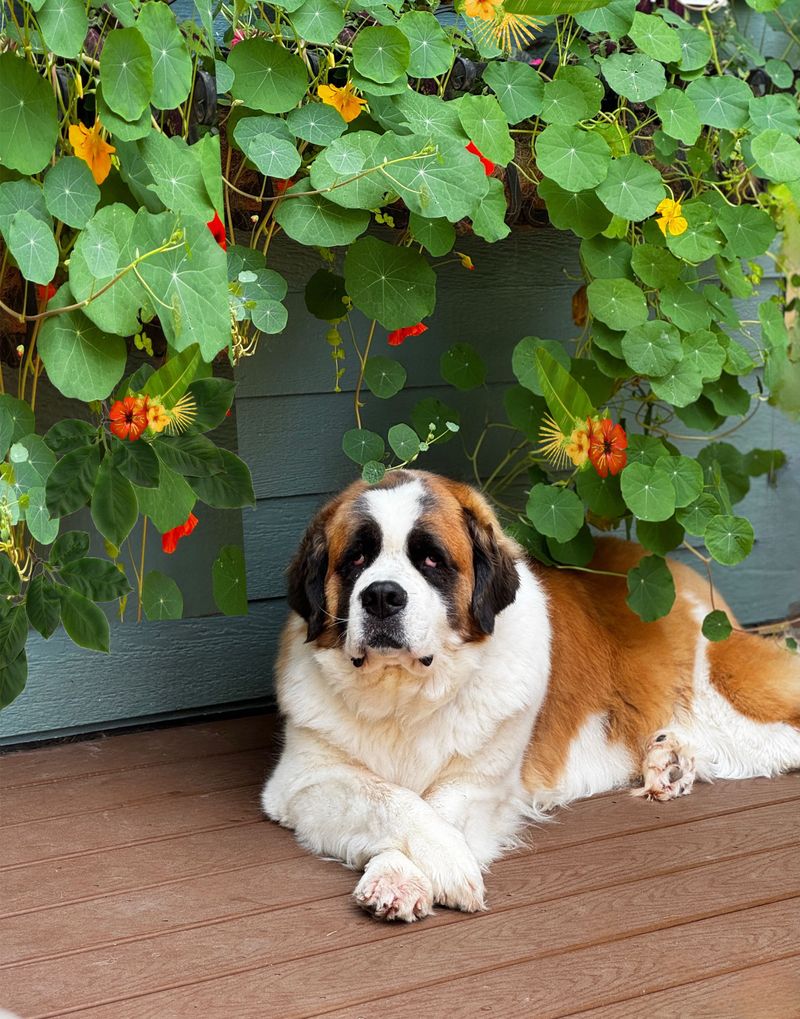
A Saint Bernard can fill a doorway and still seem happiest moving at an unhurried pace. Many enjoy staying close to the household without demanding constant games.
That relaxed style is lovely, but their heavy bodies need thoughtful care.
Offer a cool resting spot and avoid long outings in hot weather. Gentle walks help maintain a healthy weight without putting too much strain on joints.
Keep a towel nearby, since drool and wet paws often come with the package.
Bullmastiff: Quiet and Watchful
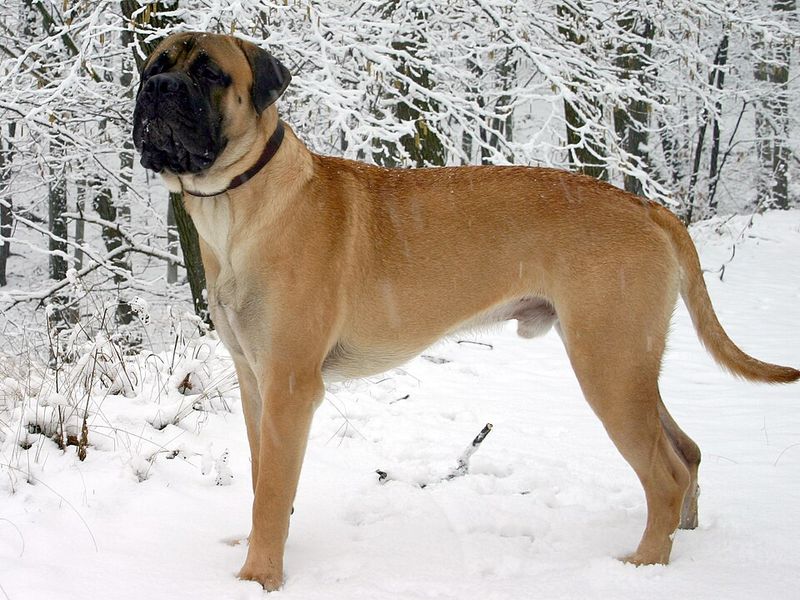
A soft snore from the corner may be your first clue that a Bullmastiff is nearby. This sturdy dog often prefers watching the room to racing through it.
Its quiet manner can feel reassuring, though its strength deserves respect.
Start reward based training while your dog is young, focusing on walking without pulling and greeting guests calmly. Short, regular exercise usually suits this breed better than exhausting runs.
Give it a settled place to rest when visitors arrive.
Mastiff: A Gentle Household Giant
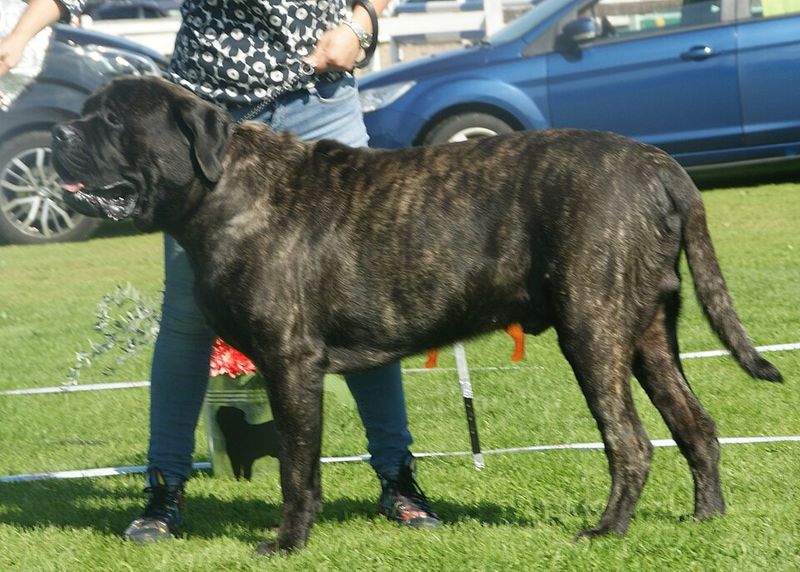
Few dogs make a rug look small quite like a Mastiff. Beneath that enormous frame, many have a laid back approach to home life and enjoy simply being near their people.
A calm dog, however, is not the same as an untrained one.
Practice basic cues in short sessions and reward careful movement around smaller family members. Choose sturdy bedding that supports a heavy body.
Budget for larger food portions, veterinary care, and a vehicle that fits your passenger.
Irish Wolfhound: Grace at an Easy Pace
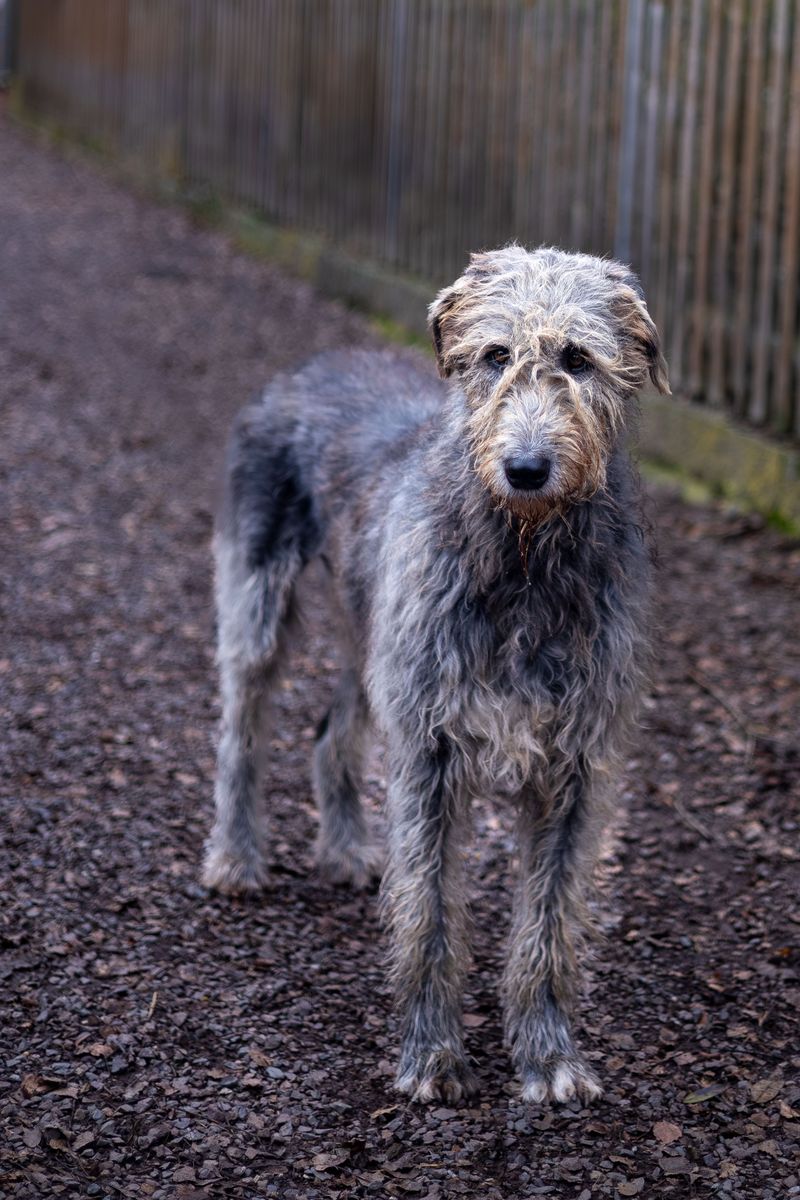
Long legs and a scruffy face give the Irish Wolfhound a storybook look. Around the house, this giant may seem surprisingly quiet, often choosing a nearby spot to observe family life.
Outdoors, its sight hound instincts can take over quickly.
Use a secure fence and a leash where wildlife might appear. Provide regular walks, but check with your veterinarian before planning hard exercise for a growing puppy.
Clear pathways at home help this tall dog move without knocking things over.
Bernese Mountain Dog: The Cozy Farmhand
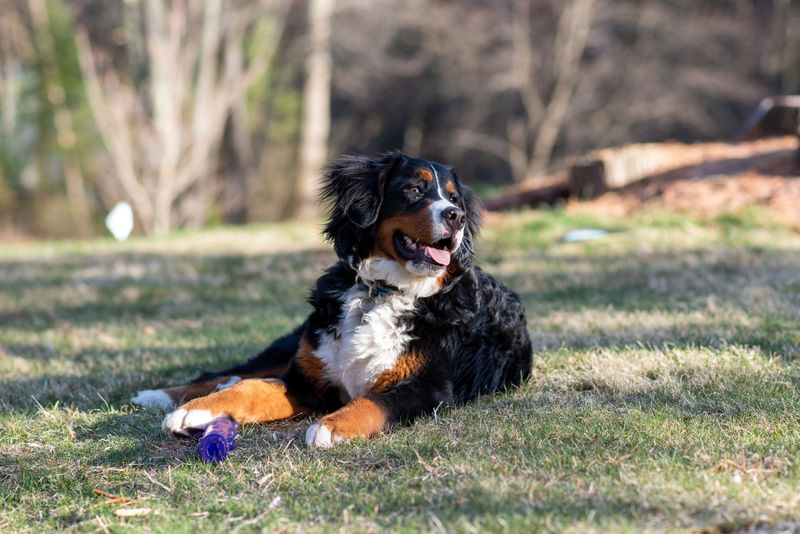
Those bright markings can draw a crowd, but a Bernese Mountain Dog often wins people over by calmly leaning into family life. Once used for farm work, this sturdy breed likes having a job, even if that job is joining a walk.
Brush its thick coat often to manage loose hair and prevent tangles. Choose cooler hours for outdoor fun during summer.
Because large dogs can face joint problems, keep your Berner at a healthy weight and schedule regular checkups.
Greyhound: Sprint Outside, Snooze Inside
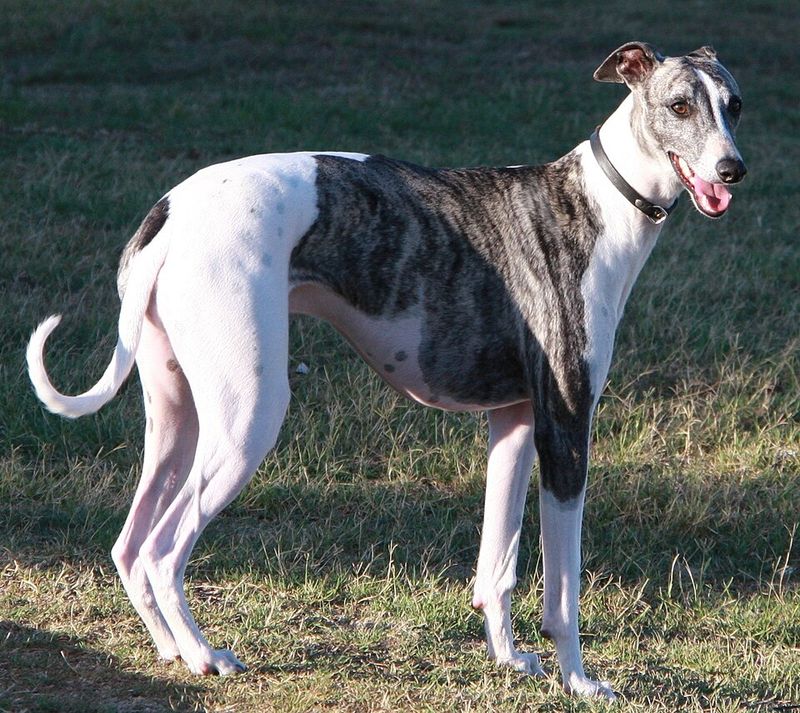
Speed is the Greyhound’s famous talent, yet its favorite indoor sport may be napping. Many are content to relax after a walk and a chance to move safely.
Their slim build needs a soft place to lie down comfortably.
Use a secure leash outdoors, since a moving squirrel can spark a sudden chase. In cold weather, a coat may help because Greyhounds have little body fat.
Ask about your dog’s background and introduce new routines at a gentle pace.
Great Pyrenees: Calm With a Purpose
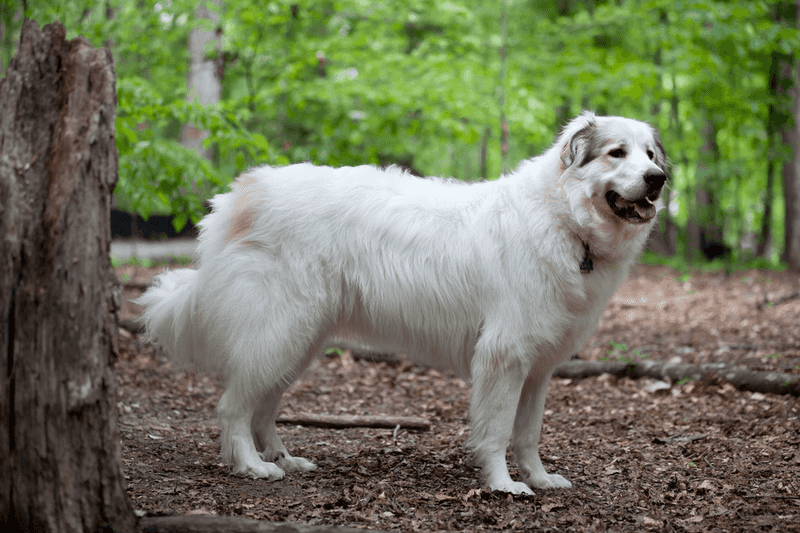
A Great Pyrenees can look like a drifting snowbank until it lifts its head to check the yard. Bred to guard livestock, this dog often stays composed while keeping track of its surroundings.
Calm does not mean eager to follow every command.
Patient training and a secure fence are especially useful for an independent thinker. Expect barking when something seems unusual, particularly at night.
Regular brushing keeps the thick white coat more manageable and gives you time to check its skin.
Leonberger: A Big, Friendly Presence
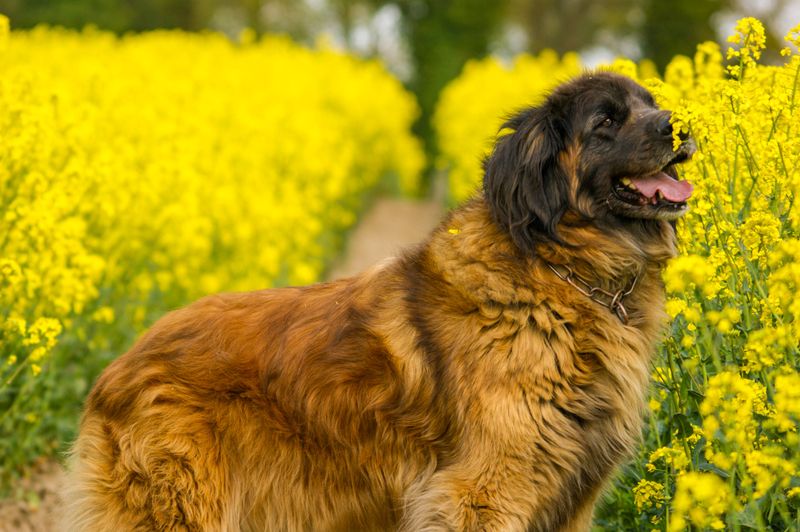
With a mane like a lion and paws like dinner plates, a Leonberger is hard to miss. Many enjoy close family time and settle nicely after enough activity.
Their relaxed moments are sweetest when their need for movement has been met.
Plan daily walks and games that use both body and brain. Brush often, since that long coat sheds and collects debris.
Practice calm greetings before your dog grows large enough to send a visitor stumbling with one excited step.
Dogue de Bordeaux: The Wrinkled Lounger
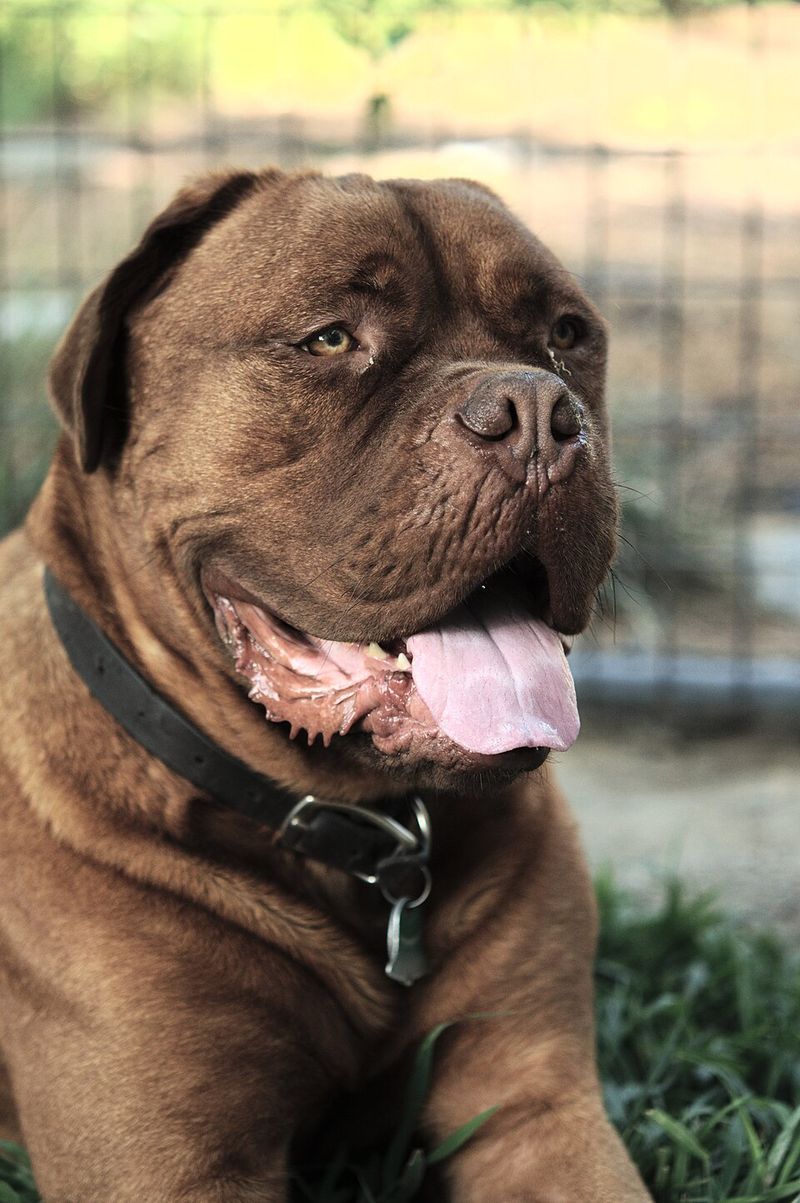
One serious looking face can hide a dog that loves a quiet afternoon beside its favorite person. The Dogue de Bordeaux is powerful, but many are comfortable with a slower home routine.
Early social time helps that confidence stay balanced.
Teach leash manners before your dog reaches full strength, and keep training kind and consistent. Watch for overheating during exercise, especially in warm weather.
Wipe facial folds as your veterinarian advises, and give this heavy sleeper a supportive bed.