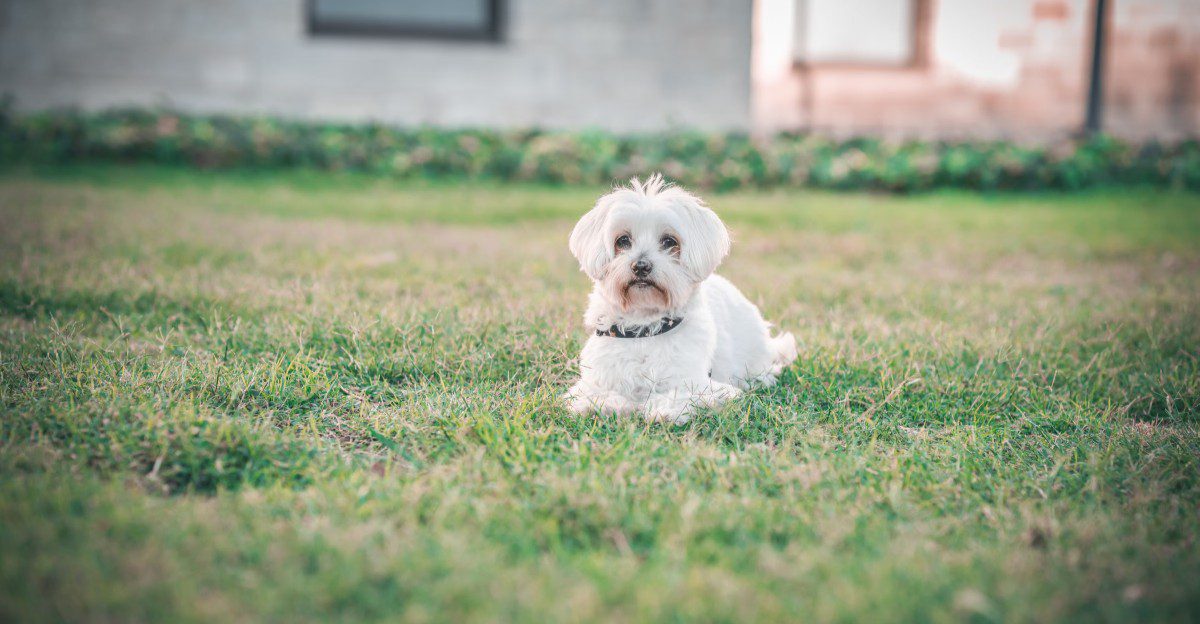
A small dog can have a big personality, but its tiny mouth needs attention too. As some small breeds get older, crowded teeth can make plaque harder to remove.
That may lead to sore gums, loose teeth, or trouble eating. Knowing what to watch for can help you keep your dog comfortable.
Yorkshire Terrier
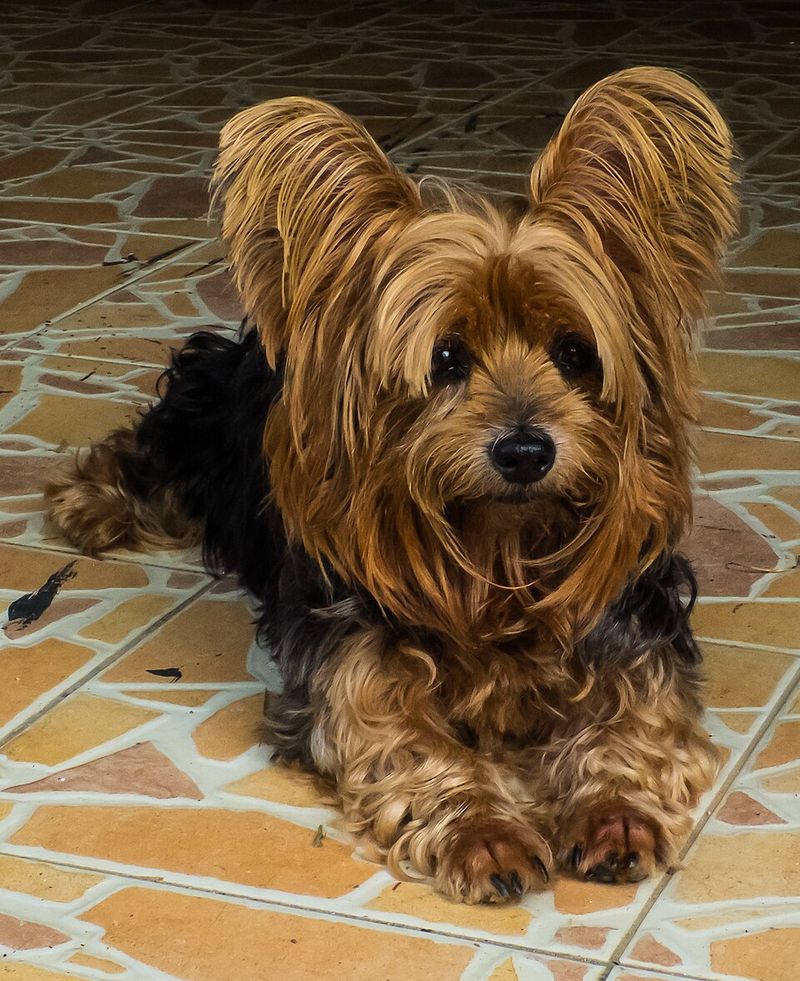
A Yorkie may act like the boss of the house, even when it weighs less than a bag of groceries. Its small mouth can hold crowded teeth, where food and plaque collect as the dog grows older.
Brush with dog toothpaste each day if your Yorkie allows it, building the habit slowly with praise. Ask your veterinarian to check for red gums, bad breath, or loose teeth.
A professional cleaning may be needed when brushing cannot remove hardened tartar.
Chihuahua
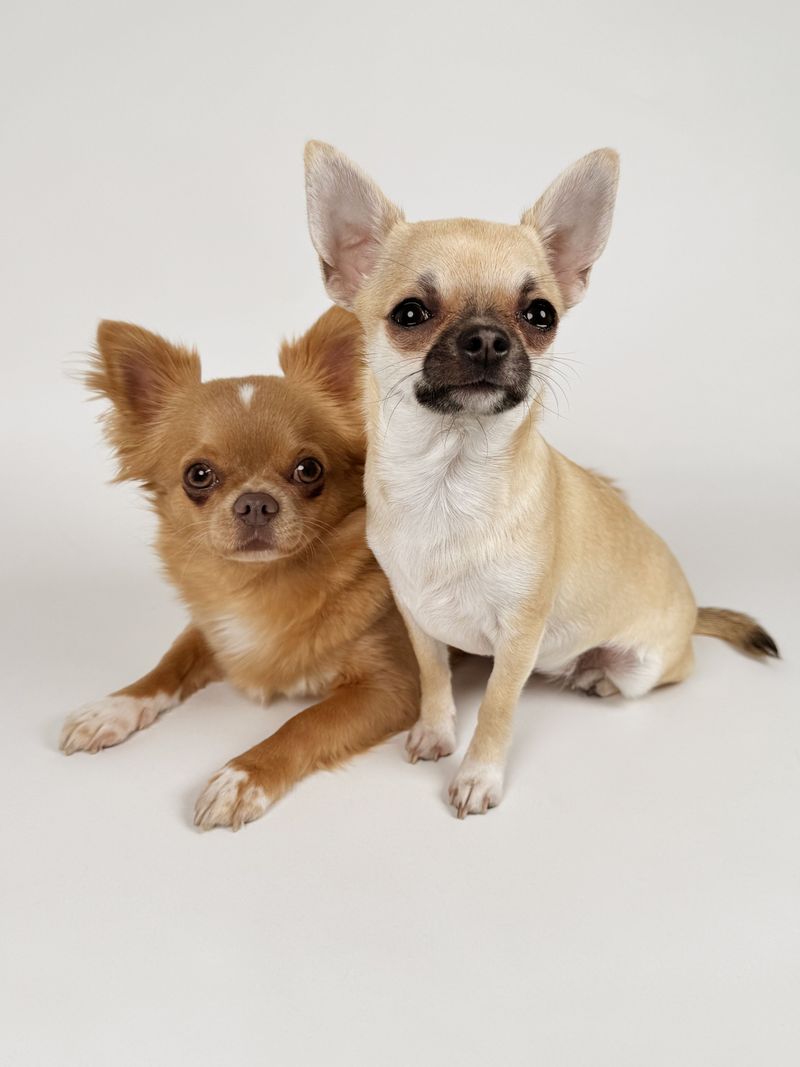
That bold bark comes from a very tiny mouth. Chihuahuas often have teeth packed close together, which gives plaque places to hide.
Some also keep baby teeth after their adult teeth come in, making the crowding worse.
Take a quick look at your dog’s mouth during cuddle time, without forcing it open. If you notice two teeth in one spot, bleeding gums, or a strong smell, book a veterinary visit.
Daily brushing helps protect those little teeth as the years pass.
Toy Poodle
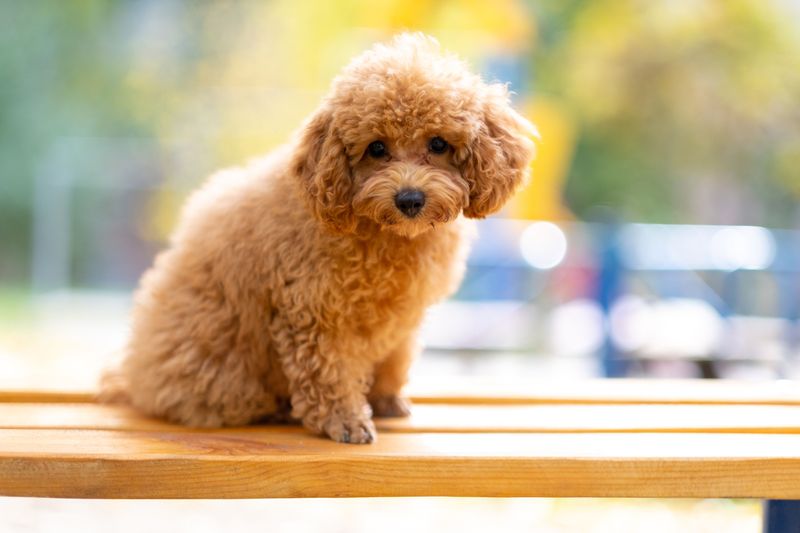
Curly hair may grab the attention, but a Toy Poodle’s teeth deserve a closer look. Plaque can build along the gumline, and older dogs may hide mouth pain while still greeting everyone with a wag.
Make tooth care part of the grooming routine: brush gently with a soft dog toothbrush and reward calm behavior. Dental chews approved by your veterinarian may help, but they do not replace brushing.
Watch for chewing on one side or dropping food during meals.
Pomeranian
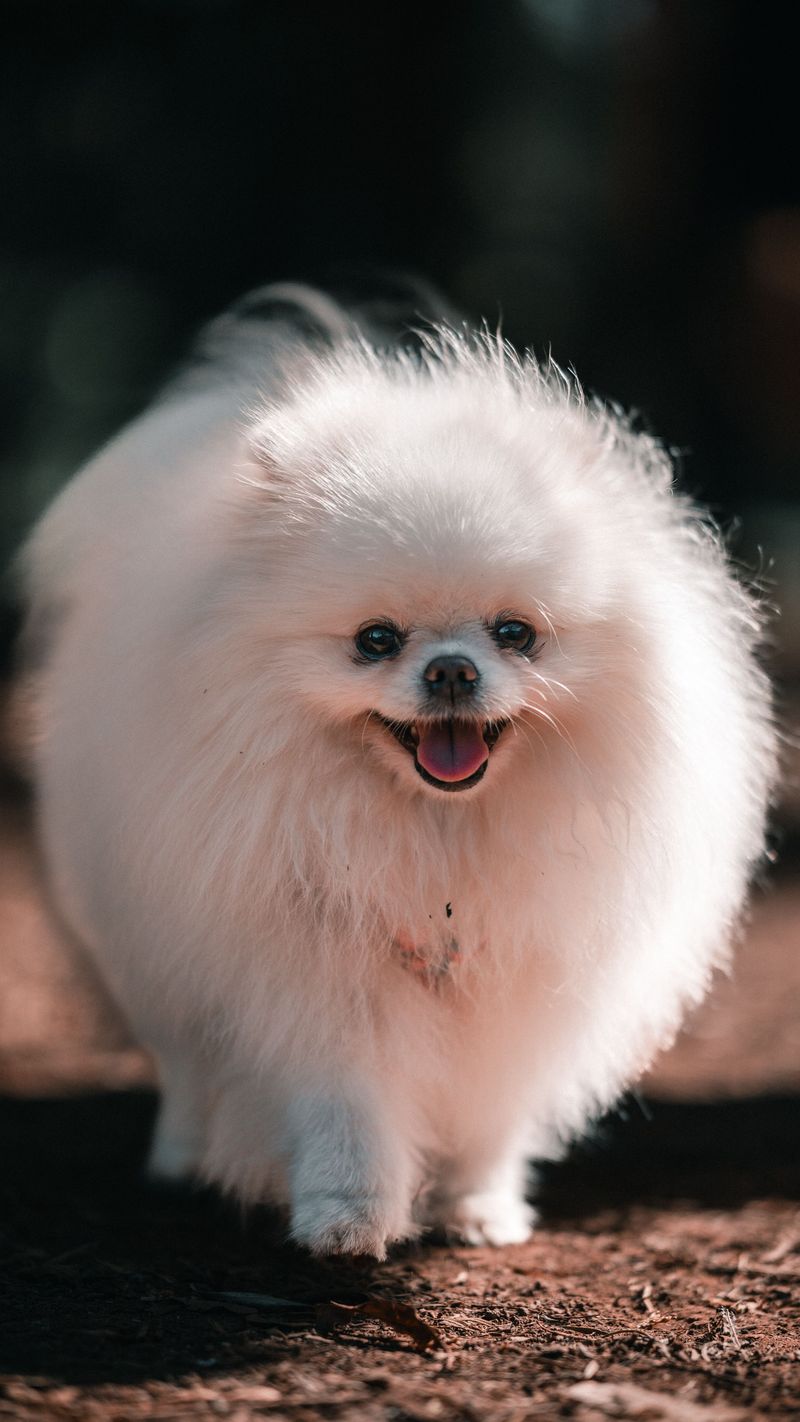
Behind that cloud of fur is a mouth that can get crowded. Pomeranians may hold on to baby teeth, leaving less room for adult teeth and making cleaning tricky.
Gum problems can become more serious with age.
Lift the lip now and then to spot tartar near the back teeth, where it is easy to miss. Keep brushing sessions short and cheerful.
If a tooth looks doubled up or your dog pulls away when eating, let your veterinarian take a look.
Maltese
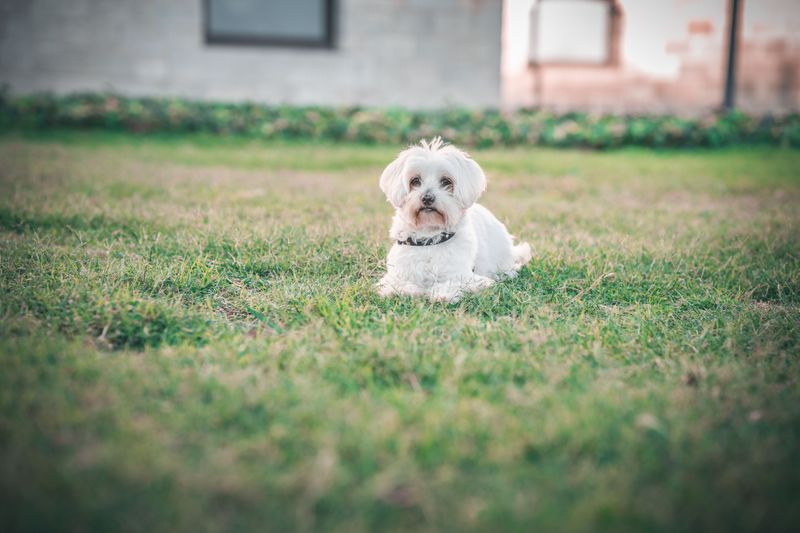
A Maltese can look puppy-like for years, but its teeth still age. In a small mouth, plaque may turn into hard tartar along the gums.
That can leave the gums sore, even if your dog keeps asking for dinner.
Try brushing at the same quiet time each day, using toothpaste made for dogs. Start with a finger along the outer teeth before adding a brush.
Regular veterinary dental checks can catch trouble before eating becomes painful.
Dachshund
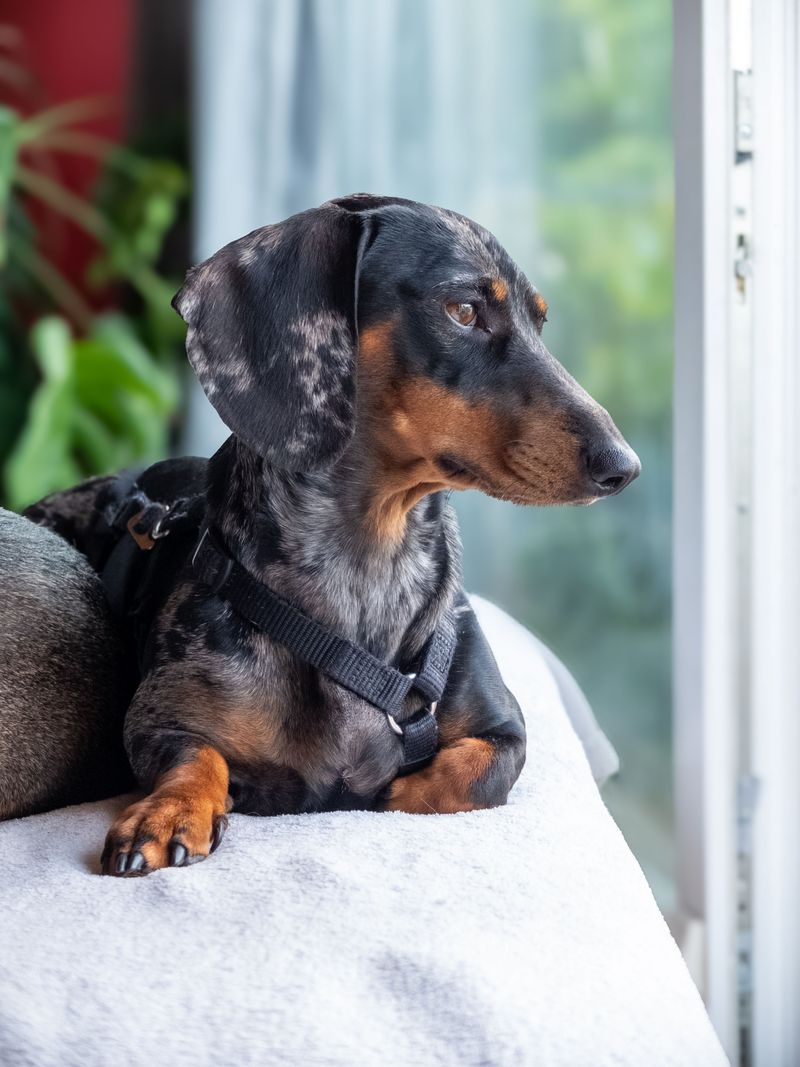
Long body, short legs, and a nose that finds every crumb: the Dachshund has its own style. Its teeth still need help, especially as plaque and gum disease become more likely with age.
Use that love of routine to your advantage. Brush after a daily walk, then offer praise or a small reward.
Check for breath that suddenly worsens, trouble chewing, or pawing at the face. A veterinarian can check whether pain or infection is hiding below the gums.
Shih Tzu
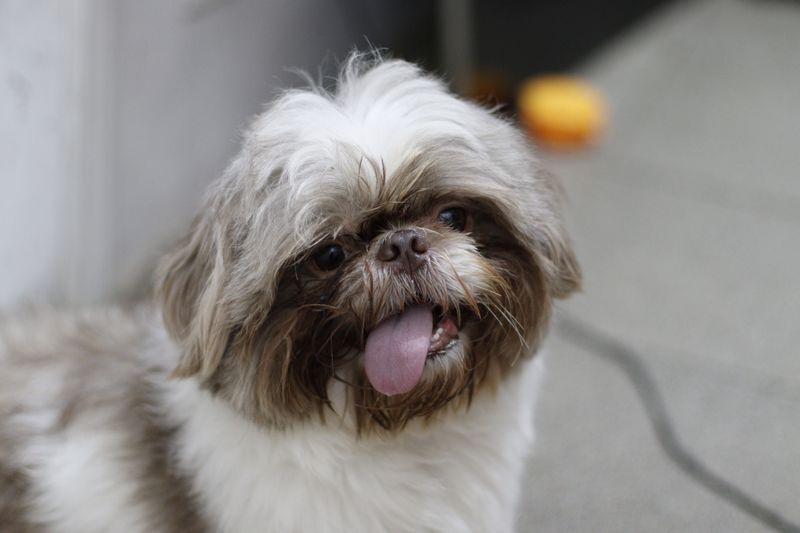
A Shih Tzu’s sweet face can make it hard to say no to treats. Its short muzzle may also leave the teeth crowded, giving plaque more places to settle.
As gum disease advances, the mouth can become tender.
Choose small, safe treats and make brushing the usual follow-up, not an occasional event. Gently lift the lips to clean the outside surfaces of the teeth.
If your dog avoids crunchy food or dislikes having its face touched, arrange a veterinary exam.
Pug
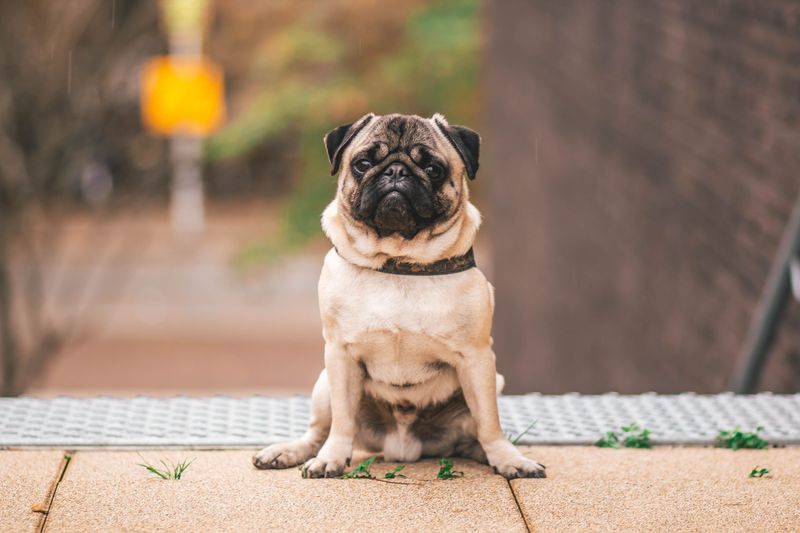
A Pug’s snorts and cheerful greetings are hard to miss. Tooth trouble can be quieter.
Because its short muzzle can crowd the teeth, food and plaque may get stuck in spots that are tough to clean.
Begin with brief brushing sessions and pay attention to the back teeth. Never use human toothpaste, which is not made for dogs.
Tell your veterinarian about new drooling, bad breath, or a change in appetite. Those signs deserve more than a quick breath mint.
Cavalier King Charles Spaniel
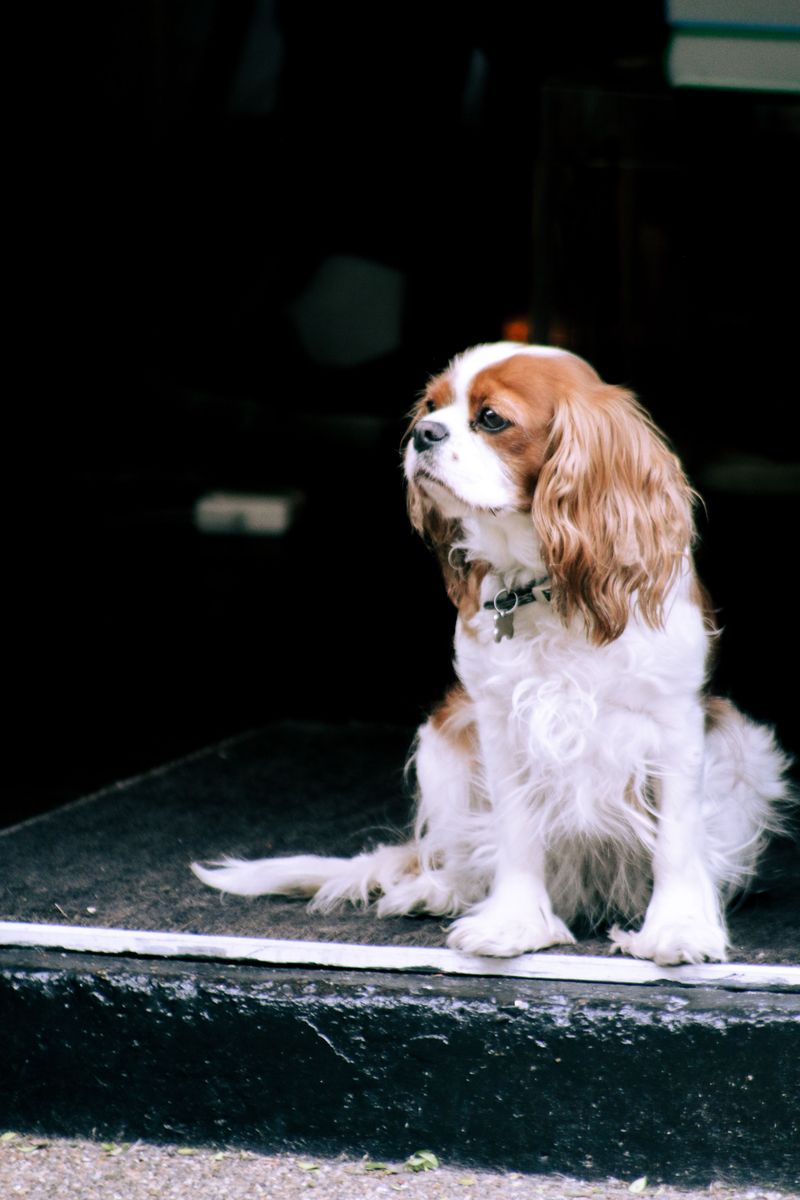
Those long ears and friendly eyes make a Cavalier easy to fuss over. While you are petting your dog, give its mouth some attention too.
Plaque can irritate the gums, and dental disease may progress without obvious complaints.
Offer a calm toothbrushing routine with dog toothpaste, focusing on the outer surfaces. Ask for a mouth check at regular veterinary visits, even if your dog eats normally.
Swollen gums, loose teeth, or a new smell are reasons to call sooner.
Miniature Pinscher
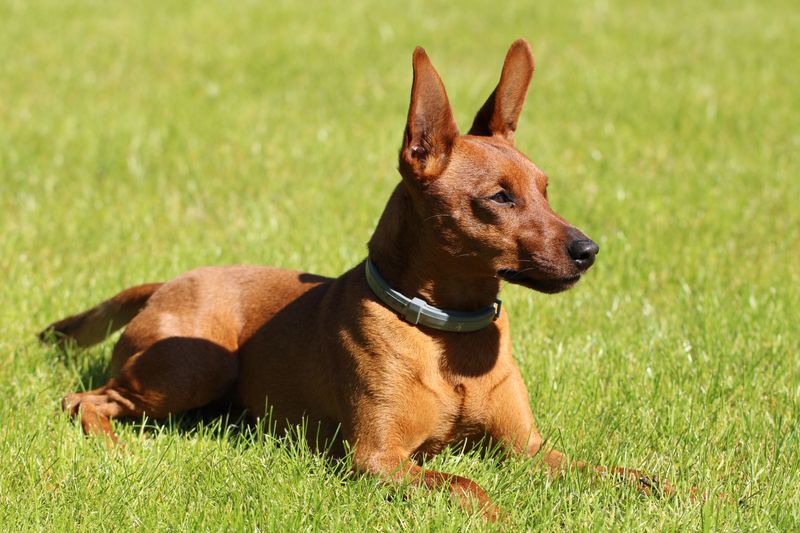
Few dogs strut into a room quite like a Miniature Pinscher. That fearless attitude may hide a sore mouth, so do not wait for a complaint before checking its teeth.
Plaque and gum problems can build over time.
Turn brushing into a short training game, with praise for each small step. Look for yellow buildup near the gums and note any change in chewing.
Your veterinarian can recommend cleanings and check teeth that seem painful or loose.
Papillon
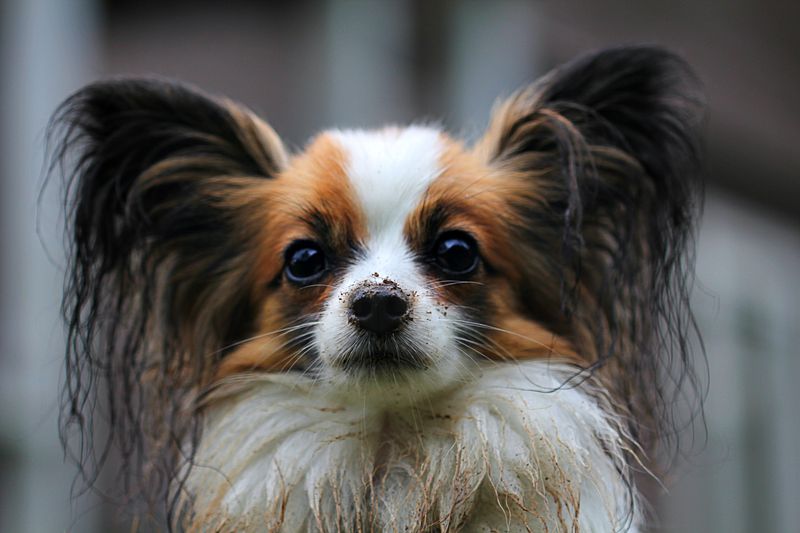
Butterfly-like ears give the Papillon its name, but the tiny teeth below need just as much notice. In a small jaw, crowded teeth can trap plaque.
Older Papillons may also keep eating while their gums are uncomfortable.
Take a gentle look during a relaxed moment, then brush with a dog-safe paste. Work up to a daily habit instead of trying to scrub everything at once.
If you spot bleeding, loose teeth, or chewing trouble, schedule a veterinary dental check.