
A squirrel darts across the path, and suddenly your dog stops listening. For some breeds, chasing was once part of their job, so a moving animal can be hard to ignore.
Knowing what your dog was bred to pursue can help you choose safer places to play. Before you unclip the leash, take a look at what might catch their eye.
Greyhound: Built to Spot and Chase Hares
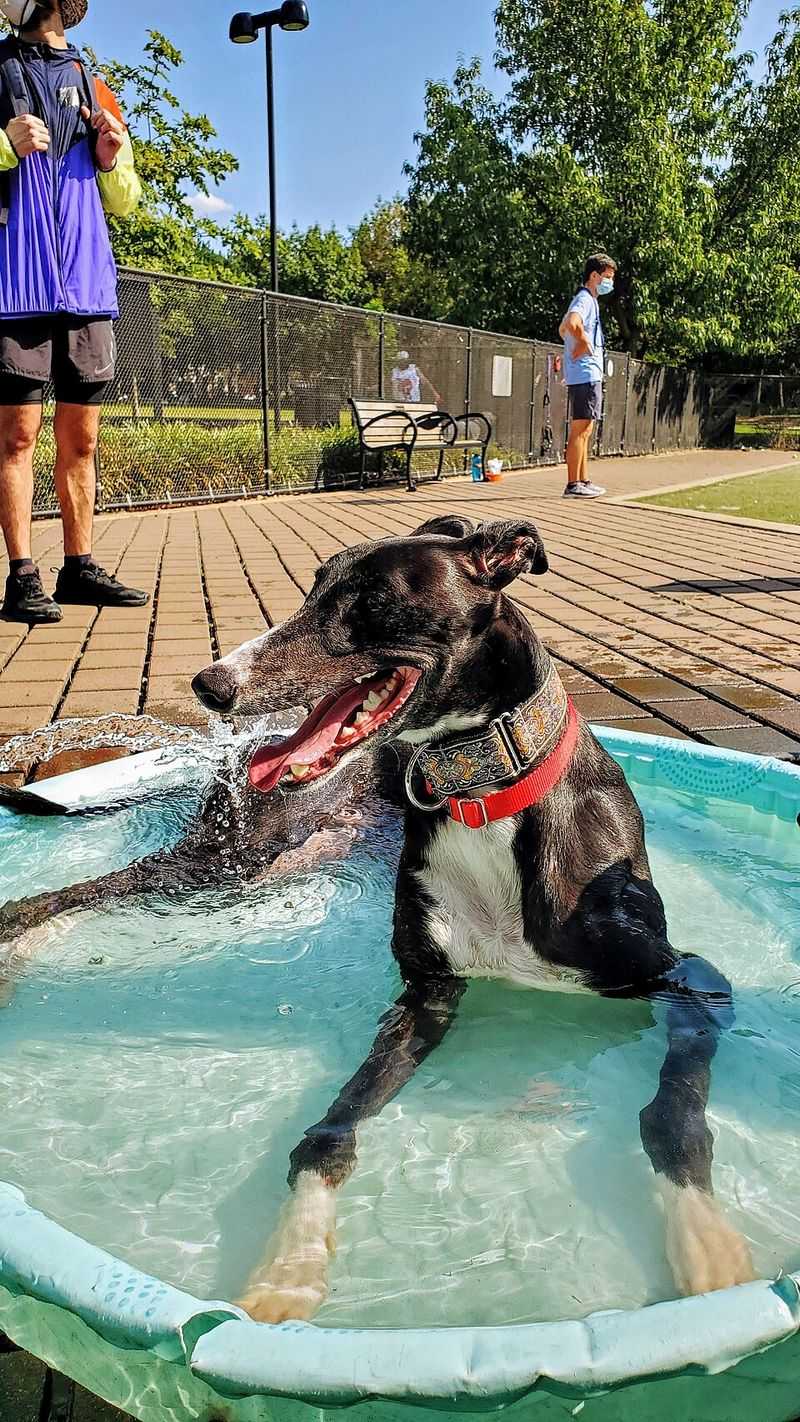
One flicker of movement can turn a quiet Greyhound into a blur. Greyhounds were bred to spot and chase hares by sight, not wait for a scent trail.
Their speed makes catching up nearly impossible for most people.
Choose a fully fenced area for off leash runs, and check gates before opening the clip. Keep your Greyhound leashed near wildlife, roads, or open fields.
Even a well trained dog may chase before you can call.
Beagle: A Nose for Rabbits
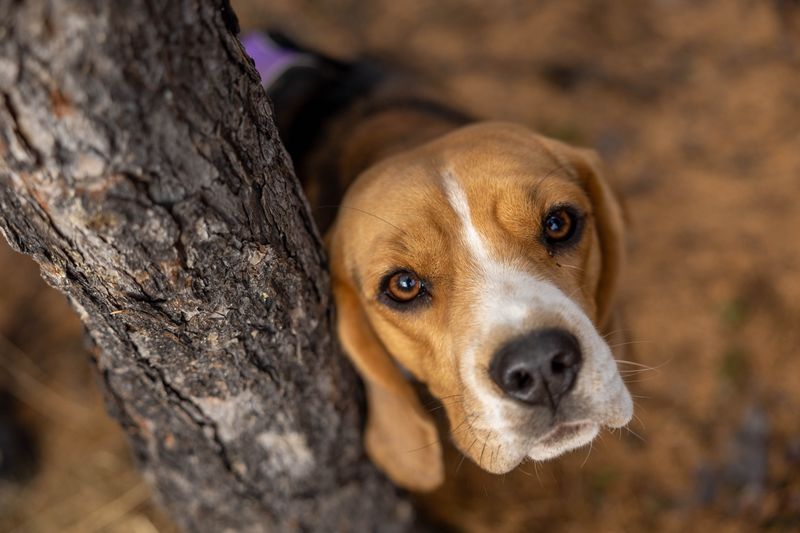
A Beagle can find a story in a patch of grass that looks empty to you. Bred to follow rabbits by scent, this cheerful hound may wander far with its nose down.
Calling louder rarely beats an exciting trail.
Practice recall with tasty rewards in quiet places, then add distractions slowly. Use a long line where rules allow so your dog can sniff without disappearing.
Check fences for gaps, and keep walks supervised near rabbit habitat.
Jack Russell Terrier: Small Dog, Big Fox Hunting History
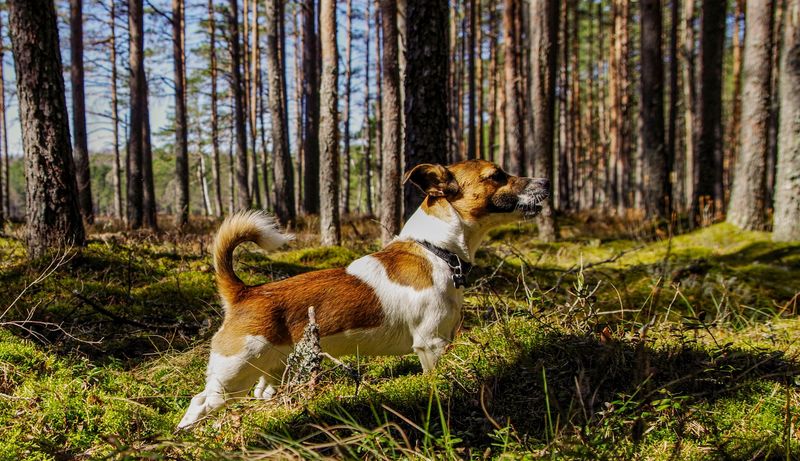
Do not let the short legs fool you: a Jack Russell Terrier is bold enough to investigate a fox den. These terriers were developed to work around foxes, and many still react fast to small animals.
Digging can be part of the fun, too.
Before off leash play, inspect fences at ground level and watch for escape holes. Offer digging games or sturdy toys at home.
Around wildlife, a secure leash protects your dog and its neighbors.
Dachshund: The Badger Hunter Underground
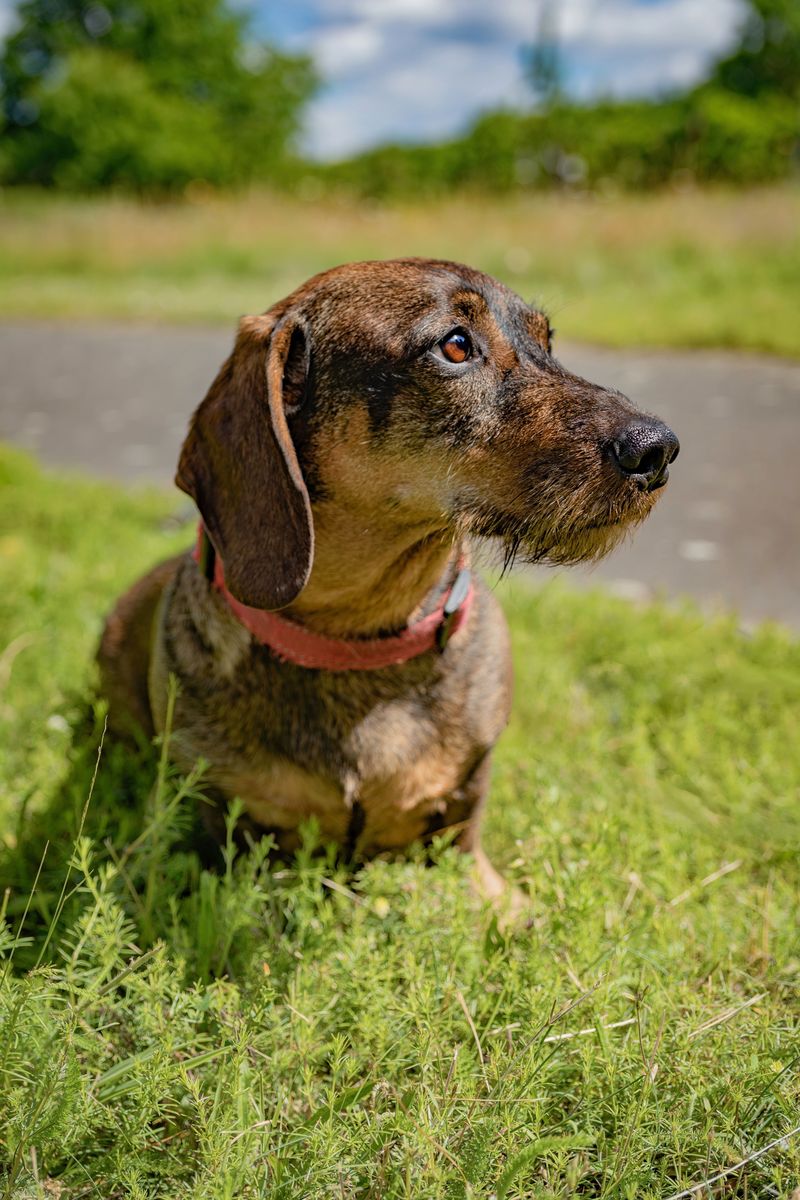
That long body had a purpose beyond looking adorable. Dachshunds were bred to enter burrows and confront badgers, so an interesting hole may feel like an invitation.
They may also pursue rabbits and other small animals above ground.
Keep a close eye on walks near burrows, woodpiles, and thick brush. A harness can help you guide your dog away without pulling on its neck.
Fence checks matter because a determined Dachshund may dig beneath a boundary.
Whippet: A Sprinter After Small Game
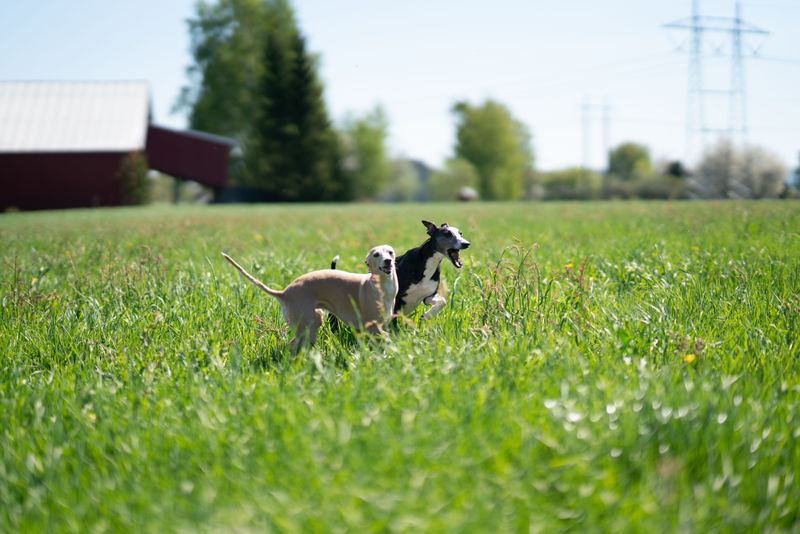
At home, a Whippet might seem happiest curled under a blanket. Outside, a darting rabbit can wake up the sprinter underneath.
Whippets were bred to chase small game by sight, and they can reach surprising speeds in seconds.
Let yours stretch its legs in a well secured enclosure rather than an open field. Practice coming back when called, but do not count on a perfect response during a chase.
Check that fencing is high and gates latch properly.
Siberian Husky: A Pulling Dog With Hunting Instincts
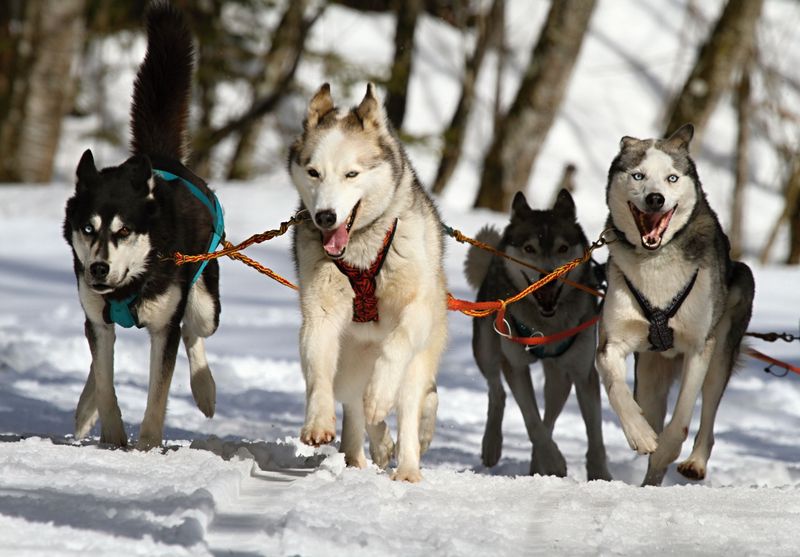
Snowy trails helped shape the Siberian Husky as a tireless sled puller, not a hunting specialist. Still, many Huskies have a strong urge to chase small animals, including squirrels and rabbits.
Their speed and talent for escaping can turn a brief dash into a long search.
Use a secure harness and inspect fences for digging spots or climbing routes. Give your dog plenty of exercise and games.
Keep the leash attached near wildlife, even after a walk.
Rhodesian Ridgeback: A History of Tracking Lions
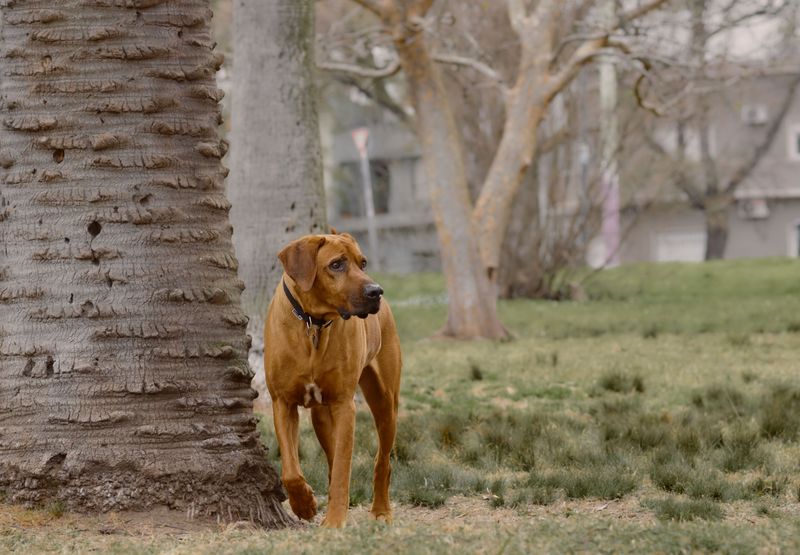
A raised stripe of fur gives the Rhodesian Ridgeback its name, but its history is even more striking. Ridgebacks helped hunters track and hold lions at bay; they were not meant to fight them alone.
That background can come with stamina and interest in moving animals.
Give this powerful dog room to exercise in a secure space. Build recall through steady practice, and use a sturdy leash where wild animals roam.
Never test its instincts around wildlife.
German Shorthaired Pointer: Ready to Find Game Birds
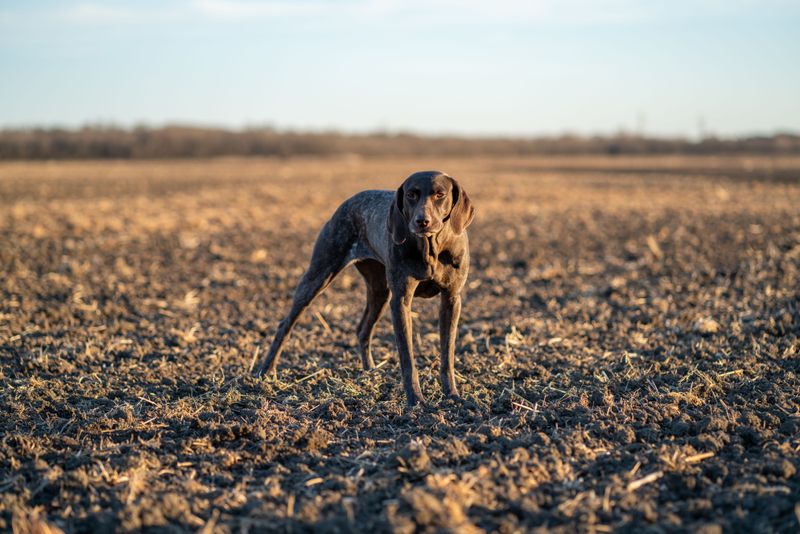
Watch a German Shorthaired Pointer freeze with its nose aimed at tall grass, and you can almost see its old job. These dogs were bred to find, point, and retrieve game, especially birds.
A sudden flush may send an excited dog racing after them.
Teach a reliable stop and recall using rewards, and practice around mild distractions first. In areas with nesting birds, keep your dog leashed.
Scent games at home offer another outlet for that busy nose.
Weimaraner: Once Used for Big Game
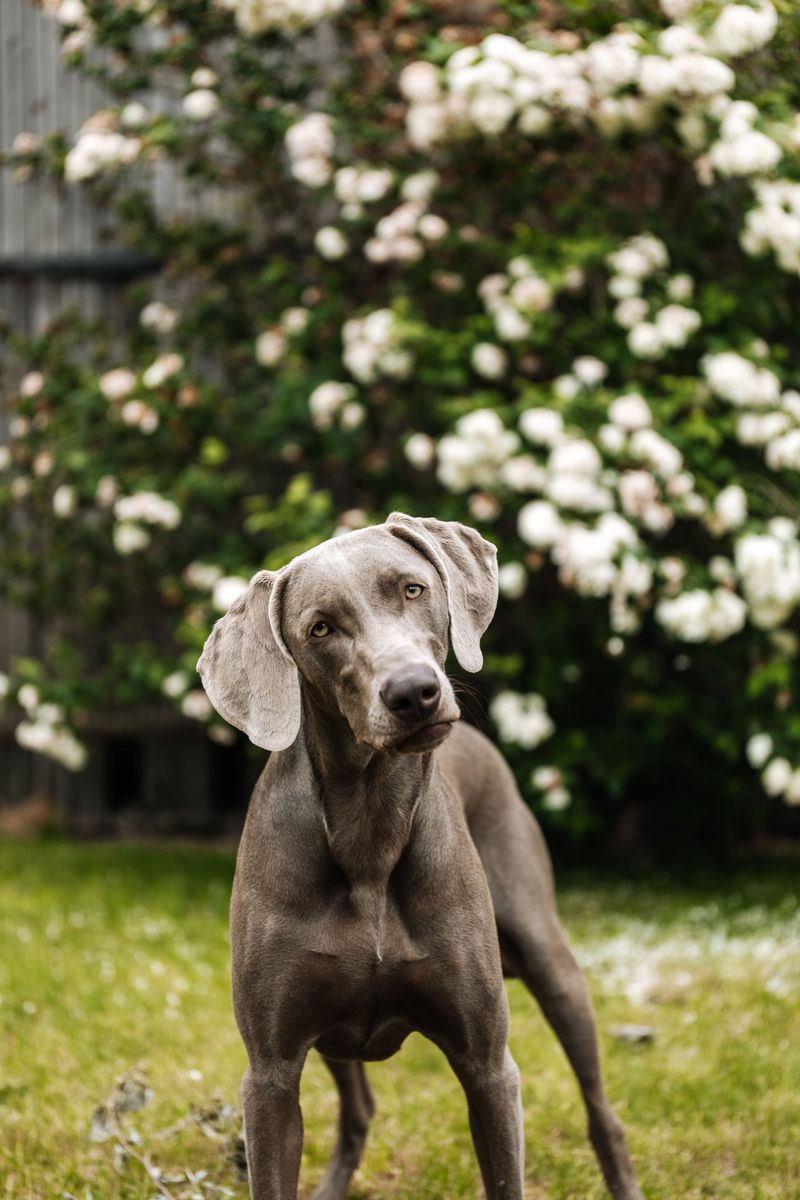
Silver gray and full of energy, the Weimaraner once helped hunters pursue large game such as deer and boar. Later, the breed also worked with birds and smaller animals.
That range helps explain why a rustle in the woods can grab its full attention.
Plan active walks, training games, and chances to sniff. Keep your dog close where deer may cross a trail.
Before allowing free running, check the fence and make sure the area is wildlife free.
Afghan Hound: A Sharp Eye for Mountain Game
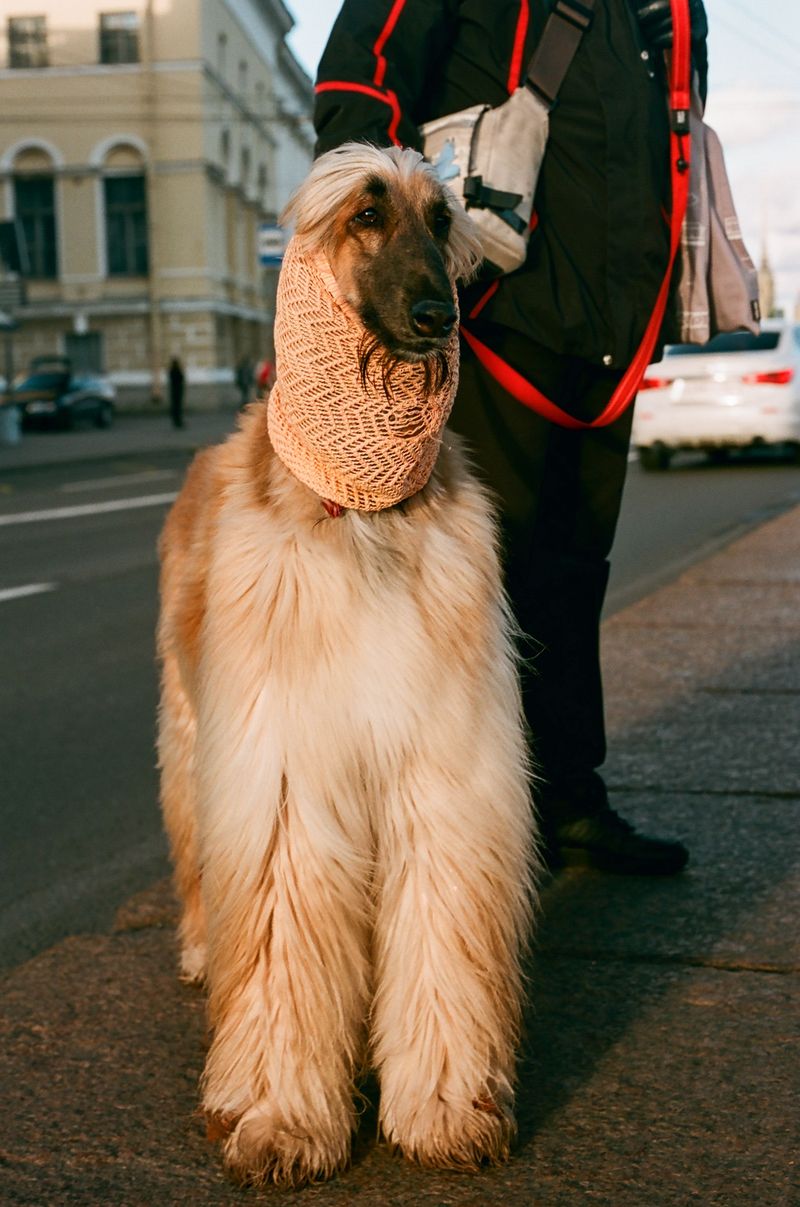
With flowing hair and a proud walk, the Afghan Hound can look ready for a show ring. Its ancestors were hunting dogs, though, chasing game across rough land by sight.
A distant animal may catch its attention long before you notice anything moving.
Choose enclosed places for running and keep this quick dog leashed near open hills or roads. Work on recall patiently with rewards your dog loves.
Grooming matters too, since burrs can cling to that long coat.
Borzoi: The Wolf Hunter With Swift Feet
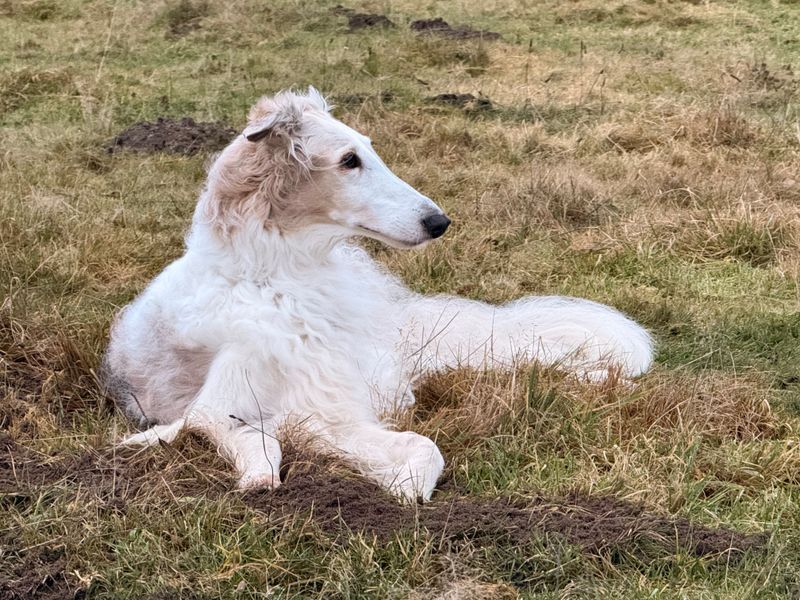
A Borzoi looks graceful at a stroll, but this tall hound was bred to pursue wolves in organized hunts. It relied on sharp eyesight and speed to catch moving prey.
Today, a passing rabbit or other small animal may trigger that same quick reaction.
Save off leash sprints for a spacious, fully fenced area, and inspect the boundary first. Near roads or wildlife, keep hold of the leash.
Reward check ins on walks, but never expect training to erase instinct.