Dogs that enjoy working together make family life easier and more fun. They share space well, learn group games quickly, and often help keep the peace.
When a breed is wired for teamwork, training feels smoother and daily routines click into place. Here are friendly, social dogs that shine when it comes to cooperating.
Labrador Retriever
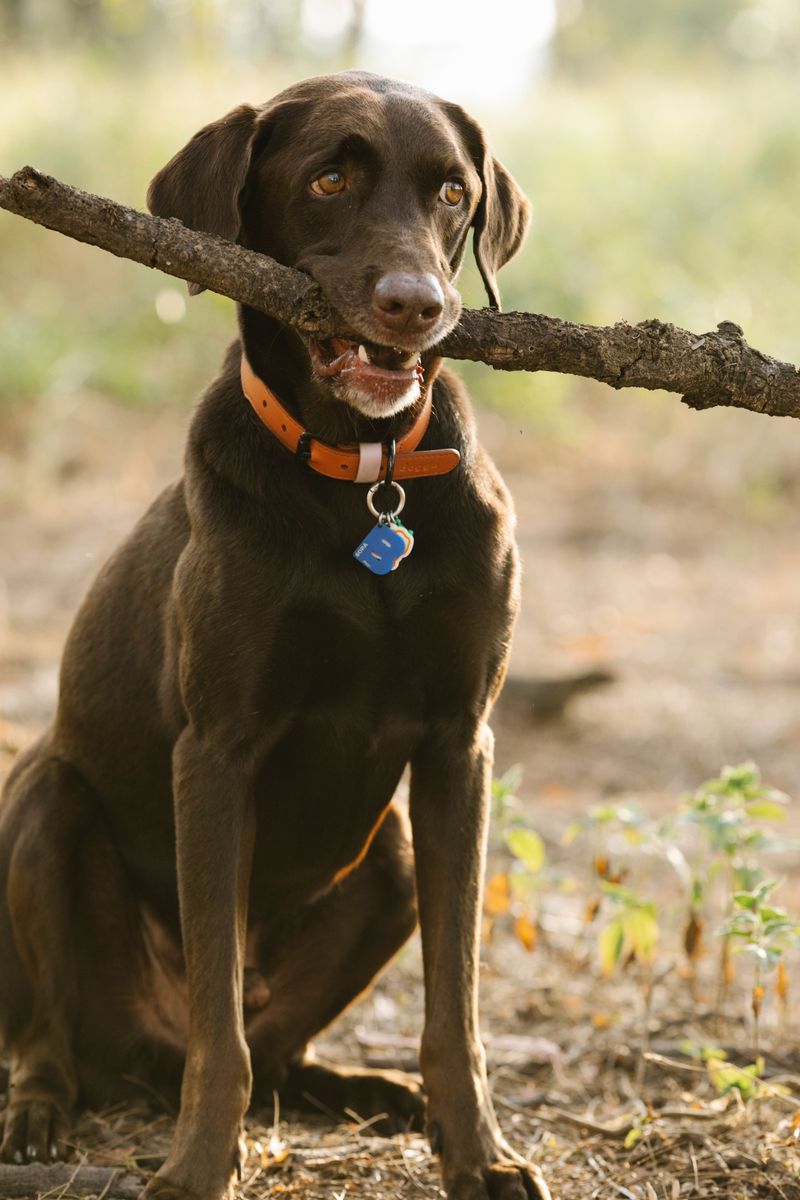
Always ready to help, Labradors love teamwork at home and in the field. They read people well, so they share toys, wait their turn, and learn jobs like fetching gear or closing doors with calm focus.
Daily walks, brain games, and clear cues keep their cooperative spirit strong. Try hide-and-seek retrieves, gentle tug with rules, and simple chores like carrying mail.
A kind tone plus steady routines makes group tasks feel fun for everyone today.
Golden Retriever
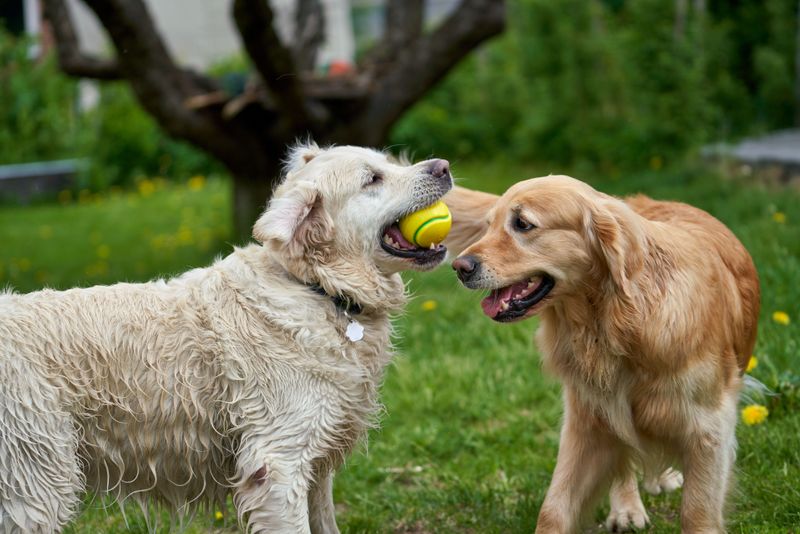
With a sunny grin, Goldens seem born to share the workload. Families notice how they match energy, offer a soft nudge, and wait politely, which makes multi-dog play and kid games run smoothly.
Teach cooperative tricks like tandem heeling, passing a ball on cue, and holding a basket together. Short sessions, tasty rewards, and patient pauses reinforce teamwork.
Fun fact: they were developed to retrieve ducks from Scottish estates, so collaboration is basically tradition there.
English Springer Spaniel
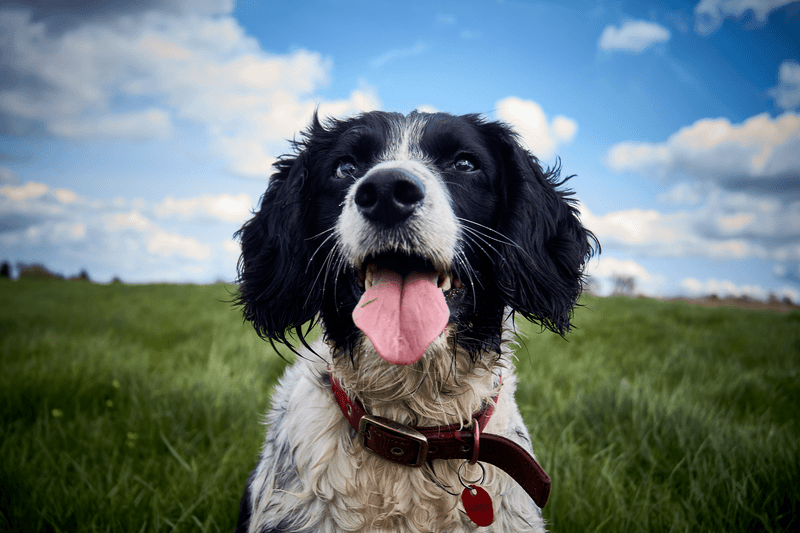
Born to work in a pair, Springers flush birds while handlers follow close. That hunting history shows up at home as eager eye contact, quick check-ins, and a happy bounce that invites shared tasks.
Channel that vibe into nose games with partners, relay retrieves, and off-leash hiking with frequent recalls. Keep directions crisp, rotate roles, and celebrate quiet settles after action.
Their balanced drive makes teamwork both exciting and peaceful for active families to enjoy.
Rough Collie
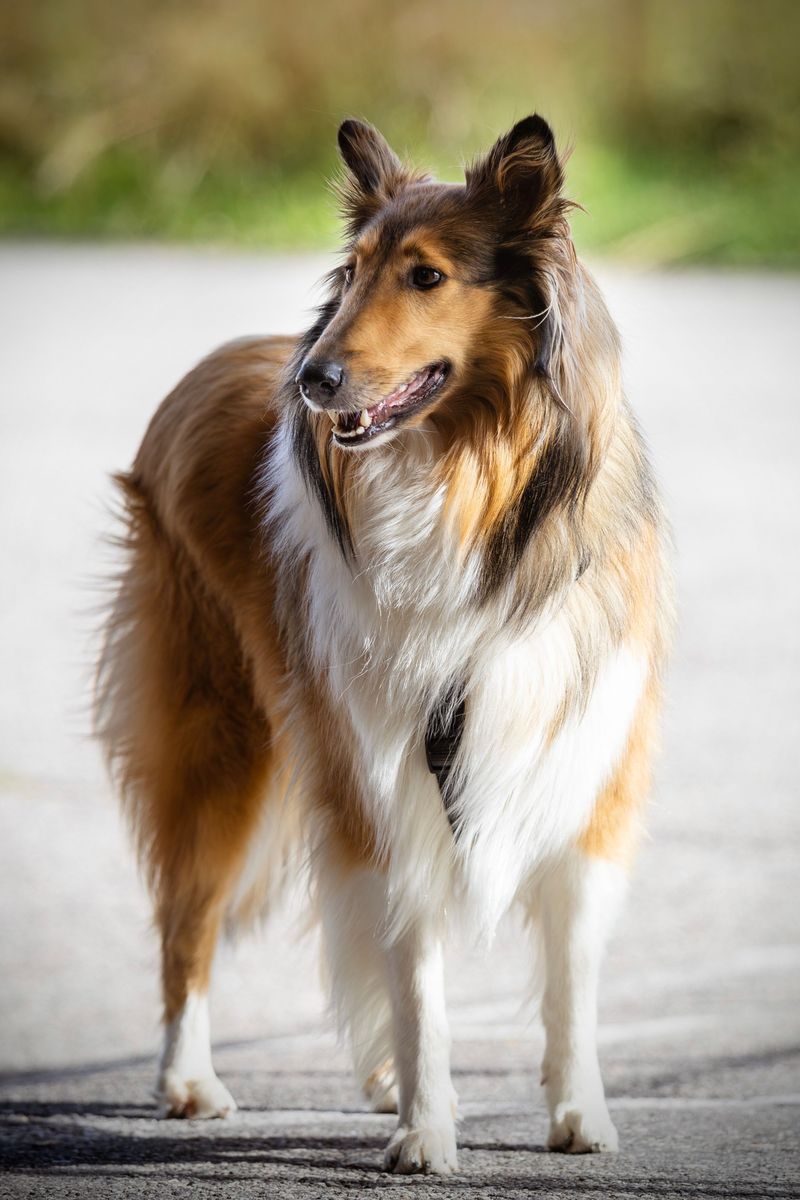
Storybook looks aside, Rough Collies shine as gentle coordinators. They naturally circle, guide movement, and check everyone’s position, which helps kids and other pets feel included during playtime.
Herding-style games with cones, slow following exercises, and cooperative trick routines suit them well. Use light cues, calm praise, and predictable schedules to keep confidence high.
A tidbit from history: Collies guided flocks across Scottish hills, so steady teamwork is practically in their DNA at home too.
Boxer
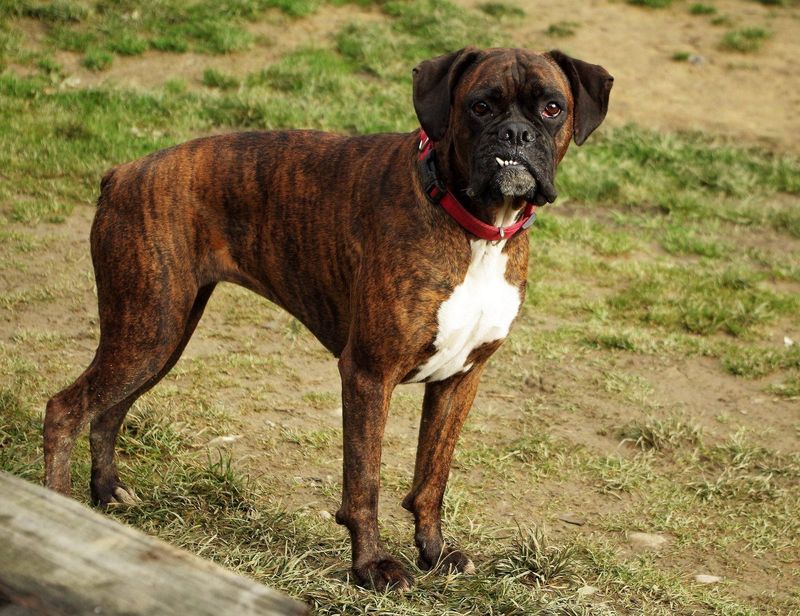
Like a cheerful teammate, the Boxer brings comic relief and focus in the same package. Big expressions, quick reactions, and a love of games make group training lively and social.
Cooperative circuits with sits, downs, and shared waits build self-control. Add friendly tug handoffs, parallel walking, and scent finds that require taking turns.
Keep sessions upbeat, short, and consistent. With fair rules and laughs, Boxers learn to pitch in without steamrolling sensitive friends or siblings.
Standard Poodle
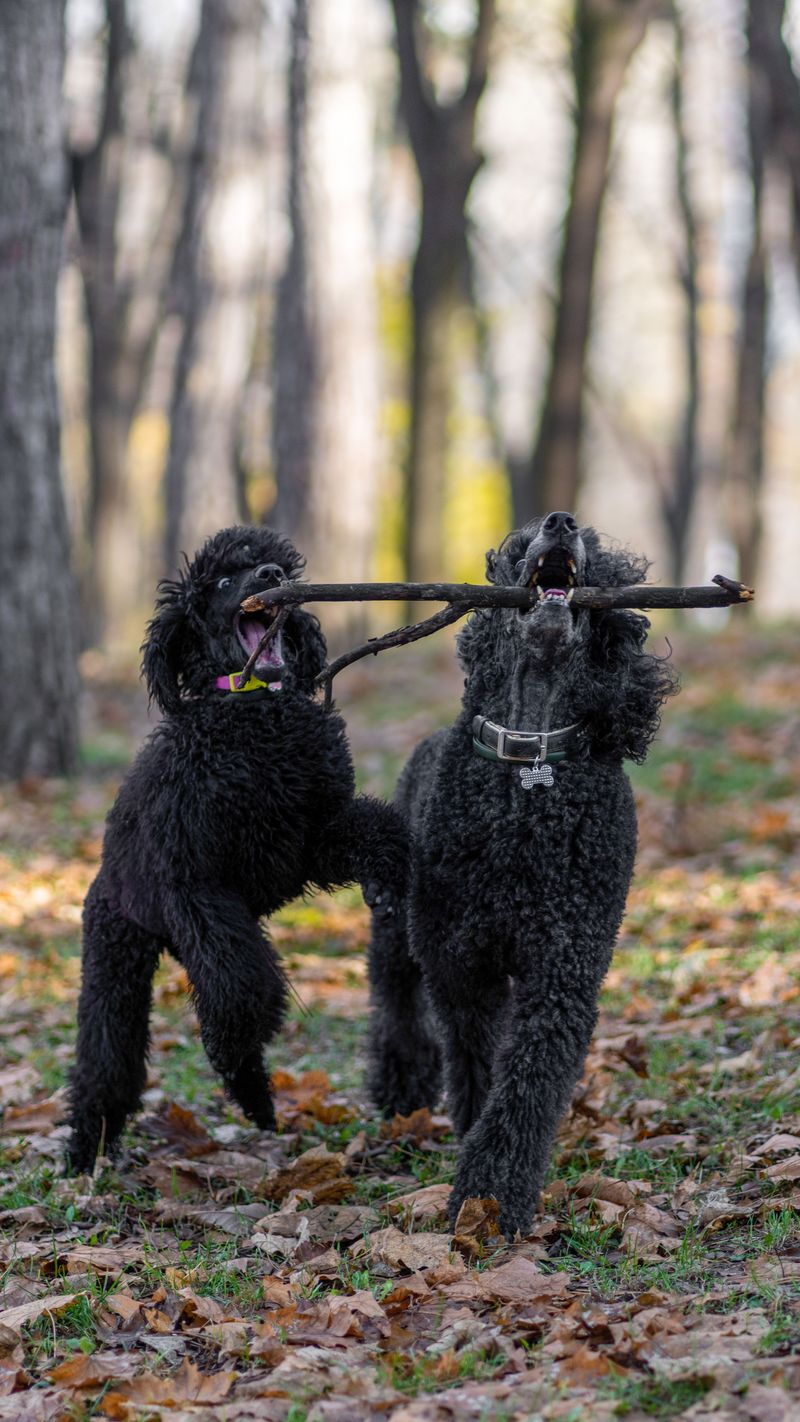
Brains and style meet in the Standard Poodle, a champion at reading people. Many will mirror your pace, offer gentle eye contact, and calmly share space, which smooths group activities.
Team-focused tasks like carrying a shared line, synchronized sits, and two-dog place training fit beautifully. Rotate partners to keep manners flexible, and sprinkle puzzle feeders for mental balance.
History note: their water-retrieving roots explain why cooperation under pressure feels natural in family life every day.
Cocker Spaniel
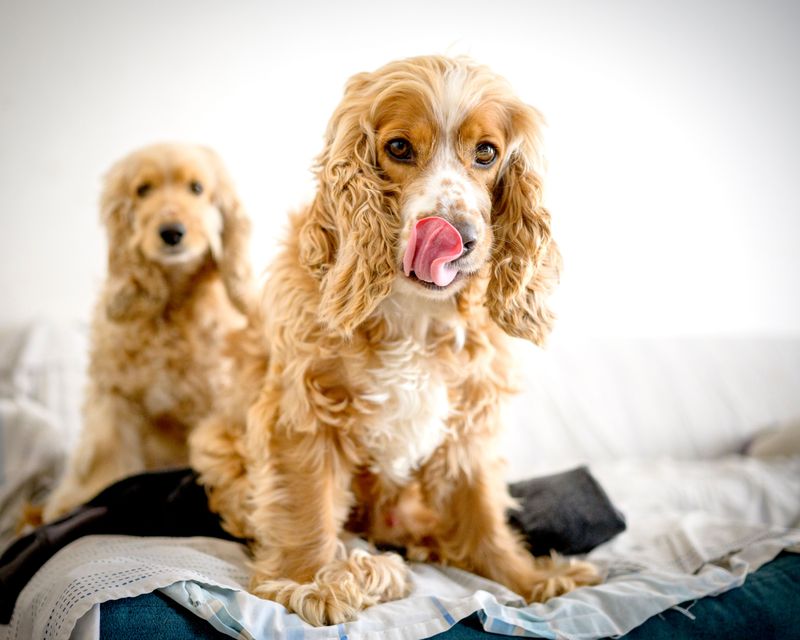
Eager eyes tell the story, because Cockers truly want to be included. They hover nearby, check faces, and wag softly, which makes group walks and shared games feel welcoming.
Try partner fetches, hand-target relays, and quiet settle-and-switch drills during movie nights. Keep treats tiny, cues simple, and breaks frequent to avoid overstimulation.
A fun tidbit: the breed split from larger Springers for specialized work, so teamwork skills stayed strong even indoors, with families everywhere today.
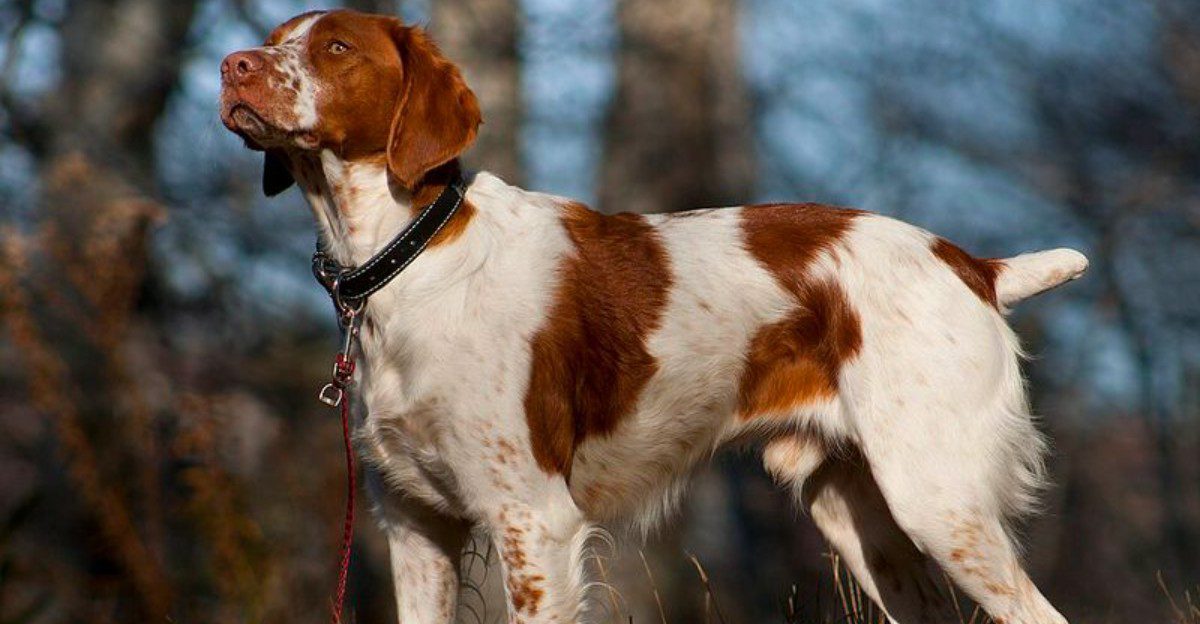
Brittany
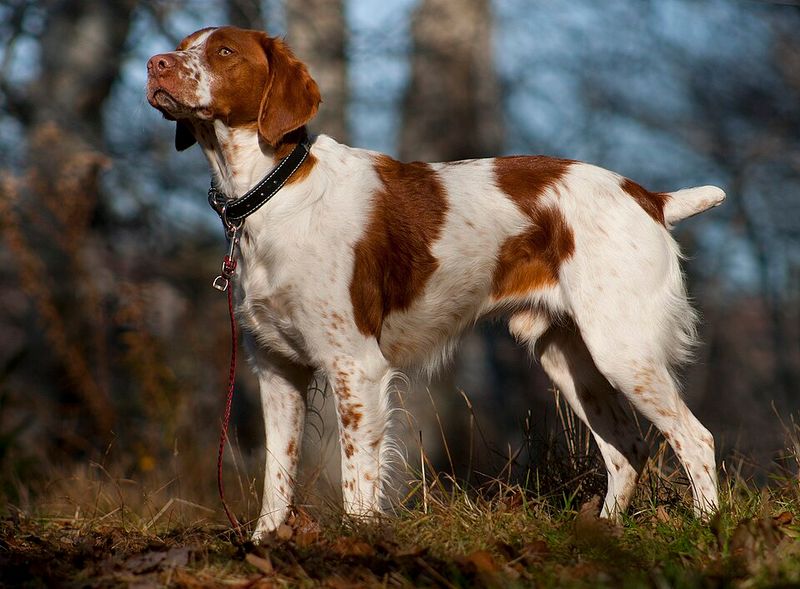
Quick on their feet, Brittanys love shared adventure. They check back often on trails, follow pointing hands, and work comfortably beside people or another dog during games.
Plan field-style cooperation like searching scattered toys on a whistle, swapping retrieves mid-run, and pausing together before release. Keep sessions airy, outdoor, and fun, but add rest breaks to protect focus.
Their French gundog roots make duo work feel natural without harsh pressure in varied family scenes daily.
Havanese
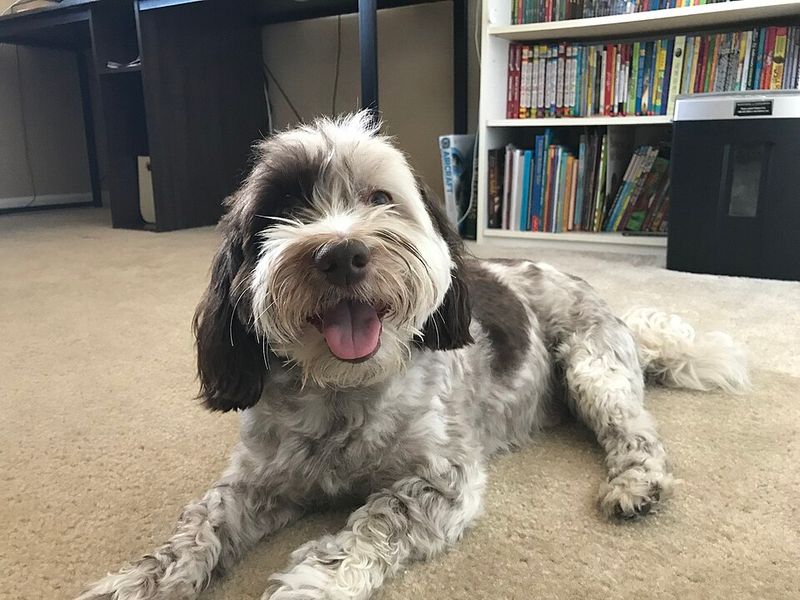
Small size, big social heart, the Havanese loves group routines. You will see polite sharing near food bowls, calm cuddles, and playful bows that invite friends to join.
Craft teamwork with mini agility lines, stroller-side walks for kids, and pass-the-toy games on a mat. Use soft voices, frequent praise, and tiny jackpots to grow confidence.
Island origins as companion dogs mean cooperation blossomed around households, not fields, which suits modern apartments perfectly for many families.
Cavalier King Charles Spaniel
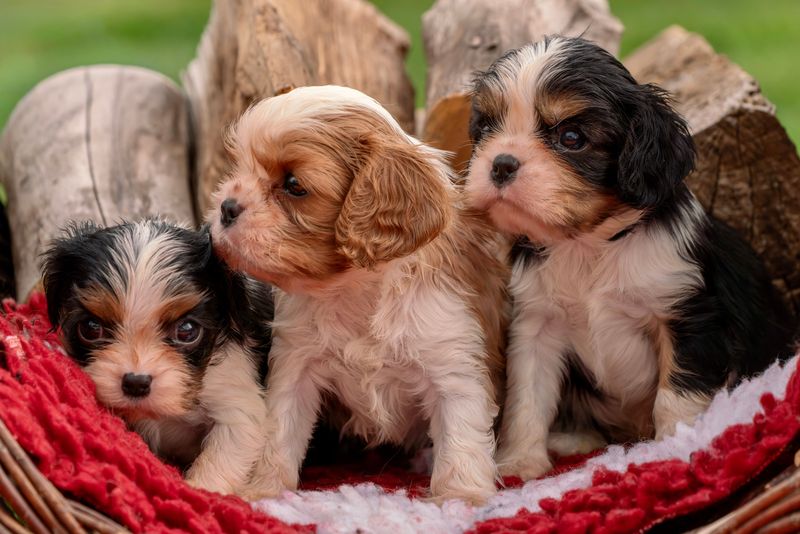
Pure sweetness meets steady patience in the Cavalier, a natural peacemaker. They flow through rooms without fuss, share cozy spots, and look to people for guidance before acting.
Group-friendly habits grow with side-by-side walking, calm greeting lines, and taking turns during fetch. Keep training gentle, use happy markers, and build duration gradually.
A royal backstory as lap companions explains their cooperative focus on people, which helps households blend pets and visitors gracefully during busy times.
Papillon
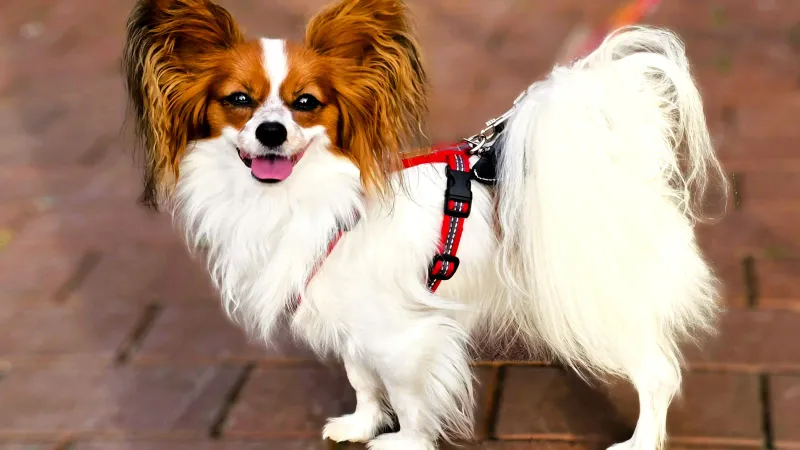
Ears like little sails, the Papillon notices everything and responds quickly to cues. That alert nature becomes teamwork when handlers set a plan, because the dog loves checking in.
Try tiny tandem tricks, shared perch work on balance pods, and zigzag recalls between family members. Keep the pace light, rewards frequent, and surfaces gentle for small paws.
Despite the fancy look, their history includes skilled ratting, so cooperative problem-solving comes naturally indoors and outside too.