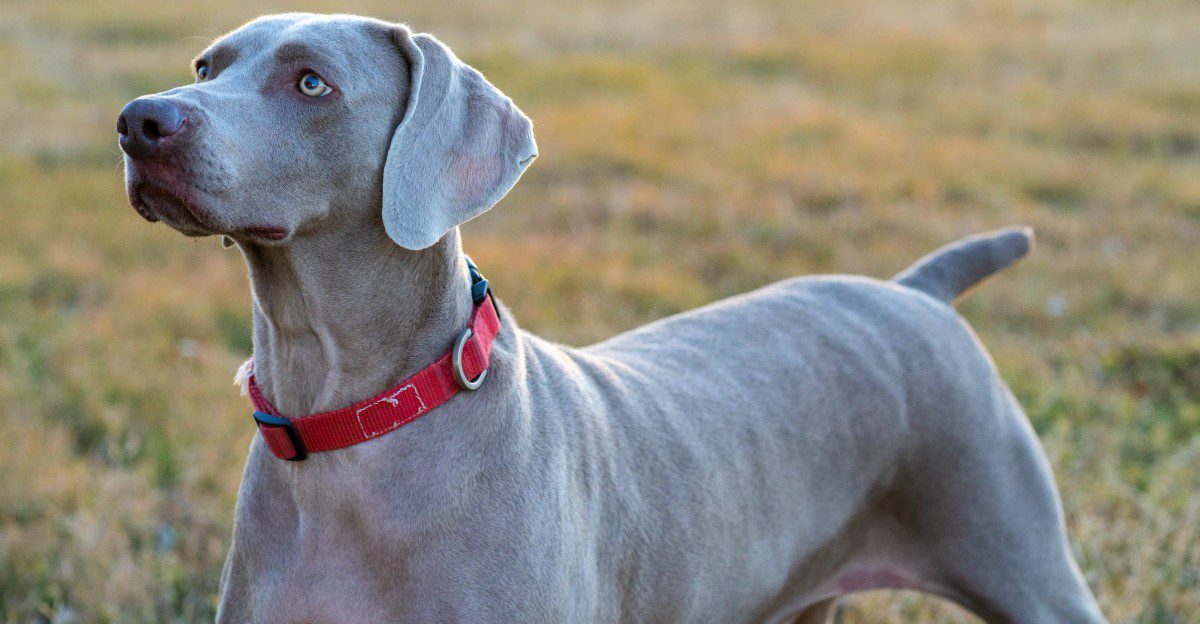
Germany has given the world a surprising range of dogs, from pocket-sized pals to giant protectors. Each breed grew from real jobs like hunting, guarding, or herding.
Knowing their history helps you understand what they need today. You might even spot the perfect match for your family and lifestyle.
Doberman Pinscher
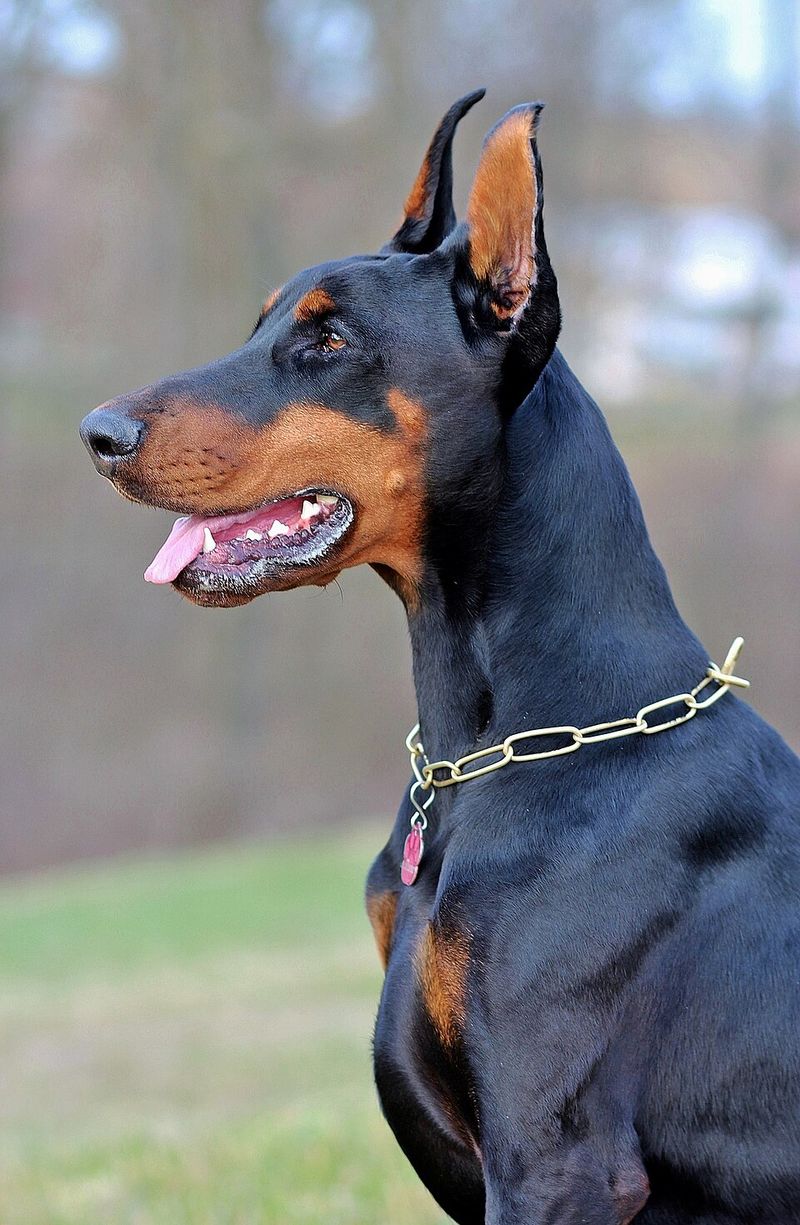
With a sleek coat and quick mind, the Doberman turns heads on every walk. Bred in Germany for protection, it shines as a loyal teammate who reads your mood and stays close.
Many families train Dobermans for sports, patrol work, or calm home manners.
Daily exercise is a must, but mental games matter as much. Try scent puzzles, obedience drills, and long, confident strides beside you.
Clear rules, kind guidance, and consistency bring out courage.
Dachshund
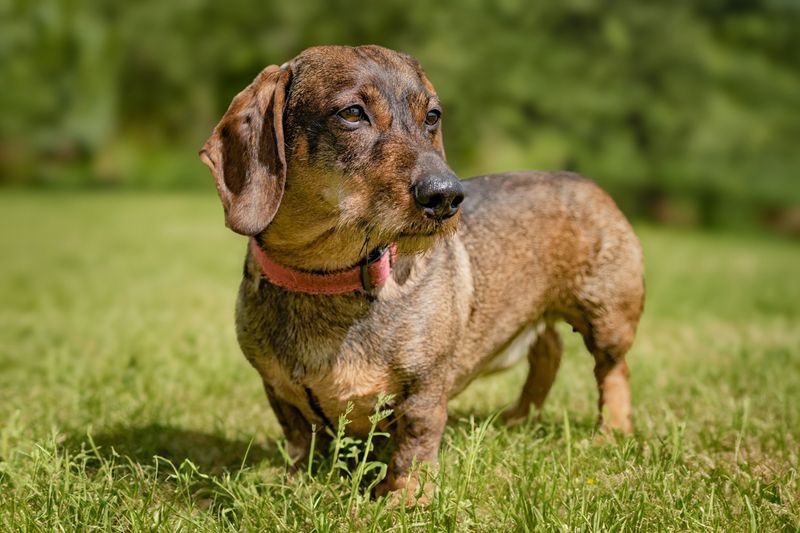
Small body, giant spirit, the Dachshund was built to track badgers underground. That long back is not only cute, it once served a serious digging job.
Today, many still show brave attitudes that surprise new owners.
Short walks with sniff breaks help their noses work daily. Protect the spine by using ramps, holding the chest and hips, and avoiding high jumps.
Puzzle feeders, nose games, and gentle training turn that lively energy into fun focus.
Miniature Schnauzer
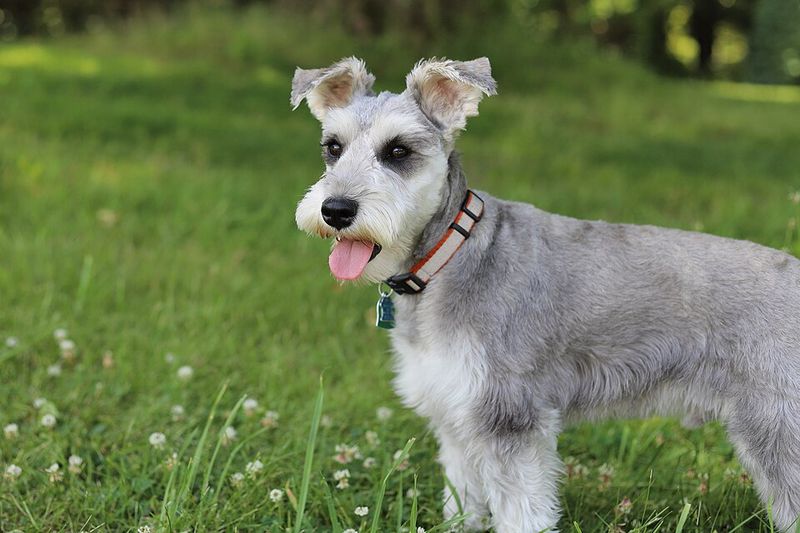
Those famous eyebrows tell stories before a bark begins. Originally a farm ratter, the Miniature Schnauzer mixed courage with friendly charm to guard barns and chase pests.
City life suits them too, because they adapt quickly and love people time.
Grooming matters, so plan brushing and professional hand stripping for a crisp coat. Bright minds crave jobs, like trick training, courses, or scent games.
Offer fair rules and praise, and you see a confident partner.
Standard Schnauzer
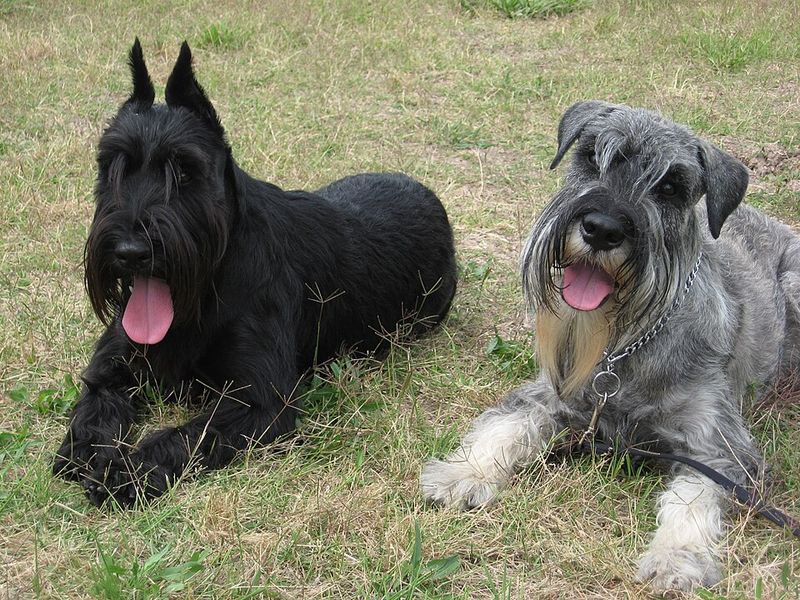
Farmers once trusted the Standard Schnauzer to guard carts and keep watch over fields. Neither too big nor too small, it balances strength with sharp wits.
Many owners find the breed playful at home yet ready to work when asked.
Expect spirited energy needing structure. Plan brisk walks, varied routes, and games like hide the toy or fetch.
Regular hand stripping keeps the coat tidy, while upbeat training grows a partner for sports and life.
Giant Schnauzer
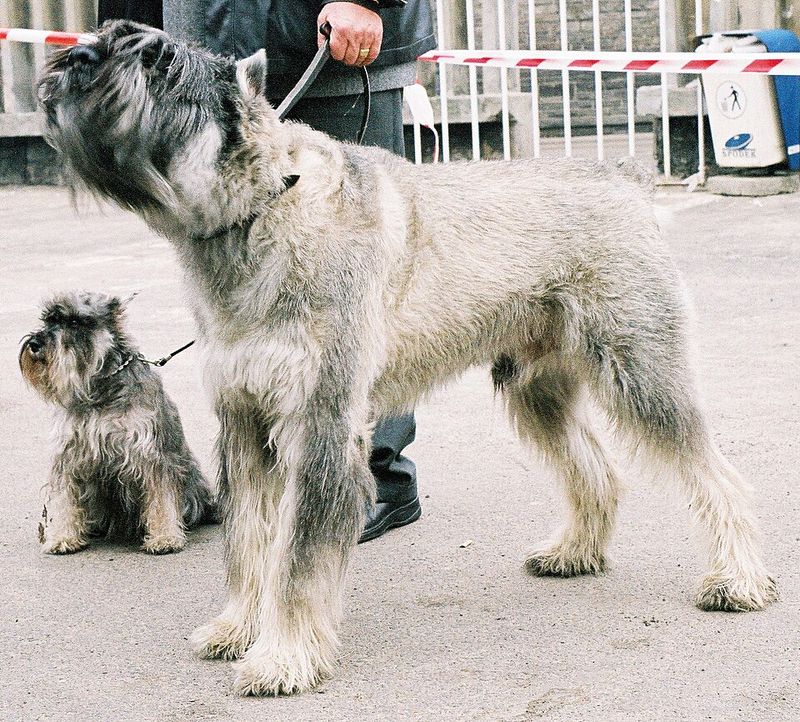
Bring your A game, because the Giant Schnauzer loves a challenge. Bred to drive cattle and guard breweries, this powerhouse mixes high drive with serious focus.
Families who enjoy training often discover a silly, affectionate clown hiding inside the muscle.
Long workouts alone are not enough. Add scent tracking, sports, or cart pulling to keep that big brain busy.
Consistent rules, clear communication, and time help shape a trustworthy guardian who can relax beside chair.
Great Dane
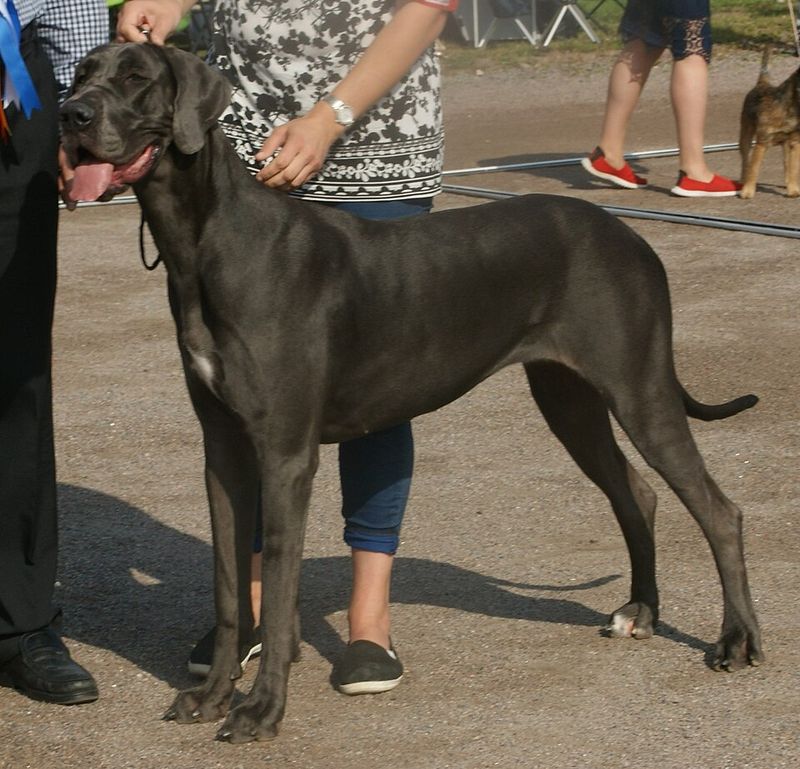
First you notice the height, then you meet the gentle soul. The Great Dane began as a boar hunter in Germany, yet over time became a calm house companion.
Despite size, many move softly indoors and lean in for slow, steady hugs.
Soft bedding protects elbows and joints, and thoughtful feeding supports growing bones. Walks should be easy, not rushed, with social time that matches the dog’s comfort.
Basic training keeps daily manners polite indoors.
German Shorthaired Pointer
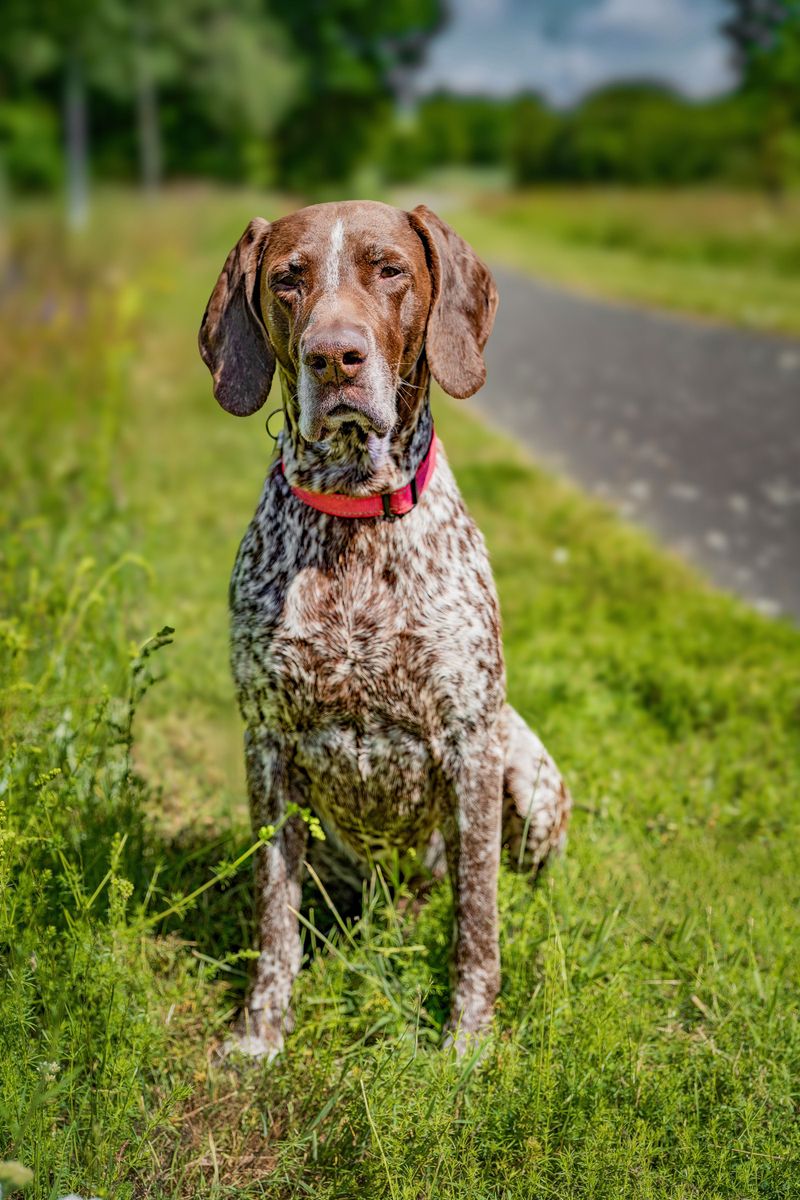
Bird dogs rarely run out of pep, and the German Shorthaired Pointer proves it daily. Bred to point, retrieve, and track, it handles many tasks in the field.
At home you will see a social spirit that craves movement and close company.
Plan hikes, jogs, or active games, then add nose work to satisfy instincts. Crates can be cozy rest spots after workouts.
Clear recall training, rotating toys, and structure keep minds focused for adventures.
German Wirehaired Pointer
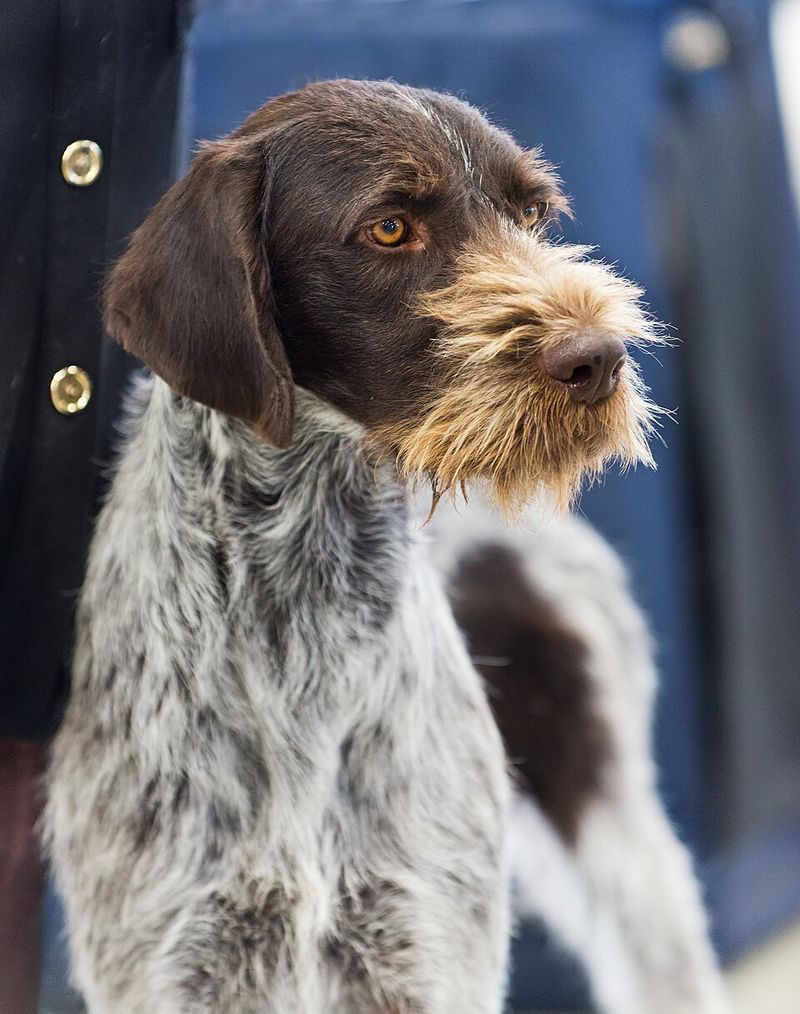
Brambles do not bother the German Wirehaired Pointer, thanks to its tough, weather-ready coat. Hunters relied on this breed to point, retrieve, and swim in rough water.
At home, the wiry joker can be affectionate and clownish once it burns off steam.
Expect exercise like trail runs and water play. Hand stripping keeps the coat functional, while brushing reduces debris.
Teach settling post-workout, add recall games, and keep training so grit matches manners at home.
Weimaraner
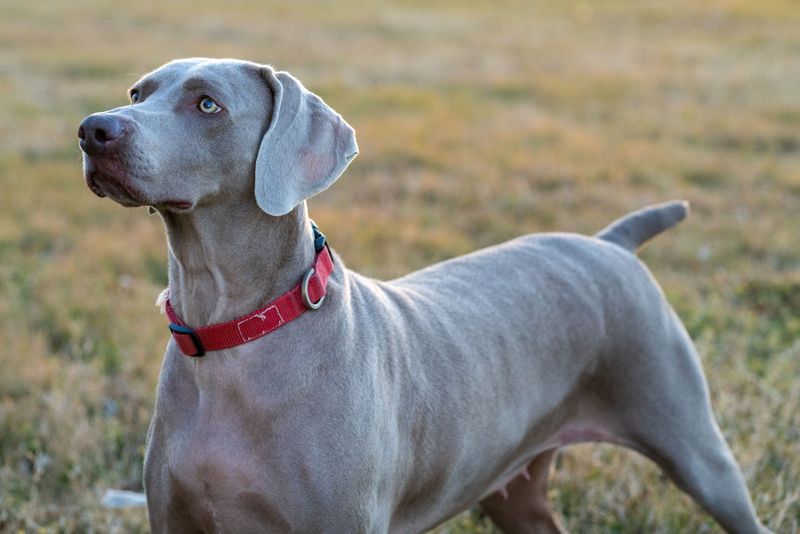
Silver-gray coats catch sunlight like polished metal, making the Weimaraner easy to spot. German nobles bred it for big game, so stamina and curiosity run deep.
Without outlets, a Weim can out-think you, open doors, and hunt for its own entertainment.
Channel that drive with runs, tracking, dock diving, or long hikes. Teach a stay and leave it, then practice daily.
Gentle boundaries, early crate comfort, and quiet downtime after workouts help the mind rest.
Miniature Pinscher
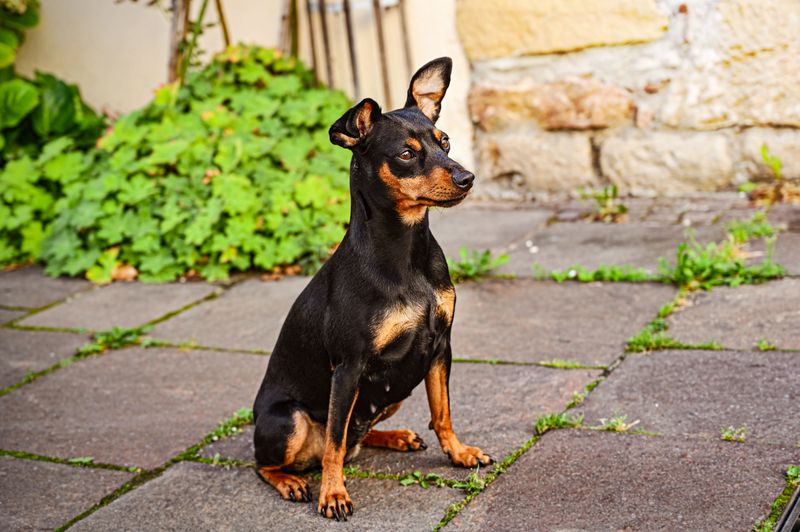
A tiny body with a bold strut makes the Miniature Pinscher feel larger than life. Though not a small Doberman, it shares a confident attitude and sharp awareness.
Many fans adore the springy trot, curious eyes, and fearless approach to new rooms.
Short training bursts work with toys and rewards. Secure fences and harnesses keep this little explorer safe during walks.
Teach calm greetings, rotate puzzle toys, and set a nap zone to keep rest.