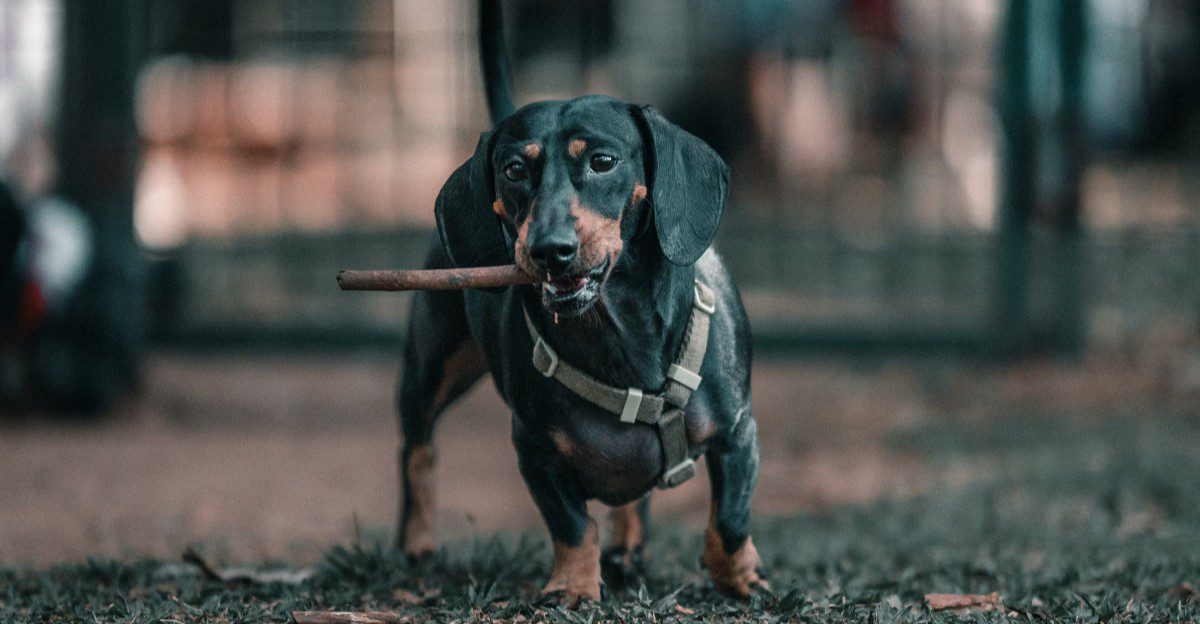
Some dogs were bred to think for themselves, not to wait for orders. When the rules change from day to day, these clever pups quickly decide that commands are just suggestions.
That is not true stubbornness, it is smart dogs reading mixed signals. Knowing which breeds work this way can help you train with patience, clear rules, and a lot more success.
Shiba Inu
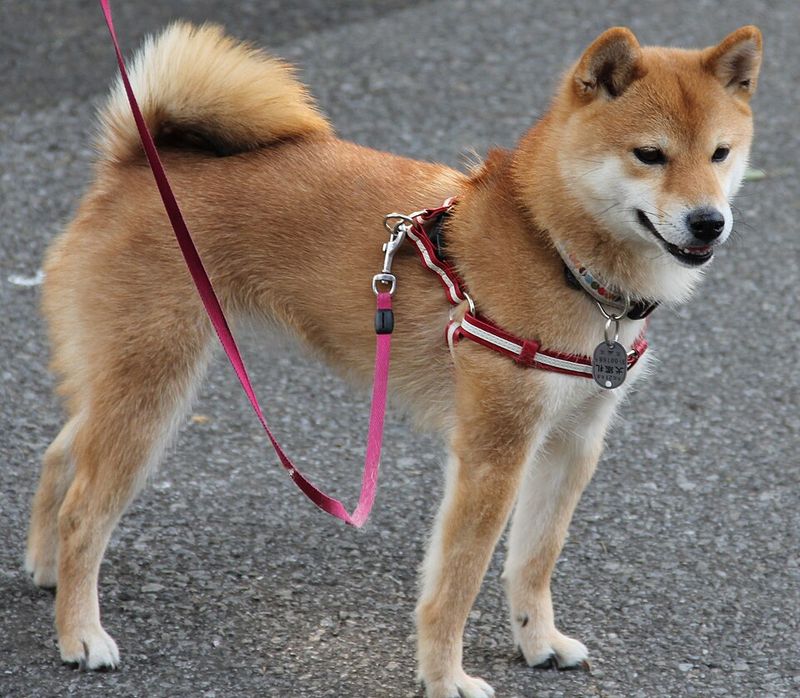
Picture a tiny fox with the attitude of a cat. The Shiba Inu, an ancient Japanese hunting breed, likes to weigh every request before deciding if it is worth the effort.
If you let a sit slide once, your Shiba will remember. Keep sessions short, reward instantly, and use the same words every time.
Fun fact: Shibas are famous for the dramatic Shiba scream when they disagree with you.
Siberian Husky
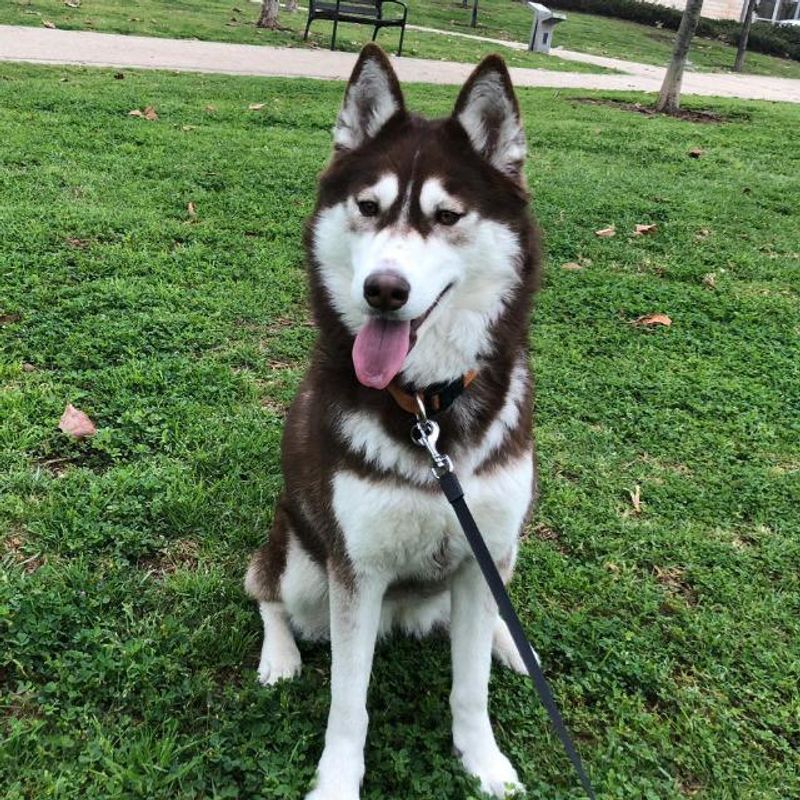
Huskies were built to pull sleds across frozen Siberia, often making their own choices about the trail ahead. That independent spirit still lives in your living room.
When recall works only sometimes, a Husky learns that running off is a fun gamble. Practice come in a fenced area, pay with high-value treats, and never chase.
Burning off energy first makes listening much easier for these tireless athletes.
Dachshund
Small legs, huge opinions. Dachshunds were bred in Germany to chase badgers underground, where no human could give them directions.
So when you say leave it and then laugh at their digging, your wiener dog hears permission. Consistency matters, especially with potty training, which challenges many owners of this breed.
Try a set schedule, praise loudly outside, and make sure every family member follows the same household rules.
Beagle
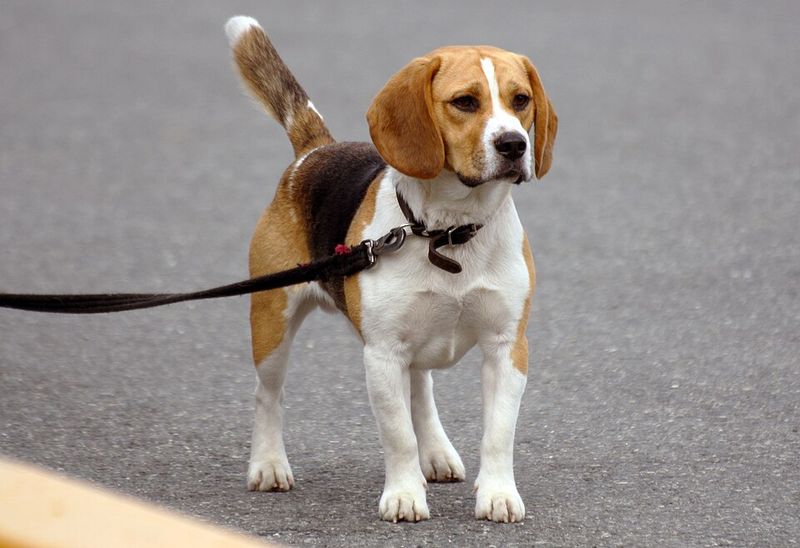
Ever called a Beagle while it was sniffing? You probably noticed that nose beats voice every single time.
Bred to track rabbits in packs, Beagles follow scents with total focus. If commands only matter on some days, they will pick the smell every time.
Use food rewards, since Beagles adore snacks, and practice around mild distractions first.
Slowly build up to busier places so good habits stick.
Akita
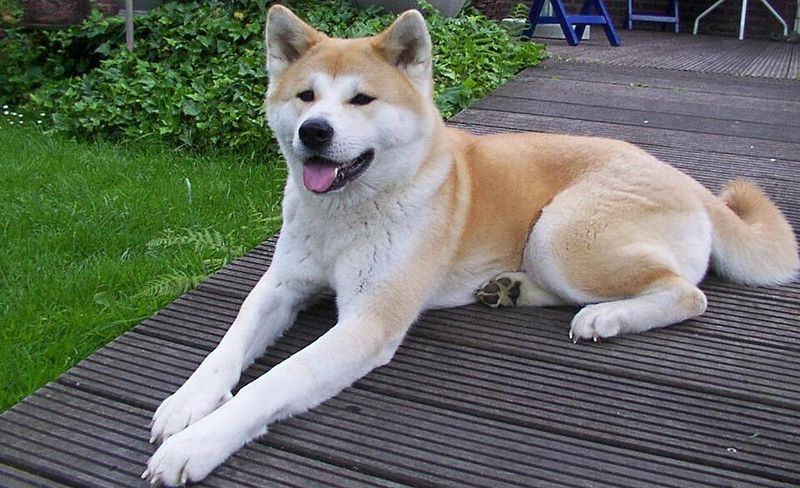
Loyal to the bone, the Akita gained fame through Hachiko, the dog who waited years at a Tokyo train station for his owner.
That same devotion comes with a serious, self-assured mind. Akitas respect calm, steady leaders and tune out anyone whose rules wobble.
Harsh methods backfire badly.
Instead, set firm boundaries early, socialize often, and keep training fair and predictable. Earn their trust, and you gain a dignified partner for life.
Chow Chow
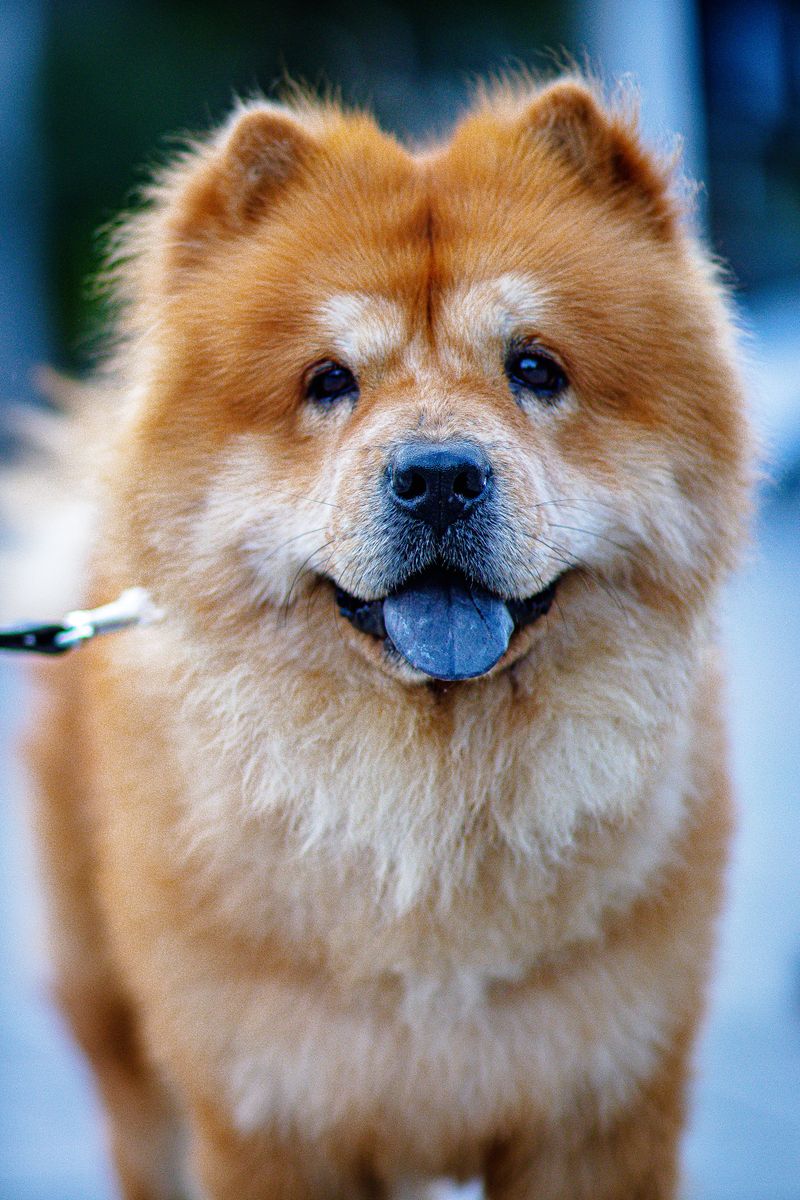
With its lion mane and blue-black tongue, the Chow Chow looks like royalty and often acts that way too.
This ancient Chinese breed is reserved and picky about whom it obeys. Mixed messages make a Chow simply shrug you off.
Start training as a puppy, keep lessons brief, and reward good choices without fuss.
Chows dislike being pushed around, so gentle repetition wins far more cooperation than raised voices ever will.
Jack Russell Terrier
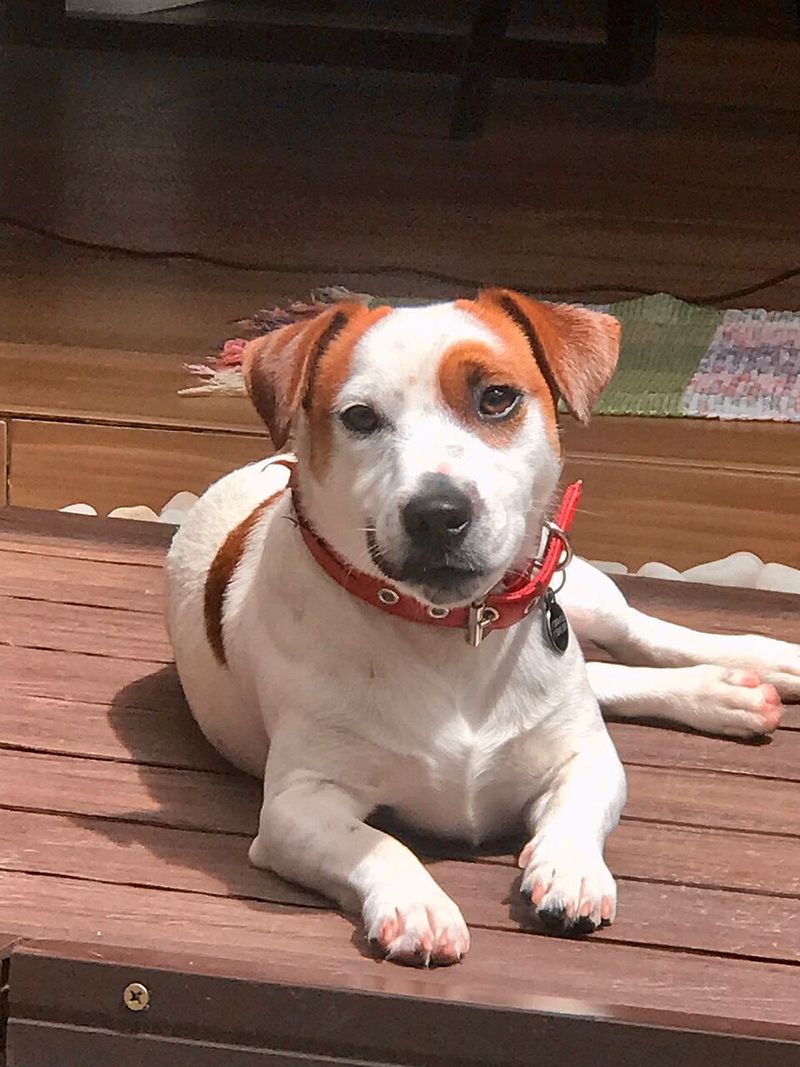
Think of a Jack Russell as a tiny tornado with a brain. Bred to chase foxes, these terriers are fearless, fast, and always plotting their next adventure.
Give them loose rules and they will write their own. Turn training into a game with tug toys and quick tricks.
Daily puzzles and exercise keep boredom away. A tired Jack is far more willing to listen than one bouncing off the walls.
Alaskan Malamute
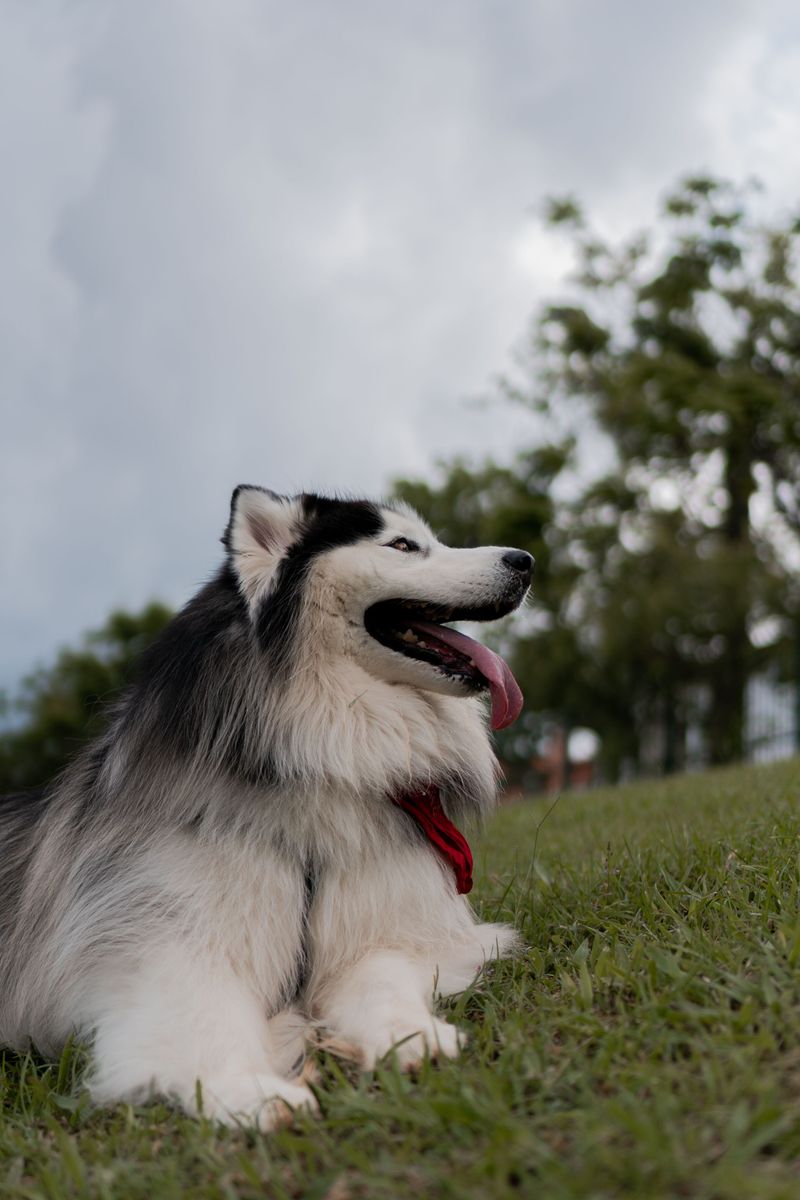
Here is a dog who hauled heavy freight across Alaska for native Mahlemut people. A Malamute does not do pointless tasks, and it will tell you so, sometimes with loud woo-woo talking.
If sit only counts when you feel like enforcing it, expect a shrug. Keep rules steady and make jobs meaningful.
Backpacking, pulling carts, or scent games give this powerful breed a purpose worth following.
Scottish Terrier
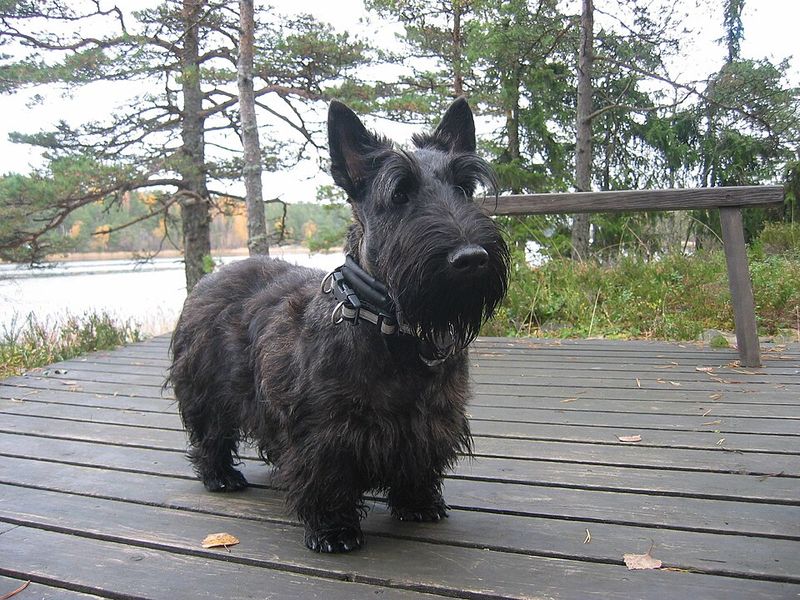
Nicknamed the Diehard, the Scottie carries itself like a small general. Those bushy eyebrows hide a mind that loves making its own decisions.
Bred to hunt vermin in the Scottish Highlands, Scotties can be sensitive about tone yet firm about opinions. Nagging only makes them dig in deeper.
Speak kindly, stay consistent, and celebrate small wins. Fun fact: several U.S. presidents, including Franklin Roosevelt, owned Scotties.
Great Pyrenees
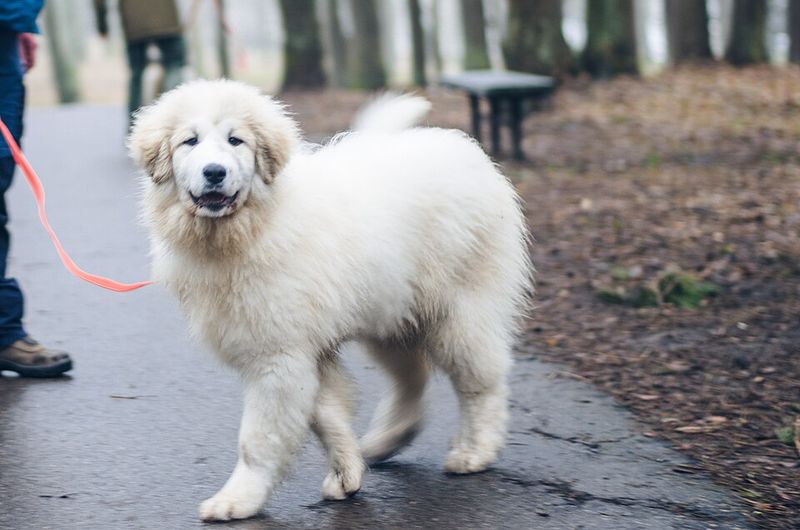
Guarding sheep on snowy mountains taught the Great Pyrenees to trust its own judgment. Nobody was around to give orders at midnight when wolves appeared.
Today, that gentle giant may hear your command, think it over, and politely decline. Uneven rules make this worse.
Use calm patience, reward generously, and accept that a Pyr will never be a robot. A secure fence helps too, since they love to patrol.
Basset Hound
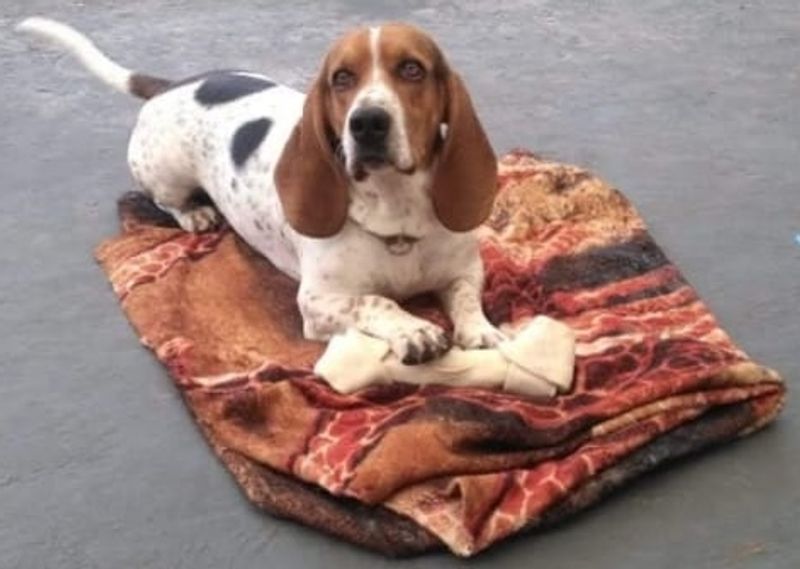
Those droopy eyes could melt anyone, and Basset Hounds know it. One sad look and suddenly the rule about the couch disappears.
Bred in France to track scents slowly and steadily, Bassets have second-best noses only to Bloodhounds. They follow smells more than voices.
Stay strong against the puppy eyes, keep treats handy, and repeat lessons often. Their laid-back pace means progress comes gradually, but it does come.