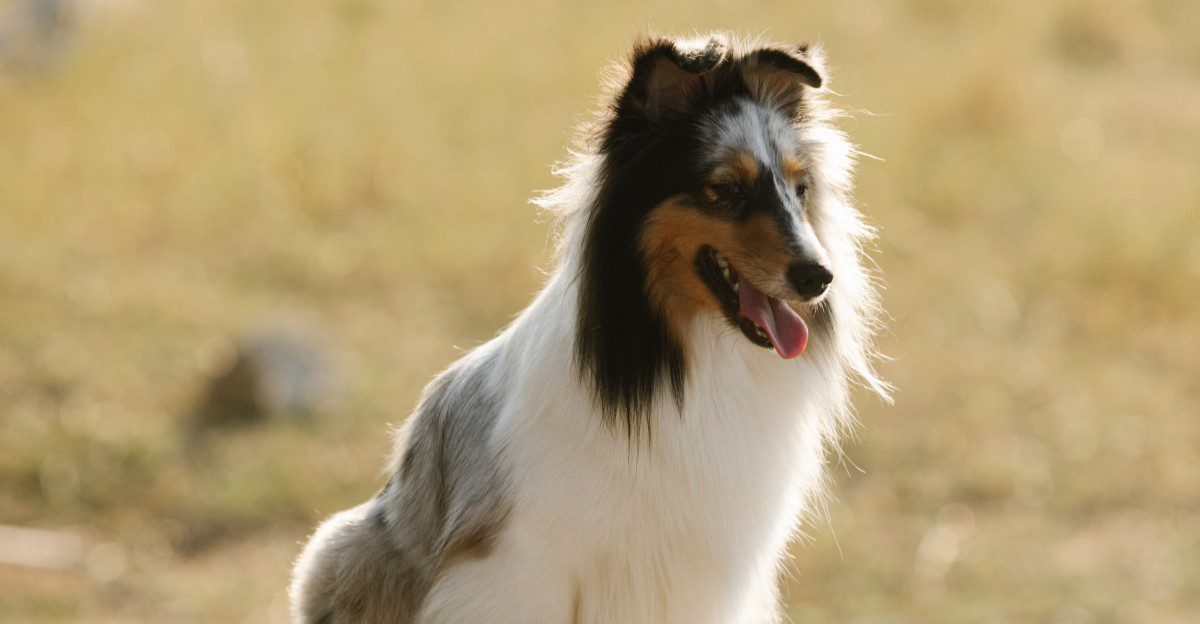
Food and a walk keep a dog healthy, but some breeds need a lot more than that to feel truly happy. Many dogs were bred to herd, hunt, guard, or stay close to people all day.
When that deeper need goes unmet, you might see chewing, barking, or a sad, restless pup. Here is what twelve popular breeds are quietly hoping you will add to their day.
Vizsla: The Velcro Shadow
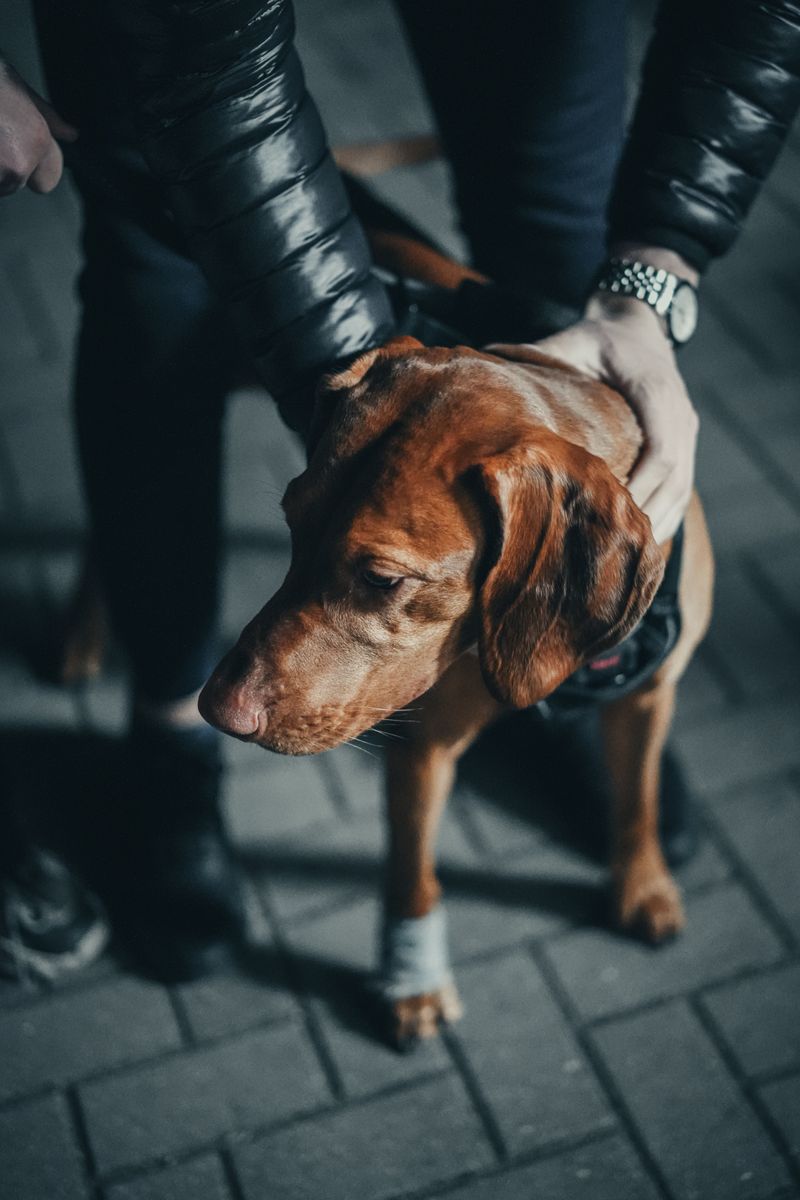
Nicknamed the Velcro dog, a Vizsla will follow you from the kitchen to the bathroom and back again. Hungarian hunters bred them to work side by side with people all day long.
So after the walk, what they crave is closeness. Let yours curl up beside you while you read or watch a show.
Short training games also help. Being left alone for long hours can make this sweet breed anxious and destructive.
Doberman Pinscher: A Job Worth Guarding
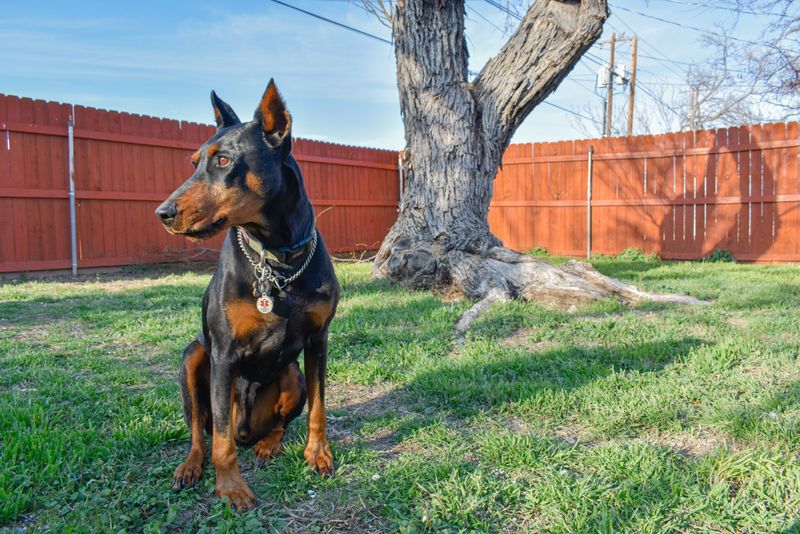
Back in the 1890s, a German tax collector named Louis Dobermann created this breed to protect him on his rounds. That sharp, watchful brain never really clocks out.
Dobermans need mental work, not just miles. Try obedience drills, nose games, or learning new tricks every week.
They also bond deeply with their family. Include them in daily routines, and you will see a calm, confident dog instead of a bored, jumpy one.
Australian Shepherd: Brains in Overdrive
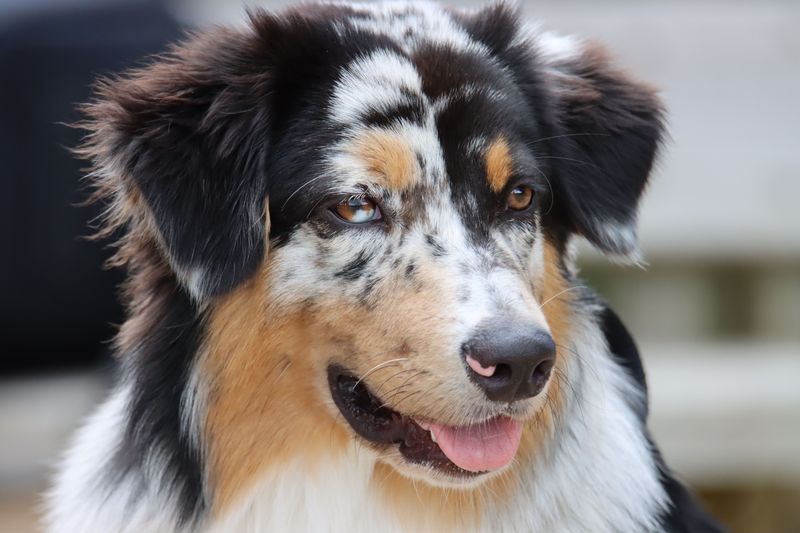
Picture a dog who finishes a puzzle toy in two minutes, then stares at you like, okay, what’s next? Welcome to life with an Aussie.
Built for herding livestock on busy ranches, these dogs want tasks. A walk barely warms them up.
Give them agility classes, frisbee, or chores like carrying items to you. Fun fact: despite the name, the breed was actually developed in the American West, not Australia.
Border Collie: Give That Genius Something to Solve
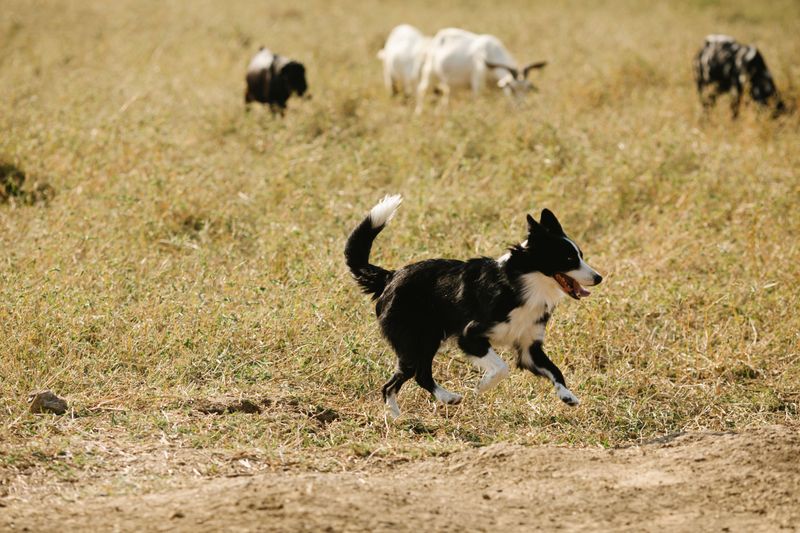
One Border Collie named Chaser learned the names of over 1,000 toys. Yes, really.
That tells you everything about what this breed needs.
Physical exercise matters, but their mind is the hungry part. Without a challenge, many start herding kids, cars, or even the cat.
Teach new words, hide toys around the house, or look into herding lessons nearby. A tired brain makes for a peaceful, happy collie at home.
German Shepherd: Purpose Over Play
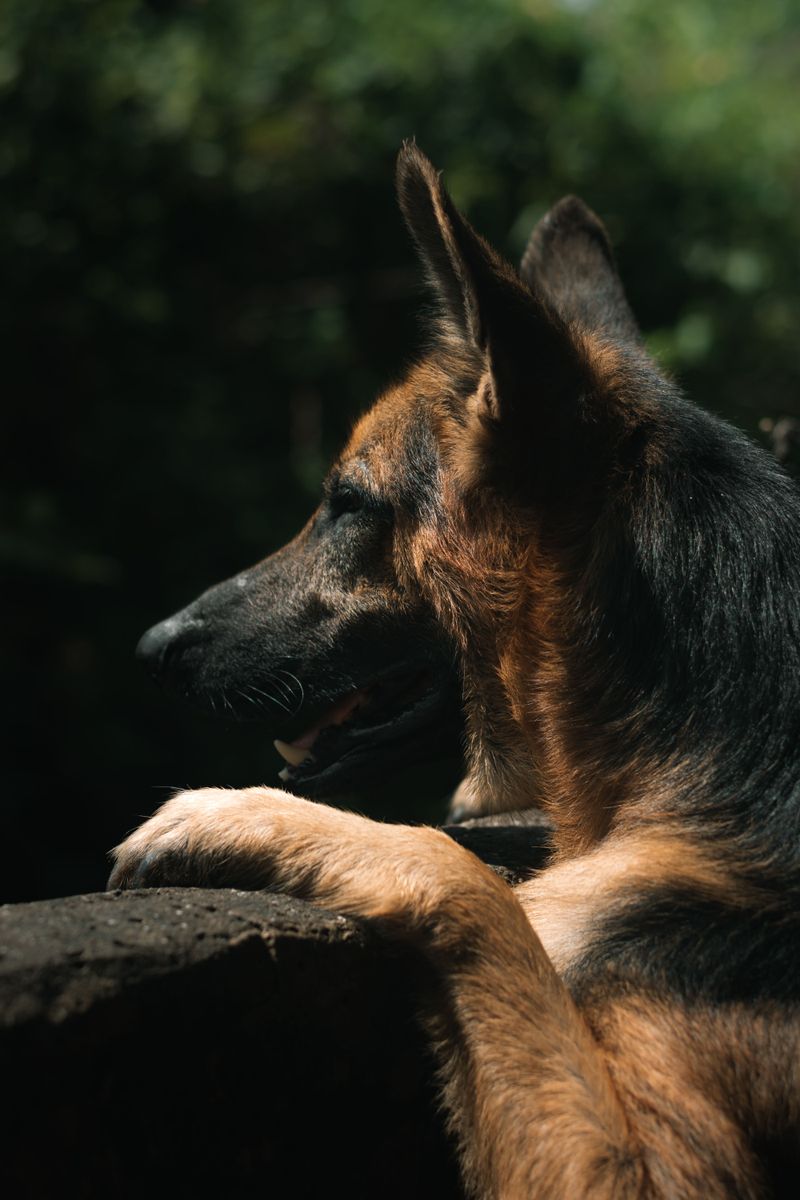
Police officers, search teams, and guide dog trainers all rely on German Shepherds for a reason. They love having a clear role.
At home, that means structure. Set up scent trails in the yard, practice commands at mealtime, or try tracking classes.
Shepherds also watch their people closely and feel your moods. Spending focused one-on-one time together builds trust and keeps that loyal heart from turning worried or overprotective.
Staffordshire Bull Terrier: Human Hugs Required
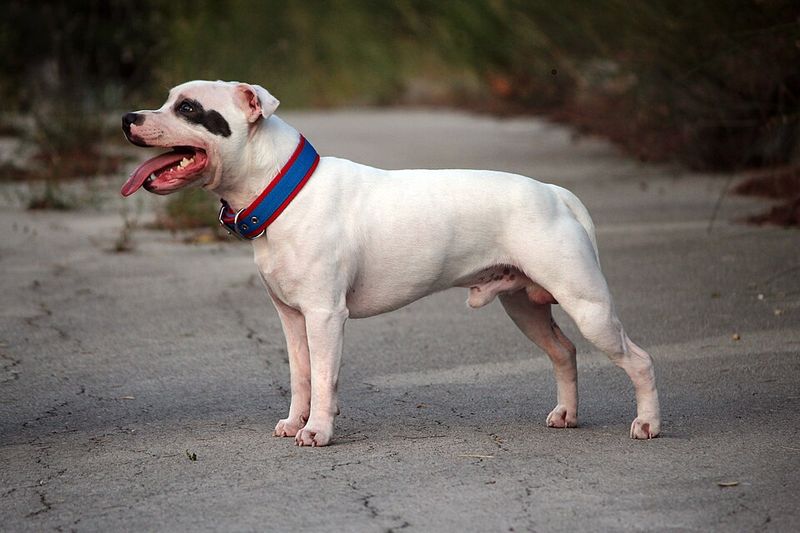
Ever seen a Staffy wiggle its whole body just because you walked into the room? That grin is pure joy at seeing its favorite people.
In Britain, the breed earned the nickname nanny dog for its fondness for families. What they want most is affection and attention.
Tug games, belly rubs, and gentle wrestling fill their cup. Plenty of chew toys help too, since those strong jaws love a job.
Boxer: Playtime Is Serious Business
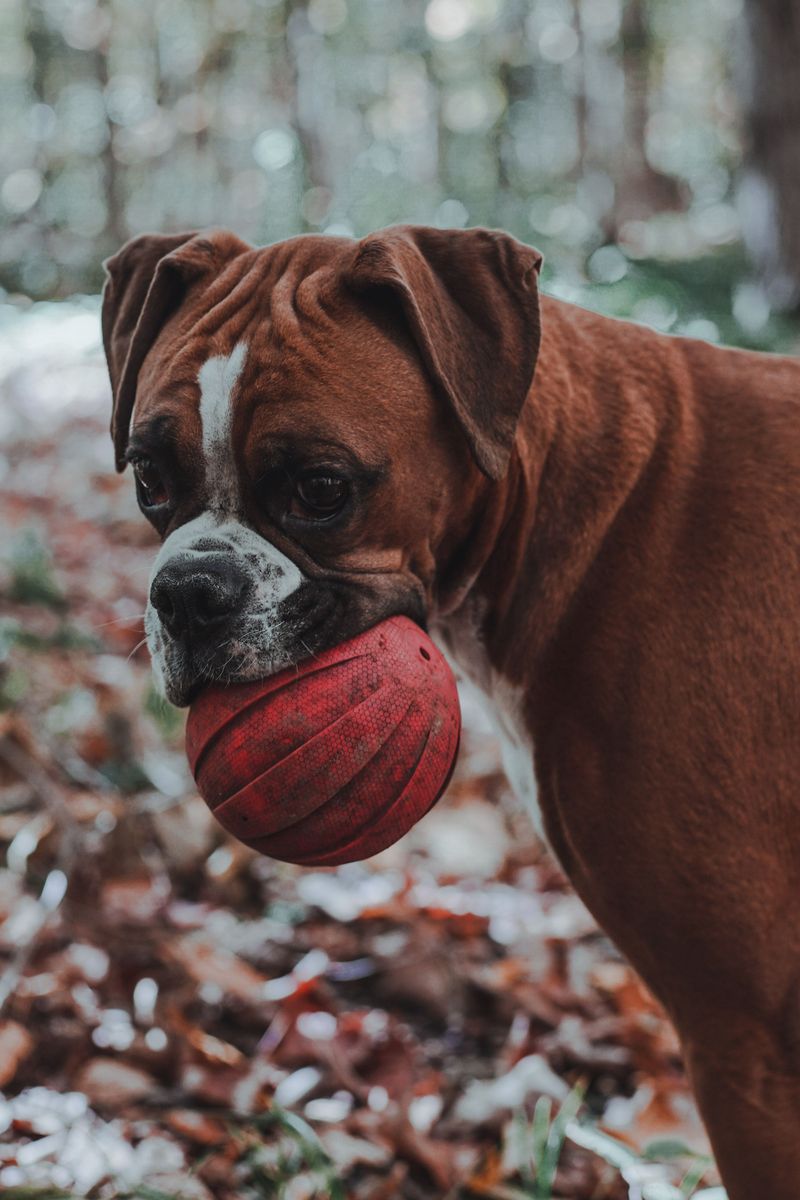
Boxers act like goofy puppies until they are well past age five. Some owners joke they never really grow up at all.
A calm walk around the block won’t use up that silly energy. They need real play, like chase games, tug of war, and fetch.
Watch for the famous kidney bean dance, when they spin in happy circles. That is your cue to grab a toy and join the fun.
Havanese: Company Keeps Them Cheerful
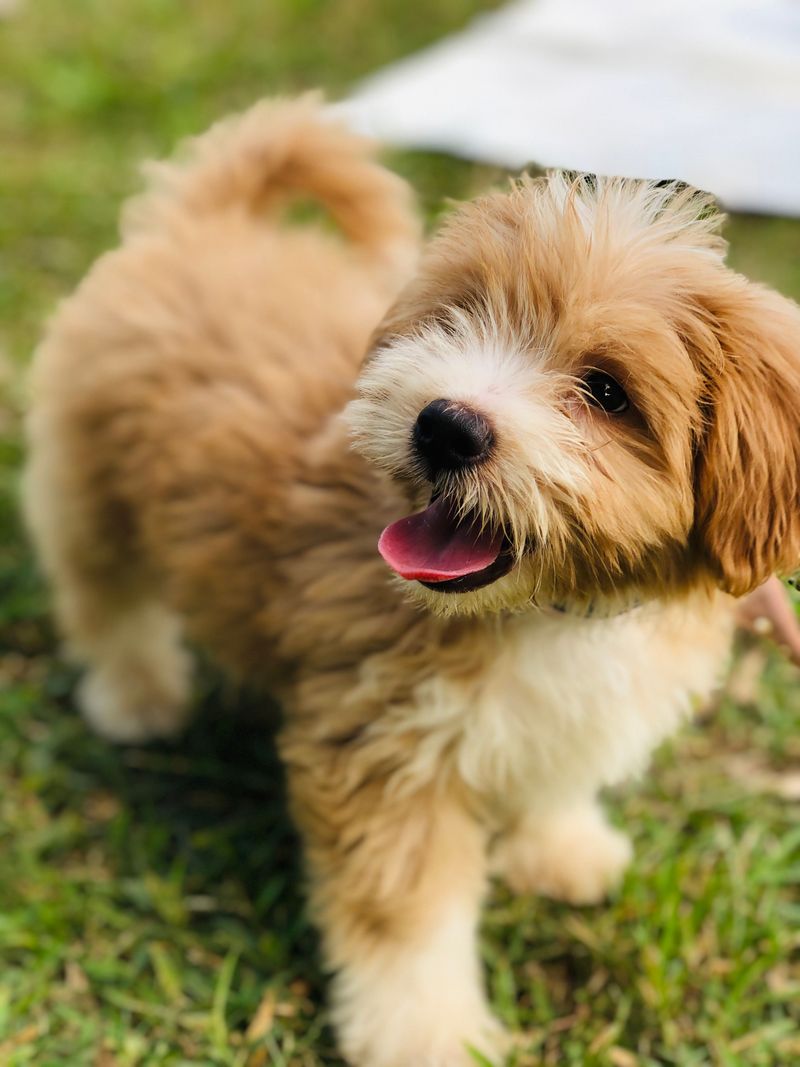
Cuba’s national dog was once the pet of wealthy families in Havana, where it rarely left their sides. Not much has changed since.
These little charmers don’t need huge hikes. They need you, nearby and talking to them.
Bring yours along on errands when possible, and teach cute tricks for mental fun. Regular brushing also doubles as bonding time, which helps keep that silky coat and sunny mood in great shape.
Cavalier King Charles Spaniel: Born for Laps
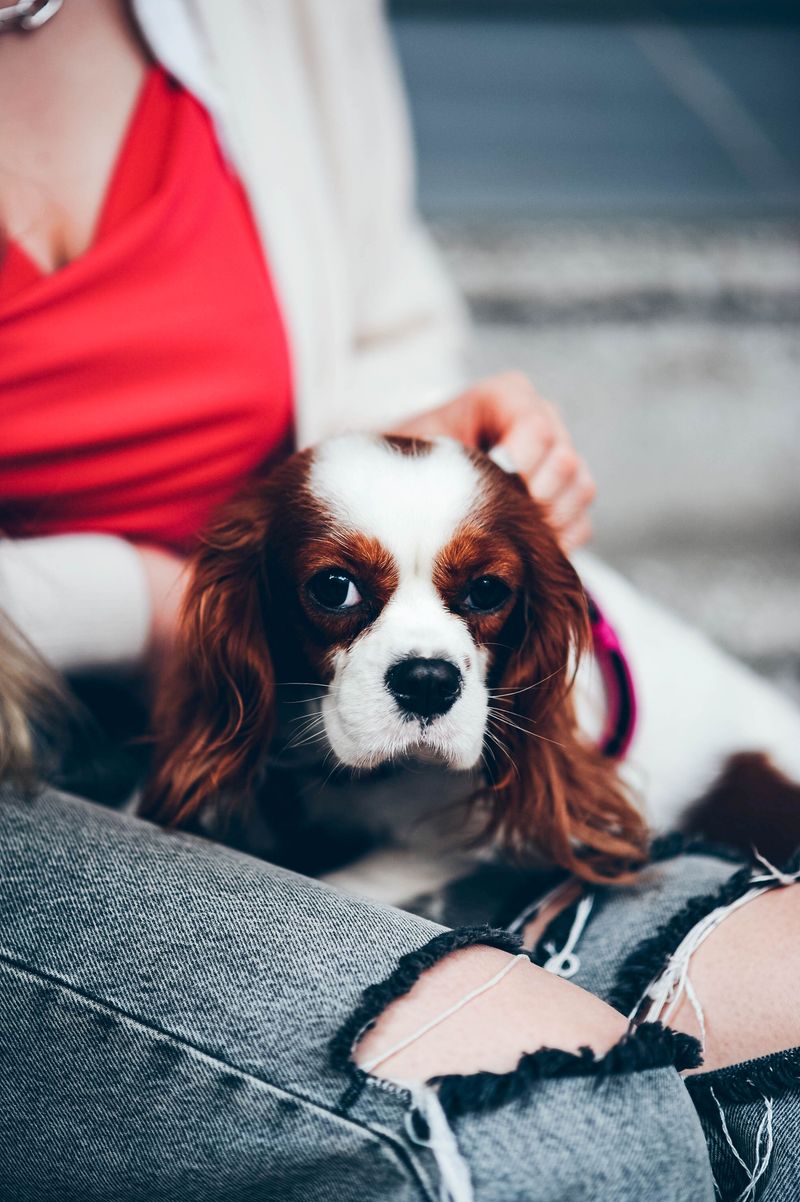
King Charles II loved his spaniels so much that stories say he let them roam the palace freely. Royal treatment is still what they expect.
Cavaliers are happiest cuddled up, being stroked and talked to. Long stretches alone can leave them lonely and mopey.
Gentle sniff walks and soft chew toys add enrichment. Mostly, though, give them your lap and a few quiet minutes each evening.
They will repay you with endless devotion.
Weimaraner: The Gray Ghost Needs a Mission
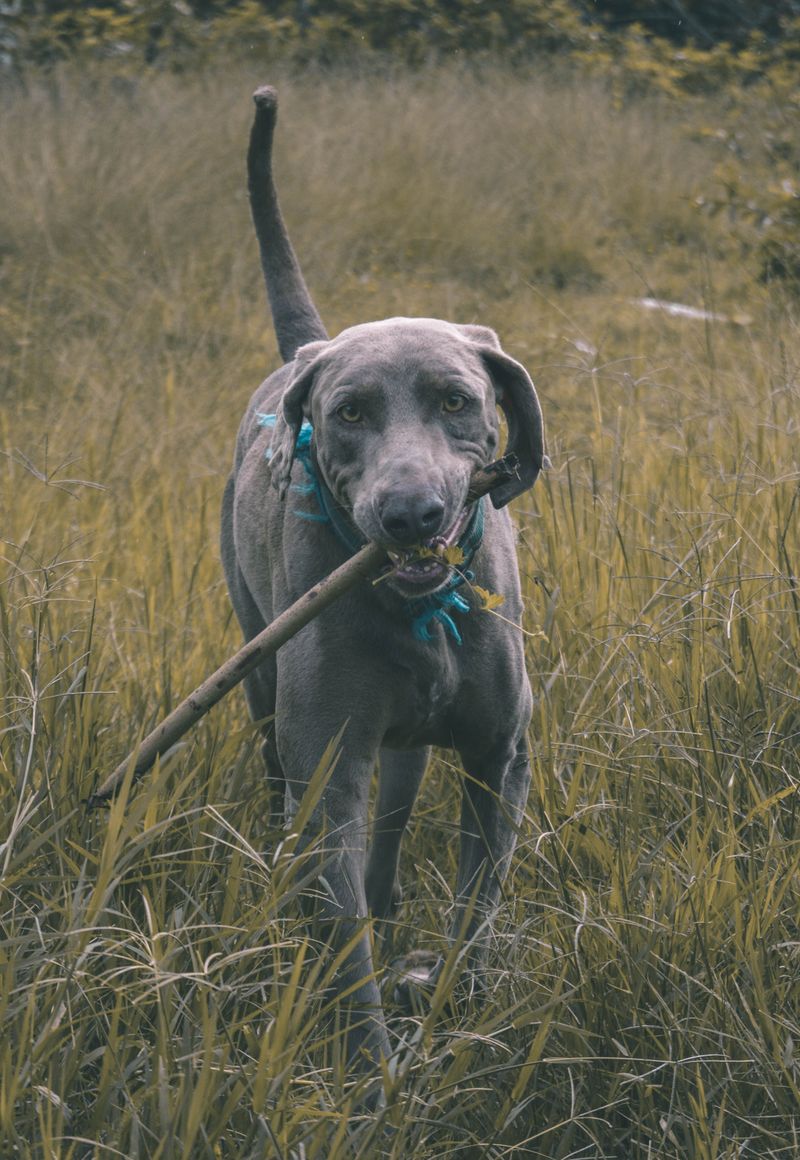
Called the gray ghost for its silvery coat, the Weimaraner was bred by German nobles to hunt big game like deer and bears.
Here is the catch. That hunting drive does not fade after a stroll.
Weims need running, retrieving, and nose work that feels like the real thing.
They also hate being alone, often chewing through doors when bored. Pair hard exercise with plenty of family time for a relaxed pup.
English Cocker Spaniel: Let That Nose Lead
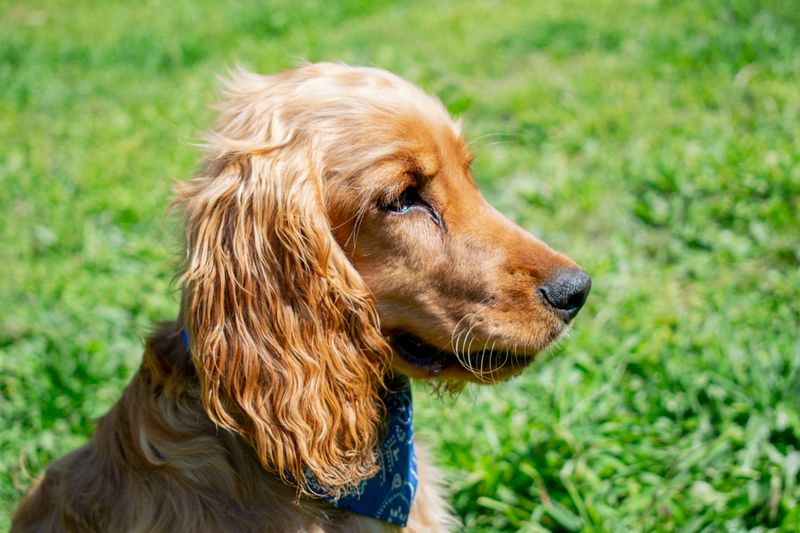
Tail wagging nonstop, nose glued to the ground, the English Cocker is a born explorer. Hunters used them to flush woodcock from thick bushes.
Sniffing is how this merry breed makes sense of the world. Let yours take slow, smelly walks instead of rushing.
At home, snuffle mats and hide-the-treat games are perfect. Ten minutes of scent fun can tire them out as much as a long run.
Shetland Sheepdog: Little Herder, Big Feelings
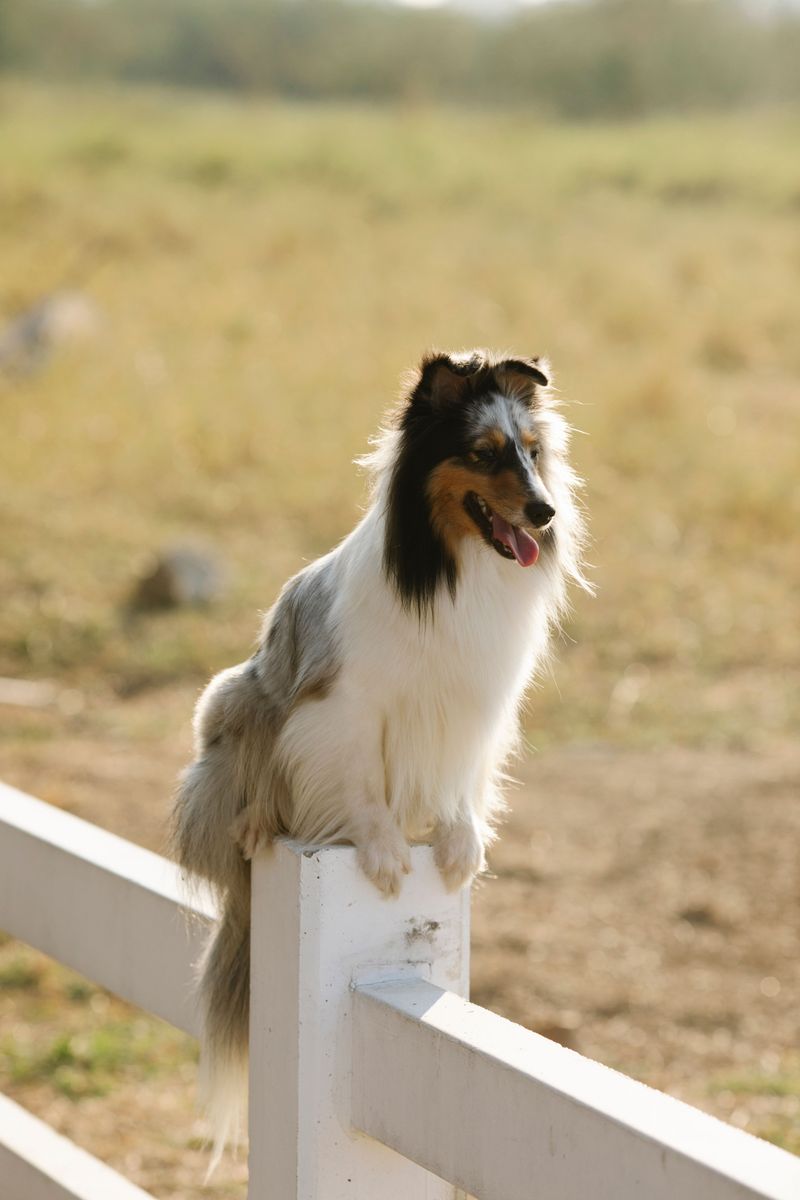
Sheltie owners know the sound well: a sharp bark at every leaf, bike, and squirrel. These tiny herders from Scotland’s Shetland Islands notice everything.
They need gentle training and steady jobs to channel that alert mind. Trick training and agility are big hits.
Shelties are also sensitive souls who dislike harsh words. Praise, patience, and time together make them shine, so skip the scolding and celebrate small wins instead.