Choosing a dog is about more than cute looks. Some breeds need special routines and constant activity to stay happy.
Others adjust easily to different homes and schedules. Knowing the difference can save stress for you and your future best friend.
Belgian Malinois
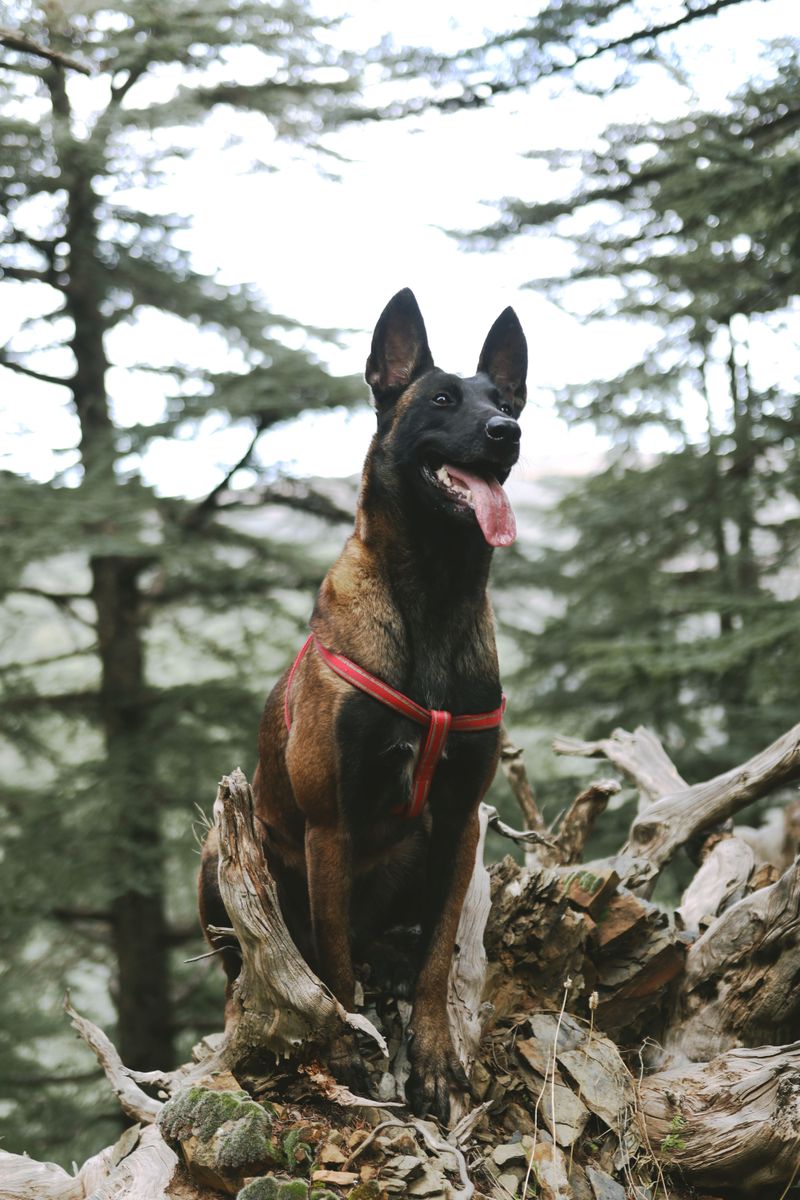
Built like an athlete with rocket fuel, the Belgian Malinois can overwhelm first-time owners. Daily advanced training and serious mental games are not optional.
Without structure, they invent jobs, chase movement, and nip from frustration. If you love their drive, join a sport club, hire a trainer who knows working lines, and schedule two long workouts plus chill crate time.
Otherwise, pick a calmer breed that matches your lifestyle and energy before making any commitment.
Siberian Husky
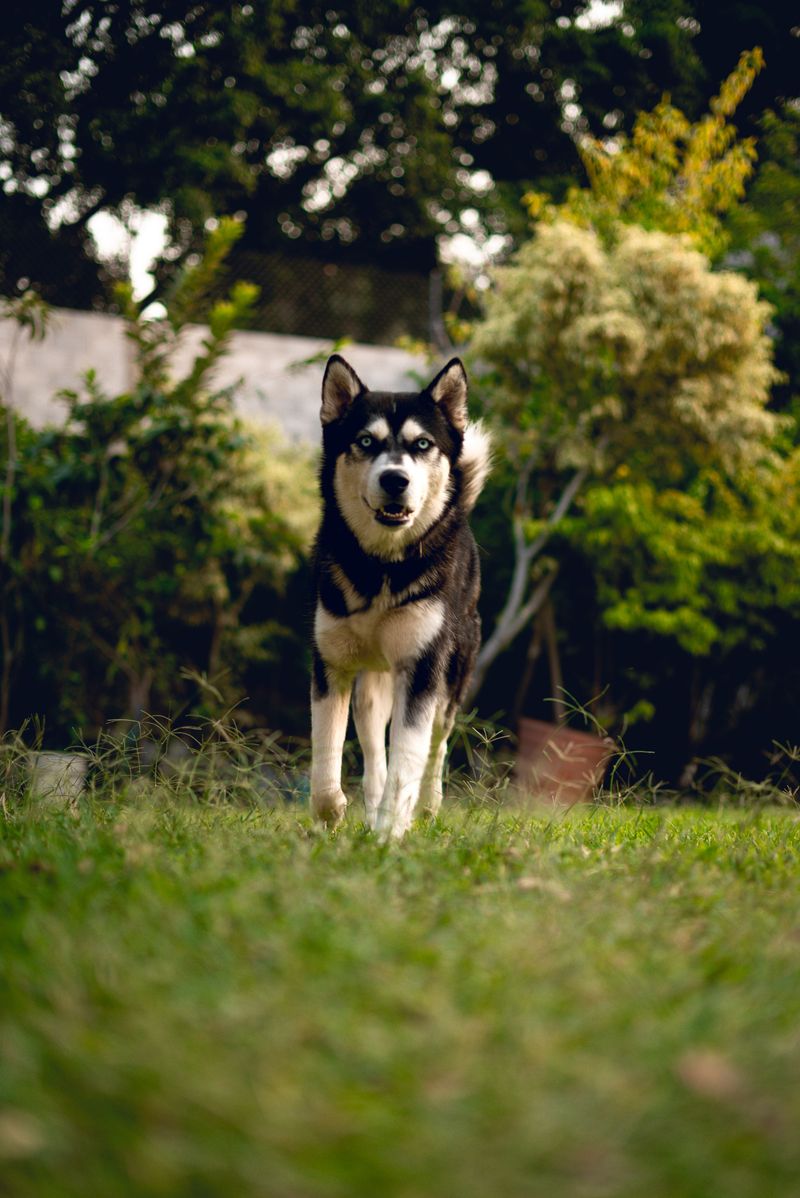
Blue eyes, big grin, and a taste for escape make many Huskies neighborhood legends. They were bred to run for hours, not to nap on the couch.
Plan secure fencing, leash skills, and daily cardio like biking or sledless mushing. Howl time comes with boredom, so puzzle feeders, playdates, and cold-weather hikes help channel energy.
If you hate loose fur, their heavy shedding may test patience during seasonal blowouts, so groom often and vacuum often.
Border Collie
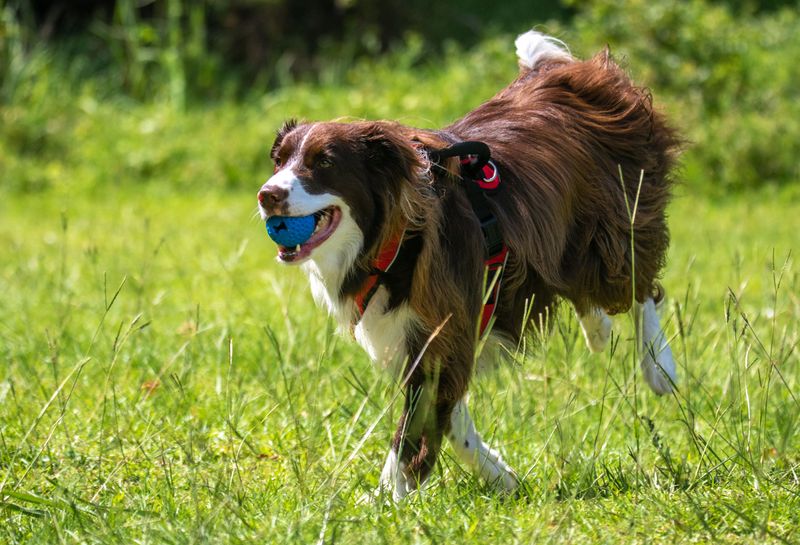
Smart enough to open cabinets, the Border Collie craves complex jobs and nonstop feedback. Apartment life without training feels like detention to this brainy herder.
Agility, herding classes, or trick titles keep minds busy and hearts happy. Skip long idle days by scheduling two focused play blocks, several short walks, and clear house rules.
Without that plan, you may get shadow chasing, car herding, and chewed drywall, as consistent praise beats scolding every day too.
Australian Cattle Dog
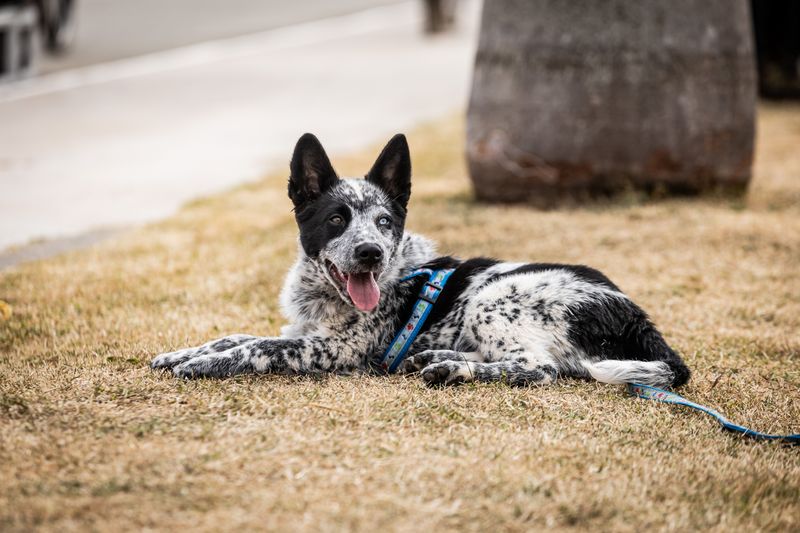
Tough as old boots, the Australian Cattle Dog was built to push stubborn livestock. That grit can turn into nipping, yard patrol, and nonstop pacing without jobs.
Short, intense training bursts, fetch with rules, and obstacle courses work wonders. Plan chew toys that fight boredom, plus a weekly sport like flyball or rally.
City life can succeed if exercise is strict, boundaries are consistent, and neighbors understand drive, and early social skills reduce bossy behavior significantly.
Great Pyrenees
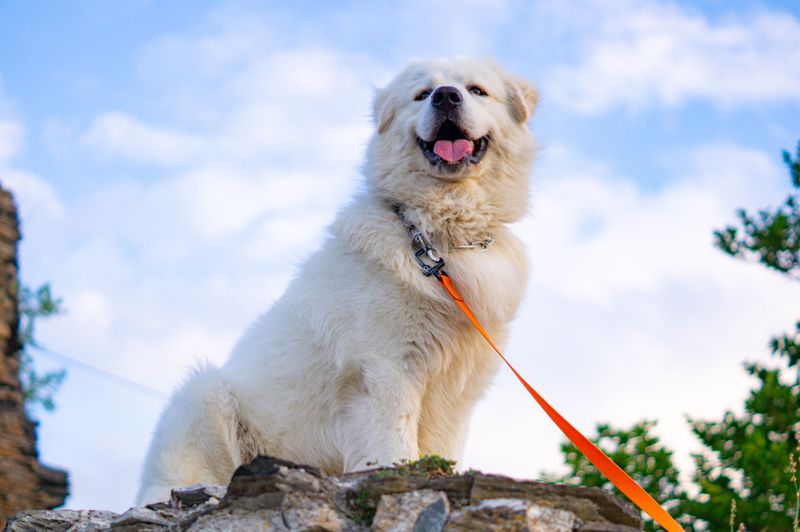
Night watchman by nature, the Great Pyrenees prefers guarding property over playing fetch. Independence can look like ignoring cues, barking at clouds, and roaming fences.
Secure yards, tall fences, and calm routines help this gentle giant feel in charge. Teach quiet on cue, manage night barking with white noise, and avoid off-leash spaces.
Families who want obedience flash may be happier with a biddable companion. Farm backgrounds suit their calm, watchful, low-sprint working style best.
Weimaraner
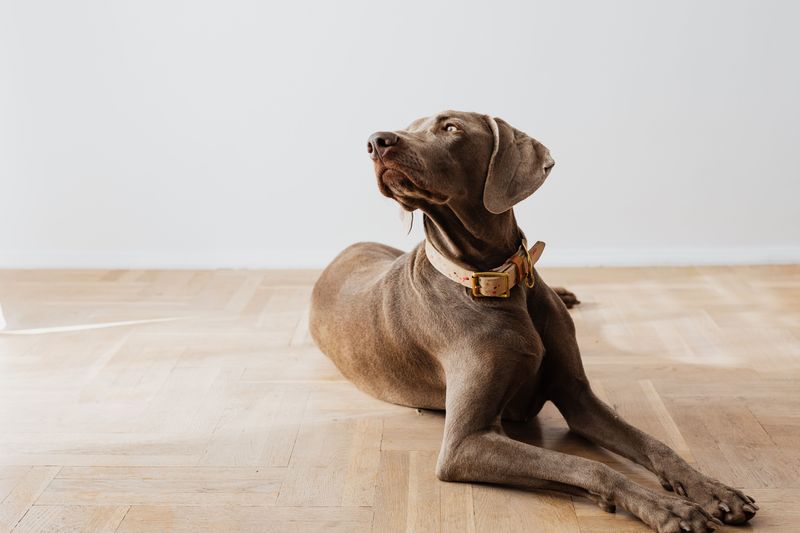
Silver-coated and clingy, the Weimaraner bonds hard and hates being left behind. Separation stress may trigger barking, destruction, and door-darting.
Steady routines, crate training, and practice alone-time build confidence without drama. Jogging partners thrive here, but pair cardio with nosework and calm place commands.
New owners should meet parents, choose ethical breeders or rescues, and plan pet sitters early. If chaos rules your schedule, consider a lower-need companion who handles downtime gracefully for your household.
Jack Russell Terrier
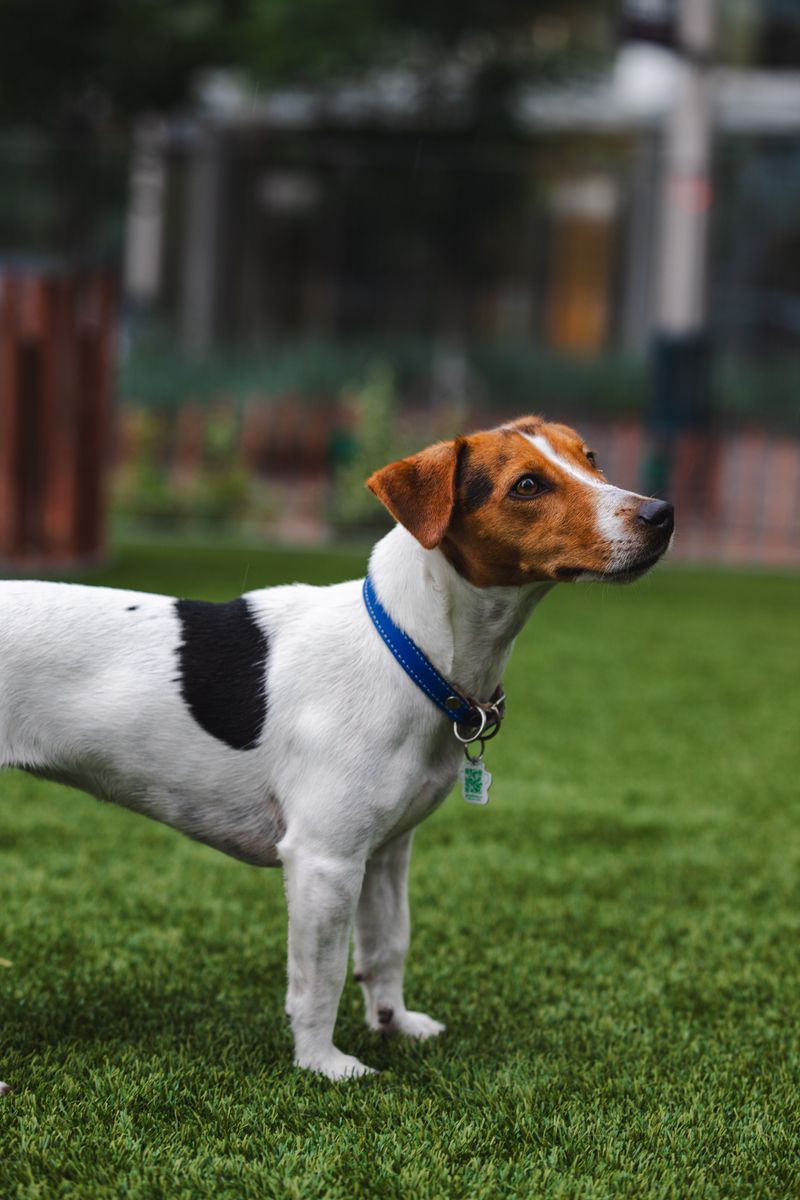
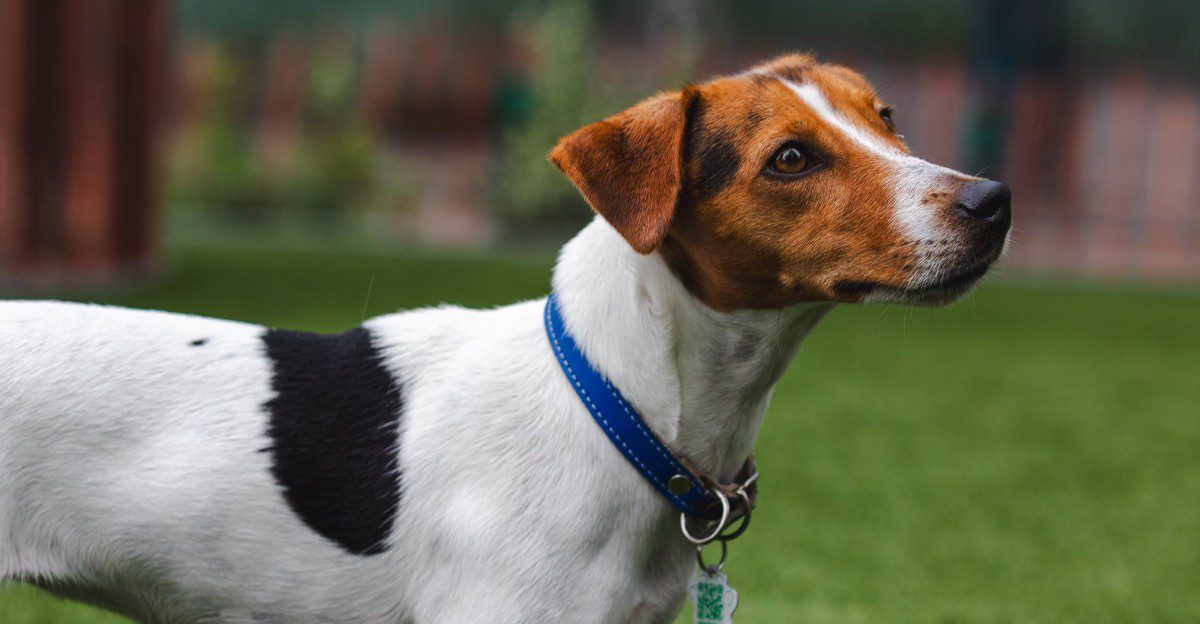
Small body, volcano spirit, the Jack Russell is comedy until the squirrels appear. Hunting roots mean digging, barking, and spring-loaded jumps over baby gates.
Channel that zest with nose games, flirt poles, and firm rules about chasing. Short training sprints beat marathons, and clear release cues keep brains from buzzing.
Walks alone are not enough, so add puzzle feeders and monitored yard time. Reliable recall takes months, not days, with steady rewards and patience daily.
Akita
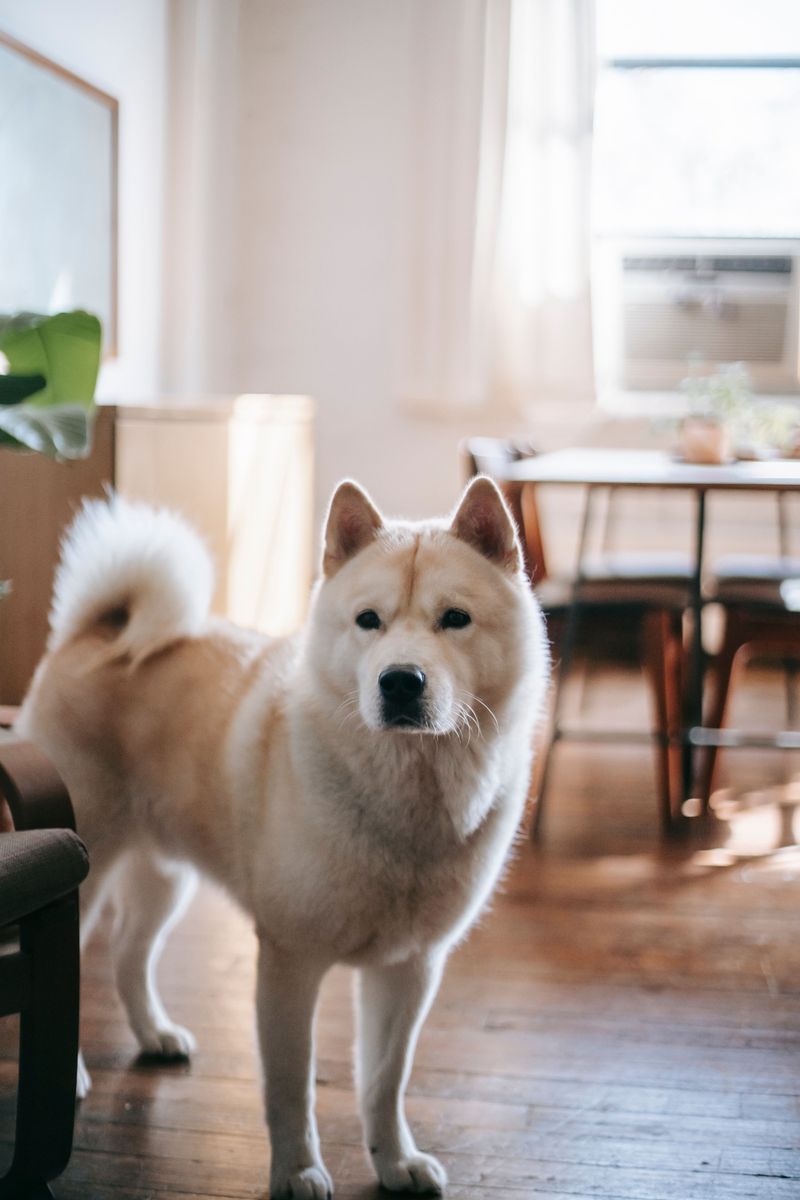
Dignified and reserved, the Akita chooses friends carefully and dislikes pushy strangers. Strong guarding instincts require skilled handling and early social skills.
Polite greetings, supervised dog introductions, and firm boundaries prevent misunderstandings. Calm confidence beats harsh corrections, while consistent routines reduce reactivity.
Families wanting a social butterfly may feel limited, but dedicated owners enjoy a loyal guardian. Plan space, sturdy equipment, and professional guidance, especially during adolescence when independence and testing spike quite a bit.
Alaskan Malamute
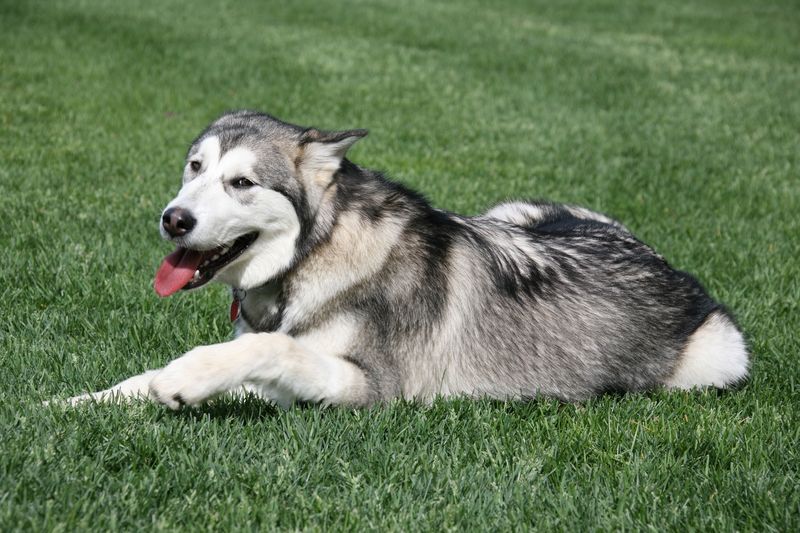
Think freight train in fur, and you have the Malamute on a winter morning. Power plus smarts equals escape artistry and crater digging.
Heavy-duty fences, deep post holes, and supervised yard time are smart investments. Strong-pull harnesses and canicross channel muscle, while summer workouts need early hours and shade.
Scent games indoors keep brains busy when heat or storms cancel outside fun. Neighbors appreciate quiet training, since deep howls carry far on calm nights too.
German Shorthaired Pointer

Birdy by design, the German Shorthaired Pointer notices every fluttering leaf and drifting scent. High-octane days without direction turn into counter surfing and yard parkour.
Structured fetch, fieldwork, and steadiness drills swap chaos for focus. Nosework classes tire minds, and a reliable settle cue restores calm at home.
If your routine is mostly indoor downtime, choose a mellower sporting breed or prepare serious outlets. Balanced meals and vet checks keep lean bodies fueled for training.
Labrador Retriever
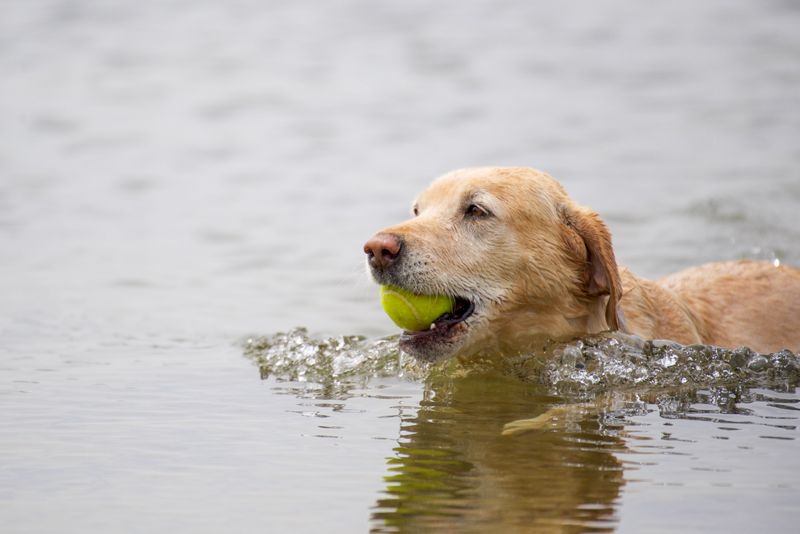
Friendly by default, the Labrador Retriever blends into busy homes with cheerful ease. A walk, fetch session, and cuddle time usually meet the daily quota.
Food motivation turns training into a game, so manners come quickly with consistency. Still, watch the waistline, rotate toys for variety, and add swims for low-impact fun.
Kids, guests, and other dogs usually get an easygoing greeting when energy is managed. Early brushing cuts shedding and keeps coats shining nicely.
Miniature Poodle
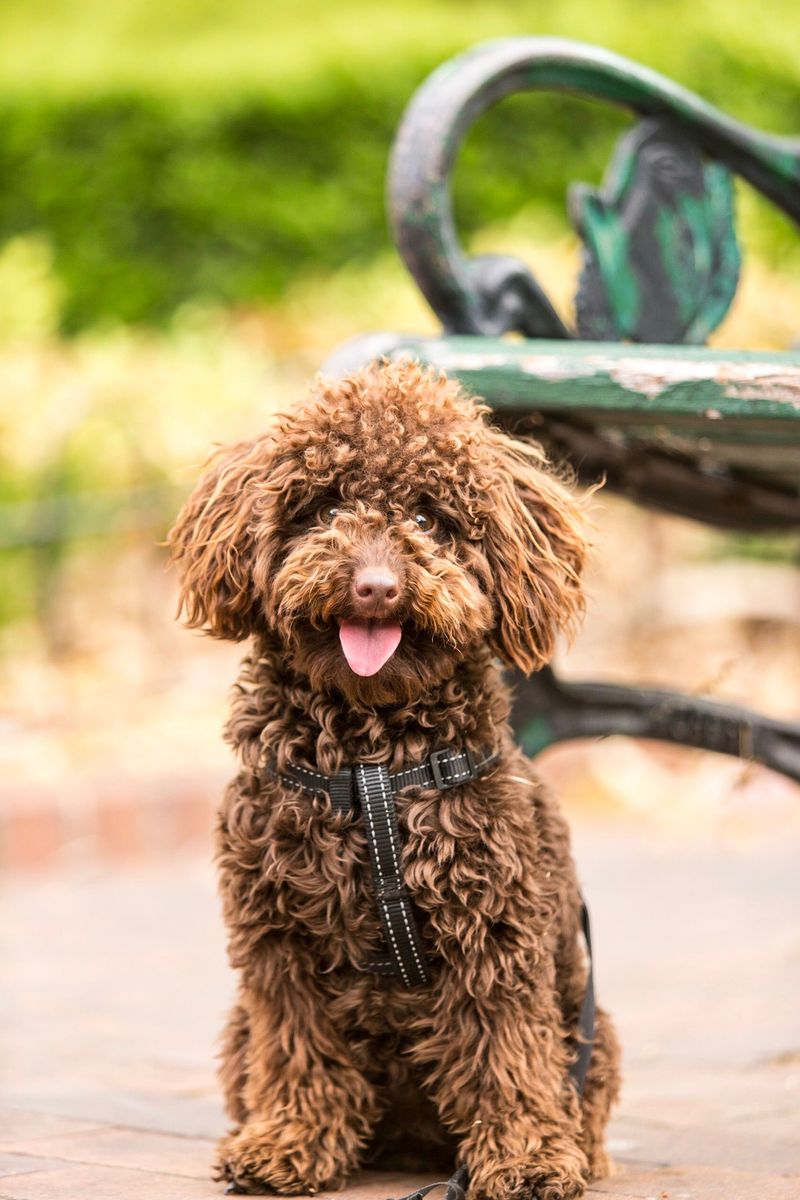
Small body, big brain, the Miniature Poodle adapts quickly to apartments or houses. Allergy-friendly coats help tidy families breathe easier.
Short training bursts, trick practice, and calm place time deliver balance. Regular grooming is essential, so budget for clippers or salon visits.
Playful with kids yet polite with seniors, they fit many routines without much fuss. Brain games prevent mischief, and brisk walks or indoor fetch keep joints happy as seasons change through the year.
Bichon Frise
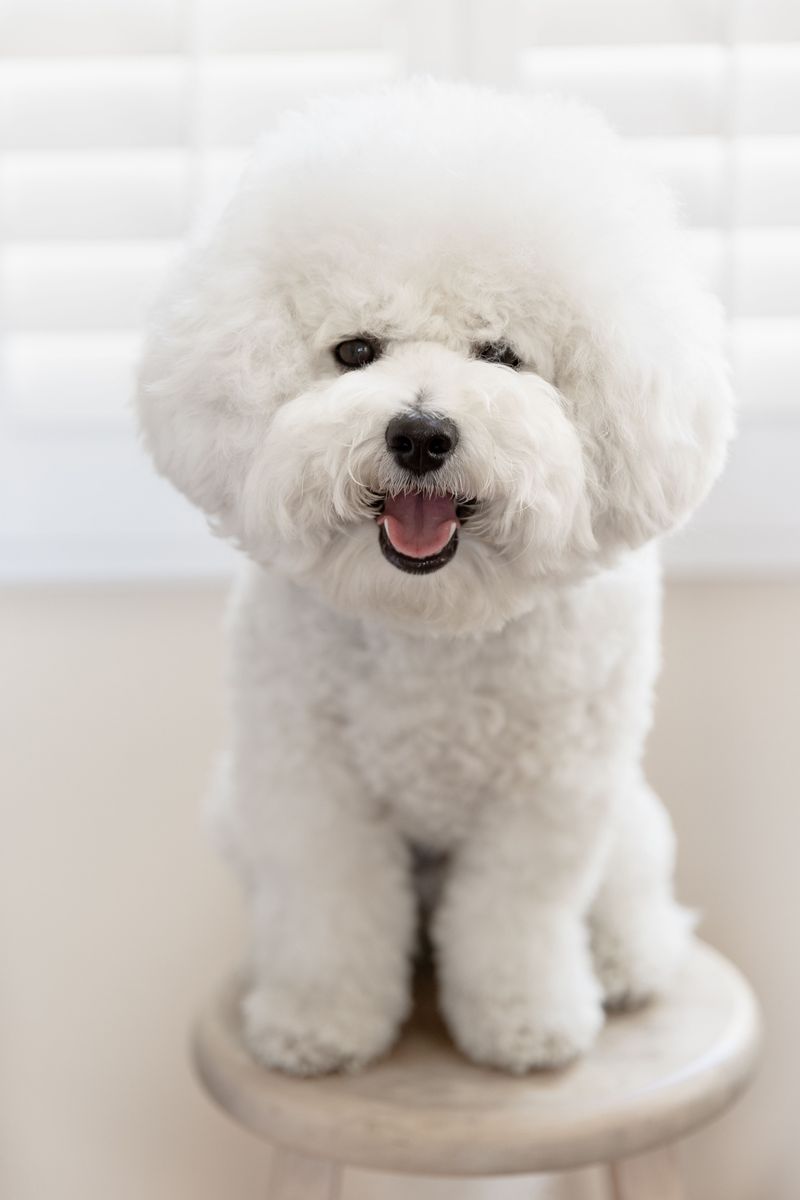
Sunny and social, the Bichon Frise thrives in small spaces and big hearts. Moderate walks, playful bursts, and lap time usually satisfy needs.
Coats need frequent brushing and regular trims to avoid mats. Gentle training with treats builds lovely manners, even for first-time owners.
Apartment neighbors appreciate quiet habits, so teach a solid hush cue and reward calm. Travel-friendly size makes vet visits simple, and many workplaces welcome their upbeat, people-focused charm during appropriate hours.