Some dogs seem to read your mind and stick close no matter what. Others enjoy a busy pack and feel most at home with furry friends.
Knowing which breeds bond tightly with people can help you choose a great match for your lifestyle. Here are 11 devoted hearts, plus 3 social butterflies that often shine around other dogs.
Doberman Pinscher
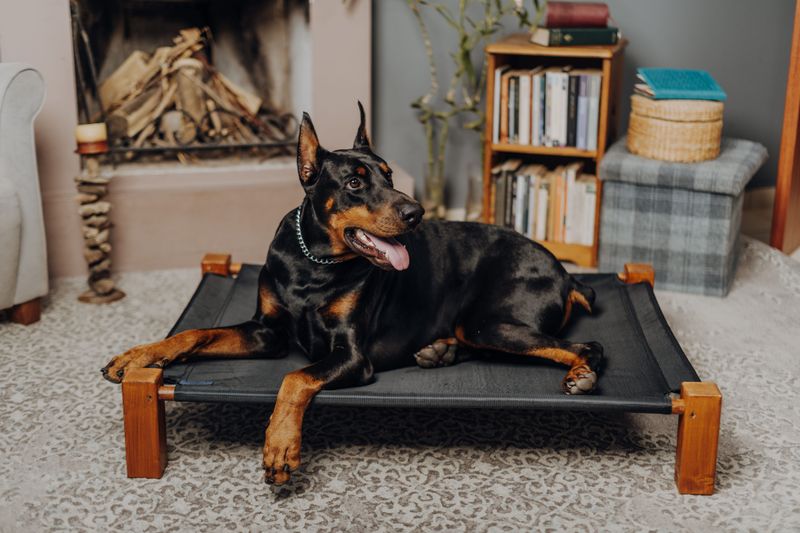
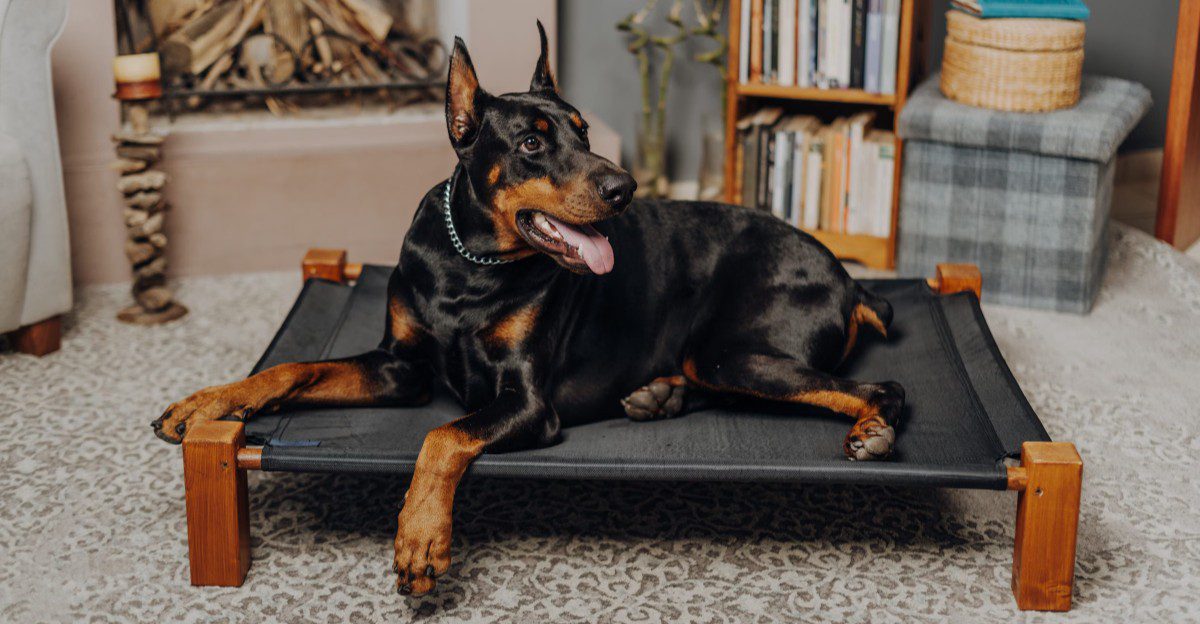
Like a shadow with muscles, the Doberman often chooses one favorite person and stays close. Smart and focused, this breed thrives when given clear jobs, kind leadership, and daily exercise.
Expect a dog that checks doors, watches windows, and relaxes when you do. Gentle socialization turns their confidence into calm manners.
Training should be upbeat and consistent. Puzzle toys, scent games, and brisk walks help them decompress.
Teach place and recall early, and provide a secure routine.
Vizsla
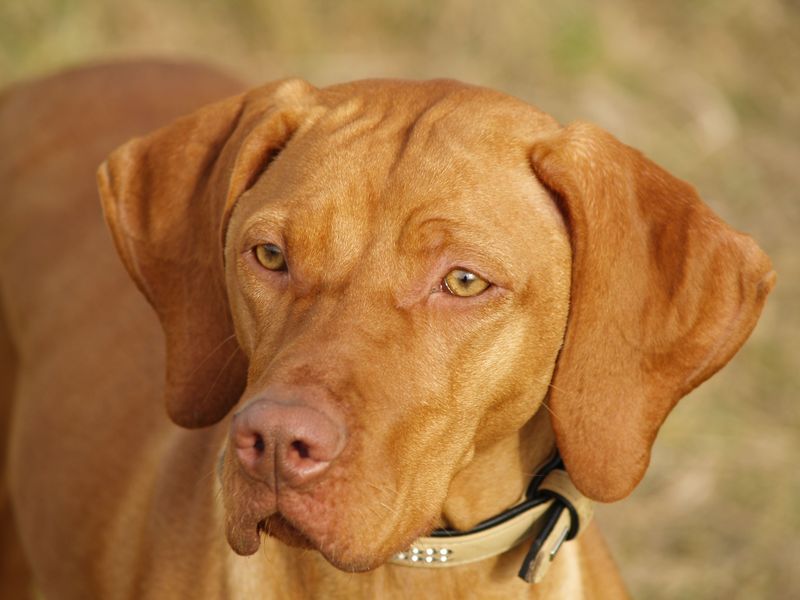
Nicknamed the velcro dog, the Vizsla loves body contact and gentle words. Sensitive and athletic, they bloom when their person is active and encouraging.
A quick hike, a jog, or a game of fetch makes their day. Long cuddles on the couch seal the deal.
Harsh correction shuts them down.
Focus on soft guidance and lots of praise. Teach calm settle skills after exercise.
Nosework and recall games build trust and burn energy.
German Shepherd
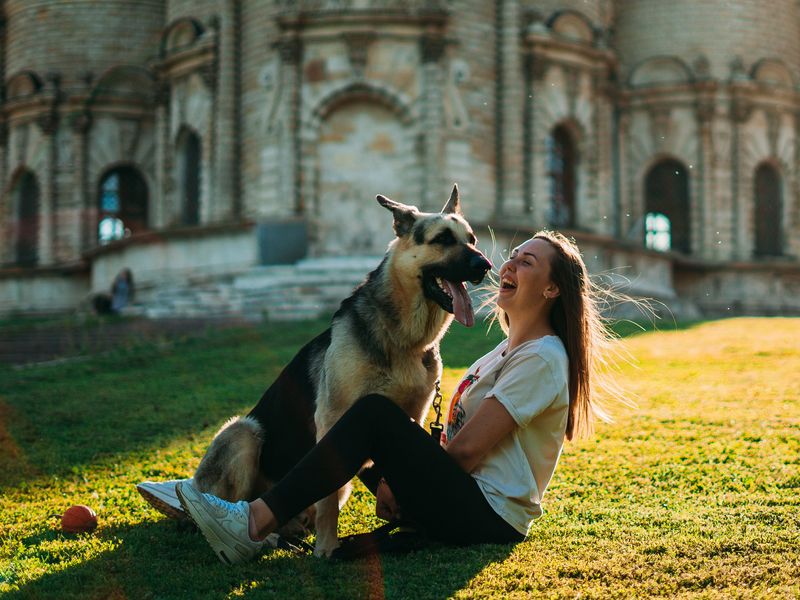
Early training turns this thoughtful guardian into a steady partner. Many bond deeply with their handler and enjoy having clear rules.
Mental work matters as much as physical play. Obedience, tracking, and structured walks reduce stress and bring out their best qualities.
Introduce new people and places at a measured pace. Reward focus and patience.
Daily grooming time can double as bonding, with gentle brushing and calm praise that build trust and cooperation.
Boxer
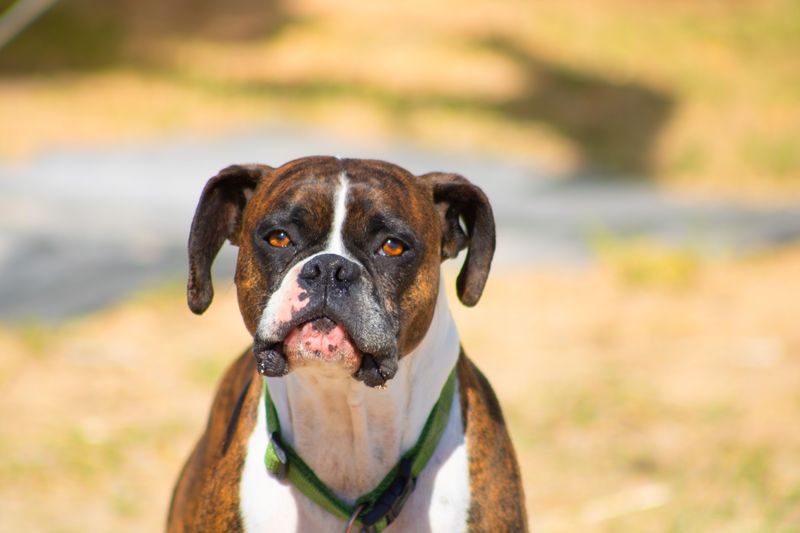
Goofball energy meets big-hearted devotion. Boxers often watch their humans like comedians waiting for laughs, then bring cheerful antics to brighten the room.
Beneath the silliness sits a protective streak that shines with good manners training. Short, fun sessions work best for that playful mind.
Plan daily bursts of activity and plenty of cool water. Teach polite greetings to manage enthusiasm.
Snuggle time after play helps the Boxer relax and bond even more.
Staffordshire Bull Terrier
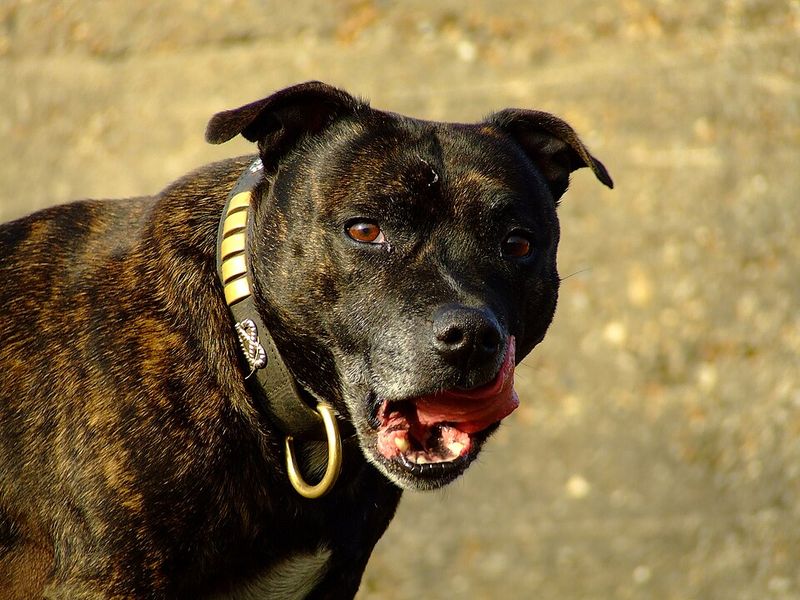
Big feelings in a compact frame, the Staffy often seeks eye contact and affection. Many earn the nickname nanny dog for their patient vibe when properly socialized.
Training rooted in rewards brings out their sunny confidence. Rough handling backfires with this sensitive sweetheart.
Offer durable chew toys and chill breaks after play. Teach a reliable leave it and a relaxed settle.
Slow introductions help them feel safe and keep that happy grin shining.
Cavalier King Charles Spaniel
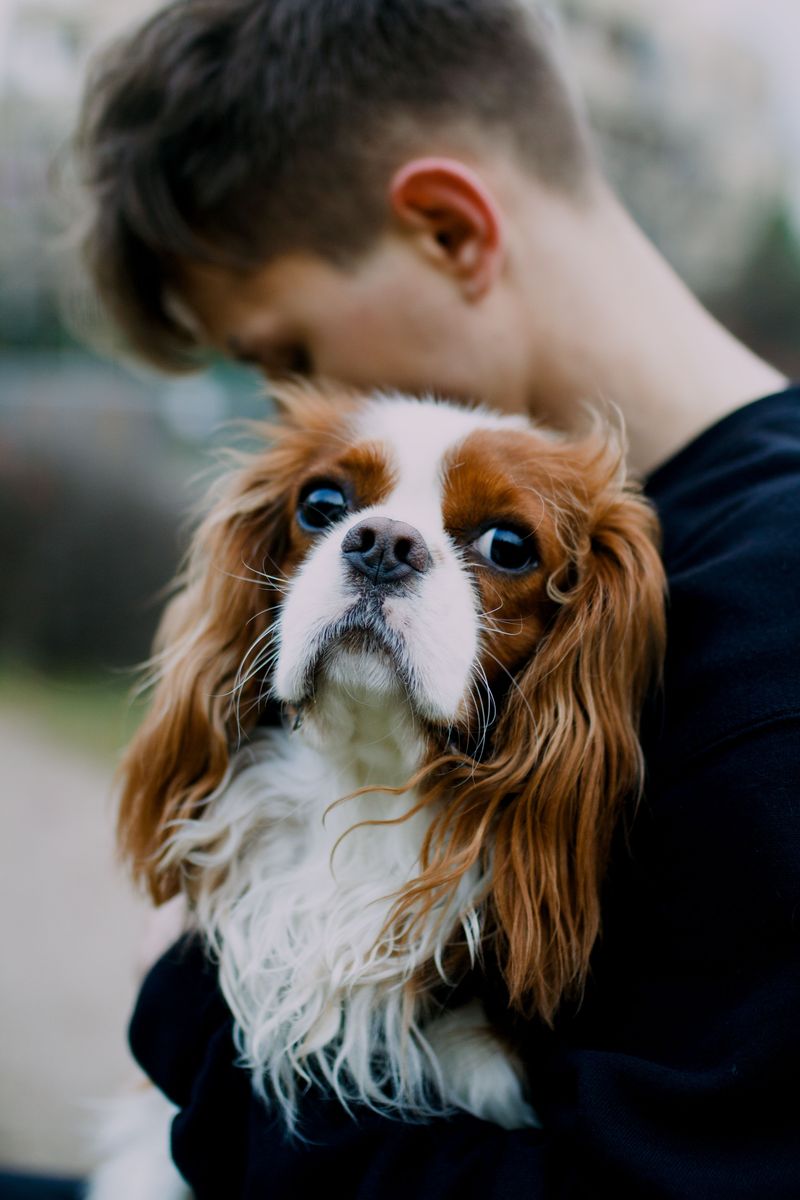
Soft eyes tell the whole story. Cavaliers often tune themselves to your mood and settle wherever you are.
Gentle brushing, short walks, and calm play suit their pace. They enjoy visitors and usually greet with a wag, then return to your lap like a warm teacup.
Watch weight and heart health with regular vet care. Keep training light and sweet with tiny treats.
Quiet routines make them bloom into tender, steady companions.
Dachshund
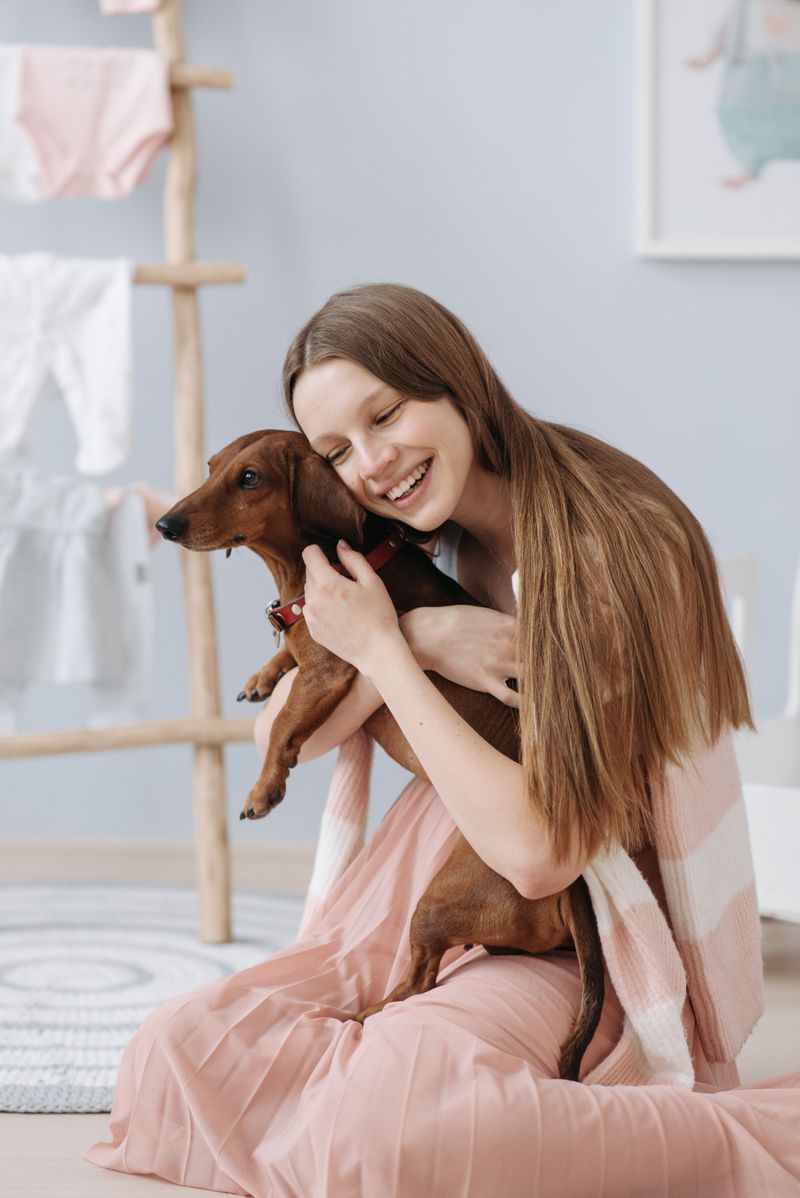
Brave nose, tiny legs, huge personality. Many Dachshunds pick a favorite person and follow with curious eyes, then tunnel under blankets for heartwarming naps.
Their hunting roots mean they love sniffy walks and treat puzzles. Short training bursts keep that clever mind engaged.
Use patience with recall and digging urges. Provide a safe digging box or snuffle mat to redirect instincts.
Gentle handling of their long backs protects comfort and builds trust during cuddle time.
Weimaraner
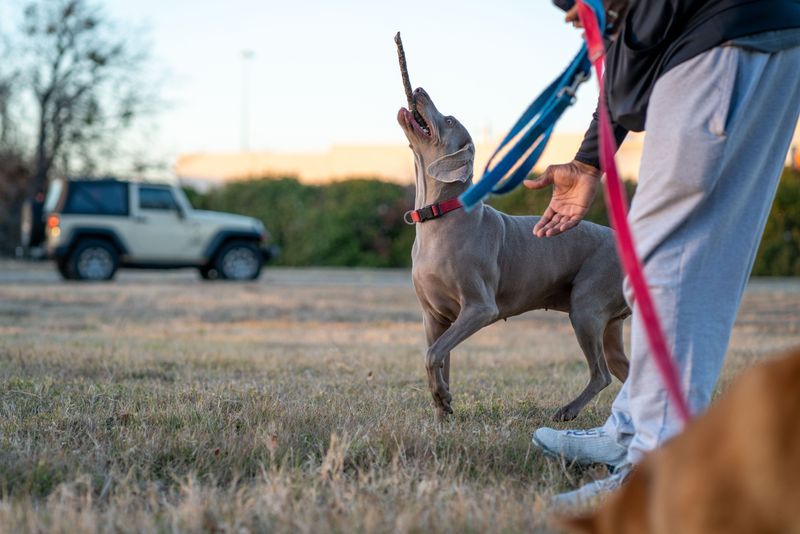
Elegance meets clingy charm. Weimaraners often glue themselves to their person and wilt if ignored.
They thrive on adventure, from long hikes to scent games that work their brain. Clear boundaries and steady schedules prevent frantic pacing and whining.
Rotate jobs like retrieve, place, and seek to satisfy their drive. Crate naps teach off switches.
Plenty of morning exercise pays off with calmer afternoons and sweeter evenings together at home.
Havanese
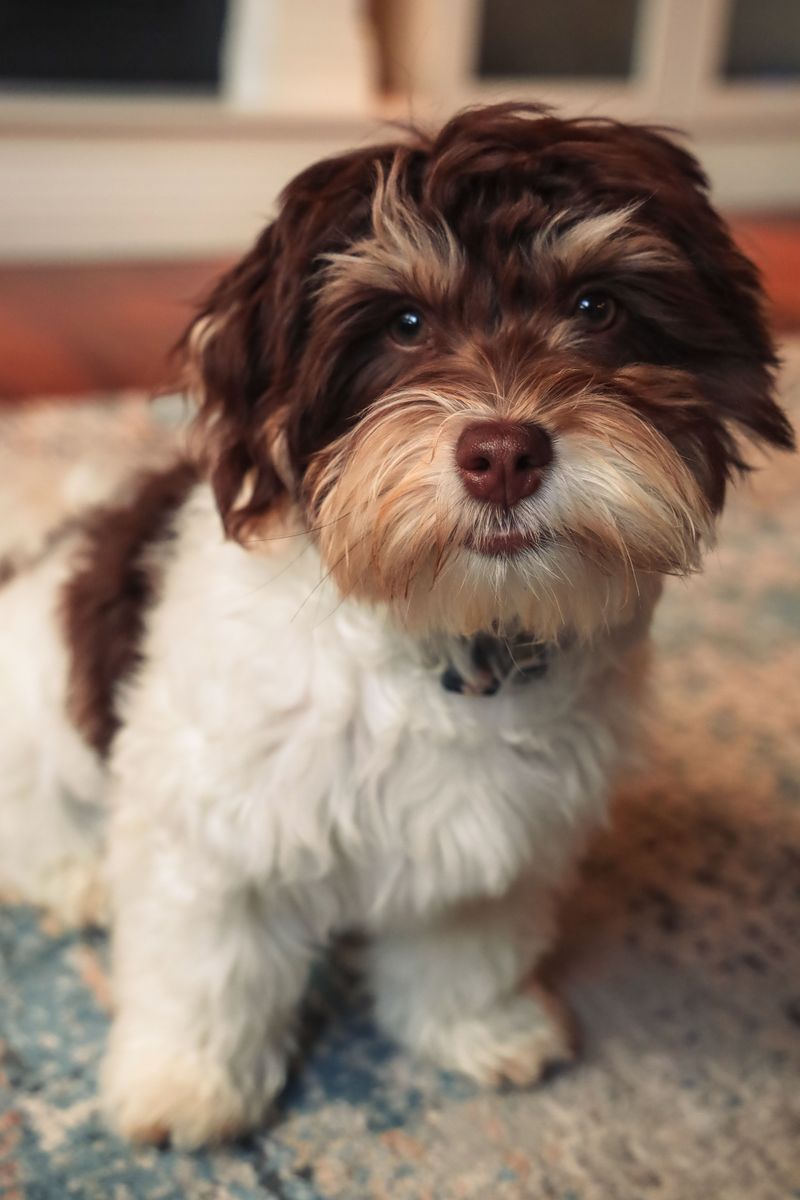
Small body, big entertainer spirit. The Havanese often learns household rhythms quickly and aims to please.
Trick training makes them sparkle and builds a tight bond. They prefer being near their people, strolling room to room like tiny hosts.
Keep grooming gentle and frequent to avoid tangles. Use soft rewards and short sessions, then finish with quiet lap time.
Indoor play, puzzle feeders, and window watching keep them cheerful on rainy days.
Rottweiler
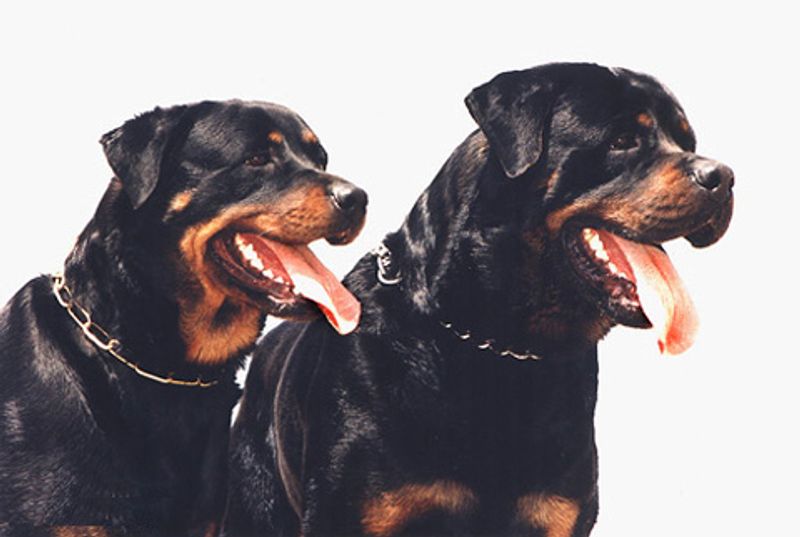
Steady when guided well, the Rottweiler often bonds deeply and looks for direction. Structure gives them peace of mind.
Balanced exercise with impulse control games, like sit and watch at corners, builds reliability. Early socialization turns their natural confidence into polite composure.
Teach clear rules about greetings and doorways. Regular training with rewards keeps focus sharp.
Quiet downtime with a chew in the same room strengthens connection without making them clingy.
English Cocker Spaniel
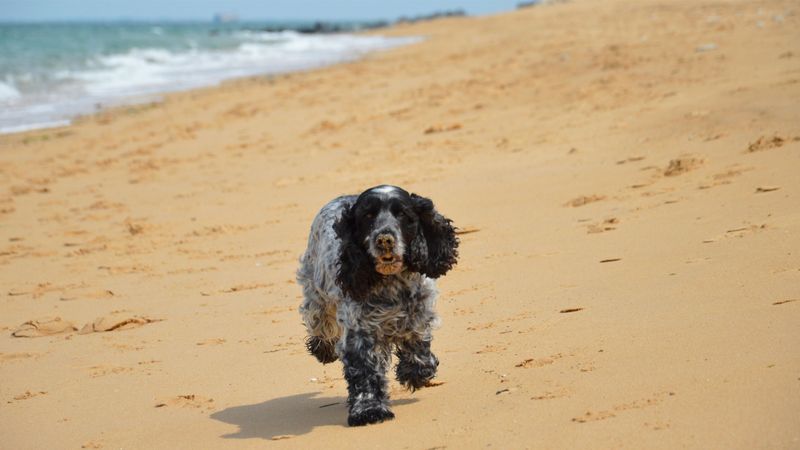
Cheerful by nature, English Cockers often brighten the day with a wag and a gift, like a toy or a sock. They enjoy close company and gentle conversation.
Field-bred lines may crave more activity and sniff time. A patient hand brings out sweet, polite manners.
Use games of find it among shrubs to satisfy instincts. Keep grooming light and positive.
Short obedience sessions before meals help focus and deepen your everyday partnership.
Beagle – often happier around fellow dogs
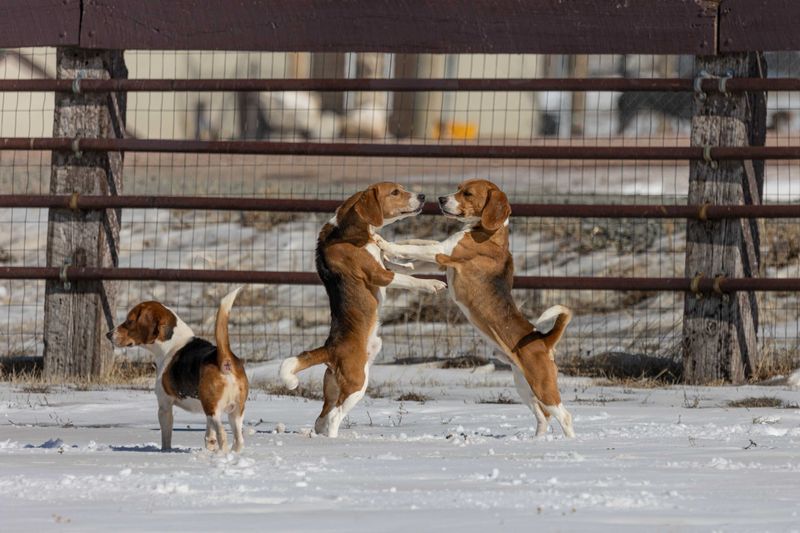
Nose first, everything else later. Many Beagles feel most at home with other scent hounds, sharing trails and songs.
Their social roots in pack hunting make group walks and playdates especially joyful. Solitary life can bore them, which may lead to noise or mischief.
Give supervised sniff walks, hide-and-seek treats, and sturdy fences. Consider a hound buddy if schedules are busy.
Keep training upbeat with food rewards and short, focused sessions that respect their curiosity.
Siberian Husky – often happier around fellow dogs
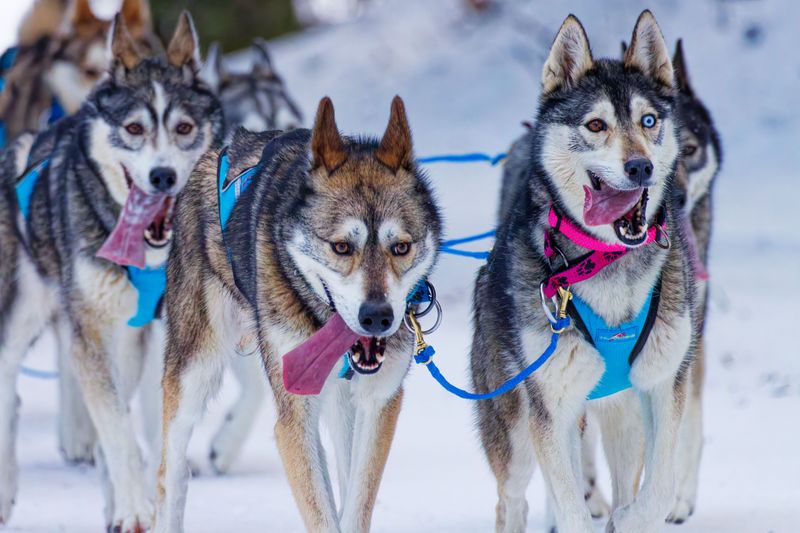
Born to move, Huskies often shine in groups where running and teamwork are the language. Many enjoy canine company to burn energy and practice polite play.
Without outlets, they may dig, sing, or go exploring. Secure yards and purposeful exercise are musts.
Try canicross, skijoring, or weight pulling with proper gear. Pair clear boundaries with plenty of mileage.
Training stays positive and firm, rewarding attention while respecting their independent streak.
Basset Hound – often happier around fellow dogs
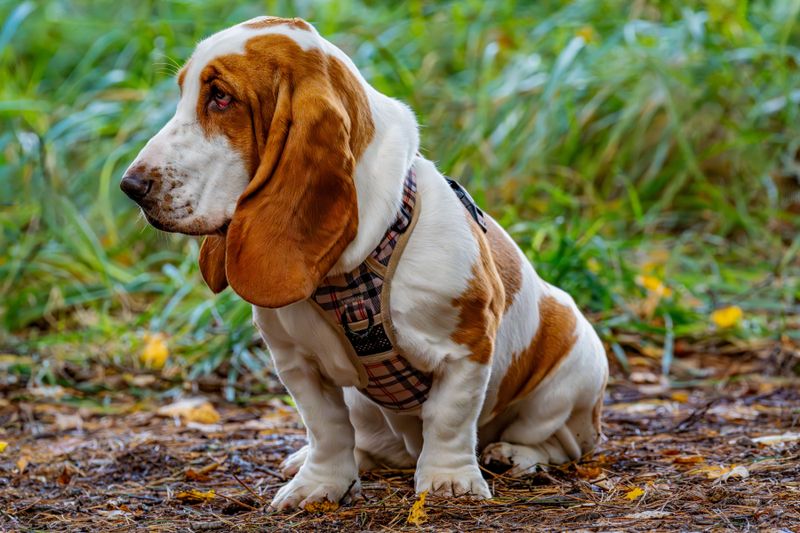
Low and leisurely, Bassets enjoy company at their own tempo. Many relax into group sniffs and companionable naps with other dogs.
Their deep voices often join in chorus when friends are near. Solo boredom can lead to howling or shoe tasting.
Plan gentle walks, scent games, and comfy beds in shared spaces. Use tasty rewards, patient repetition, and humor during training.
A hound pal and a steady routine keep spirits high and mischief low.