
Some dogs seem stubborn, loud, or wild until you learn about the jobs they were made for. Every breed was shaped over many years to herd sheep, pull sleds, chase foxes, or guard flocks.
When you know that history, strange habits suddenly start to make sense. Understanding a dog’s original purpose can help you train it better and pick the right breed for your family.
Border Collie: The Tireless Sheep Boss
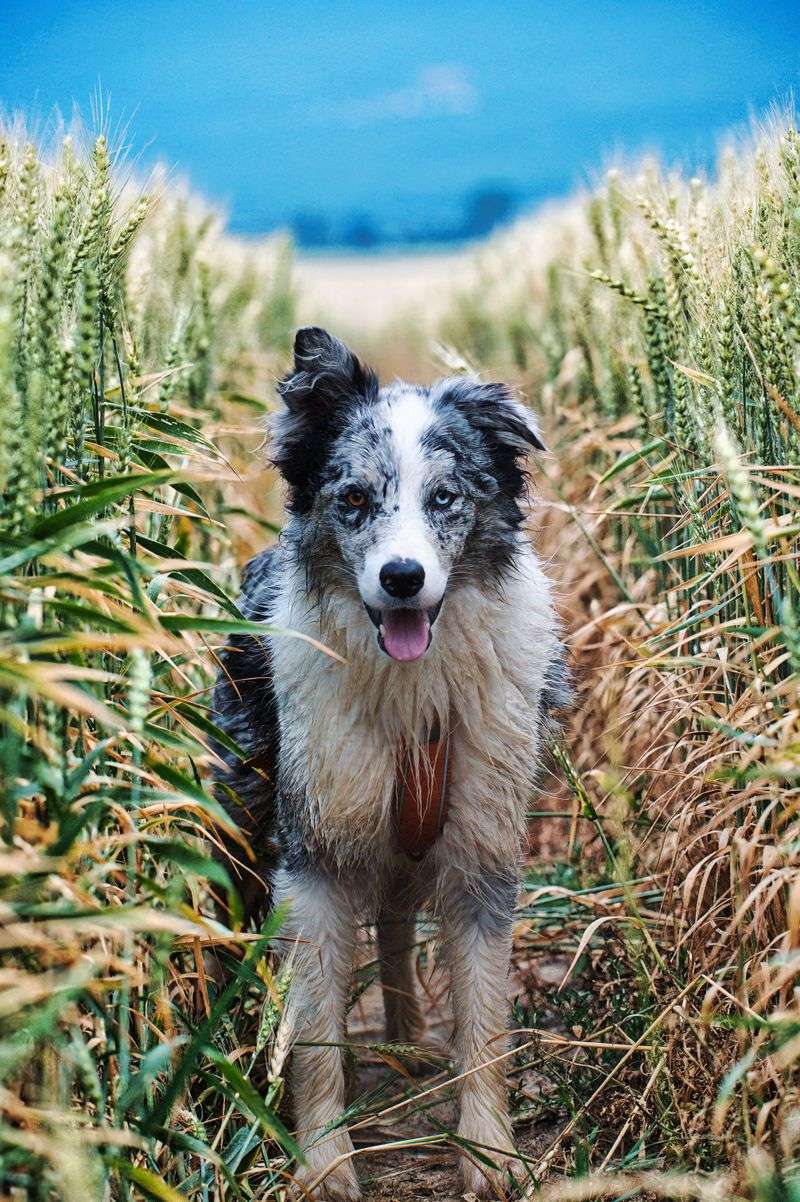
Ever seen a dog try to herd children at a birthday party? That is classic Border Collie behavior.
Farmers on the border of Scotland and England bred them to move sheep for hours using a sharp, focused stare.
Without a job, their busy brains invent one, like chasing cars or circling the couch. Give them puzzle toys, agility classes, or herding lessons, and you will see a calmer, happier dog.
Siberian Husky: Born to Run Far Away
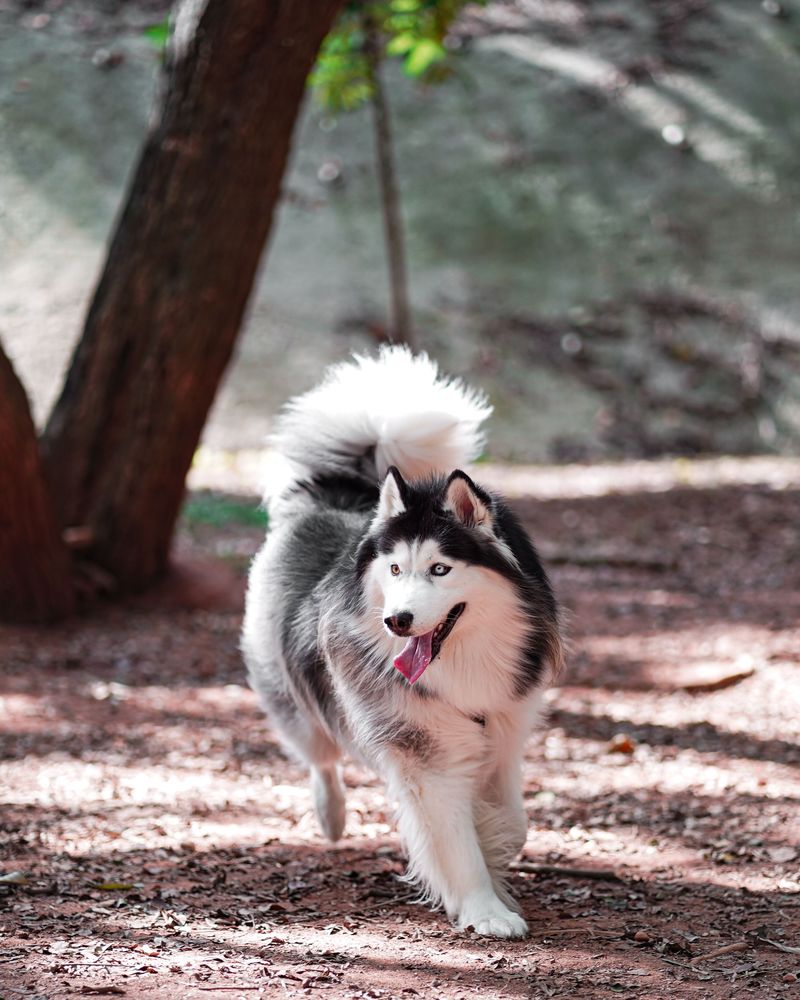
Here is a funny truth about Huskies. Many owners swear their dog could escape from a locked bank vault.
The Chukchi people of Siberia bred them to pull light sleds across huge frozen distances.
Running far is baked into their bones, so fences get climbed or dug under. They also howl instead of bark.
Secure yards, long runs, and canicross or bikejoring help burn that endless travel drive.
Jack Russell Terrier: A Tiny Fox Hunter
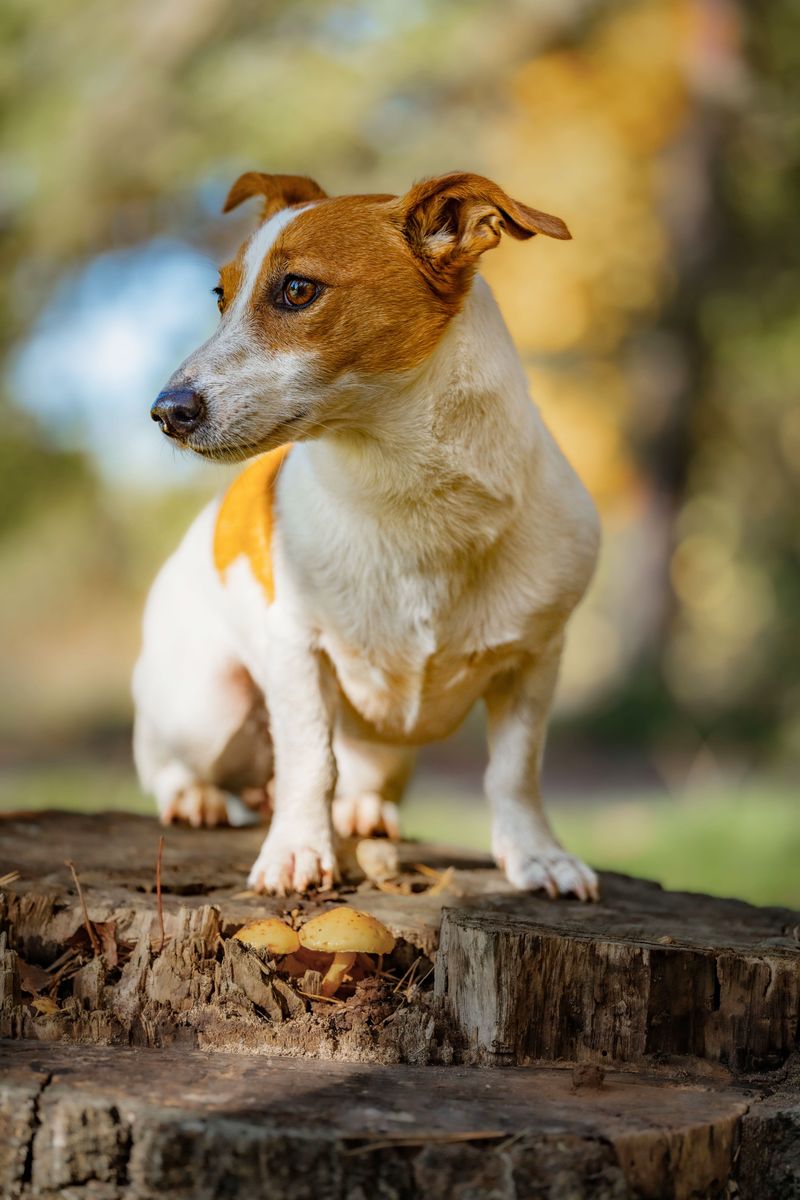
Small body, giant attitude. In 1800s England, a preacher named John Russell wanted a fearless dog to chase foxes out of underground dens.
So when your Jack Russell digs up flower beds or barks at squirrels nonstop, that is ancient instinct at work. They need real outlets.
Try a sandbox for legal digging, flirt pole games, and earthdog trials. Short, fun training sessions work far better than long, boring ones.
Beagle: A Nose That Never Clocks Out
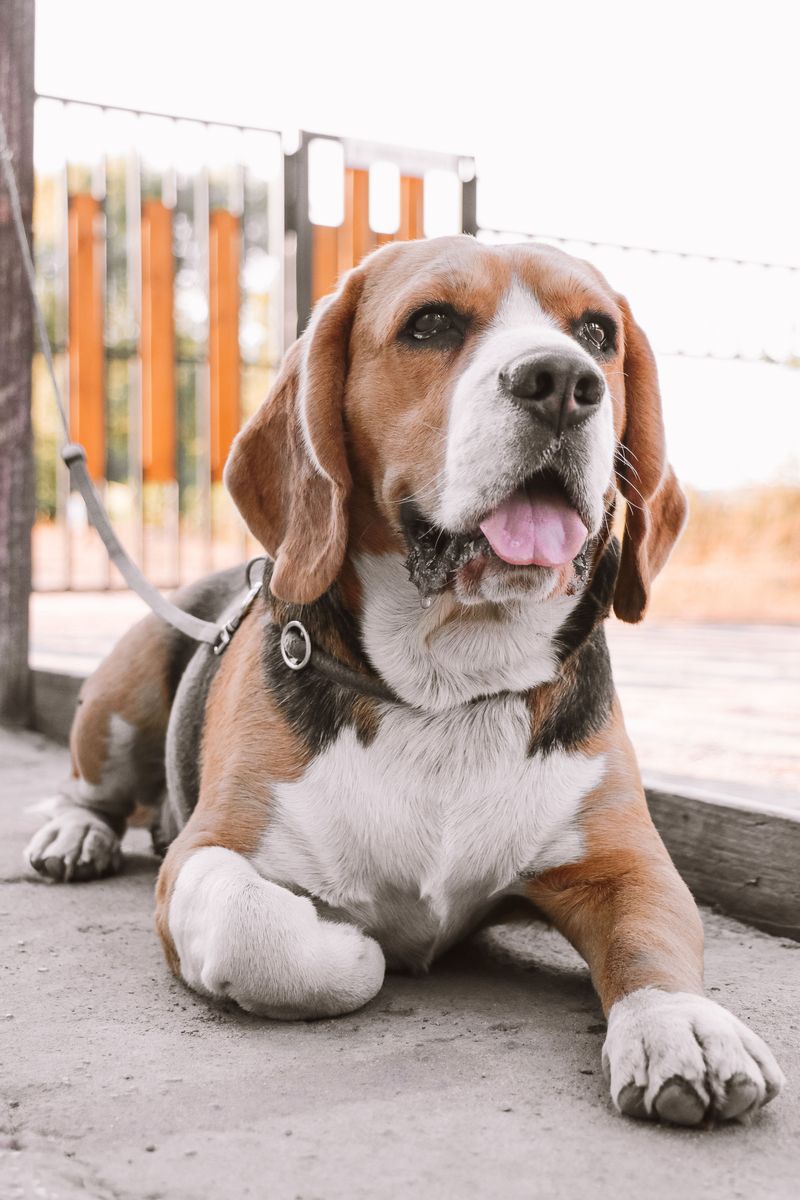
Picture a pack of Beagles baying loudly while chasing rabbits across English fields. That was their whole career.
Beagles have around 220 million scent receptors, so a smell can easily beat your voice. That explains the selective hearing, the food stealing, and the howling.
Keep them leashed on walks. Hide treats around the house for scent games, and lock your trash can tight, because they will find a way.
Dachshund: The Brave Badger Dog
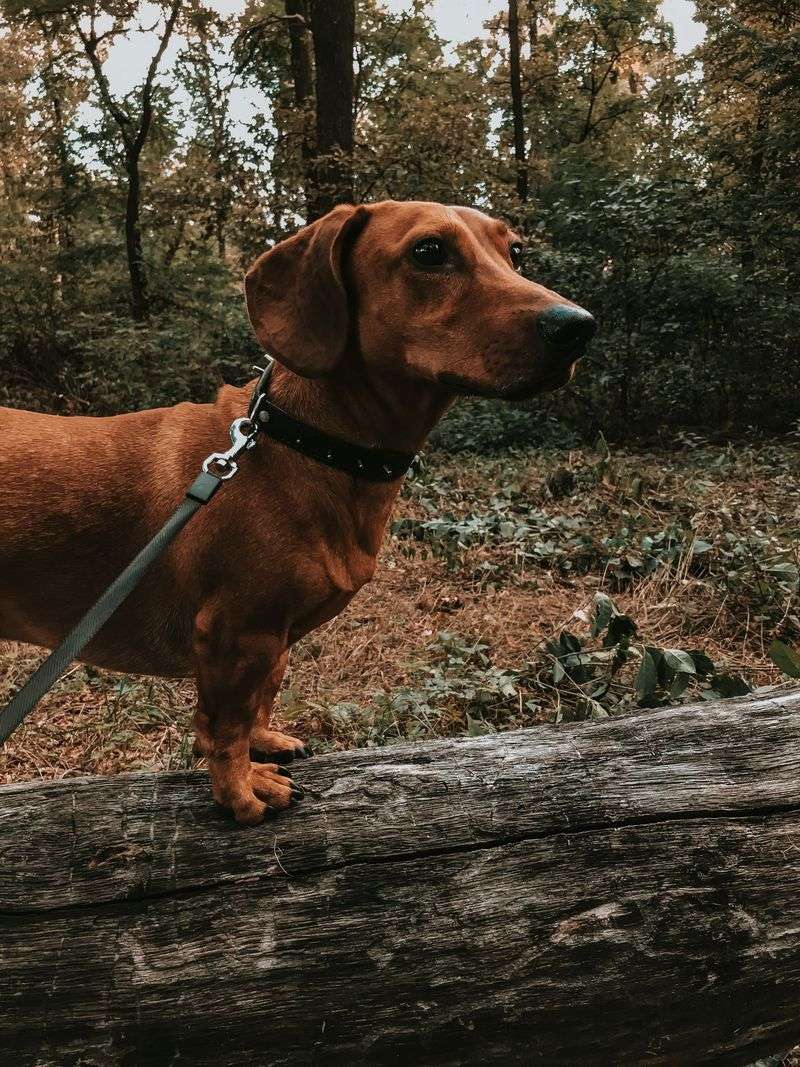
Did you know the name Dachshund means badger dog in German? Those short legs and long bodies were designed to squeeze into tunnels and face angry badgers.
Facing a fierce animal takes courage and a loud bark, which is why these little dogs can seem bossy or stubborn. Patient, reward-based training helps a lot.
Also protect that long back by using ramps and keeping them at a healthy weight.
Australian Cattle Dog: Heel Nipper Extraordinaire
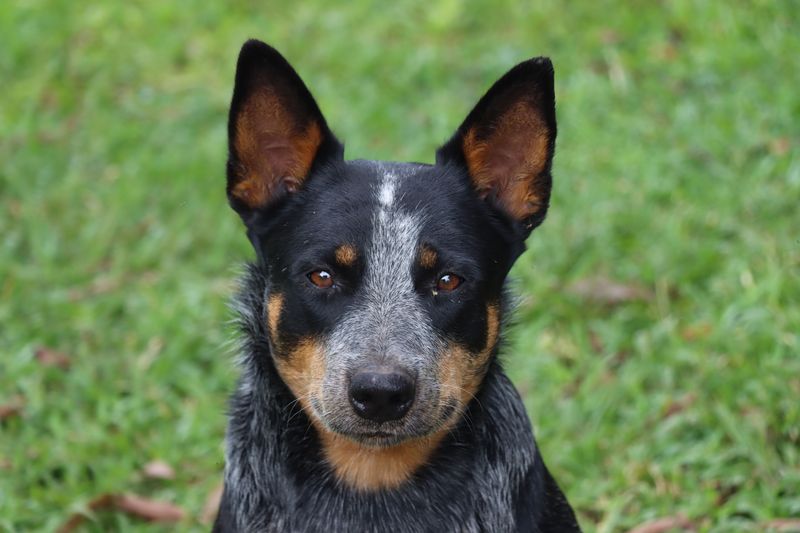
Tough, clever, and a little nippy. Australian ranchers needed a dog that could drive wild cattle across hot, dusty land, so they mixed in dingo blood for toughness.
Nipping at heels moved stubborn cows, but it can surprise kids and joggers. Teach a strong leave it cue early.
These dogs crave hard work, so hiking, frisbee, and trick training keep their sharp minds busy and out of trouble.
Great Pyrenees: The Night Shift Guardian
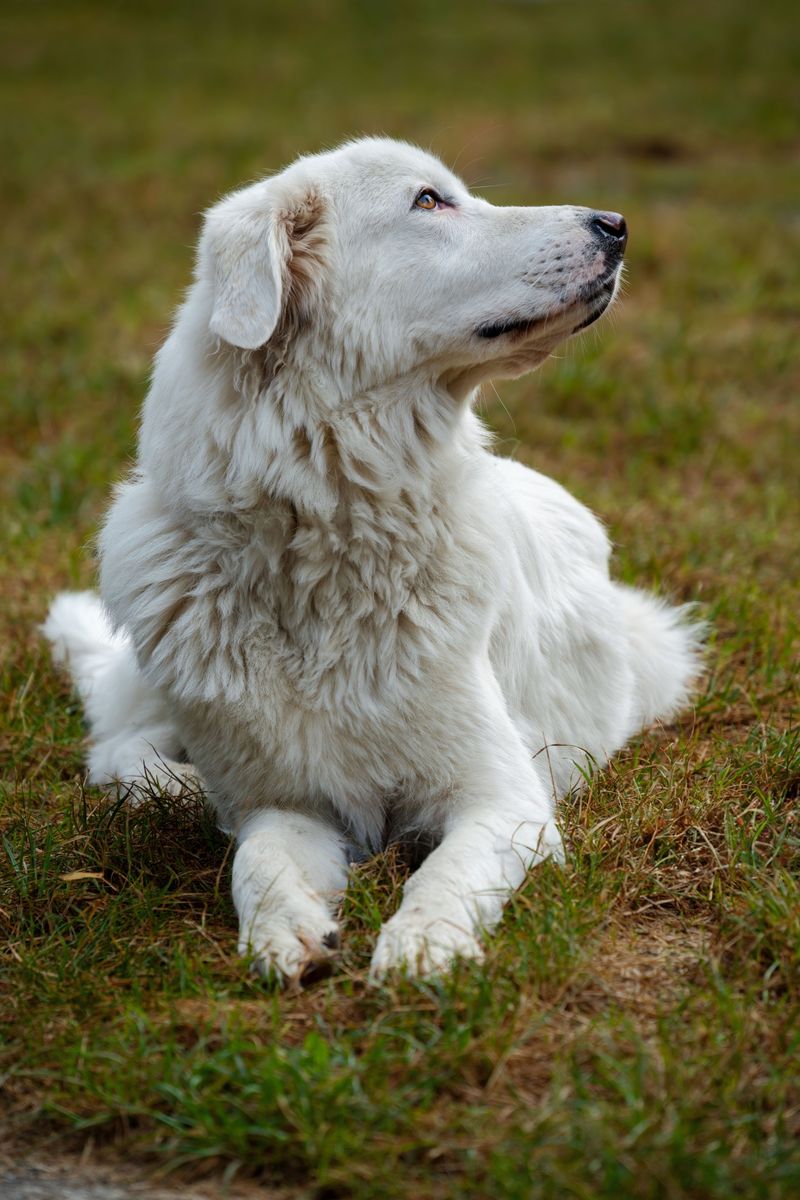
Barking all night? For a Great Pyrenees, that is simply doing the job right.
Shepherds in the mountains between France and Spain relied on them to guard flocks from wolves and bears.
They were trained to think alone, not obey commands, so they can seem independent. Expect night barking and wandering.
A tall, sturdy fence, early socialization, and calm patience make living with these fluffy giants much easier.
German Shorthaired Pointer: The All-Day Hunting Partner
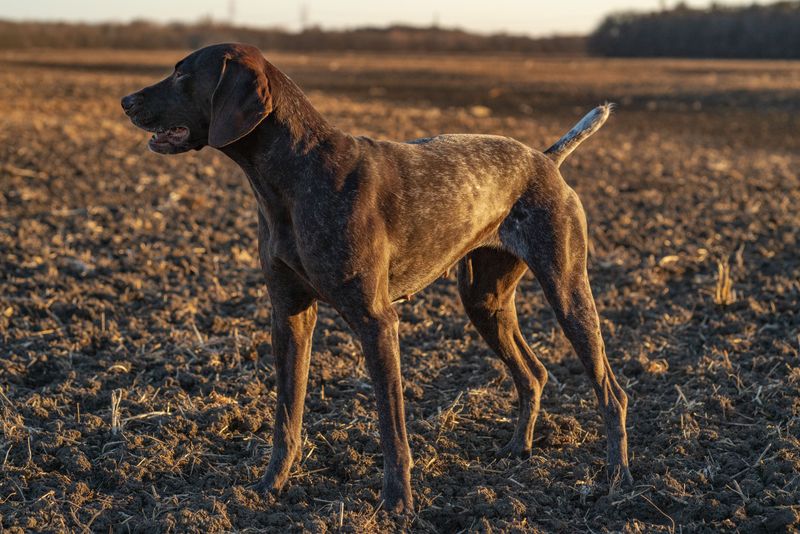
Hunters in Germany wanted one dog that could do it all. It had to point birds, fetch from water, and track game for hours without stopping.
The result is a sleek athlete with endless stamina. A short walk barely warms one up, and a bored GSP may chew furniture.
Plan for running, swimming, and fetch every day. Scent work and field training give that hunting brain a happy purpose.
Belgian Malinois: A Working Machine
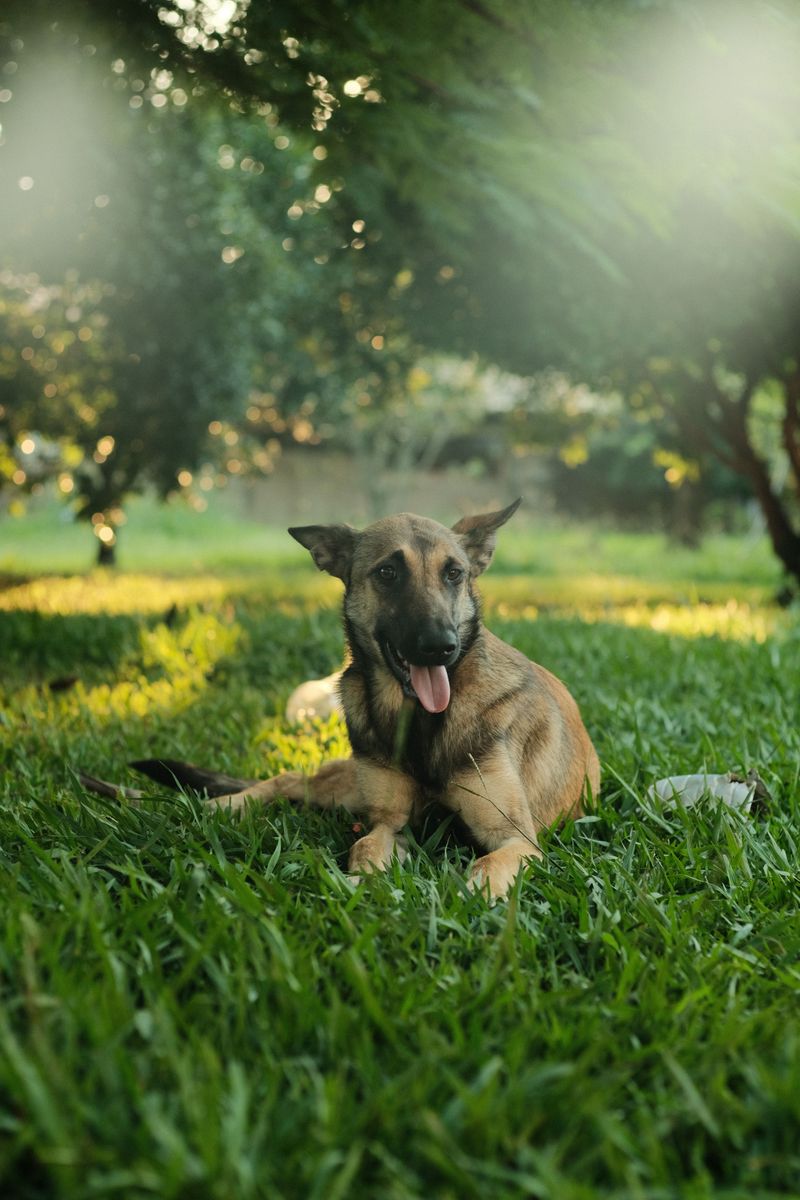
Police and military teams around the world choose the Malinois for a reason. Originally bred in Belgium to herd and protect, these dogs have intense drive and lightning reflexes.
In a regular home, that energy can turn into biting, spinning, or destroying things. They are not beginner dogs.
Owners need daily structured training, sports like protection work or dock diving, and lots of mental challenges to keep them balanced.
Alaskan Malamute: Heavy Hauler of the North
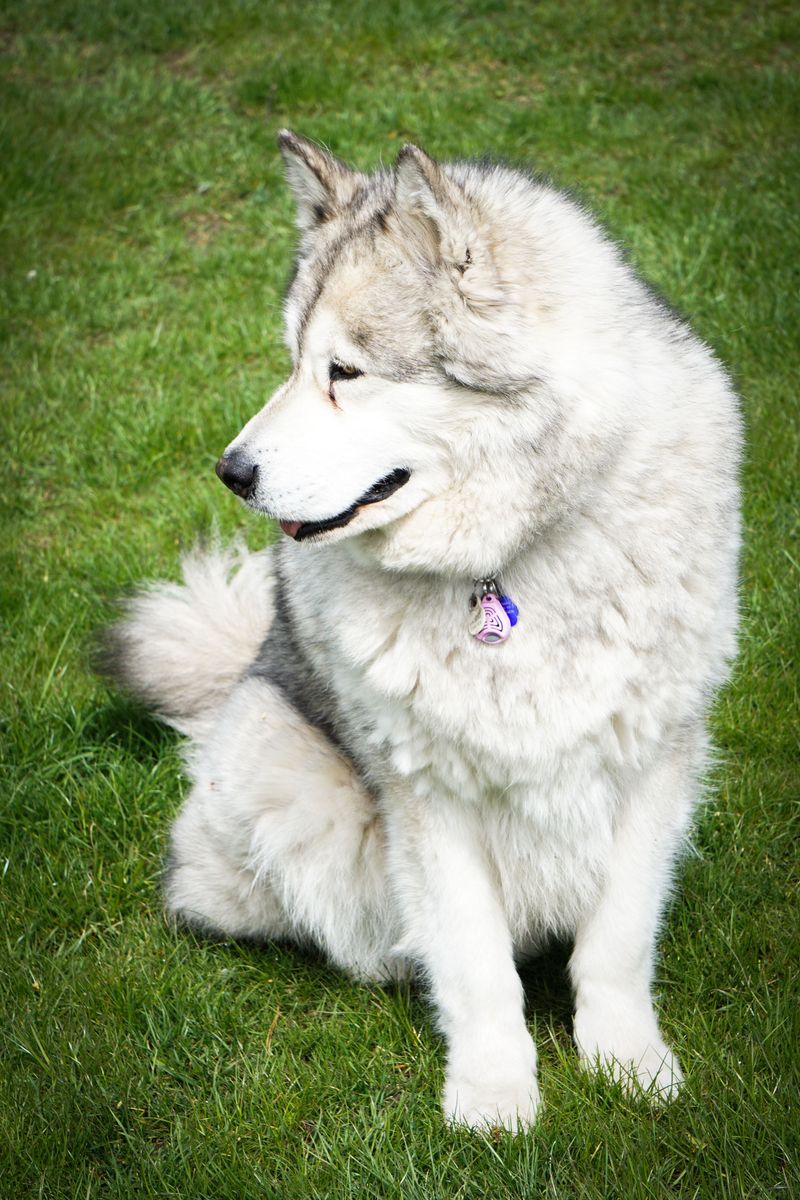
Think of the Malamute as a furry pickup truck. The Mahlemut people of Alaska bred them to haul heavy loads over snow and ice.
That power means they can pull you down the street on a leash. They also dig, shed heavily, and chase small animals.
Loose leash training is a must. Weight pulling, backpacking, and cool weather adventures give these strong, talkative dogs a satisfying outlet.
Giant Schnauzer: Bearded Bodyguard
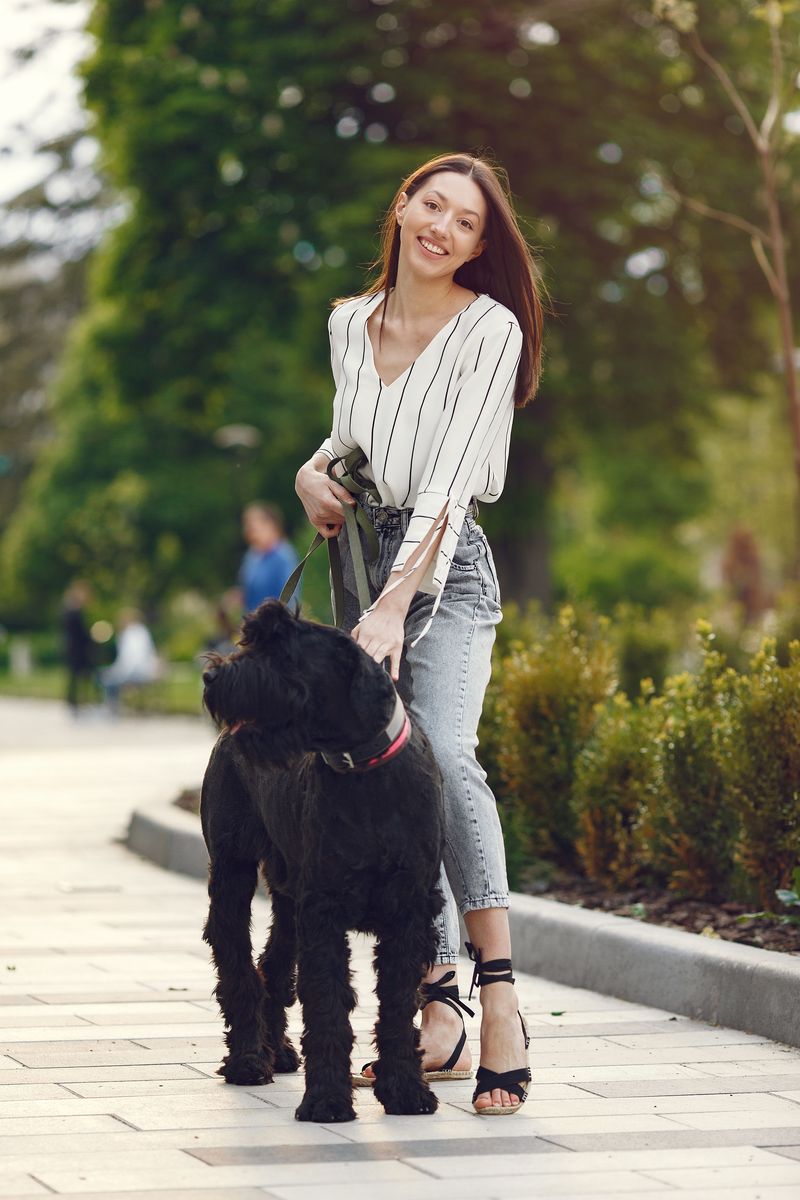
Once upon a time in Bavaria, farmers used Giant Schnauzers to drive cattle to market. Later, they guarded butcher shops and breweries.
That guarding past explains their suspicion of strangers and their need to be in charge. They are smart but can outthink lazy training.
Start socializing early, stay consistent, and give them tasks like obedience or tracking. Regular grooming keeps that famous beard and wiry coat looking sharp.