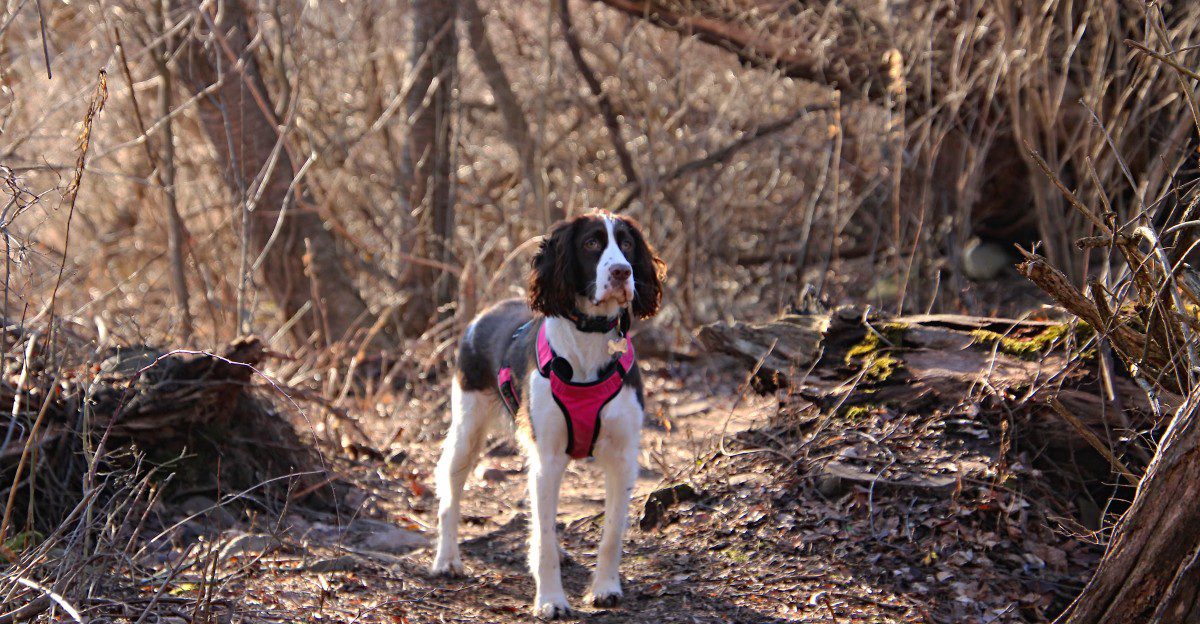
Some dogs want to please you so badly that constant corrections can crush their spirit. When every slip earns a sharp word, these pups may freeze, shut down, or simply give up.
Knowing which breeds are extra sensitive helps you train with patience, praise, and smart timing. Your dog will learn faster and trust you more when mistakes feel safe.
Border Collie
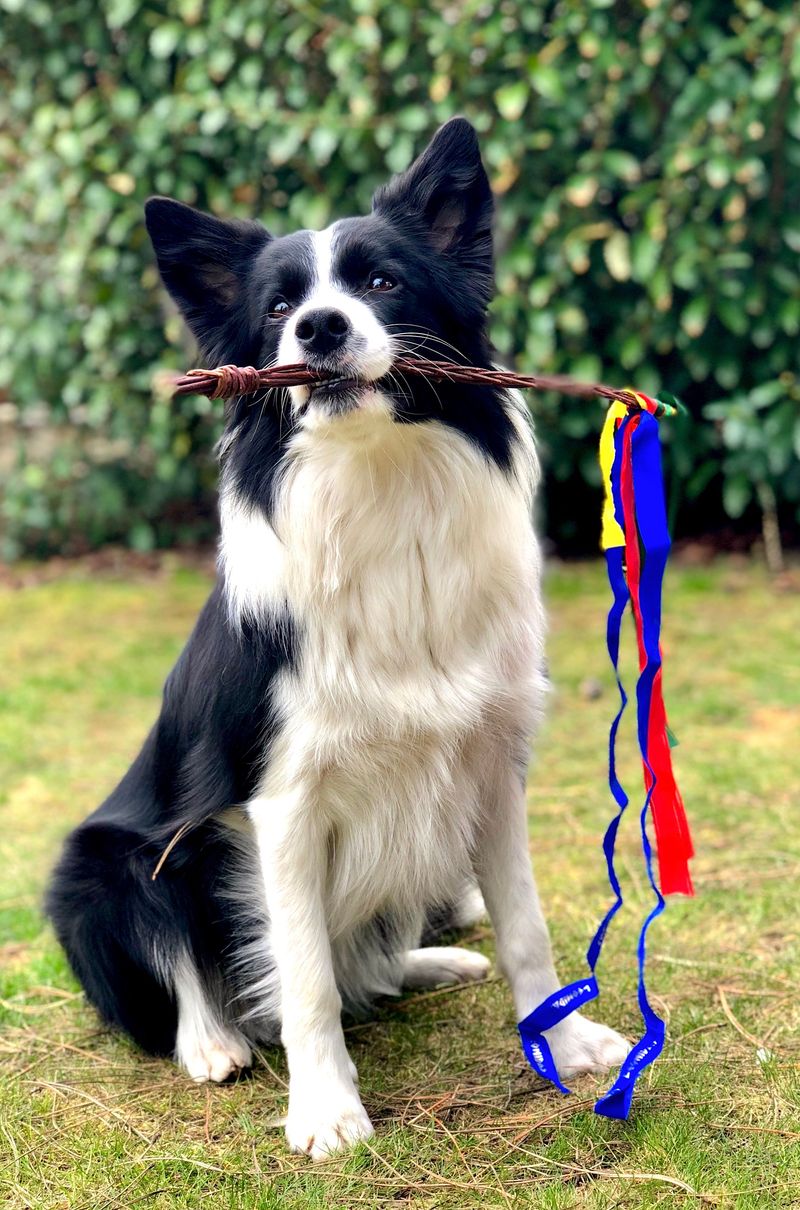
Picture a genius who overthinks everything. Border Collies read tiny changes in your voice and body, so a harsh correction can feel like a thunderclap to them.
When scolded too often, many start hesitating, waiting for instructions instead of offering ideas. That spark you loved fades fast.
Try rewarding good choices quickly and ignoring small errors. Short, upbeat training games keep their busy brains engaged and their confidence strong, even when they get something wrong.
Shetland Sheepdog
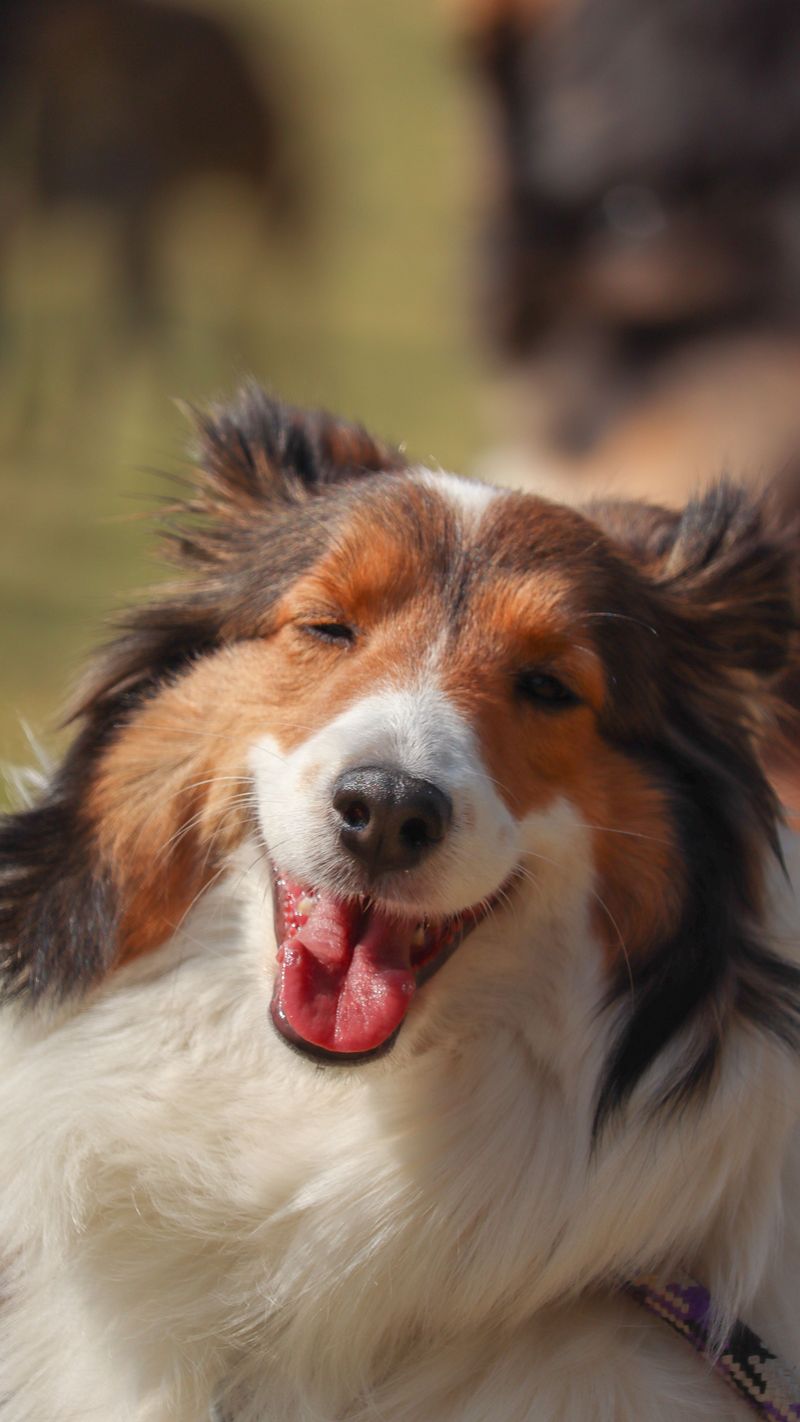
Shelties are basically tiny worriers in fluffy coats. Bred to herd sheep on the rugged Shetland Islands, they learned to respond to the lightest signals from their farmers.
That skill cuts both ways. Loud or repeated corrections can make a Sheltie anxious, clingy, or even barky from stress.
Keep your tone soft and your rewards generous. A calm redirect works far better than a stern no, and your Sheltie will happily try again.
Rough Collie
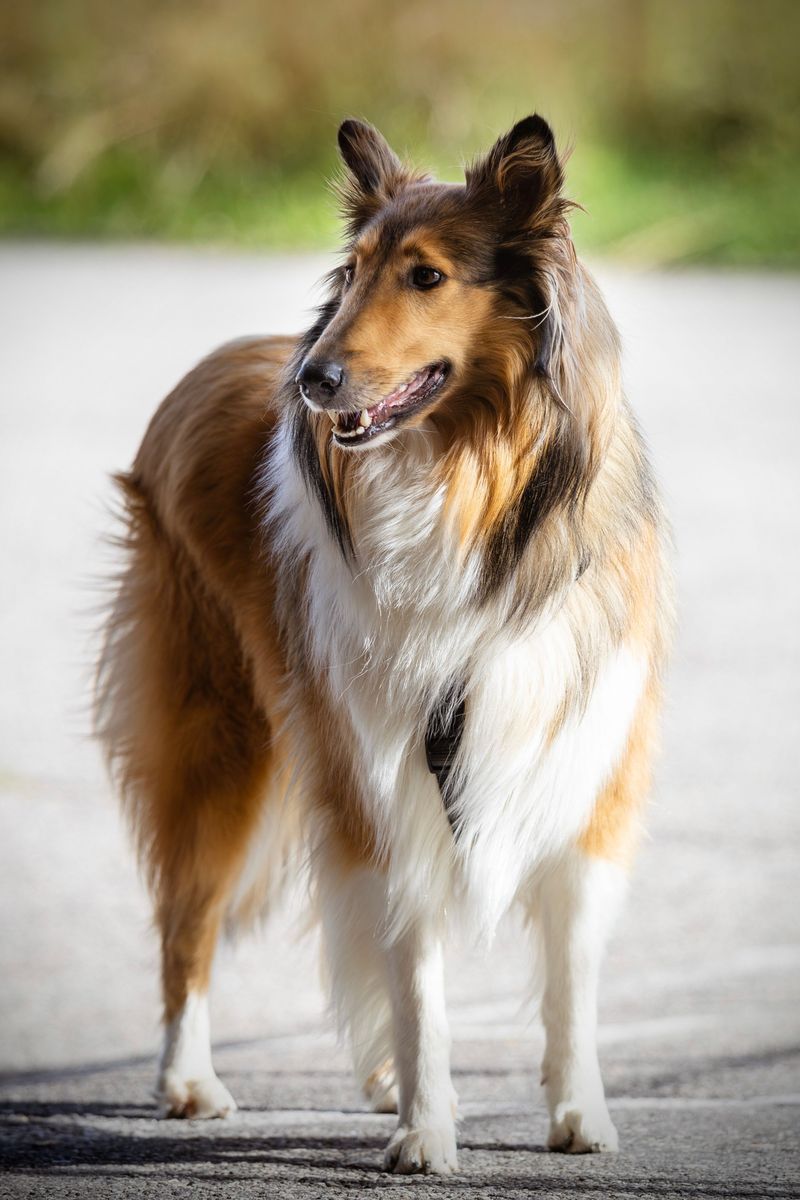
Remember Lassie? Behind that heroic image sits a deeply feeling dog that notices when you are upset, even if you never raise your voice.
Rough Collies often shut down when training turns into a string of corrections. They may walk away, lie down, or stop responding altogether.
Gentle encouragement is the secret. Celebrate small wins, keep sessions brief, and end on a success so your Collie leaves feeling proud instead of defeated.
Australian Shepherd
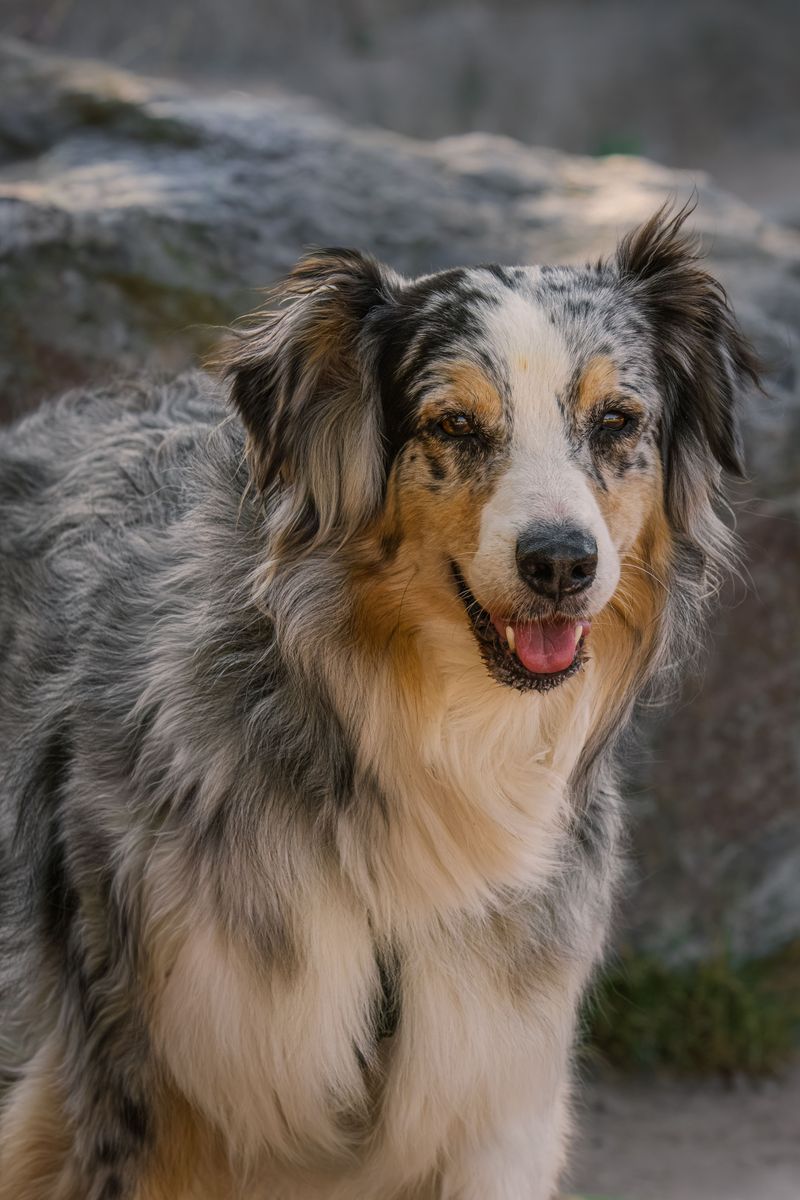
Fun fact: despite the name, Aussies were mostly developed on American ranches. These energetic workers thrive on teamwork and clear, fair communication.
Constant nagging confuses them. An Aussie that hears no over and over may either lose interest or invent its own, often naughty, jobs.
Channel that drive with games like fetch, agility, or trick training. Mark the right behavior with a click or cheerful yes, and watch your partner light up with effort.
Golden Retriever
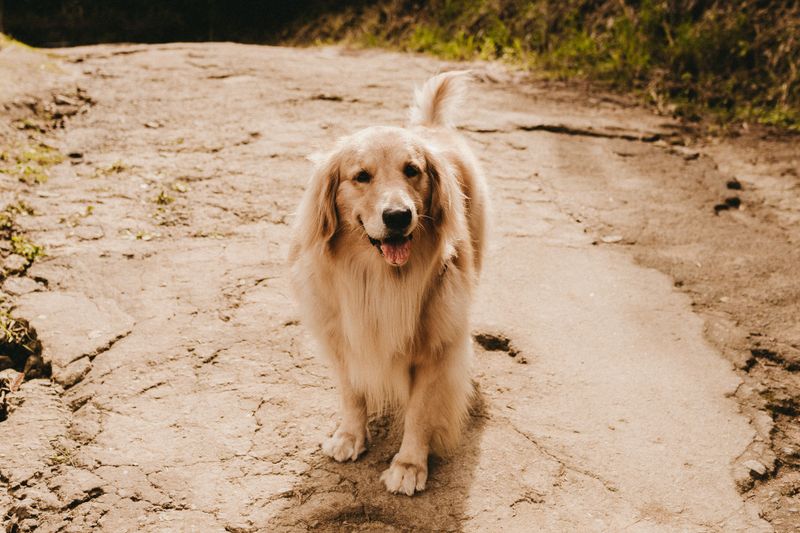
Sunshine in dog form, right? Goldens seem tough because they are so cheerful, but underneath beats a heart that craves your approval.
Frequent scolding can dim that glow. Some Goldens start avoiding eye contact or moving slowly when they sense disappointment.
Lean into their love of food and praise. Reward calm greetings, gentle mouths, and loose leash walking.
Honestly, a happy Golden learns almost anything when training feels like a party instead of a test.
English Springer Spaniel
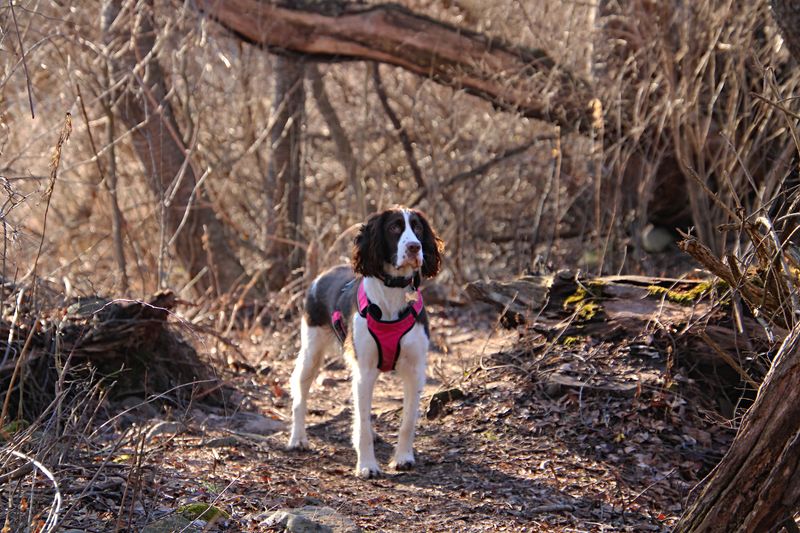
Springers bounce through life like they have springs in their paws, which is exactly where the name comes from. They flushed birds for hunters with joyful enthusiasm.
Harsh handling, though, can turn that bounce into worry. A corrected Springer may cower or become overly submissive.
Give clear, kind cues and plenty of outdoor exercise. When your Springer messes up, simply reset and try again.
Patience keeps that famous bounce alive and well.
Cocker Spaniel
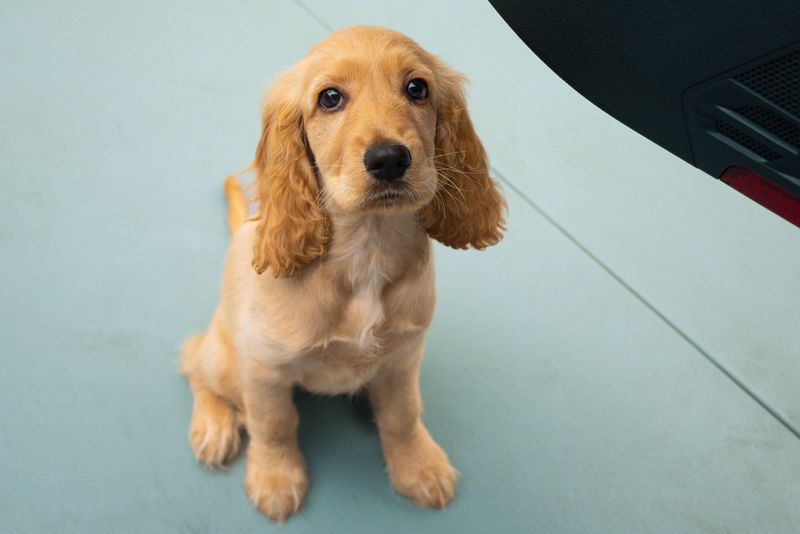
Those big, soulful eyes are not just for show. Cocker Spaniels are known for soft temperaments, and some become fearful when handled roughly.
A dog that feels constantly corrected may start guarding things or snapping out of stress. Nobody wants that.
Build trust with gentle grooming sessions, tasty rewards, and predictable routines. Handle ears and paws slowly, pairing touch with treats.
Your Cocker will relax, cooperate, and keep trying because trying feels good.
Papillon
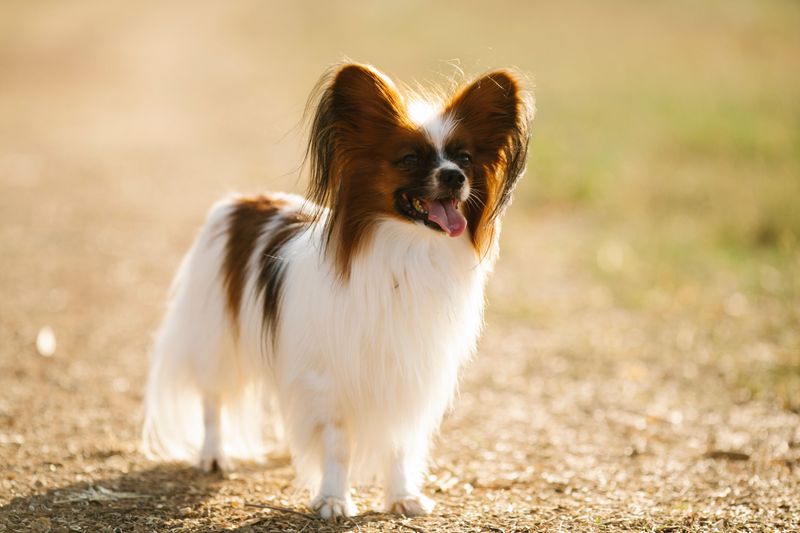
Named for the French word for butterfly, the Papillon flutters around with big ears and an even bigger brain. Tiny size, sharp mind.
Because they are small, harsh voices can feel huge and scary. Scold a Papillon too often and it may hide or refuse to play along.
Short trick sessions work wonders here. Teach spins, waves, and bows with small treats.
Papillons love showing off once they feel safe making mistakes.
Poodle
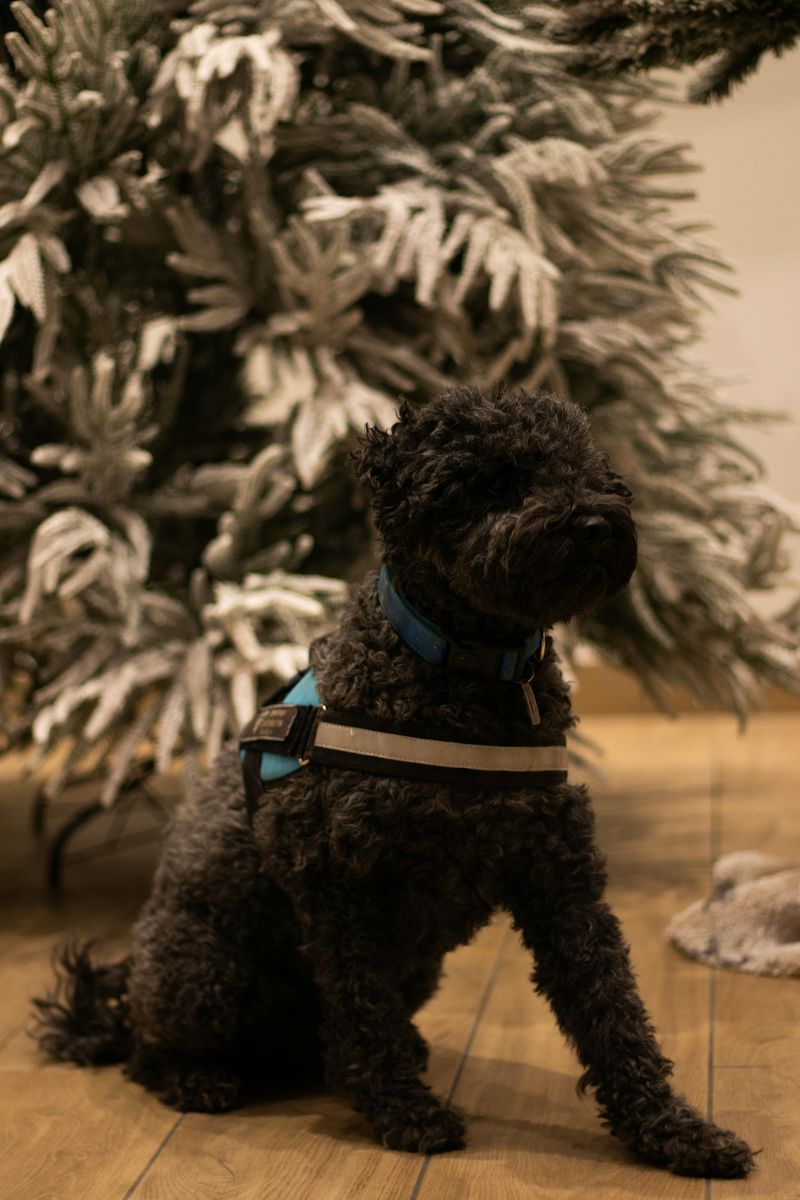
Ever met a dog that seems to understand full sentences? Poodles rank among the smartest breeds, and they are surprisingly emotional too.
Repeated corrections can make them frustrated or withdrawn. Some even refuse commands they clearly know, almost like a quiet protest.
Keep things fresh with puzzle toys and new tricks. Praise effort, not just perfection.
A Poodle that feels respected will work hard, solve problems creatively, and stay eager to learn more.
Cavalier King Charles Spaniel
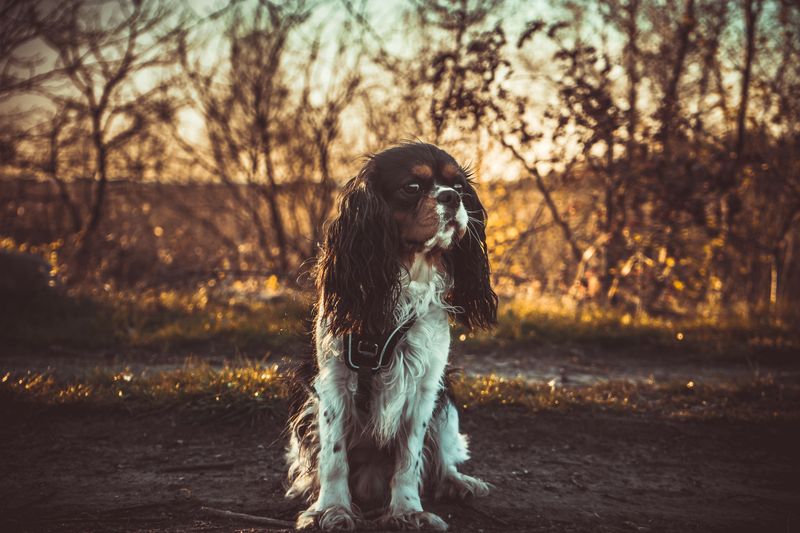
Cavaliers were once royal lap warmers in England, and they still believe your lap is their throne. Affection is their fuel.
So what happens when training becomes all corrections? Many Cavaliers simply melt into worried puddles and stop responding.
Use warm praise, cuddles, and soft treats as rewards. Keep lessons light and playful.
These sweet pups do their best learning when they feel loved, so let every session end with a snuggle.
Brittany
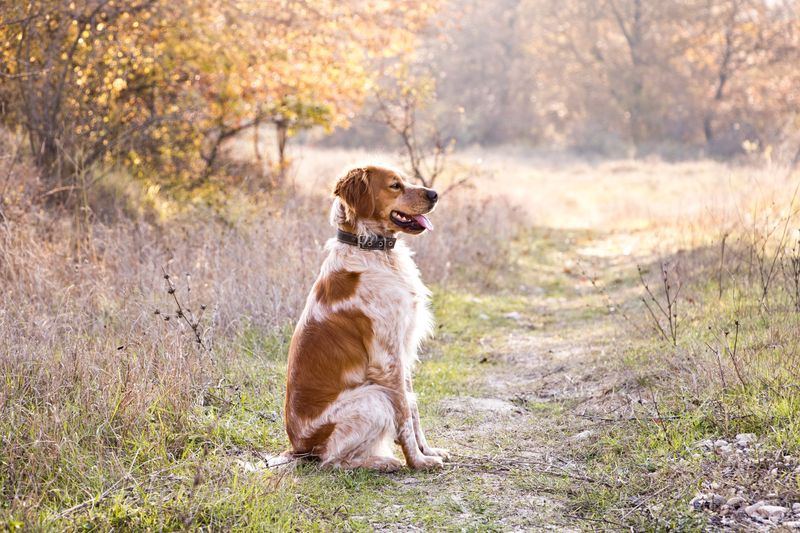
Hunters often say a Brittany is soft-hearted but tireless in the field. These French bird dogs combine huge energy with real sensitivity.
Heavy-handed corrections can make a Brittany nervous or cause it to quit working. Their confidence breaks more easily than their stamina.
Give them daily runs and structured play. Reward focus with toys or treats, and keep your voice friendly.
A trusting Brittany will cover miles for you with a wagging tail.
German Shepherd
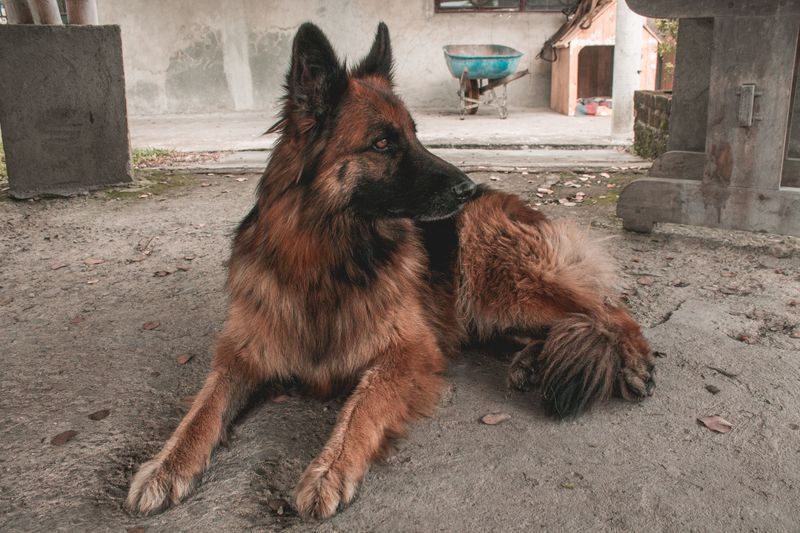
Tough police dog on the outside, loyal softie on the inside. That surprises many owners who expect German Shepherds to handle any amount of pressure.
In truth, constant corrections can create stress, confusion, or even reactive behavior. A worried Shepherd may stop offering effort.
Clear communication matters most. Show exactly what you want, reward it fast, and stay consistent.
Your Shepherd craves a fair leader, not a harsh one, and will reward you with devotion.
Havanese
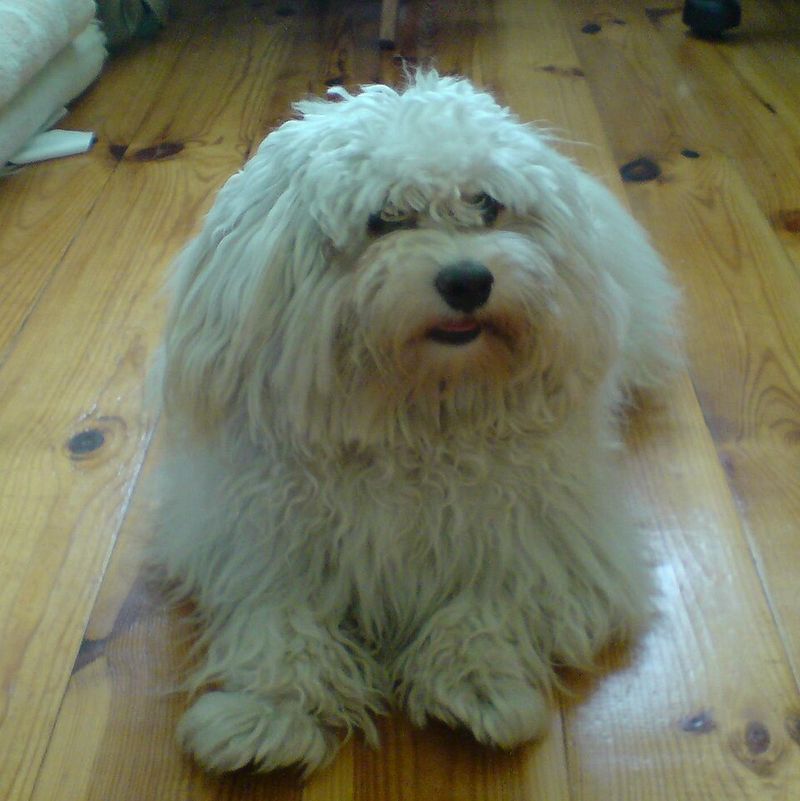
Cuba’s national dog is a little clown with a big heart. Havanese love making people laugh and sticking close to their favorite humans.
Frequent scolding can crush that playful spirit. A corrected Havanese might hide under furniture or become shy around guests.
Housetraining especially needs patience, since accidents happen. Reward outdoor potty trips with treats and cheers, and clean indoor messes quietly.
Kindness turns this comedian into a confident, well-mannered buddy.