
Some dogs look at a backyard fence and see a wall. Others look at the same fence and see a puzzle waiting to be cracked.
If you own a clever, energetic, or stubborn breed, knowing their escape habits can keep them safe from traffic and getting lost. Here are the breeds most likely to test your fence, plus tips to stay one step ahead.
Siberian Husky
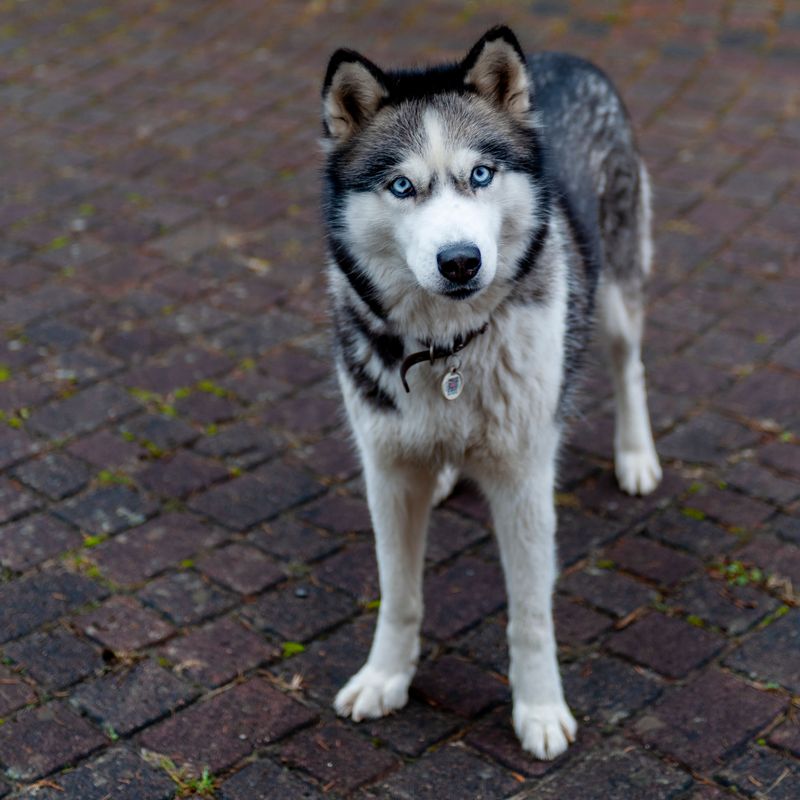
Picture a sled dog built to run for miles across snow. Now picture that same dog stuck in a quiet backyard.
You can guess what happens next.
Huskies dig, climb, and slip through gaps with amazing skill. Many owners bury chicken wire along the fence line to stop tunneling.
A six-foot fence works best. Daily runs or long hikes also help, because a tired Husky is far less likely to plan a getaway.
Alaskan Malamute
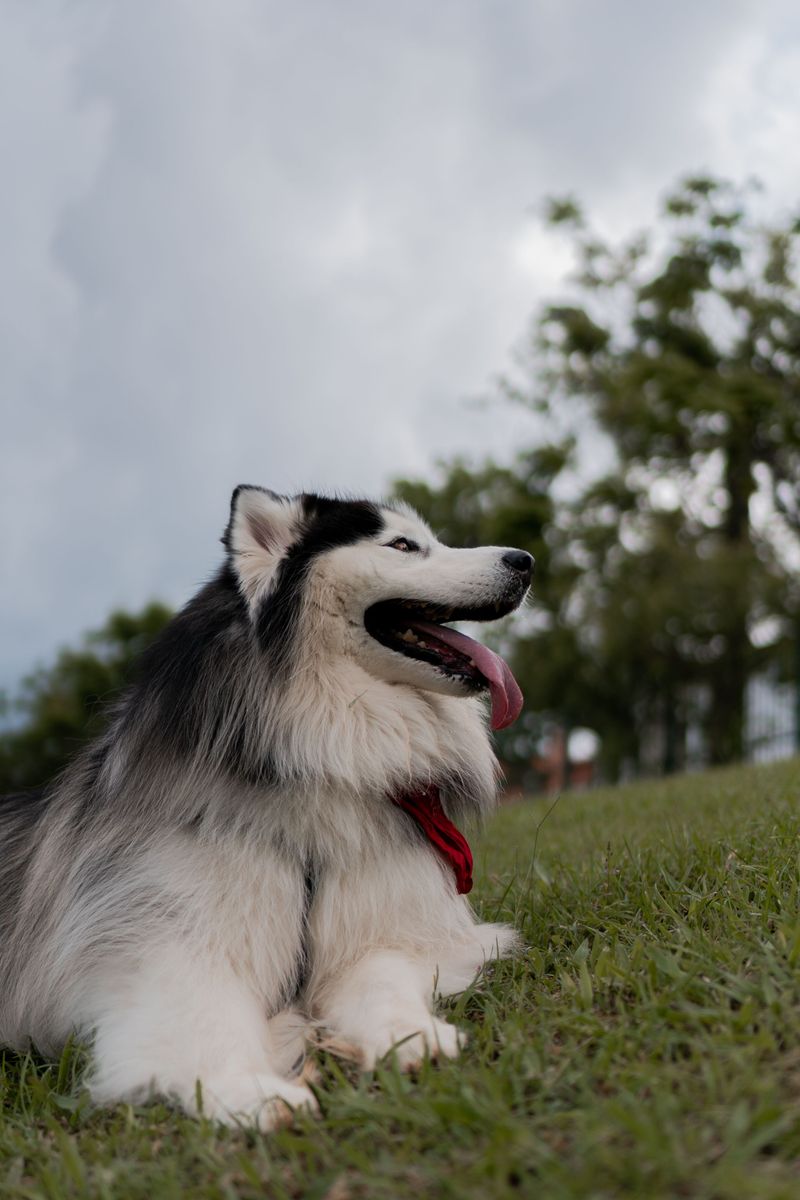
Strong enough to haul heavy freight across the Arctic, the Malamute treats a flimsy fence like a minor speed bump. These big dogs can lean, push, and simply muscle their way through weak spots.
Sturdy materials matter here. Check posts and panels often for wobbles or loose boards.
Fun fact: Malamutes are named after the Mahlemut people of Alaska, who relied on them for survival. Give them jobs like pulling carts to burn energy.
Beagle
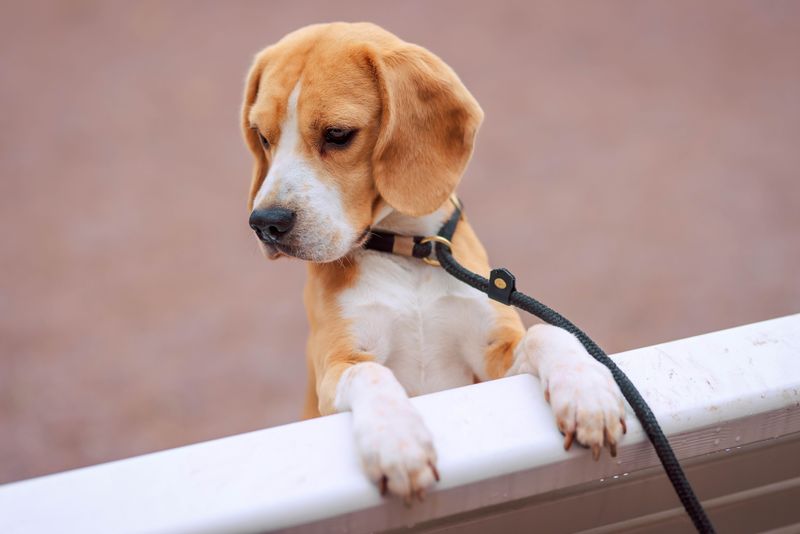
Sniff, sniff, gone! A Beagle’s nose holds around 220 million scent receptors, and one interesting smell on the other side of the fence can take over its whole brain.
Small and determined, these hounds squeeze through tiny holes and dig shallow tunnels fast. Walk your fence line weekly looking for gaps.
Microchips and ID tags are a must. Once a Beagle catches a trail, it may not hear you calling at all.
Jack Russell Terrier
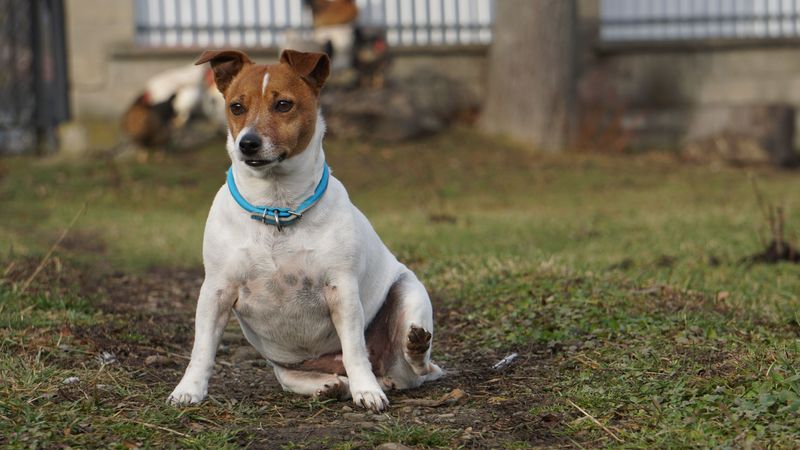
Don’t let the small size fool you. A Jack Russell can jump five feet straight up, which is roughly five times its own height!
Bred to chase foxes into burrows, these terriers also love to dig. That means you need to guard both the top and the bottom of your fence.
Puzzle toys, fetch sessions, and training games give that busy brain something better to do than planning its next great escape.
German Shorthaired Pointer
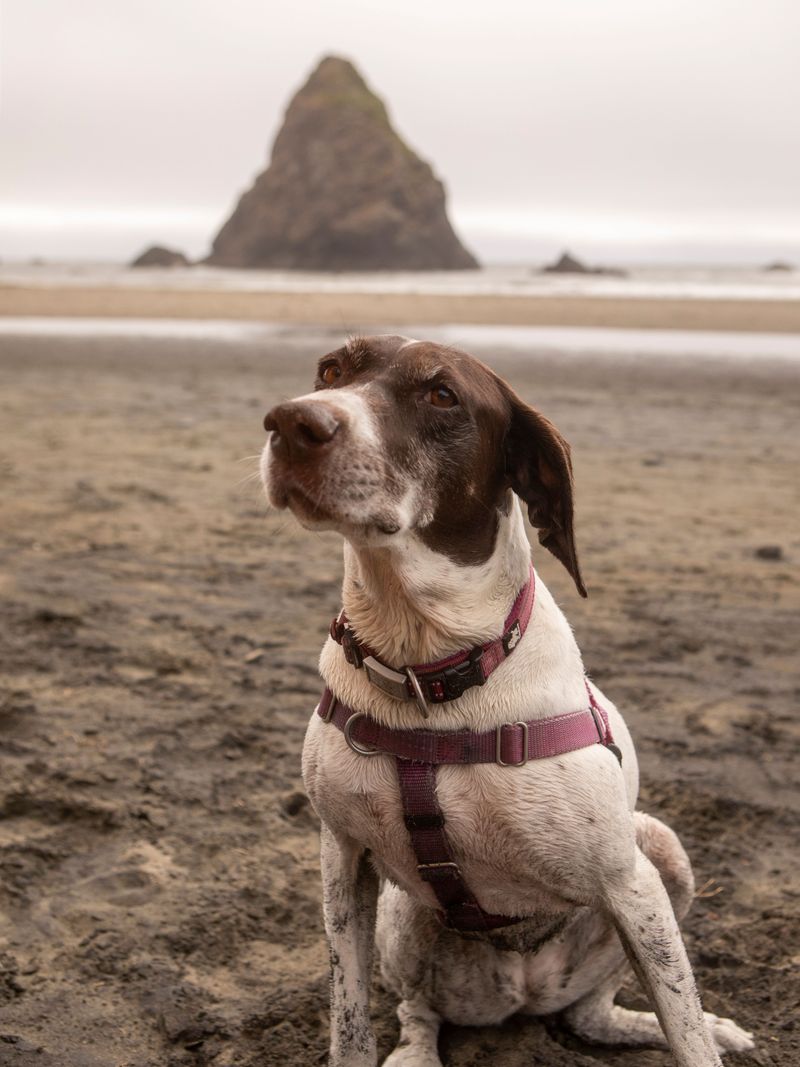
Hunters love this breed for its endless stamina in the field. At home, that same drive can turn a squirrel sighting into a fence-clearing leap.
GSPs are athletic, quick, and surprisingly good climbers. A tall fence with no footholds near the base works much better than a short one.
Honestly, the best defense is exercise. Think running, swimming, or fetch for at least an hour daily, and your pointer will happily nap instead.
Weimaraner
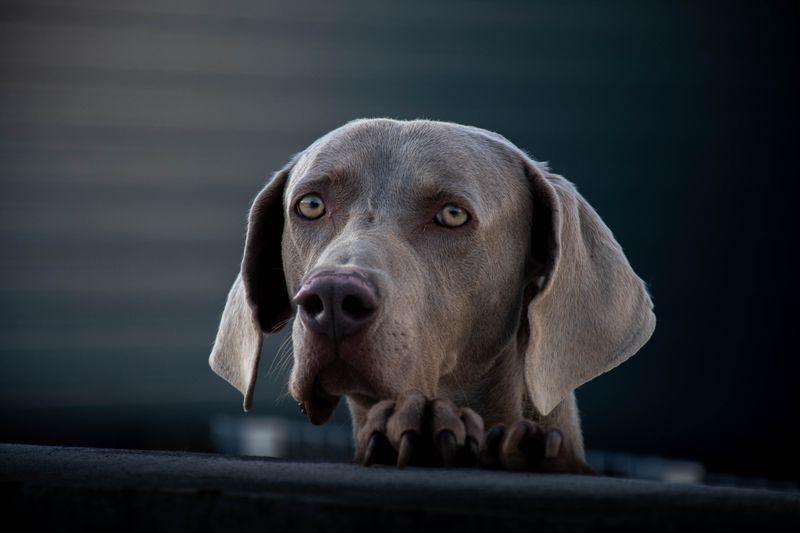
Nicknamed the Gray Ghost, the Weimaraner is famous for sticking to its people like glue. Leave one alone too long, and it might decide to come find you.
Many escapes by this breed come from separation anxiety, not wanderlust. Chewed gates and scratched boards are common clues.
Try crate training, calming toys, and short practice absences. Building confidence at home often fixes the fence problem better than adding extra height ever could.
Australian Cattle Dog
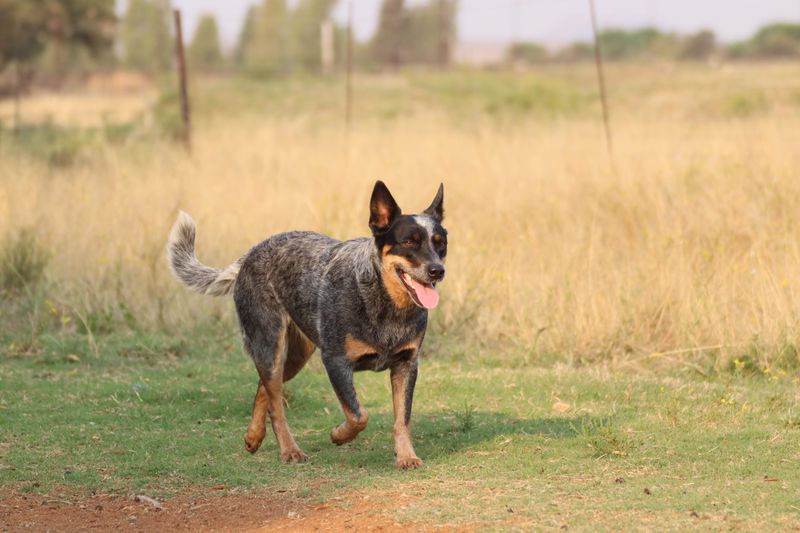
Ever seen a dog open a gate latch? Owners of Australian Cattle Dogs have, and they are rarely amused.
Bred to herd stubborn cattle over rough ranch land, these tough dogs are problem solvers by nature. They watch how you open things, then copy you.
Use latches with clips or locks. Mix in herding games, agility, or trick training so that sharp mind stays busy with approved challenges instead of sneaky ones.
Border Collie
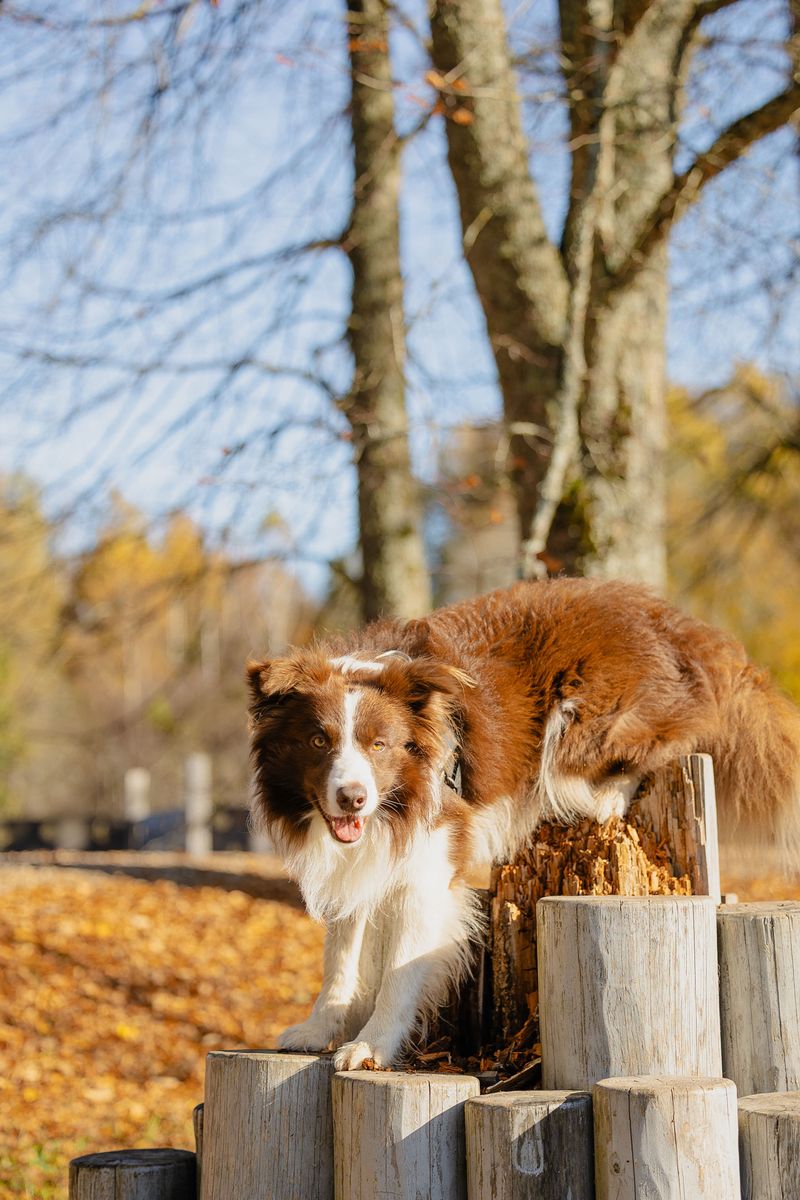
Often called the smartest dog breed around, the Border Collie can learn hundreds of words. Sadly, it can also learn exactly where your fence is weakest.
Moving things set off its herding instincts. Cars, bikes, and running kids may tempt it to hop over and gather them up.
Give it work every single day. Frisbee, herding lessons, or learning new tricks keep this genius pup focused and happy inside the yard.
Shiba Inu
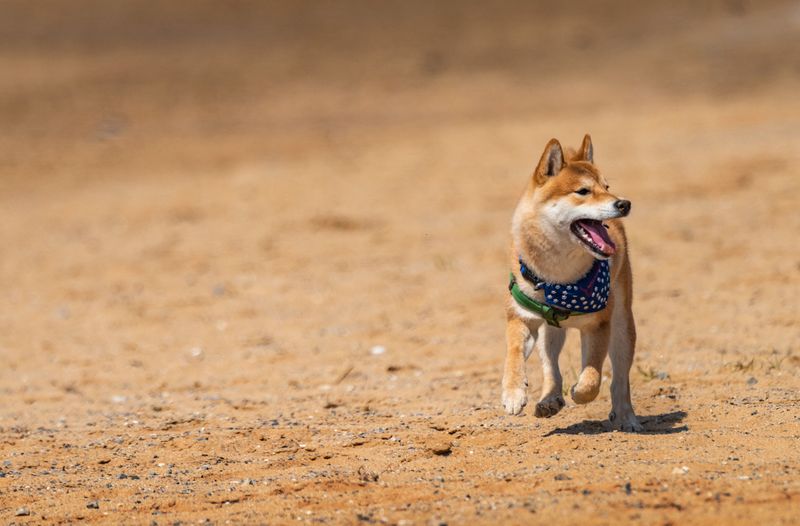
Cat-like and cool, the Shiba Inu does what it wants, when it wants. Recall training?
Maybe, if it feels like listening that day.
This ancient Japanese breed is quick and nimble. Owners often joke about the Shiba 500, a wild sprint that ends wherever the dog decides.
Keep gates closed tight and teach family members to check them. For walks, use a secure harness, since Shibas can wiggle free from collars.
Great Pyrenees
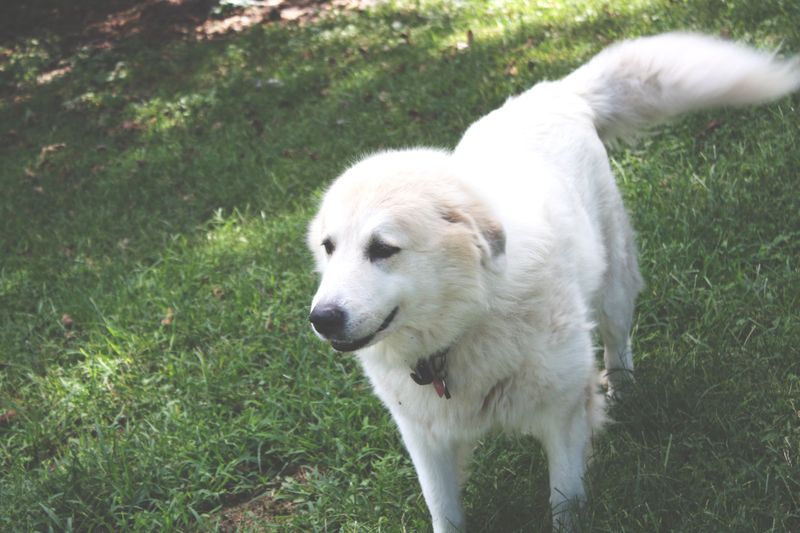
For centuries, shepherds in the Pyrenees Mountains trusted these gentle giants to guard flocks from wolves. Their job was to patrol wide areas alone.
So when a Pyr pushes past your fence, it may just be expanding its territory. They think bigger land means better protection.
Solid, tall fencing is key, and invisible fences rarely work with this breed. Night walks around the yard can satisfy its strong urge to patrol.