Some dogs do much more than fetch a ball or nap on the couch. Across history, certain breeds have pulled people from icy water, guided people who cannot see, and found lost hikers in the dark.
Their hard work has saved lives and made daily life easier for millions of families. Meet the breeds behind these amazing stories, plus two quieter helpers who often get overlooked.
German Shepherd: The Original Guide Dog
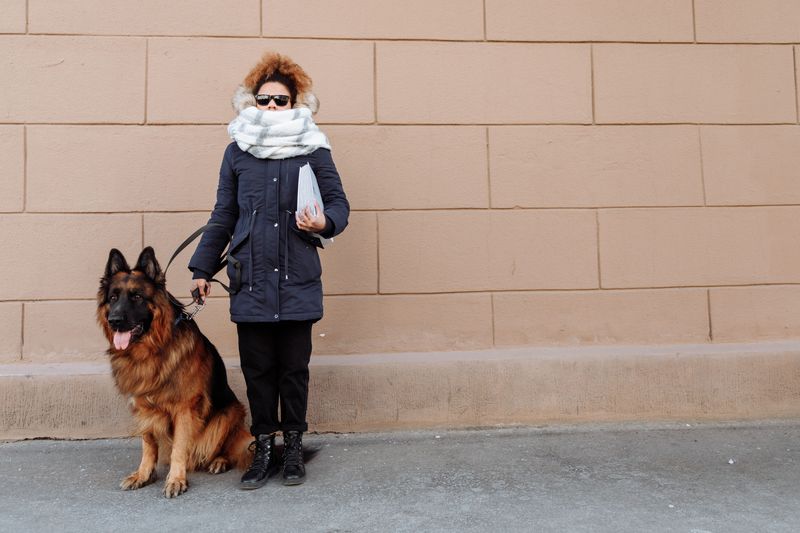
Back in 1929, a German Shepherd named Buddy helped launch the first guide dog school in America. Her owner, Morris Frank, proved that a blind person could travel freely with a trusted canine partner.
Today, these smart and loyal dogs still guide people, sniff out danger, and serve with police teams worldwide.
They need daily exercise and mental puzzles, so a bored Shepherd at home may start chewing your shoes instead.
Labrador Retriever: Helper With a Happy Tail
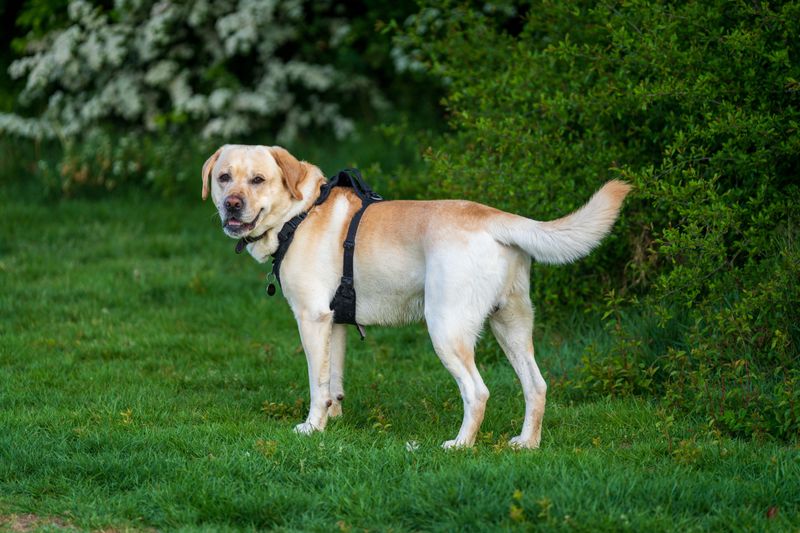
Did you know the Labrador Retriever actually comes from Newfoundland, not Labrador? Fishermen there used these dogs to haul nets and grab fish from chilly water.
Now Labs are the most popular service dogs on the planet. They open doors, fetch dropped items, and even warn owners about low blood sugar.
Their love of food makes training easy. Just watch the treats, because a chubby Lab moves slower on the job.
Golden Retriever: Sunshine for Hard Days
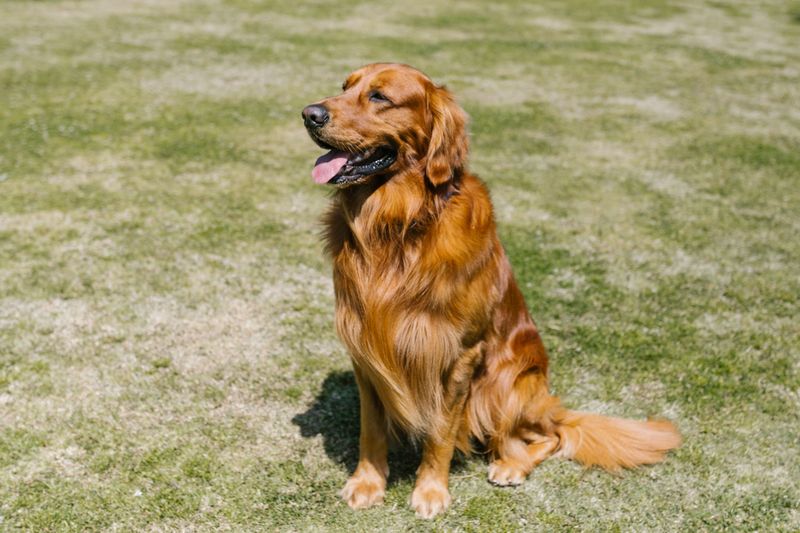
Picture a scared kid in a hospital bed. Then a fluffy Golden Retriever walks in, and suddenly everyone is smiling.
Goldens shine as therapy dogs in schools, hospitals, and disaster zones. After major tragedies, comfort dog teams have visited grieving communities to ease their pain.
Their soft mouths were bred to carry ducks without a scratch. That same careful touch makes them calm, steady friends for nervous people of every age.
Newfoundland: Lifeguard in a Fur Coat
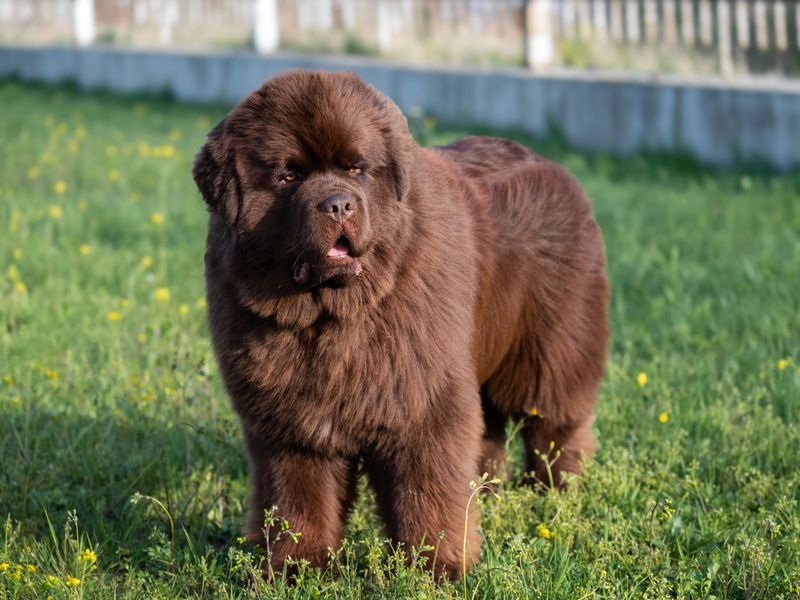
With webbed feet and a waterproof coat, the Newfoundland was practically built for rescue. These giants can tow a drowning swimmer, or even a small boat, back to shore.
History says a Newfie helped save Napoleon when he slipped into rough seas. True or not, water rescue teams in Italy still train them today.
Thinking of owning one? Get ready for drool, lots of brushing, and a dog that may weigh more than you.
Saint Bernard: Hero of the Snowy Alps
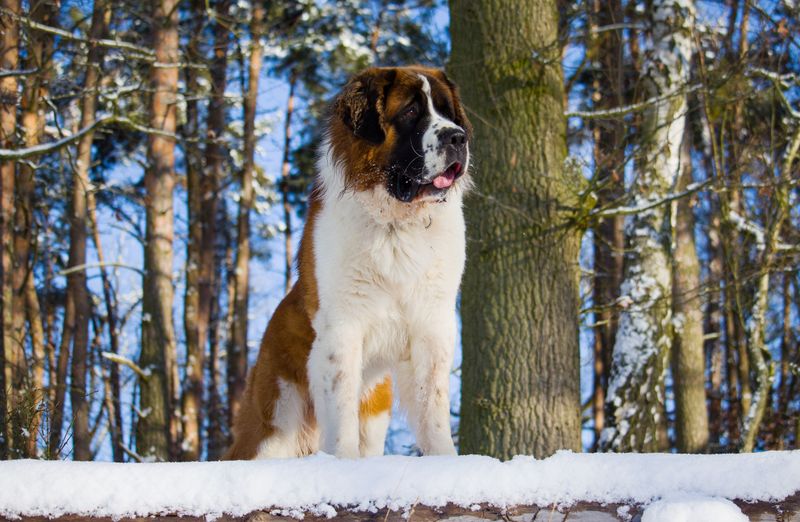
High in the Swiss Alps, monks at the Great Saint Bernard Hospice raised big dogs to find travelers trapped in snow. One famous dog, Barry, is said to have rescued more than 40 people in the early 1800s.
Their thick paws and strong noses let them plow through drifts others could not.
Fun fact: the little barrel around their necks is mostly a legend. Real rescue dogs carried no brandy at all.
Bloodhound: A Nose That Never Quits
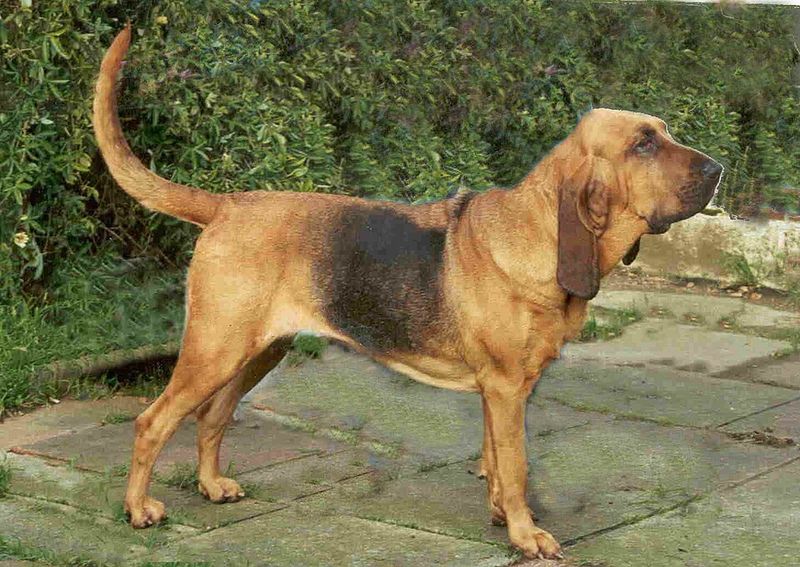
Around 300 million scent receptors sit inside a Bloodhound’s nose. Compare that to about 6 million in yours, and you see why they are tracking champions.
These droopy-faced dogs can follow a trail that is days old. Courts in the past even accepted their findings as evidence.
Their long ears sweep smells toward the nose while they work. Today they find lost kids, missing hikers, and confused older adults who wander away.
Border Collie: The Farmer’s Genius Partner
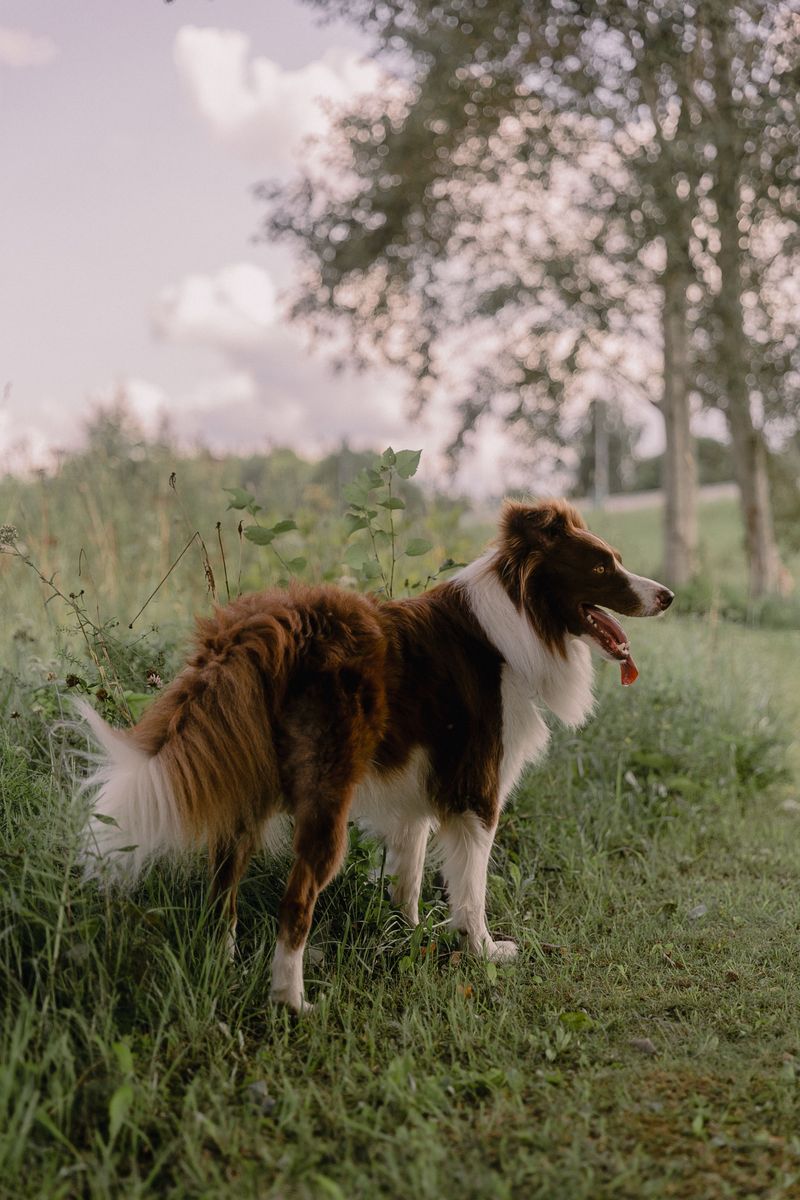
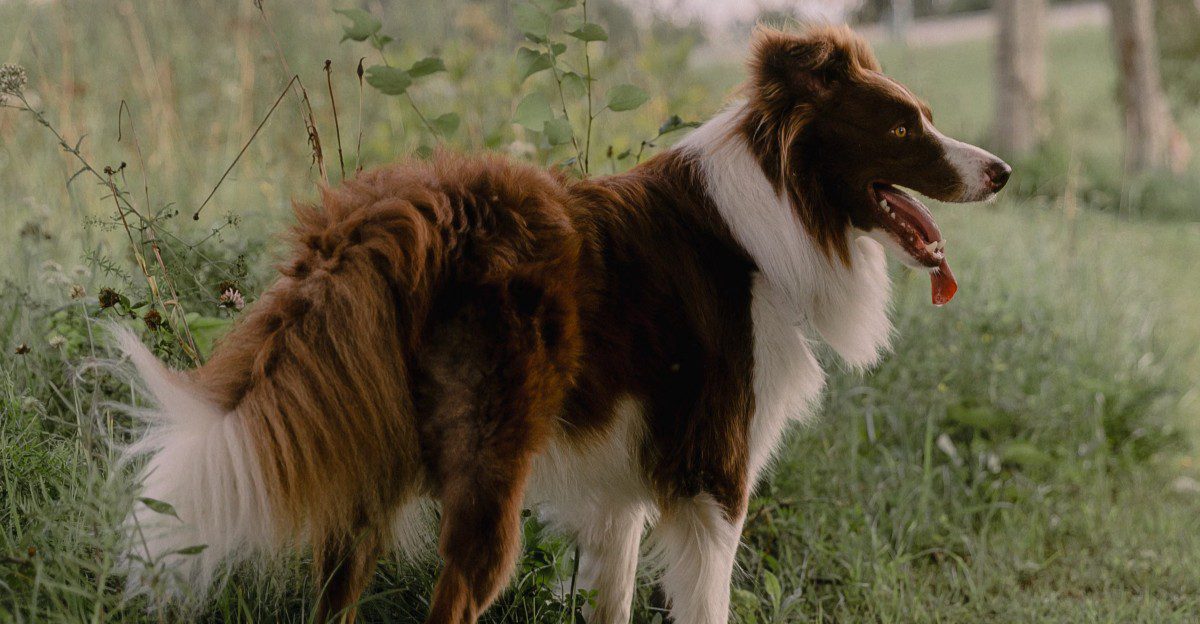
Give a Border Collie nothing to do, and it will invent a job, like herding your cat. Many experts call this the smartest breed alive.
For centuries, farmers on the Scottish and English border relied on them to move huge flocks over rough hills. One dog can do the work of several people.
A Collie named Chaser even learned over 1,000 toy names. Keep their minds busy with games, or expect mischief.
Siberian Husky: Racing Against Time
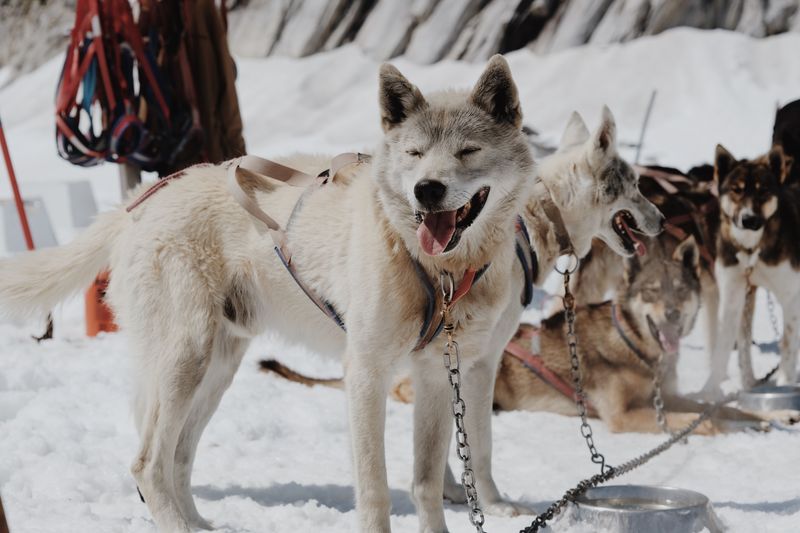
In 1925, a deadly sickness struck Nome, Alaska, and medicine was hundreds of miles away. Sled dog teams, many of them Huskies, raced through blizzards to deliver it.
Balto and Togo became heroes, and that run inspired the famous Iditarod race.
Huskies were bred by the Chukchi people of Siberia to pull light loads far on little food. At home, they love to run, dig, and howl, so a tall fence helps.
Belgian Malinois: Courage on Four Legs
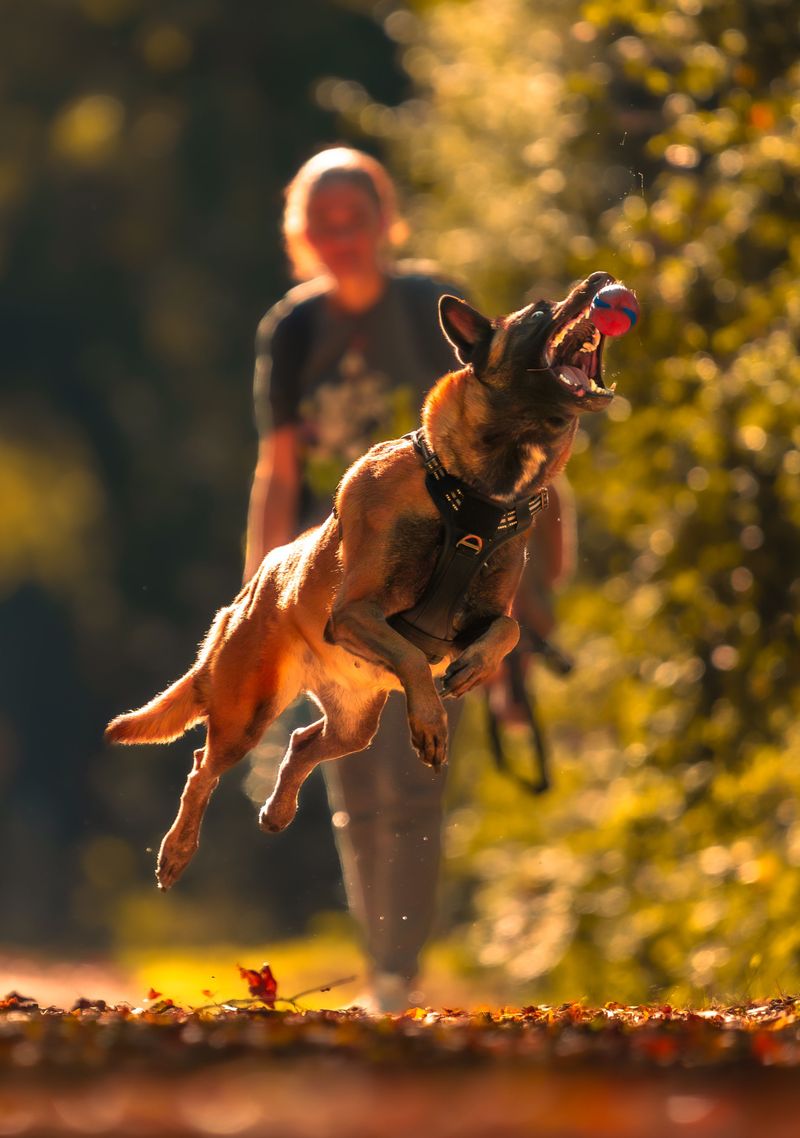
Lean, fast, and fearless, the Belgian Malinois is the dog special forces trust. One named Cairo joined the 2011 Navy SEAL mission that found Osama bin Laden.
They also sniff out bombs at airports and protect soldiers overseas, keeping many people out of harm’s way.
Honestly, they are a lot of dog for most homes. Without serious training and hours of activity, their energy can turn into nonstop trouble.
Australian Cattle Dog: Tough as the Outback
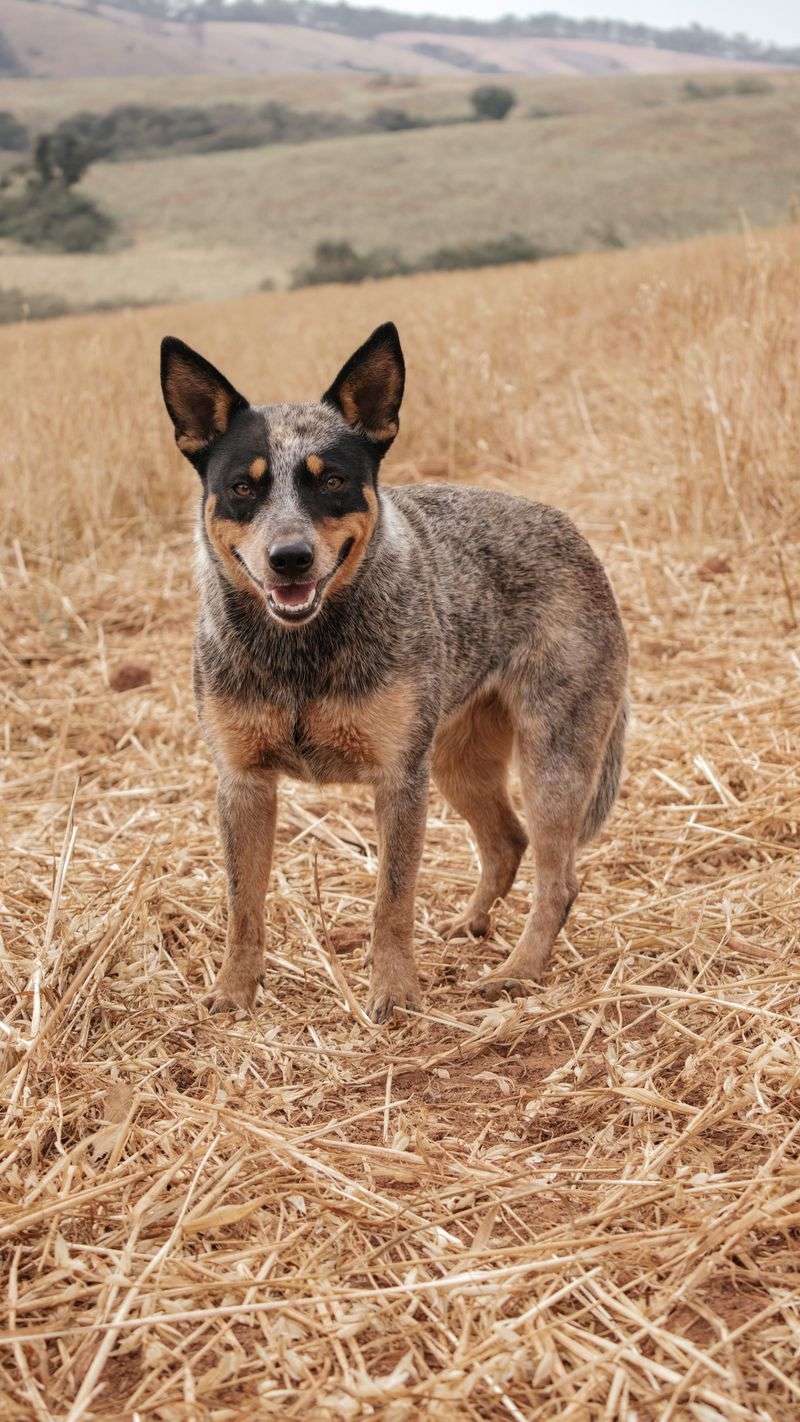
Australian ranchers in the 1800s needed a dog that could handle heat, dust, and stubborn cattle. They mixed tough herding dogs with wild dingoes and got the Cattle Dog.
These heelers nip at cows’ heels to keep herds moving, helping build Australia’s beef industry.
An Aussie Cattle Dog named Bluey lived 29 years, one of the oldest dogs ever recorded. Give them work, and they will stay loyal and busy forever.
Rottweiler: Strength With a Soft Side
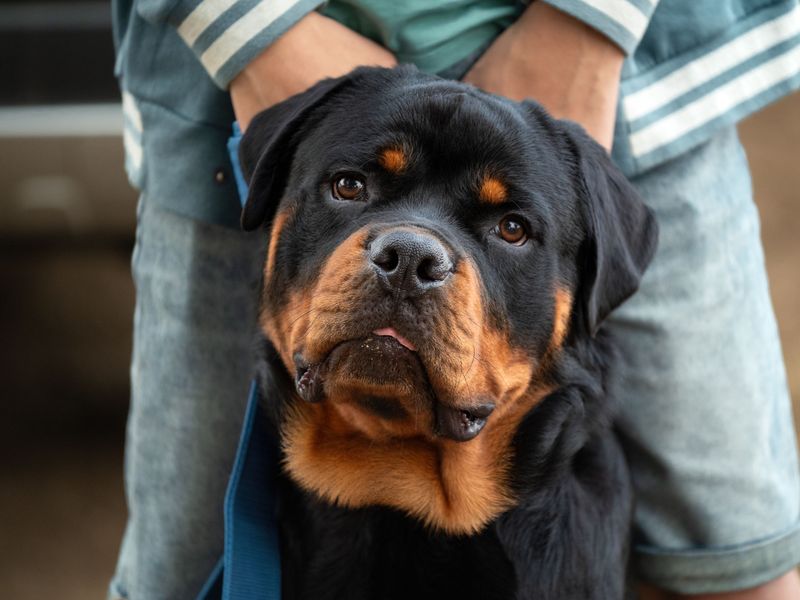
Long ago, Roman armies marched with dogs that herded cattle for food. Their descendants in Rottweil, Germany, later pulled butchers’ carts to market.
Today Rottweilers serve as police dogs, search helpers after earthquakes, and even therapy visitors. Their power is matched by a calm, devoted heart.
Early training and meeting lots of people help them grow into confident pets. A well-raised Rottie is often a big goofy cuddle bug.
Standard Poodle: More Than a Fancy Haircut
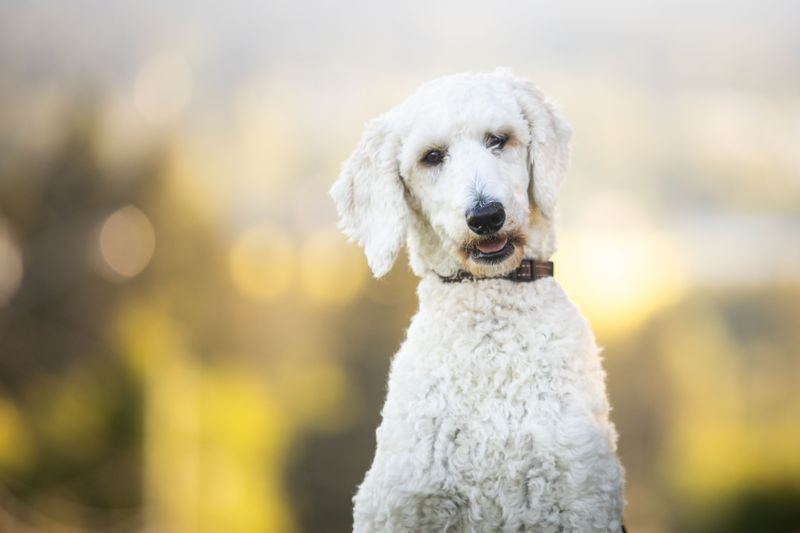
Forget the puffy show cuts for a second. Poodles started as water retrievers in Germany, and that funny trim once kept their joints warm while swimming.
Brilliant and eager, Standard Poodles now work as service dogs, especially for people with allergies, since they shed very little.
Some even help kids with autism stay calm in busy places. Plan on regular grooming, because that curly coat keeps growing nonstop.
English Springer Spaniel: The Busy Little Sniffer
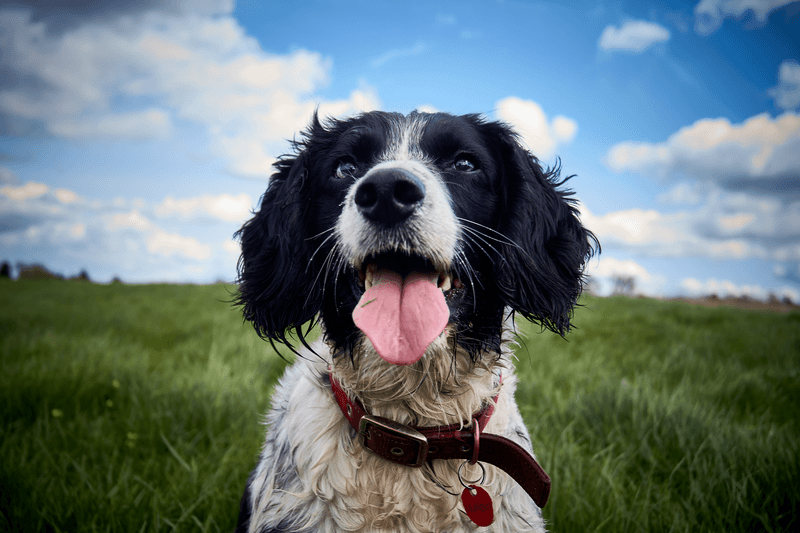
Quiet helper number one is always wagging. English Springer Spaniels may look sweet, but their noses are serious tools.
Police and border teams use them to find drugs, explosives, and hidden cash. After the 9/11 attacks, a Springer named Jake searched the rubble for survivors.
Their small size lets them squeeze into tight spots bigger dogs cannot reach. At home, long walks and sniffing games keep them happy and tired.
Bernese Mountain Dog: The Gentle Cart Puller
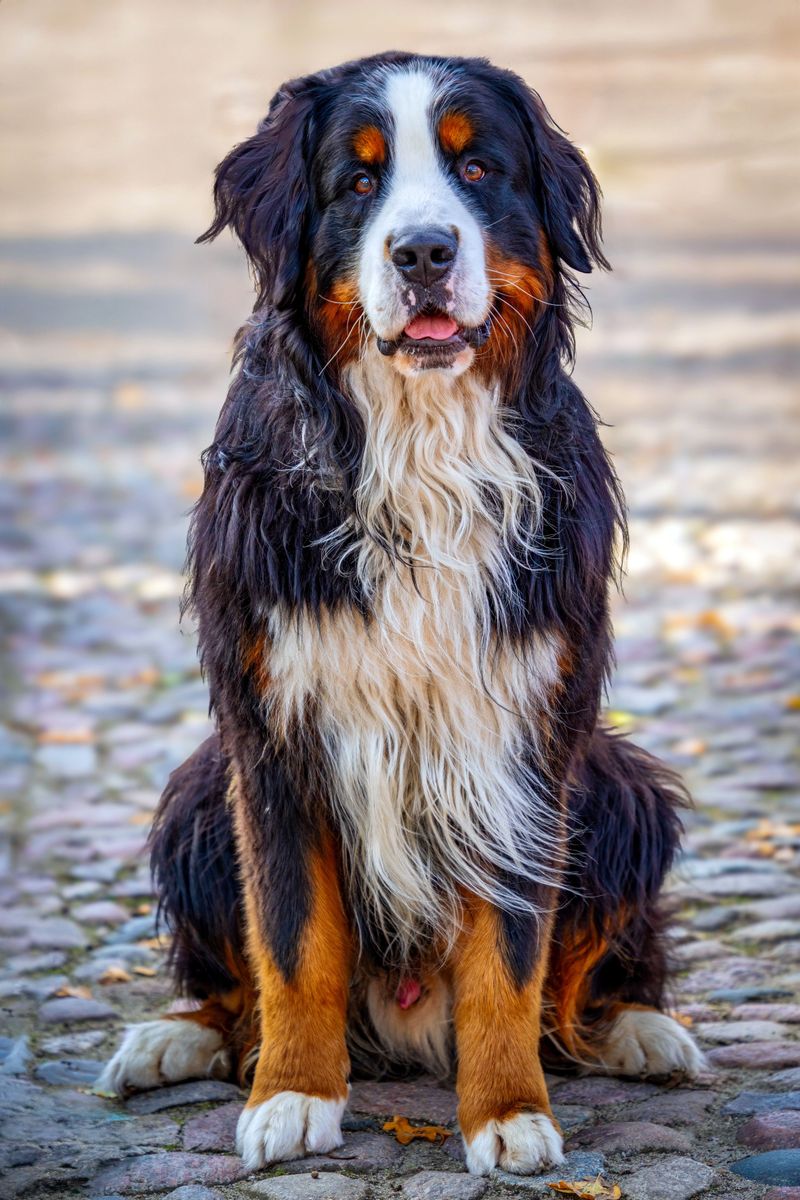
Quiet helper number two comes from Swiss farms, where tricolor giants pulled carts of milk and cheese to town. Without them, many small farmers could not have sold their goods.
Now Berners bring their calm warmth to therapy work, cheering patients and lonely seniors.
Sadly, they often live only seven to ten years, so every day counts. Keep them cool in summer, since that heavy coat was made for snow.