
Some dogs get a bad reputation before they ever wag a tail. People see big muscles, a deep bark, or a tiny body and decide what that dog must be like.
The truth is often much kinder, sillier, and more surprising. Here are breeds that break their stereotypes, plus two that really do need an expert owner.
Rottweiler: The Gentle Bodyguard
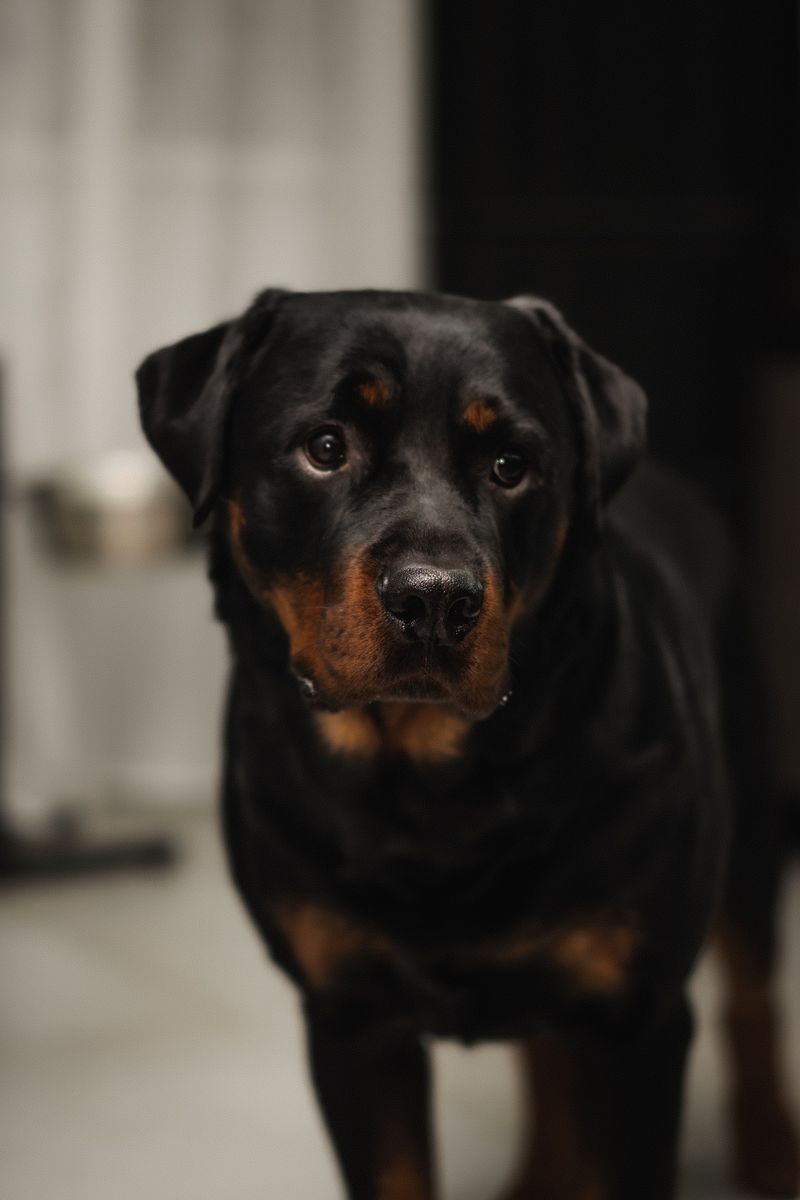
Picture a 100-pound dog leaning against your legs, begging for a belly rub. That is everyday life with many Rottweilers.
Their tough look hides a goofy, loving heart.
Bred to herd cattle and guard butchers’ money in Germany, they are loyal and smart. With early training and plenty of meeting new people, most become calm, steady family members.
Give them a job, like fetching or learning tricks, and they shine.
Doberman Pinscher: A Velcro Dog in Disguise
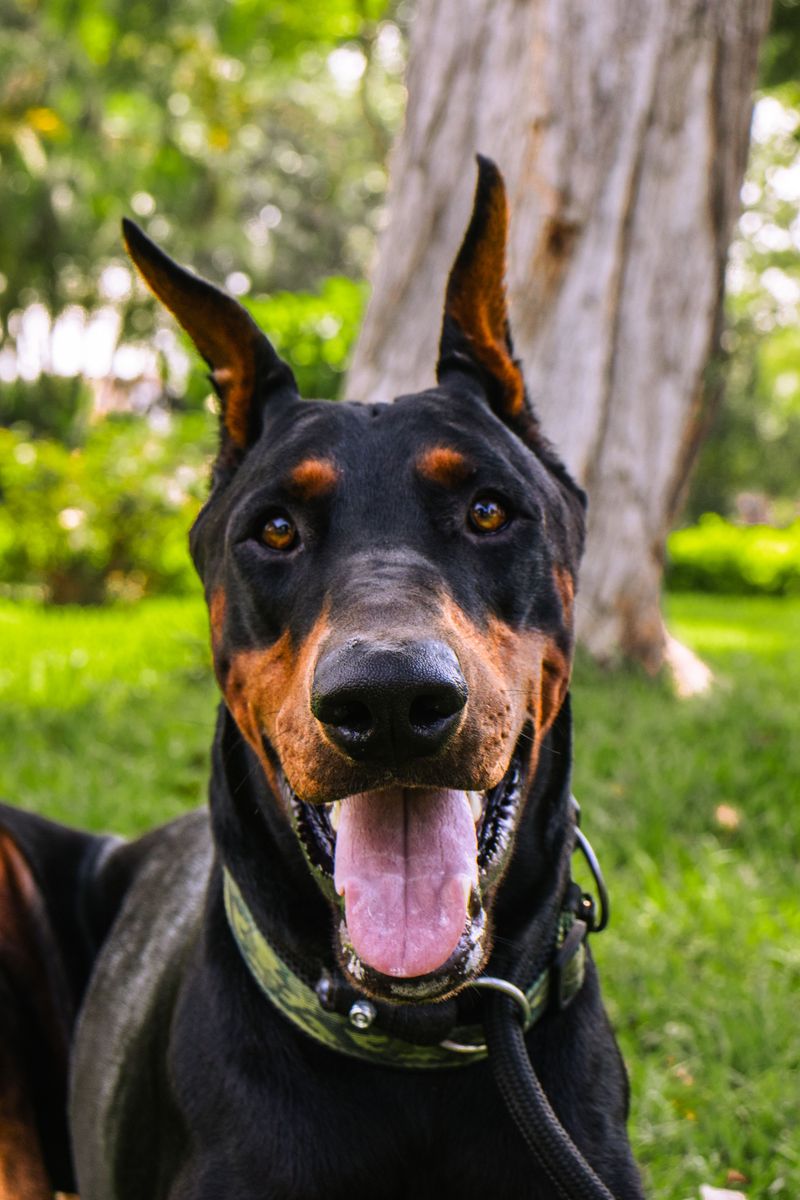
Movies love casting Dobermans as snarling villains. Real owners laugh at that, because their dogs follow them from room to room like shadows.
A tax collector named Louis Dobermann created the breed in the 1890s for protection. Today’s Dobermans are usually sensitive and eager to please.
Harsh words can actually hurt their feelings.
Positive training, daily runs, and couch cuddles keep them happy. Expect a dog who wants to be close, always.
Greyhound: Fast Legs, Lazy Days
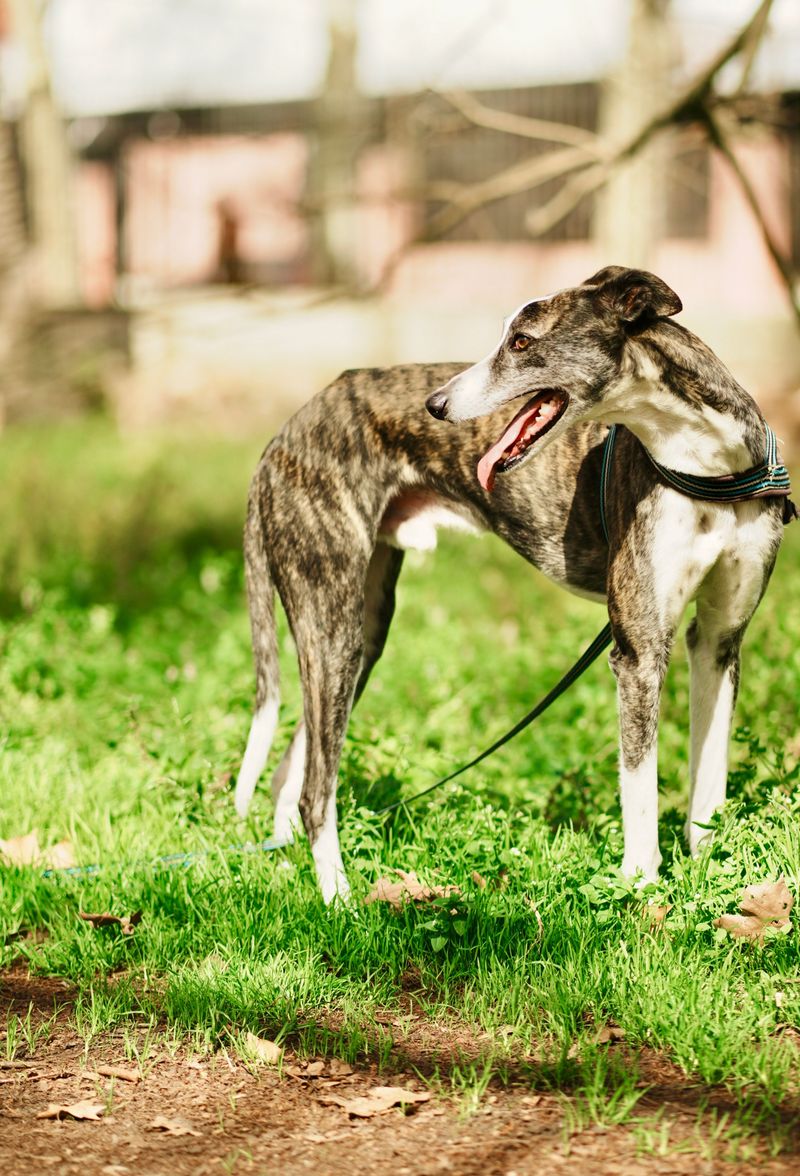
Here is a fun fact: the fastest dog on Earth is often called a 45-mph couch potato. Greyhounds can sprint like race cars, but only for short bursts.
After a quick zoom, most spend the day snoozing, sometimes upside down. Many retired racers fit nicely into apartments.
A few tips help. Use a secure leash, since they chase small animals, and offer a soft bed for those bony hips.
Great Dane: A Giant Who Thinks It’s a Lapdog
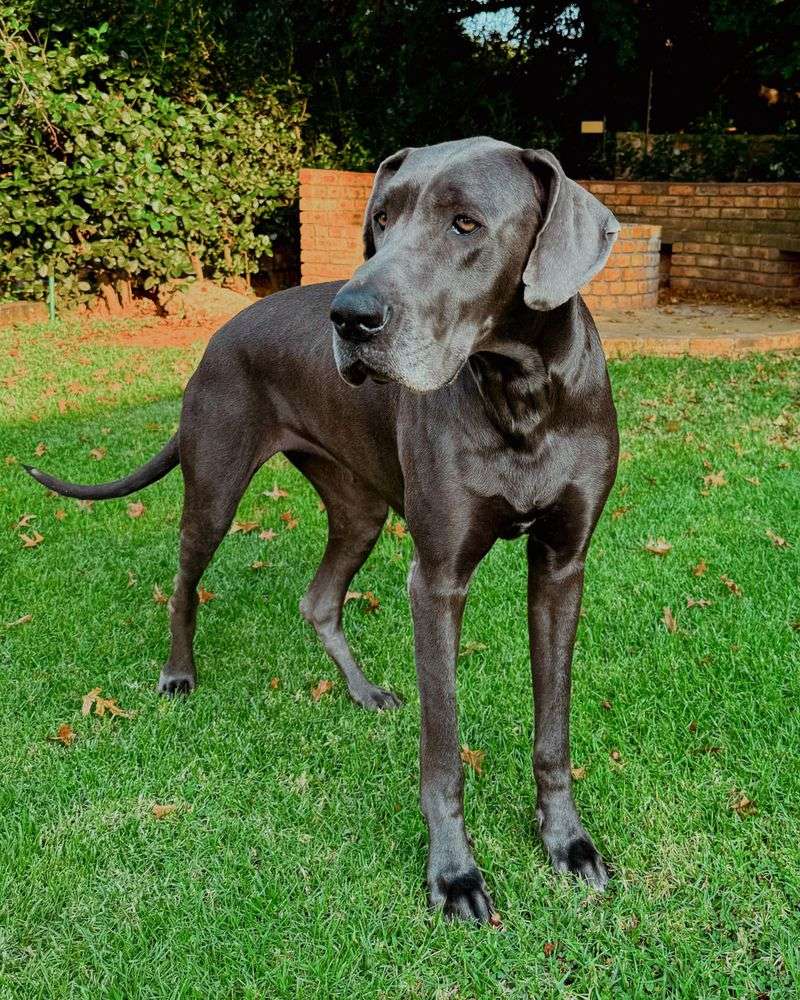
Ever seen a dog the size of a pony try to climb onto your lap? Great Dane owners see it all the time.
These giants look scary, yet most are sweet, polite, and a bit shy. They usually do not need hours of exercise, just steady walks and room to stretch.
Plan ahead, though. Food bills are big, and lifespans are short, often around 8 to 10 years.
Every year counts.
Boxer: Forever a Clown
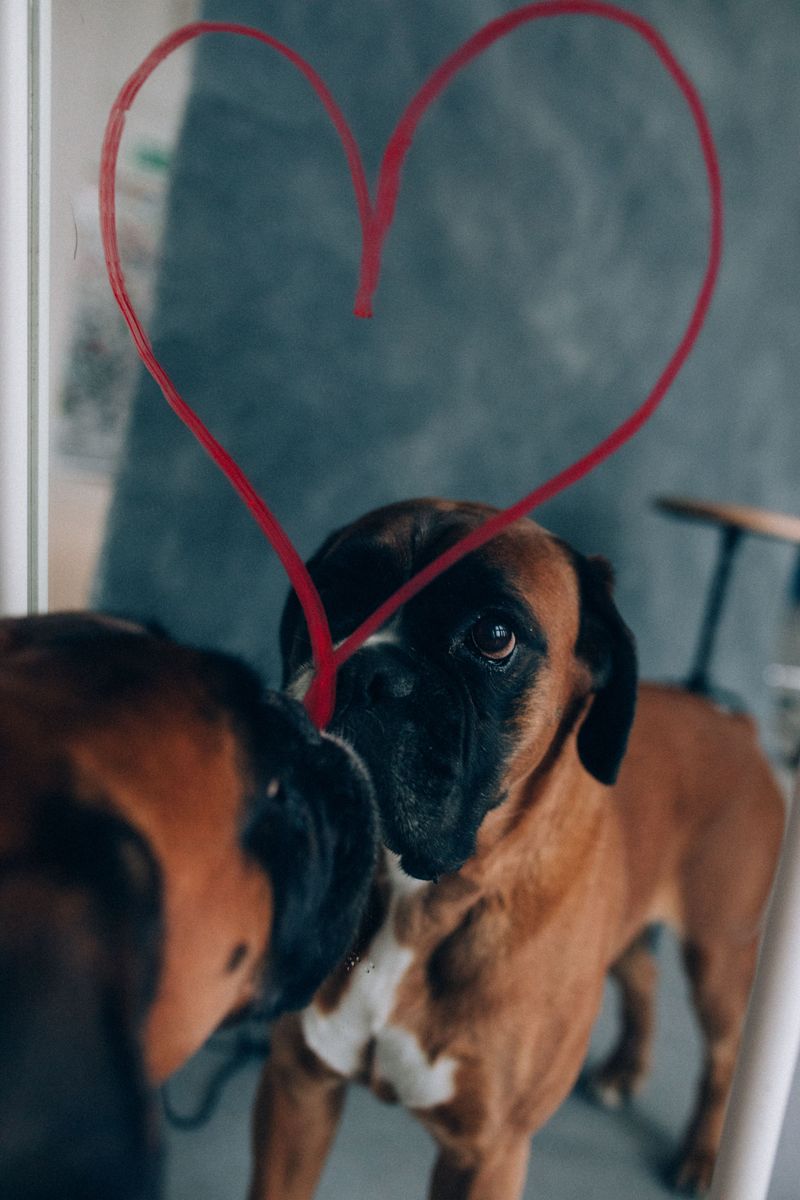
Boxers got their name, some say, from the way they bat with their front paws during play. It is more silly than scary.
That muscular body and pushed-in face can look tough. Inside is a bouncy kid who never quite grows up, even at age eight.
Families who love games will adore them. Just teach polite greetings early, because a happy Boxer jumping up can knock over little ones by accident.
American Staffordshire Terrier: Big Smile, Bigger Heart
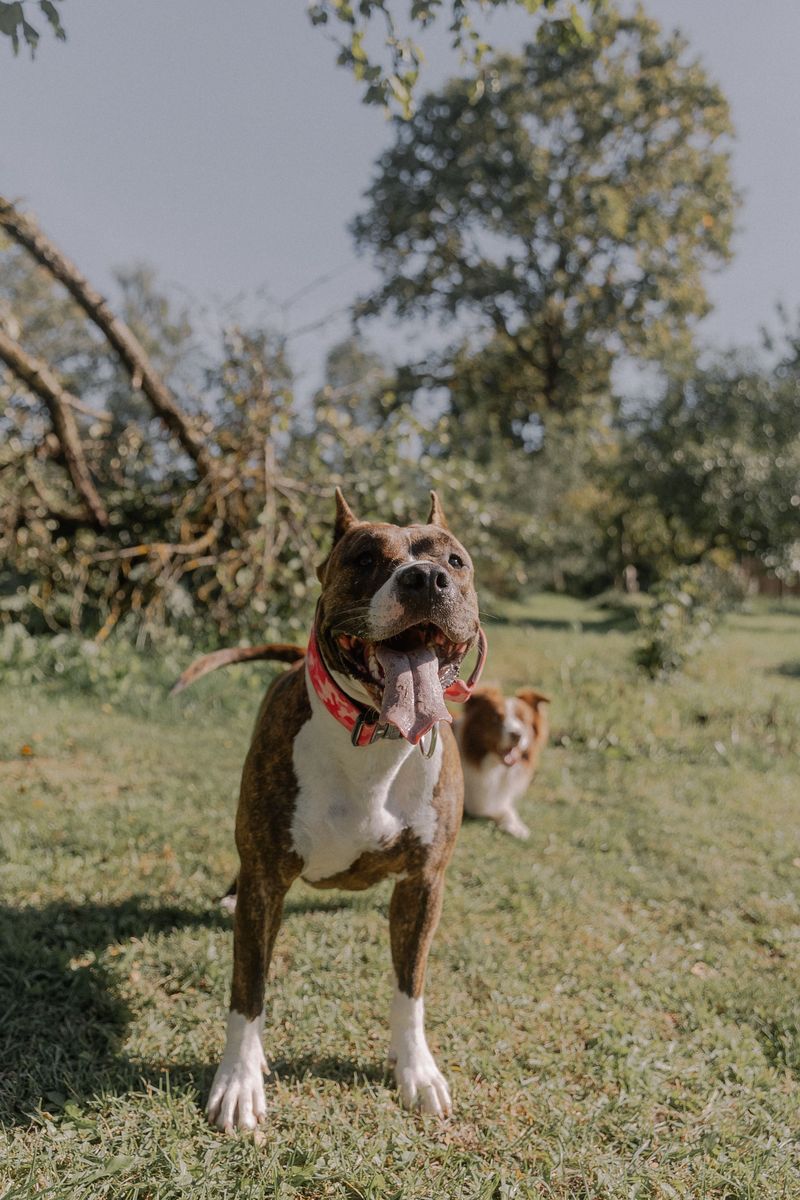
Ask an AmStaff owner to describe their dog, and you will probably hear the word wiggly. Their whole body seems to wag when they meet a friend.
Sadly, they face strong myths about being aggressive. Many score well on temperament tests, showing friendly, people-loving personalities.
Like any strong dog, they need firm but kind training. Some may not enjoy other dogs, so introduce new pups slowly and watch their body language.
Chihuahua: Not Just a Purse Accessory
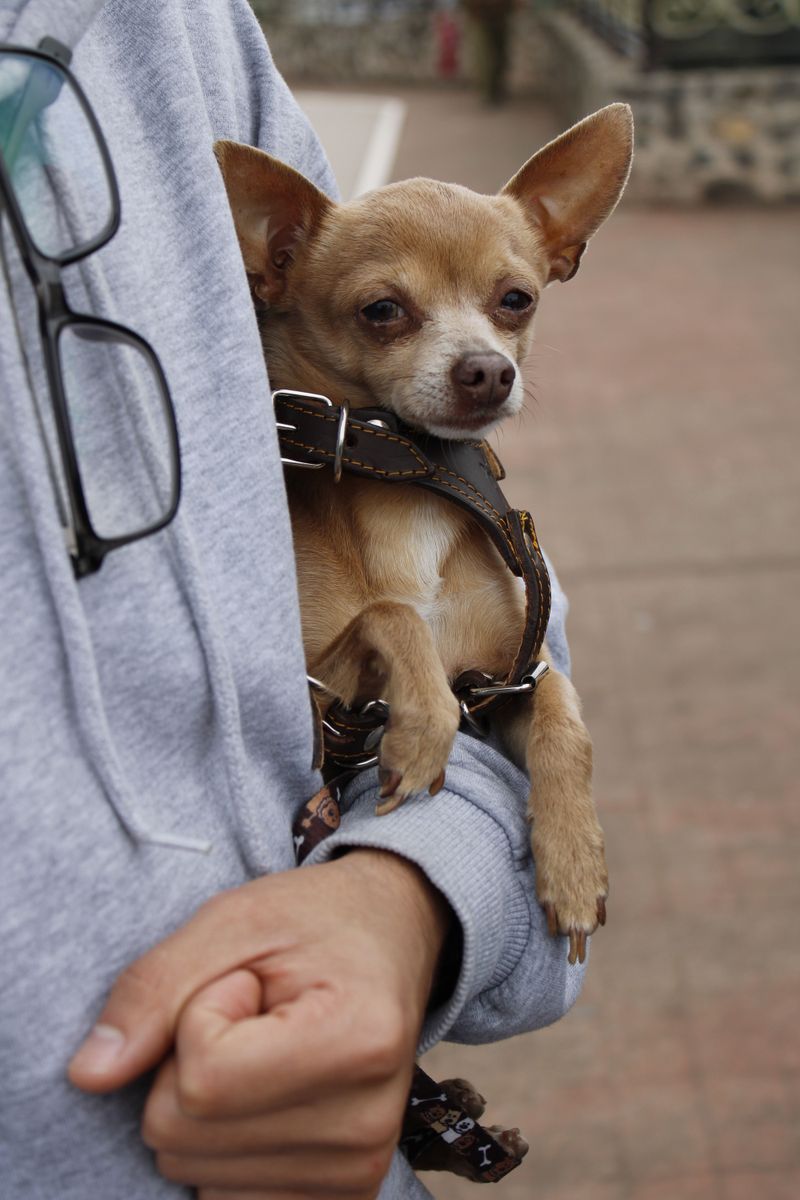
Tiny dog, tiny brain? Not even close.
Chihuahuas are clever, brave, and can learn agility, tricks, and even hiking.
Their snappy reputation often comes from being carried everywhere and never trained. Treat them like real dogs, with rules and walks, and they relax.
Did you know? They are named after a state in Mexico.
Bonus tip: keep a sweater handy, since their little bodies get cold fast.
Poodle: Athlete Under the Curls
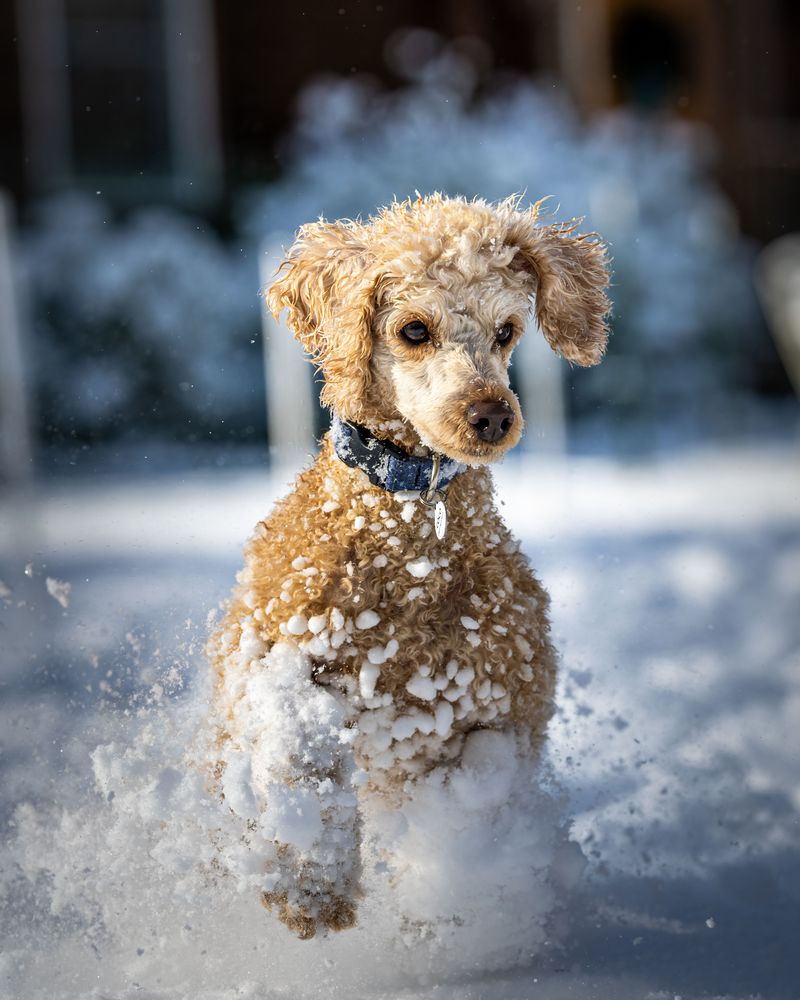
Fancy haircuts make people think Poodles are snobby show dogs. Surprise: they were bred in Germany to fetch ducks from cold water.
That famous pom-pom style once kept joints warm while swimming. Today’s Poodles are sporty, very smart, and silly at home.
Brains this big need puzzles and training games. Grooming every few weeks is a must, but the low-shedding coat is a bonus for many allergy sufferers.
Bullmastiff: The Quiet Night Watchman
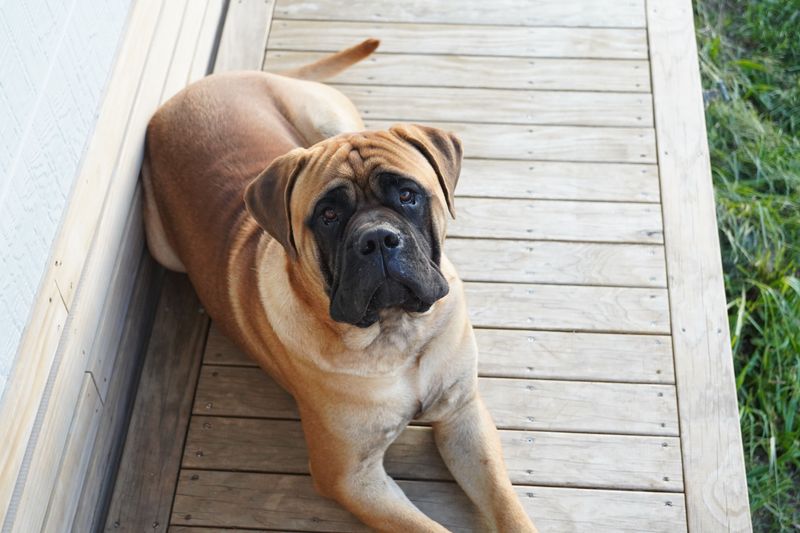
Back in 1800s England, gamekeepers needed a silent dog to stop poachers. The Bullmastiff was the answer.
Many expect a loud, wild guard. Instead, you often get a calm, low-energy snuggler who barely barks.
Most would rather nap by your feet than patrol.
Keep towels nearby, because drool happens. Training early matters too, since a stubborn 120-pound dog is hard to move once it sits down.
German Shepherd: Softie With a Badge
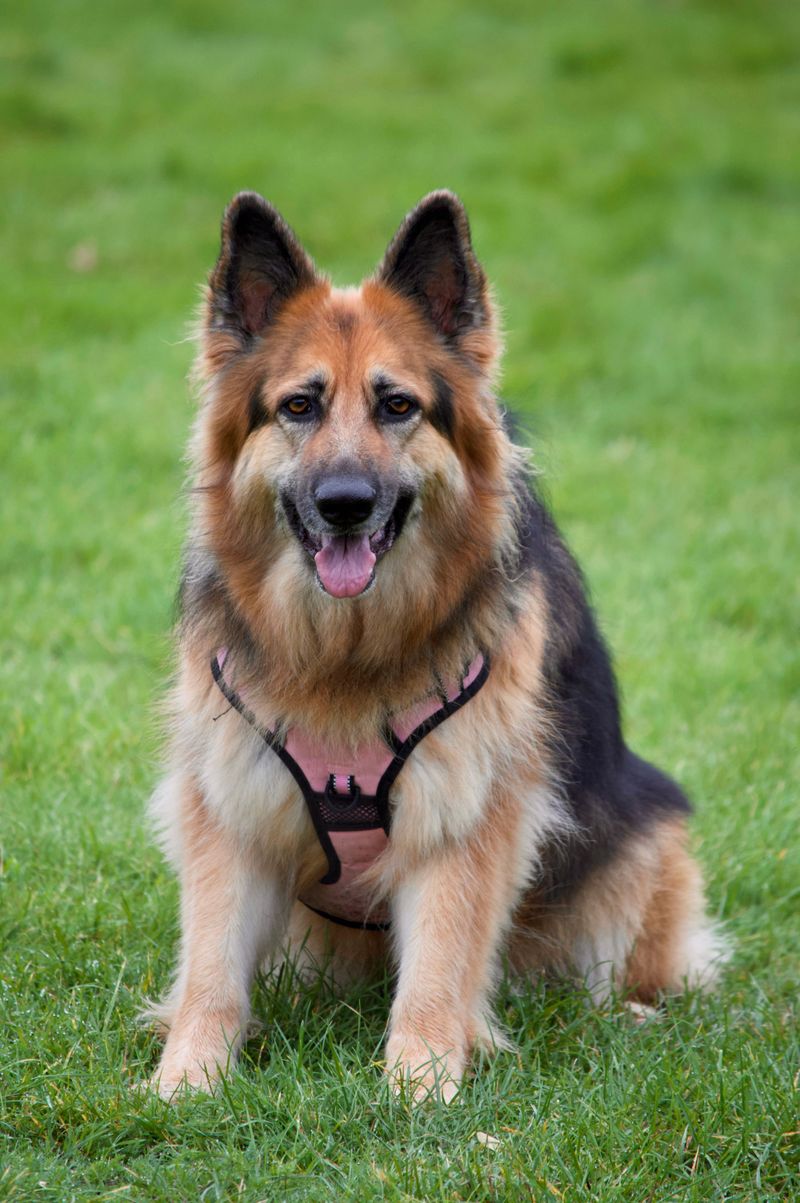
Police work makes German Shepherds look stern. At home, many are sensitive goofballs who whine for attention and “talk” back.
They are among the most popular breeds in the world for a reason. Loyal and easy to teach, they also work as guide and therapy dogs.
Expect plenty of shedding, so brush often. Daily exercise and mental games keep them from getting bored and inventing their own hobbies.
Staffordshire Bull Terrier: The Nanny Dog Legend
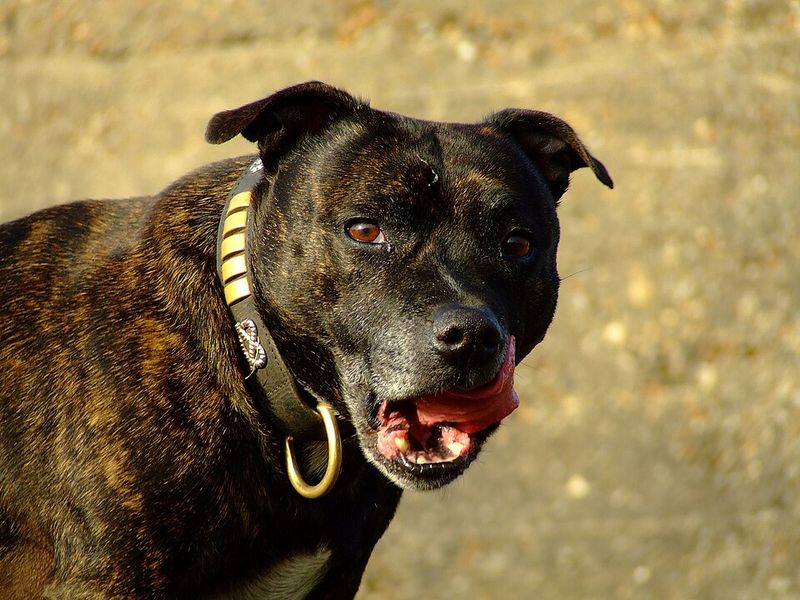
In Britain, Staffies have long carried the nickname “nanny dog.” Experts warn no dog should babysit, but the name shows how loving they are with people.
Compact and muscular, they look tough. Most simply want laps, kisses, and playtime.
Chewing can be a hobby, so offer sturdy toys. Plenty of exercise helps channel that bouncy energy, and supervised dog meetups keep things friendly.
Belgian Malinois: Still a Full-Time Job
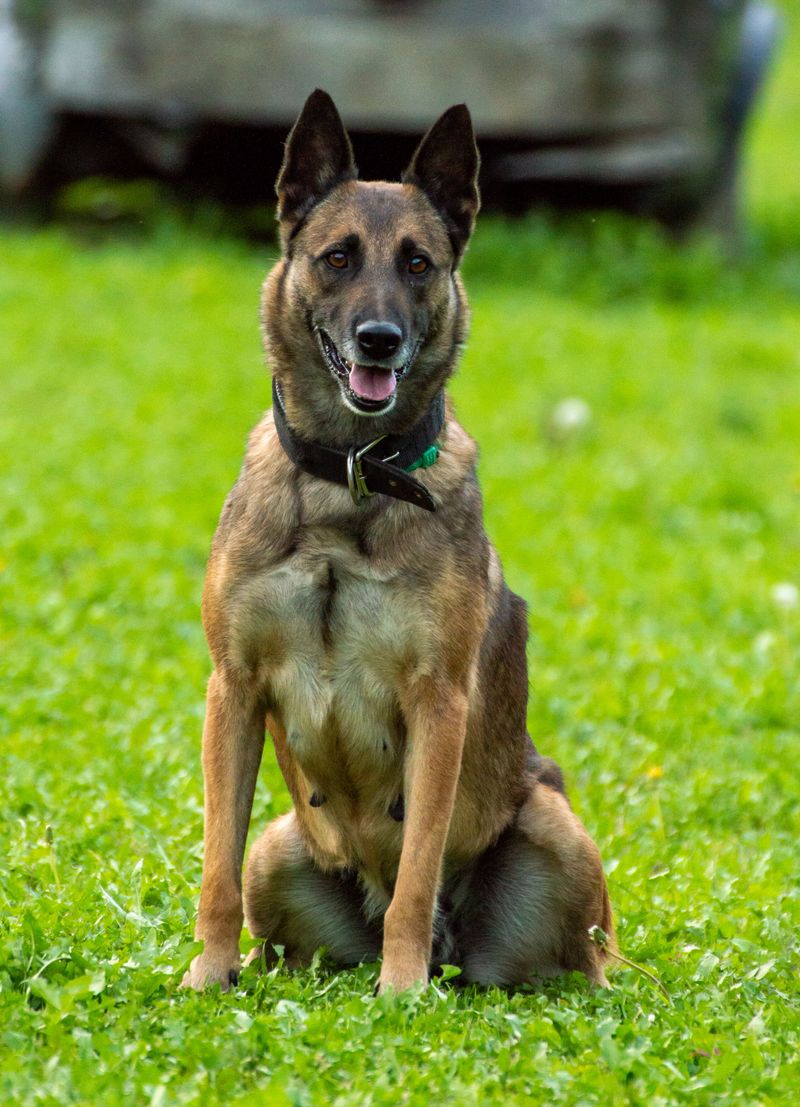
Be honest with yourself before bringing one home. Belgian Malinois were made to work, and they mean it.
Military and police teams love their drive. In a regular house without hours of training and exercise, they may chew walls, herd kids, or spin in circles.
They are not mean, just intense. Experienced owners who enjoy dog sports can find a brilliant partner.
Everyone else should probably choose a calmer breed.
Siberian Husky: Gorgeous, Loud, and Escape-Ready
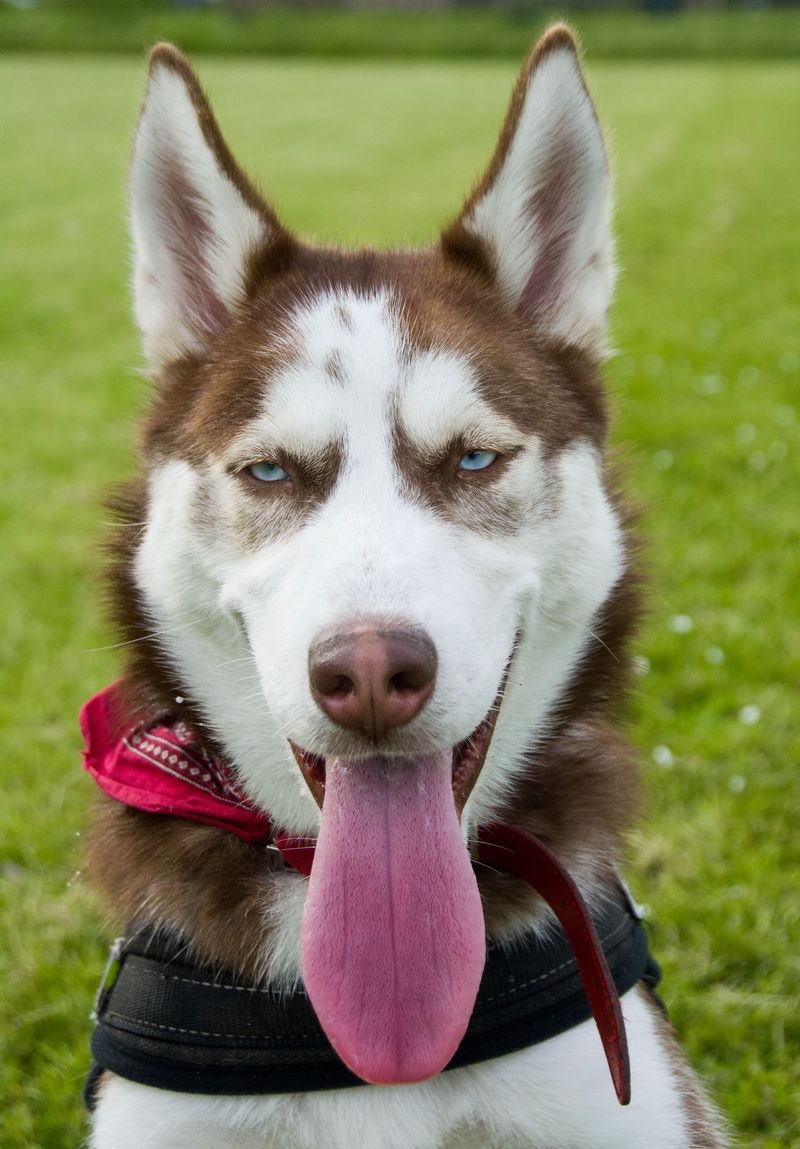
Those blue eyes win hearts quickly. Then the howling, digging, and fence-jumping begin.
Huskies were bred to pull sleds for miles in Siberia, so energy is their middle name. Many will run off the moment a gate opens and rarely come back when called.
Shedding is wild, especially twice a year. If you love cold-weather runs and a talkative roommate, great.
If not, admire them from afar.