
Some dogs are so smart and busy that a simple walk will not cut it. Without real brain work, they start inventing their own projects, like digging craters or herding the kids.
The good news is you can guide that power with the right games and training. Meet the breeds that crave challenges and learn how to keep them happily focused.
Border Collie – the puzzle pro
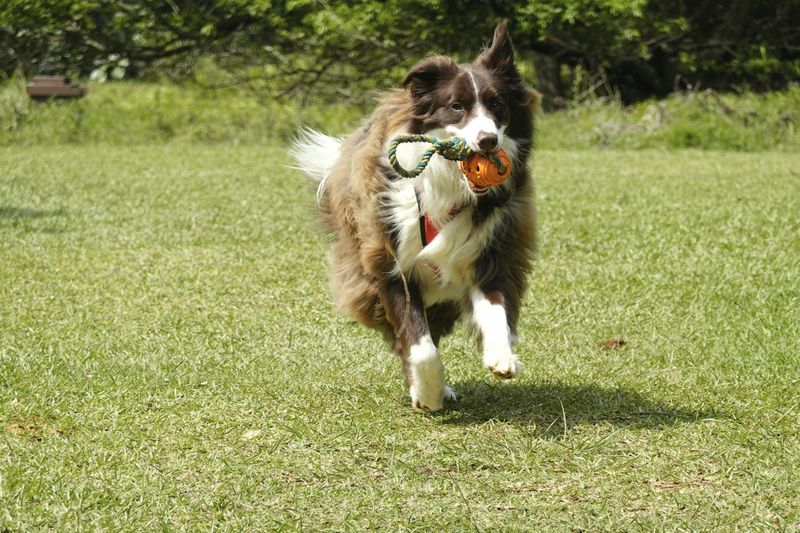
Brains like a chess champion, the Border Collie reads your moves before you blink. Many try long walks, but the real key is jobs that make sense.
Set up cone patterns, use left and right cues, and play fetch with rules like sit, down, and wait between throws.
Rotate puzzle feeders and teach trick chains, such as spin, crawl, and bow. Short, fast training bursts beat long drills.
A weekly agility class turns that lightning mind into teamwork.
Belgian Malinois – mission-driven mind
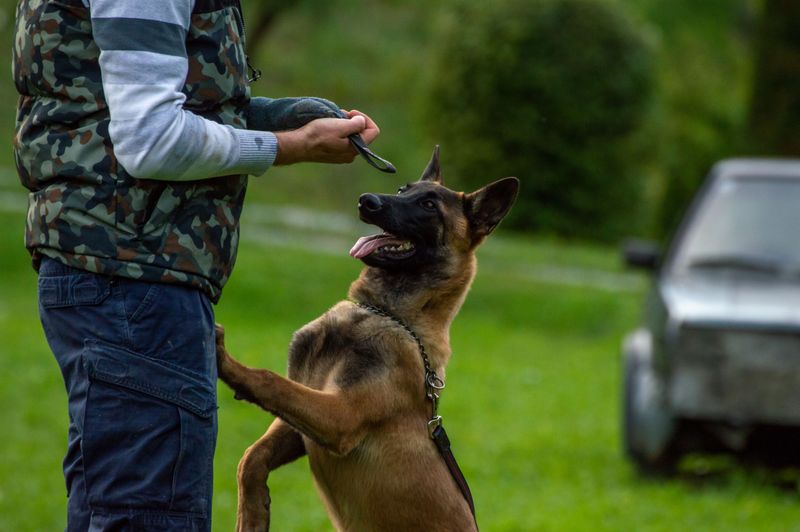
Built like a sprinter with a scientist’s curiosity, the Malinois wants a mission. Scent games scratch that itch.
Hide cotton swabs with a drop of clove oil, then create search patterns across rooms or the yard, marking finds with a clear reward.
Layer obedience into movement. Heel to a target, down on a mat, then recall past a distraction.
Keep sessions crisp and end on a win. Advanced bite-safe tug work channels intensity into rules.
Australian Shepherd – the eager organizer
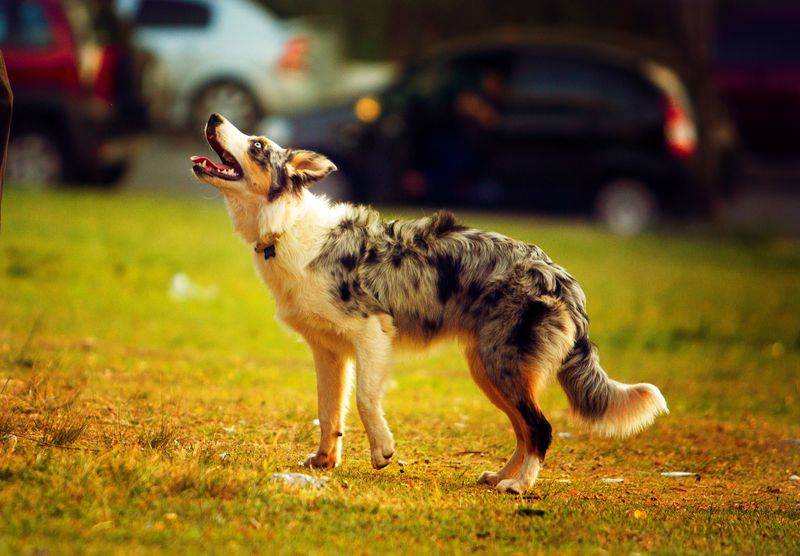
Order makes the Aussie grin. Try sorting games using colored buckets and matching toys.
Ask for a sit, send to retrieve the blue ball, then cue a drop in the blue bucket. Praise big, and vary distance and obstacles to stretch that quick brain.
Herding-style drills help too. Set a moving target like a rolling barrel and practice flanking commands.
Add impulse control with start and stop cues to keep excitement steady.
German Shepherd – the thoughtful guardian
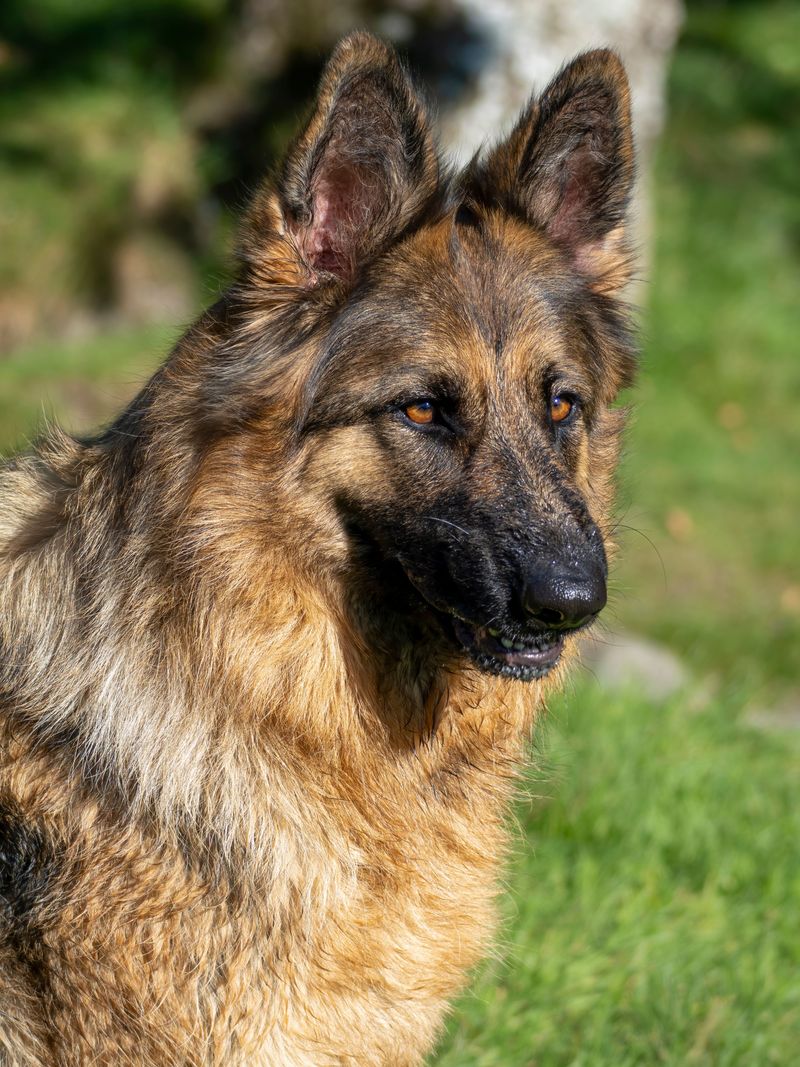
Structure brings out the best in a German Shepherd. Build layered routines: heel three steps, sit, eye contact, then heel again to a place board.
Sprinkle in scent tracking on grass paths using a food trail that gets lighter over time.
Confidence grows with job-like tasks. Teach object names, like keys or leash, and send for the correct item from a group.
A calm fetch-and-hold routine turns energy into polished work.
Australian Cattle Dog – the gritty problem solver
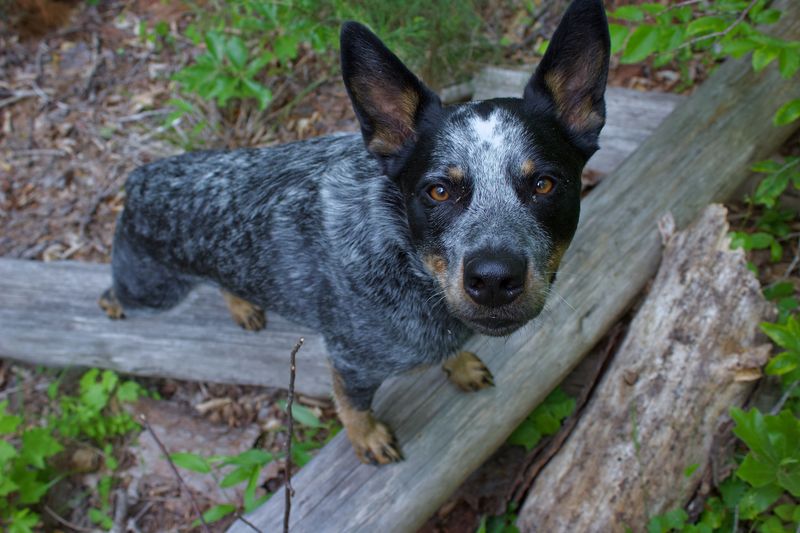
Tough, bright, and determined, the Cattle Dog loves challenges that feel real. Build a simple obstacle lane with a wobble board, tunnel, and low jumps.
Ask for a pause on each station, then release to the next, keeping focus and control.
Introduce sturdy tug sessions with rules: take, tug, out, and sit before another turn. On calm days, try can search, hiding cans with treats in tall grass to reward patient tracking.
Standard Poodle – the stylish strategist
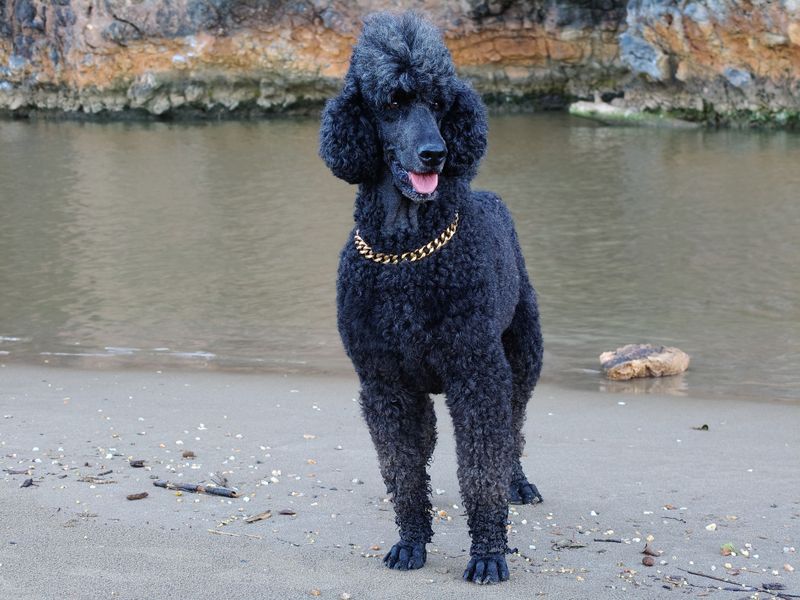
Under the curls sits a brilliant planner. Trick training shines here.
Try chained cues like open a cabinet, bring a towel, and drop it in a laundry basket. Keep the mood upbeat with a clicker to mark tiny wins and build complex behaviors.
Water retrieves add variety. Toss a floating toy with rules like wait, swim, then deliver to hand.
Rotate brain toys so novelty stays high and boredom stays low.
Jack Russell Terrier – the tiny dynamo
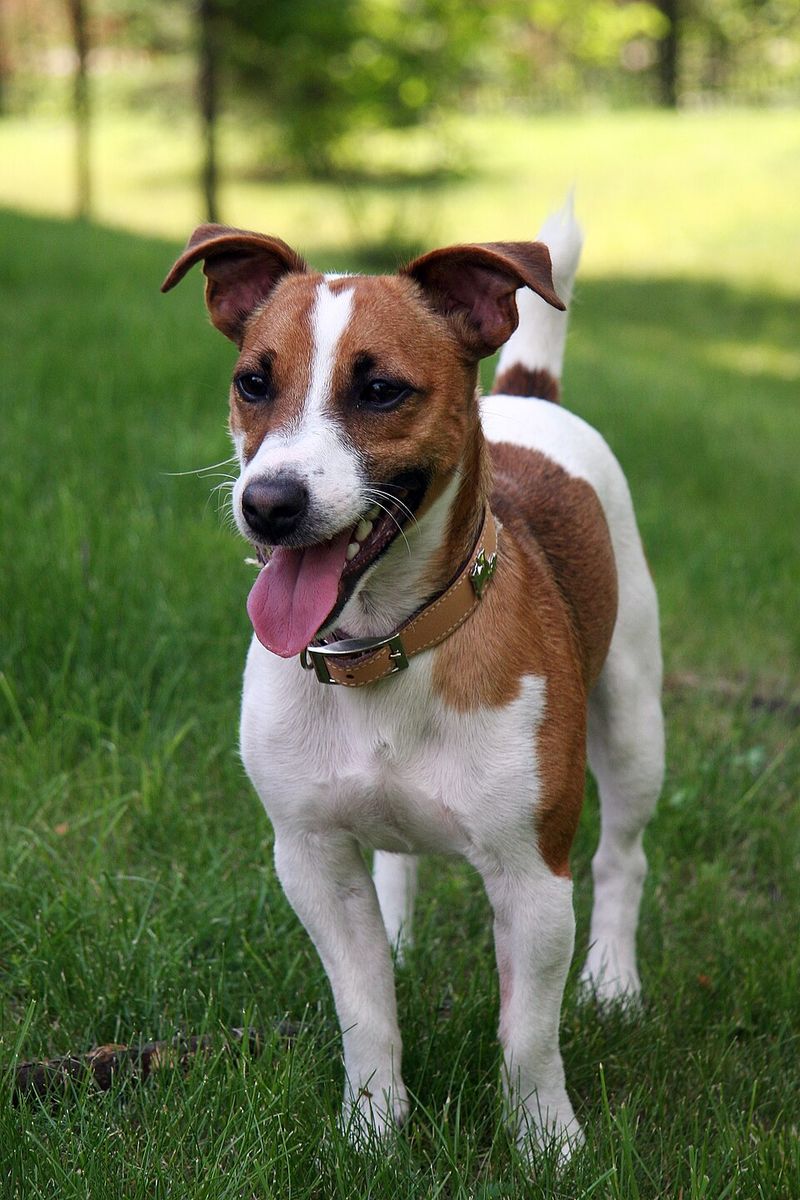
Small body, big fireworks. Channel that spark into mini agility, free-shaping tricks, and rapid recalls.
Use boxes, brooms, and stools to build courses. Reward often, and keep reps short to match the zippy pace without frying the fuse.
Snuffle mats and dig boxes satisfy the need to nose and scratch. Bury toys in shredded paper or sand, then cue a find.
Clear start and stop words prevent chaos from spilling over.
Siberian Husky – the adventurous thinker
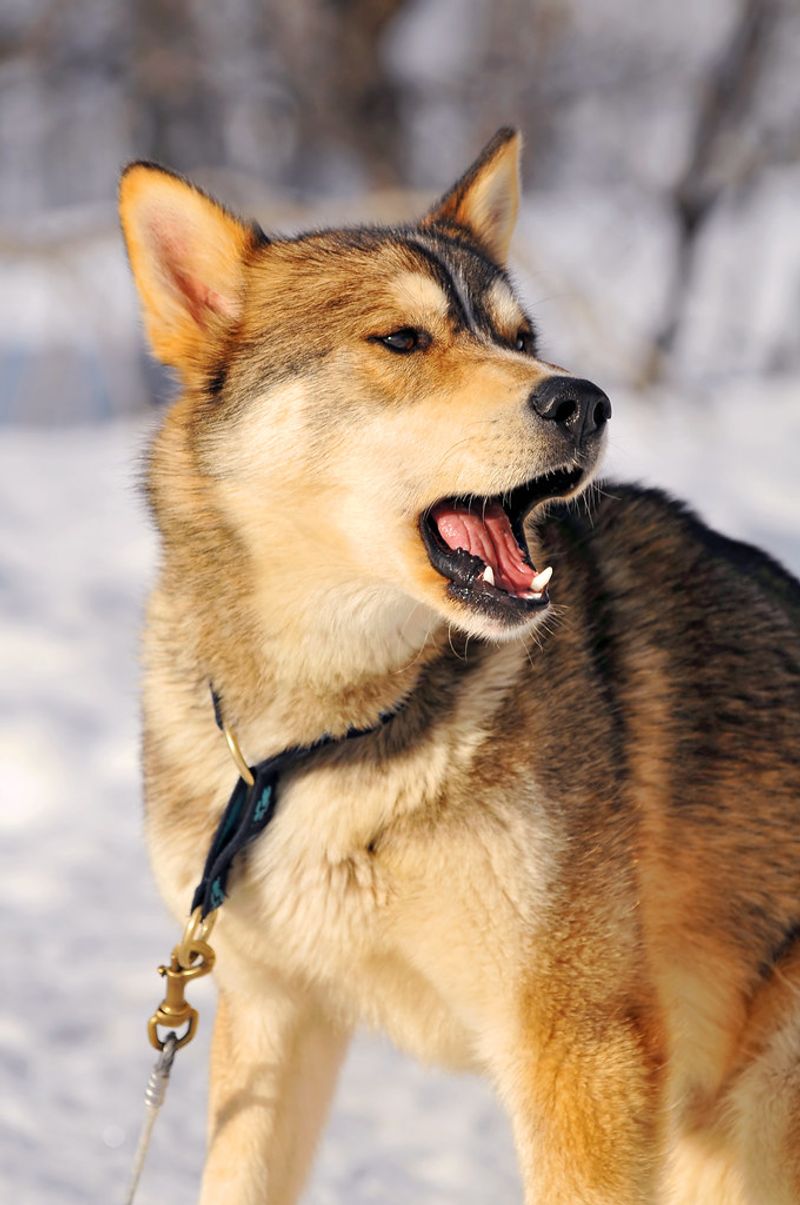
Movement is joy for a Husky, but brain work matters too. Try urban mushing like canicross or scooter runs on cool mornings.
Mix in checkpoints where the dog must sit, touch a target, or nose a bell before continuing.
Frozen food puzzles extend calm time after exercise. Teach a quiet settle on a mat with chews.
When it is hot, run scent trails in shade so the mind still gets a journey.
Doberman Pinscher – the sleek strategist
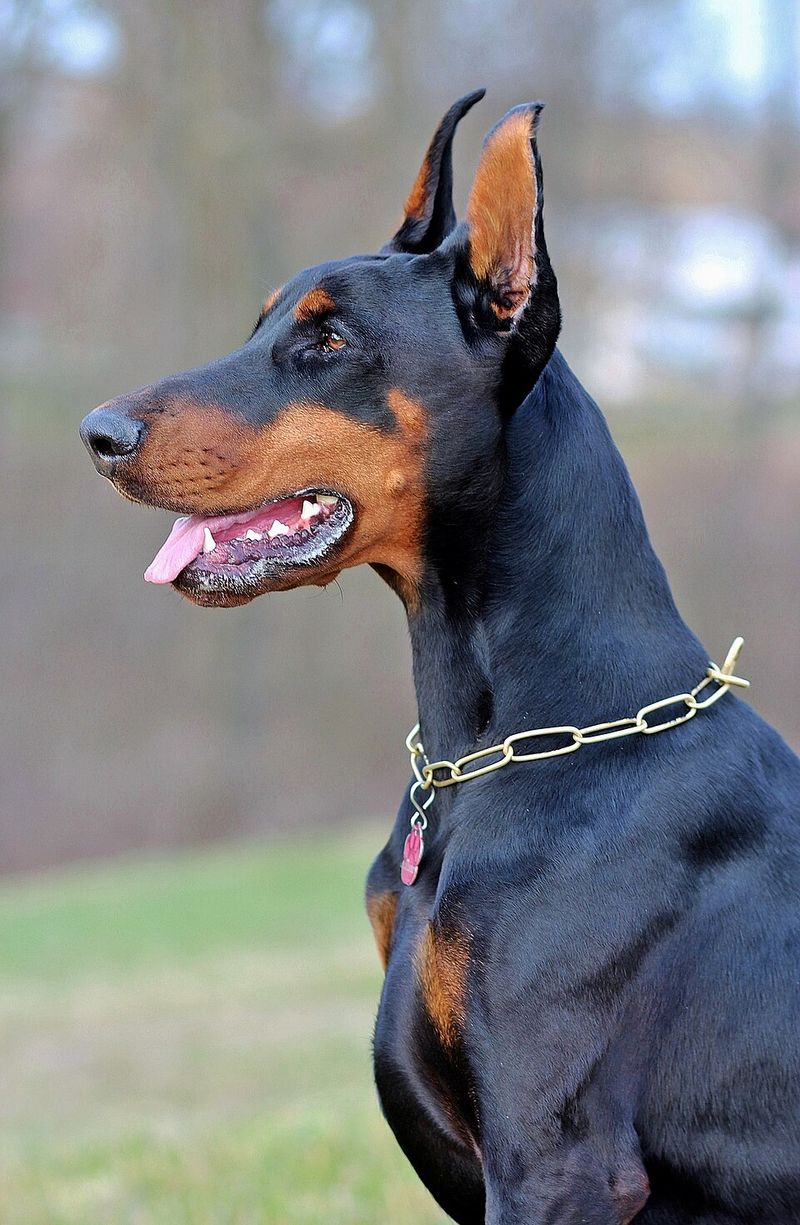
Elegance meets calculation in the Doberman. Teach boundary games using mats and doorway lines.
Cue sit, wait, and release, then layer distractions like dropped treats or moving toys. Calm, steady rewards build classy self-control that powers real-life manners.
Object discrimination is a hit. Name toys, then ask for the correct one from a pile.
Alternate with tracking lines across short grass, rewarding nose-down work that settles a busy brain.
Miniature Schnauzer – the curious inspector
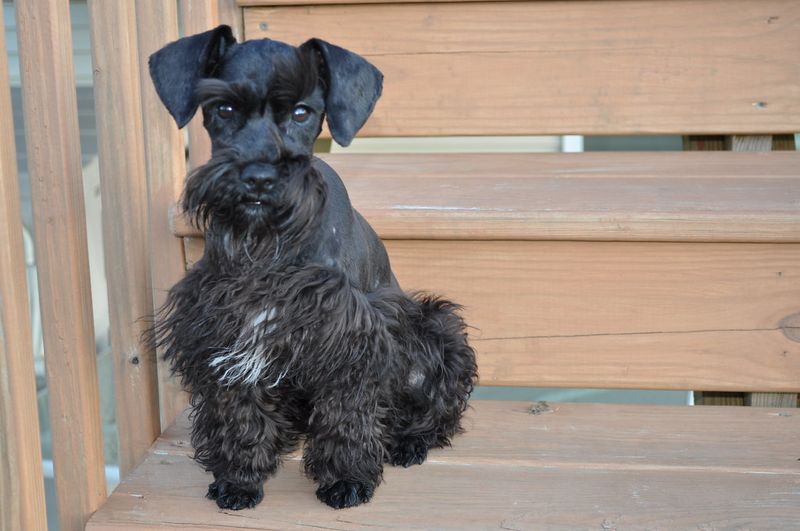
Always on patrol, the Mini Schnauzer thrives on discovery. Build a cardboard scent maze with holes and blocked paths.
Hide treats or a scented cotton swab, and let that busy nose lead. Mark finds with a cheerful yes and trade for a favorite nibble.
Clicker tricks keep it fun. Teach paws up on a low stool, spin, and back up.
Short bursts prevent frustration, and frequent wins keep the tail tapping.
Shetland Sheepdog – the nimble note-taker
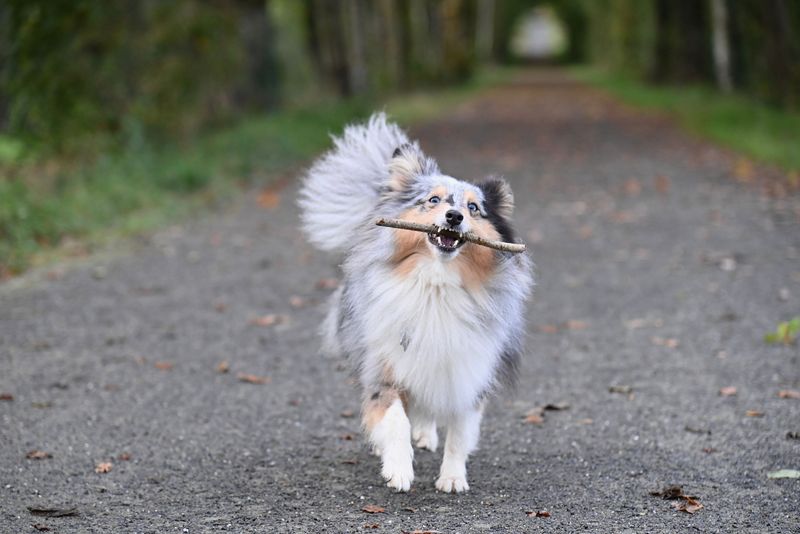
Quick feet and a faster mind make the Sheltie a training dream. Agility skills sparkle here.
Practice tight turns, short sequences, and focus games that reward eye contact before each obstacle. Keep sessions lively with upbeat markers and early finishes.
Noise games help confidence. Pair soft sounds from a phone with treats, slowly raising volume.
Trick titles like chin rest and paw target teach gentle patience and improve handling comfort.
German Shorthaired Pointer – the field scholar
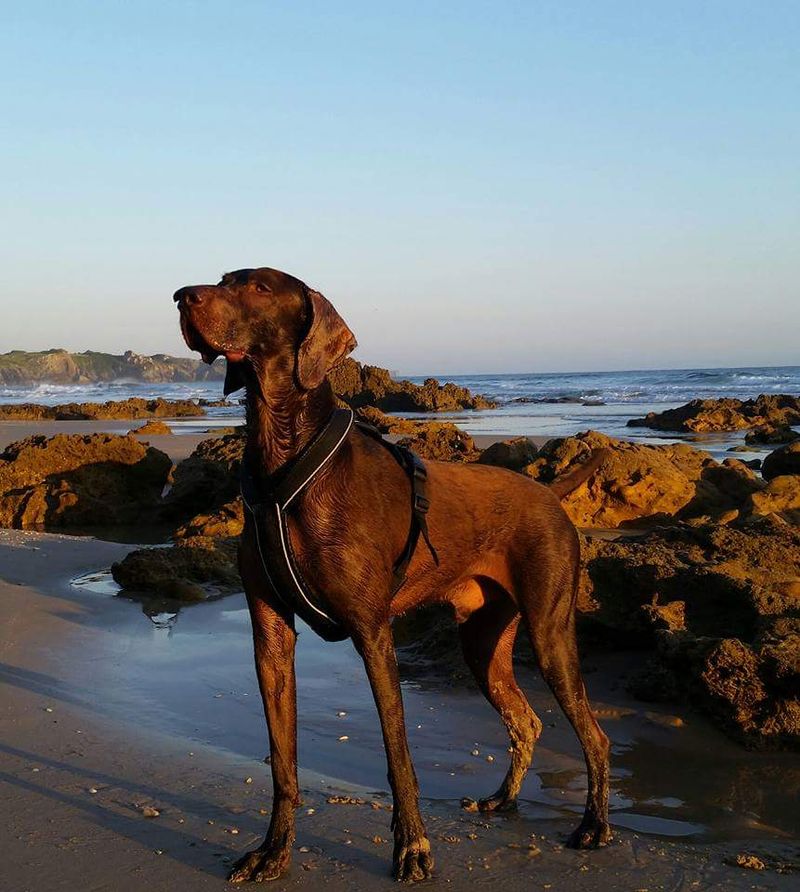
Born to search, the GSP learns best through nose-first lessons. Plant scented dummies in tall grass and guide with a long line.
Reward strong points with calm praise, then release to retrieve. Swap fields often to keep each hunt fresh and thoughtful.
At home, try place-to-place recalls. Cue a run to different beds named red, blue, or crate.
That quick decision-making burns energy without wild sprinting.
Giant Schnauzer – the big-brain teammate
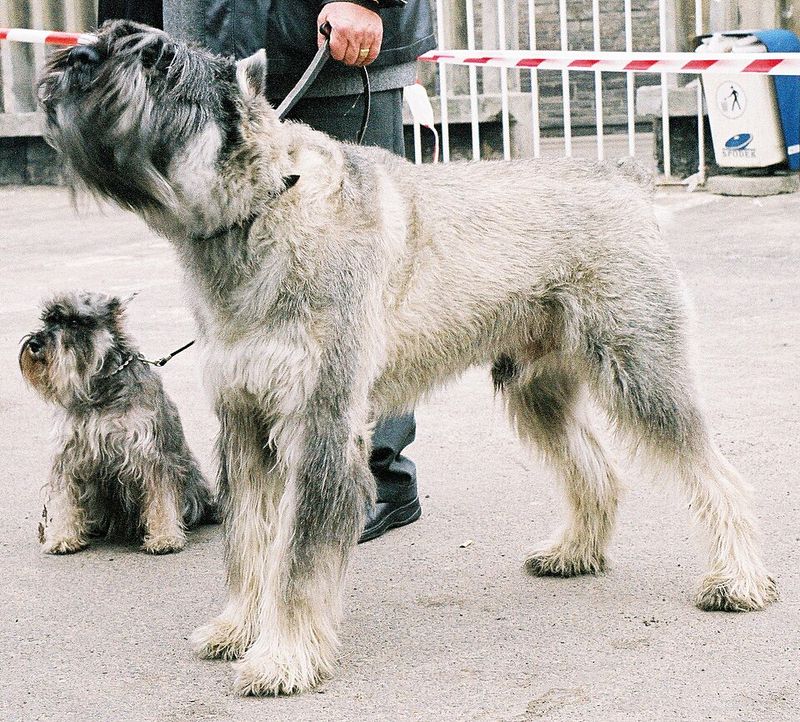
Large frame, larger plans. The Giant Schnauzer thrives with purposeful work like carting practice or advanced obedience.
Teach start, stop, and easy as you guide a light training cart in short, controlled sessions. Calm praise and clear cues keep intensity steady.
Inside, build novelty with heavy-duty puzzle toys and shaping games. Reward paw targets and nose touches to specific objects.
Rotate challenges every few days so curiosity stays strong and furniture stays safe.