Some dogs perk up the moment they hear a treat bag crinkle. Others look at you like they are weighing all their options first.
Knowing which breeds love snack-based training can make life easier and more fun. It can also help you set fair expectations, pick better rewards, and build a stronger bond.
Labrador Retriever
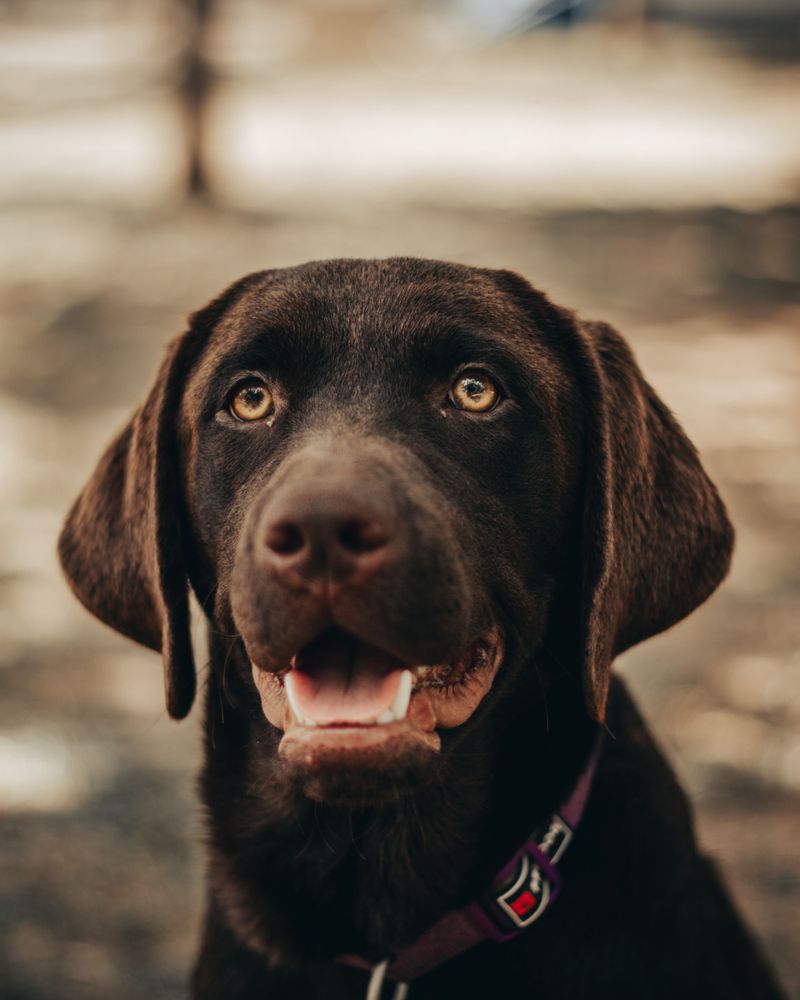
With a heart that leans toward yes, the Labrador usually shows up hungry to learn. Toss a tiny treat, add a happy voice, and you get focus in seconds.
Labs thrive on short, upbeat sessions with clear cues and quick rewards.
To keep them from getting bored, mix in fetch or a brief sniff break. Rotate treats, like small training bites or crunchy bits, to keep value high.
Watch portions to avoid extra pounds.
Beagle
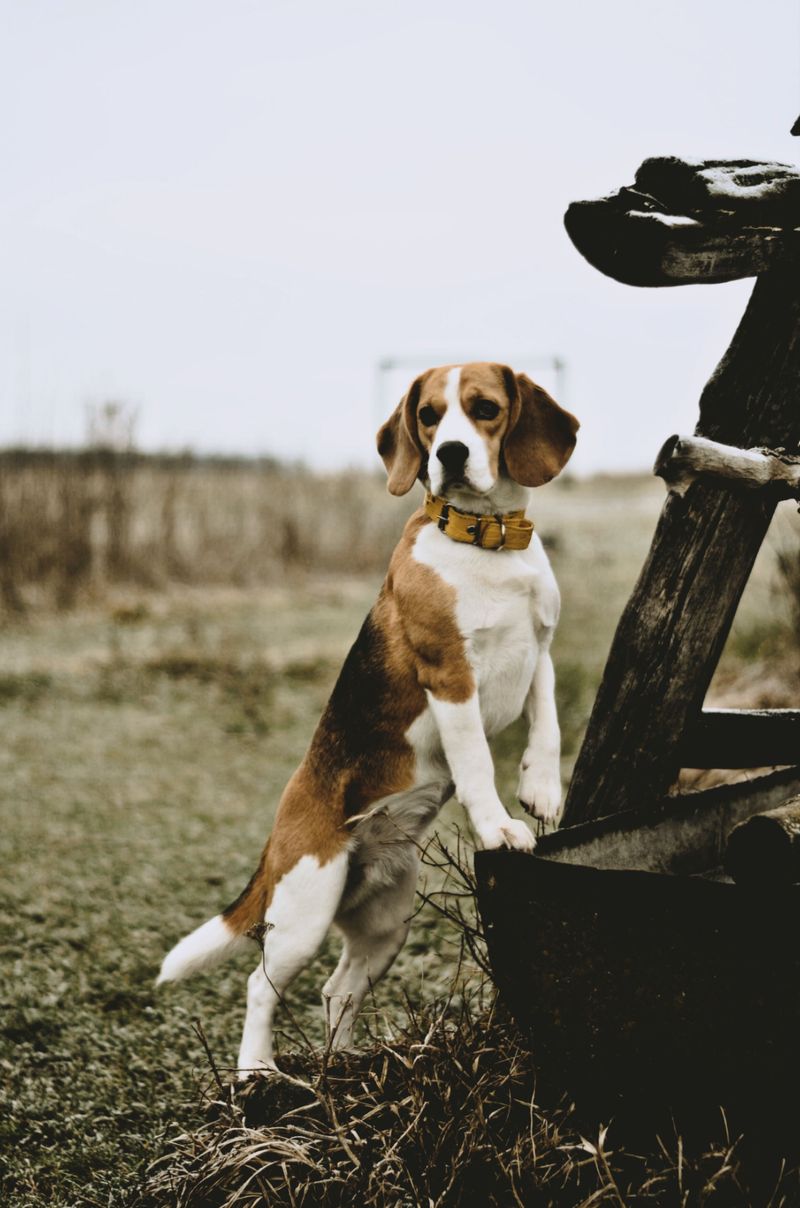
Nose first, questions later describes many Beagles. Food helps redirect that powerful sniffer back to you.
Use scent games as a reward, like hiding a few treats in the grass after a sit or stay.
Short, energetic drills work best. Ask for one cue, pay quickly, then release to sniff.
A waist bag with soft-smelling treats can outcompete most distractions. Keep recall practice fun with jackpots and a cheerful tone so your Beagle races back.
Golden Retriever
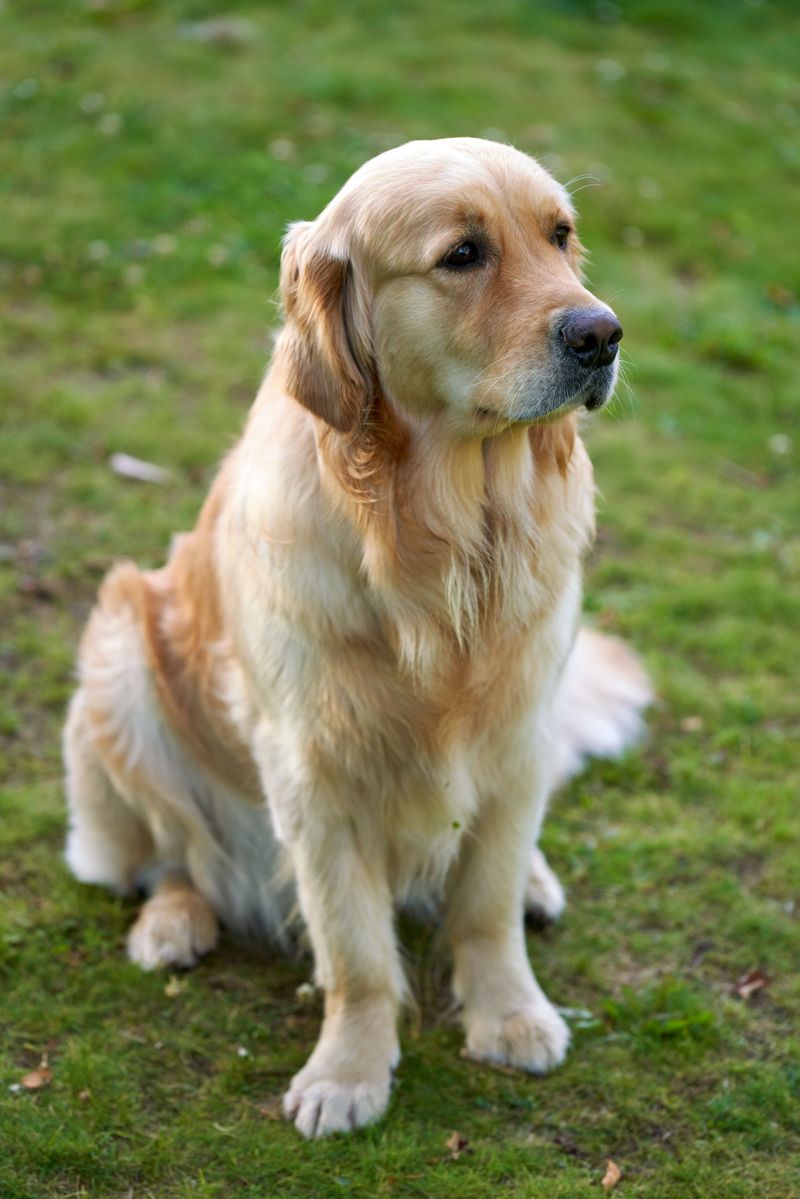
Big smile, bigger appetite, the Golden often loves winning your praise and your snacks. Pair treats with kind words and you will see quick progress on sits, stays, and polite leash walking.
Keep the mood upbeat and clear.
Because Goldens are people-focused, use attention games like name-response drills. Reward early and often, then slowly space out the treats.
Add easy jobs, such as carrying a toy, to give that eager brain something useful to do.
Pug
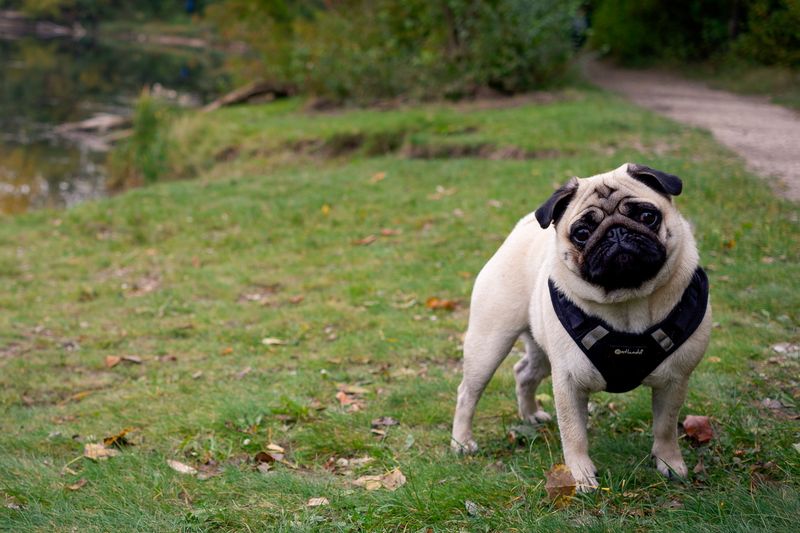
Those big eyes tell on a Pug’s snack goals. This breed often works hard for tiny, tasty bites and a cheerful laugh from you.
Keep sessions short and cute, with tricks like spin or touch that feel fun and easy.
Because Pugs can overheat, train in cool rooms or during gentle mornings. Use small treats to manage calories.
Mix in praise and petting so food is not the only motivator in your toolkit.
Dachshund
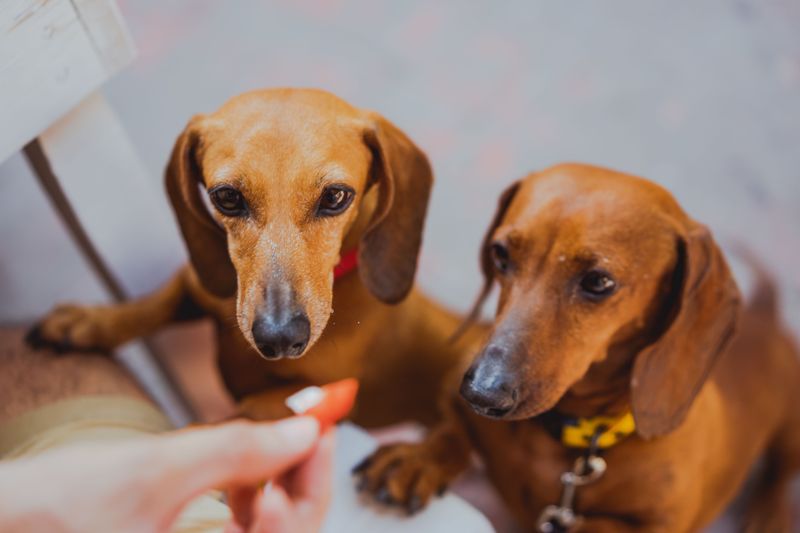
Bold and a bit opinionated, the Dachshund still has a soft spot for snacks. Use tiny treats to make difficult positions, like a gentle down, more comfortable.
Low platforms and mats help their long backs stay safe.
Keep the pace lively, then let them sniff or carry a toy as a bonus. Confidence building matters.
Reward small wins often to prevent stubborn moments from sticking. A playful voice turns training into a game they want to revisit.
Basset Hound
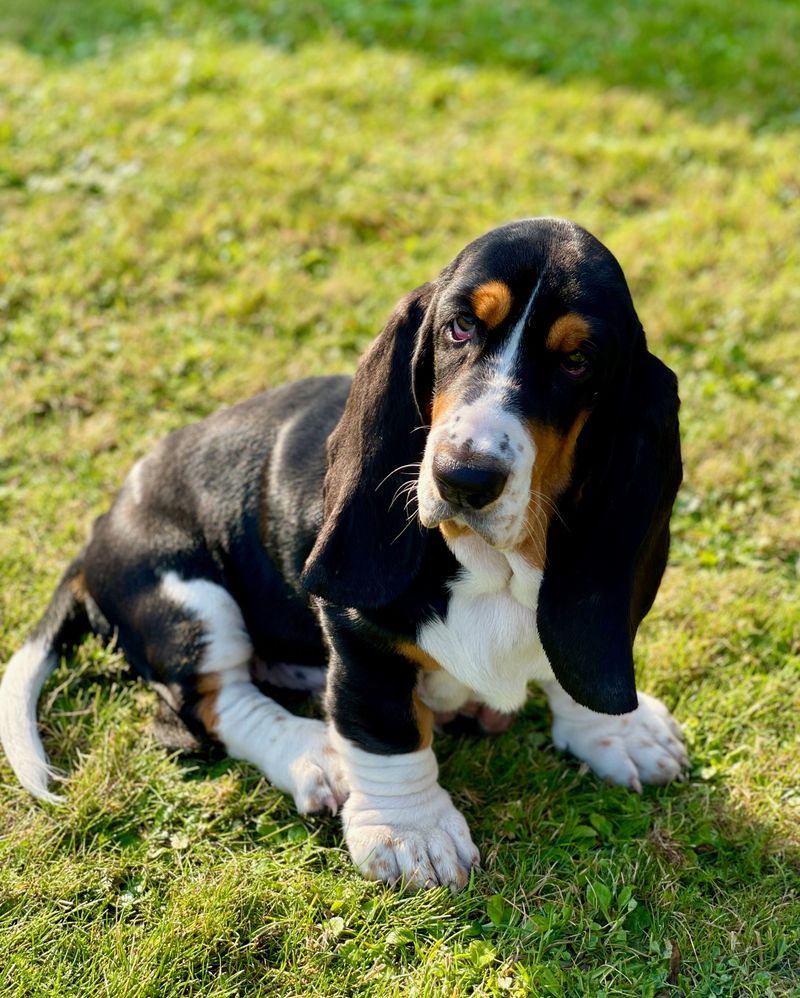
Slow and steady can still mean very treat-focused. Bassets often appreciate rich-smelling rewards placed near the nose.
Ask for one small cue, then give time for the response. Patience pays off with this thoughtful hound.
Use scent walks as part of your reward plan. After a good sit, release to explore a hedge.
Keep portions tiny to protect joints and weight. A relaxed training style helps this breed feel successful and willing.
Cocker Spaniel
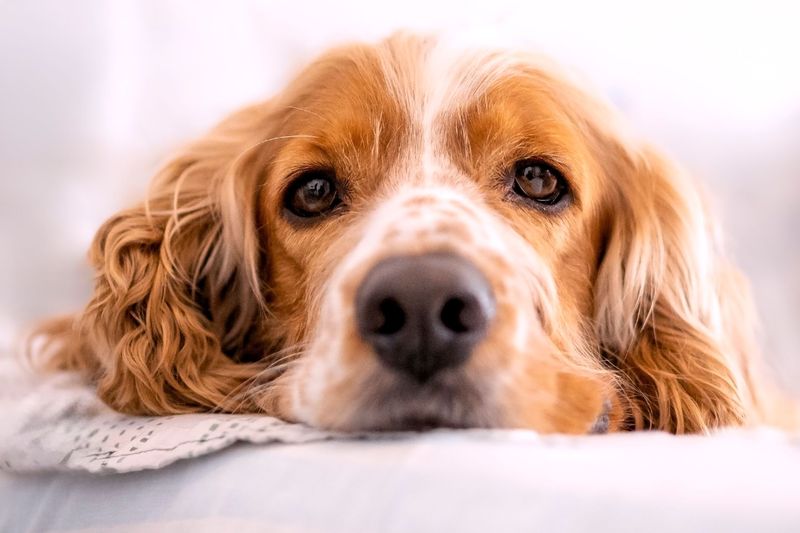
Soft temperament, sharp instincts, the Cocker often responds beautifully to kind guidance and food. Calm hands and gentle timing go far.
Mark the behavior, then deliver a small treat while speaking softly to keep arousal balanced.
Brain games shine here. Try simple scent puzzles, easy retrieves, or short heelwork sequences.
Vary treats to keep interest up, using chewy pieces for focus. Finish with a brief cuddle so the session ends on a sweet note.
Pembroke Welsh Corgi
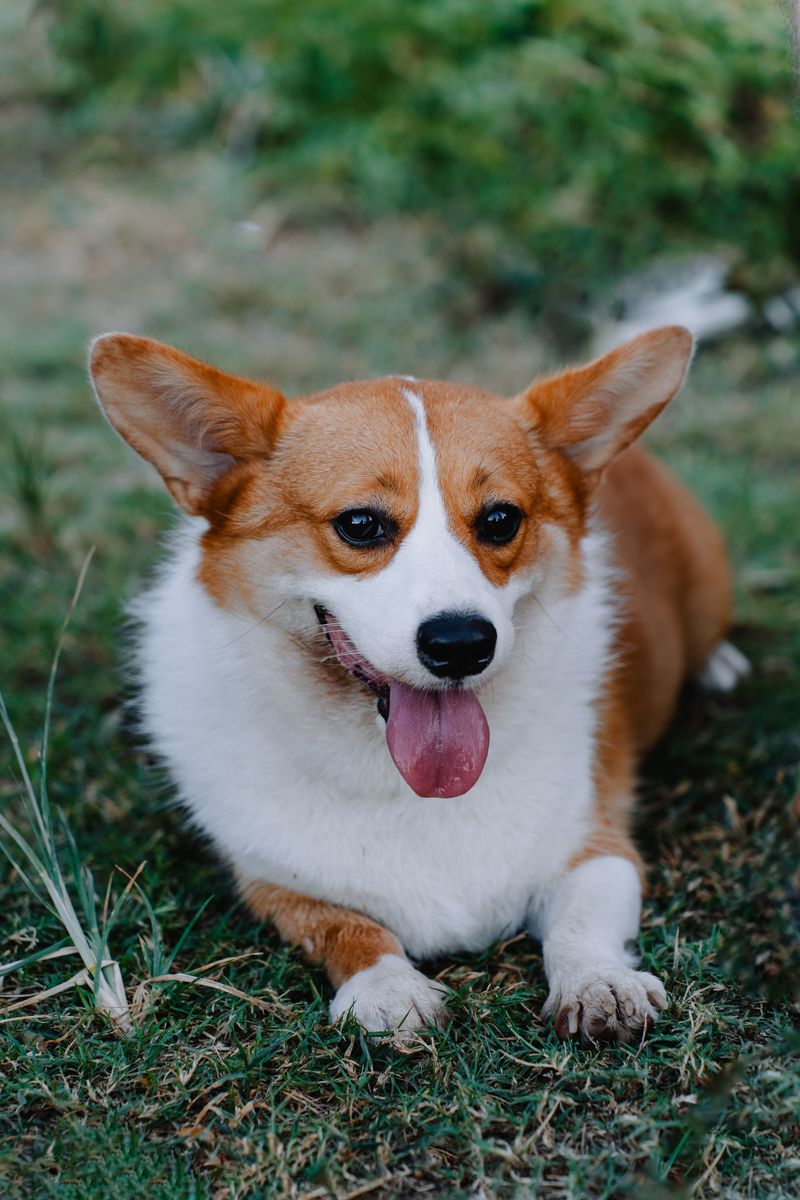
Smart and spunky, the Pembroke Welsh Corgi often treats training like a puzzle to solve for snacks. Clear patterns help.
Use short chains, like sit-heel-sit, and pay each step at first.
Because Corgis are thinkers, toss in novel props such as a low balance board. Rotate rewards, from soft chews to a quick game of tug.
Keep sessions brief to avoid overexcitement, and your Corgi will show off crisp, cheerful responses.
Boxer
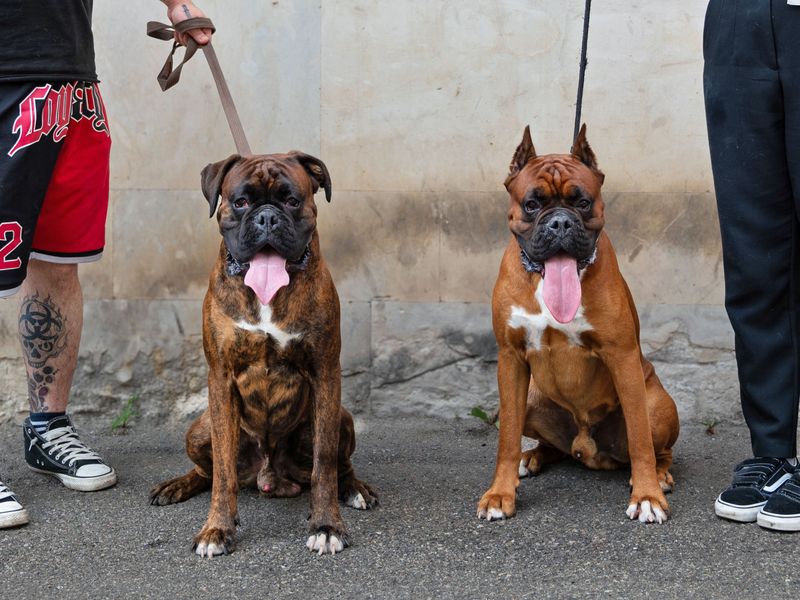
Goofy energy meets strong food interest in many Boxers. Channel that bounce into quick skills like hand target, then reward fast.
Soft, easy-to-chew treats keep them focused between bursts of enthusiasm.
When excitement spikes, switch to calm behaviors and breathe with your dog. Reward slower sits or quiet eye contact.
Short breaks help. A mix of movement games and treat moments lets the Boxer learn while still feeling like it is playtime.
Rottweiler
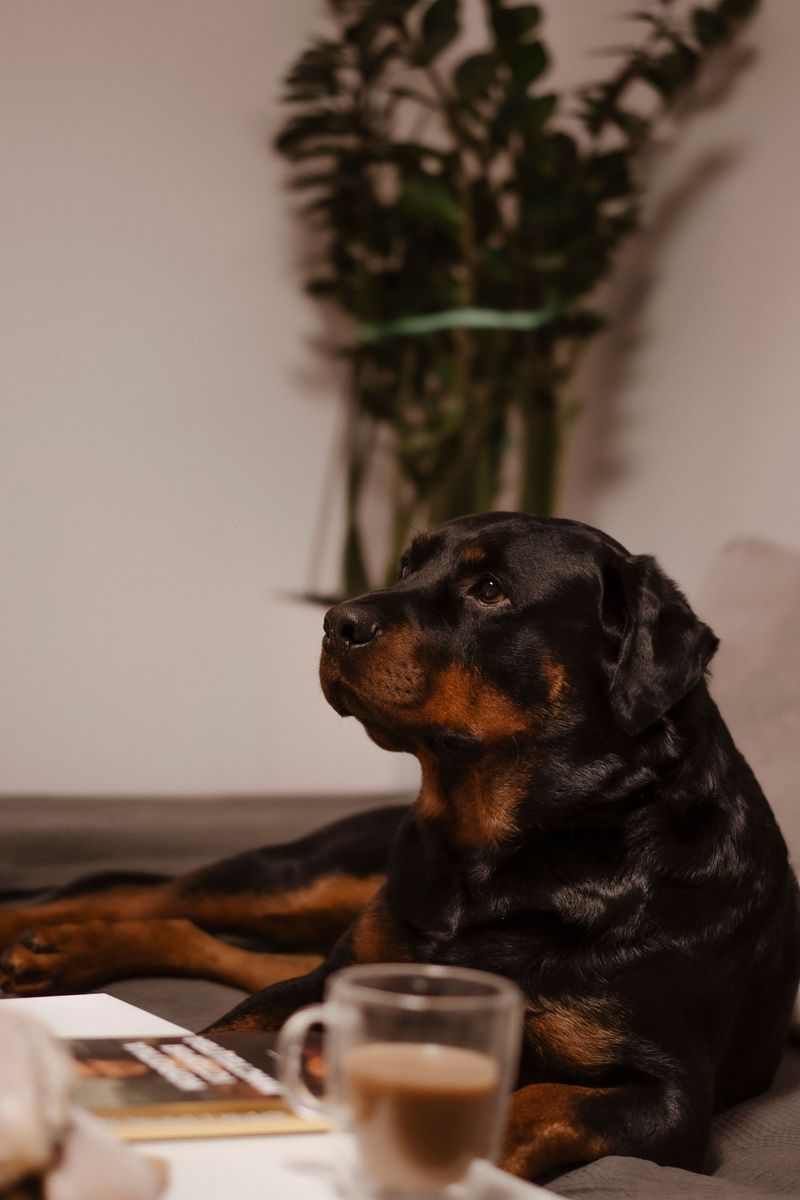
Clear structure and valuable rewards make many Rottweilers shine. Use a steady rhythm: cue, behavior, quiet yes, then a precise treat.
This builds trust and a pattern your dog can predict.
Mental work matters as much as muscle. Add controlled leash turns, platform pivots, and brief impulse-control games.
Keep treats high-value but small, and mix in praise. When consistency is present, a Rottie often responds with impressive attention and reliable effort.
Boston Terrier
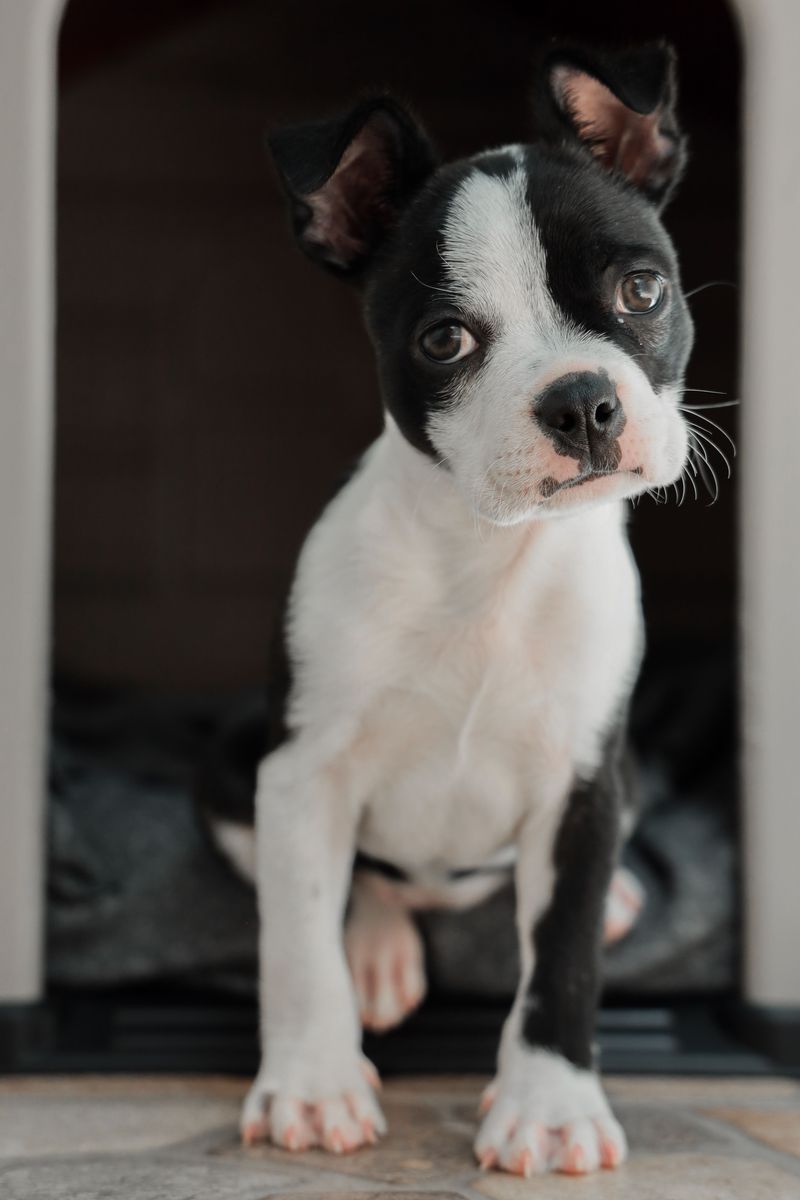
Flashy moves for tasty bites is a Boston specialty. Teach quick tricks like high-five, spin, or bow, then pay with tiny chews and applause.
Short bursts keep them sharp and happy.
Because some Bostons can be sensitive, keep voice gentle and fun. Use a marker word to celebrate correct moments.
Rotate easy tasks with slightly harder ones to build confidence. Treats should be soft and small for rapid rewards without breaking the flow.
French Bulldog
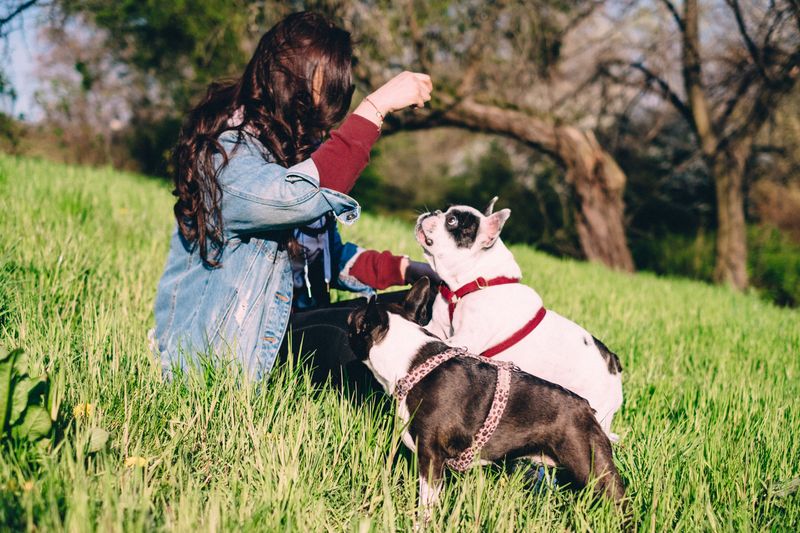
A funny look and a quick sit can appear the second a treat comes out. Frenchies often enjoy short, simple lessons with plenty of praise.
Keep cues clear and rewards frequent to prevent frustration.
Since some French Bulldogs tire easily, train in cool air and limit jumps. Choose soft treats that are easy to swallow.
End on a successful note with one last easy behavior, then a gentle pet and a water break.
Shiba Inu
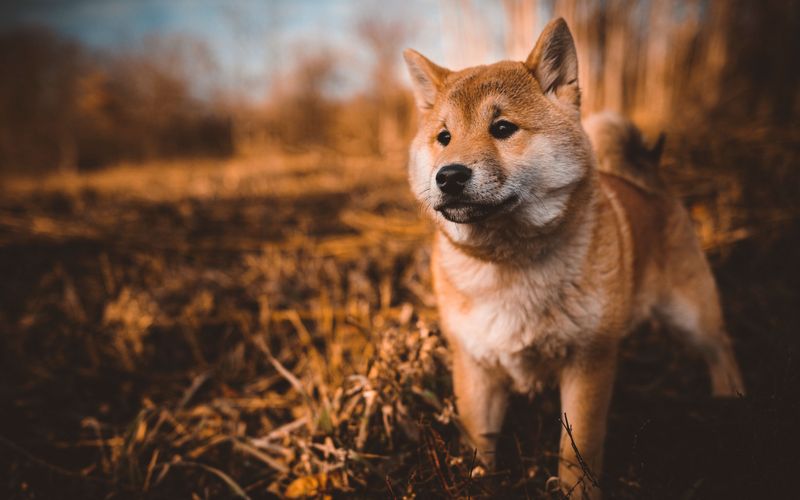
Sharp, stylish, and selective, the Shiba often asks why before agreeing. Food helps, but the reward must feel special.
Use high-value treats and keep sessions brief, then let the dog choose a short freedom break.
Games that tap into choice work well. Offer two simple cues, pay whichever the Shiba picks, then build from there.
Respecting independence strengthens trust. With patience, you can earn strong moments of focus without constant bargaining.
Siberian Husky
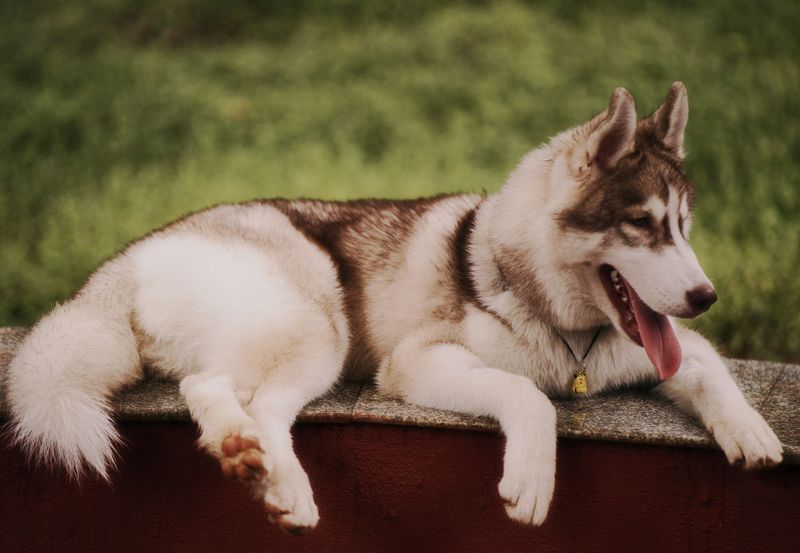
Wind in the fur often beats snacks for many Huskies. To improve attention, use irresistible rewards, keep recalls short, and add movement games like chase-and-treat.
A long line boosts safety while you practice.
Switch between food, a squeaky toy, and a quick sprint with you. Variety matters for this adventurous breed.
End sessions with a freedom run when safe. Over time, your Husky learns that coming back still leads to adventure.
Akita
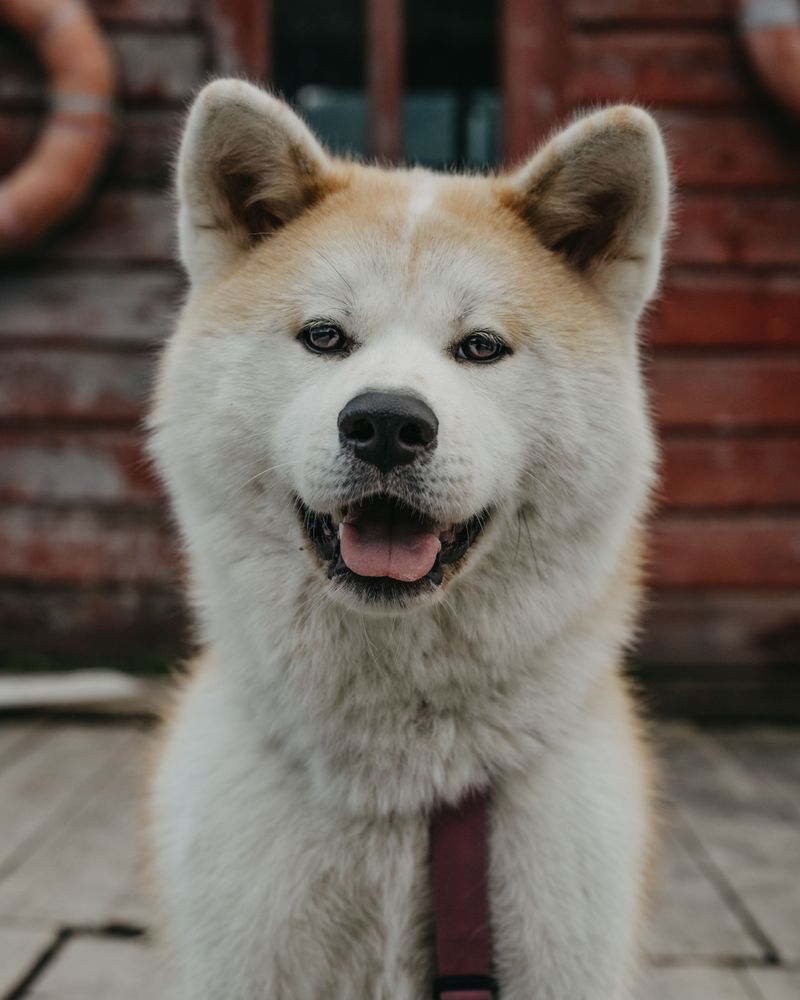
Dignity comes first for many Akitas. Food has value, but fairness and clarity matter more.
Keep sessions calm, ask for one behavior at a time, and reward with something meaningful, including space or a slow walk.
Short, respectful training builds cooperation. Use neutral body language, then mark and pay promptly for correct choices.
Rotate in tug or a scent search if your Akita enjoys it. The goal is partnership, not pressure, and trust grows steadily.
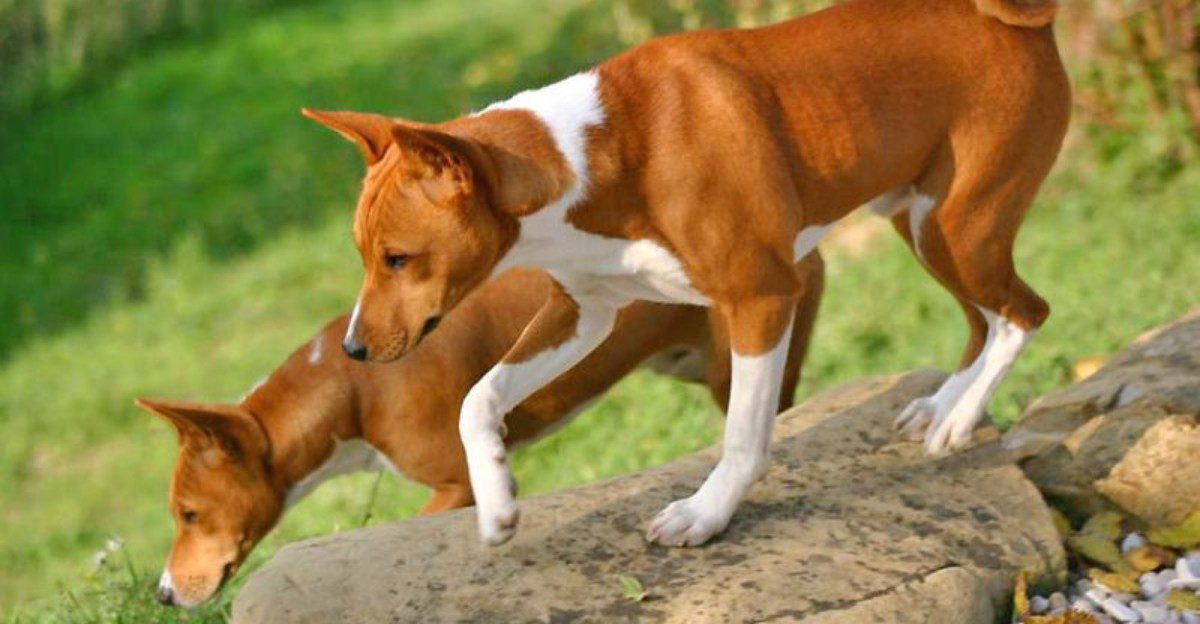
Basenji
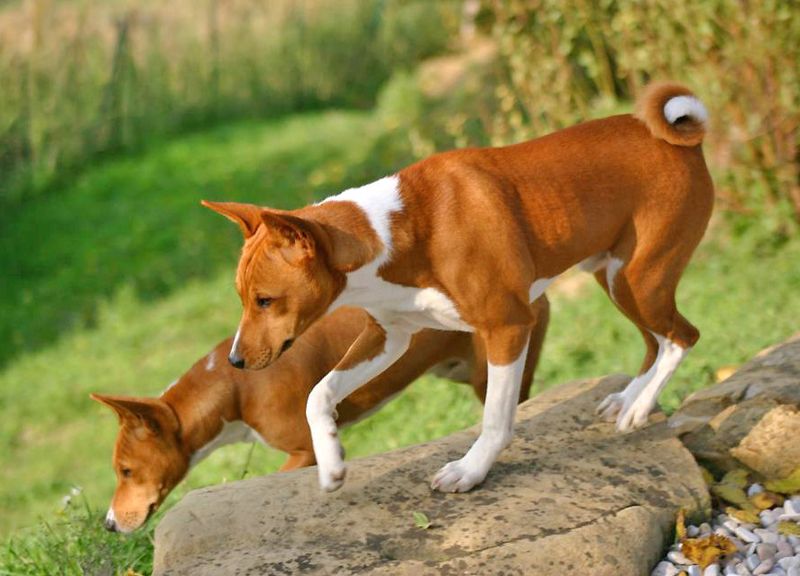
Quiet by voice but loud in opinions, the Basenji often prefers curiosity over cookies. Use novelty to your advantage.
New locations, short scent puzzles, and rare treats can spark interest.
Keep requests simple and pay immediately. If attention drifts, reset with a playful chase-and-stop game.
Respect for independence helps you earn focus without a battle. Over time, small wins stack up, and your Basenji may choose training more often.
Afghan Hound
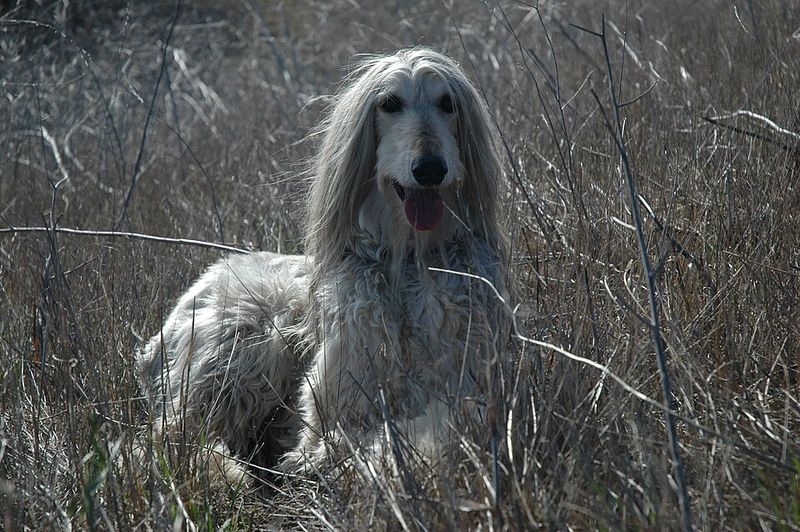
Beauty meets aloof charm in the Afghan Hound. Snacks can work, but style and setting matter.
Choose high-value treats and keep sessions elegant and short. Gentle handling preserves that royal confidence.
Movement-based rewards shine. A brief sprint beside you or a chance to explore a quiet corner can outclass food.
Ask for one clear cue, reward grandly, then pause. With consistent respect, cooperation grows and training becomes an artful routine.