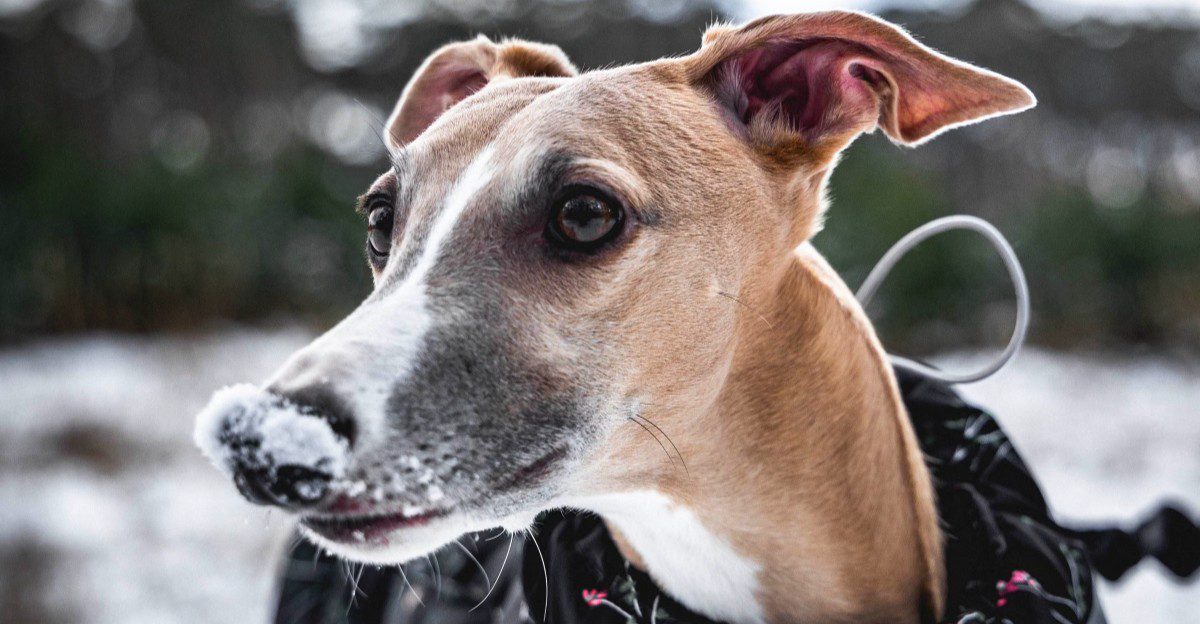
Cold days can be tough, but some dogs are built to love them. Thick coats, sturdy bodies, and steady energy help certain breeds stay happy when the temperature drops.
Other dogs feel the chill fast and prefer sweaters, blankets, and a sunny spot by the window. Knowing which is which helps you prepare the right gear and routine for your best friend.
Siberian Husky
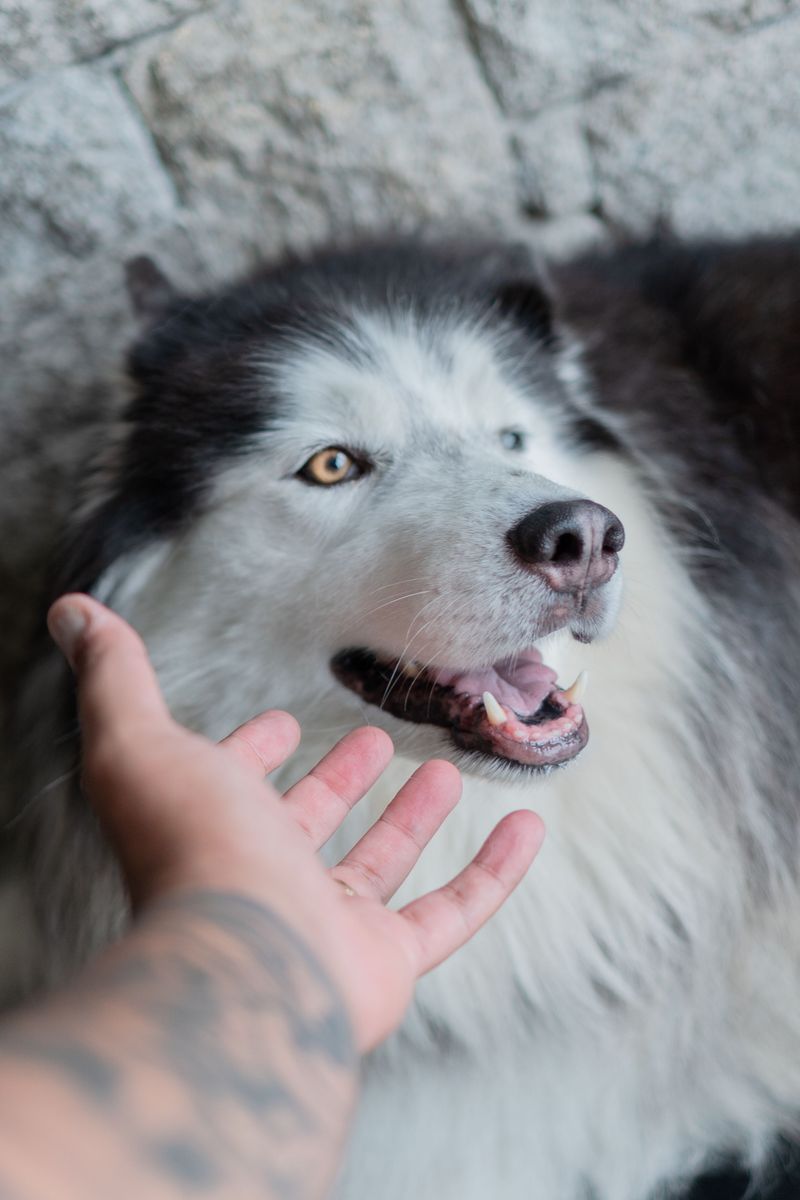
With a spirit built for snow, the Siberian Husky relishes frosty mornings. That plush double coat traps warmth while letting moisture escape, so playtime lasts longer without getting soggy.
Daily runs or skijoring keep their mind calm and paws busy.
Plan on strong leashes and secure fences, since their curiosity is legendary. Hydration matters in cold air, so offer fresh water often.
A balanced diet with quality protein supports their steady energy through winter adventures.
Alaskan Malamute
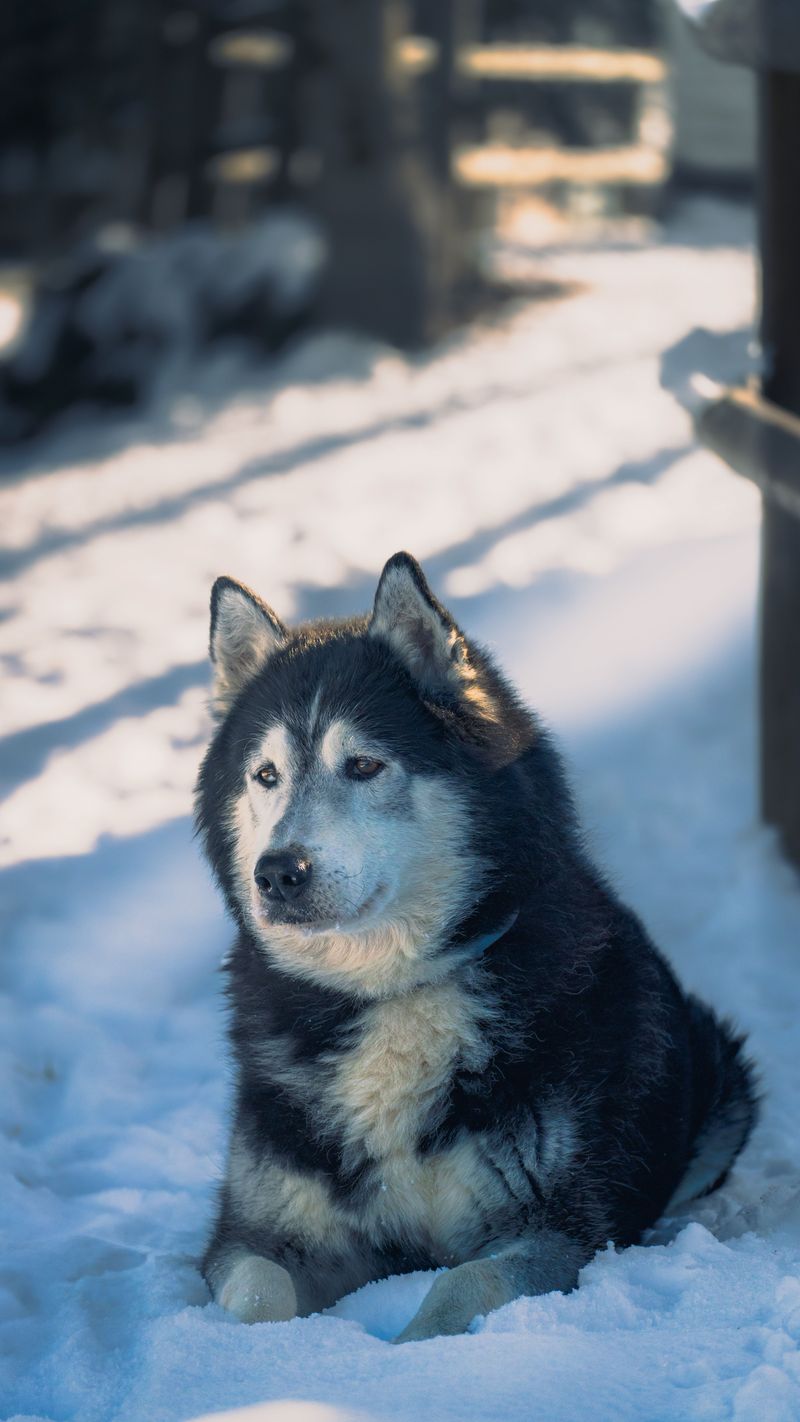
Big paws, bigger heart. The Alaskan Malamute was bred to haul heavy loads through icy terrain, so cold weather feels natural.
Their dense coat and sturdy frame handle wind and snow with ease. Slow, steady exercise like weight pulls or long hikes suits them well.
Grooming is key during shedding season to prevent mats. Provide traction on icy steps to protect joints.
Mental games indoors help on stormy days, keeping this gentle worker content and focused.
Samoyed
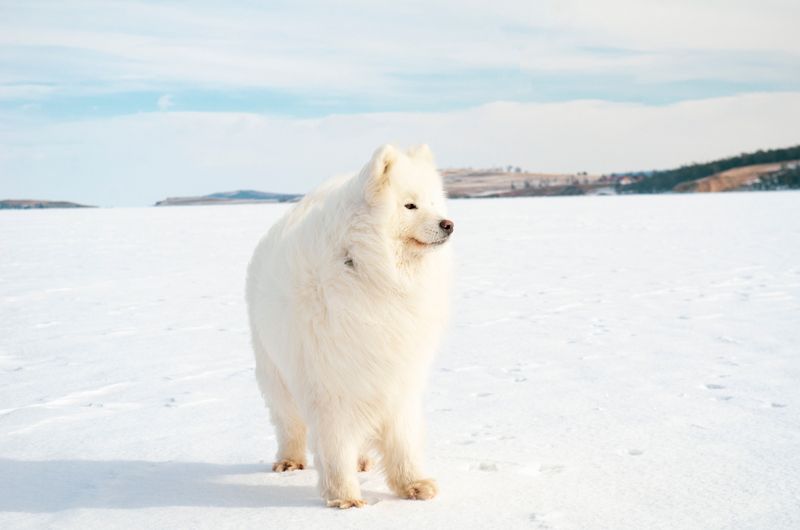
That famous Samoyed smile seems widest on frosty afternoons. Bred to herd reindeer and sleep beside people, they stay warm with a cloudlike double coat that resists cold and sheds light snow.
Gentle games like fetch on packed snow keep them active and happy.
Regular brushing keeps their coat clean and comfortable. Teach calm greetings, since excitement plus ice can mean slips.
A reflective harness helps them stand out during short winter daylight hours.
Newfoundland
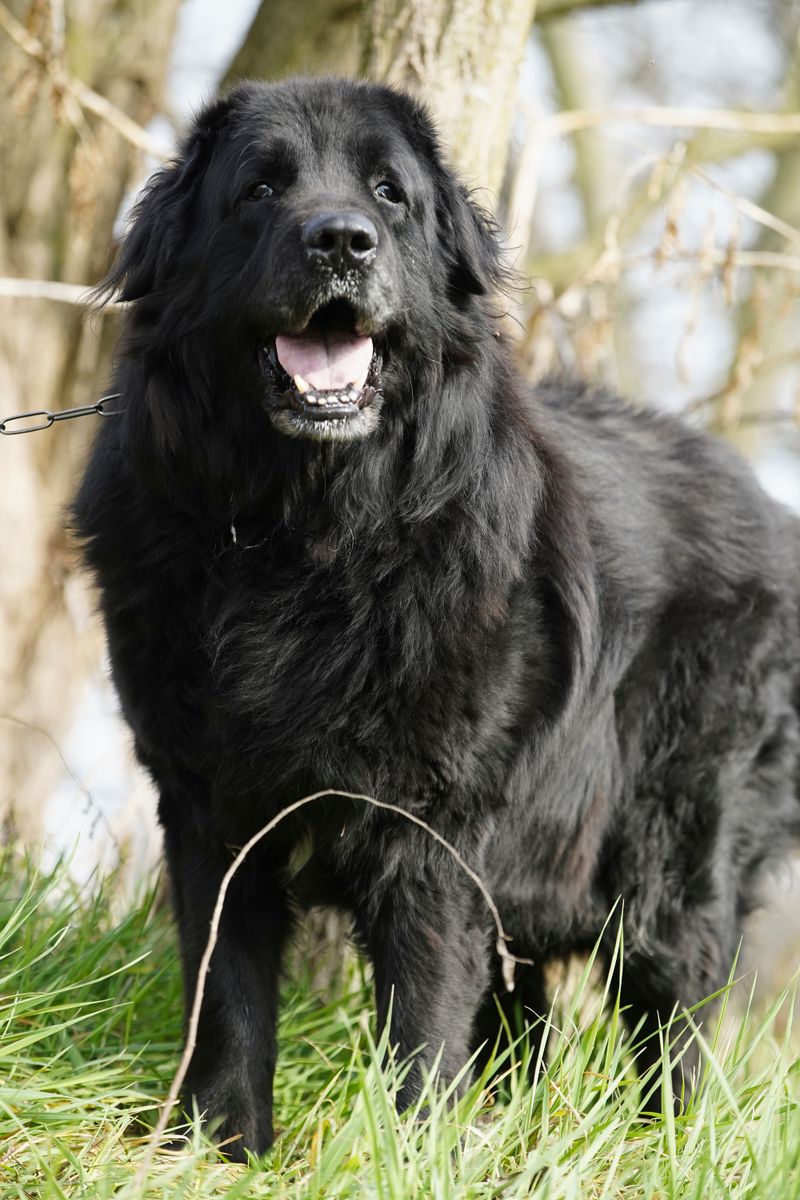
With a heart as big as its paws, the Newfoundland is calm and steady in cold weather. Their water-resistant coat and strong build once helped rescue people from freezing waters.
Short winter walks and purposeful tasks, like carrying a pack, suit their thoughtful nature.
Watch paw fur for ice clumps, and trim as needed. Keep sessions low-impact to protect joints.
Warm indoor rest on a firm bed balances out their chilly outdoor fun.
Bernese Mountain Dog
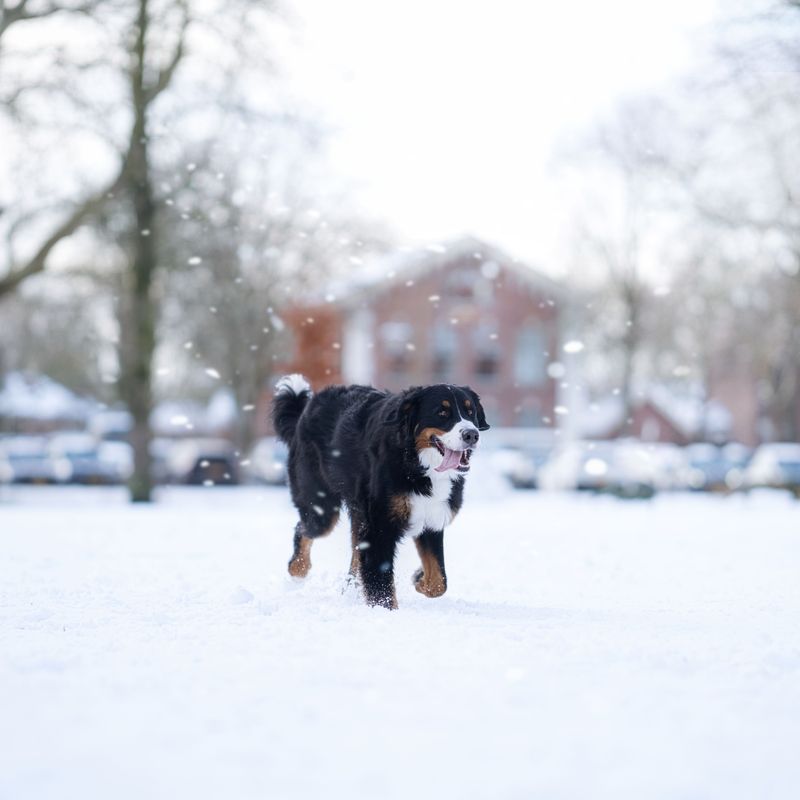
Hailing from the Swiss Alps, the Bernese Mountain Dog feels right at home when the air turns crisp. Their thick tri-colored coat helps them stay cozy while exploring snowy fields.
Gentle hikes and light cart pulling make for satisfying winter routines.
Regular grooming keeps shedding under control. Slow warmups protect muscles in chilly weather, and booties can help on salted sidewalks.
Plenty of praise and short training bursts maintain focus and build confidence outdoors.
Great Pyrenees
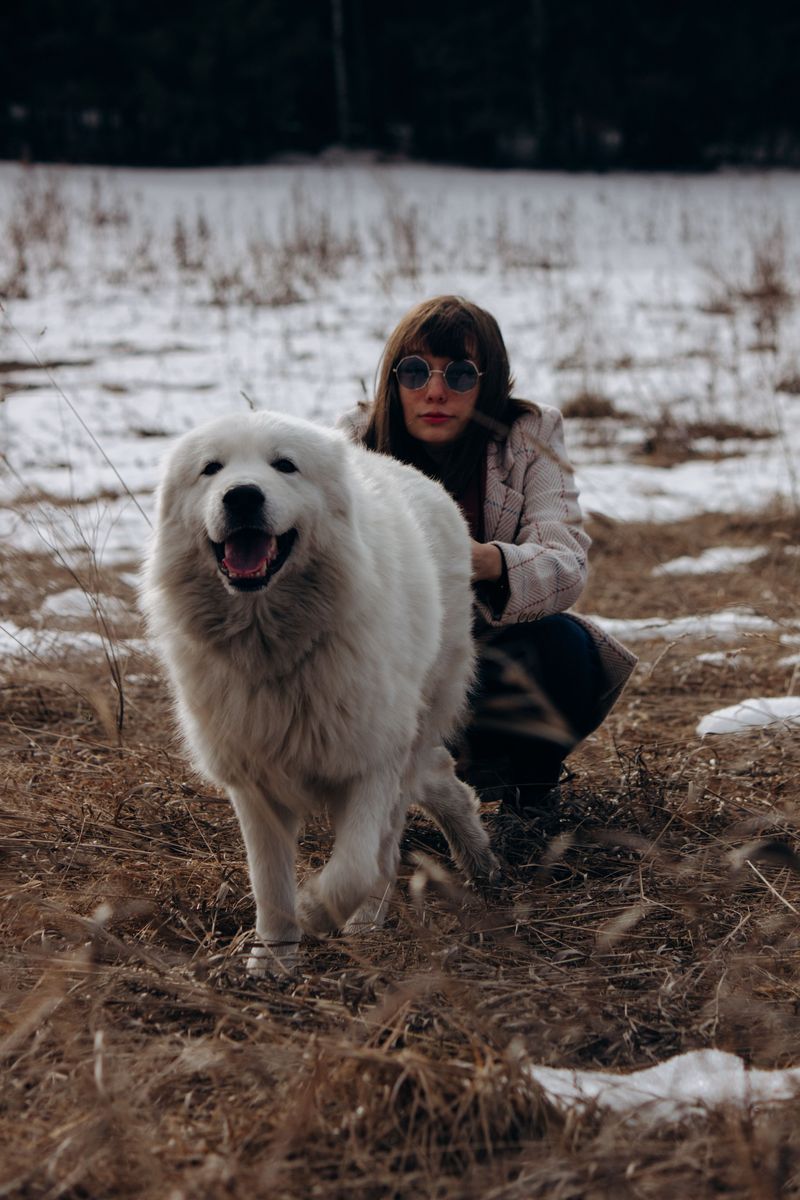
Quiet nights suit the Great Pyrenees, a guardian that handles winter chill with calm confidence. Their dense white coat insulates well, even in gusty wind.
Short patrols around the yard or farm keep their instincts satisfied without overdoing it.
Secure fencing helps manage their independent streak. Brush out tangles to avoid snow mats.
Offer warm shelter options outdoors, plus reflective tags for safety in early dark. Consistent routines help them feel useful and relaxed.
Saint Bernard
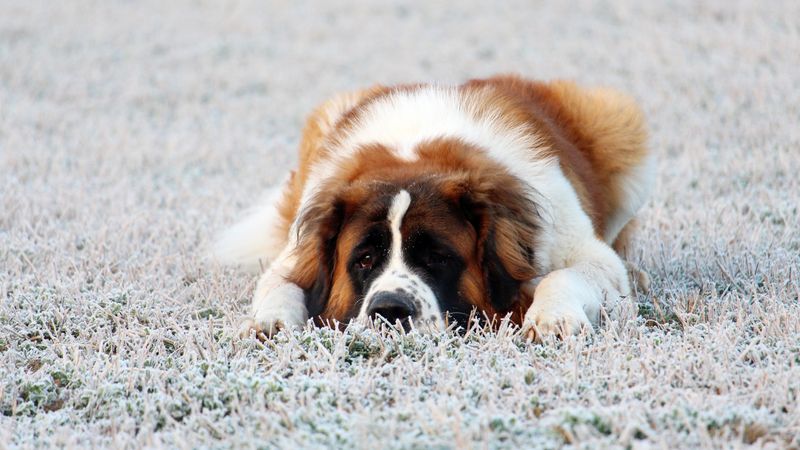
Stories of mountain rescues made the Saint Bernard a winter legend. Broad chests, thick coats, and steady steps help them manage deep snow and cold routes.
Short, purposeful walks and nose-work games keep them engaged without stressing joints.
Watch calories, since slower winter days can add weight fast. Use non-slip mats indoors to protect hips after icy outings.
Gentle brushing and warm towels after snow play keep skin comfortable and spirits high.
Akita
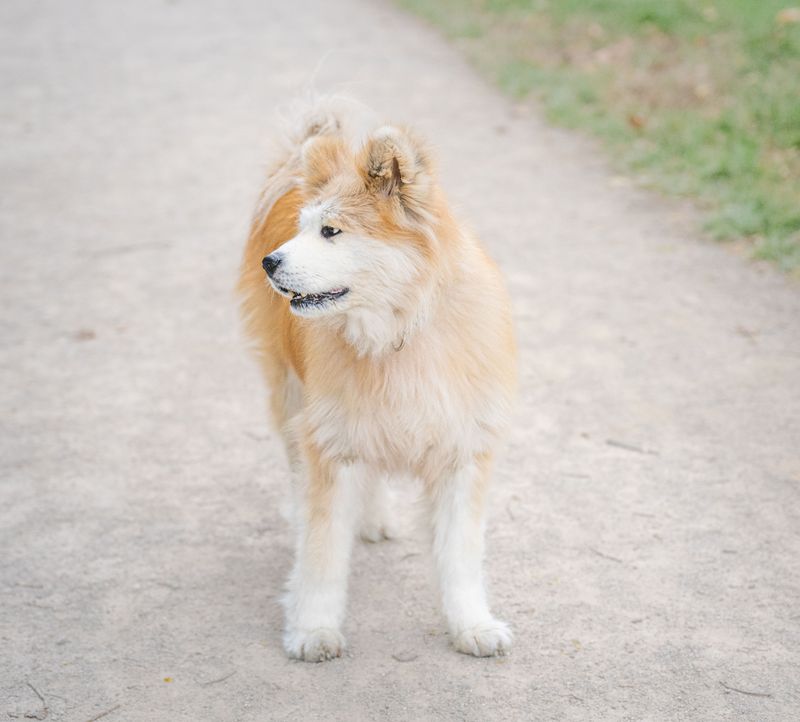
Strong and dignified, the Akita carries winter with quiet pride. Their dense double coat shields against cold gusts, while their calm nature suits brisk walks on quiet streets.
Focused training sessions outdoors work well in cool air, boosting attention and manners.
Early socialization helps them feel secure around new sights. Keep nails trimmed for better traction on ice.
After walks, dry between toes to prevent irritation. A stable routine builds trust and keeps this thinker content.
Norwegian Elkhound
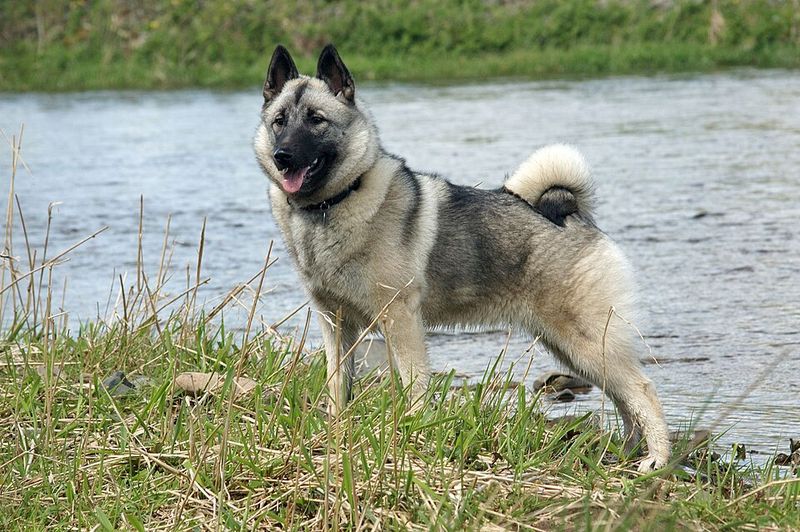
Born for chilly forests, the Norwegian Elkhound thrives when the air bites a little. Their weatherproof coat and springy stride make snowy trails exciting.
Tracking games on packed paths challenge both nose and brain in winter’s quiet woods.
Frequent brushing keeps their coat breathable. Booties help on salted roads, and a snug harness supports safe exploring.
Add recall practice amid swirling flurries to sharpen listening skills, then finish with a cozy cooldown indoors.
Keeshond
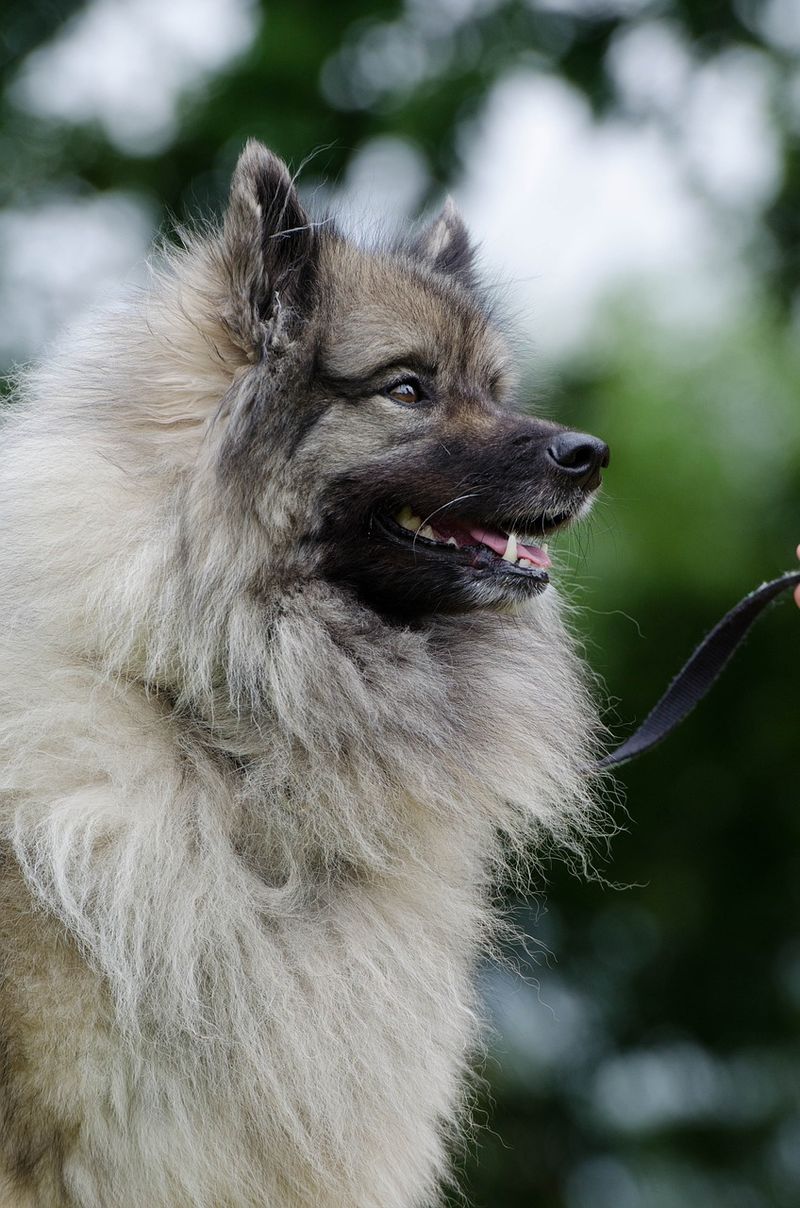
Always ready to chat, the Keeshond brings sparkle to gray winter days. Their thick, spiky coat traps warmth, so quick play sessions outdoors feel fun rather than freezing.
Smart and social, they enjoy trick training on crisp mornings.
To prevent tangles, brush the ruff and breeches often. Keep walks shorter on windy days, but add brain games inside.
Reflective gear helps in early twilight, and a towel by the door keeps floors dry after snowy zoomies.
Chihuahua
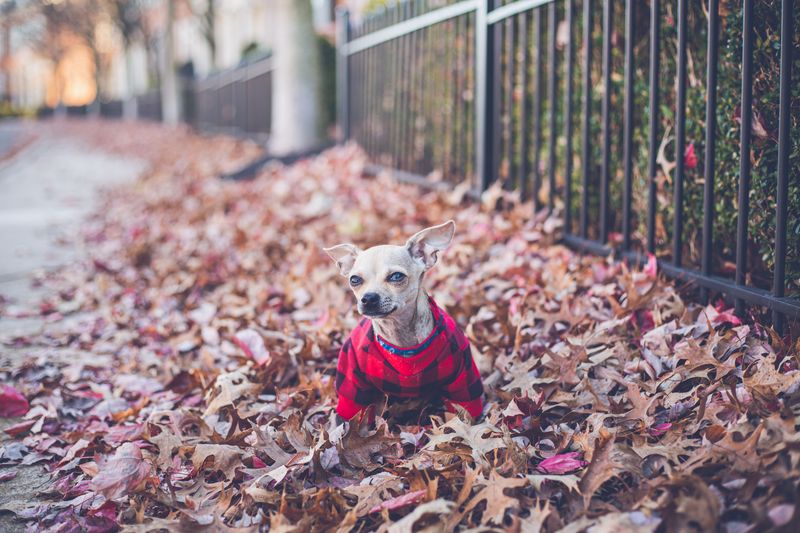
Small body, big shivers. Many Chihuahuas feel chilly quickly and search for the warmest lap in the room.
A snug sweater and short, sunny walks make cold days manageable. Potty breaks close to home help when wind stings their ears.
Warm bedding away from drafts is a must. Use a properly fitted harness for safety over bulky clothing.
Training in the hallway or living room keeps minds busy without braving bitter air too long.
Italian Greyhound
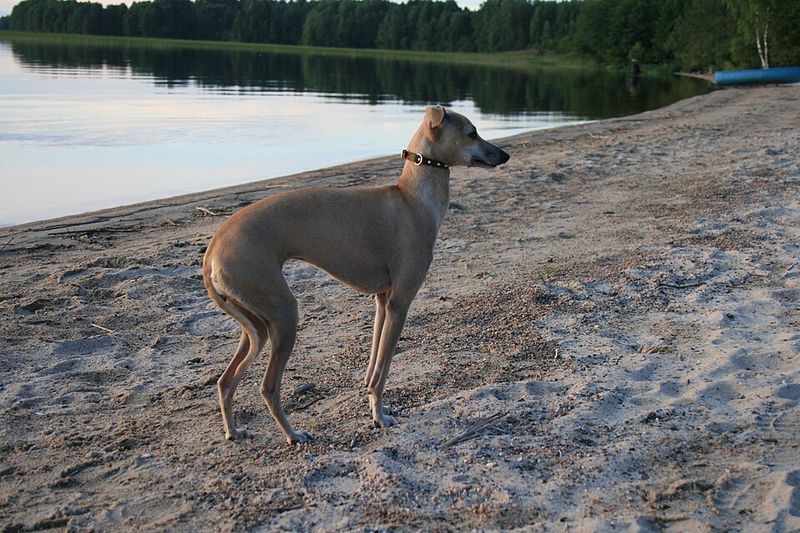
Paper-thin skin and very little body fat make the Italian Greyhound sensitive to cold. Quick bursts outside, then back to blankets, keep them comfortable.
Stylish coats are not fashion extras here. They are useful gear for staying warm.
Choose nonslip booties for icy steps. Gentle indoor agility games, like weaving around cushions, burn energy when sidewalks feel harsh.
A soft, elevated bed helps them retain heat and rest well after brief outings.
Whippet
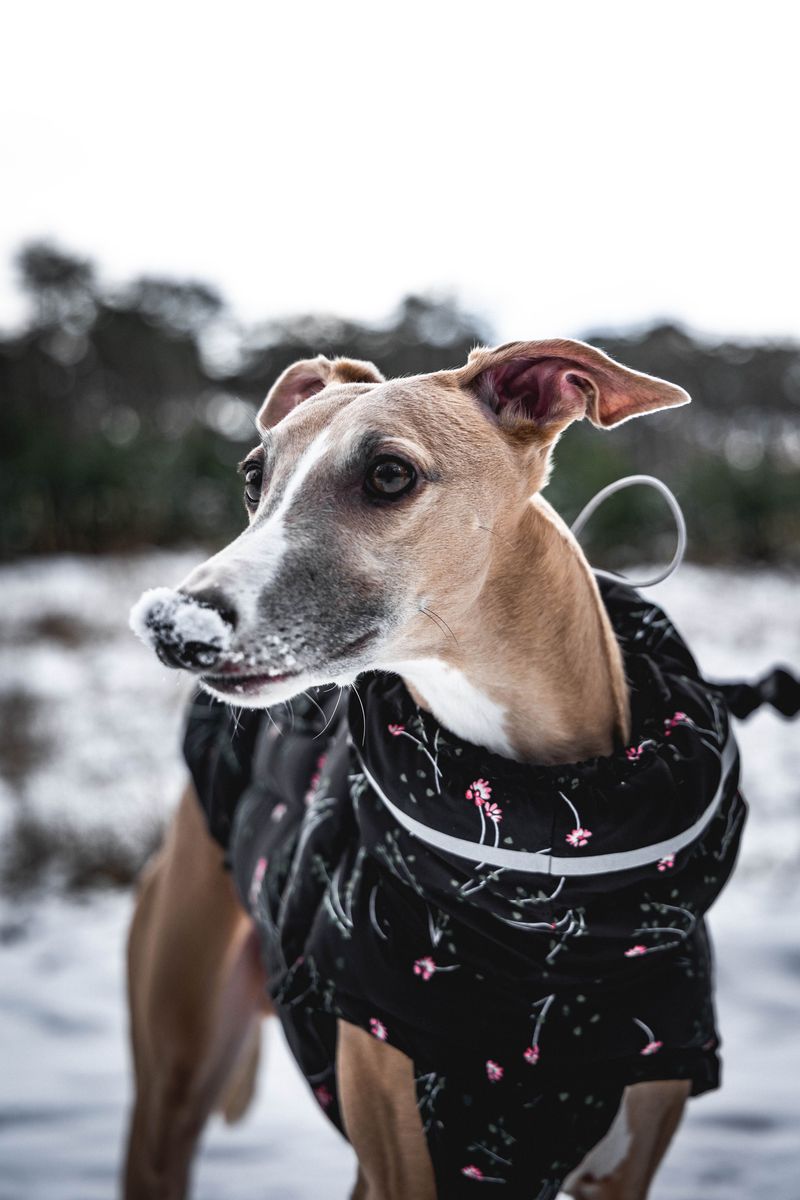
Sleek as a race car, the Whippet lacks the insulation many breeds enjoy. Short, cheerful walks in daylight suit them better than long, windy treks.
A well-fitted winter coat and quick warmups before zoomies protect muscles from chills.
Indoor sprint games down a hallway can scratch the speed itch safely. Keep a cozy blanket station ready for post-play naps.
Balanced meals and gentle stretching help maintain comfort during colder months.
Miniature Pinscher
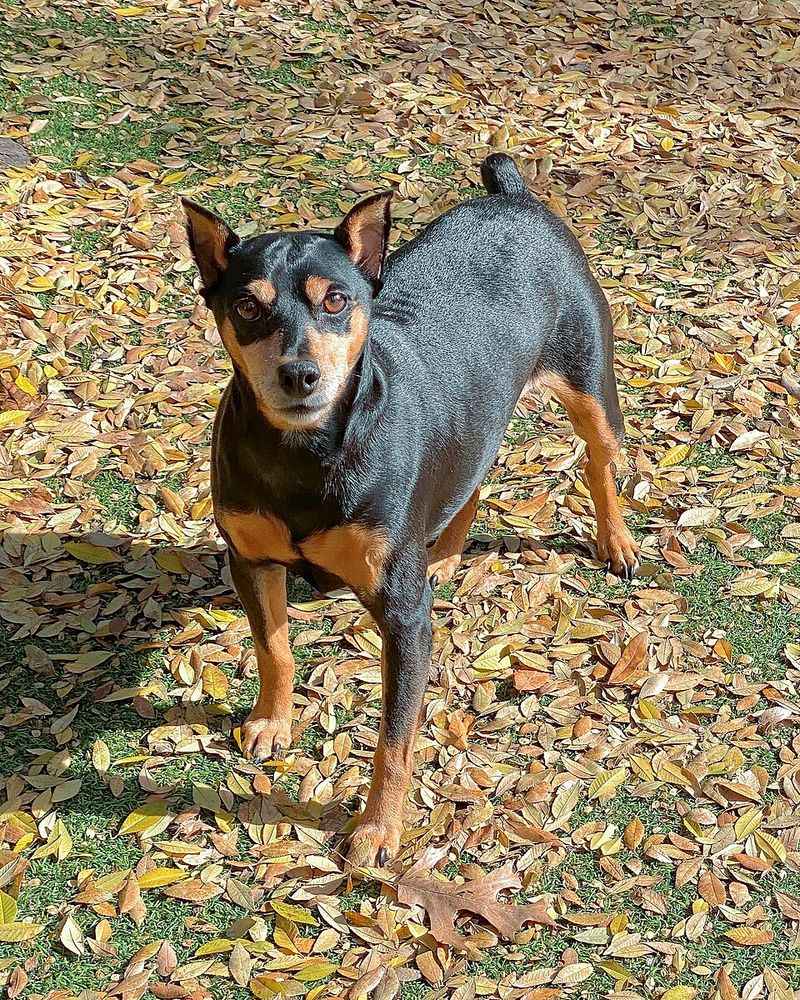
Bold attitude, tiny furnace. The Miniature Pinscher often prefers warmth to winter wind.
A padded jacket and brisk, targeted walks keep spirits high without long exposure. Training sessions with quick turns and sits add focus and fun.
Watch for shivers and lift paws if ice feels sharp. Provide a heated-safe pad or thick blanket nest for recovery naps.
Consistent routines and a playful mindset help this spark plug stay comfy and confident.