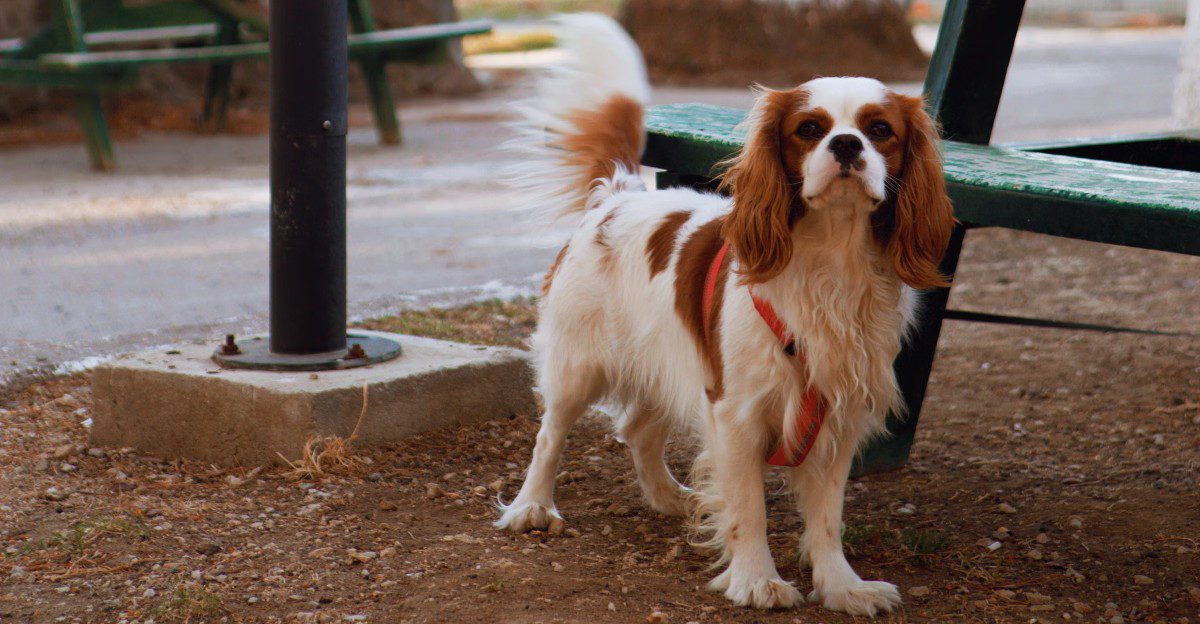
Vet days can feel scary for dogs, but early handling practice at home can make a big difference. Gentle touches, short sessions, and tasty rewards help build trust.
Some breeds usually warm up faster, while others ask for extra patience and steady routines. With the right plan, every pup can feel more comfortable on the exam table.
Labrador Retriever
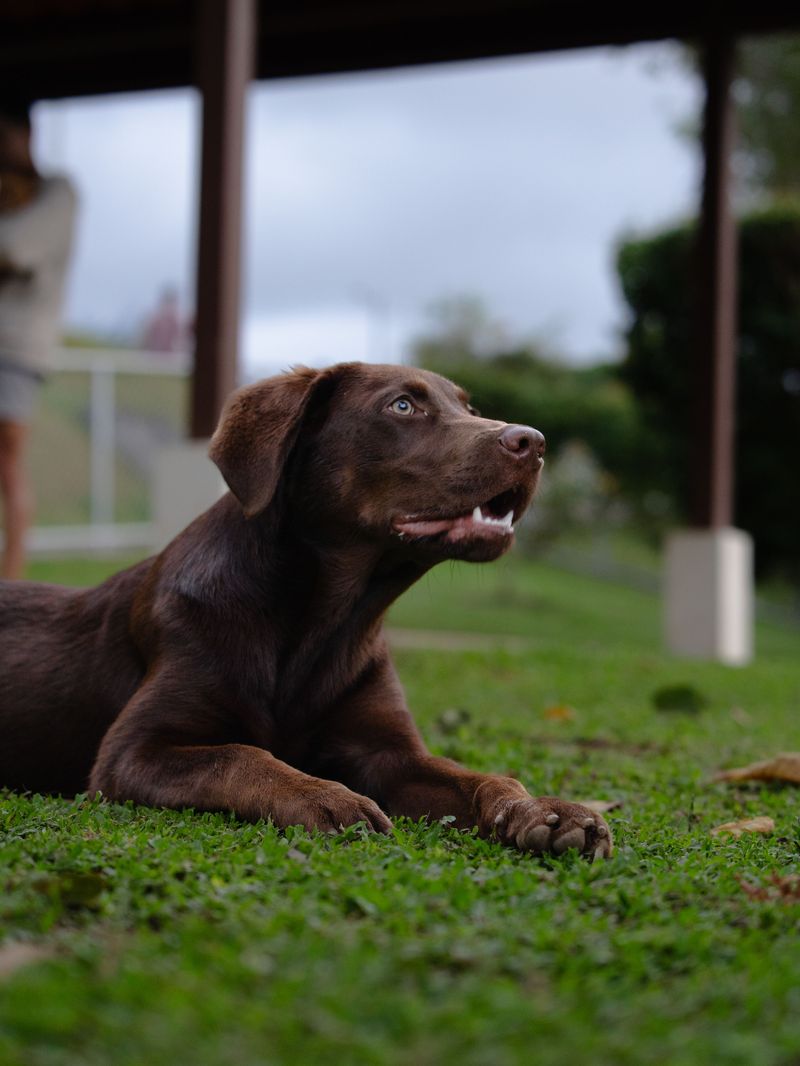
With a tail that drums like a happy metronome, many Labs accept new routines quickly. Start by touching paws, ears, and tail while feeding tiny treats.
Add a chin rest cue to steady the head. Practice standing still on a bath mat that mimics a clinic table.
Short sessions work best. Try light pressure wraps, gentle muzzle touches, and nail clip sounds from your phone.
Did you know Labs often trained for service work thrive with cooperative care games?
Golden Retriever
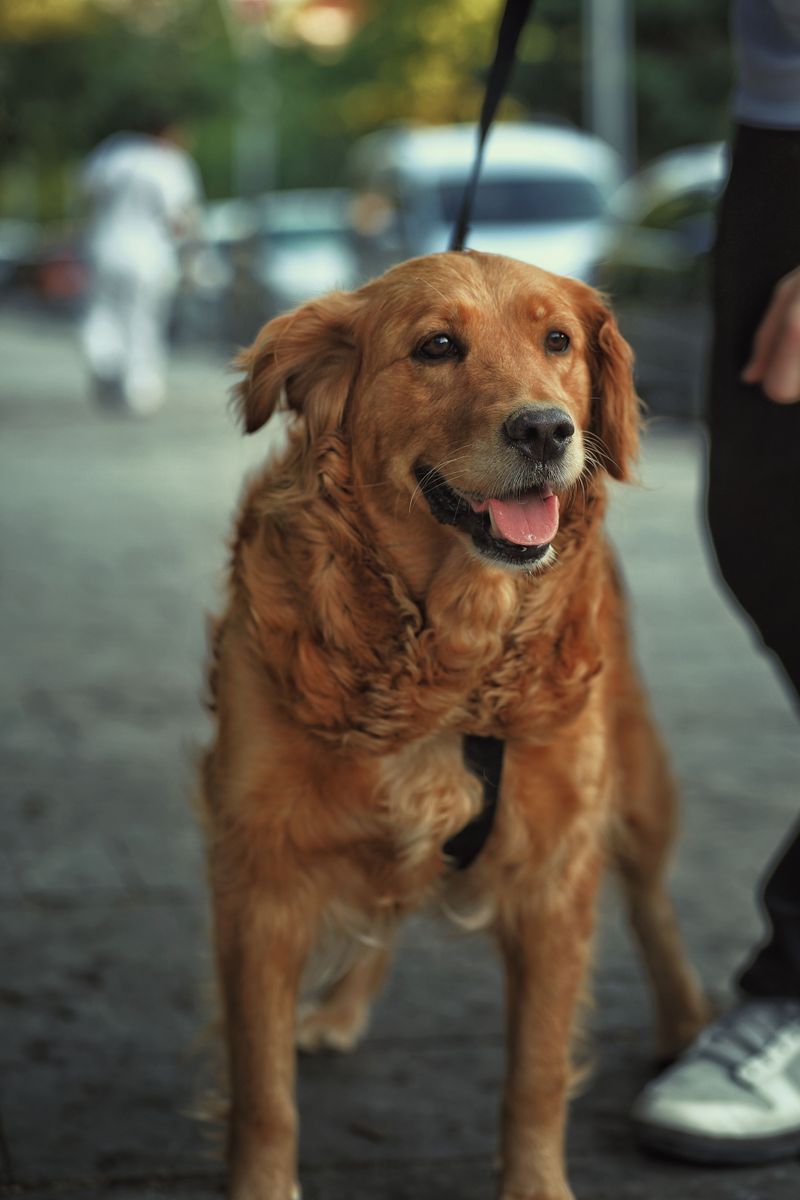
A sunshine-bright smile gives Goldens a head start. Build confidence by pairing every touch with a soft word and a tiny snack.
Lift a lip for a second, reward, then pause. Repeat with ear peeks and gentle tail lifts.
Keep it playful, like a game of stop and treat.
Practice vet-like hugs and stethoscope taps using a toy scope. Many Goldens love praise, so add cheerful markers.
A light non-slip mat helps them relax on slick floors.
Poodle
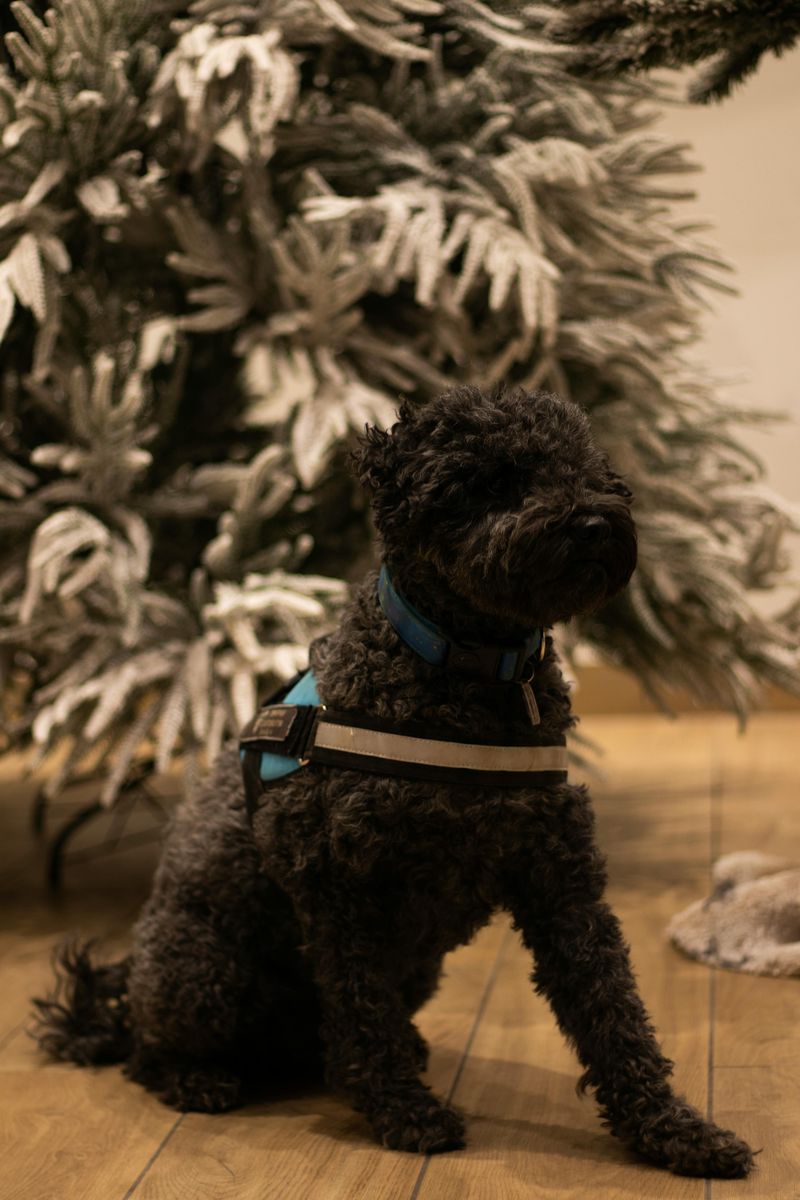
Smart and quick to learn, Poodles often shine with routine. Blend grooming and vet handling in tiny doses.
Touch a paw, reward, then brush a few strokes. Trade a sit for a quick ear peek.
Keep sessions under two minutes, then take a play break.
Introduce a cue like touch for nose targeting the vet’s hand. Sound-proof practice by playing soft clippers or beeps at low volume.
Many Poodles relax when given clear choices and breaks.
English Springer Spaniel
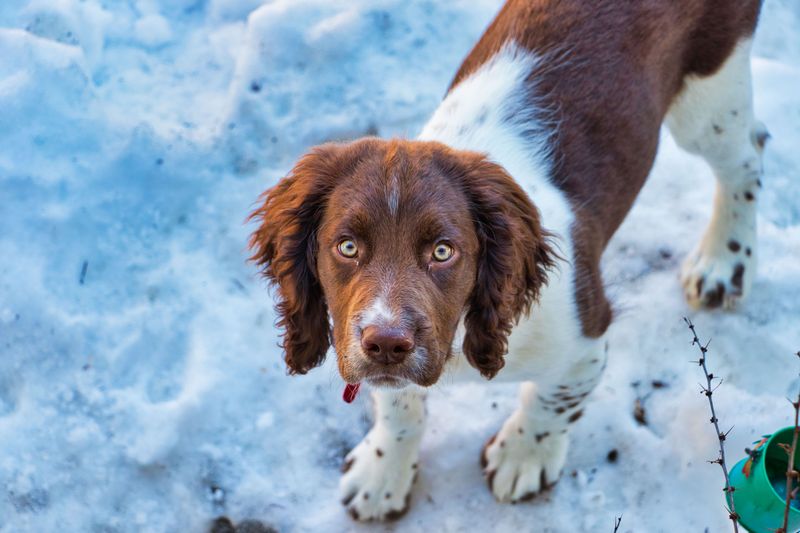
Born eager to work, many Springers enjoy a job. Make handling that job.
Ask for a stand, offer a treat, then touch a shoulder. Teach a nose target to guide body position on cue.
Use upbeat praise that matches their energy.
Practice lifting lips to inspect teeth after a short sniff search game. Try a soft towel hug to prepare for restraint.
Hunting lineage means focus grows with structure, so keep patterns simple and consistent.
Bichon Frise
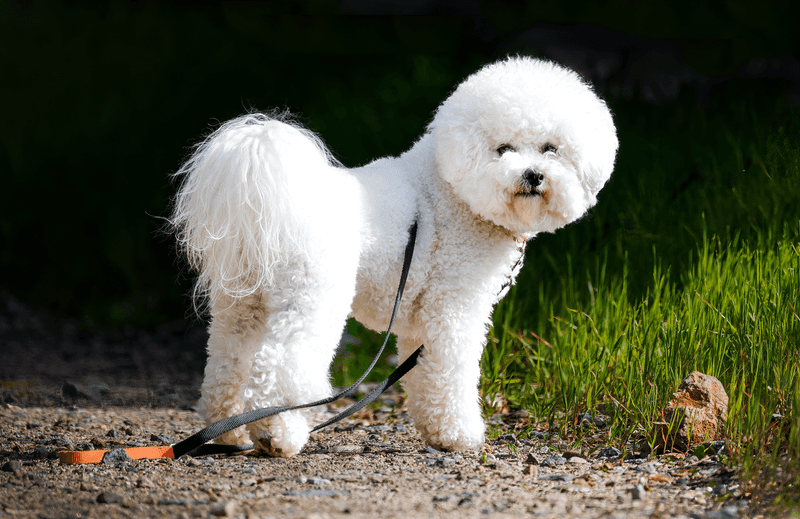
Cloud-soft looks, sturdy spirit. Bichons often enjoy attention, which helps with exams.
Pair feather-light touches with tiny lickable rewards. Teach a chin rest on your palm, then slowly add ear checks.
Keep sessions cozy and brief to prevent fussing.
Play spa day with warm towels and a soft brush, then sneak in nail practice. Rotate between touch, treat, and toy.
Many Bichons respond well to sing-song voices, which lower tension and invite cooperation.
Havanese
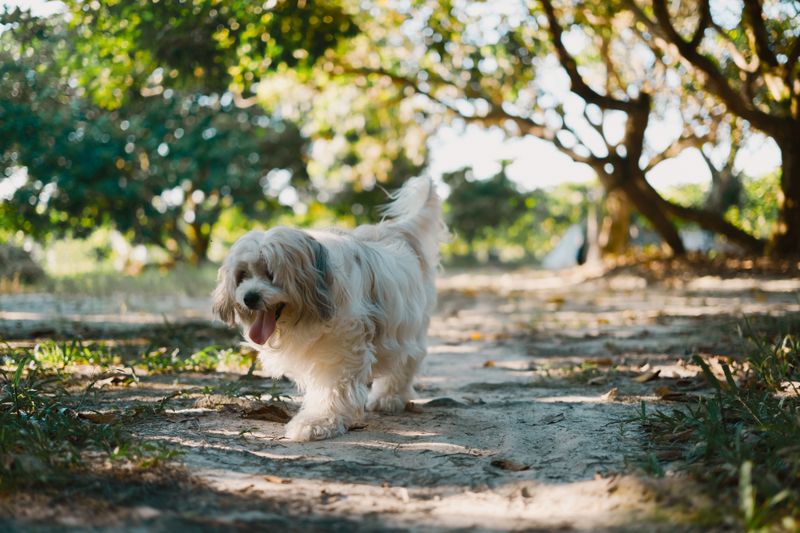
Cheerful and people-focused, the Havanese often thrives on gentle games. Try a peek-and-pay routine: touch an ear, pay a treat, pause.
Gradually lengthen the touch. Practice on different surfaces, like a bath mat or folded blanket, to mimic exam tables.
Introduce a soft hand target to move into position without lifting. Add a simple counting cue, such as one-two-treat, to predict handling length.
Many Havanese relax when they know exactly what comes next.
Papillon
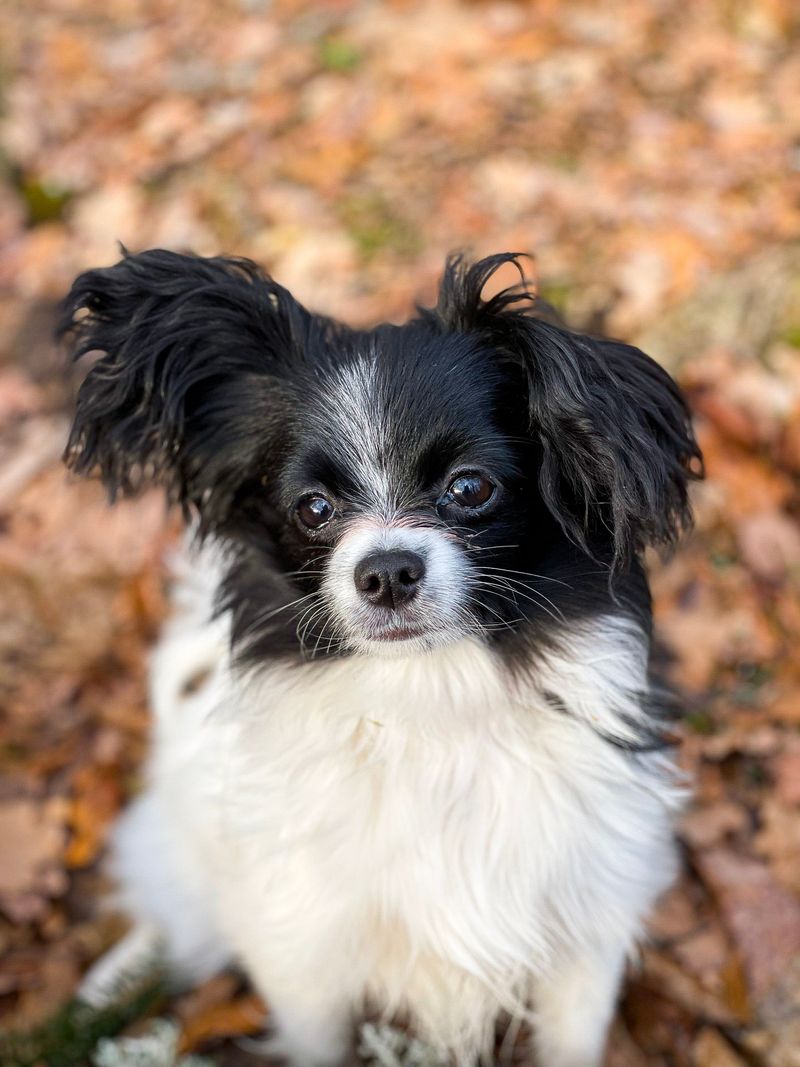
Those butterfly ears deserve patient practice. Start with a touch near the cheek, then reward.
Work slowly toward the ear flap, keeping sessions tiny and upbeat. Use high-value paste to lick while you lift a lip or check a nail.
Short and sweet wins.
Teach a go-to-mat behavior for waiting rooms. A soft harness can aid steady holds.
Papillons are keen observers, so calm breathing and quiet handling help enormously.
Cocker Spaniel
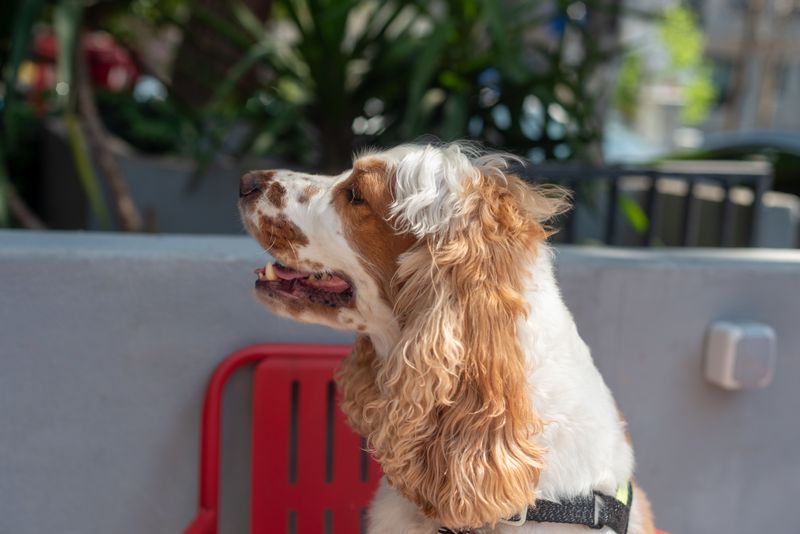
Big soulful eyes, big feelings too. Cockers often appreciate slow, caring touch.
Pair eye wipes with steady breathing and pea-sized treats. Touch the eyelid for one second, reward, then rest.
Repeat with soft paw squeezes to prepare for nail trims.
Try a chin-on-towel cue to keep still during exams. Mix handling with sniffy breaks around the room.
A predictable routine helps Cockers feel secure and lowers fuss at the clinic.
Boxer
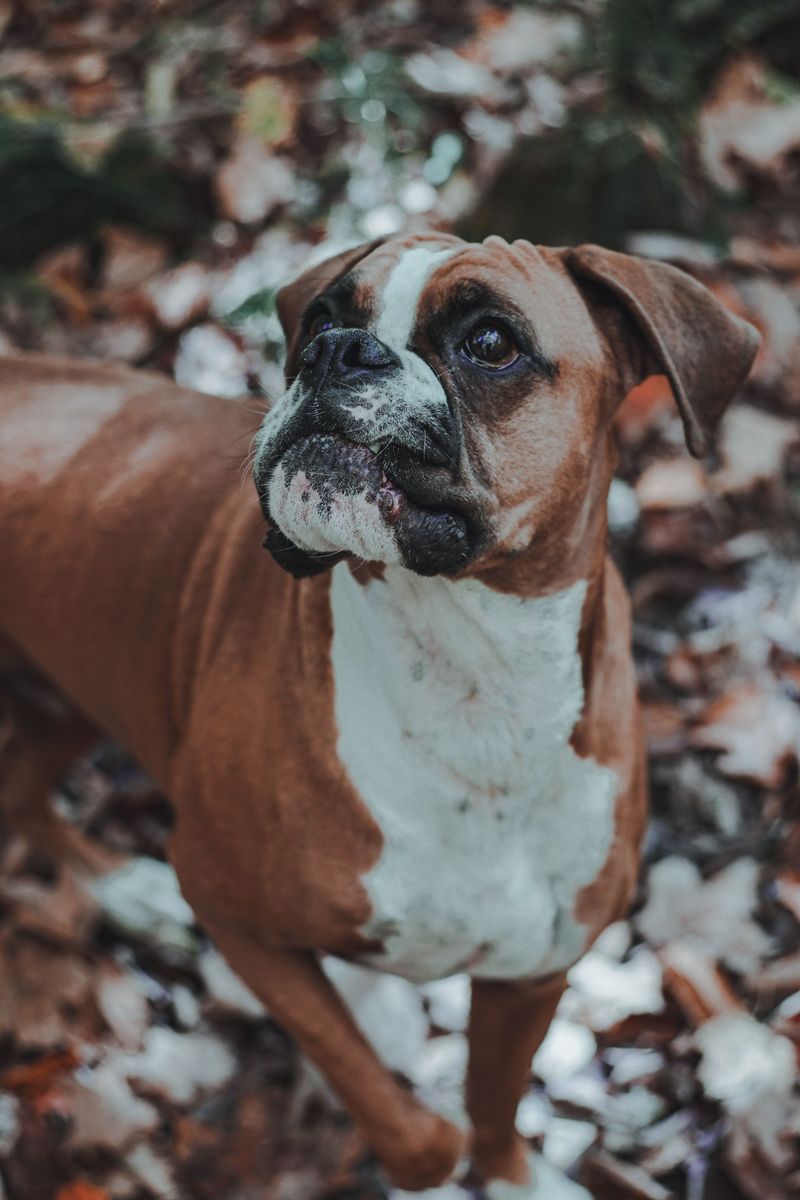
A clown at home, a student at the clinic. Boxers often respond to clear structure.
Practice a steady stand using a target stick, then add brief chest touches. Reward calm breathing.
Use a countdown, like three treats, two touches, one release, to predict the end.
Introduce mock stethoscope taps with a spoon at home. Movement breaks prevent wiggles.
Many Boxers focus best when sessions are energetic, then end quietly with a long chew.
Cavalier King Charles Spaniel
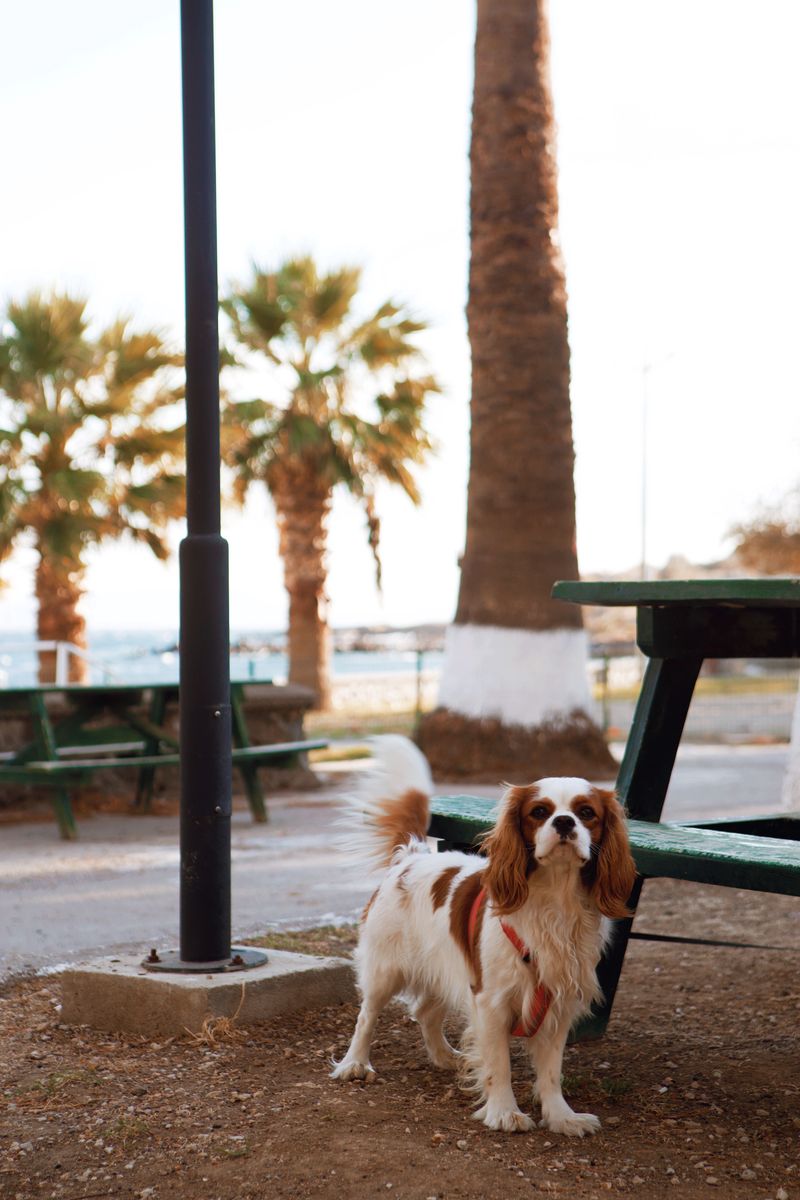
Sweet-natured and sensitive, Cavaliers often relax with warmth and routine. Practice heart-listening positions at home by placing a hand near the chest, then treat.
Add gentle ear and paw touches while the dog rests on a cozy blanket. Keep your voice soft and even.
Bring a familiar scent toy to the clinic. Use slow blink eye contact to reduce tension.
Consistent, tiny steps help Cavaliers settle and cooperate through each exam step.
Akita
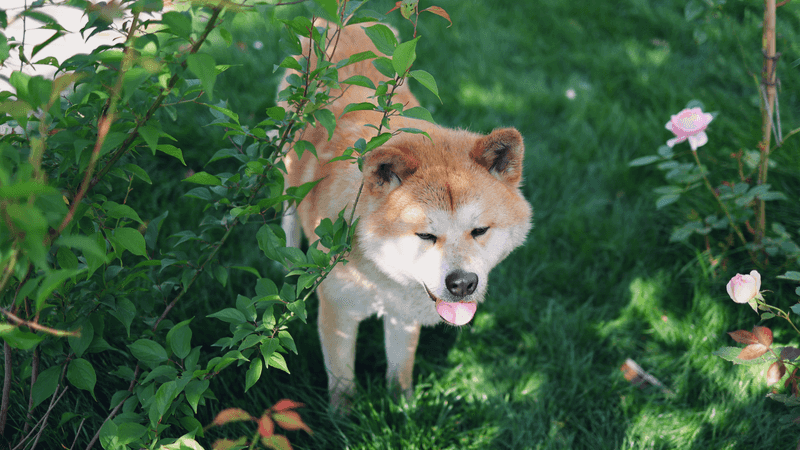
Calm confidence can mask worry. Akitas often do best with thoughtful, low-pressure plans.
Teach a nose-in basket muzzle game with tasty smears, never rushing. Practice consent behaviors like a chin rest that signals start and a step-back to pause.
Keep sessions quiet and predictable.
Use stable footing and minimal restraint. Rotate several high-value rewards to avoid boredom.
Respect personal space, and let the dog choose repositioning when possible. Trust grows slowly, then deepens.
Shiba Inu
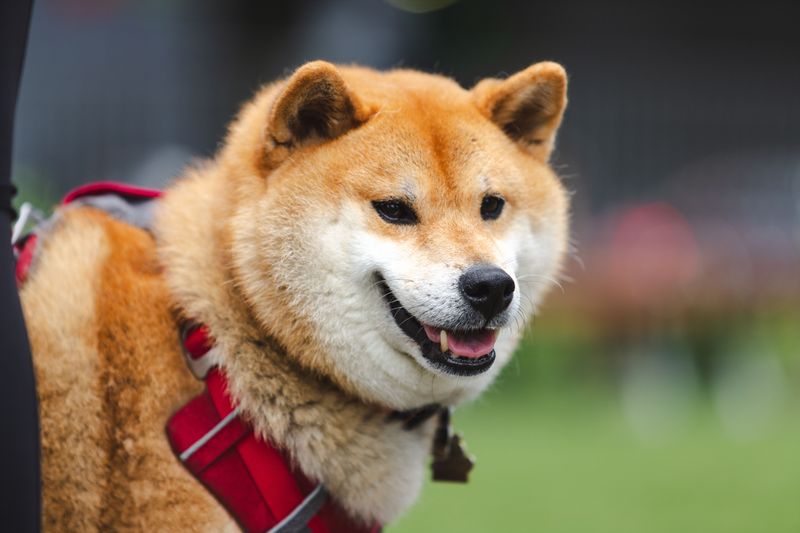
Independent spirit, sharp memory. Shibas often prefer control and clarity.
Teach stationing on a mat, then add one-second touches with a click and treat. Use choice-based handling: chin down means continue, head lift means pause.
Keep sessions very short to prevent frustration.
Desensitize to restraint by practicing towel wraps paired with high-value licks. Avoid surprises and heavy pressure.
Predictable routines, quiet rooms, and respect for boundaries help Shibas participate instead of resist.
Chow Chow
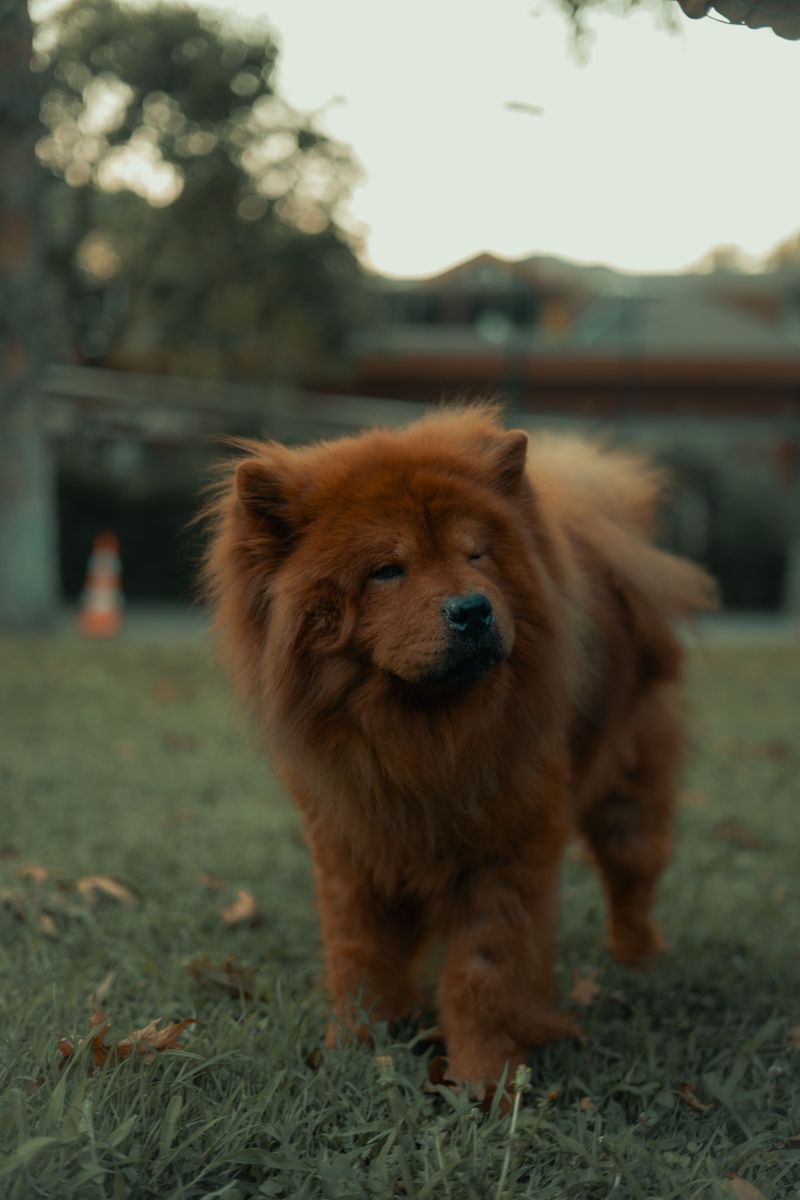
Dignified and reserved, Chows value slow introductions. Begin with parallel time near the handler without touching, then reward calm presence.
Progress to back scratches before sensitive areas. Add tail and paw work in tiny steps while offering steady licks from a squeeze tube.
Teach a cooperative collar hold by shaping head placement into the loop. Keep the environment quiet with few people moving around.
Trust and routine beat speed every time for this breed.
Shar-Pei
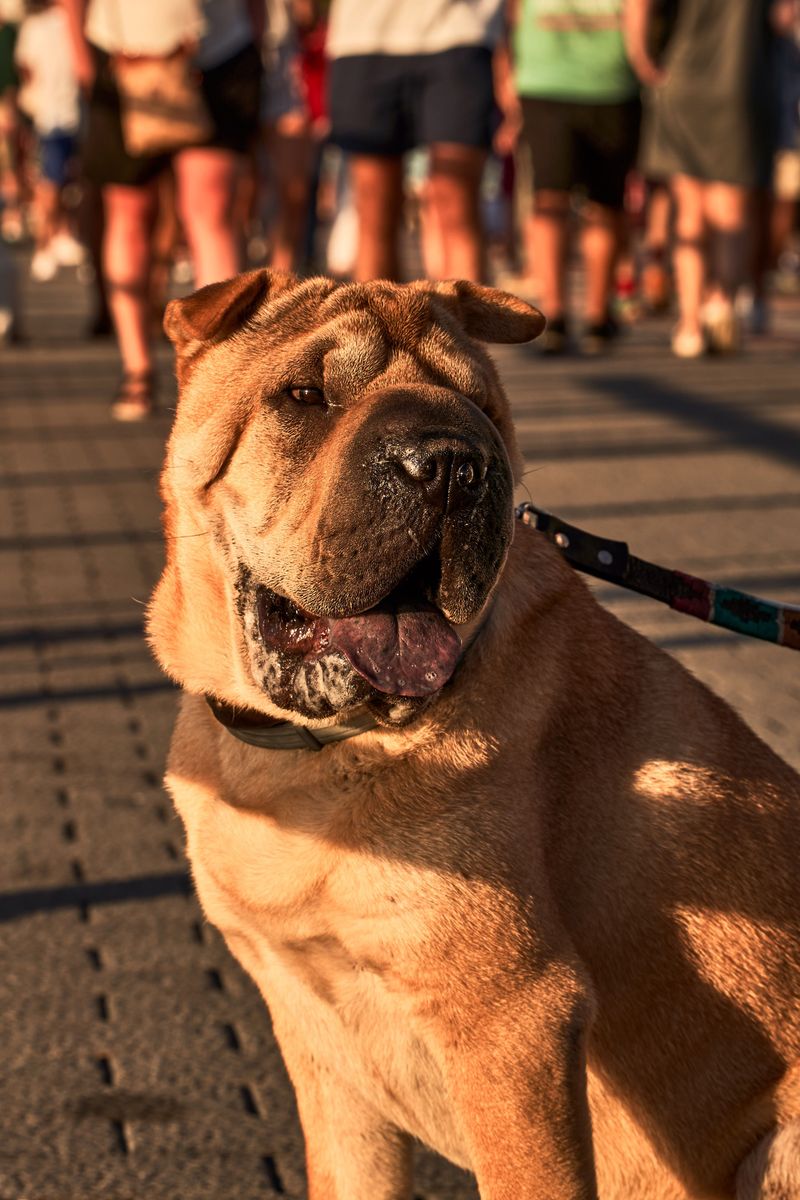
Wrinkles need careful handling. Many Shar-Pei feel sensitive around skin folds and ears.
Pair every fold lift with a soft lick mat and sweet talk. Keep pressure light and clean hands ready.
Practice short sessions of eye and ear checks, then rest in a comfy spot.
Teach a steady stand using a mat cue. Reduce glare and drafty rooms that can irritate skin.
Consistency and compassion help this thoughtful breed accept exams.