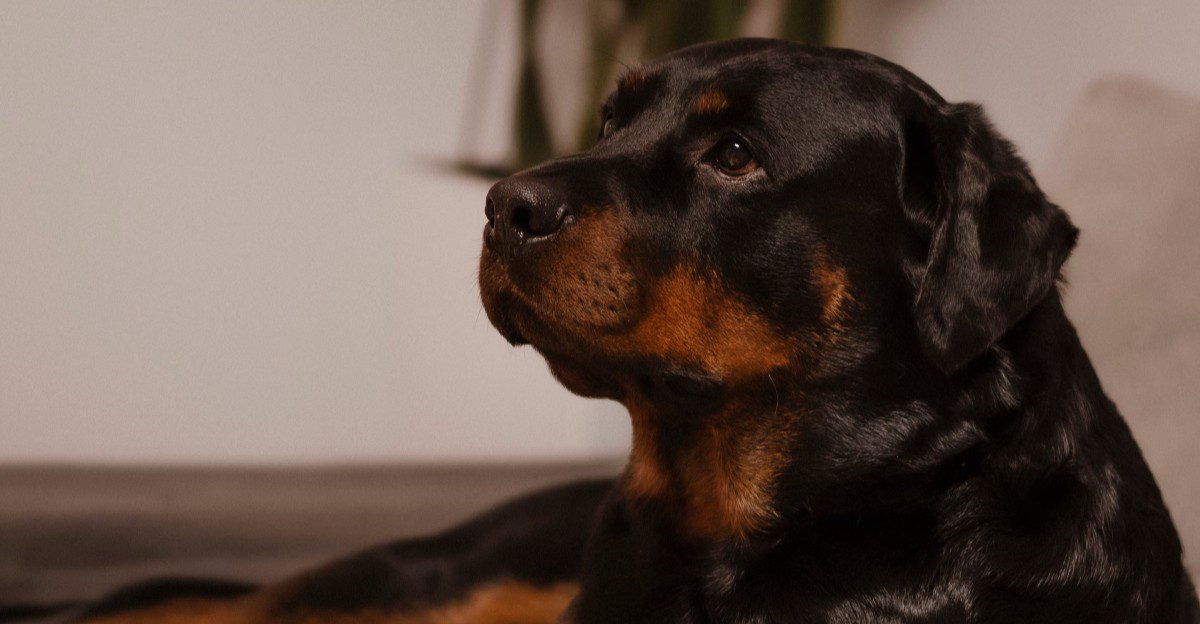
Some dogs do more than hear sounds. They sort out what each noise means, like a smart neighborhood reporter.
That skill can help us feel safe and stay prepared. With the right training, these pups learn to watch, wait, and respond calmly instead of barking nonstop.
German Shepherd
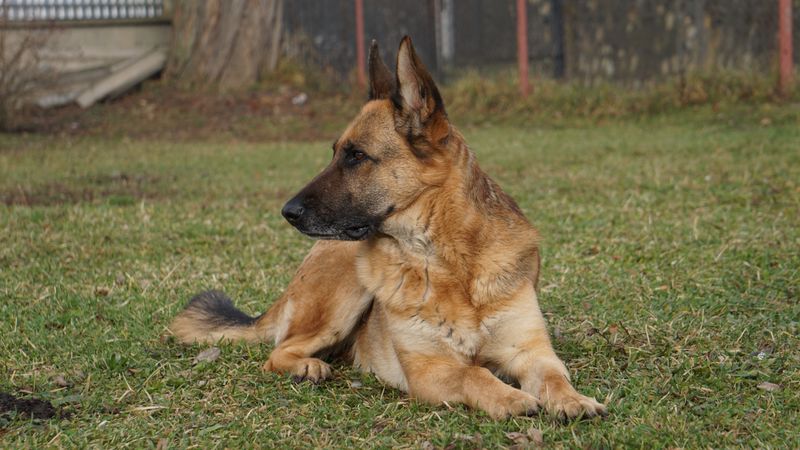
Neighborhood patterns are a puzzle to a German Shepherd, and it loves solving them. A squeaky gate, a new truck route, or footsteps at odd hours become clear signals to check in with you.
Teach a quiet cue, then reward calm watching instead of nonstop alerts. Daily scent games and short patrol walks keep that sharp mind busy, so the dog reports with focus, not fuss.
Post guard play with a tug toy resets energy.
Doberman Pinscher
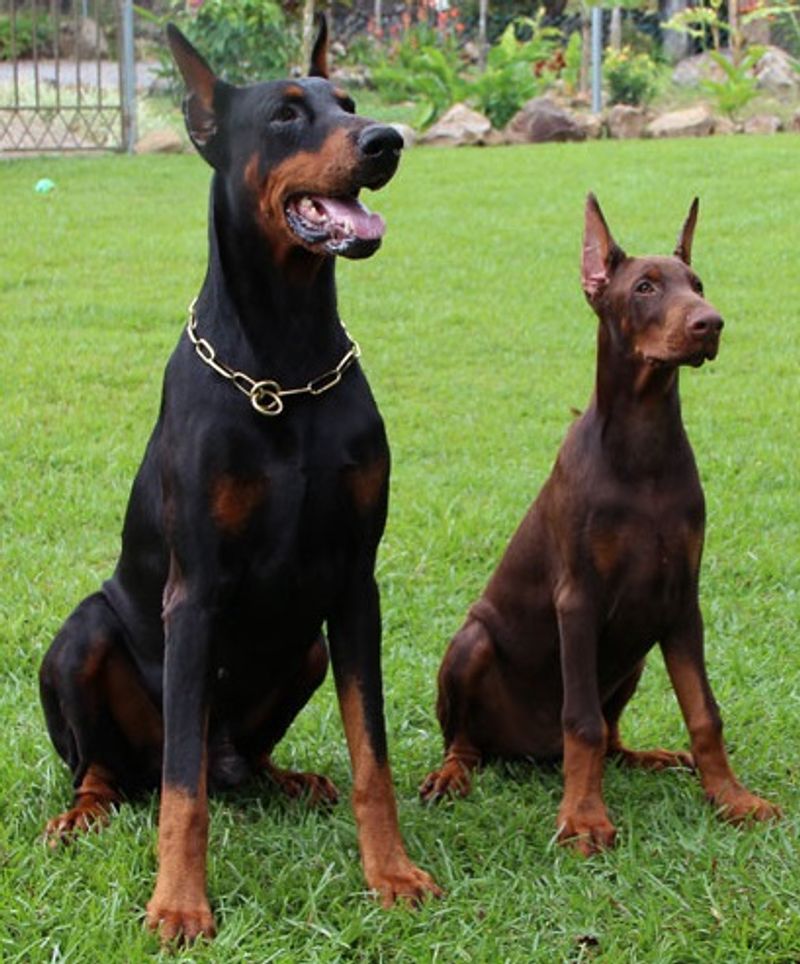
Old-school doorbells hardly fool a Doberman. It studies cadence, volume, and timing, then sorts friendly patterns from odd ones that deserve a closer look.
Shape that talent with a watch-then-wait routine by windows. Practice naming sounds, like skateboard, delivery cart, or neighbor gate, and pay with treats for steady breathing and planted paws.
Evening jogs plus puzzle feeders release steam and keep judgement sharp without edgy buzz. A soft night light reduces sudden startles.
Miniature Schnauzer
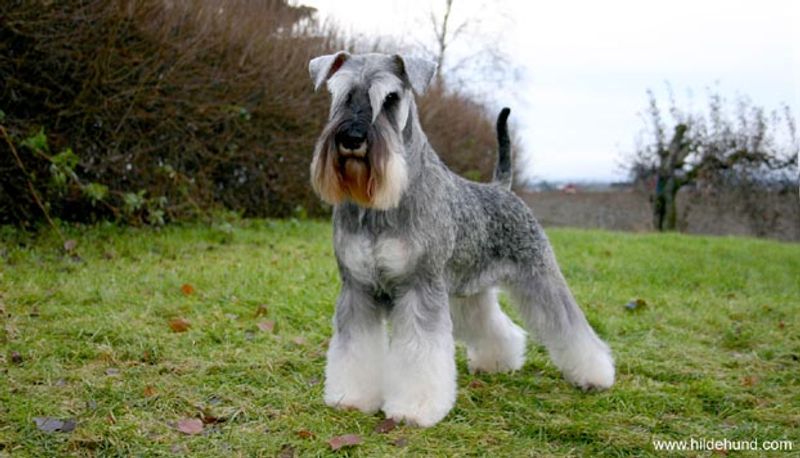
Big eyebrows, bigger opinions, the Mini Schnauzer loves neighborhood news. From clinking recycling bins to skateboard bearings, tiny shifts spark careful alerts instead of random barking when guided well.
Try a balcony sound journal, rewarding quiet notice with a chin scratch and a small treat. Short scent walks and a place mat near the window teach hear it, mark it, settle.
A low fan hum can smooth traffic spikes. Rotate toys to prevent fuss.
Dachshund
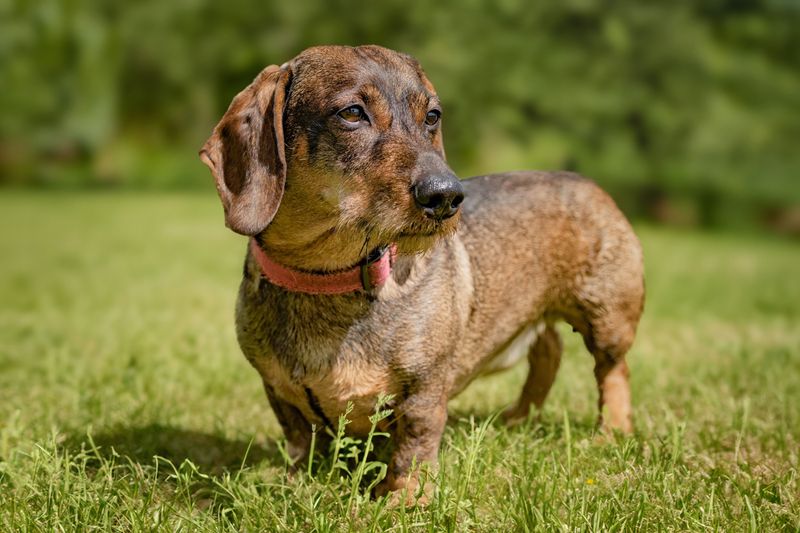
City burrows exist in sound for a Dachshund. It maps hallways by echoes and knows when the upstairs pet sitter arrives versus the mail carrier with a rolling tote.
Build confidence with a peek-a-noise game using recorded clips at low volume. Reward sniffs and tail wags, not lunges, then add a tunnel toy so the dog chooses exploration after notifying you.
Warm sweaters reduce tension during windy nights. Chewy treats slow reactive bursts.
Nicely done.
Chihuahua
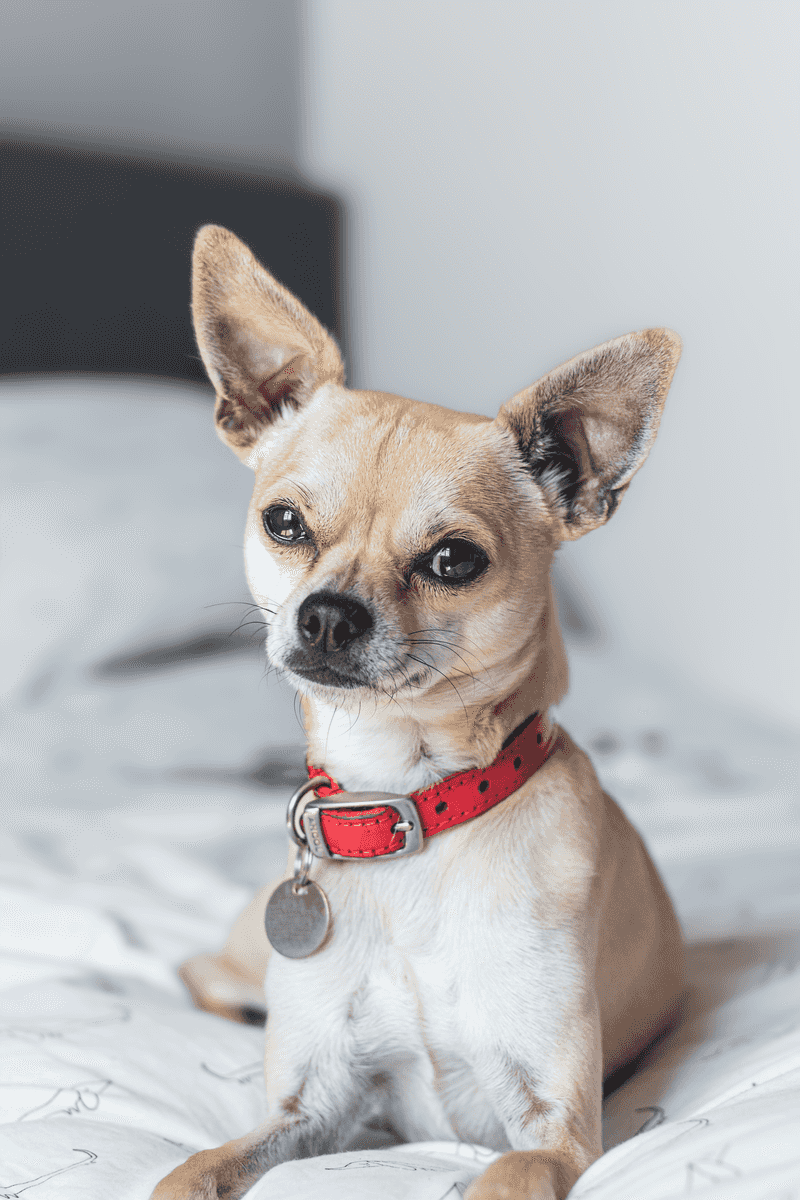
Tiny frame, giant radar, the Chihuahua hears patterns others miss. Lightweight footsteps on stairs or keys hitting a bowl become early alerts that help households prepare calmly.
Teach a touch-to-hand routine to switch from yapping to checking in. Keep windows low enough for a look, provide a snuggle cave for recovery, and use soft training treats for quick wins.
Morning sunbaths warm nerves and trim surprise reactions. Rotate quiet toys between door knocks.
Stay consistent.
Shetland Sheepdog
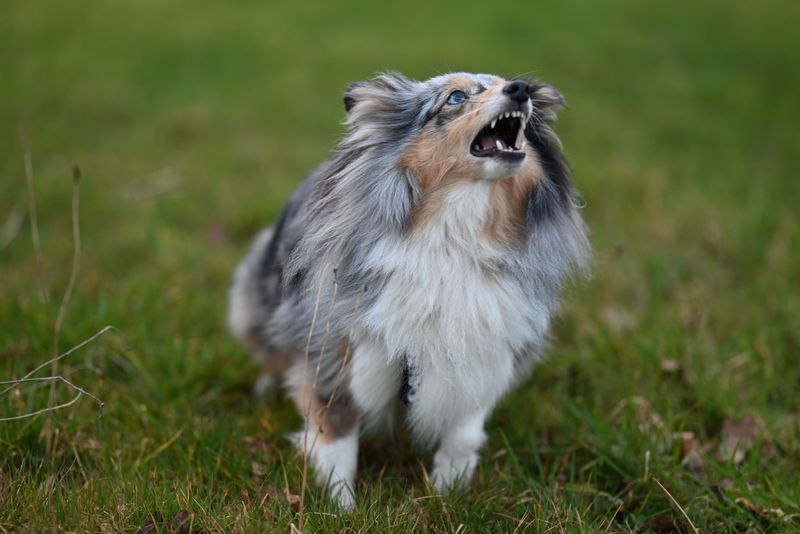
Like a tiny analyst in a fluffy coat, the Sheltie catalogs every neighborhood cue. It notices bicycle chains, distant whistles, and school buses turning two streets away.
Channel the brainpower with sound labeling games and a settle mat near activity spots. A long line in the yard allows observing without rushing fences, and a jackpot treat arrives only for quiet, steady look-backs.
Fun fact, Shelties once gathered sheep by voice cues alone. Neat habit.
Actually.
Rottweiler
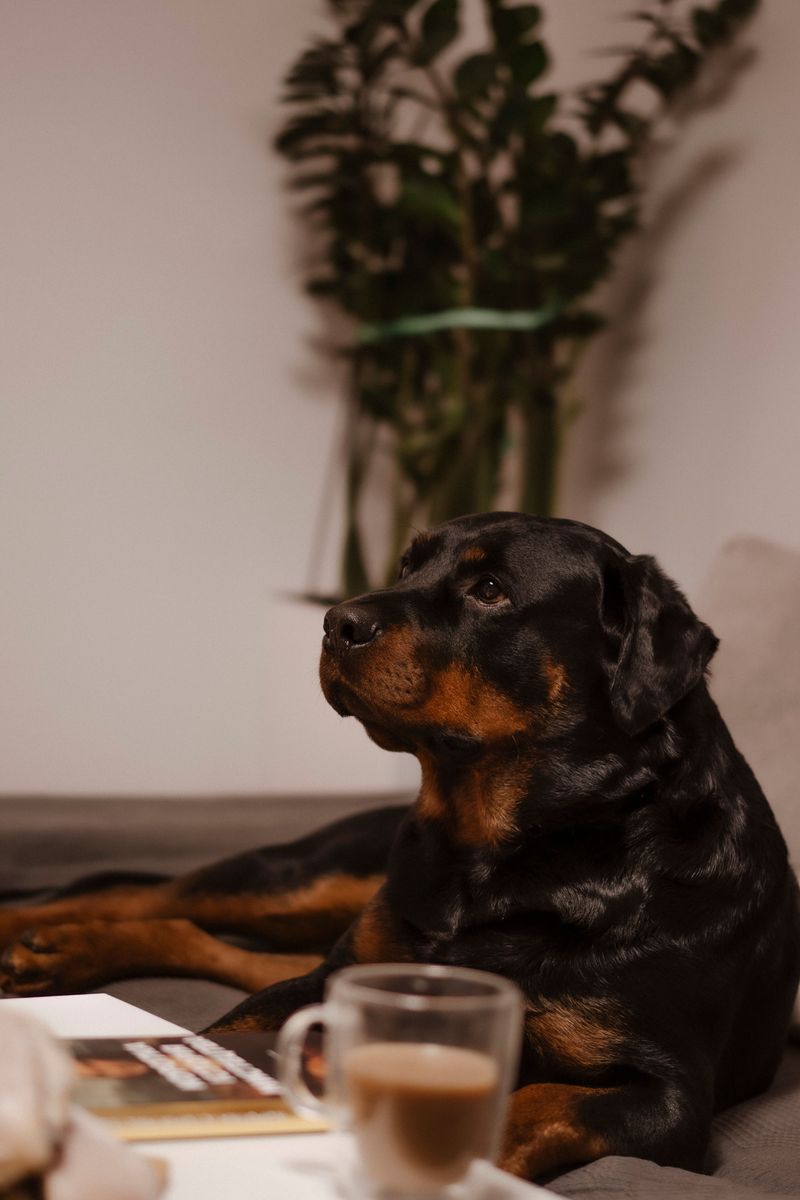
Calm first, then curious, a Rottweiler often treats new sounds like files to open. It waits, listens, and chooses a measured response that feels safe and confident.
Support that style with relaxed thresholds, such as ten silent seconds before moving to check. Pair distant noises with slow treats from your open palm, and add cart pulls or weight drags to burn strength kindly.
Evening grooming turns alert time into bonding time. Trust grows.
Steadily so.
Pomeranian
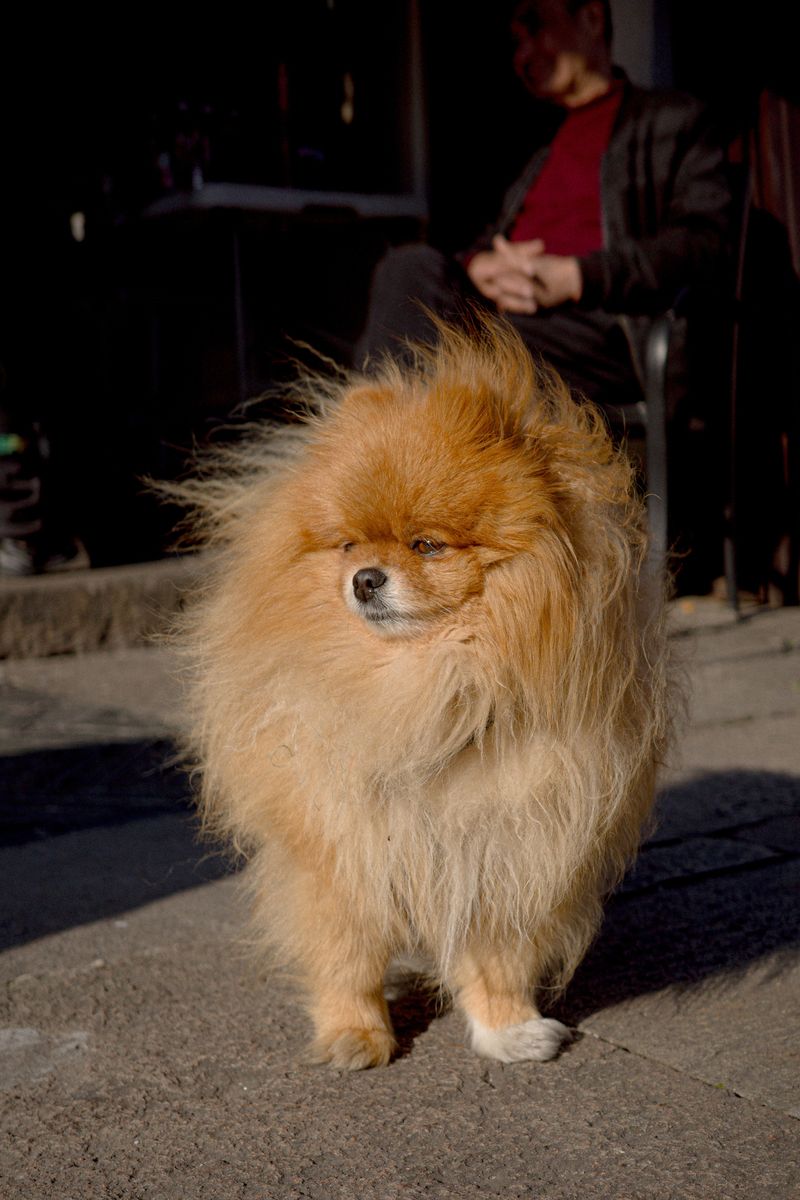
Feather-light feet, loud brain, the Pomeranian runs a tiny newsroom by the window. It catches stroller squeaks and mailbox clanks, then flags you like a perky assistant editor.
Turn headlines into bullet points using a mark-and-treat routine. Offer a perch with a comfy view, rotate soft chewies for downtime, and use scatter feeding after a cluster of deliveries to switch from alert mode to sniff mode.
Short hallway sprints release spark safely. Happy endings.
Always.
Standard Schnauzer
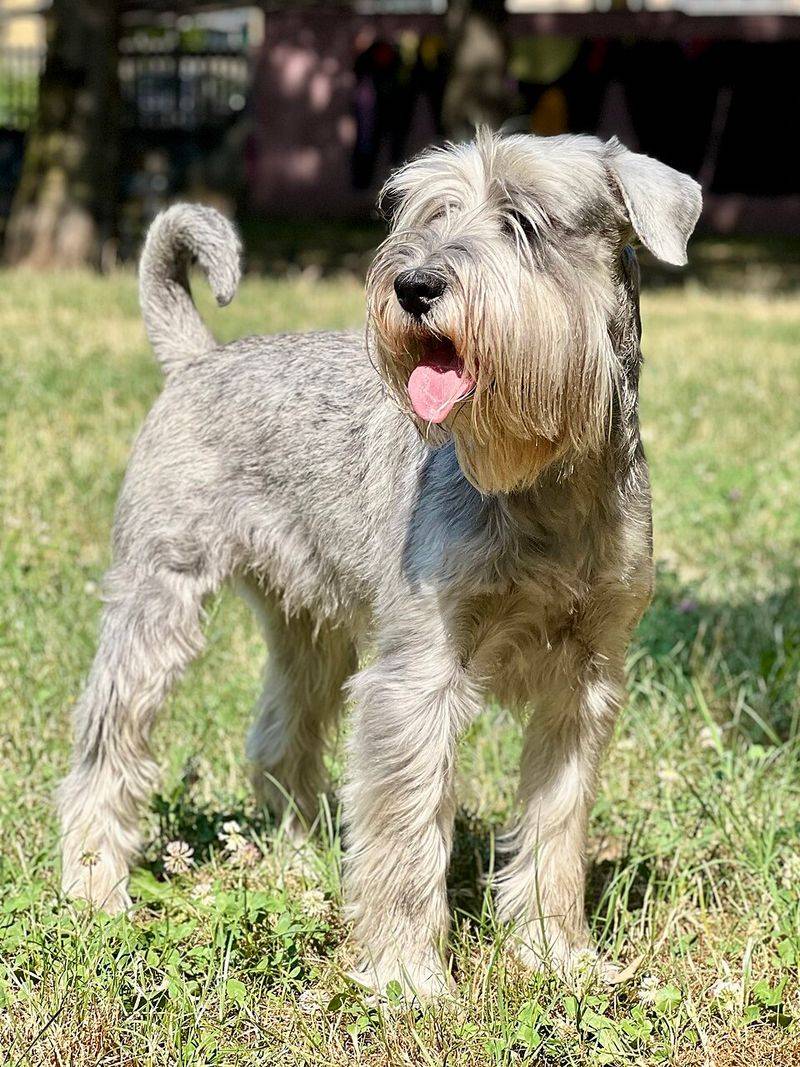
Serious eyebrows meet serious study with the Standard Schnauzer. It weighs patterns like a guard at a gate, yet enjoys a clear job and fair rules.
Create a sound ladder, from soft recordings to real-life routes, paying only for calm checks. Add carting, nosework boxes, and a place cue near doors so the dog learns to watch, report, then hold position.
A small bell can become a request button, not an alarm. Clear wins.
Daily.
Australian Cattle Dog
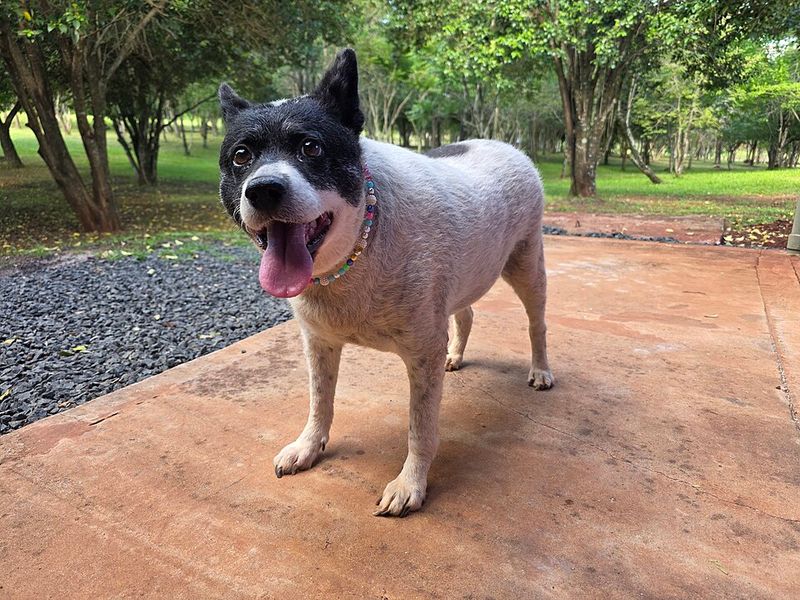
Work ethic meets audio mapping in the Australian Cattle Dog. Patterns matter, like trash day trucks versus the ice cream van melody, and quick learners turn those into useful alerts.
Channel that spark with fetch intervals after a quiet watch. Teach a go to spot cue when delivery doors slam, reward with a Frisbee burst, then cool down with sniffy walks that lower arousal.
Fun fact, the breed thrives on jobs. Assign some.
Each day.
Cane Corso
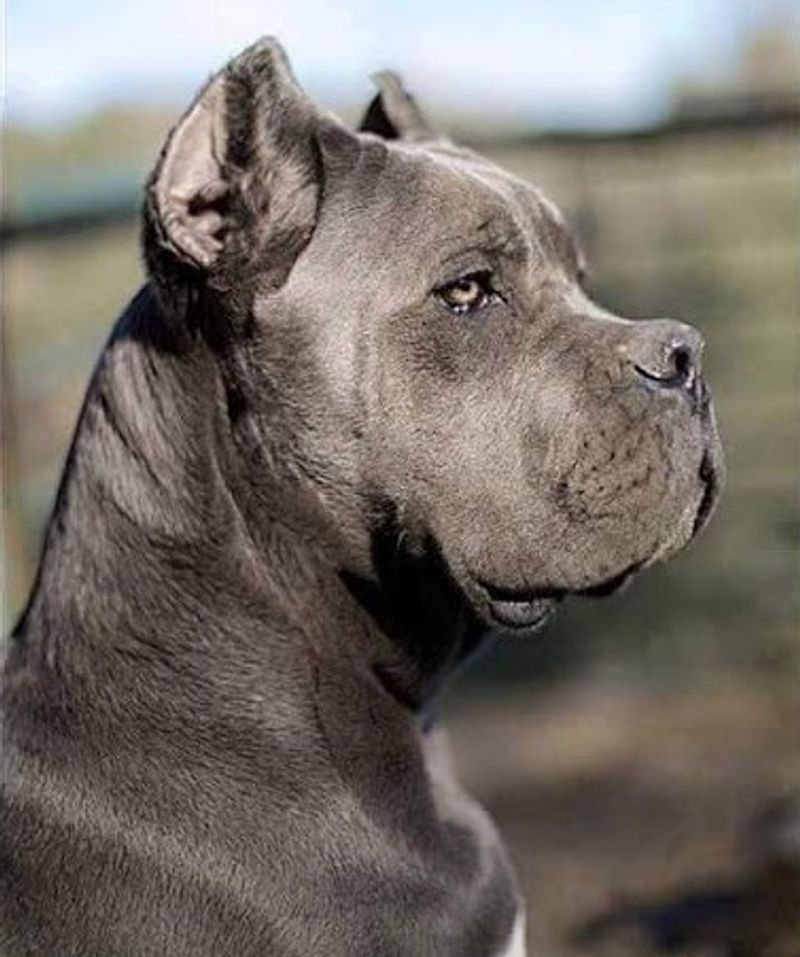
Neighbors relax when a Cane Corso learns to interpret noise with composure. The dog listens like a sentinel, then chooses a quiet stance until you confirm a plan.
Focus training on slow breathing and settled posture before moving toward doors. Pair deep rumbles with tug-or-treat choices, add controlled social walks, and end evenings with massage so the mind files sounds away, not under urgent.
Steady routines create quiet confidence. Light stretching helps joints relax.
Nicely.