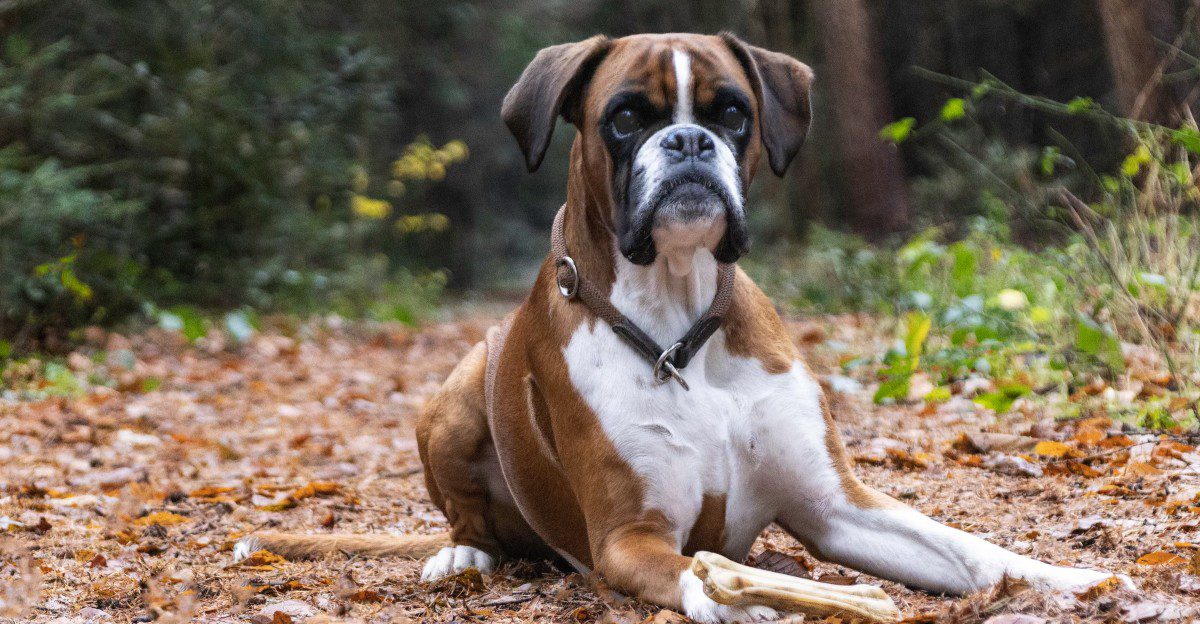
Big, smart dogs need more than a quick walk. They were bred for jobs like guarding, herding, and tracking, so their minds crave challenges.
When they have daily training and problem solving, they stay calm and happy at home. Meet thirteen powerful breeds that shine with both exercise and brain work.
German Shepherd
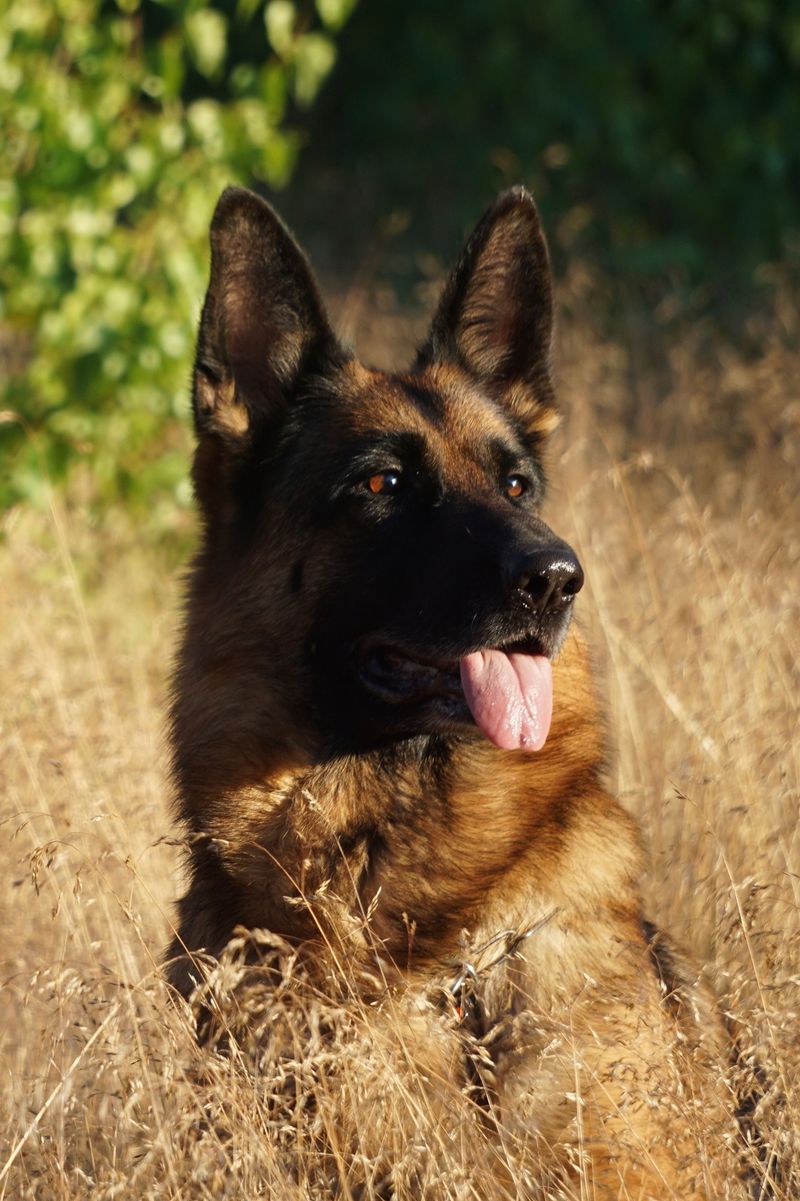
Brains and bravery define the German Shepherd. Give structured training and watch this dog light up with purpose.
Nosework, advanced obedience, and puzzle feeders keep that sharp mind humming. A short game of fetch is fine, but pair it with tasks that require decisions.
Try weekly tracking sessions and a daily ten-minute trick routine. Clear rules matter.
When work and play mix, you get a steady, loyal partner who settles peacefully after.
Belgian Malinois
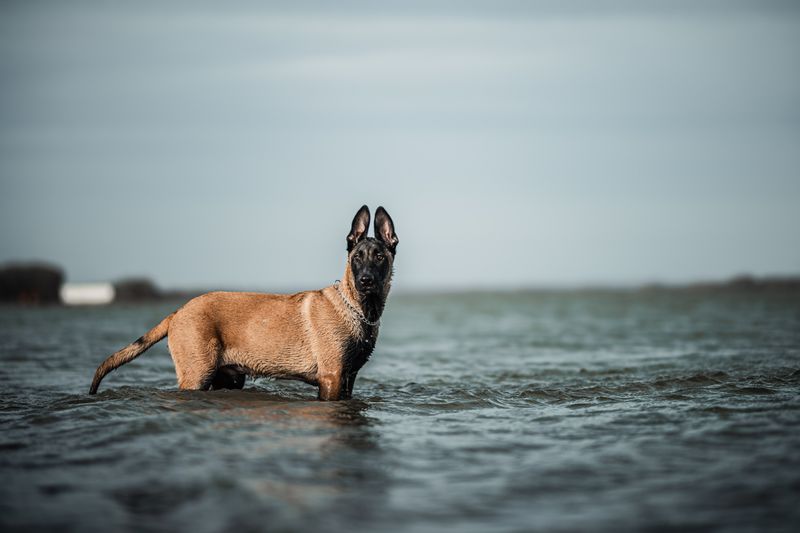
If energy could grow legs, it would look like a Malinois. Channel that spark with agility courses, bite-sport style tug games, and precision obedience.
Short, sharp training bursts beat long, boring sessions. Mental drills first, sprinting second keeps focus tight.
Rotate jobs through the week: scent articles Monday, agility Wednesday, urban tracking Friday. Use toy rewards and clear markers.
A busy Malinois mind equals a relaxed housemate after the work is done.
Doberman Pinscher
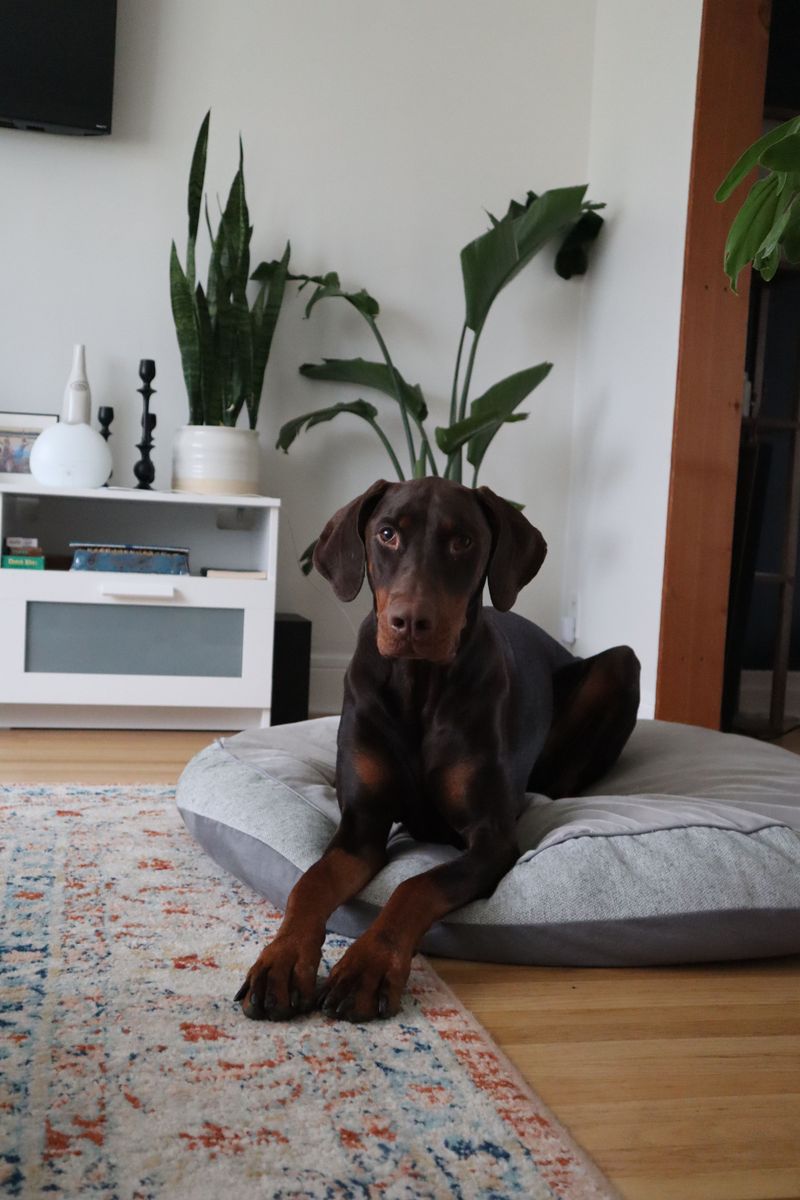
Elegance meets quick thinking with the Doberman. Confidence grows when this dog learns complex routines, like formal heel patterns and precise stays.
Mix in impulse control games at doors and gates. Puzzle bowls and scent games turn mealtime into a mission.
Daily challenges keep worry at bay. Teach new skills monthly, such as platform work or scent discrimination.
After a brisk jog, finish with a brainy job, and your Doberman rests content.
Rottweiler
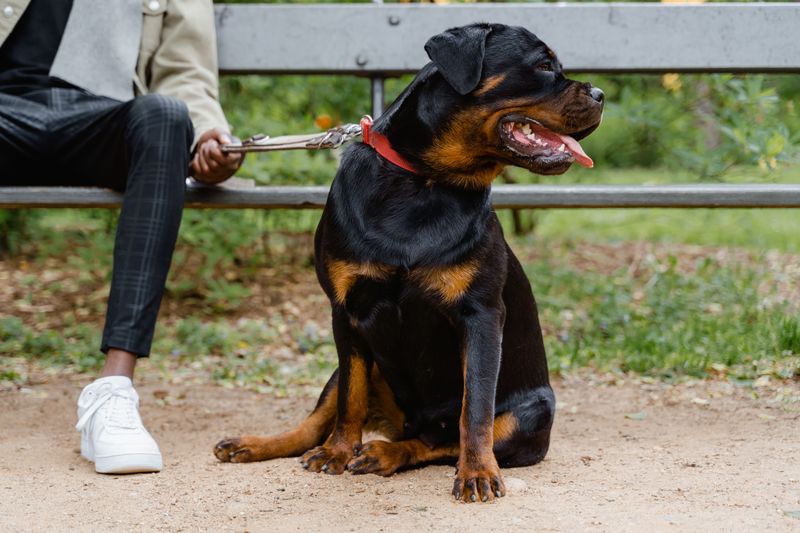
Strength with a thoughtful side sums up the Rottweiler. Steady, clear tasks like cart-pulling, rally obedience, or farm chores satisfy both muscle and mind.
Teach calm focus around distractions, then reward with tug or a tracking game. Structure builds trust and confidence.
Plan a weekly schedule: one long tracking day, one power walk, and several short training sessions. End with relaxed chewing on a durable toy to complete the work cycle.
Giant Schnauzer
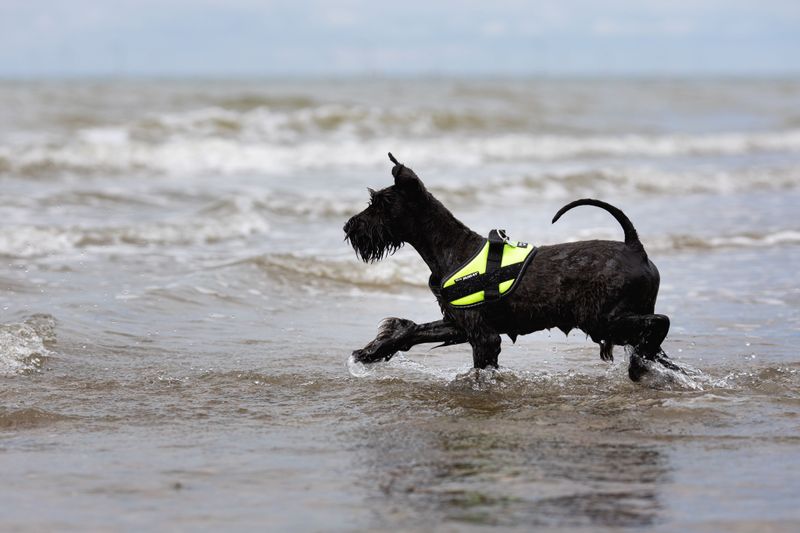
Big eyebrows, bigger brain. The Giant Schnauzer loves order and jobs that require choices.
Teach scent lineups, boundary games, and platform pivots. Handlers who celebrate small wins see huge focus gains.
Mix brisk hikes with thinking breaks to reset energy and attention.
Grooming time can double as training with calm stands and chin targets. Rotate toys, vary routes, and end sessions before enthusiasm dips.
Consistent leadership turns spark into reliable teamwork.
Cane Corso
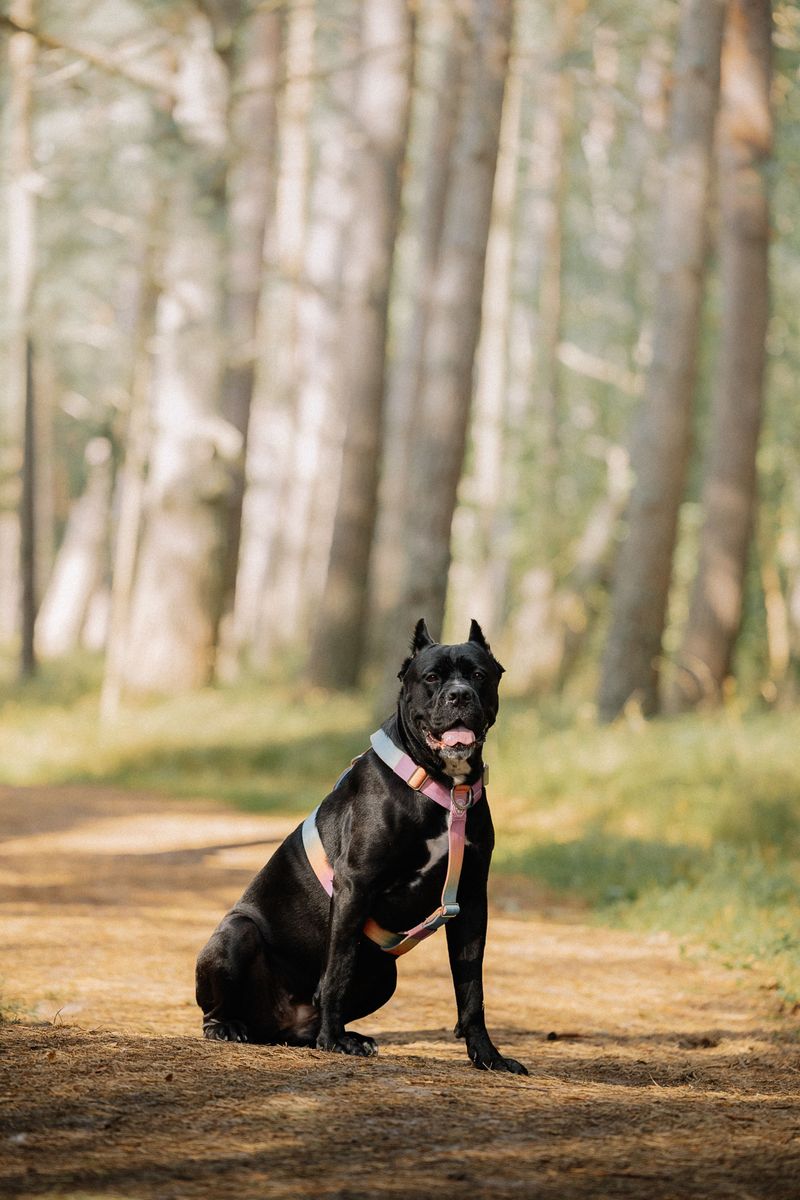
Quiet power lives in the Cane Corso. Mental balance comes from impulse control, boundary training, and structured walks with frequent check-ins.
Teach solid place work, then add short protection-style tug games for safe outlet and confidence. Keep sessions calm and predictable.
Nosework suits their thoughtful nature. End workouts with relaxed decompression, like sniffy strolls.
With clear guidance, this guardian type thrives, showing gentle manners in public while staying alert and responsive at home.
Beauceron
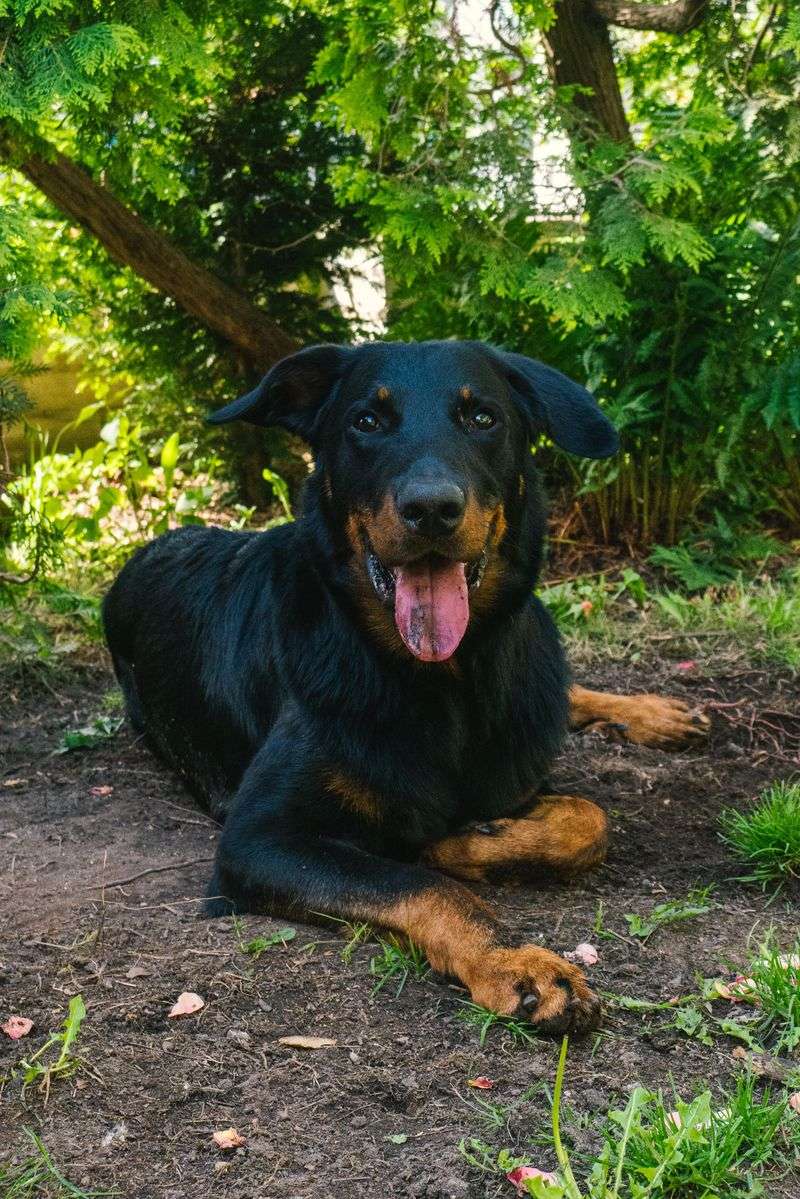
French herder, big thinker. The Beauceron shines when given patterns to master, like complex heelwork, directional cues, and long-distance stays.
Farm-style chores or simulated herding games satisfy purpose. Mix in tracking runs to work that keen nose.
Variety keeps motivation high. Try a new environment weekly, from quiet parks to busy sidewalks.
Reward with games of chase or tug. A clear job turns that intense gaze into joyful cooperation and steady behavior.
German Shorthaired Pointer
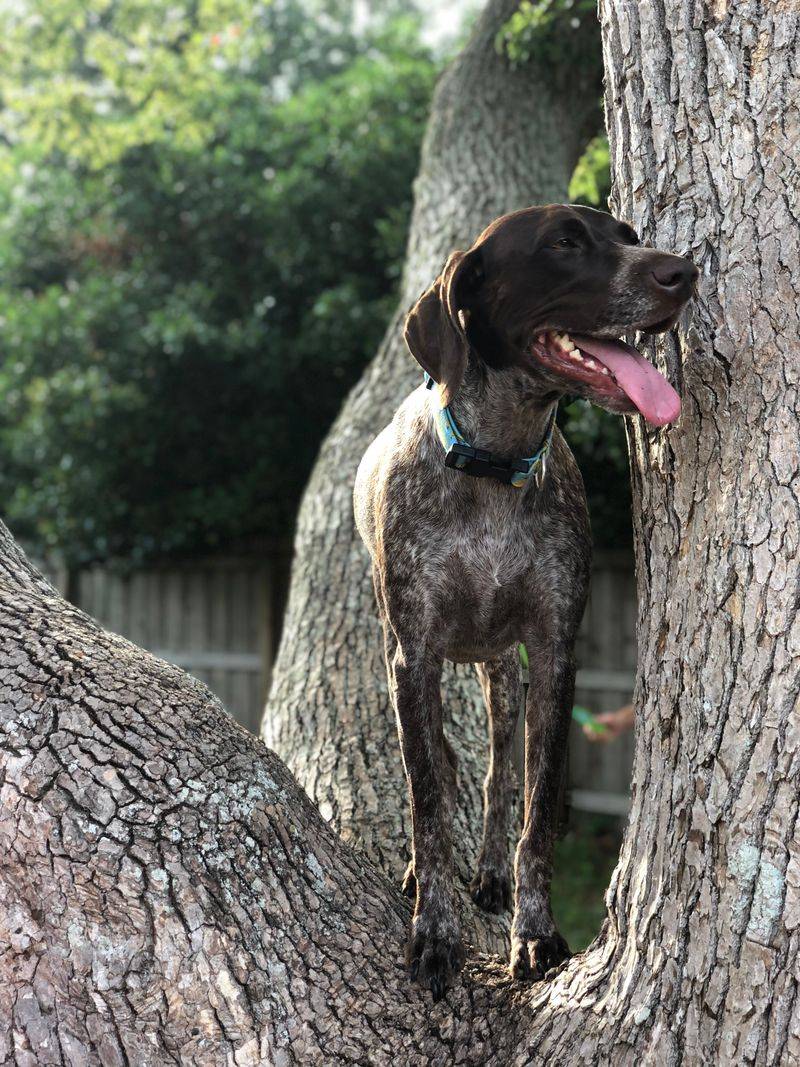
Field instincts make the GSP a restless genius. Instead of endless fetch, guide that drive with scent games, bird dog drills, and steadiness to flush.
Jog or bike for cardio, then cool down with patio place work. Clear rules keep excitement useful.
Short, fun training turns chaos into precision. Use check cords and whistles.
On off days, hide scented cotton balls indoors for quiet hunts. A worked mind brings home a calm companion.
Weimaraner
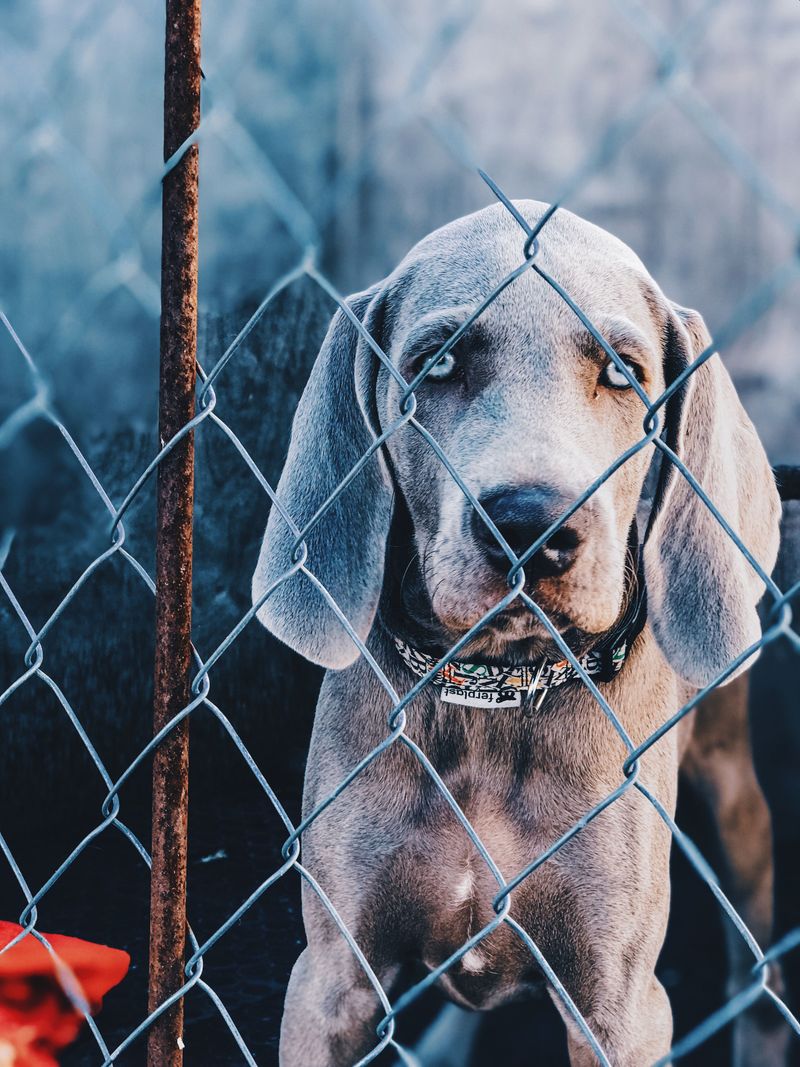
Curious by nature, the Weimaraner loves mystery. Turn that curiosity into focus with hide-and-seek, tracking lines, and shaped tricks using a clicker.
After a strong run, practice stillness on a mat. Calm handling builds resilience and prevents frantic pacing.
Change the game often. One day it is scent trails, the next it is platform targets or retrieving specific objects.
Keep sessions upbeat and brief. A thoughtful routine turns energy into polished manners.
Rhodesian Ridgeback
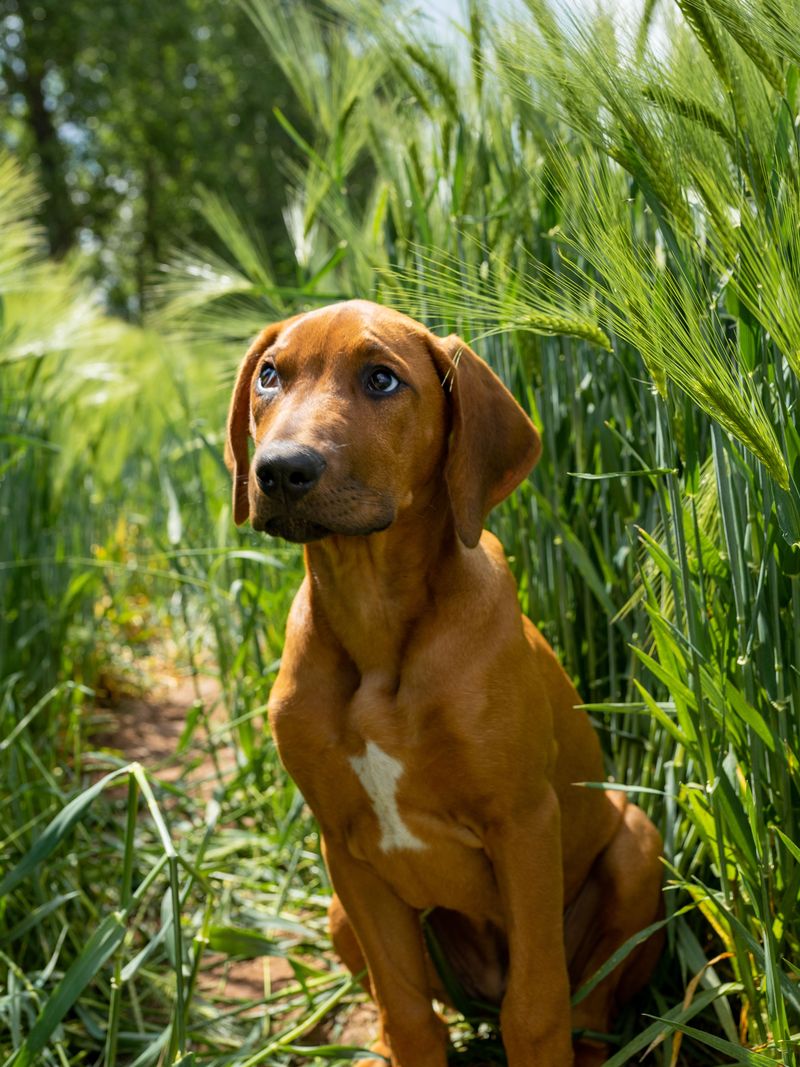
Born to roam, the Ridgeback pairs stamina with independence. Long trail runs scratch the movement itch, but brain games seal the deal.
Teach discrimination tasks, like finding a named toy among many. Practice recall under mild distractions, then slowly raise the challenge.
Nosework after exercise melts tension. Keep training fair and direct, not fussy.
With respect and routine, this dignified athlete becomes a reliable trail buddy who chills at home afterward.
Boxer
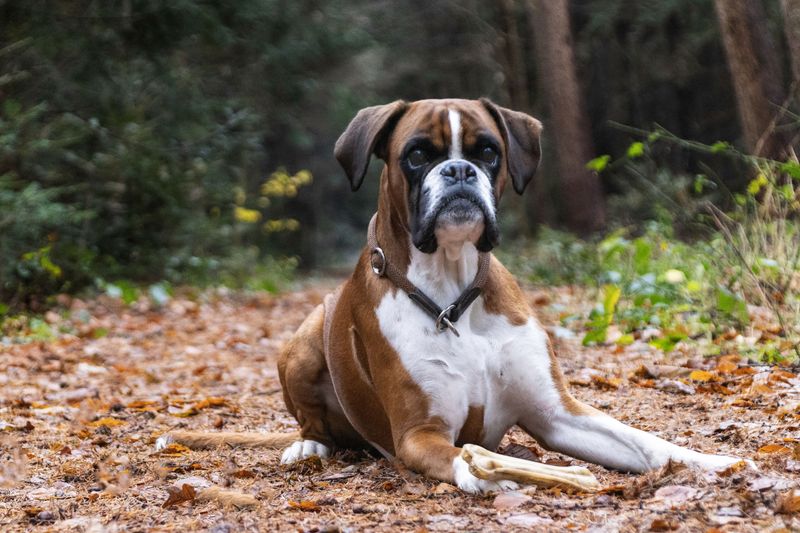
Clownish spirit, sharp mind. The Boxer learns best through playful challenges, like beginner agility, spring pole sessions, and short trick chains.
Keep it upbeat and you will see laser focus. After a lively sprint, cool down with shaping games on a platform.
Rotate reinforcers, from squeaky toys to food. Two short sessions beat one long slog.
Mix obedience with laughs, and your Boxer will snooze contentedly after the fun workout and thinking time.
Chesapeake Bay Retriever
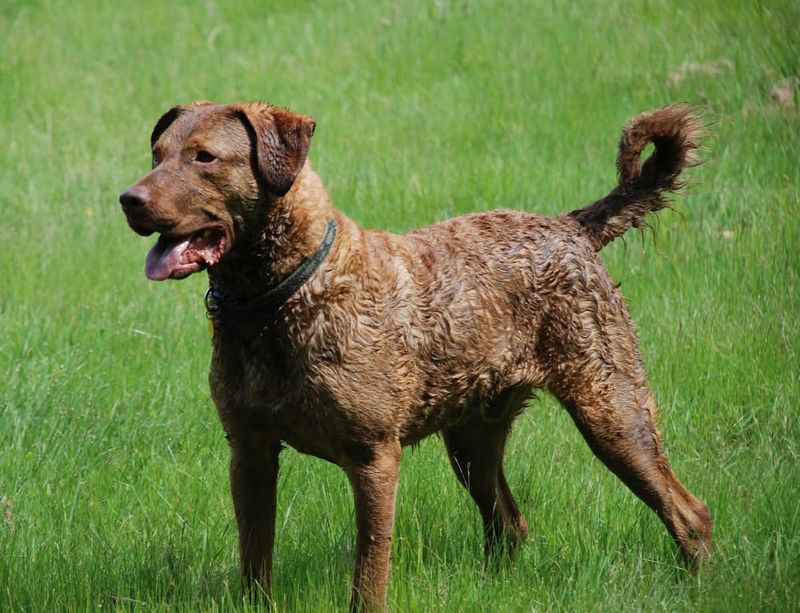
Tough and loyal, the Chessie thrives on purpose. Water retrieves, blind retrieves, and handling to whistles challenge both body and brain.
Land drills with bumpers build steadiness. After wet work, practice quiet crate time to reset arousal and teach patience.
Weather rarely slows this breed. Rotate locations and add scent puzzles indoors on rest days.
With clever training, the Chesapeake pairs grit with gentle obedience, making an outstanding partner in and out of the water.
Akita
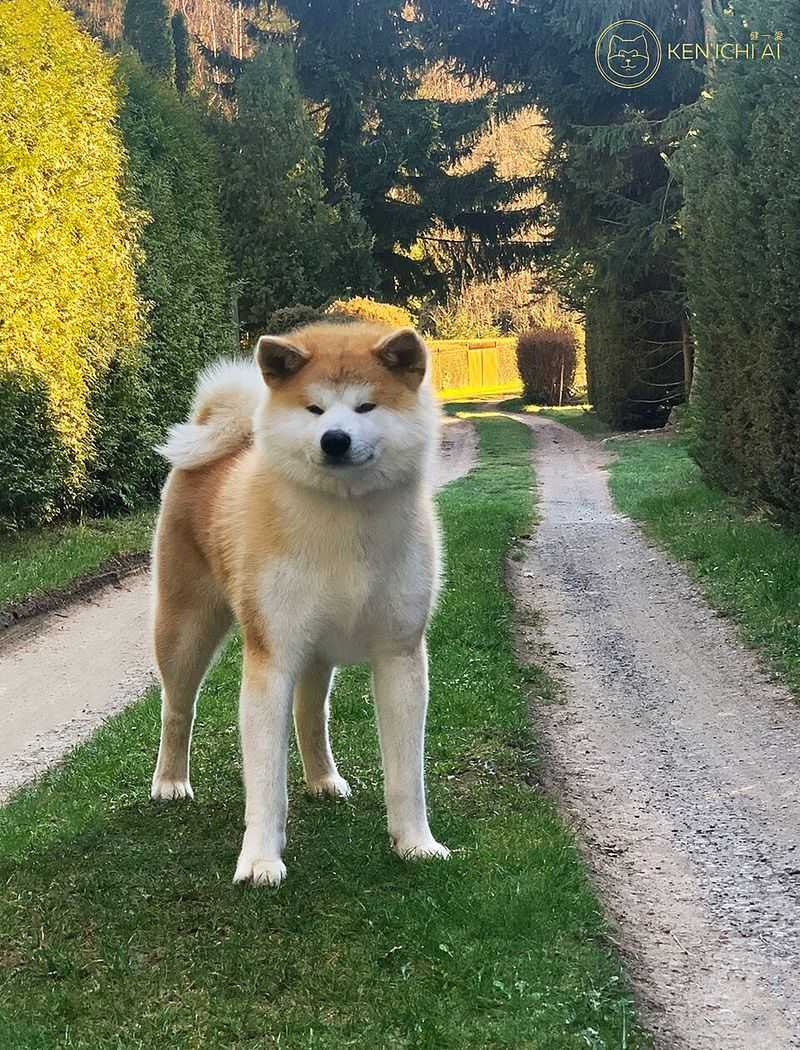
Dignity first, but the Akita also enjoys a challenge. Respectful, calm training works best.
Teach boundary games, scent detection, and quiet leash manners. Keep sessions short and meaningful, with clear starts and stops.
After a brisk hike, cool the mind with place work and a food puzzle.
New environments are key, from quiet forests to town squares. Predictable routines build trust.
With patience and fairness, the Akita shows steady focus and thoughtful cooperation.