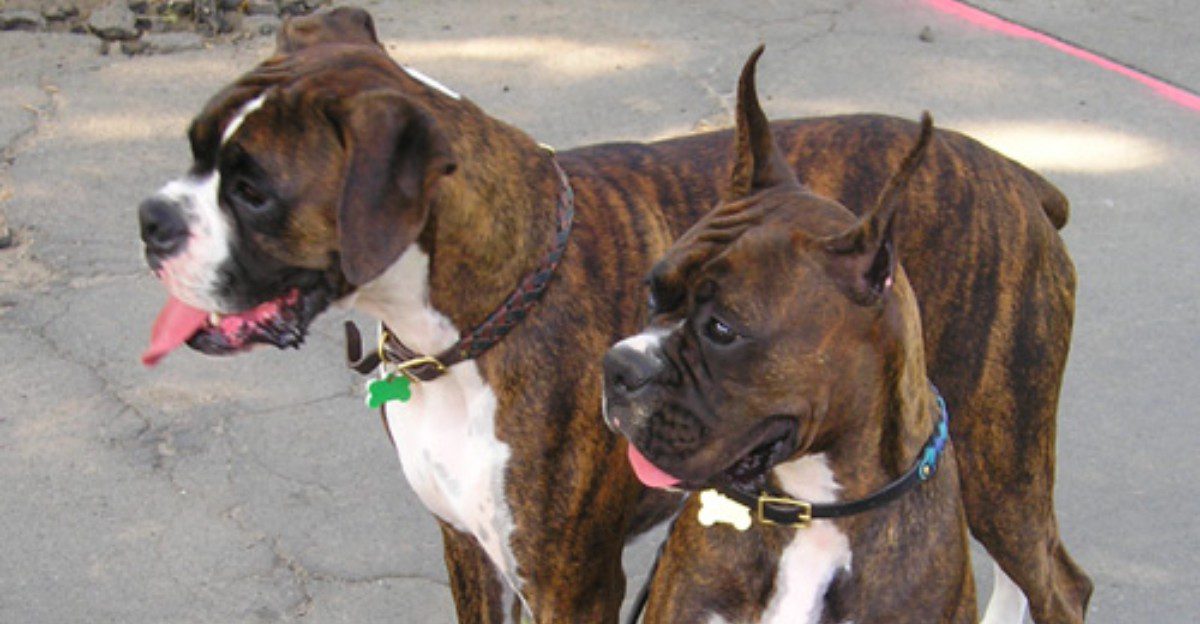
Strong, muscular dogs can look scary at first glance. Many people judge them by size or headlines, not by daily behavior.
With training, structure, and kindness, most big breeds are steady and loyal. Let’s look past the bark and learn what truly shapes a dog’s character.
Rottweiler
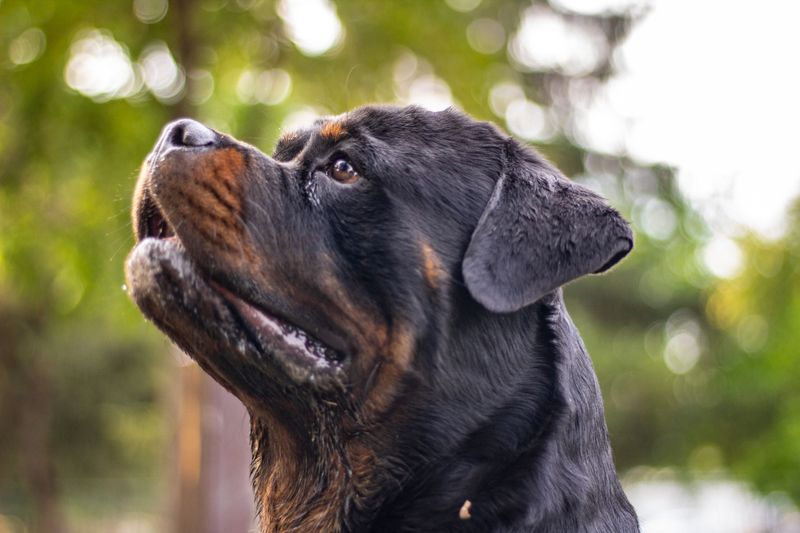
Big head, bigger heart, a well-trained Rottweiler reads the room like a pro. Many people see the broad chest and stop there, but steady socialization and fair rules shape a calm neighbor.
Try leash practice, food puzzles, and polite greetings with visitors. History note, they once worked as drover dogs, so giving jobs at home, like carrying a backpack, helps focus that power.
Regular vet checks and clear routines keep them relaxed.
Doberman Pinscher
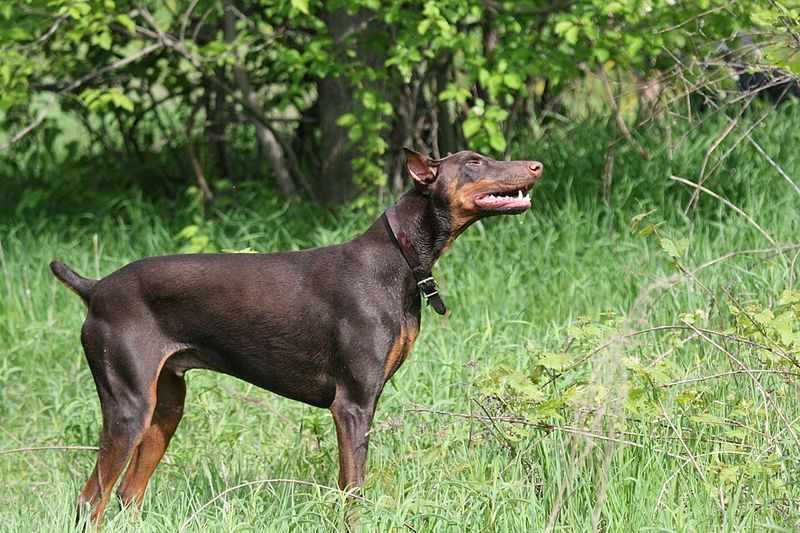
Like a black-and-rust arrow, the Doberman looks fast even while standing still. People may assume high drama, yet confidence grows from daily exercise, brain games, and kind leadership from a calm human.
Teach a steady heel on quiet streets, then practice around mild distractions. Fun fact, the breed was developed by a tax collector seeking a capable companion, so purposeful training, scent games, and obedience sports are a perfect outlet.
Keep sessions short and upbeat.
Cane Corso
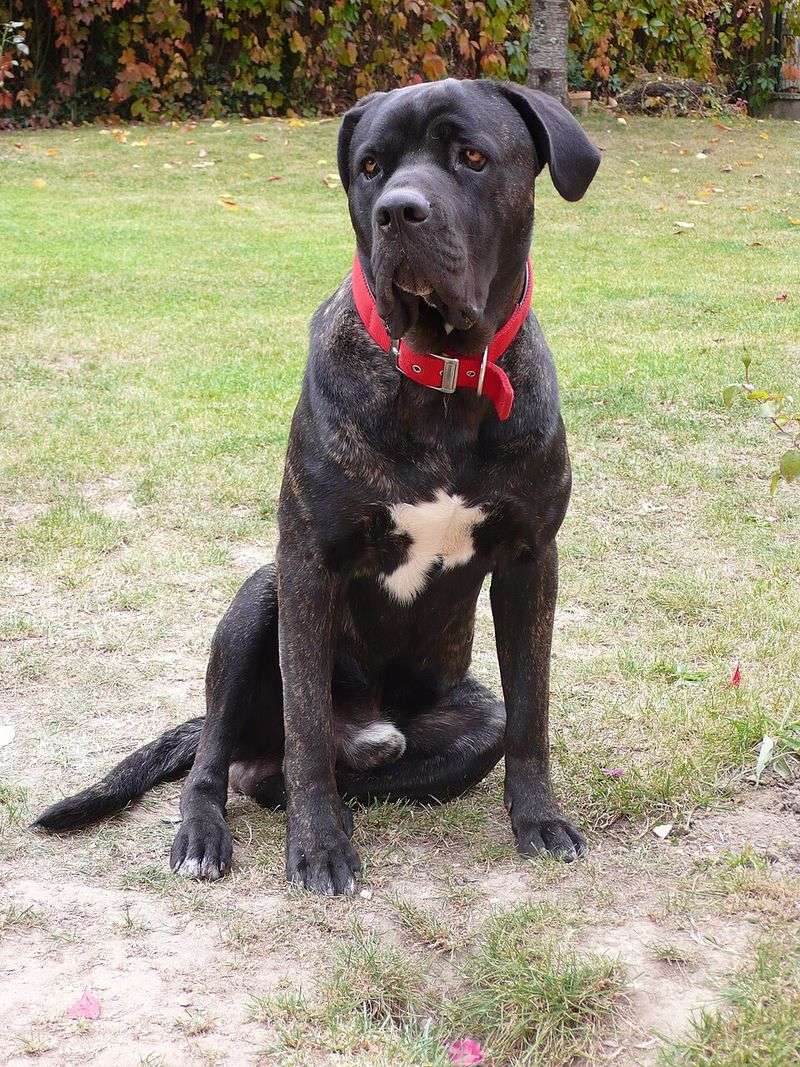
First impression says guardian, but the Cane Corso admires a leader who is fair, patient, and consistent. Clear house rules, early social trips, and balanced exercise prevent pushy habits and build trust.
Work on calm door manners and relaxing on a mat when guests arrive. Historically used on farms in Italy, they thrive when given purposeful chores, like controlled fetch and cart pulls approved by a vet.
Keep greetings low-key to reduce overexcitement.
German Shepherd
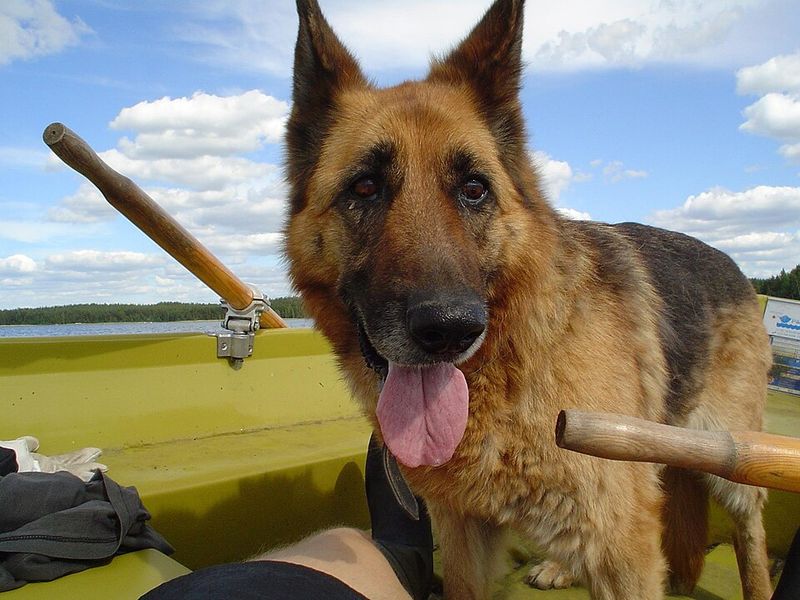
Seen in uniforms on TV, the German Shepherd often gets labeled as intense. Truthfully, they relax best when their brain works hard, with scent games, puzzle feeders, and fair training that rewards choices.
Introduce polite meet-and-greets with calm dogs. Short herding-style games, agility jumps, or tracking lines feed their working instincts without chaos.
They shed a lot, so quick brushing and tidy routines help everyone. Confidence grows when the day feels predictable and kind.
Bullmastiff
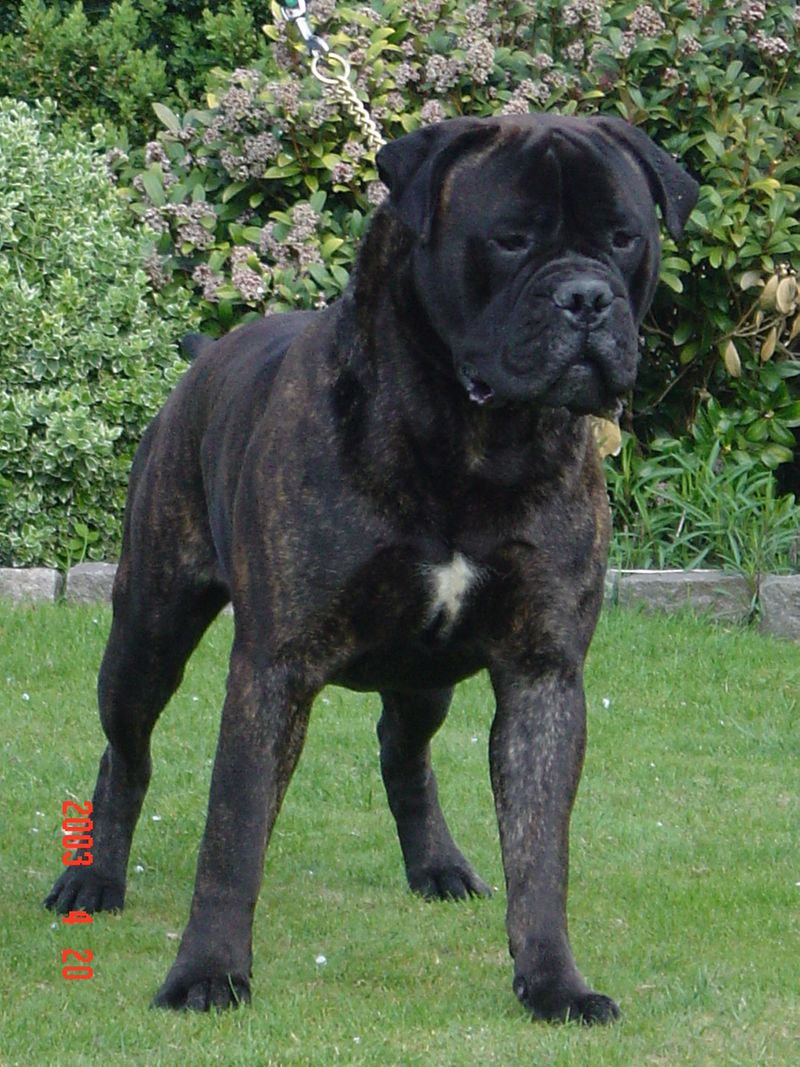
A big couch potato with a watchful gaze, the Bullmastiff prefers calm over chaos. Strangers notice sheer size, yet steady schedules, gentle handling, and early manners make living together smooth and relaxed.
Practice impulse control with wait-and-take food games. Short walks, joint-friendly play, and comfy beds protect large frames.
Historically a night estate guardian, they appreciate quiet routines. Invite friends for low-stimulus visits so the dog learns that guests are normal, not emergencies.
Boxer
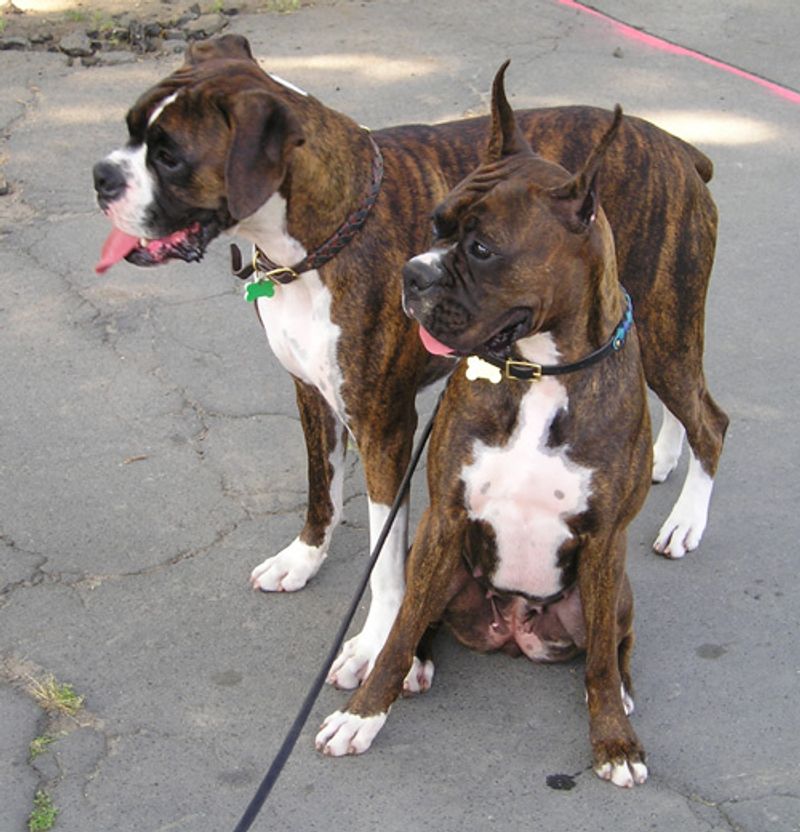
Wiggles first, questions later, the Boxer brings clown energy to nearly every room. That bouncy style can look wild, but channeling it with fetch rules, trick training, and scheduled zoomies keeps life cheerful.
Teach sit-to-greet so jumping turns into manners. Short training bursts with silly rewards suit their playful brain.
An old story traces them to hunting roles, yet most today excel at family fun runs. Regular vet care supports their athletic spirit.
Great Dane
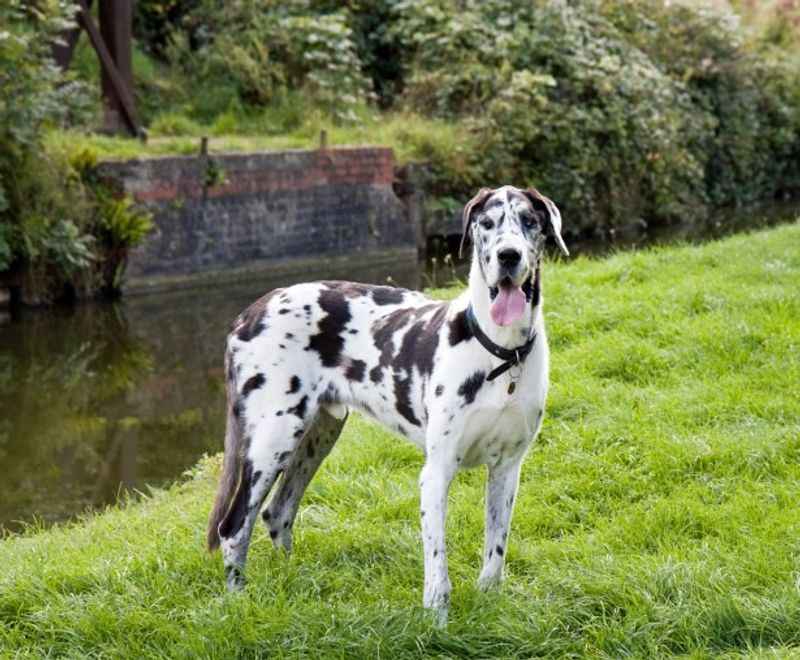
Think small horse, gentle steps. Great Danes often surprise people by being soft and polite when guided kindly.
Because joints are huge, slow growth diets, careful play, and comfy beds make a big difference.
Teach loose-leash walking early, before their size makes pulling risky. Short mental games indoors help on rainy days.
Visitors should offer space and let the dog choose contact. With fair routines, their size becomes background, and their sweet presence shines.
American Staffordshire Terrier
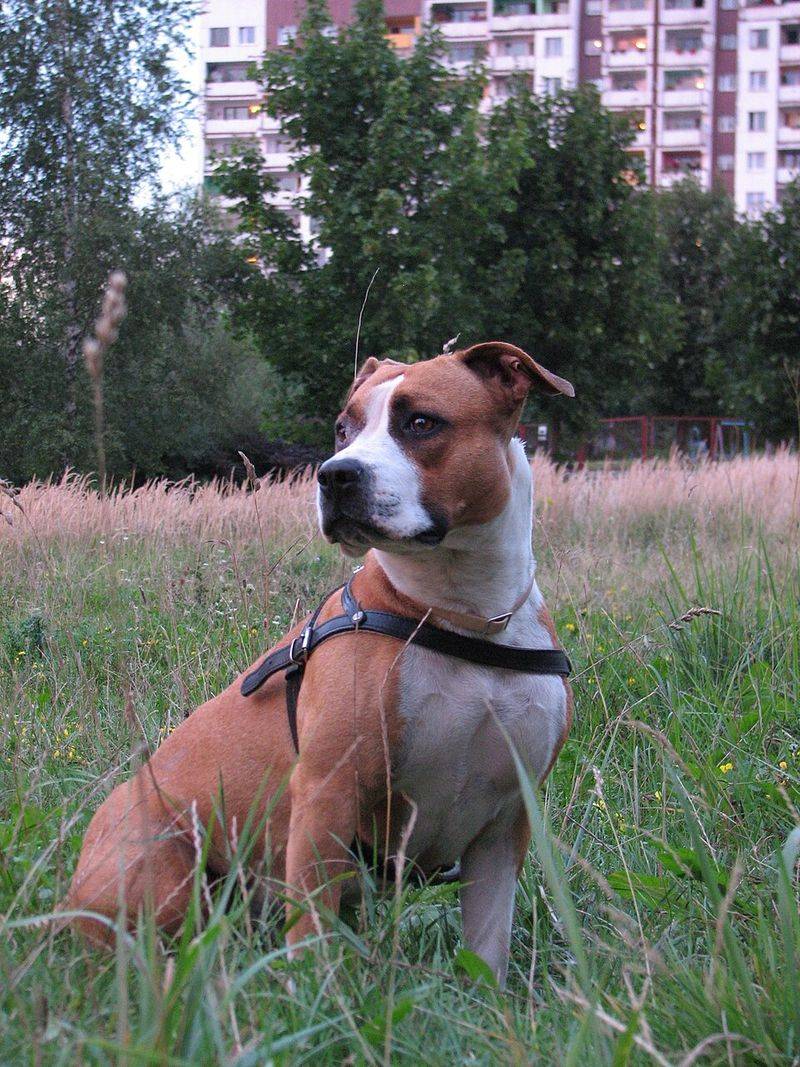
Big smile, bigger wiggles, the American Staffordshire Terrier loves being part of the family. Some people freeze at the blocky head, but kind training, early social skills, and routine exercise shape thoughtful behavior.
Practice touch cues, like chin-rests for grooming, to build cooperation. Tug with rules, then trade for treats to prevent guarding.
Community walks with friendly neighbors help reduce unfair stigma. Celebrate calm choices with praise so confidence grows from success, not force.
Mastiff
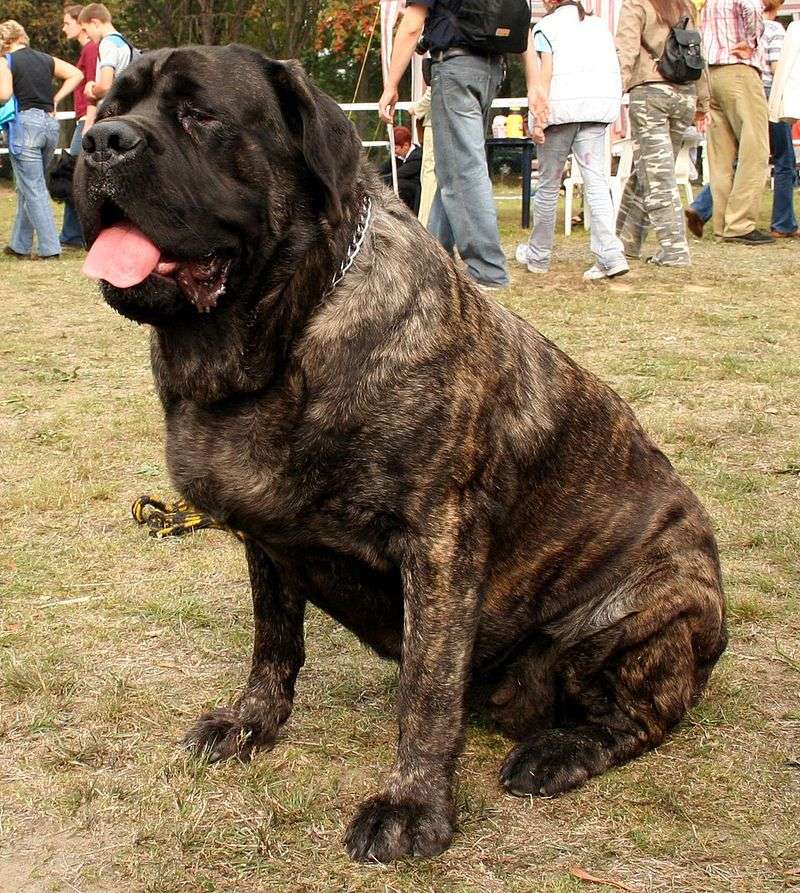
Like a living beanbag, the Mastiff prefers quiet hangs over rowdy scenes. Size alone can worry passersby, yet patience, early leash work, and respectful introductions turn that bulk into a steady friend.
Keep exercise low-impact and consistent. Practice settle-on-mat while the doorbell rings so guests feel welcome.
Because drool happens, keep a towel kit near entrances. A short history note, they guarded estates, so modern life works best with calm routines and predictable outings.
Giant Schnauzer
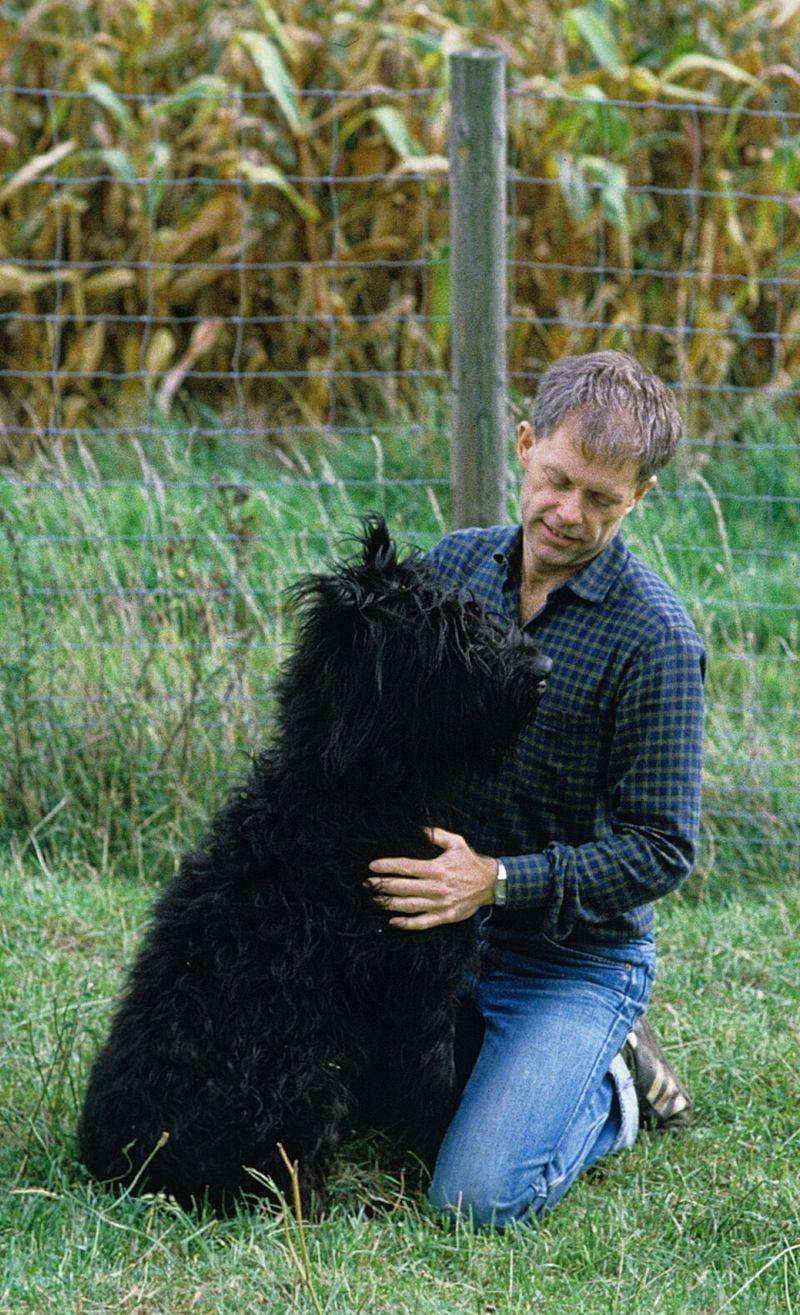
All-business eyebrows and a working brain define the Giant Schnauzer. Many see the sharp outline and assume grumpy, but thoughtful training that rewards curiosity builds a confident partner ready for jobs.
Teach hand targets, then turn them into loose-leash skills. Mix obedience, scent work, and problem-solving toys to feed their drive.
Keep grooming regular to avoid mats. When given structure and chances to learn, they lean into teamwork and leave the tough-guy image behind.
Akita
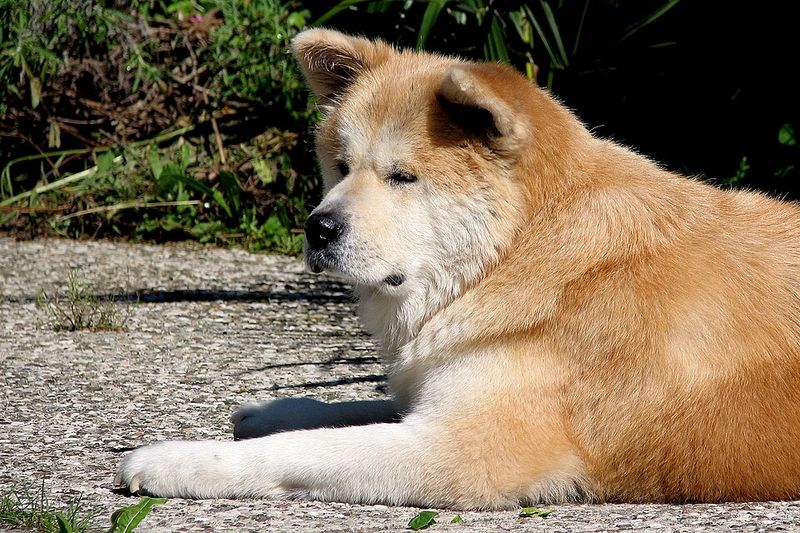
Silent, steady, and proud, the Akita values personal space. People often misread the quiet stare, yet trust forms through predictable handling, calm greetings, and slow, respectful introductions to new places.
Practice consent-based petting and reward check-ins during walks. Short training bursts with high-value treats keep interest without pressure.
History ties them to northern climates, so mental exercise matters on hot days. A comfy cool spot and clear routines help them feel safe and cooperative.