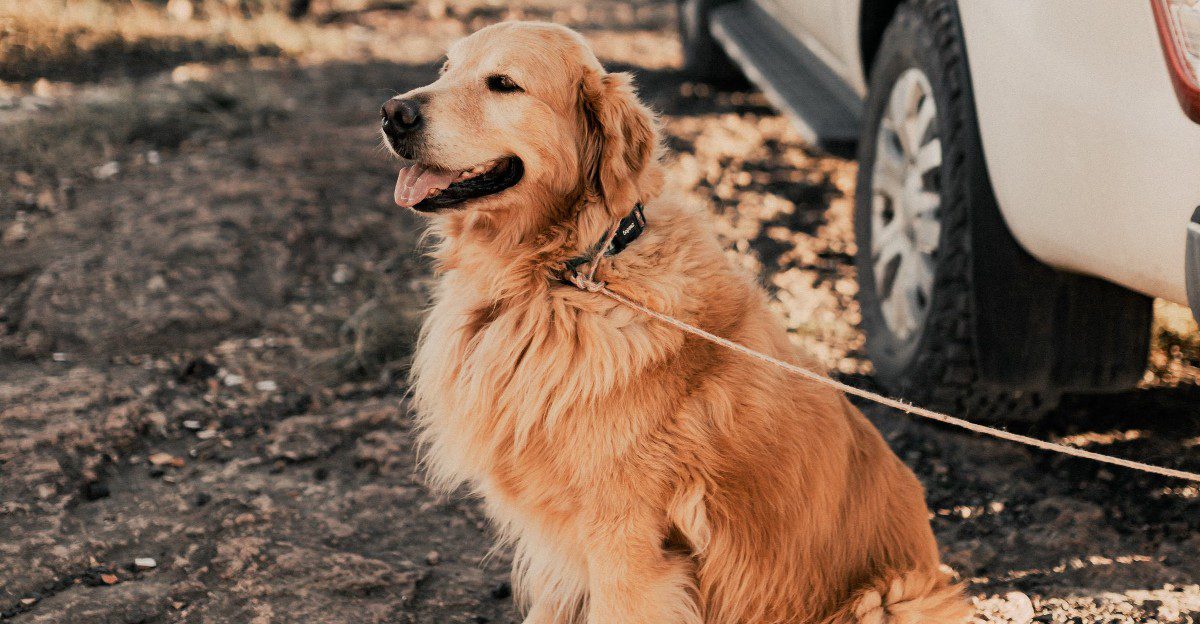
Dogs experience the world through smell, and some non-hound breeds have noses that can rival any tracking champion. From family favorites to working stars, these pups follow tiny scent clues most people never notice.
Learning which breeds shine at scent work can help you train smarter and keep your dog happy. You might even be surprised by a couple of curly and classy candidates on the list.
German Shepherd
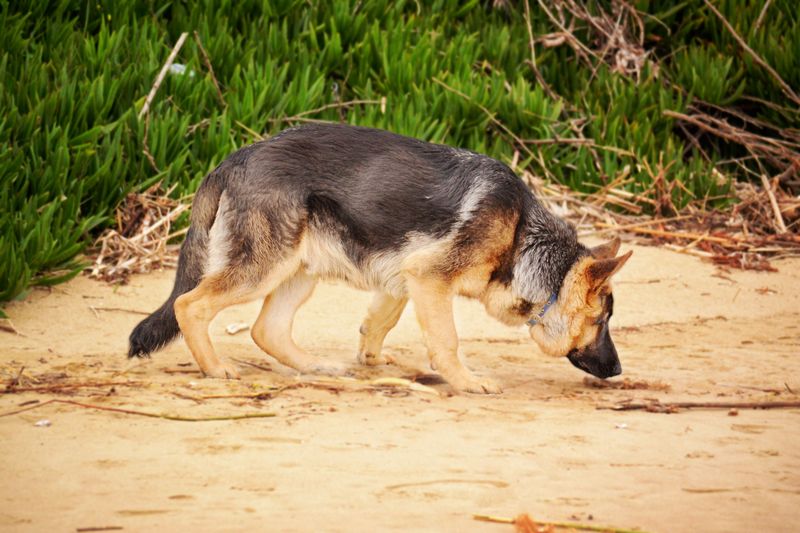
Ask a police handler about noses, and German Shepherd tops the list for tracking grit. They read wind like a map, following grass and tiny skin cells for miles.
Their double coat handles rough weather.
Practice urban scent games, such as hiding a sock behind a fence or under a bucket. Short, upbeat sessions protect the joints and build confidence.
Did you know German customs officers used them for bomb detection before World War II?
Labrador Retriever
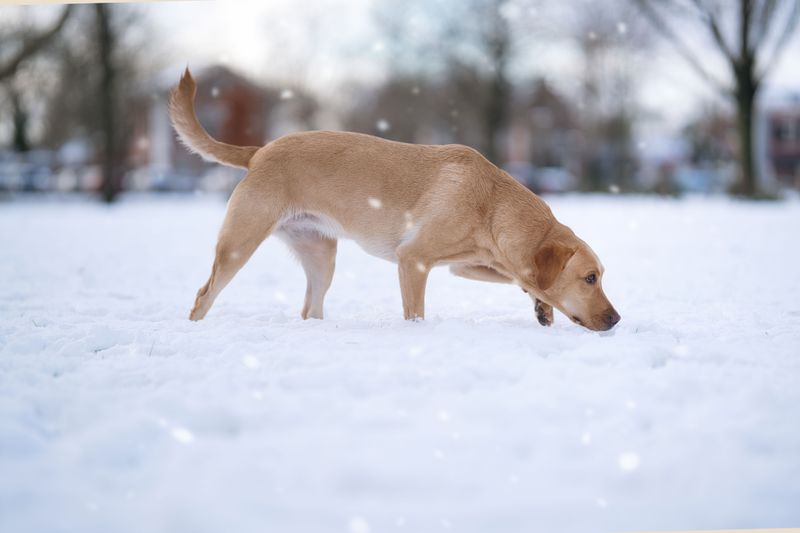
One whiff of a dropped key, and a Labrador snaps into search mode like a pro. Water-loving noses excel at cold trails near lakes and parking lots.
Their otter tail never quits in the field today.
Try scent puzzles with damp towels and sealed containers to keep that brain busy. Reward gently, and limit jumping if the dog is still growing.
Fun fact, many airport labs search for food items, not drugs, to protect agriculture.
Belgian Malinois
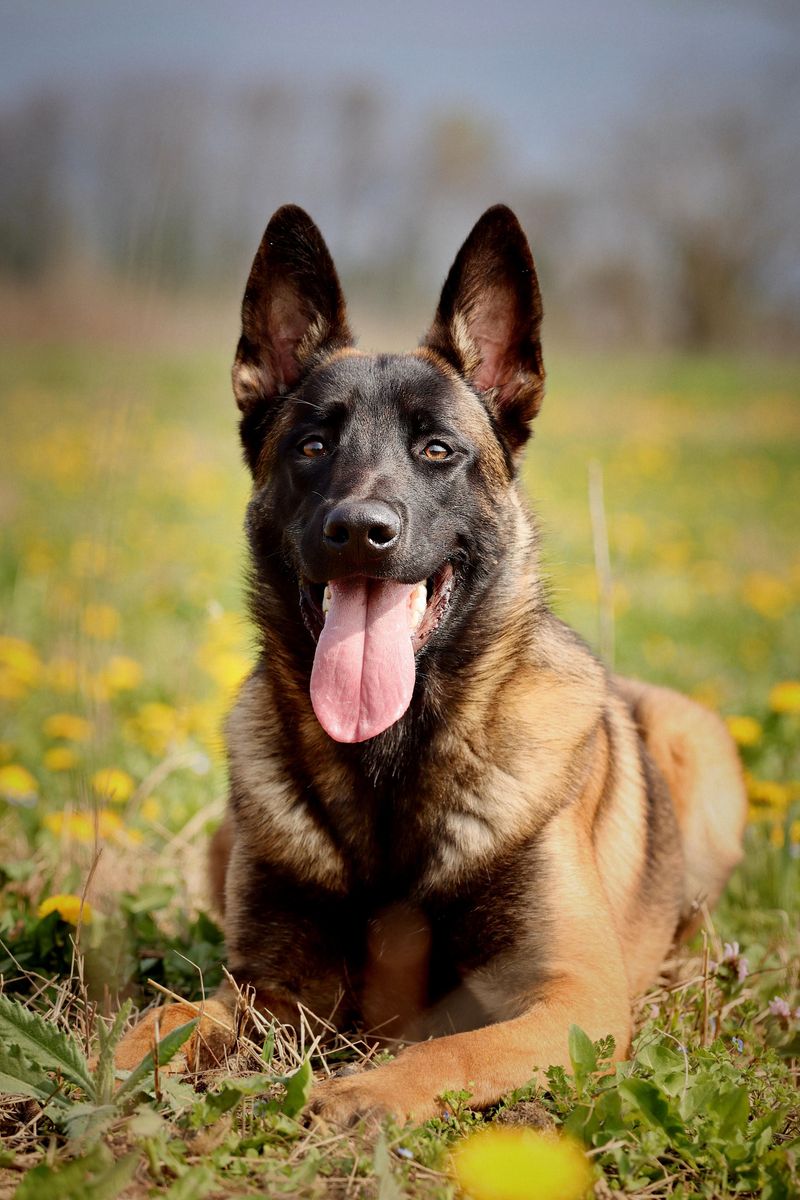
Blink and a Malinois is already tracking your footprints across the yard, laser focused. Military units trust their scenting under pressure and around loud distractions.
Lean bodies conserve energy on long mountain trails.
Channel that drive with starter nosework boxes and clear on-off cues during short sessions. Teach a solid down stay to prevent frantic pacing between searches outdoors in parks.
Historical note, Belgian shepherds aided wartime messengers by tracking soldiers through smoke and rubble.
English Springer Spaniel
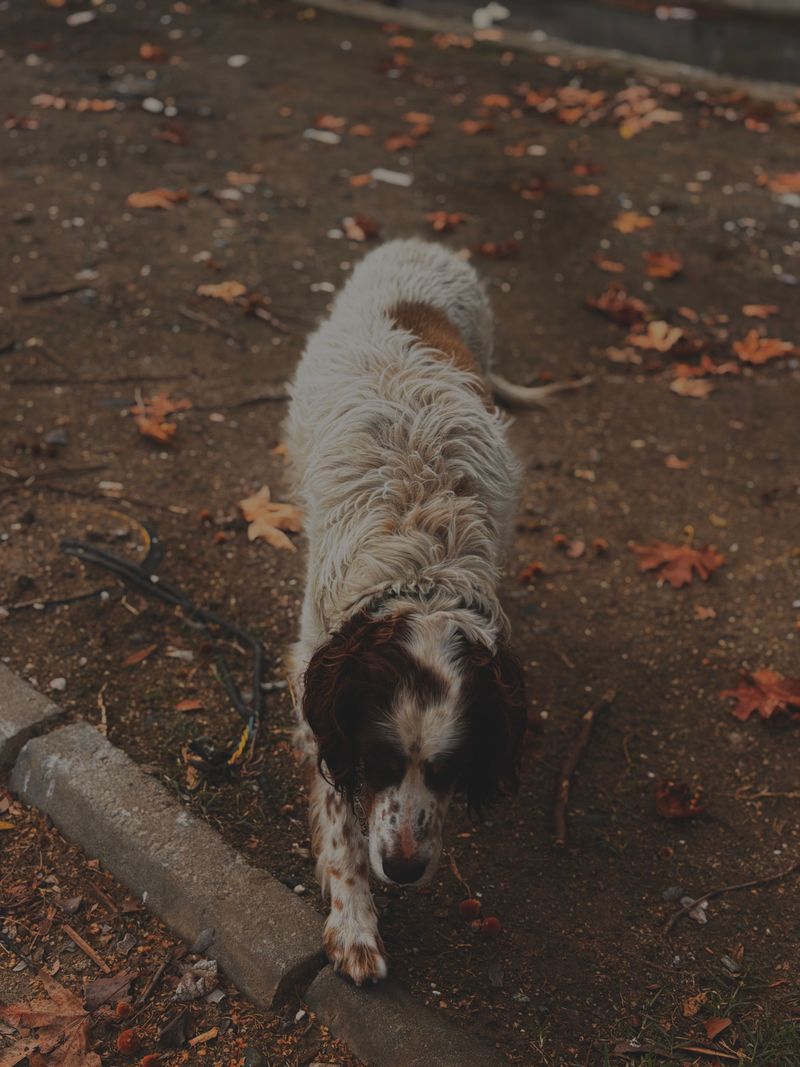
Birdy by nature, the Springer turns sniffing into a joyful zigzag dance across fields. Many excel in explosives detection because they love searching tight spaces.
Their tails seem to smile during searches.
Make backyard scent ladders using boxes at different heights to build nose-up skills safely. Keep ears clean after wet work, and trim feathers to reduce burrs and mats.
Fun fact, early Springers and Cockers came from the same litters, sorted by size often.
Cocker Spaniel
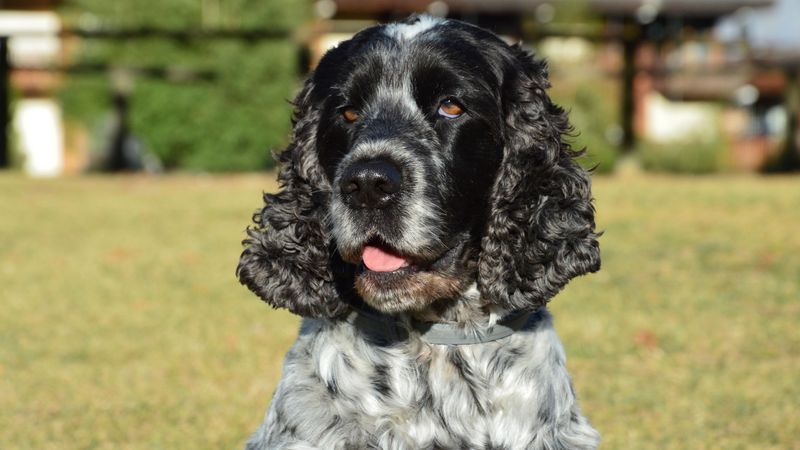
Small body, giant nose power, the Cocker loves tracking toys under couches and hedges. Many succeed as medical detection dogs for scenting low blood sugar.
Their eyes light up at a fresh scent.
Create a sniffing lane using laundry baskets and scatter treats for hunting practice indoors and outdoors. Brush daily after field time, and keep nails short for better traction too.
Fun fact, Cockers once flushed woodcock for hunters, which inspired the breed name.
German Shorthaired Pointer
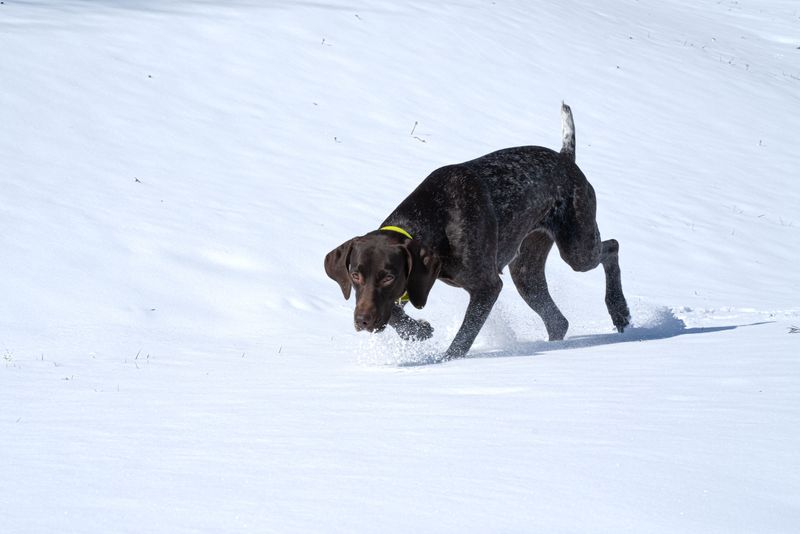
Energy to spare, the GSP paints the air with its nose, sweeping side to side. They are masters at finding game birds and lost tennis balls.
A high head often means the scent is floating.
Introduce scent cones by setting targets upwind and letting the dog work toward odor patiently. Schedule rest days, since nonstop running can lead to sore pads fast.
German hunters prized their versatility, from tracking deer to retrieving waterfowl across marshes.
Golden Retriever
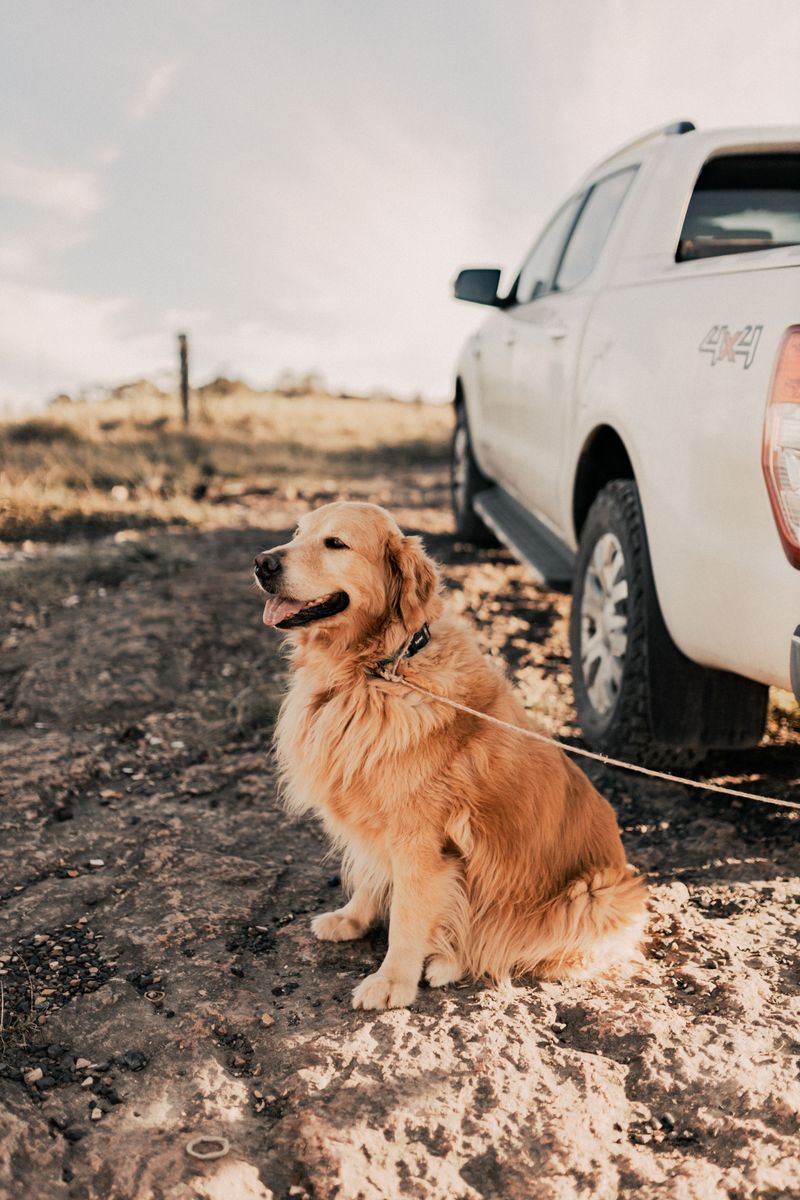
Soft mouth, sharper nose, the Golden combines kindness with serious search talent. Many volunteer as cadaver dogs due to a calm, steady work style.
Noses seem to switch on the moment a whistle blows.
Play hide-and-seek with scented cloths, and let kids place easy hides under supervision outside. Brush that feathered coat after brambles to prevent tangles and skin irritation.
Fun fact, the breed originally began in Scotland from yellow wavy-coated retrievers and water dogs.
Brittany
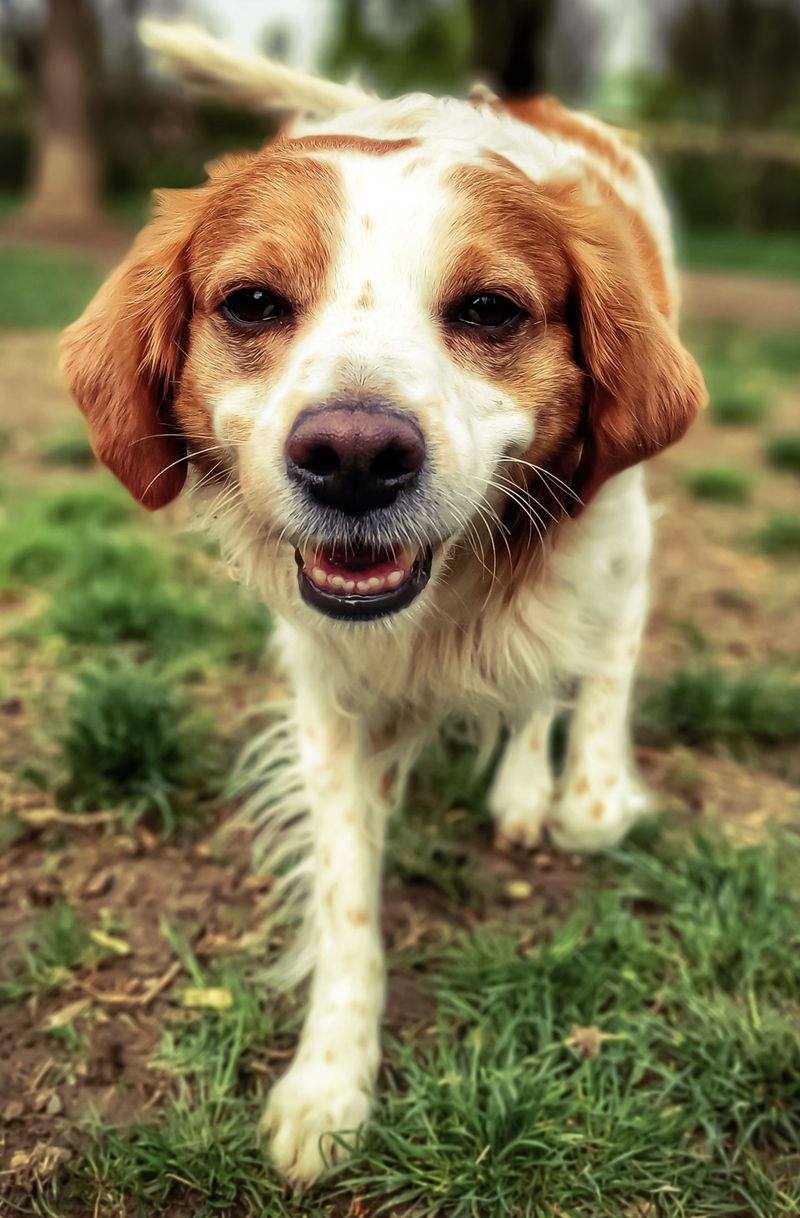
Compact and bright, the Brittany works scent like a lively metronome. They quarter naturally, keeping handlers in sight while sweeping for birds easily.
Noses lock on drifting scent even in light rain.
Use lightweight check cords to guide youthful enthusiasm during field games safely near roads. Rotate rest, training, and free sniffing to avoid burnout and frustration.
History note, the breed hails from Brittany, France, and once hunted side by side with peasants and farmers.
Weimaraner
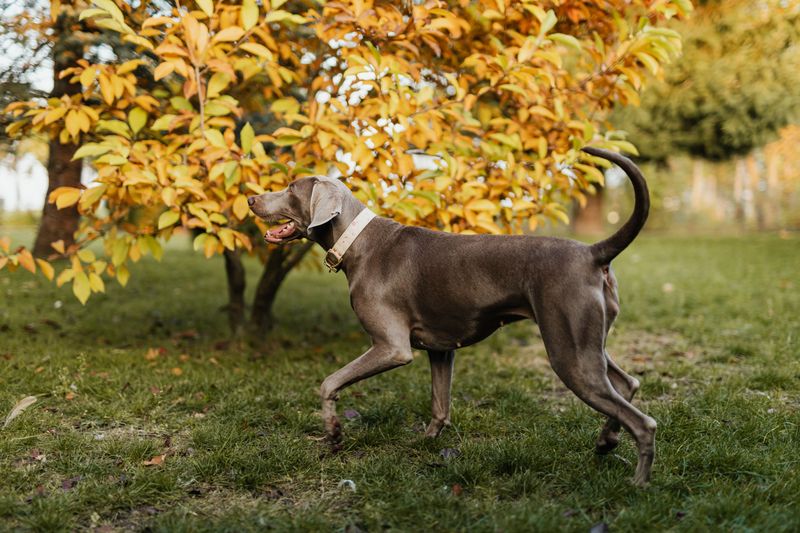
Silver coat aside, the Weim’s nose is the real magic, keyed to ground scent. Once called the gray ghost, they glide through cover while tracking confidently.
Those amber eyes seem to calculate wind shifts.
Start with long line searches for hidden gloves, slowly adding distance and time. Watch for heat stress, since short coats offer little insulation from sun direct.
Royal supporters in Germany protected early bloodlines, which made the breed quite rare for decades.
Chesapeake Bay Retriever
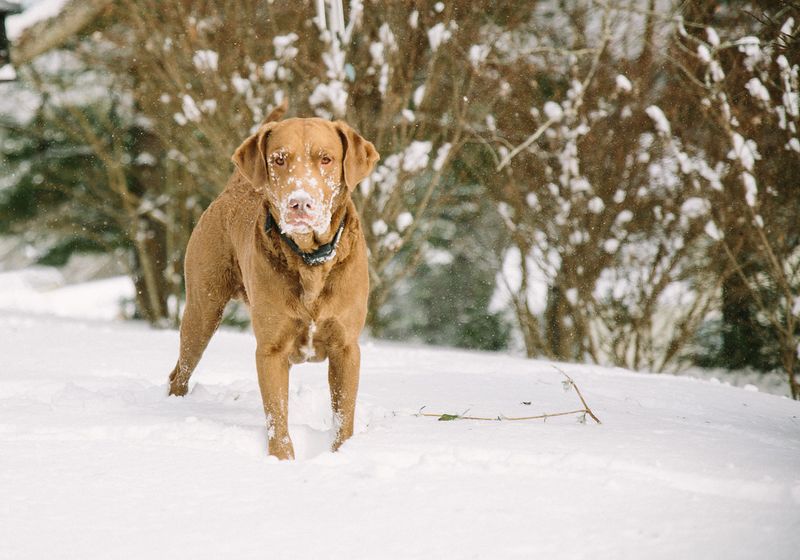
Gritty and loyal, the Chessie hunts scent through cold surf and stiff winds. Their oily, wavy coat sheds water and traps odors for easier tracking well.
Strong noses guide them back when waves scatter scent.
Practice duck drag lines along shorelines to teach persistence in changing currents and wind. After sessions, rinse salt, then towel dry to protect skin and coat afterward.
Origin story, fishermen prized them for retrieving from icy Chesapeake waters during storms.
Lagotto Romagnolo
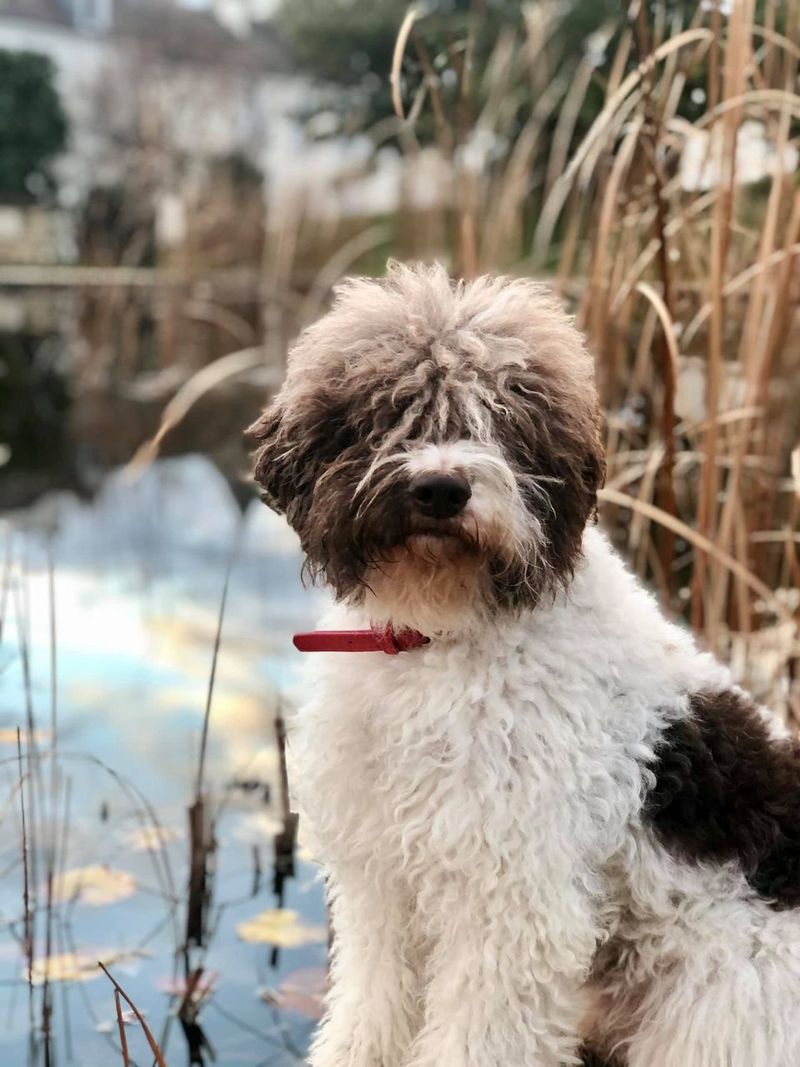
Truffle hunter first, pet second, the Lagotto sniffs buried treasure like a tiny excavator. Curly coats handle mud while noses lock on rich fungus scent underground well.
Families love their focused but cheerful attitude.
Plant target odor in perforated containers, then bury shallowly to start games at home today. Use soft digs only cues to protect lawns and keep training tidy during practice.
From Italy’s Romagna region, their name simply means lake dog for generations.
Standard Poodle
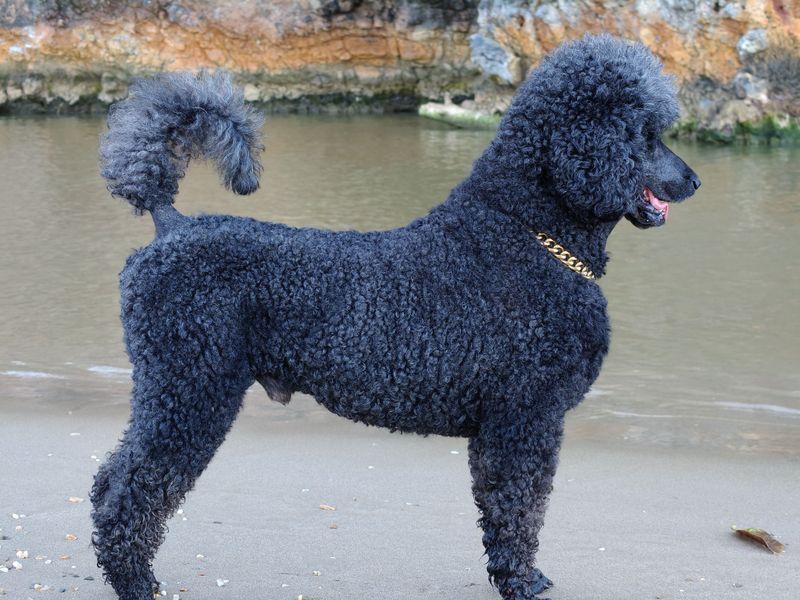
Forget fancy haircuts, the Standard Poodle was born to work with nose and brain. Many excel at search training because they love puzzles and learn fast.
Athletic bodies and long legs cover ground quickly.
Hide scented clothespins around furniture, then add harder heights and angles safely at home too. Keep curls clipped from eyes, and rinse after swimming to protect skin and ears.
History note, poodles once retrieved waterfowl for hunters across Europe and Russia.