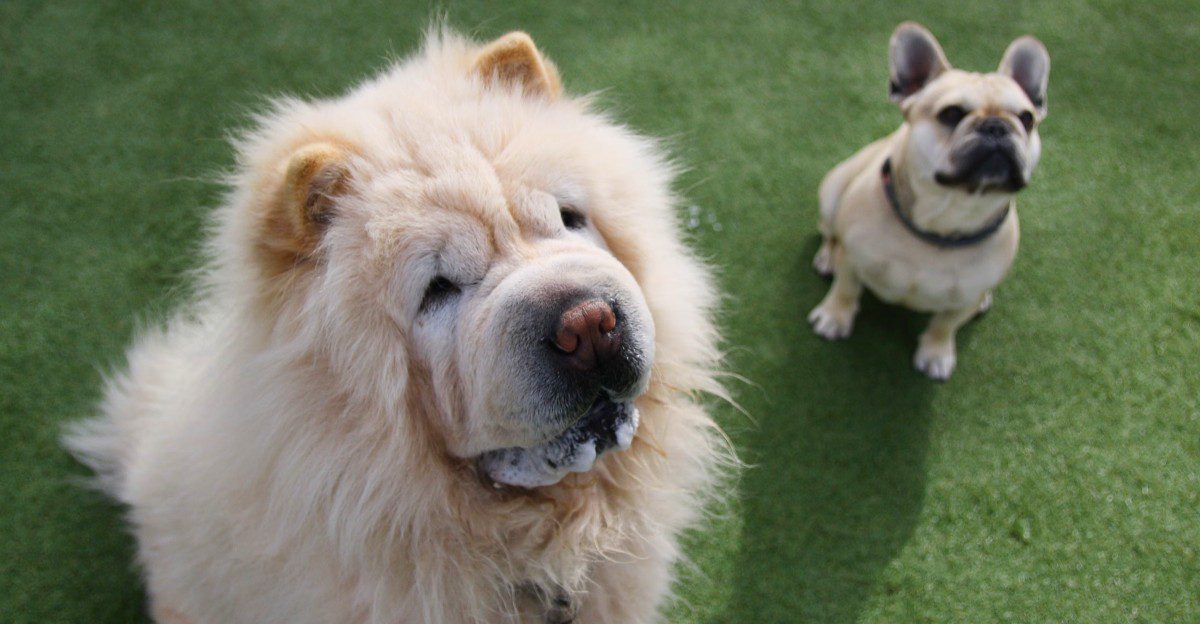
Some dogs love being with people so much that alone time feels scary. Knowing which breeds often struggle can help you plan routines that keep them calm and safe.
With the right training, tools, and schedule, many pups learn to relax at home. Here are common clingy breeds, plus two that usually handle solo hours better.
Vizsla
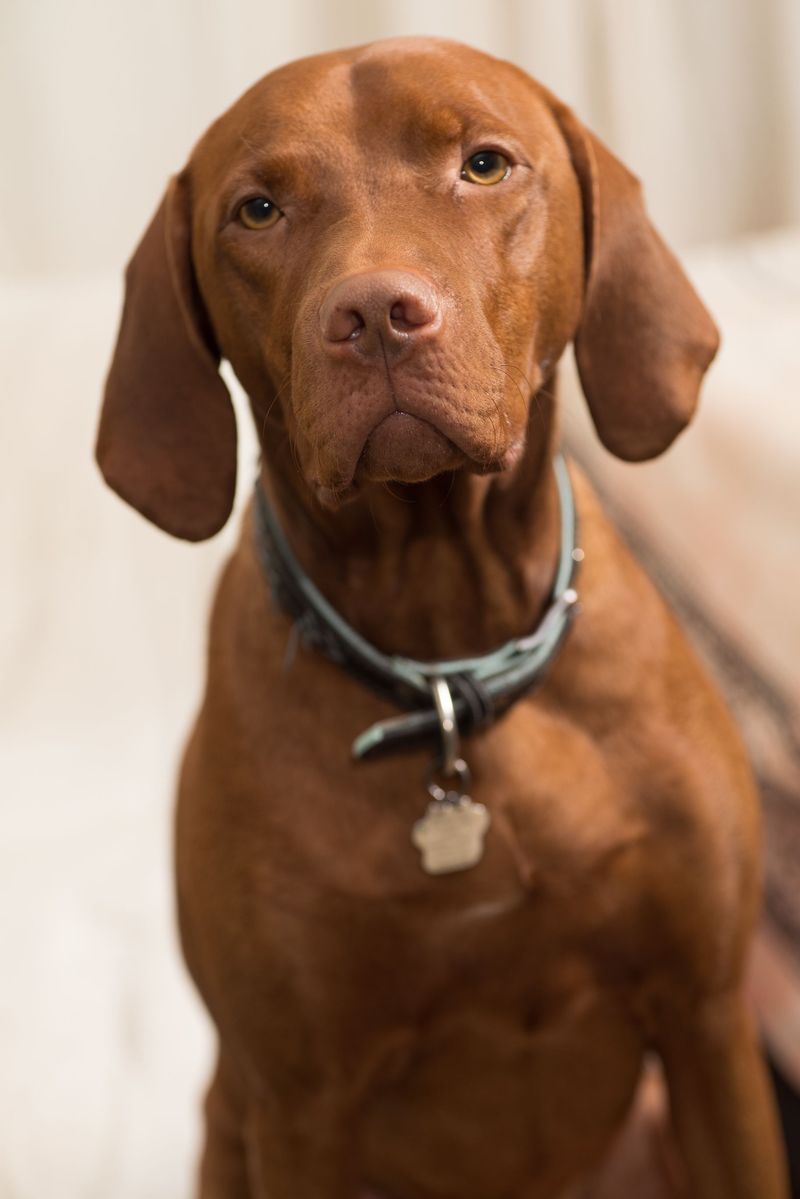
Always underfoot, the Vizsla bonds like Velcro. Left alone too long, that sensitive spirit can pace, whine, or chew.
Ease departures with brisk morning exercise and a stuffed food puzzle that lasts 30 to 45 minutes. Practice short, boring exits, then extend time.
A snug crate, calm music, and a worn T-shirt with your scent can also help. Rotate chews to keep interest high.
If anxiety spikes, ask a trainer about gradual desensitization and supportive calming aids.
Havanese
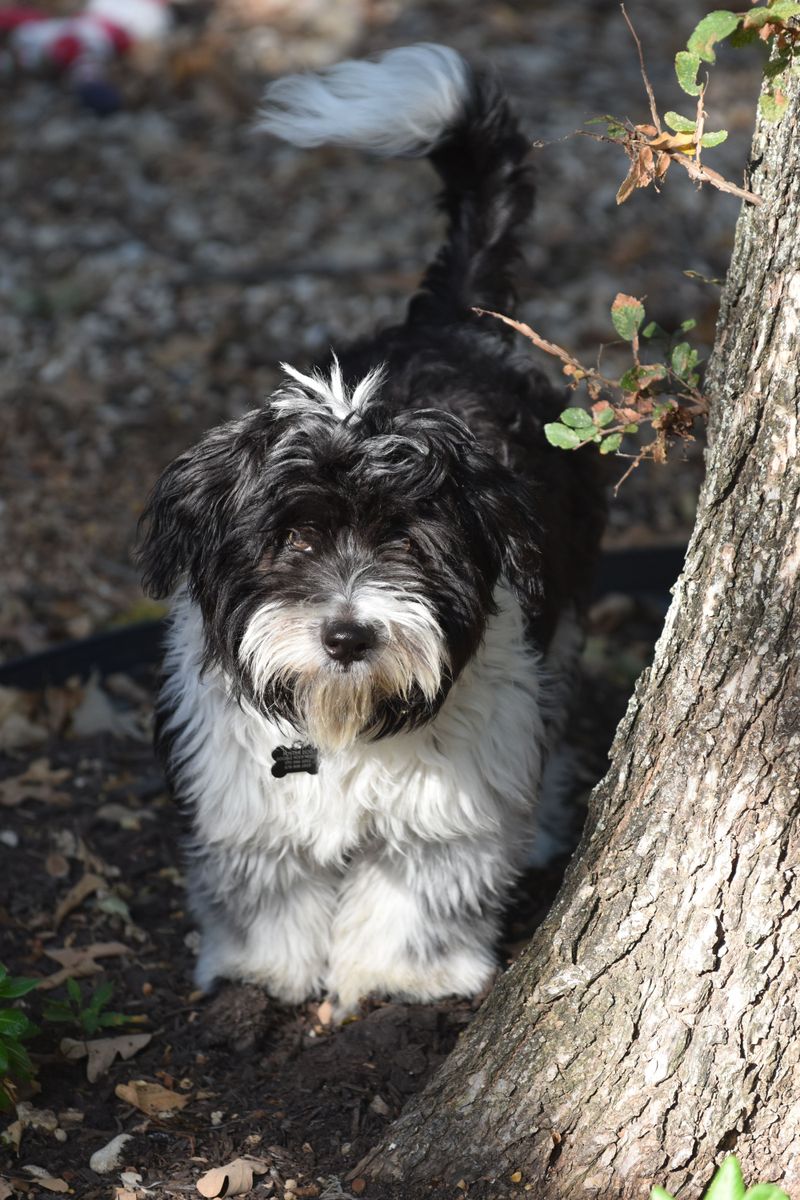
Nicknamed a shadow dog, the Havanese loves company and chatter. Quiet rooms can feel too empty, which may trigger barking or scratching.
Set up a cozy rest corner near a window and teach a settled place cue with treats. Before leaving, offer a lick mat to soothe and tire the tongue.
Build alone time in tiny steps, pairing your shoes and keys with snacks so those sounds predict good things instead of worry.
Cavalier King Charles Spaniel
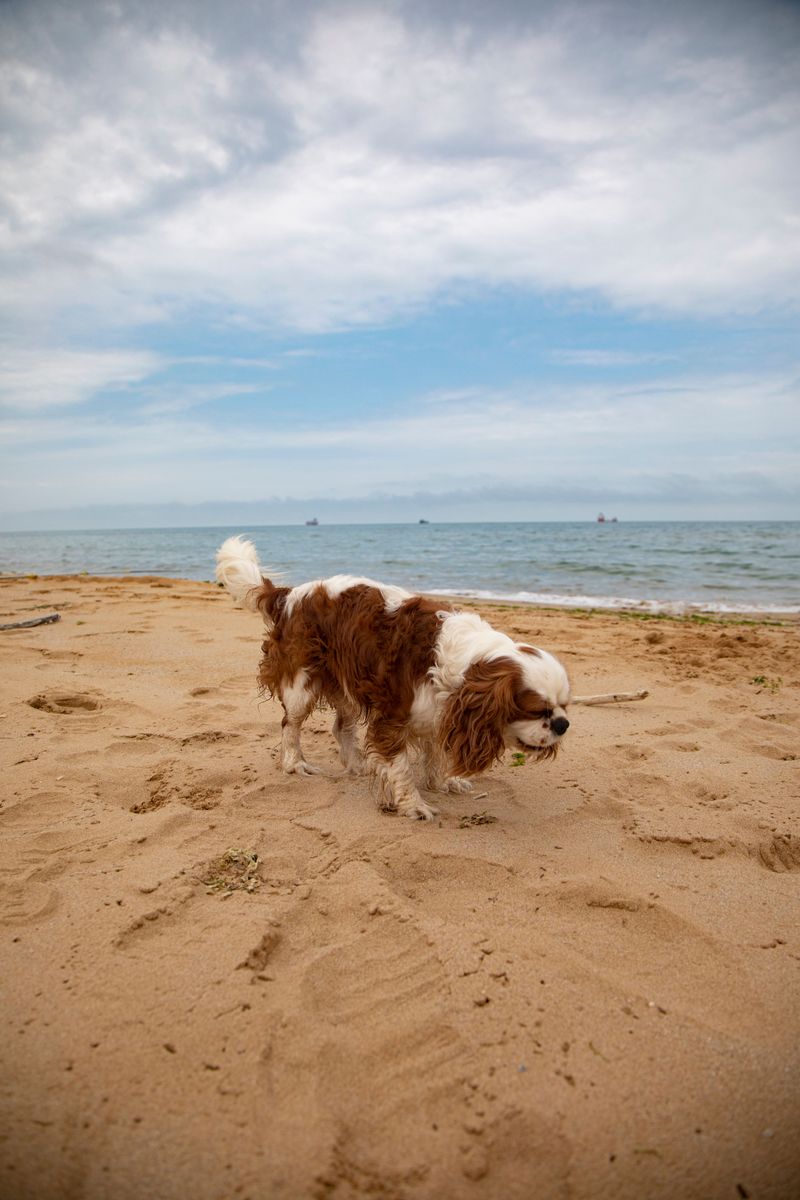
With a tender-hearted demeanor, Cavaliers often crave steady closeness. Sudden quiet can lead to whimpers or door scratching.
Try calm departures after a sniffy walk that lowers stress. Teach independence by rewarding moments when your Cavalier chooses a bed across the room.
Rotate simple scent games in boxes or towels to keep the mind happy. If your schedule changes often, a trusted sitter or neighbor drop-in can make the day feel predictable and friendly.
Italian Greyhound
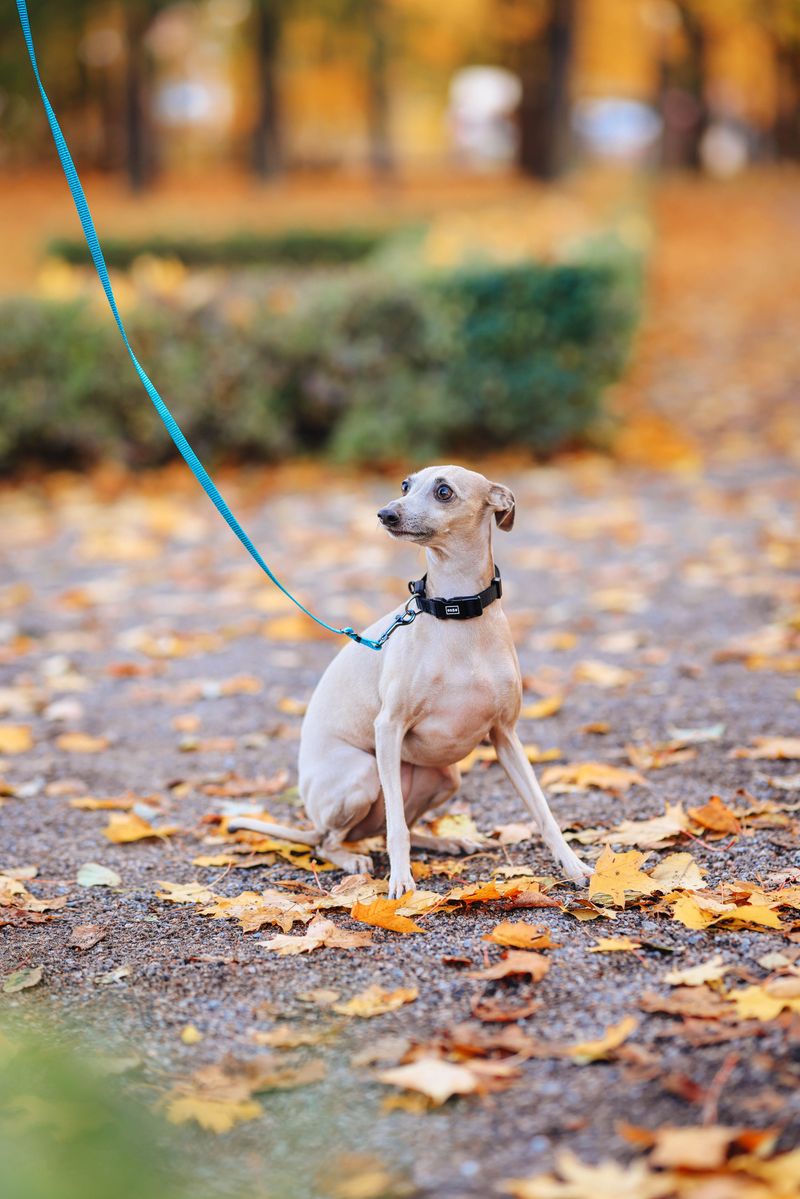
Delicate and affectionate, Italian Greyhounds can feel uneasy when the house falls silent. Some shiver or pace while waiting.
Warmth helps them relax, so provide a cozy sweater and a heated bed. Mask sudden noises with a steady sound machine.
Use scatter feeding and brief, positive absences, starting with seconds, then minutes. For sensitive pups, avoid big goodbyes or excited returns.
Keep transitions low-key so coming and going becomes routine, not a scary event.
Bichon Frise
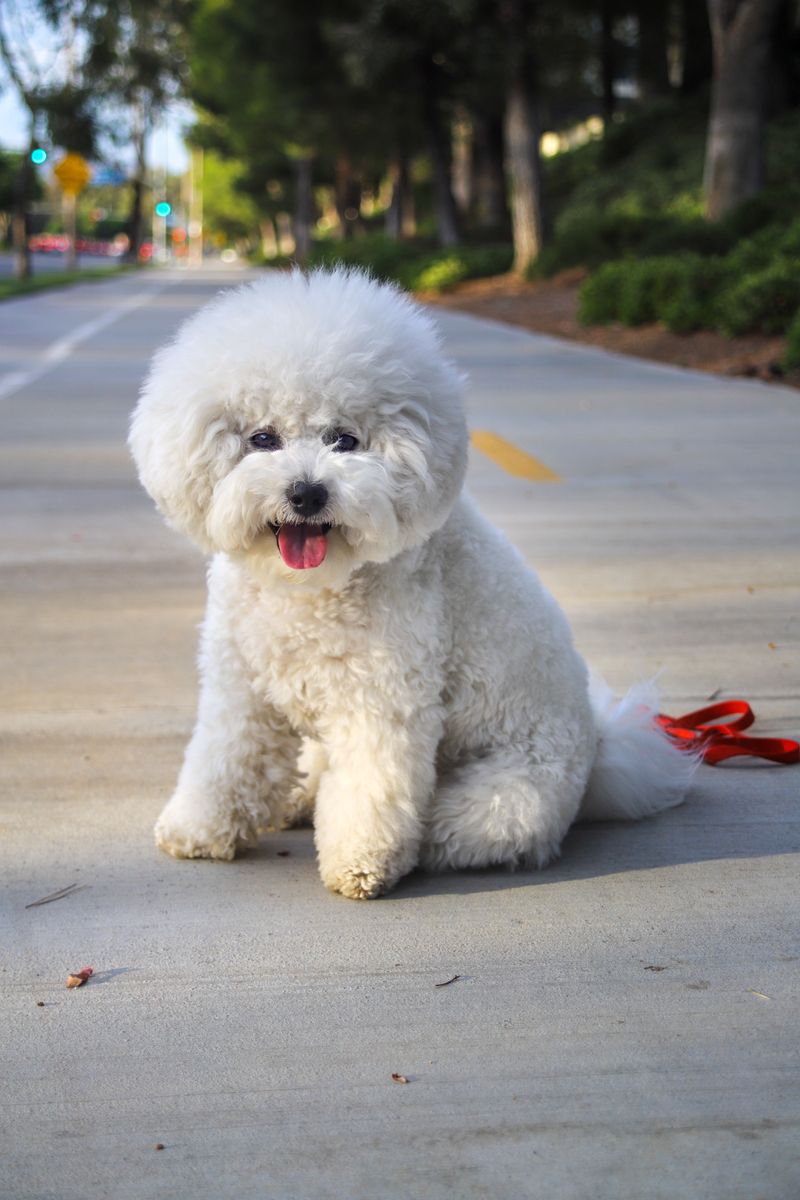
Full of sparkle, the Bichon often wants to be part of every moment. Alone time can lead to yips or busy chewing.
Channel that cheerful energy with play, then cool down with a short training session before you leave. Teach a go-to-mat routine and reward quiet, settled breathing.
Use snuffle mats and slow feeders to stretch mental work. If grooming days already feel stressful, avoid leaving right after.
Instead, let the dog nap first.
Maltese
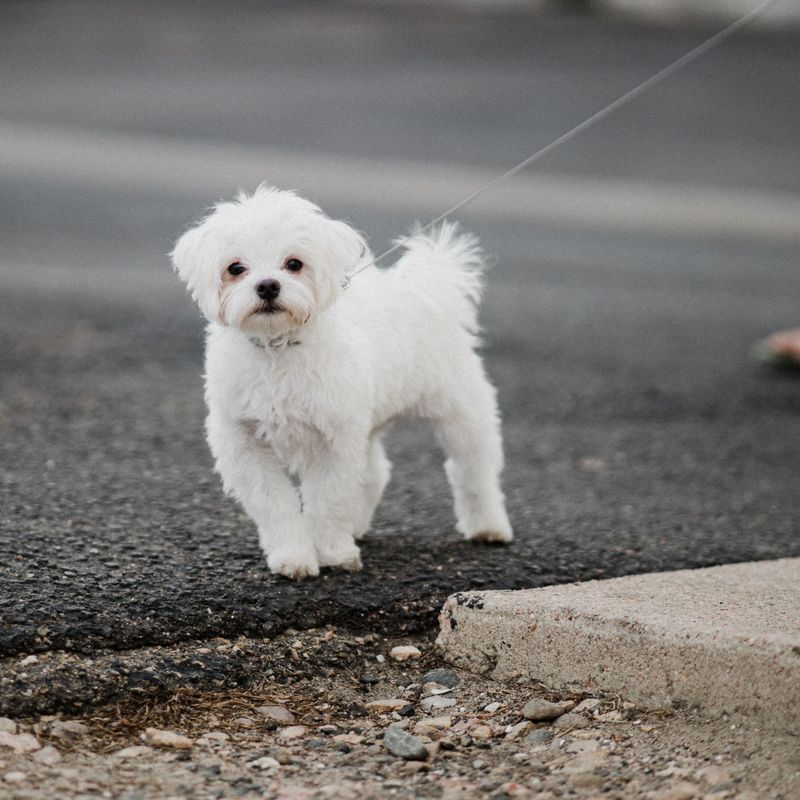
Small in size, huge in heart, the Maltese often follows like a cheerful cloud. Quiet apartments can feel too still for comfort.
Keep a simple routine: potty, play, train, then rest. Leave during the rest window so the body expects sleep.
Offer a lightweight chew and a food puzzle sized for tiny mouths. If barking starts, review camera footage to catch early signs.
Shorten absences, then rebuild gradually with calm rewards for peaceful minutes.
Doberman Pinscher
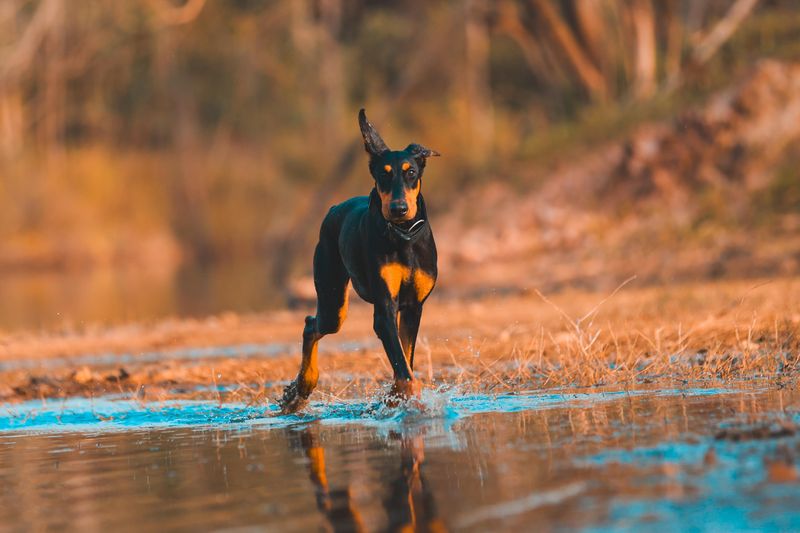
Watchful and people-focused, many Dobermans act like loyal guardians. Without clear structure, worry can show as pacing or door guarding when left alone.
Give a job before you go: obedience reps, nosework hides, then a long-lasting chew. Practice calm crate time with the door open first, then briefly closed, pairing it with steady music.
Regular exercise matters, but mental drills truly tire this sharp mind. A familiar dog walker at midday keeps confidence steady.
Toy Poodle
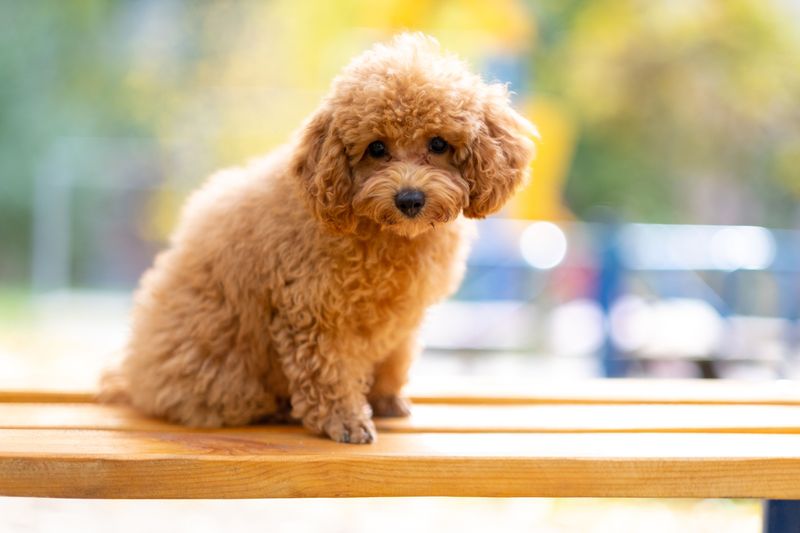
Brains for days, the Toy Poodle notices every pattern. If your keys always mean goodbye, worry can build fast.
Scramble the cues. Pick up keys and sit down, toss treats, watch TV.
Then leave briefly with zero fanfare. Keep that clever brain busy with trick training and rotating puzzles.
For barky moments, reinforce quiet with calm treats dropped on the bed. Consistency wins with this quick study, so track progress on a simple chart.
Cocker Spaniel
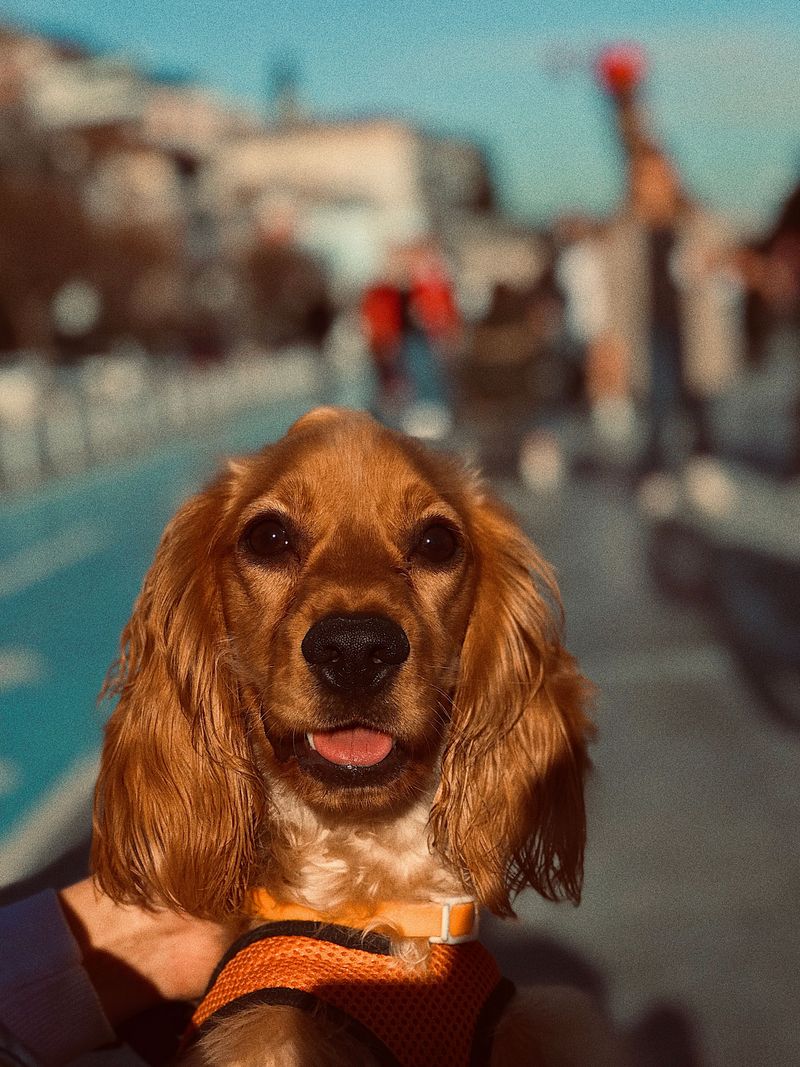
Those soulful eyes say it all. Cockers often prefer steady companionship and can fret when routines shift.
Begin with scent games that tap their hunting roots. Hide treats in crumpled paper or muffin tins under tennis balls.
After a sniff session, encourage a nap on a comfy bed, then step out briefly. Keep greetings mellow when you return.
If your Cocker vocalizes, reward the first quiet second, then build to longer stretches of calm.
German Shepherd
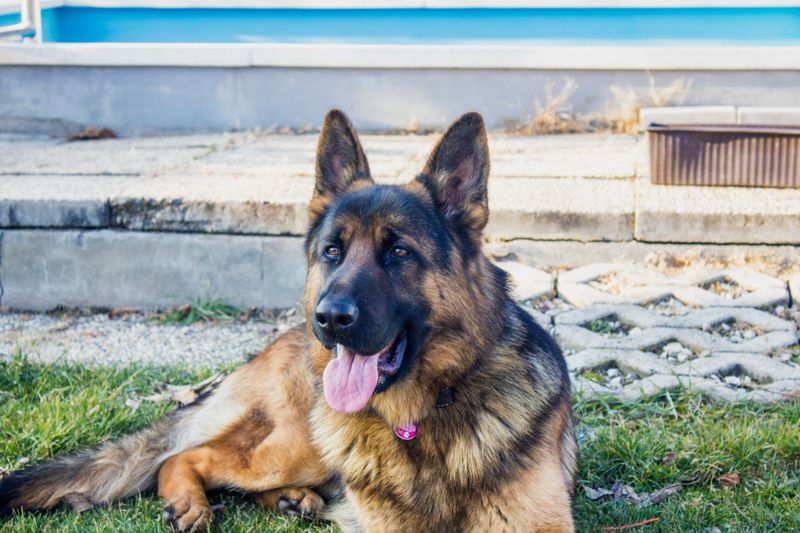
Highly loyal and tuned to their people, many German Shepherds take responsibility for the home. Being alone can feel like unfinished work.
Clarify the job. Park your dog on a mat with a chew while you move around the house.
Reward holding position. Then practice short absences with a camera to guide timing.
Mix tracking games, obedience, and decompression walks. Clear boundaries and steady outlets reduce tension, which helps solo hours feel safe and predictable.
Labrador Retriever
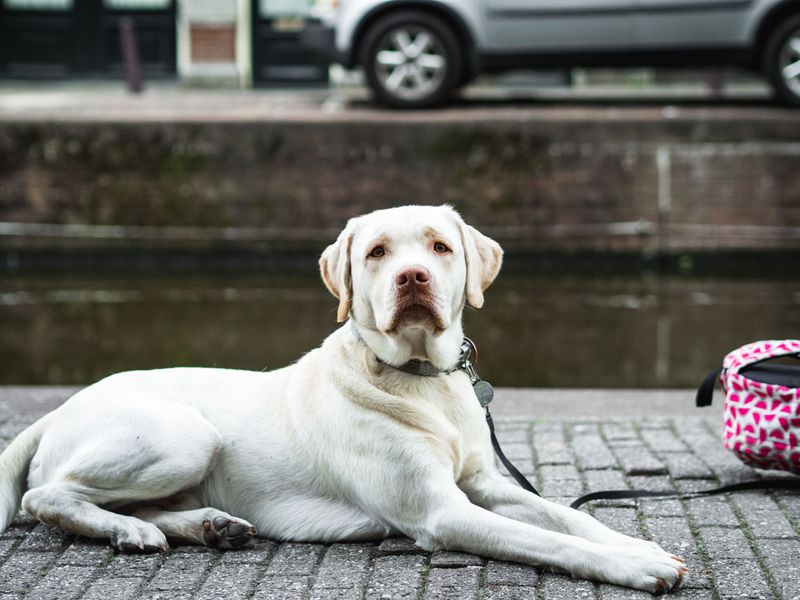
Many Labs act confident, yet boredom plus big energy can spark mischief when left alone. Chewed shoes often tell the story.
Start the day with fetch or swimming, then a cool-down walk. Offer a frozen Kong to stretch focus during the first hour.
Teach a settle cue and reward calm every few minutes before you leave. If schedules vary, automate parts of the routine, like lights, music, and feeding times, to keep things steady.
Shiba Inu (more independent)
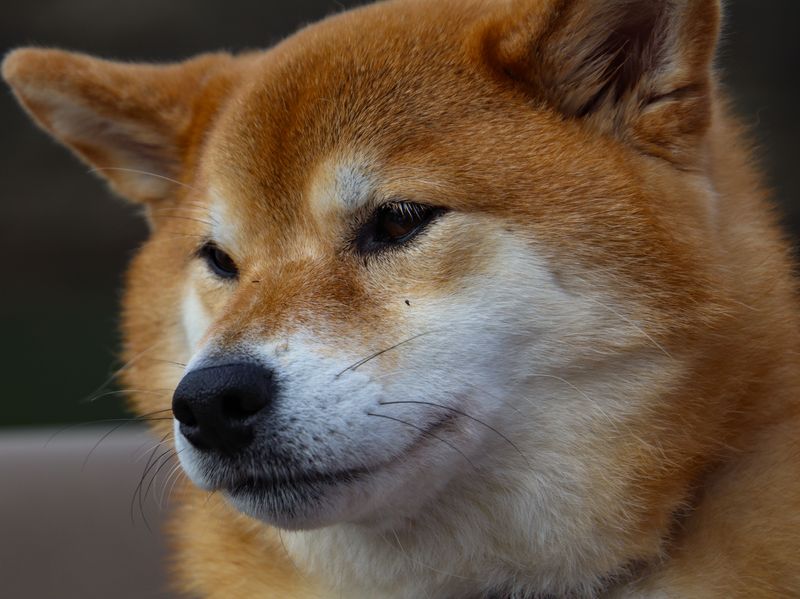
Cool and catlike, many Shibas handle alone time with steady poise. Self-entertaining habits can make solo hours smoother than for clingy breeds.
Even so, clear expectations matter. Provide a secure space, stable schedule, and sturdy enrichment that will not shred easily.
Rotate puzzles to prevent boredom. Because Shibas can be headstrong, practice calm doorway manners and safe leashing before outings.
A reliable recall and good chew rotation keep minds busy and the house intact.
Chow Chow (more independent)
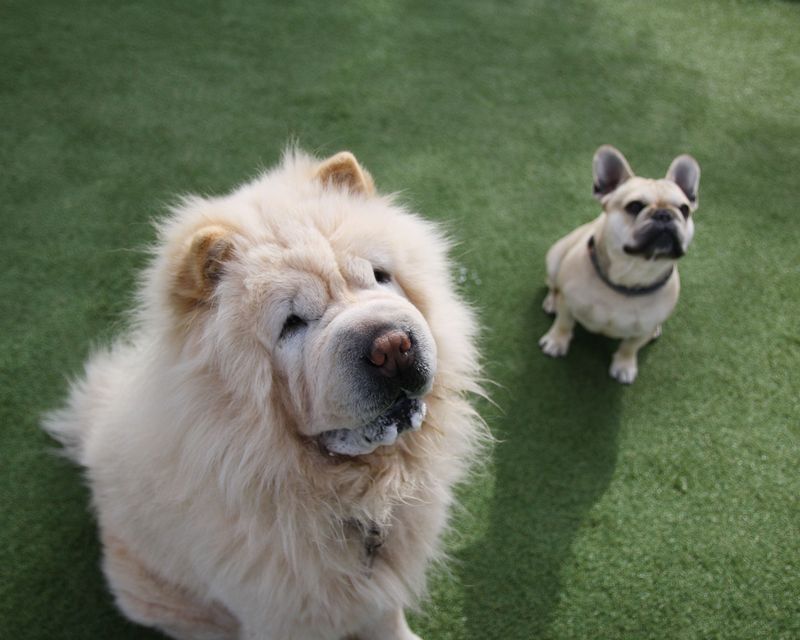
Dignified and reserved, many Chows value personal space and often nap peacefully when home alone. That calm confidence can suit busy households.
Still, preparation helps. Keep a consistent feeding and walk schedule, then encourage quiet rest with a slow feeder and soft background audio.
Socialize thoughtfully so your Chow remains comfortable with visitors and routine changes. A cool resting spot and regular grooming reduce discomfort, which supports relaxed behavior during your time away.